Loading subject page…

- New Manager Essentials
- Setting Clear Goals and Expectations
- How to Set Goals
Micro-course: Setting Clear Goals and Expectations
2,602 views
Learn key concepts and earn your certificate.






How to Set Goals


00:00
01:29
Video Summary: How to Set Goals
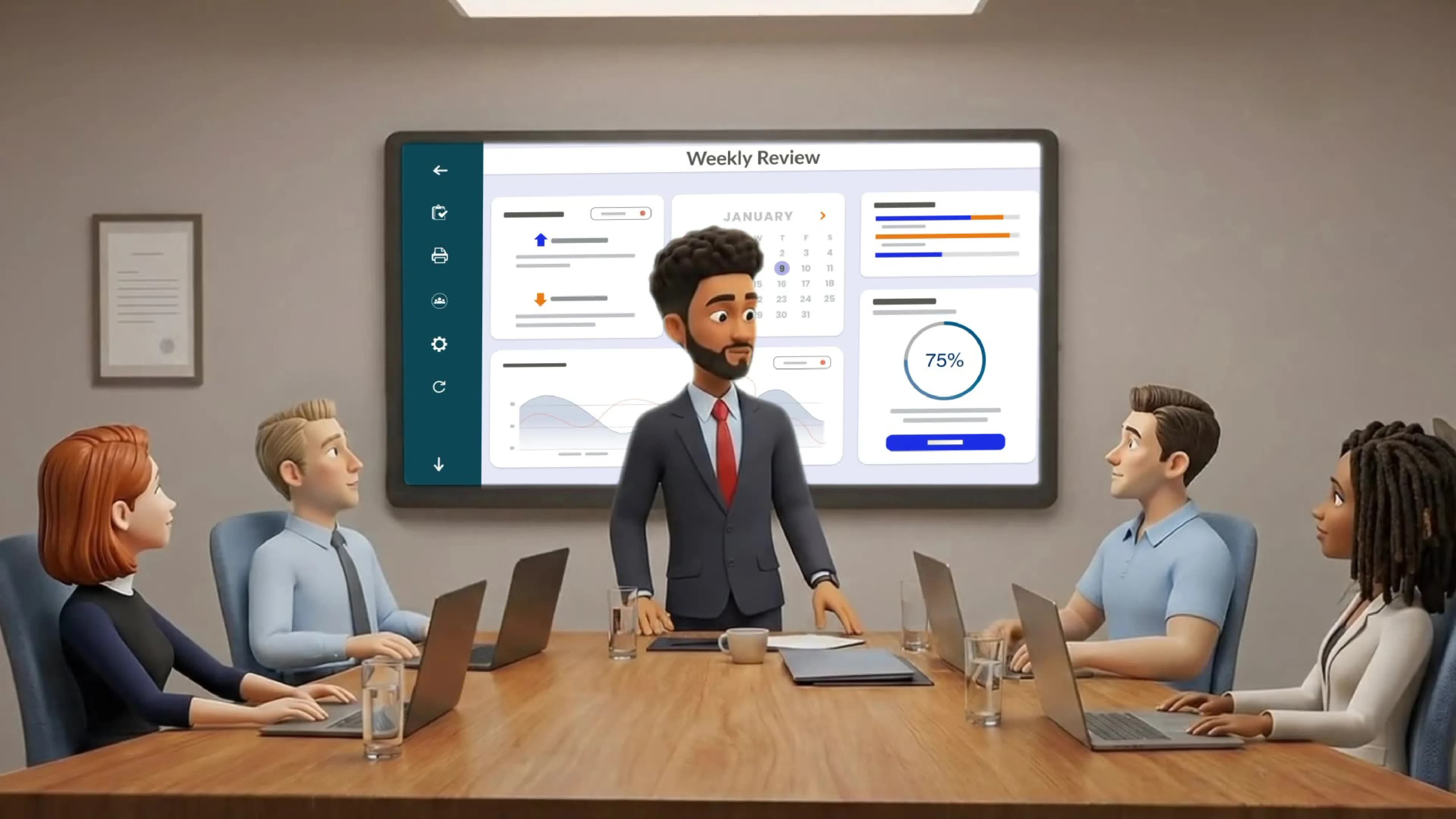
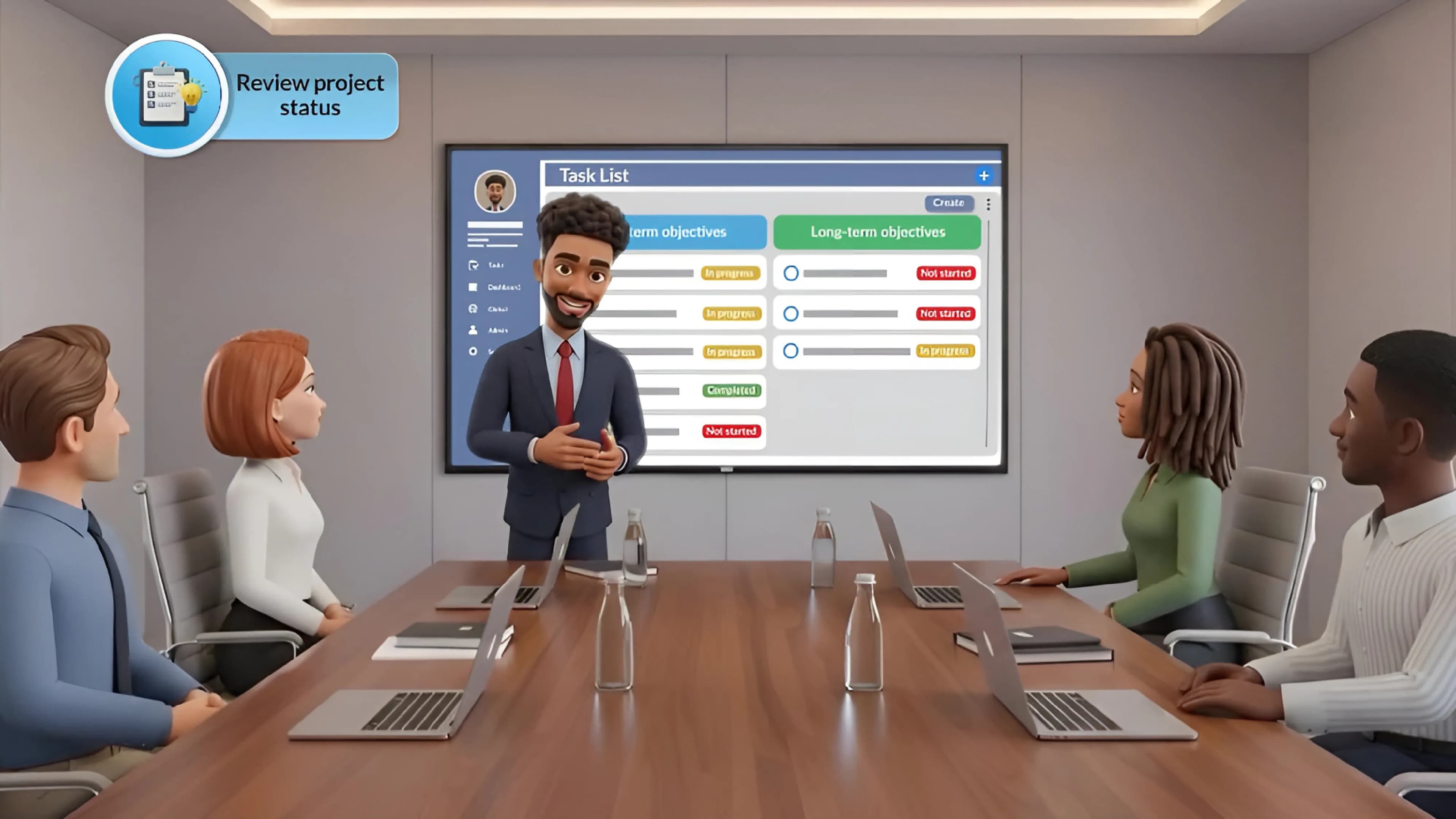
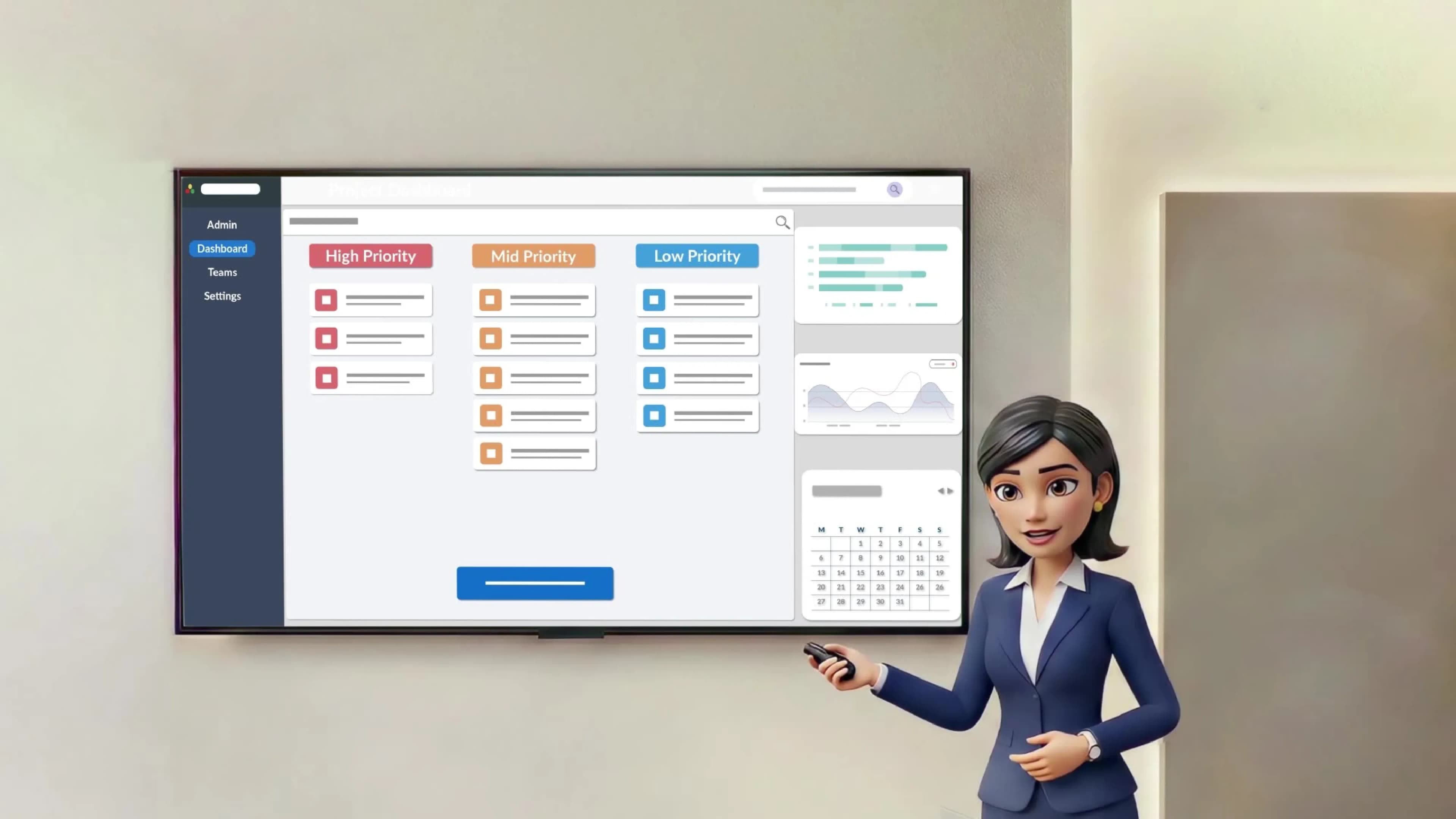
When quarterly planning arrives, many managers struggle with how to set goals as manager that actually drive team performance rather than just check organizational boxes. Without a structured approach, teams drift toward competing priorities and unclear expectations, undermining both productivity and morale. This breakdown typically happens when managers jump straight to task assignment without establishing the strategic foundation first. The key is applying a systematic framework that transforms broad objectives into actionable, trackable outcomes your team can execute with confidence. Watch the full video on JoVE Coach to master this concept with expert-led visuals and step-by-step explanations.
- Set strategic direction by clarifying team outcomes before diving into individual tasks or deliverables
- Build SMART goal frameworks that provide clear measurement criteria and accountability structures
- Delegate responsibilities effectively by mapping specific tasks to team members with defined ownership
- Establish tracking systems that maintain transparency and enable proactive progress management
- Conduct regular review cycles that identify obstacles early and adjust priorities based on performance data
- Align team efforts with broader organizational objectives while maintaining focus on immediate deliverables
- Navigate goal refinement conversations that strengthen team performance for future planning cycles
- Manage resource allocation by anticipating challenges and securing necessary support before execution begins
How to Set Clear and Effective Team Goals as a Manager
Picture this: You're three weeks into the quarter, and your team is spinning their wheels on competing priorities. Despite hours of planning meetings, everyone has different interpretations of what success looks like. Sound familiar? This scenario plays out in organizations worldwide because managers often confuse activity with clarity. The difference between high-performing teams and struggling ones isn't talent-it's how effectively their manager translates organizational objectives into executable team goals.
Why Most Goal-Setting Efforts Fall Short
The primary reason SMART goal setting for managers fails isn't the framework itself-it's implementation. Most managers treat goal-setting as a one-time event rather than an ongoing leadership process. They announce objectives in a team meeting, assume alignment, and wonder why execution falters. Effective goal-setting requires continuous calibration between strategic intent and operational reality. Your role as a manager is to bridge this gap through structured planning and consistent communication.
A Team Goal Setting Framework That Delivers Results
Start with outcome clarification before diving into methodology. Ask yourself: "What specific result must this team achieve?" Not what they'll do, but what they'll deliver. From there, apply the SMART criteria systematically. Specific means everyone can visualize the end state. Measurable means you can track progress weekly, not just at quarter-end. Achievable means stretching your team without setting them up for failure. Relevant connects team goals to broader business impact. Time-bound creates urgency and enables milestone tracking.
Next, decompose each goal into actionable components using backward planning. If your goal is increasing customer retention by 15% in Q2, work backward: What activities drive retention? Which team members own each activity? What resources do they need? What obstacles might emerge? This granular approach transforms ambitious targets into manageable daily work.
Implementation Strategies for Sustained Success
Document everything in a shared tracking system-whether that's project management software or a simple spreadsheet. Transparency eliminates confusion and creates accountability. Schedule weekly progress reviews, not monthly ones. Weekly cadence catches issues while they're still manageable. Use these sessions for obstacle removal, resource reallocation, and priority adjustment.
Build reflection into your process. After each goal cycle, conduct a team retrospective: What worked? What didn't? How can we improve next time? This creates organizational learning that compounds over multiple quarters.
Frequently Asked Questions
Effective team goal setting means translating organizational objectives into specific, trackable outcomes that your team can execute with clear ownership and accountability. It's your responsibility to ensure every team member understands not just what they're doing, but why it matters and how success will be measured. This creates alignment between individual effort and business results.
Start each planning session by clarifying the desired outcome, then work through each SMART criterion systematically with your team. Write measurable targets on the whiteboard, assign specific owners to each component, and establish weekly check-in schedules before the meeting ends. Document everything in a shared system that everyone can access for ongoing reference and updates.
Stop and re-clarify immediately-don't wait for alignment to emerge naturally. Schedule individual conversations with each team member to understand their interpretation, then bring the team together to establish a single, shared definition. Use specific examples and scenarios to test understanding before moving forward with execution.
Prioritize ruthlessly and establish clear capacity planning. Map each goal against available team hours, identify potential conflicts early, and negotiate realistic timelines with stakeholders. Use a visual project board to track competing priorities and hold weekly priority alignment sessions to adjust focus as needed.
Begin with stakeholder alignment sessions to understand each department's priorities and constraints. Establish shared success metrics that benefit all represented functions, and create communication protocols that keep everyone's home departments informed. Schedule more frequent check-ins initially until team dynamics stabilize and trust develops.
No prior management experience is required-this framework is designed to be immediately actionable for new managers. The key is starting with simpler goals and building complexity as you gain confidence. Focus on clarity and consistency rather than sophistication. Your team will appreciate straightforward goals they can actually achieve over ambitious targets that feel overwhelming.
Strong goal-setting skills dramatically improve your credibility with both your team and senior leadership. Your team gains confidence in your direction because they understand expectations clearly. Senior leaders trust your ability to deliver results because you can break down complex objectives into executable plans and track progress systematically.
Focus next on performance coaching and feedback delivery. Once you can set clear goals, your next challenge is helping team members navigate obstacles and improve their execution over time. Effective performance conversations become the bridge between goal setting and goal achievement.
Related Micro-courses

5 Concepts


7 Concepts