Loading subject page…
- New Manager Essentials
- Setting Clear Goals and Expectations
- How to Set KPIs
Micro-course: Setting Clear Goals and Expectations
2,611 views
Learn key concepts and earn your certificate.




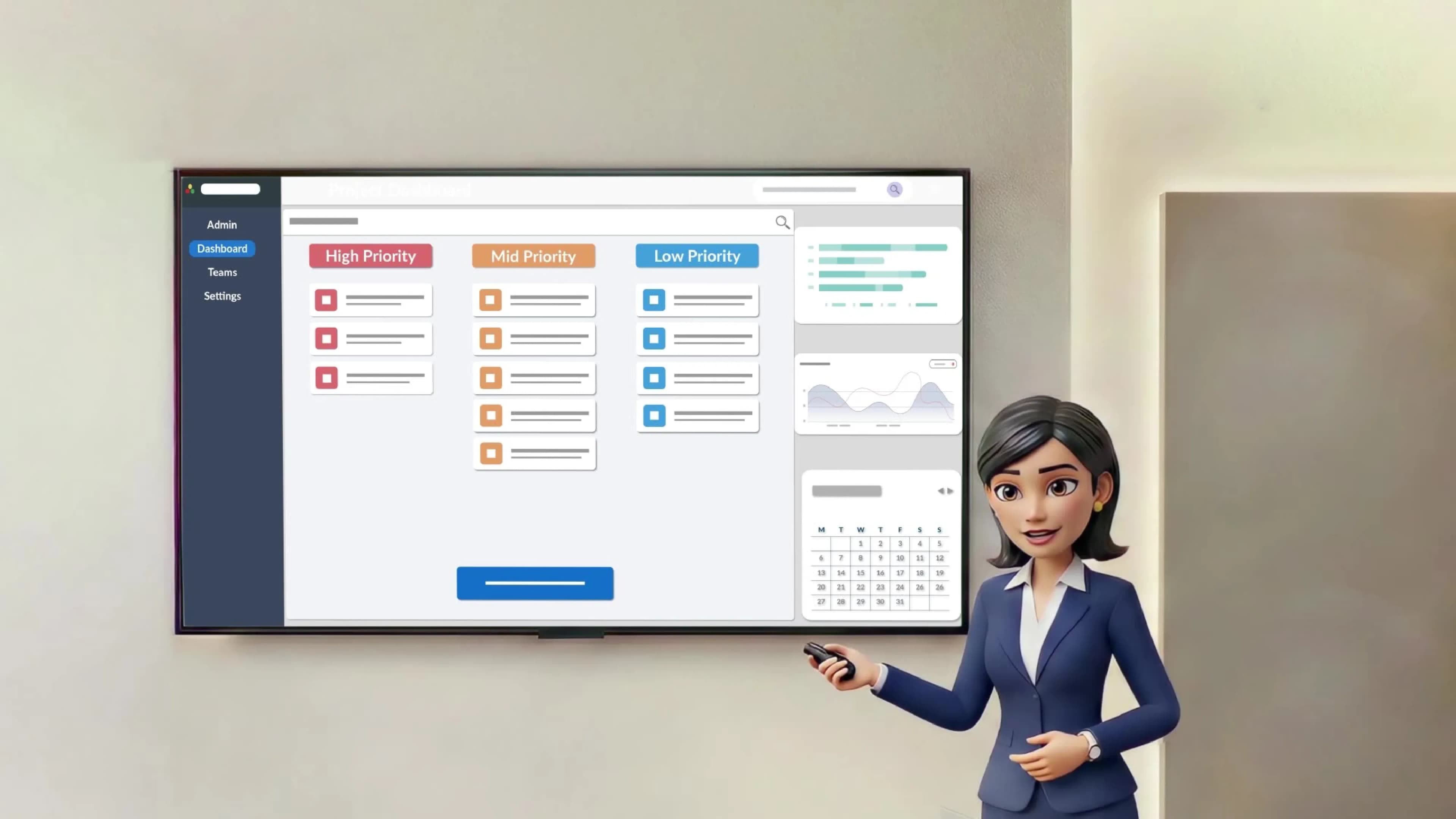

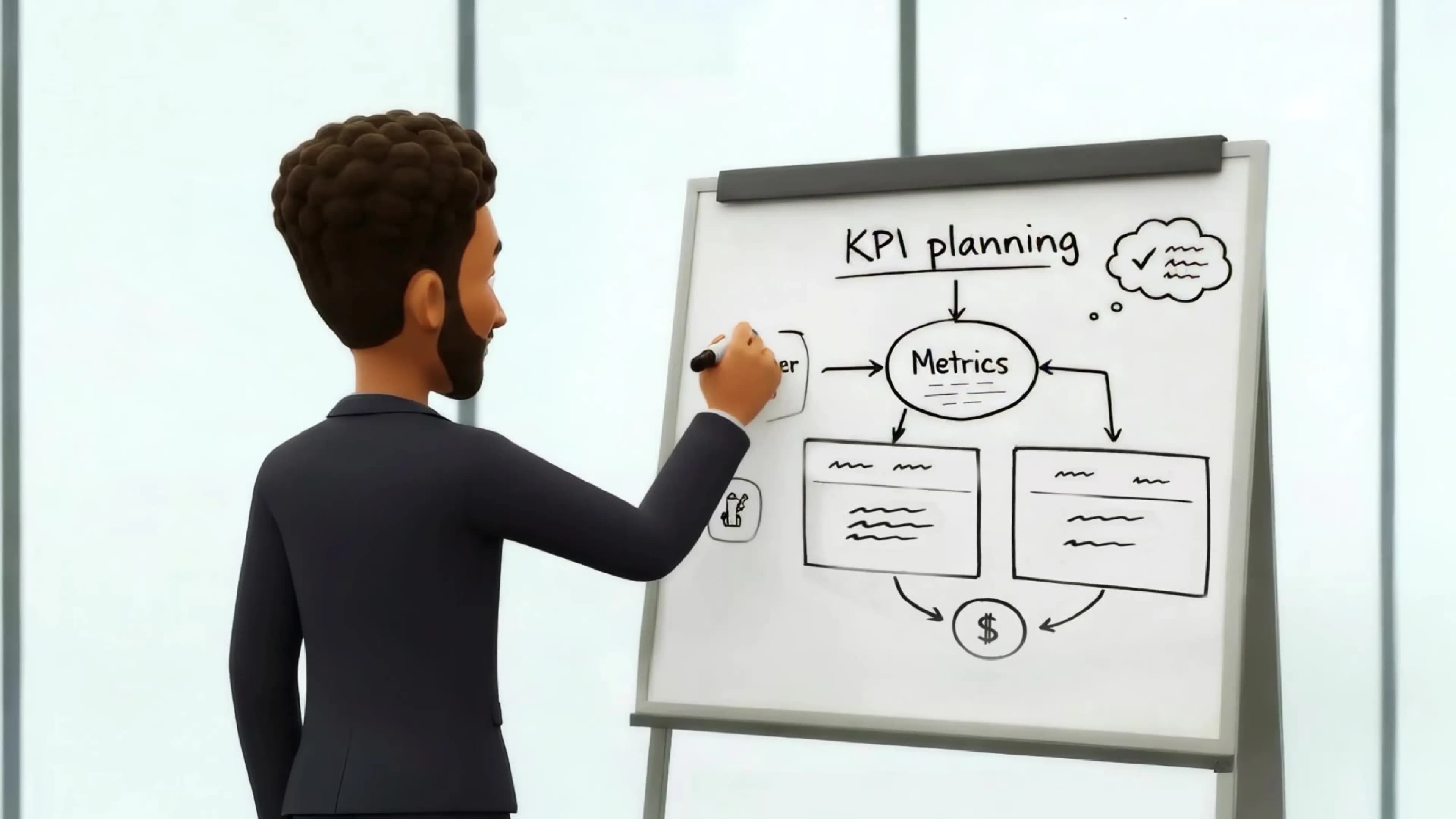
How to Set KPIs

00:00
01:11
Video Summary: How to Set Kpis
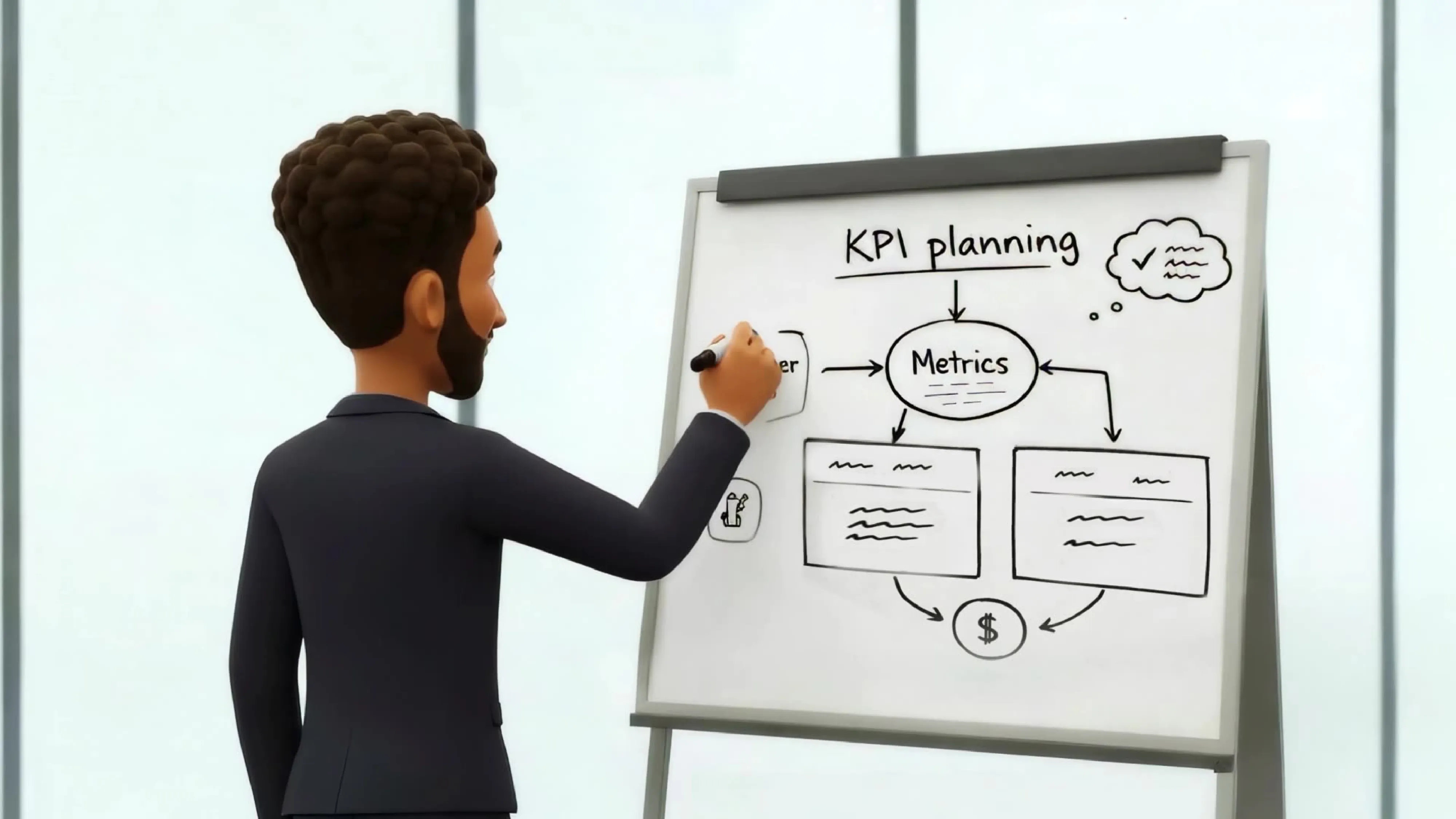
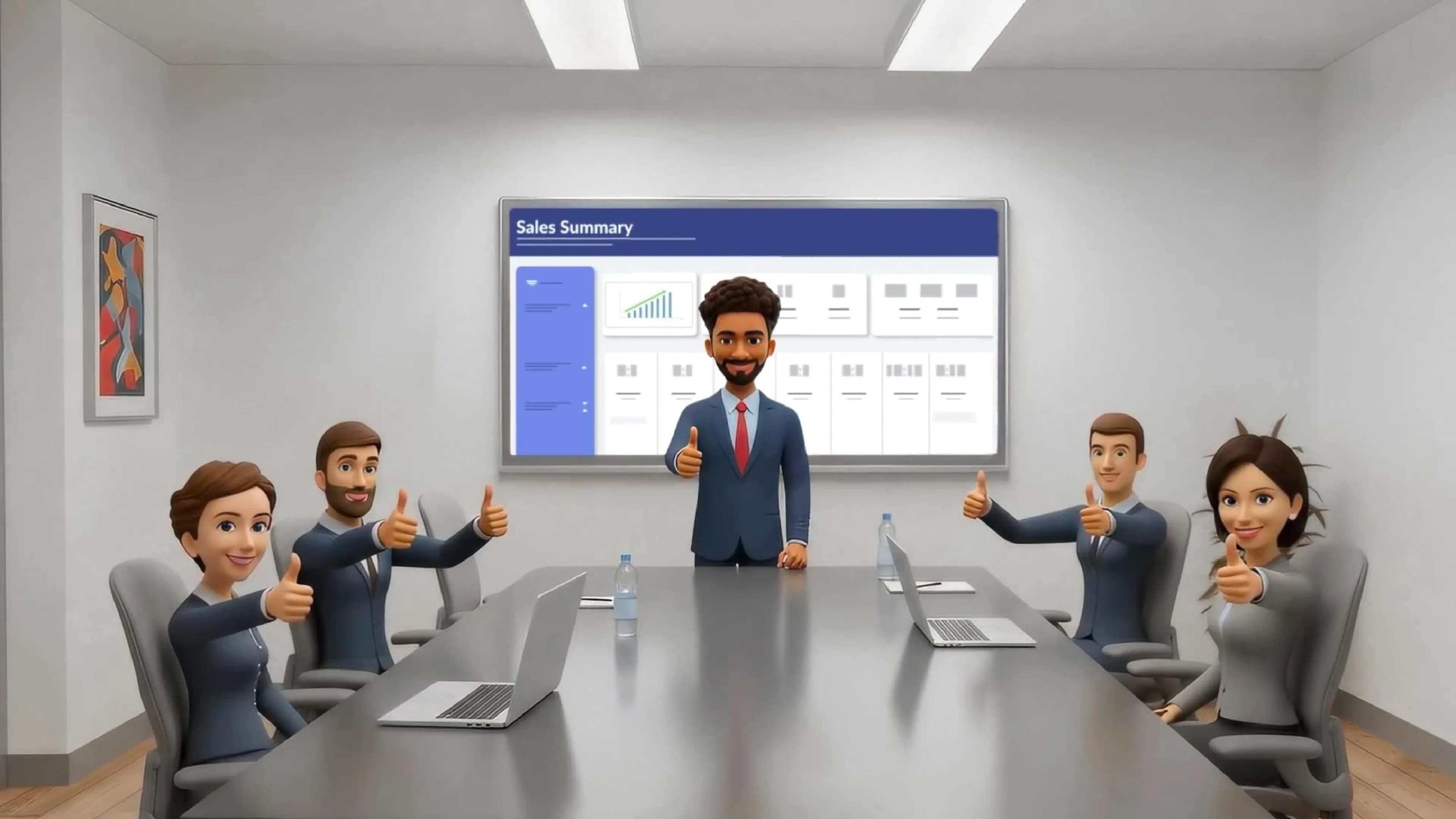
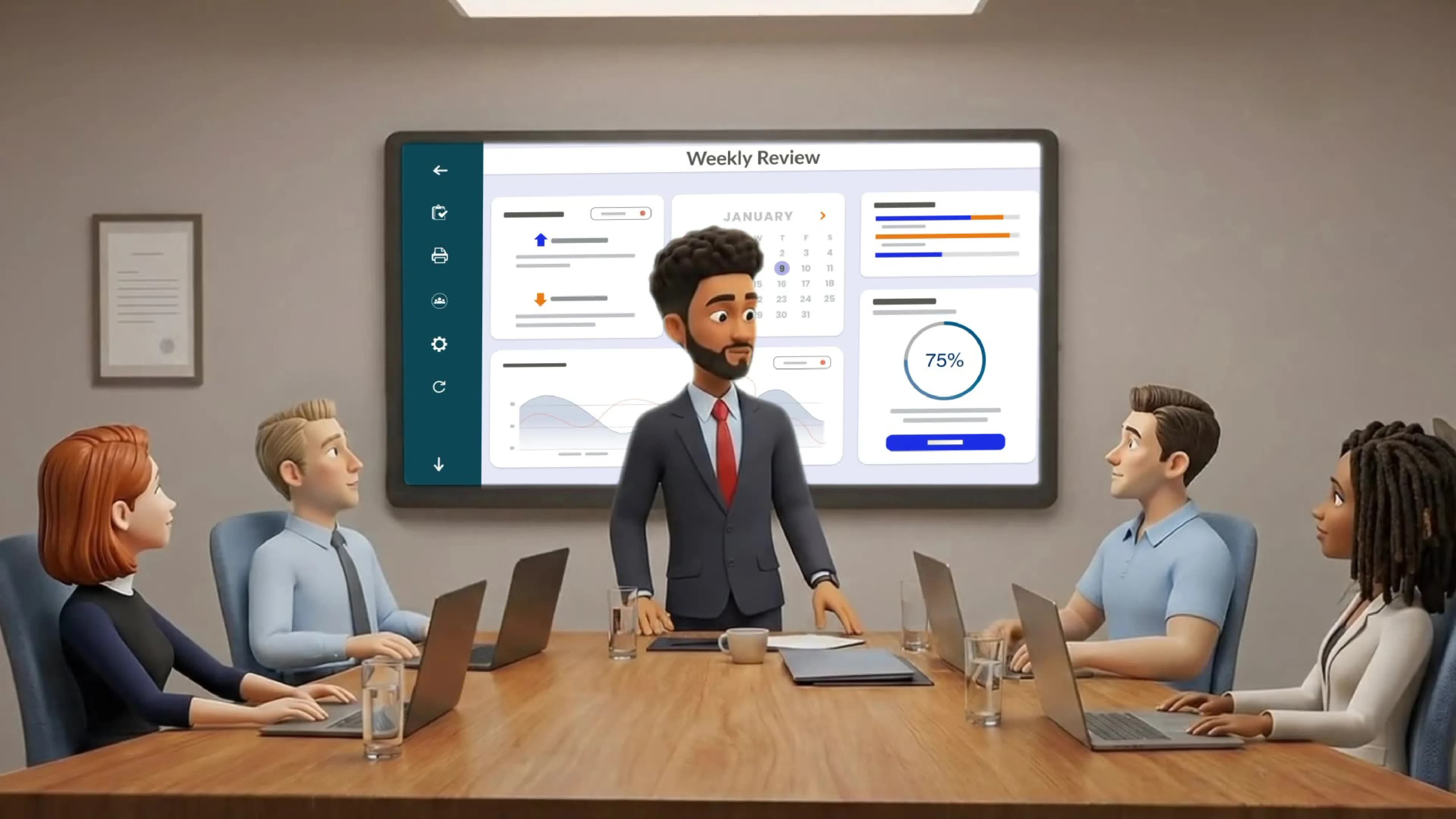
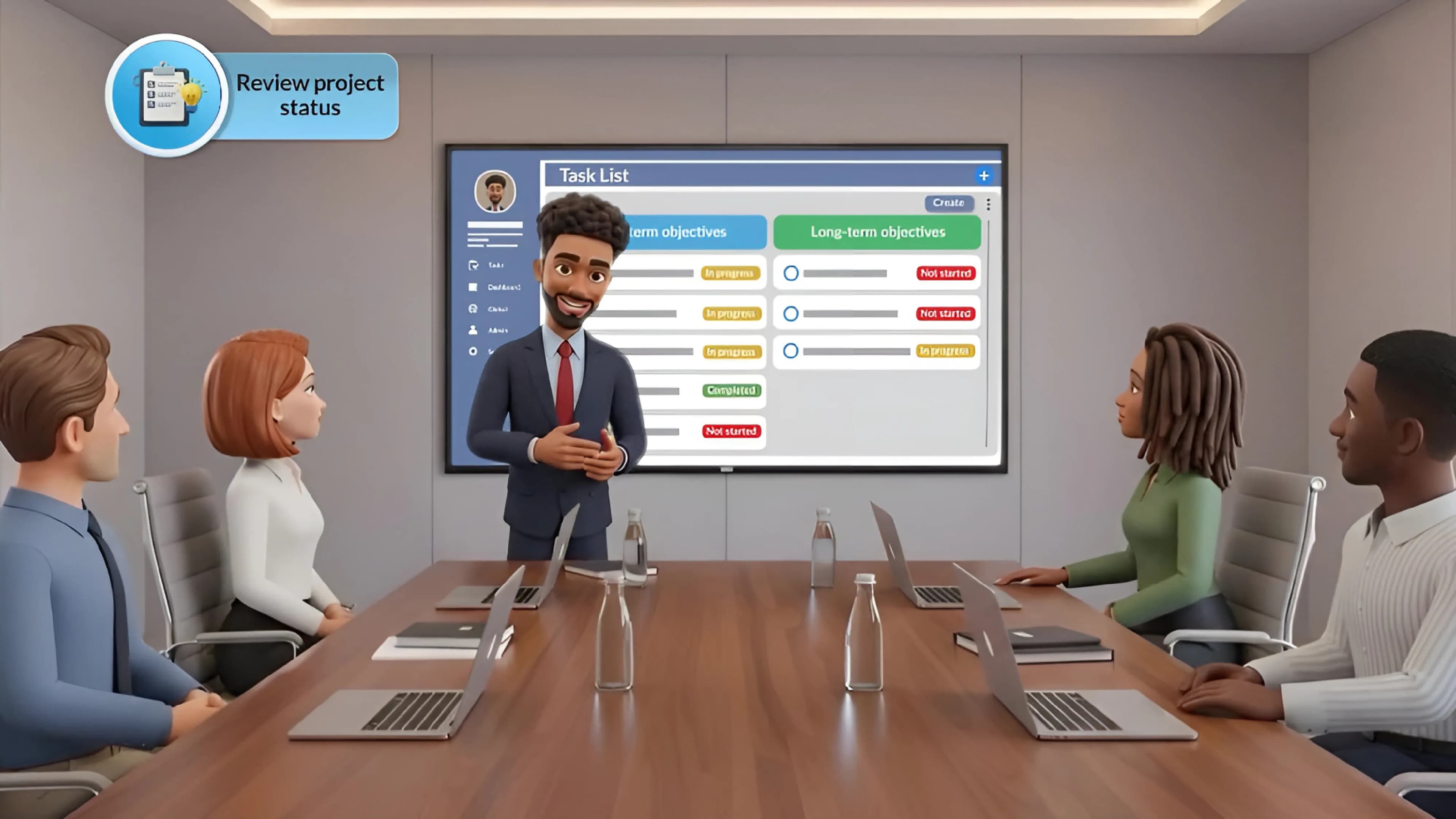
New managers often struggle with translating high-level business objectives into actionable team targets. Learning how to set KPIs for teams requires a systematic approach that connects individual performance to organizational outcomes. This step-by-step framework demonstrates the complete KPI setting process, from initial goal alignment through ongoing performance tracking. You'll see how effective managers define measurable objectives, establish clear accountability structures, and create sustainable measurement cadences that drive team performance. Watch the full video on JoVE Coach to master this concept with expert-led visuals and step-by-step explanations.
- Align team objectives with broader business goals through structured conversations with senior leadership
- Set specific, measurable KPIs that translate abstract company targets into concrete team performance metrics
- Build reliable measurement systems using existing data sources and tracking tools to ensure accurate performance monitoring
- Facilitate clear accountability by documenting who owns each metric and who reports on progress
- Structure regular review cadences that enable proactive performance adjustments and continuous improvement
- Navigate the documentation and communication process to ensure team buy-in and understanding of new KPIs
- Manage the transition from goal-setting to execution through systematic progress tracking and team check-ins
Step-by-Step Guide to Setting KPIs for Your Team
Picture this scenario: Your director announces a 20% revenue increase target for the quarter, and suddenly every team lead is scrambling to figure out what that means for their specific group. Without a structured approach to KPI setting, you'll end up with misaligned metrics that don't drive the behaviors you actually need.
The SMART-R Framework for Team KPIs
The most effective managers use a modified SMART framework-adding "Relevant" as a sixth criterion. Your KPIs must be Specific, Measurable, Achievable, Relevant, Time-bound, and Reviewed regularly. Start with the business outcome (revenue growth), then work backward to identify the specific behaviors your team controls (sales conversion activities). This reverse-engineering approach ensures every KPI connects directly to organizational impact.
For implementation, use the RACI model to clarify ownership: who is Responsible for achieving the KPI, who is Accountable for results, who should be Consulted during the process, and who needs to be Informed of progress. This eliminates the common pitfall where everyone assumes someone else is tracking critical metrics.
Building Your Measurement Infrastructure
Effective KPI tracking requires what management consultants call "single source of truth" data systems. Before finalizing any KPI, audit your current reporting capabilities. Can you measure this metric weekly? Do you have automated data collection, or will someone manually compile reports? The best KPIs use existing data streams-CRM systems, project management tools, or financial dashboards-rather than creating new administrative burden.
Establish your measurement cadence using the 1-3-12 rule: daily operational metrics, weekly team performance reviews, monthly trend analysis, and quarterly strategic alignment checks. This rhythm prevents both micro-management and dangerous blind spots.
Common Implementation Pitfalls
Most managers fail at KPI setting because they skip the "why" conversation with their teams. Simply announcing new metrics creates resistance and gaming behaviors. Instead, facilitate a team discussion about how these KPIs connect to individual career growth and team success. Use the "golden thread" technique-visually map how each person's work contributes to team KPIs, which drive departmental goals, which support company objectives.
Frequently Asked Questions
KPIs are specifically tied to strategic business outcomes and require regular action when they're off-track. Regular metrics might include activity levels or completion rates, but KPIs focus on results that directly impact organizational goals. Think conversion rates versus call volume-both matter, but only one drives revenue.
Most effective teams track 3-5 core KPIs maximum. More than that creates analysis paralysis and dilutes focus. Choose metrics that cover different aspects of performance-typically one for quality, one for efficiency, and one for strategic impact. Remember, you can always track additional metrics internally while keeping external reporting focused.
Start with collaborative goal-setting rather than top-down mandates. Present the business context first, then ask your team how they think success should be measured. When people participate in creating the metrics, they're more likely to own the outcomes. Address concerns directly and adjust KPIs based on valid operational feedback.
First, diagnose whether it's a skill issue, resource constraint, or motivation problem. Use the performance equation: Performance = Ability × Motivation × Opportunity. If they have the skills and resources but aren't hitting targets, focus on coaching and accountability conversations. If it's a capability gap, provide targeted development or consider role adjustments.
Quarterly reviews work best for most teams. This allows enough time to see meaningful trends while staying responsive to business changes. However, keep monthly pulse checks to spot problems early. Annual KPI overhauls often mean you're not staying aligned with evolving business priorities throughout the year.
Create a 30-60-90 day ramp-up plan with modified targets that acknowledge their learning curve. For the first 30 days, focus on process metrics rather than outcome KPIs. Gradually increase expectations as they gain competency, reaching full KPI accountability by day 90.
Not at all. The framework itself is straightforward-the key is starting simple and building sophistication over time. Focus on one well-designed KPI that clearly connects to business results rather than trying to create a complex measurement system immediately. Your confidence will grow as you see how KPIs improve team performance.
Clear KPIs transform you from a task manager into a strategic leader. You'll spend less time micromanaging daily activities and more time coaching your team toward meaningful outcomes. This shift demonstrates executive readiness and positions you for promotion to roles with broader organizational impact.
Focus on performance coaching conversations-specifically, how to use KPI data to guide developmental discussions rather than punitive reviews. Learning to turn metrics into motivational coaching moments is what separates good managers from great leaders.
Related Micro-courses

5 Concepts


7 Concepts