Loading subject page…
- New Manager Essentials
- Setting Clear Goals and Expectations
- Managing Priorities Scope and Deadlines
Micro-course: Setting Clear Goals and Expectations
2,613 views
Learn key concepts and earn your certificate.








Managing Priorities Scope and Deadlines

00:00
01:24
Video Summary: Managing Priorities Scope and Deadlines
When urgent client requests threaten project timelines, managing priorities and deadlines becomes critical for team success. New managers often struggle when scope changes create competing demands and resource constraints. The key lies in systematic priority assessment, strategic scope adjustment, and clear communication with your team. Rather than accepting all requests or missing deadlines, effective managers reassess current workloads, pause lower-priority initiatives, and preserve core deliverables while maintaining team focus. Watch the full video on JoVE Coach to master this concept with expert-led visuals and step-by-step explanations.
- Manage competing priorities using systematic assessment frameworks to distinguish critical from non-essential work
- Navigate scope creep by evaluating new requests against existing commitments and resource capacity
- Handle deadline pressure through strategic workload redistribution and timeline adjustment
- Lead priority shifting conversations with stakeholders while protecting team bandwidth
- Set clear boundaries around scope changes to prevent team burnout and missed deliverables
- Facilitate transparent communication about revised timelines and adjusted expectations
- Build resilient project management practices that accommodate change without compromising quality
- Align team focus on high-impact deliverables during periods of shifting requirements
How Managers Handle Priorities, Scope Changes, and Deadlines
Picture this: You're three weeks into a critical product launch when your biggest client requests a feature that wasn't in the original scope. Your team is already stretched thin, and adding this work could derail everything. Sound familiar? This scenario plays out in organizations worldwide, separating effective managers from those who struggle with competing demands.
The Priority Assessment Framework That Works
Successful project scope management starts with the MoSCoW method: Must have, Should have, Could have, and Won't have this time. When scope changes arise, immediately categorize the new request against your existing commitments. Must-have items directly impact core deliverables or client contracts. Should-have features add significant value but aren't deal-breakers. Could-have requests are nice additions during slower periods. Won't-have items get deferred entirely.
Apply this framework by conducting a 15-minute priority audit whenever scope changes emerge. List all current tasks, assign MoSCoW categories, then determine what shifts to accommodate new requirements. This prevents emotional decision-making and keeps your team focused on what truly matters.
Managing Deadline Pressure Through Strategic Trade-offs
Team deadline management requires making conscious trade-offs rather than hoping everything fits. Use the "scope triangle" principle: when one element changes (scope, time, or resources), at least one other must adjust. If scope increases, either extend deadlines or reduce other deliverables. If deadlines tighten, narrow scope or add resources.
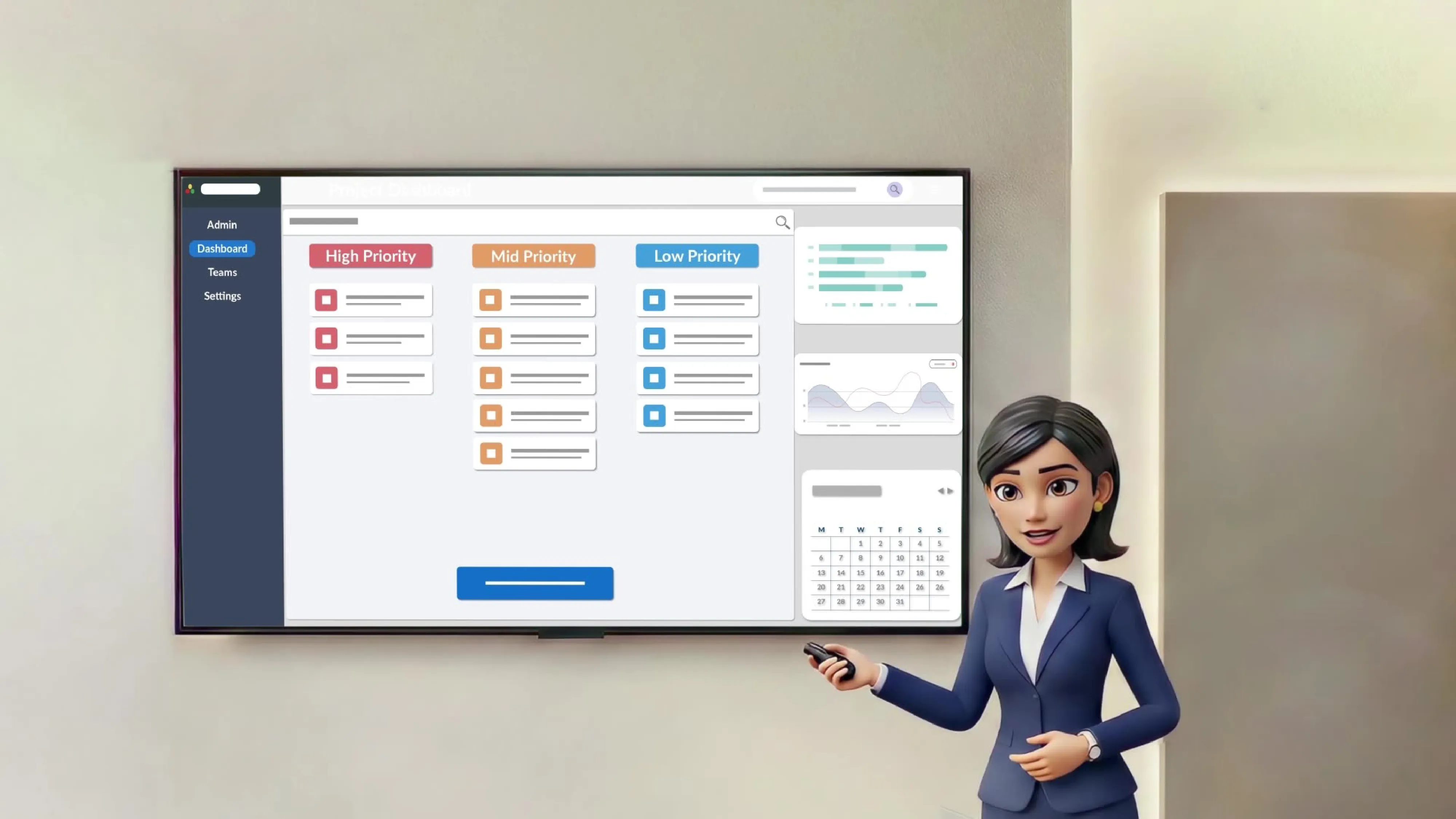
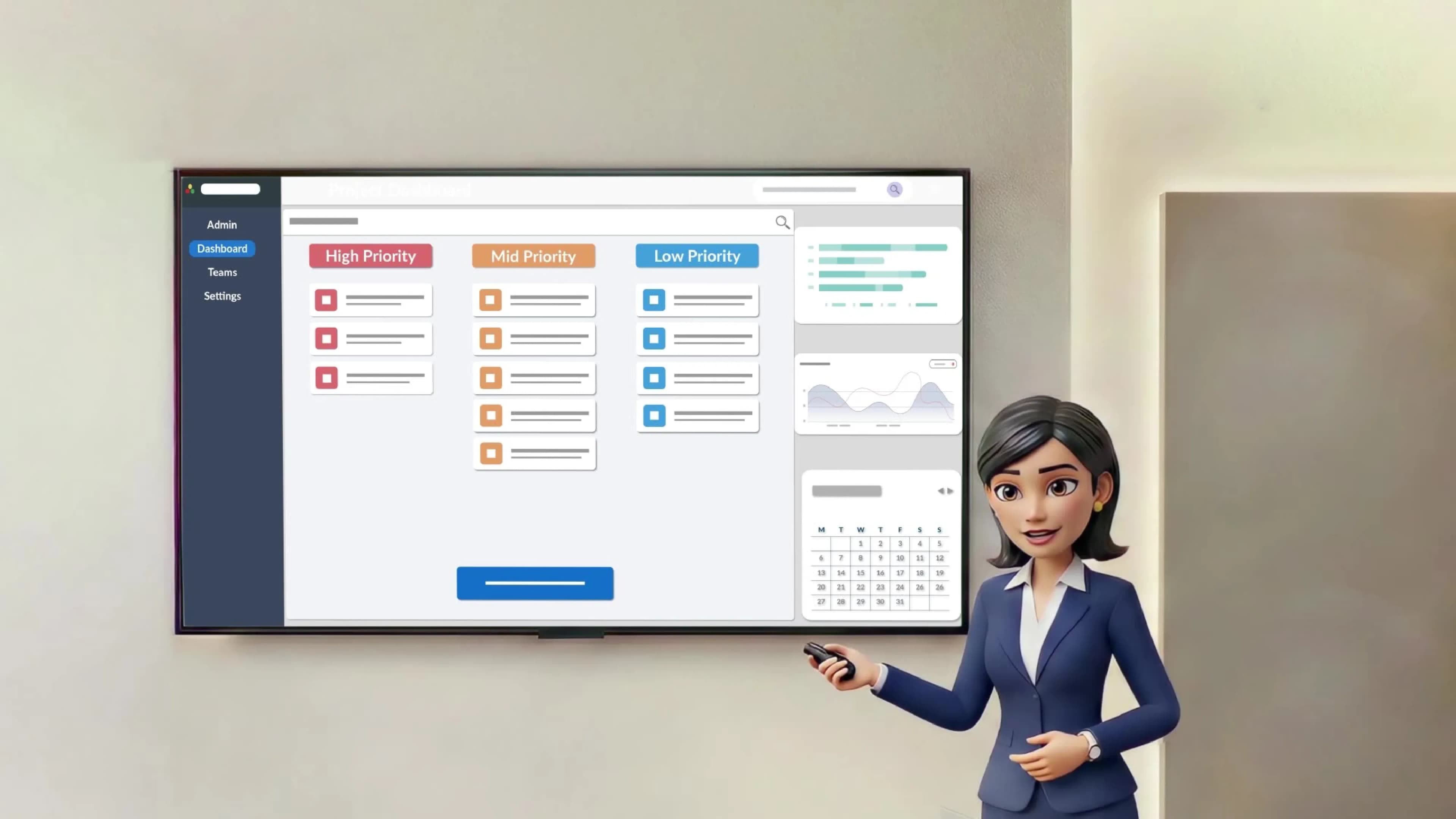
Create a visual project dashboard showing current workload, upcoming deadlines, and team capacity. When new requests arise, use this data to demonstrate impact and facilitate stakeholder discussions about priorities. This transforms reactive scrambling into proactive workload management.
Preventing Scope Creep Before It Starts
The most effective managers establish clear change control processes upfront. Define what's included in initial scope documentation, create approval workflows for changes, and set expectations about timeline impacts. When stakeholders understand that additional requests require trade-offs, they make more thoughtful requests.
Build buffer time into your initial planning-typically 15-20% additional time for unforeseen changes. This buffer becomes your first line of defense against deadline pressure, allowing you to accommodate reasonable scope adjustments without derailing core deliverables.
Frequently Asked Questions
It means making strategic decisions about what work gets done, when, and by whom when you can't do everything at once. You're constantly balancing competing demands, stakeholder expectations, and team capacity to deliver the highest-impact results on time.
Acknowledge the value of new requests, then use data to show current workload and timeline impacts. Present clear trade-offs: "We can add this feature, but it means pushing the mobile optimization to next quarter. Which priority serves our goals better?"
Lead with the business impact and your recommended solution. Start with "Based on the new requirements, here's how I recommend we adjust our timeline to maintain quality" rather than just announcing delays.
Create standardized check-in processes while allowing flexibility in how individuals organize their work. Use shared project dashboards and weekly priority reviews to maintain visibility without micromanaging daily execution.
Conduct an immediate capacity assessment with your team, then present the client with realistic options: extend the timeline, reduce other deliverables, or defer the changes to the next phase. Protect your team's bandwidth while finding workable solutions.
No, but you do need structured approaches and clear communication skills. Start with simple priority frameworks like the Eisenhower Matrix, practice transparent stakeholder conversations, and build confidence through smaller decisions before tackling major scope changes.
It builds trust with both your team and stakeholders by demonstrating you can navigate complexity without creating chaos. Teams respect managers who protect their workload and deliver predictable results despite changing demands.
Develop advanced stakeholder management and influence without authority skills. Once you can handle competing priorities internally, you'll need to shape external expectations and build coalition support for your team's success.
Related Micro-courses

5 Concepts


7 Concepts