Loading subject page…

2,631 views

Video Summary: What are Kpis and Why Do They Matter
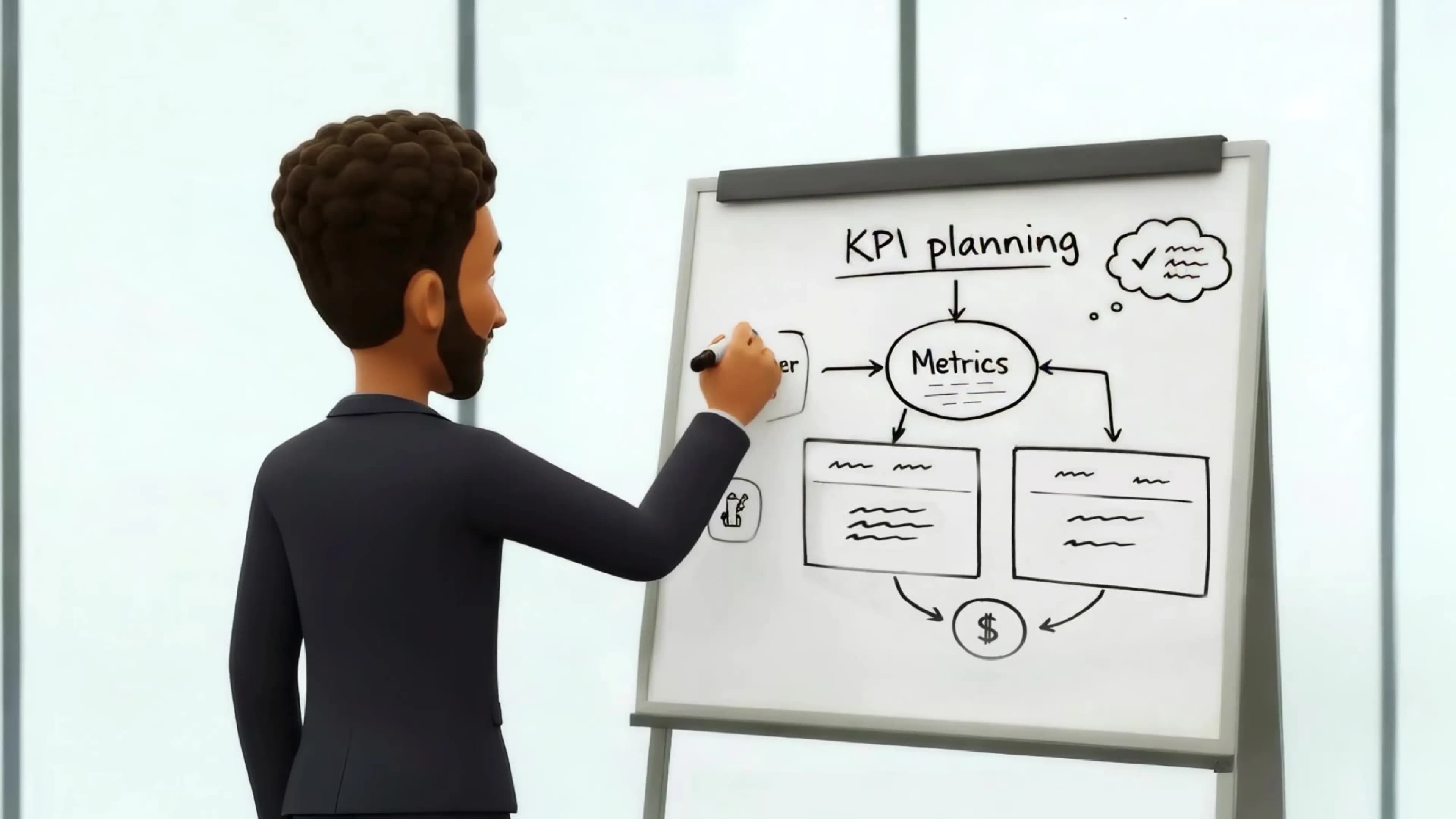
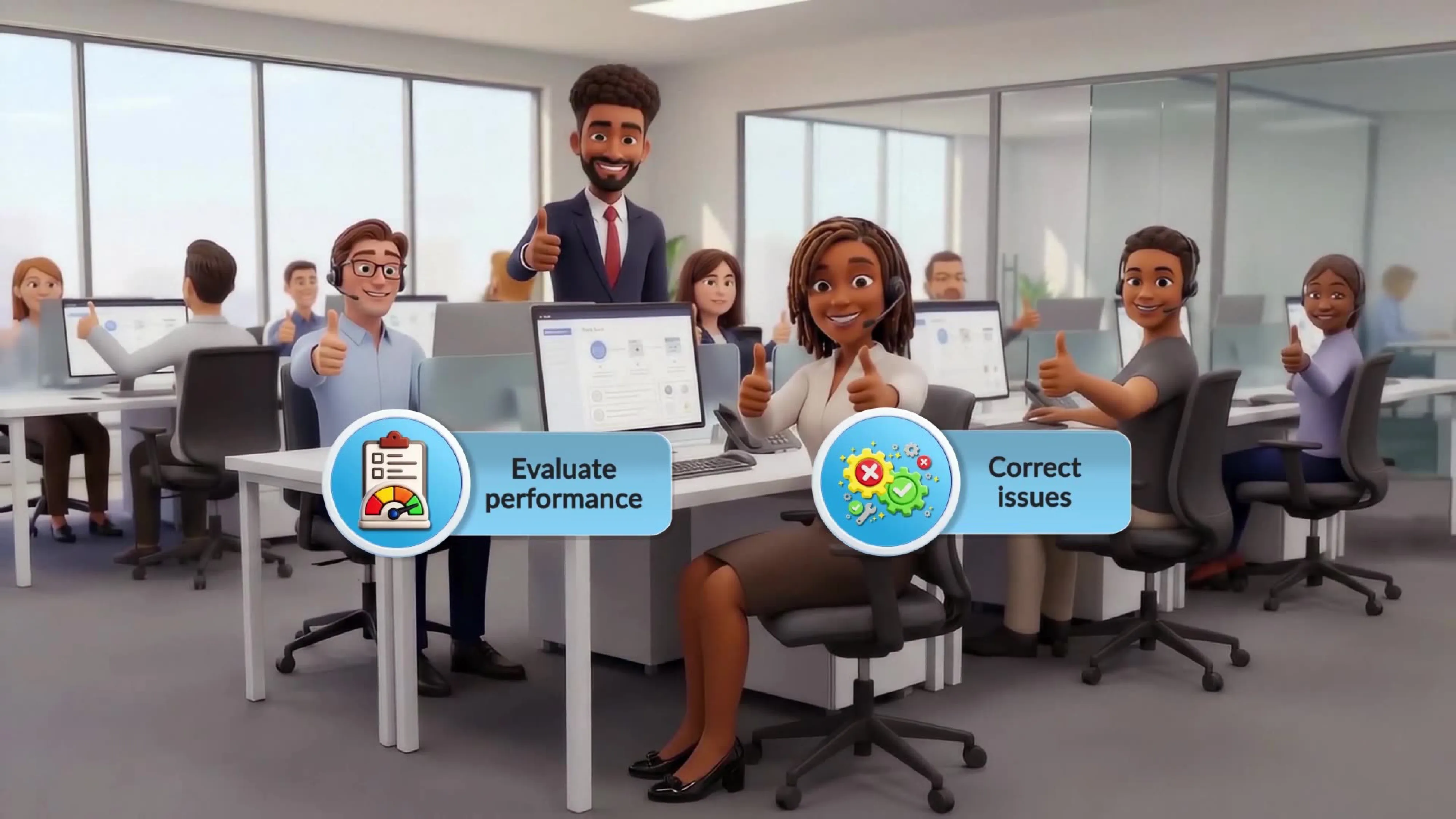
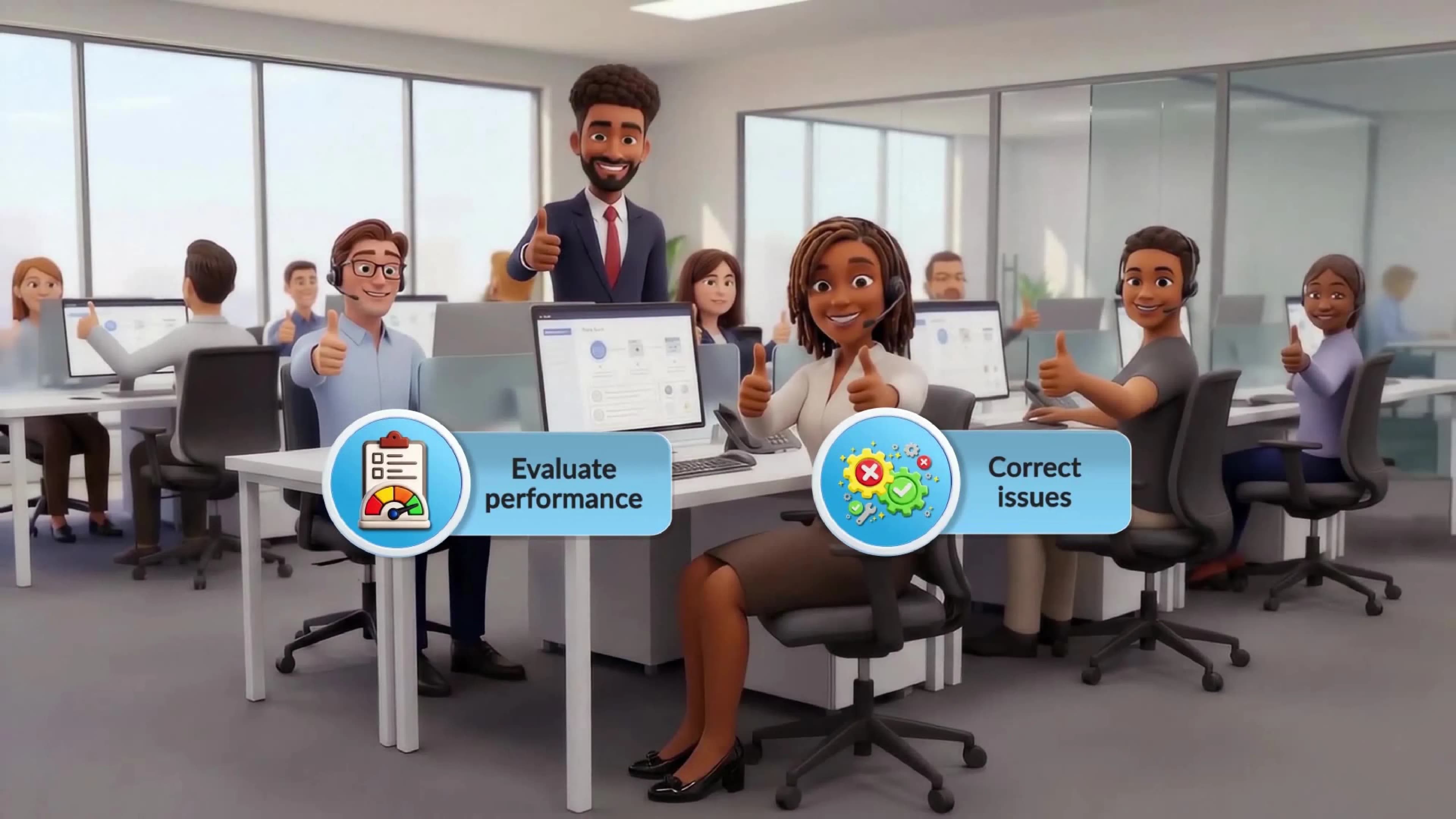
When teams are busy but missing targets, the issue often isn't effort-it's unclear performance measurement. Understanding what are KPIs for managers transforms scattered activity into focused results by establishing clear, measurable expectations that connect daily work to business outcomes. This systematic approach helps managers identify performance gaps early, guide team focus toward high-impact activities, and make data-driven adjustments before problems escalate. Watch the full video on JoVE Coach to master this concept with expert-led visuals and step-by-step explanations.
Picture this: your team is working harder than ever, staying late, making calls, sending follow-ups-yet quarterly results keep falling short. Sound familiar? This disconnect between effort and outcomes is exactly why key performance indicators explained becomes crucial for every manager's toolkit.
Traditional management often focuses on input metrics-hours worked, calls made, emails sent. But these activity-based measures don't guarantee results. KPI meaning in management centers on outcome-driven measurement: tracking what actually moves the business forward. The challenge? Many managers inherited teams with undefined success metrics, making performance evaluation subjective and reactive rather than objective and proactive.
Effective performance measurement follows a structured approach. Start with the SMART criteria-Specific, Measurable, Achievable, Relevant, Time-bound-then layer in the KPI hierarchy: Strategic (organization-wide), Operational (department-level), and Tactical (individual contributor). For sales KPIs, this might translate to: conversion rate (strategic), pipeline velocity (operational), and qualified leads generated (tactical). Each level connects upward, ensuring individual efforts drive collective success.
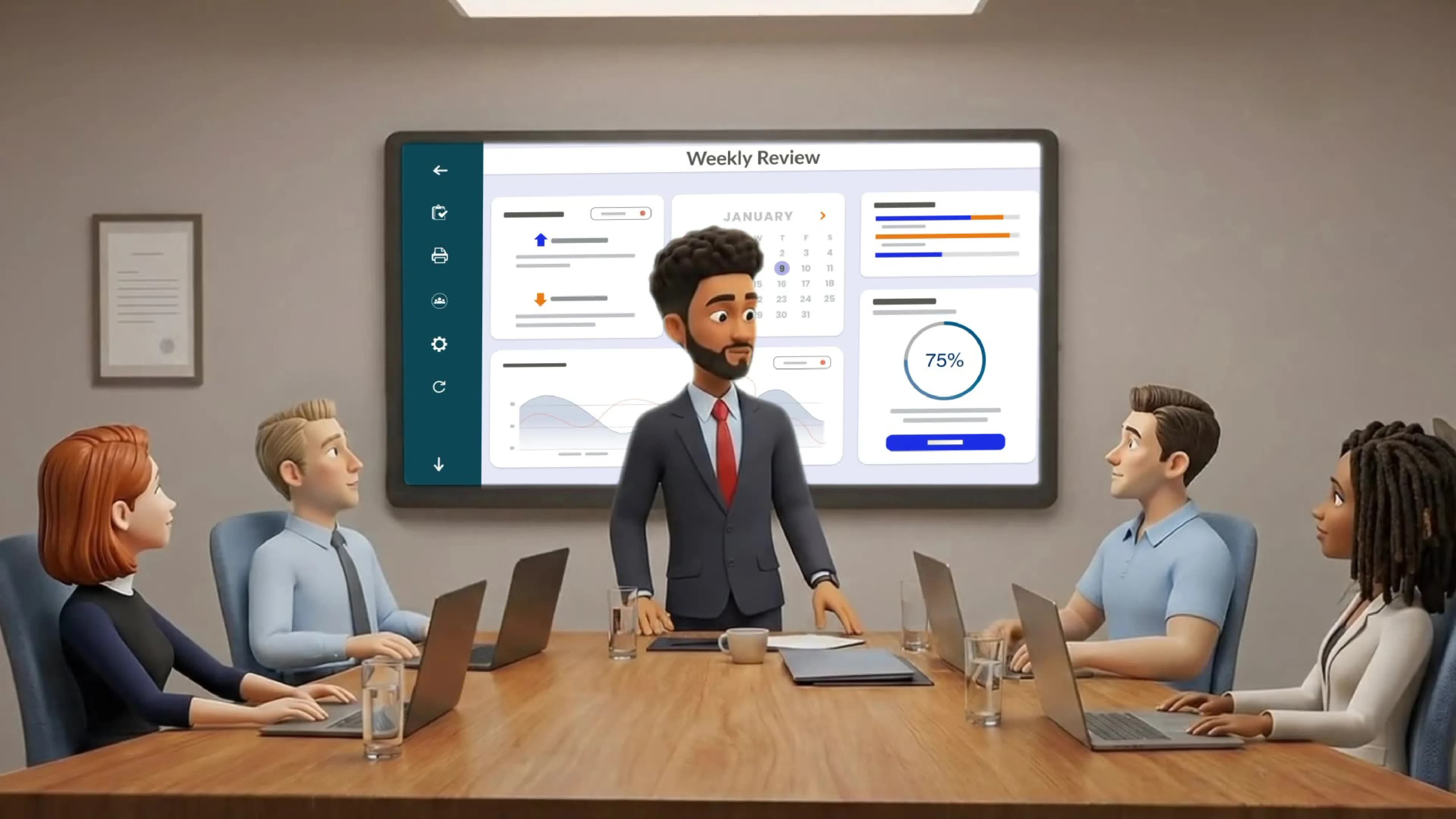
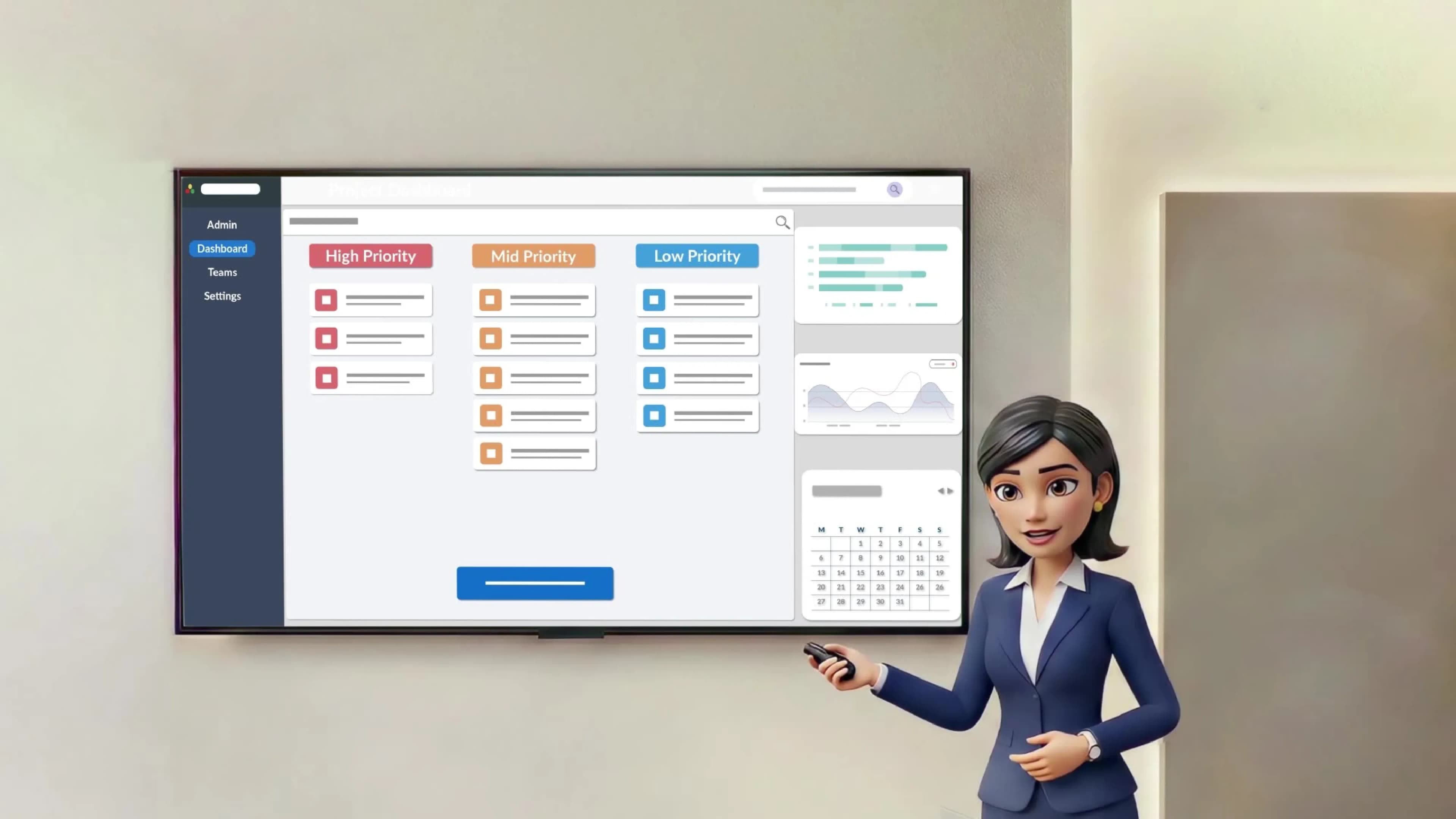
Tracking performance requires consistent cadence and clear communication. Establish weekly dashboard reviews where team members self-report against their KPIs, not just activity logs. Use the "Red-Amber-Green" status system: Red (below 80% of target), Amber (80-95%), Green (95%+). This visual approach makes performance gaps immediately visible and actionable.
The biggest pitfall? Measuring everything instead of focusing on vital few metrics. Limit each team member to 3-5 core KPIs maximum. Second mistake: setting KPIs without involving the team in definition and target-setting. When people understand both the "what" and the "why" behind their metrics, ownership and accountability naturally follow. Finally, avoid static KPIs-review and adjust quarterly to reflect changing business priorities and market conditions.
Related Micro-courses