Loading subject page…

- New Manager Essentials
- Setting Clear Goals and Expectations
- Writing Clear and Measurable Objectives
Micro-course: Setting Clear Goals and Expectations
2,613 views
Learn key concepts and earn your certificate.







Writing Clear and Measurable Objectives


00:00
01:30
Video Summary: Writing Clear and Measurable Objectives
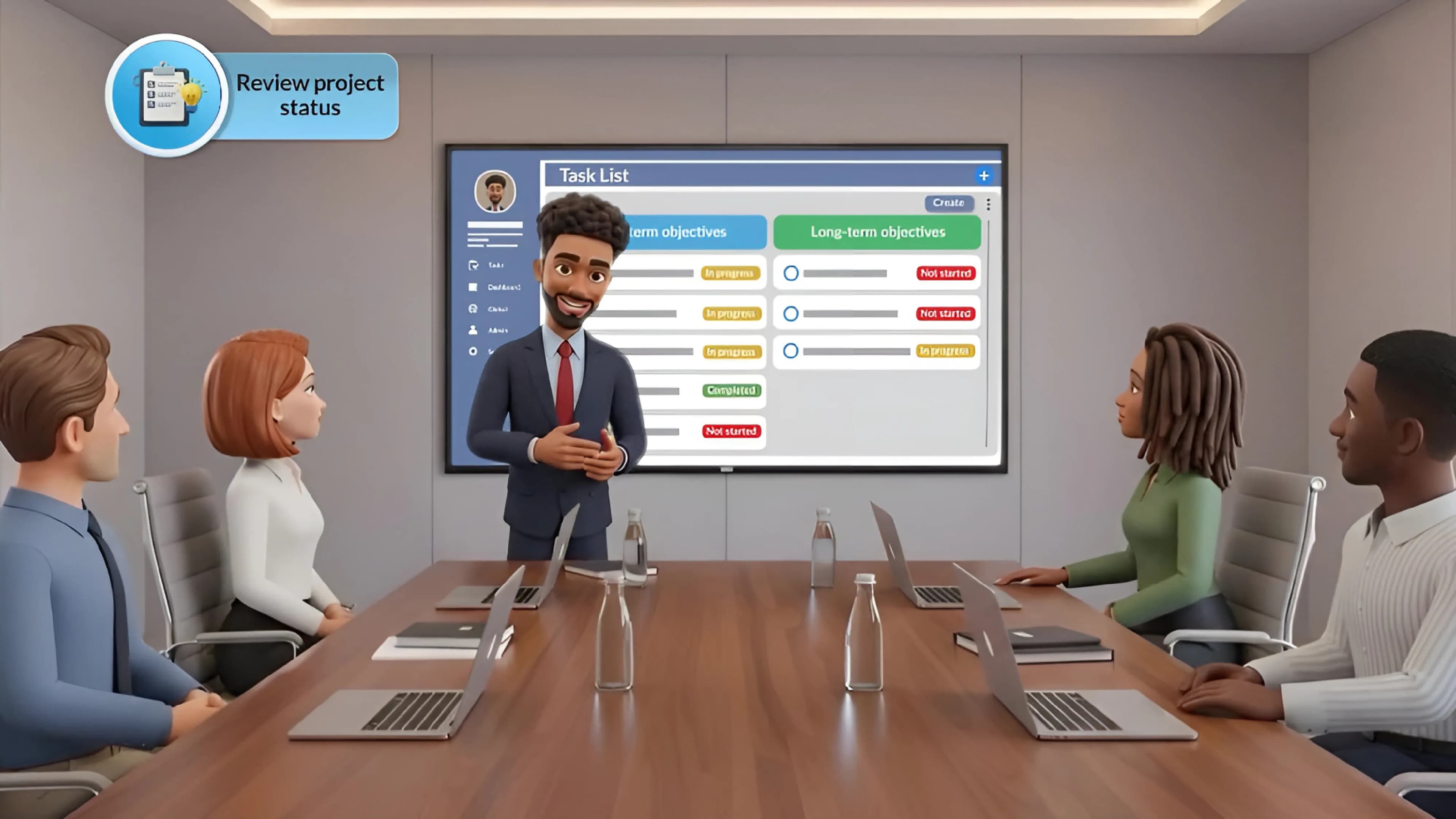
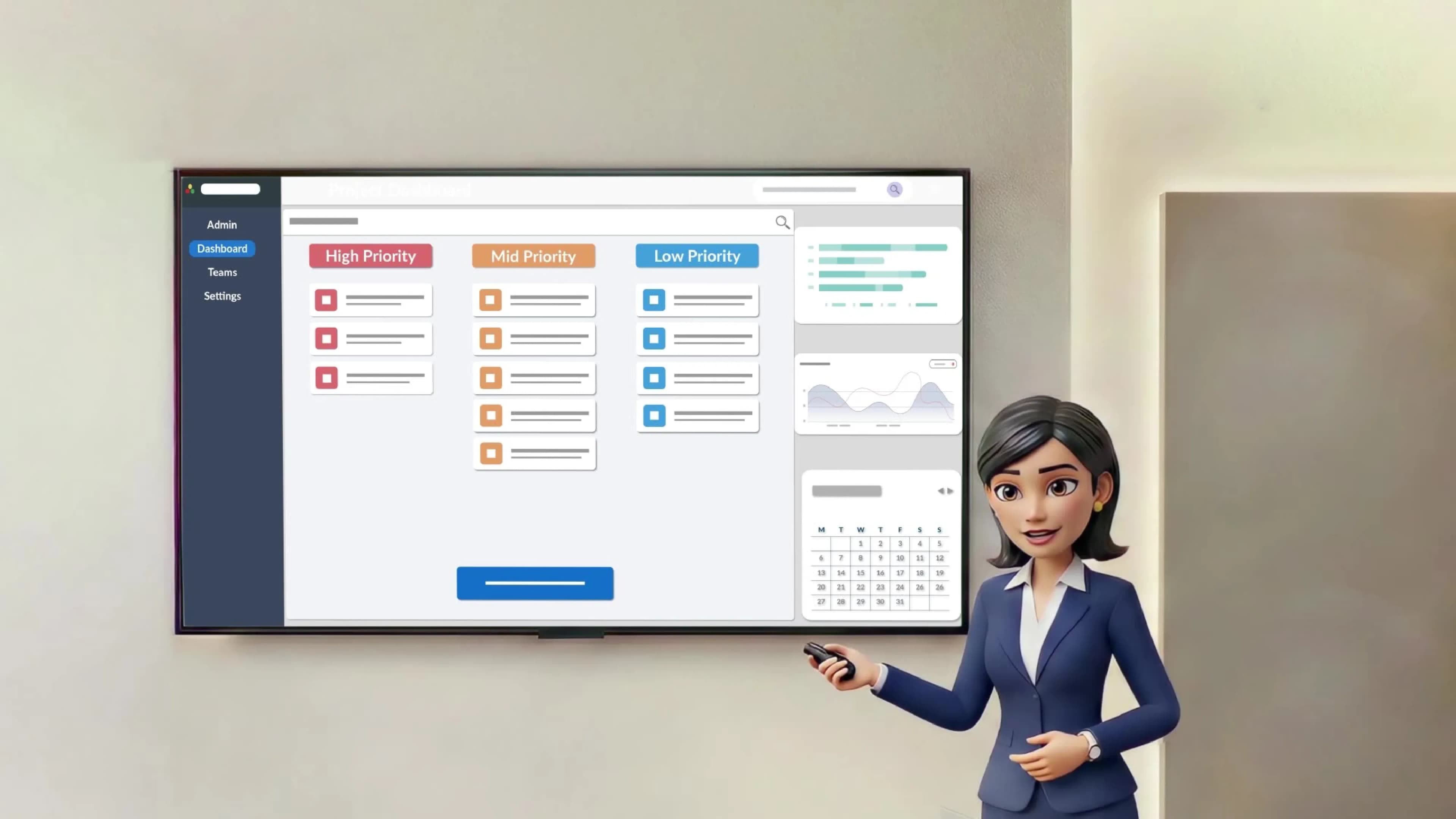
Most managers struggle with writing measurable objectives that actually drive team performance, often settling for vague statements that confuse rather than clarify expectations. When broad goals like "improve productivity" lack specific metrics, teams drift without clear direction. This video demonstrates how to transform ambiguous aspirations into concrete, trackable objectives using measurable criteria and defined timeframes. Watch the full video on JoVE Coach to master this concept with expert-led visuals and step-by-step explanations.
- Set specific performance targets that replace vague goals with quantifiable outcomes your team can track daily
- Build accountability systems using clear success criteria that eliminate confusion about what constitutes achievement
- Align team efforts by creating objectives that connect individual tasks to measurable business results
- Facilitate regular progress reviews using concrete metrics rather than subjective assessments
- Manage expectations by establishing realistic timelines and benchmarks for objective completion
- Navigate performance conversations with data-driven evidence from well-defined measurement criteria
- Structure team planning sessions around objectives that translate strategic goals into actionable work streams
- Recognize achievement patterns by analyzing performance data from consistently measured objectives
How to Write Clear and Measurable Objectives for Your Team
Every seasoned manager has experienced the frustration of setting what seemed like clear direction, only to discover weeks later that team members interpreted expectations completely differently. The culprit is almost always objectives that sound specific but lack the measurable components that transform intention into action.
Why Broad Goals Create Team Confusion
The fundamental challenge with general statements like "enhance customer satisfaction" or "boost team efficiency" isn't that they're wrong-it's that they're incomplete. Without measurable criteria, team members fill the gaps with their own interpretations, leading to scattered efforts and inconsistent results. Research from management consulting firms consistently shows that teams with clearly defined, measurable objectives outperform those working toward ambiguous targets by significant margins.
The SMART-Plus Framework for Objective Setting
While many managers know the SMART criteria (Specific, Measurable, Achievable, Relevant, Time-bound), fewer understand how to apply it systematically. Start by identifying your current baseline performance metrics. For a customer support team, this might be processing 45 tickets weekly with a 3.5-day turnaround time. Your measurable objective then becomes: "Increase weekly ticket completion from 45 to 60 while reducing average turnaround from 3.5 to 2 days within the next quarter."
The key enhancement beyond basic SMART goals involves defining both the metric and the measurement frequency. Weekly check-ins on ticket volume prevent month-end surprises, while daily turnaround time tracking allows for immediate course corrections.
Implementing Measurement Systems That Stick
Effective objective measurement requires three components: accessible tracking tools, regular review cadences, and clear escalation triggers. Establish simple dashboards or spreadsheets that team members can update without administrative burden. Schedule brief weekly progress reviews where team members report against specific metrics, not general feelings about progress. Set predetermined thresholds that trigger additional support or resource allocation-for example, if weekly ticket completion drops below 50, initiate immediate problem-solving sessions.
Common Implementation Pitfalls and Solutions
The most frequent mistake involves setting too many objectives simultaneously. Limit focus to 3-4 core measurable objectives per team member to maintain clarity and prevent diluted attention. Another common error is measuring activities rather than outcomes-tracking "training hours completed" instead of "post-training performance improvement." Always anchor measurements to results that directly impact business outcomes or team effectiveness.
Frequently Asked Questions
A measurable objective includes specific numerical targets, defined timeframes, and clear success criteria that anyone can verify objectively. Instead of "improve quality," use "reduce customer complaint rate from 8% to 5% within six months." This eliminates interpretation gaps and enables consistent progress tracking across your entire team.
Start by reviewing current performance data, then collaboratively set 2-3 specific improvement targets with your team member. For example, if they currently complete projects 60% on-time, set an objective to reach 85% on-time completion within 90 days. Document both the baseline and target metrics in writing to ensure mutual understanding.
Absolutely-team involvement increases buy-in and ensures realistic target-setting. Present the business goals and required outcomes, then ask team members to propose specific metrics and timelines. This collaborative approach often reveals insights about feasibility and resource needs that you might miss when setting objectives unilaterally.
Acknowledge their concern while redirecting focus to business impact rather than creative process. Even creative roles produce measurable outcomes-campaign engagement rates, design iteration cycles, stakeholder approval timeframes, or project delivery consistency. Work together to identify which results matter most to the organization, then establish metrics around those outcomes.
Review frequency depends on objective complexity and timeline, but weekly check-ins work for most scenarios. Brief 10-minute progress updates prevent small issues from becoming major problems. For longer-term objectives spanning quarters, combine weekly touchpoints with more comprehensive monthly reviews that assess both progress and any needed adjustments.
Not at all-this skill becomes more effective with practice, but the basic framework works immediately. Start with one or two clear objectives for each team member, focus on simple metrics you can easily track, and refine your approach based on what drives actual performance improvements in your specific team context.
Measurable objectives eliminate ambiguity in performance discussions, provide concrete data for recognition and coaching conversations, and demonstrate your commitment to fair, objective evaluation. This builds trust with your team and gives you credible evidence when advocating for your team's achievements to senior leadership or during budget discussions.
Focus on conducting effective performance coaching conversations using the objective data you've collected. Learning to translate metrics into developmental feedback and action plans creates a powerful combination that drives both individual growth and team performance improvement.
Related Micro-courses

5 Concepts


7 Concepts