Loading…
Loading video…

33,805 views

Did you know that 75% of malpractice lawsuits involve inadequate nursing documentation? Understanding guidelines for nursing documentation can literally protect both patients and healthcare careers. When a patient arrives at Johns Hopkins Hospital with chest pain, nurses must document both what the patient says ("My chest feels like it's crushing") and measurable vital signs like blood pressure readings. These Guidelines For Nursing Documentation I Explained cover the essential principles of accurate, legal, and professional record-keeping that every nursing student must master. Watch the full video on JoVE Coach to master this concept with expert-led visuals and step-by-step explanations.
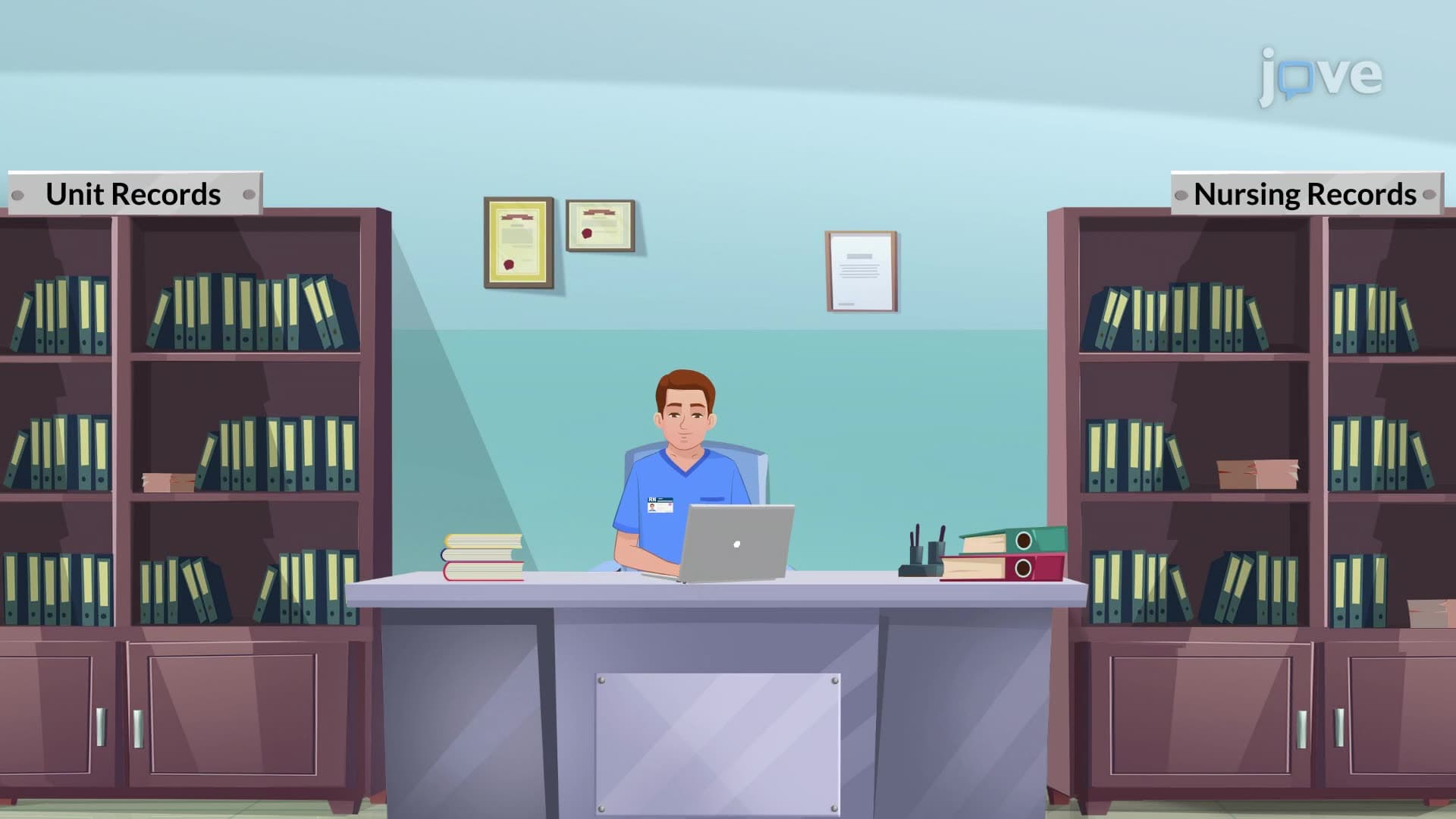
Nursing documentation serves as the legal backbone of patient care, creating a permanent record that protects both patients and healthcare providers. These guidelines establish the foundation for safe, accurate, and legally defensible patient records that meet Joint Commission standards across US healthcare facilities.
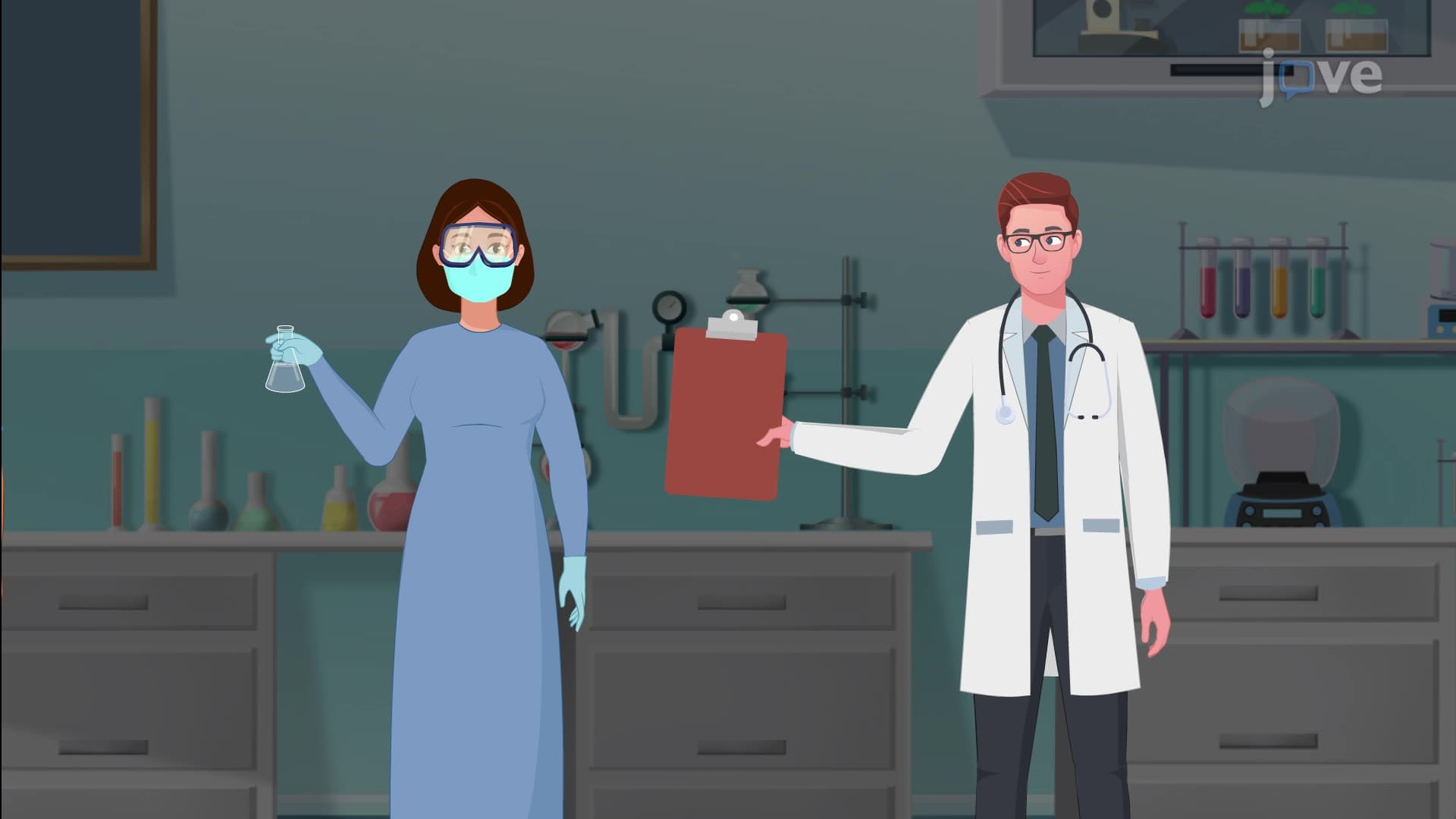
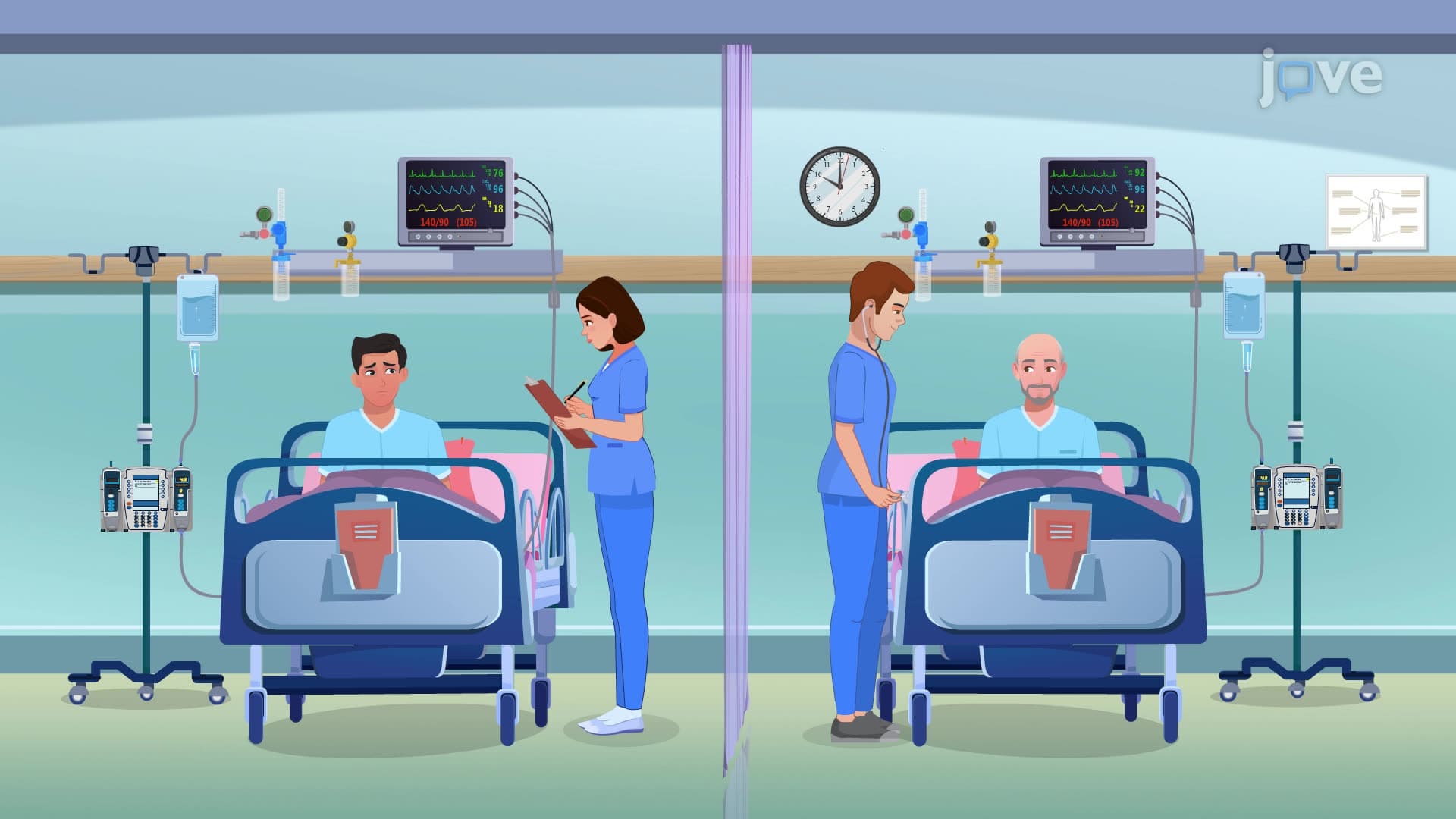
The cornerstone of effective nursing documentation lies in properly categorizing information as either subjective or objective data. Subjective data represents the patient's personal experience—what they tell you about their symptoms, pain levels, or concerns. For example, when a patient at Massachusetts General Hospital states, "I feel dizzy and nauseous," this must be documented exactly as spoken: "Patient reports 'I feel dizzy and nauseous.'" This direct quotation protects against misinterpretation and provides legal evidence of the patient's actual words.
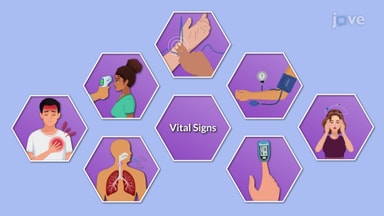
Objective data, conversely, includes measurable observations that any healthcare provider could verify. Blood pressure readings of 140/90 mmHg, a heart rate of 110 beats per minute, or visible skin pallor represent objective findings. These measurements provide quantifiable evidence of the patient's physiological status and enable healthcare teams to track changes over time.
Healthcare documentation demands specificity that can mean the difference between proper treatment and medical errors. Instead of writing "patient drank fluids well," accurate documentation states "patient consumed 240 mL water at 0800 hours." This precision allows nurses to track fluid intake accurately, which becomes critical for patients with heart failure or kidney disease who require strict fluid monitoring.
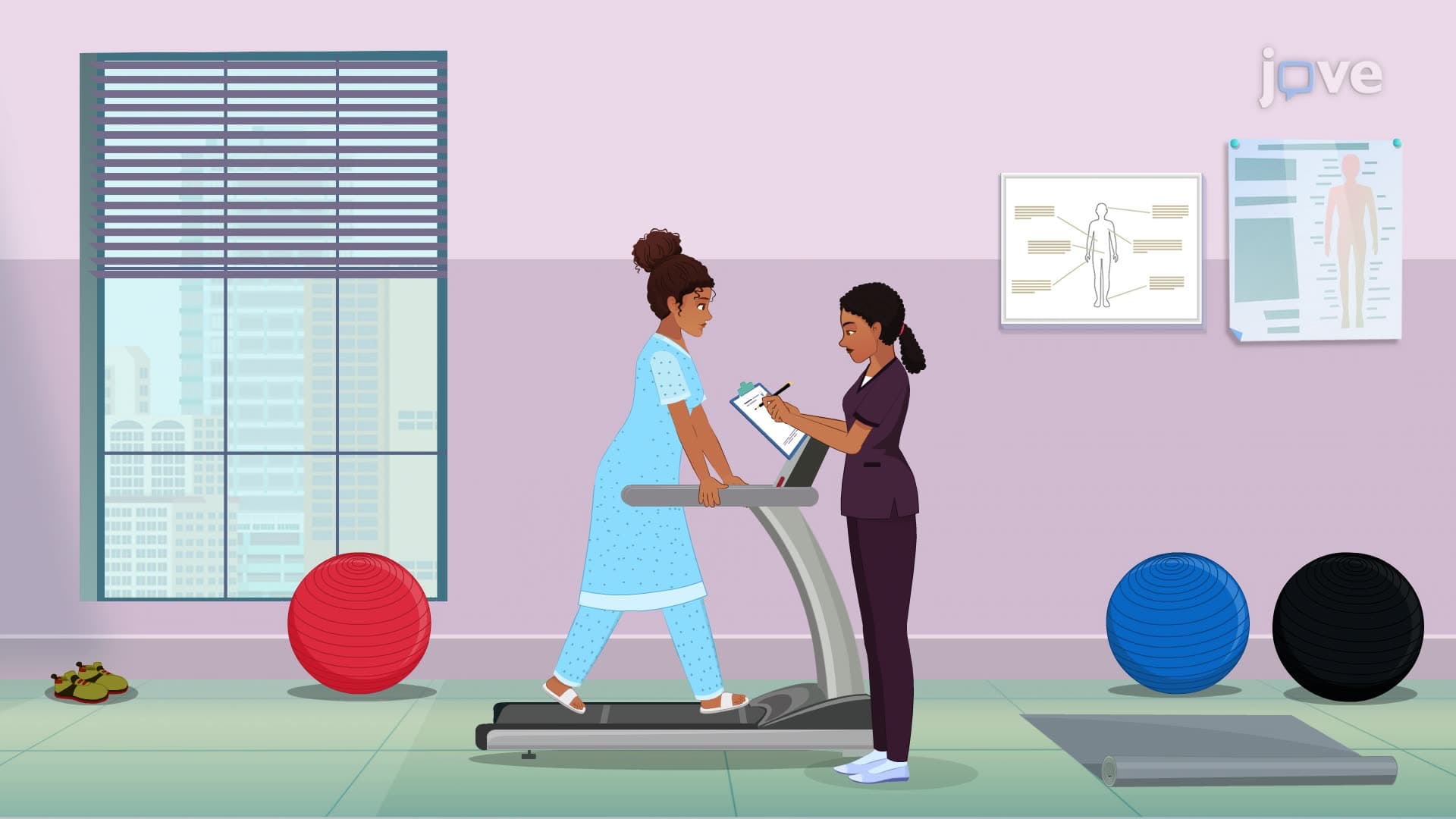
Similarly, describing pain as "severe" lacks the objectivity needed for proper assessment. Using standardized pain scales (0-10) provides measurable data: "Patient rates pain as 8/10 on numeric pain scale." This specificity helps physicians adjust pain management protocols effectively and meets Medicare documentation requirements for pain assessment.
The Institute for Safe Medication Practices maintains a "Do Not Use" list of abbreviations that have caused serious medical errors across US hospitals. The abbreviation "IU" (International Unit) exemplifies this danger—it's easily misread as "IV" (intravenous) or "10," potentially leading to ten-fold medication overdoses. Writing "International Unit" eliminates this risk entirely.
These documentation principles directly apply to NCLEX-RN exam questions, where students must identify proper documentation techniques. Understanding these guidelines also prepares students for clinical rotations where accurate documentation becomes a daily responsibility affecting patient safety and legal compliance.
Frequently Asked Questions
Guidelines For Nursing Documentation I Explained refers to the systematic principles nurses use to create accurate, legal, and comprehensive patient records. These guidelines are essential because proper documentation protects patients from medical errors, provides legal protection for healthcare providers, and ensures continuity of care across healthcare teams. Mastering these skills is crucial for passing the NCLEX-RN exam and succeeding in clinical practice.
The main components include distinguishing between subjective and objective data, using exact measurements instead of vague descriptions, documenting patient statements with direct quotations, and avoiding dangerous abbreviations. These elements work together to create factual, legally defensible patient records that meet Joint Commission standards and protect both patients and healthcare providers.
NCLEX-RN questions frequently test documentation principles through scenarios requiring proper charting techniques. Students might encounter questions about distinguishing subjective from objective data, selecting appropriate documentation language, or identifying dangerous abbreviations. The exam emphasizes legal and safety aspects of documentation that directly impact patient care quality and professional liability.
HESI A2 and TEAS exams focus on fundamental documentation concepts including objective vs. subjective data classification, proper abbreviation usage, and accurate measurement documentation. Students should master the legal implications of documentation errors and understand how proper record-keeping supports evidence-based patient care decisions.
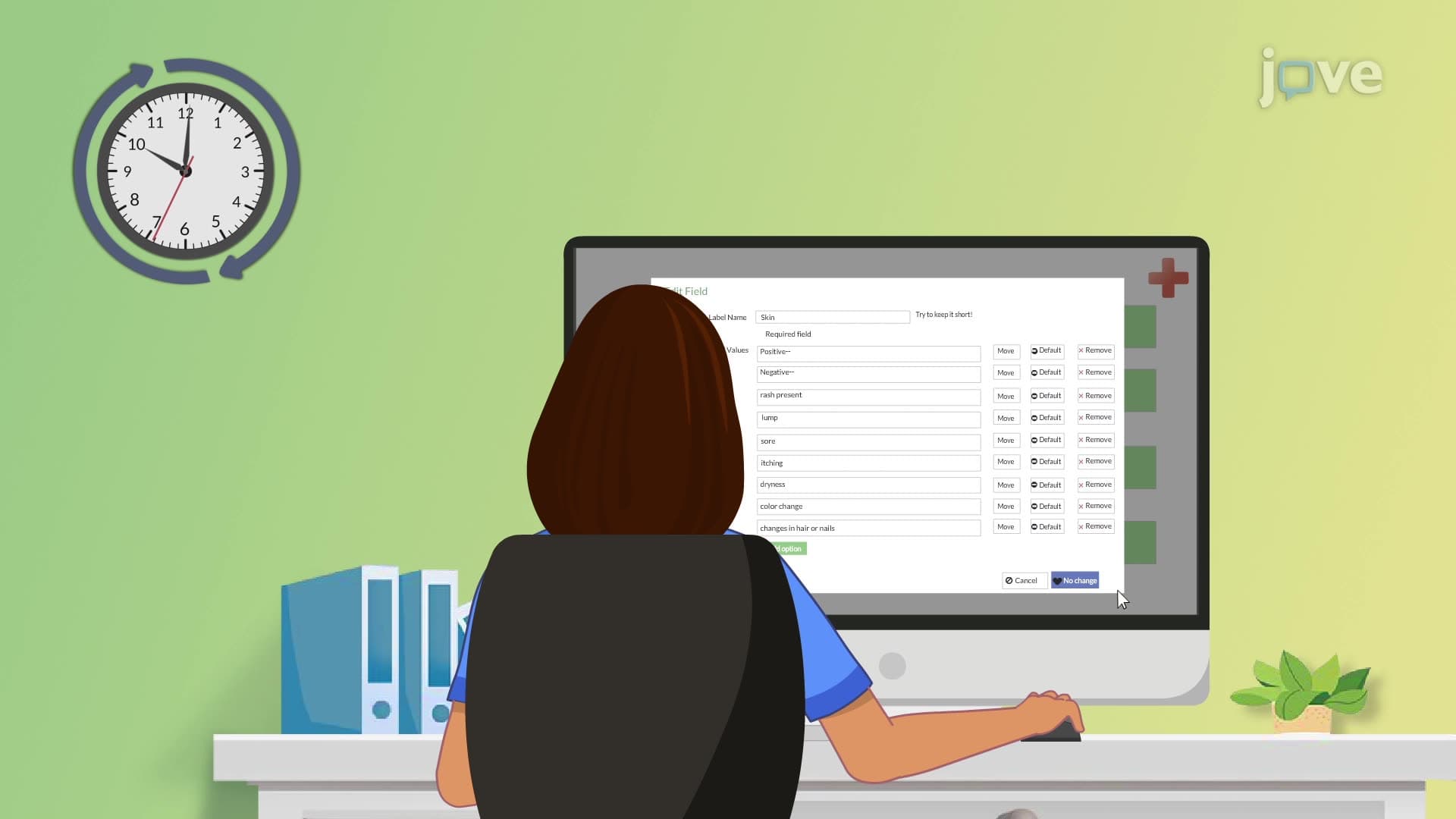
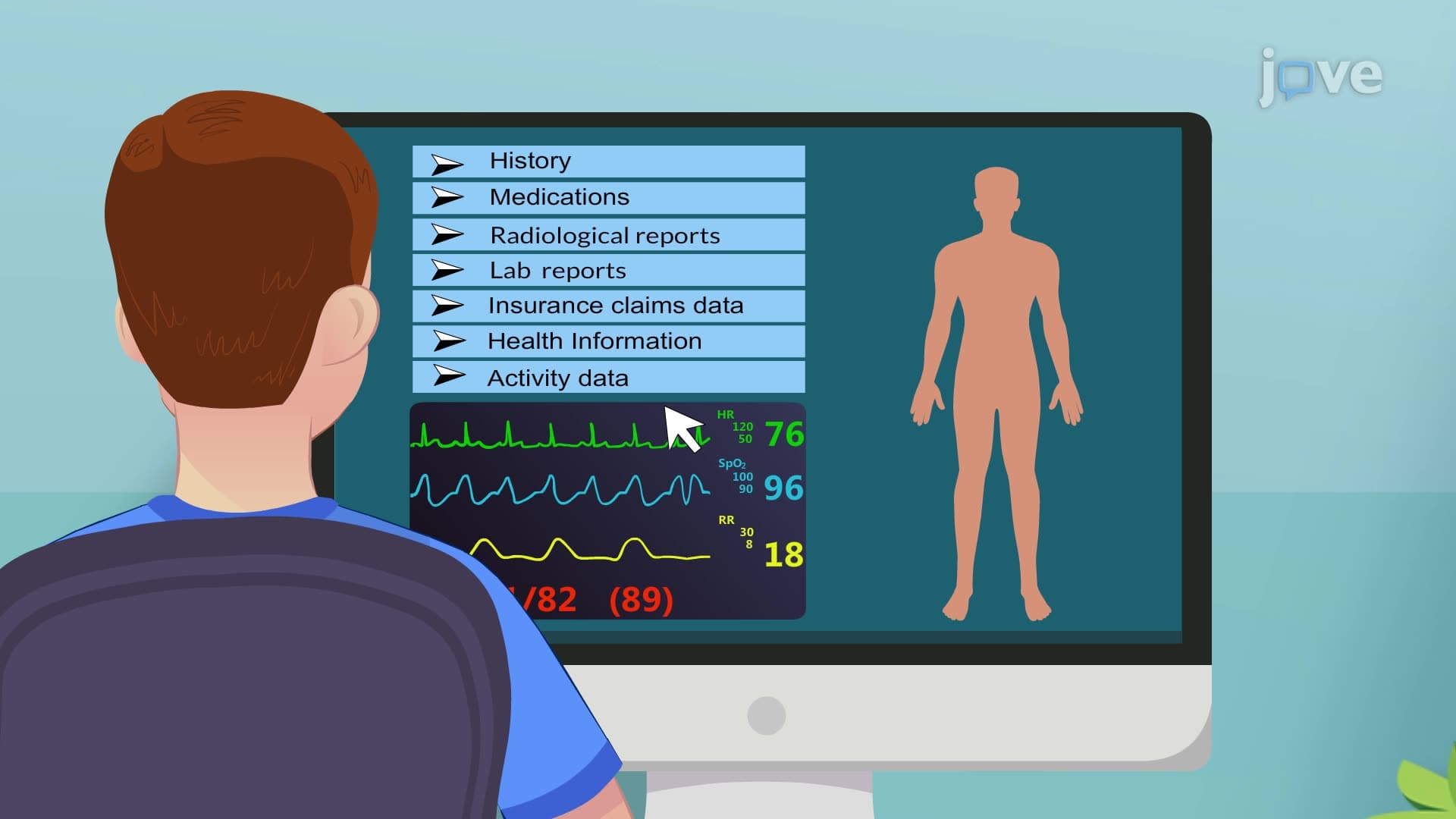
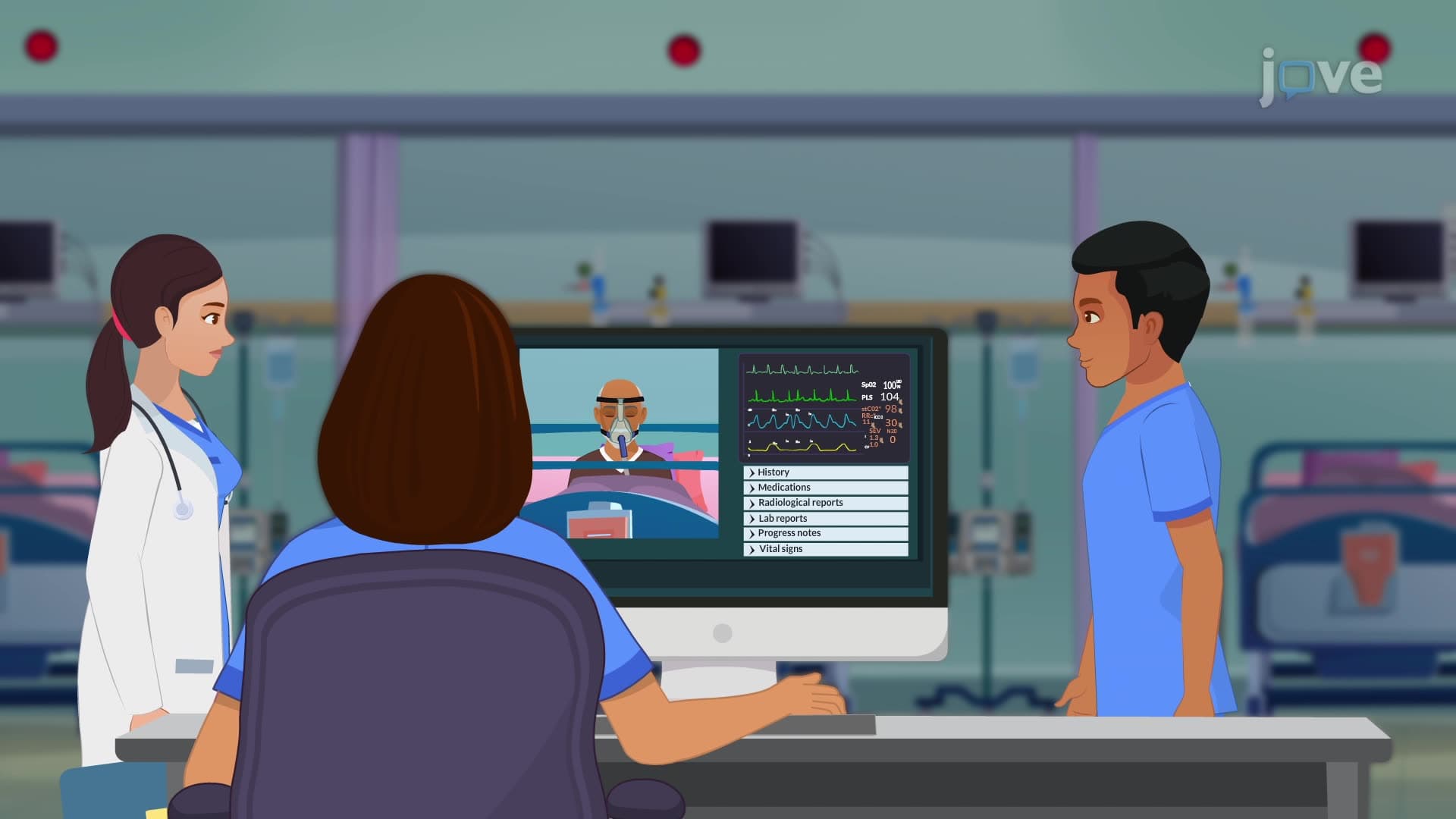
At major medical centers like Mayo Clinic and Cleveland Clinic, nurses document patient assessments every shift using electronic health records that require precise, standardized entries. For example, when monitoring post-surgical patients, nurses must document exact vital signs, fluid intake/output measurements, and patient pain reports using established scales. This documentation directly impacts insurance reimbursement, legal protection, and accreditation compliance.
No previous medical experience is required to master nursing documentation guidelines. These concepts are designed for entry-level nursing students and build upon basic communication and observation skills. Starting with fundamental principles like distinguishing facts from opinions provides a solid foundation that supports more advanced clinical documentation techniques.
Create practice scenarios using real patient examples, focusing on converting vague descriptions into precise, measurable documentation. Use flashcards for dangerous abbreviations and practice writing both subjective and objective data examples. Review sample NCLEX questions that test documentation principles and study legal case examples where improper documentation led to malpractice issues.
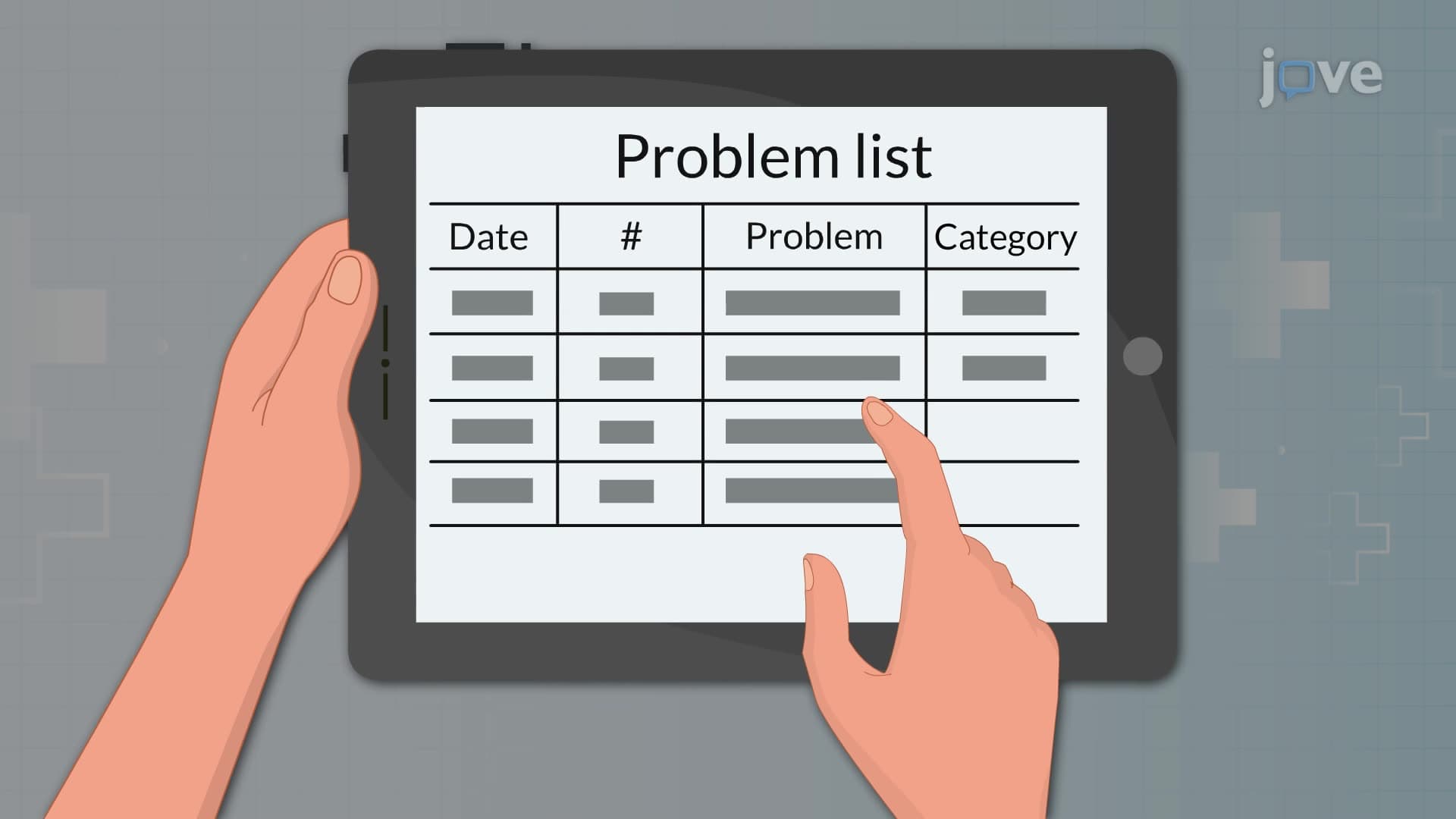
Progress to electronic health record (EHR) systems, interdisciplinary communication through documentation, quality improvement metrics derived from nursing records, and specialized documentation for areas like emergency medicine or intensive care. Understanding how documentation supports evidence-based practice and research also builds valuable clinical reasoning skills.
Related Micro-courses


Related Subjects
 Anatomy and Physiology 31 micro-courses›
 Medical-Surgical Nursing 28 micro-courses›