Loading subject page…

- Nursing
- Documentation and Reporting
- Types of Records II: Educational and Administrative Records
Micro-course: Documentation and Reporting
33,806 views
Learn key concepts and earn your certificate.











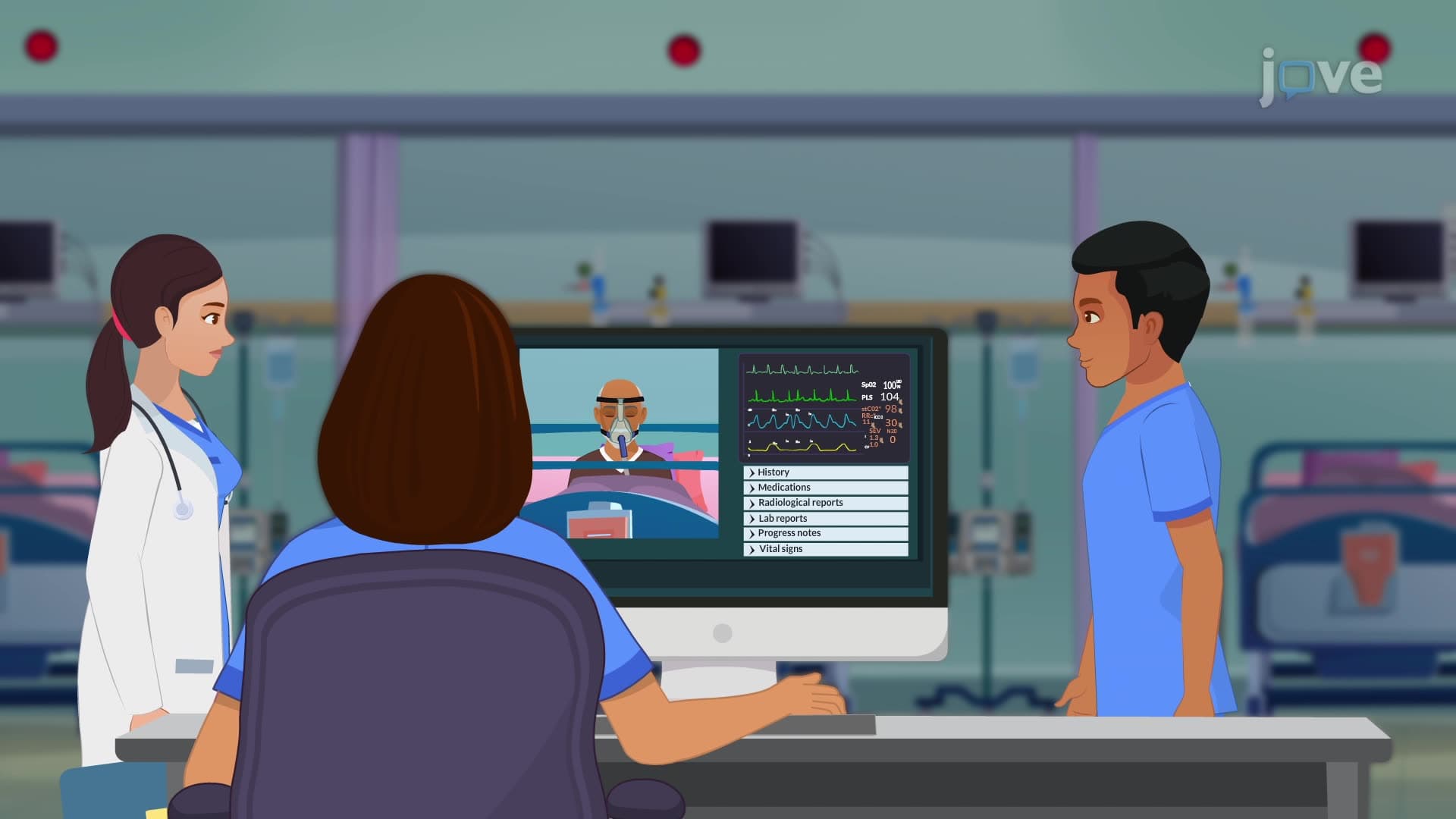









Types of Records II: Educational and Administrative Records


00:00
01:18
Video Summary: What are Types of Records Ii
Did you know that Johns Hopkins Hospital maintains over 50 different types records for each nursing professional? Understanding what are types of records ii becomes crucial when healthcare facilities must verify qualifications during medical emergencies. Educational records track continuous nursing education (CNE) requirements, while administrative records document performance metrics and patient outcomes. These comprehensive record-keeping systems ensure that nurses at institutions like Mayo Clinic meet professional standards and deliver safe patient care. Watch the full video on JoVE Coach to master this concept with expert-led visuals and step-by-step explanations.
- Understand the fundamental categories within What are Types of Records II and their distinct purposes in healthcare documentation
- Identify the specific components of educational records, including CNE documentation, certifications, and specialized training logs
- Analyze how administrative records track nurse performance through metrics like patient satisfaction surveys and disciplinary actions
- Compare the documentation requirements between educational and administrative record systems in US healthcare facilities
- Evaluate the importance of comprehensive record-keeping for maintaining professional nursing standards and patient safety
- Apply knowledge of record types to understand how healthcare employers verify nurse qualifications and competencies
- Recognize the role of continuous education records in meeting state licensing board requirements across different US states
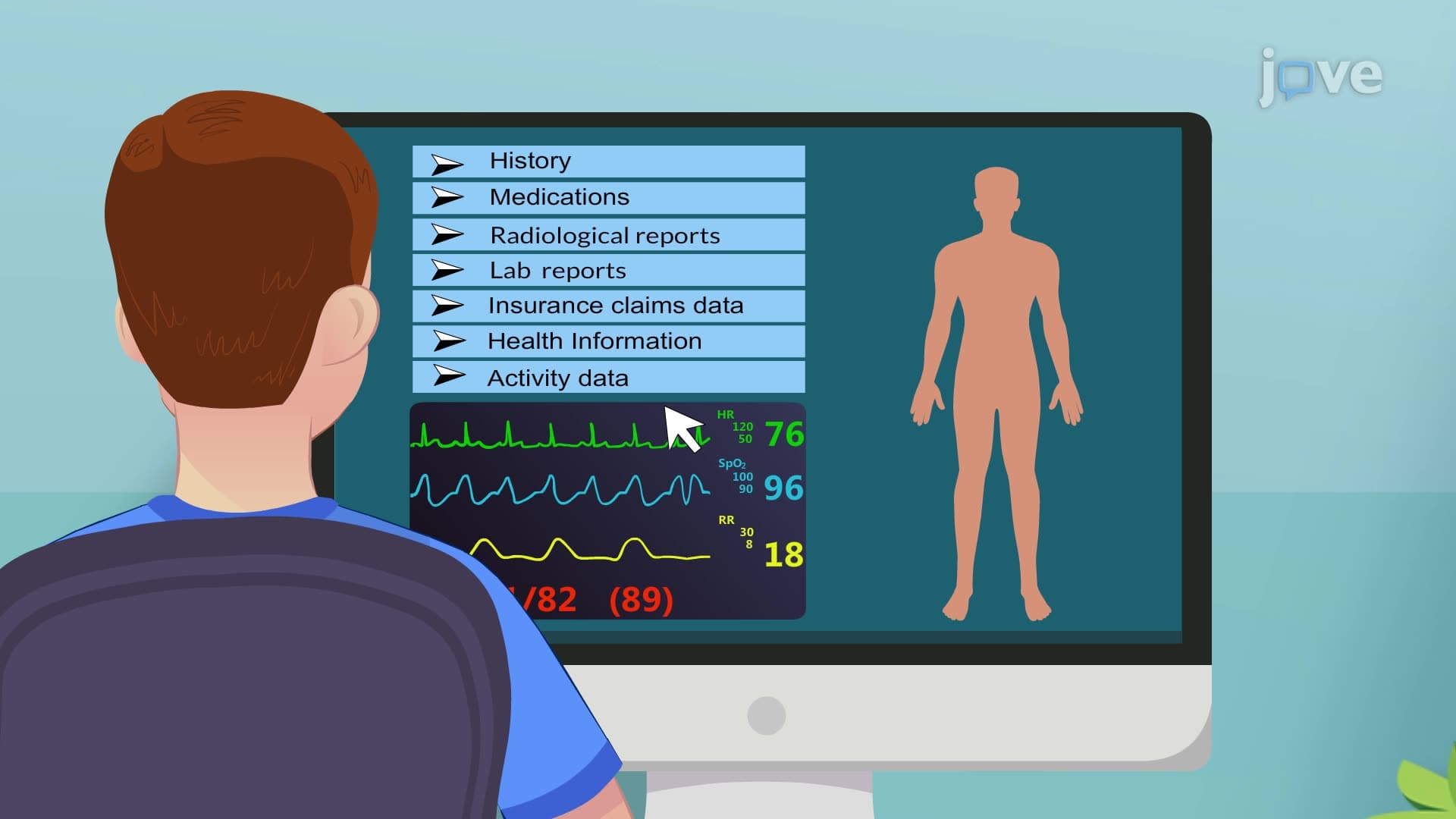
- Explore how digital record management systems integrate both educational and administrative data for streamlined healthcare operations
Understanding What are Types of Records II in Healthcare Documentation
The types records classification system in healthcare extends far beyond basic documentation, encompassing sophisticated tracking mechanisms that ensure professional accountability and patient safety. When examining what are types of records ii, we encounter two primary categories that form the backbone of nursing professional documentation: educational records and administrative records.
Educational Records: The Foundation of Professional Competency
Educational records serve as comprehensive portfolios documenting a nurse's academic journey and ongoing professional development. These types of records definition explained include transcripts from accredited nursing programs like those at University of Pennsylvania or Duke University School of Nursing, state licensing documentation, and specialized certifications from organizations such as the American Nurses Credentialing Center.
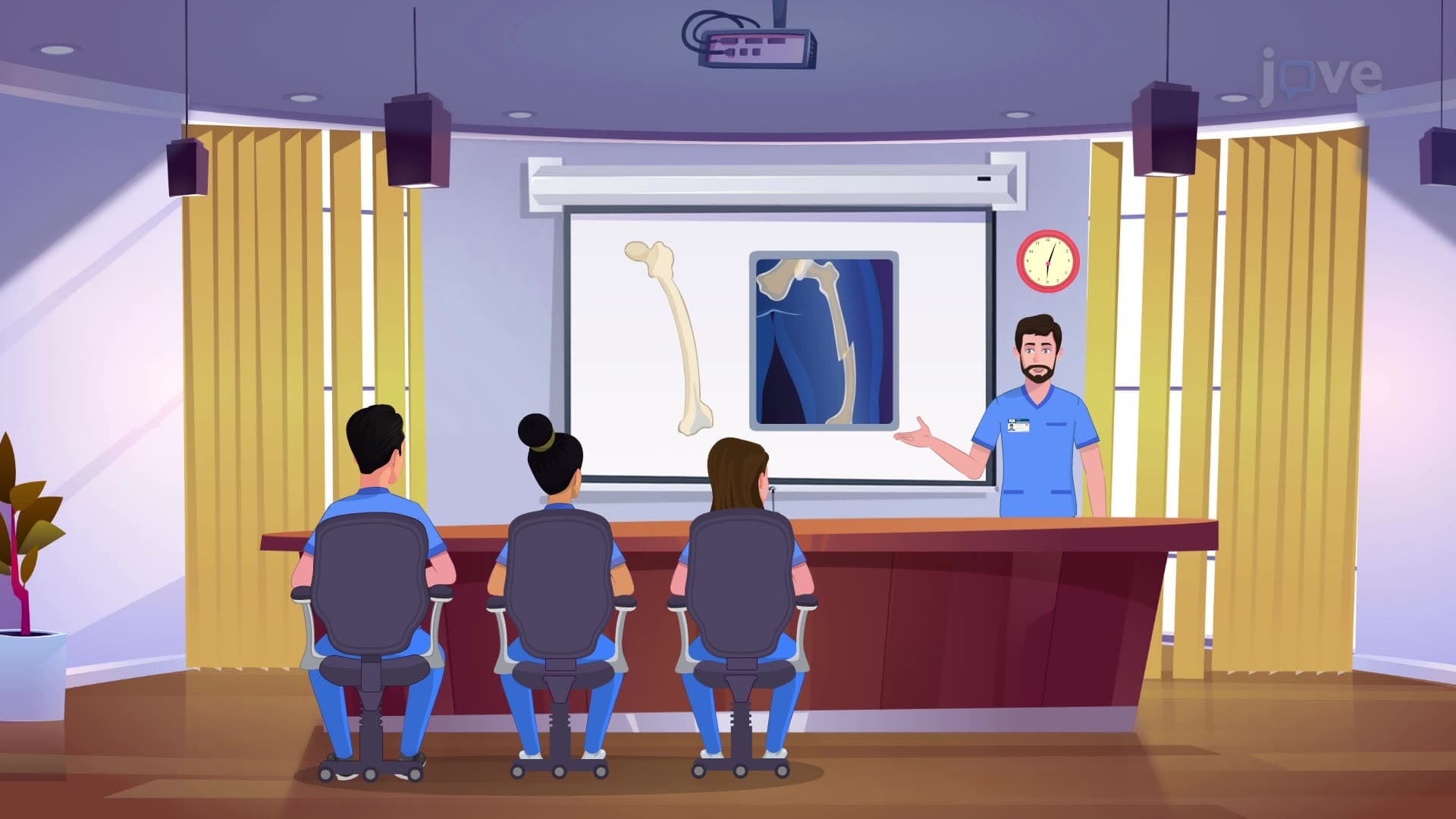
Continuous Nursing Education (CNE) records represent a critical subset, documenting participation in approved conferences, workshops, and training sessions. For instance, a registered nurse at Cleveland Clinic must complete 24 CNE hours biennially to maintain Ohio state licensure. These records track attendance at events like the American Organization for Nursing Leadership's annual conference or specialized training in cardiac life support.
The types of records study guide approach reveals that educational records also encompass clinical rotation documentation, preceptorship evaluations, and competency assessments. Students preparing for the NCLEX-RN examination must understand how these records demonstrate meeting the National Council of State Boards of Nursing's educational requirements.
Administrative Records: Performance and Accountability Metrics
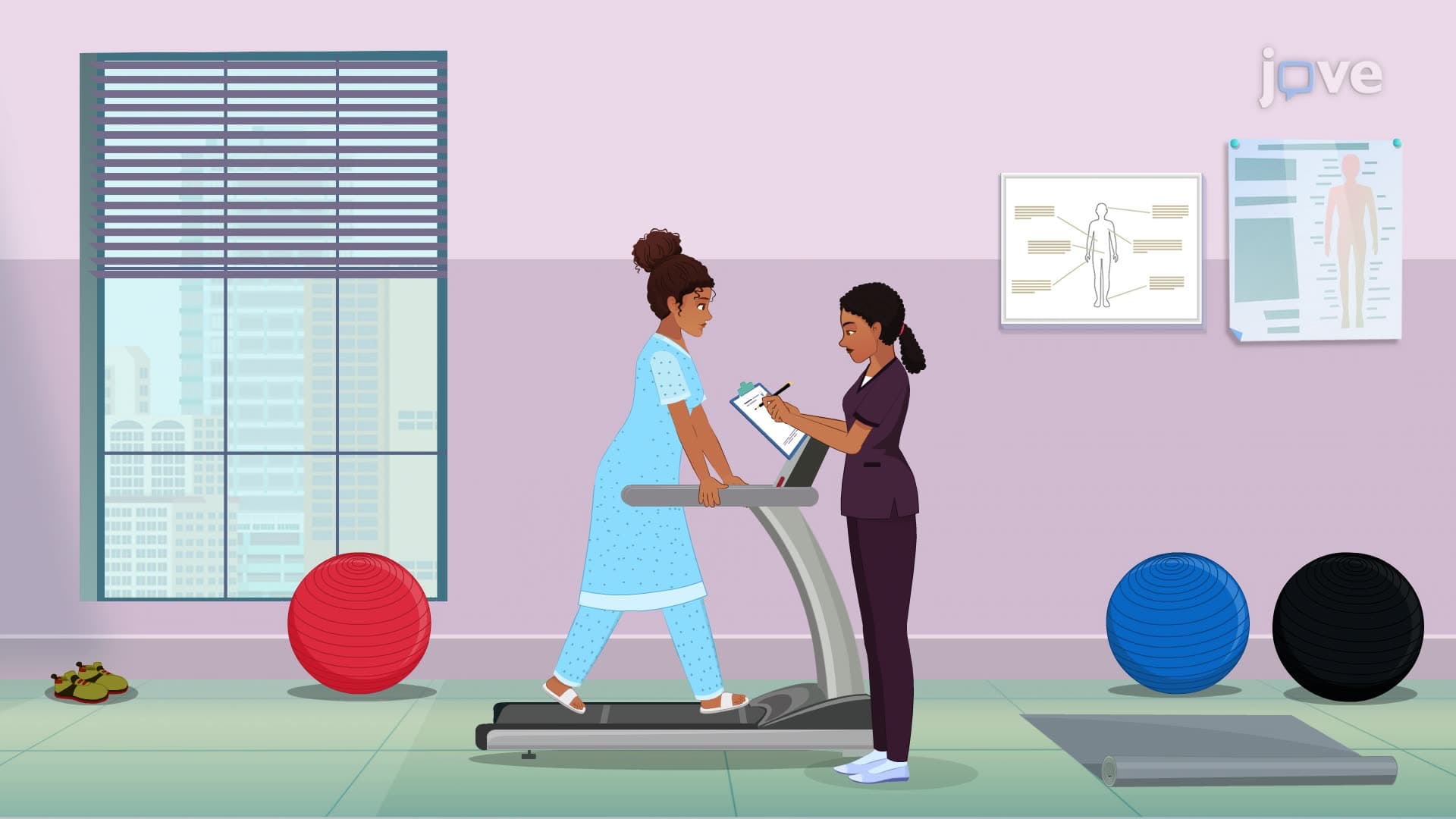
Administrative records focus on workplace performance and professional conduct within healthcare settings. These documents include shift schedules, patient assignment logs, performance evaluations, and disciplinary actions. At institutions like Massachusetts General Hospital, administrative records track metrics such as medication error rates, patient satisfaction scores, and adherence to safety protocols.
Patient care outcomes documented in administrative records include healing rates, infection prevention statistics, and patient education effectiveness measures. These types records overview data points become crucial during Joint Commission accreditations and state health department inspections.
For students preparing for healthcare administration courses or the HESI A2 exam, understanding administrative record integration with electronic health record systems demonstrates real-world application of record management principles in modern healthcare delivery.
Frequently Asked Questions
"What are Types of Records II" specifically focuses on advanced healthcare documentation categories including educational and administrative records for nursing professionals. This classification system goes beyond basic patient records to encompass comprehensive professional documentation that tracks qualifications, ongoing education, and workplace performance metrics essential for maintaining healthcare quality standards.
NCLEX-RN questions often test understanding of documentation requirements, including CNE record maintenance and administrative compliance reporting. Students encounter scenarios requiring identification of appropriate record types for different professional situations. Practice questions may ask about mandatory reporting documentation or educational requirement tracking for license renewal.
HESI A2 exams include questions about healthcare documentation systems, focusing on record classification and management principles. Students should understand the distinction between educational records (transcripts, certifications) and administrative records (performance evaluations, disciplinary actions). These concepts appear in healthcare administration and nursing fundamentals sections.
Mayo Clinic maintains comprehensive digital record systems tracking over 65,000 employees' educational credentials and performance metrics. Educational records ensure compliance with Joint Commission standards, while administrative records support quality improvement initiatives and performance-based compensation programs. This integrated approach enables rapid credential verification during hiring and maintains ongoing professional development tracking.
No prior healthcare experience is required to master these record-keeping concepts. The classification system follows logical organizational principles similar to academic transcripts or employment records. Students can build understanding through familiar examples like school records (educational) and work performance reviews (administrative) before applying concepts to healthcare settings.
Create comparison charts distinguishing educational from administrative records, including specific examples for each category. Practice with case studies from real healthcare facilities, focusing on documentation requirements for different scenarios. Use mnemonics like "Education = Qualifications, Administration = Performance" to remember core distinctions during timed exams.
Progress to electronic health record integration, HIPAA compliance for professional records, and quality assurance documentation systems. Advanced students should explore accreditation record requirements, legal documentation standards, and interprofessional record sharing protocols used in modern healthcare networks.
State nursing boards like the California Board of Registered Nursing require submission of both educational transcripts and administrative records including disciplinary actions from previous employers. These records undergo verification processes that can take 6-8 weeks, making accurate record maintenance crucial for license portability between states.
Related Micro-courses

19 Concepts
17 Concepts

12 Concepts