Loading subject page…

- Nursing
- Documentation and Reporting
- Types of Records I: Unit and Nurses Records
Micro-course: Documentation and Reporting
33,806 views
Learn key concepts and earn your certificate.





















Types of Records I: Unit and Nurses Records


00:00
01:27
Video Summary: What are Types of Records I
Did you know that a single patient admission to Johns Hopkins Hospital generates over 20 different types of records? Understanding types records is crucial for healthcare management, from tracking patient vitals to monitoring hospital inventory. Whether it's a unit record documenting staffing levels at Mayo Clinic or nursing notes detailing patient care interventions, each record type serves a specific purpose in healthcare delivery. What are Types of Records I covers the fundamental categories that keep medical facilities running efficiently. Watch the full video on JoVE Coach to master this concept with expert-led visuals and step-by-step explanations.
- Understand What are Types of Records I and distinguish between unit records and nursing records in healthcare settings
- Identify the four main components of unit records: staffing levels, supplies, equipment status, and patient census data
- Analyze how nursing records document patient care through health assessments, treatments, and medication administration
- Compare different nursing record formats including vital signs graphs, intake/output charts, and progress notes
- Evaluate the importance of census records in tracking admissions, discharges, transfers, and mortality statistics
- Apply knowledge of inventory records to understand how healthcare facilities manage medical supplies and pharmaceuticals
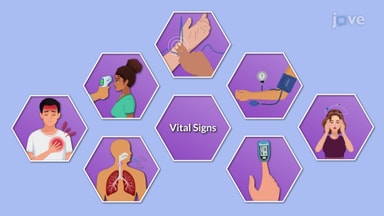
- Recognize how vital signs records serve as key indicators of patient health status through temperature, pulse, respiration, and blood pressure monitoring
- Explore the relationship between different record types and their role in comprehensive patient care documentation
Understanding What are Types of Records I: Foundation of Healthcare Documentation
Healthcare facilities across the United States rely on systematic record-keeping to ensure quality patient care and operational efficiency. The types of records definition encompasses two primary categories: unit records and nursing records. These documentation systems form the backbone of medical practice, from small rural clinics to major academic medical centers like Cleveland Clinic and Massachusetts General Hospital.
Unit records serve as the administrative foundation of healthcare operations. At institutions like Texas Medical Center, staffing records track nurse-to-patient ratios, ensuring compliance with state regulations and Joint Commission standards. Inventory records become critical during supply shortages, as witnessed during the COVID-19 pandemic when hospitals needed precise tracking of PPE and ventilator availability. Equipment records document maintenance schedules for life-saving devices, preventing equipment failures that could compromise patient safety.
Census Records and Patient Flow Management
Census records represent a sophisticated types records overview that extends beyond simple headcounts. These documents track the dynamic flow of patients through healthcare systems, recording admissions, discharges, transfers between units, and mortality data. For NCLEX preparation, nursing students must understand how census data influences staffing decisions and resource allocation. At major trauma centers like Shock Trauma in Baltimore, accurate census records enable rapid response to mass casualty events by providing real-time bed availability information.
Nursing Records: The Heart of Patient Care Documentation
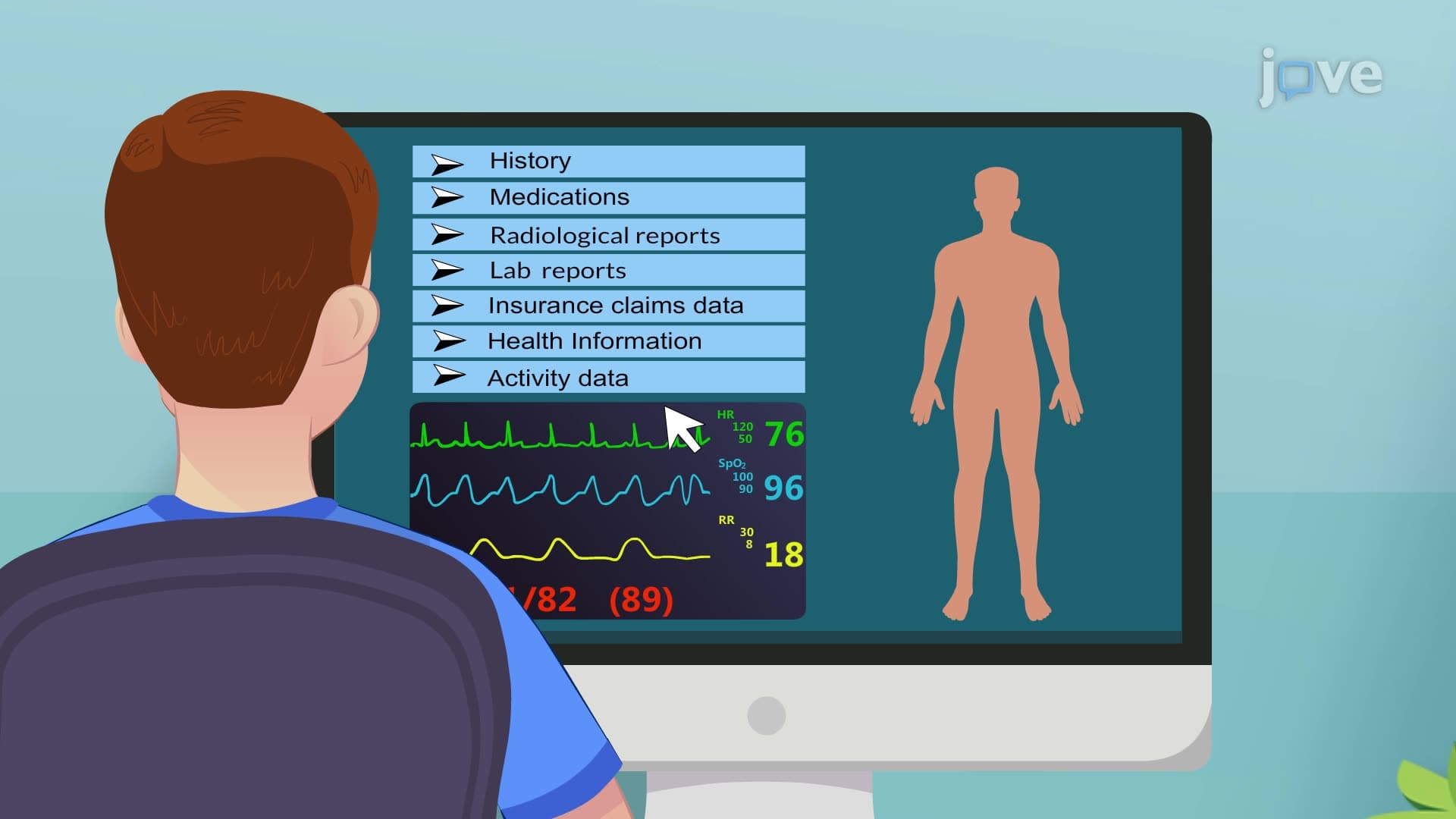
Nursing records constitute the most detailed types of records study guide component, focusing specifically on patient care delivery. Vital signs records create graphical representations of physiological parameters, allowing healthcare providers to identify trends and respond to changes in patient condition. The intake and output (I&O) documentation becomes particularly crucial in intensive care settings, where fluid balance can determine patient outcomes.
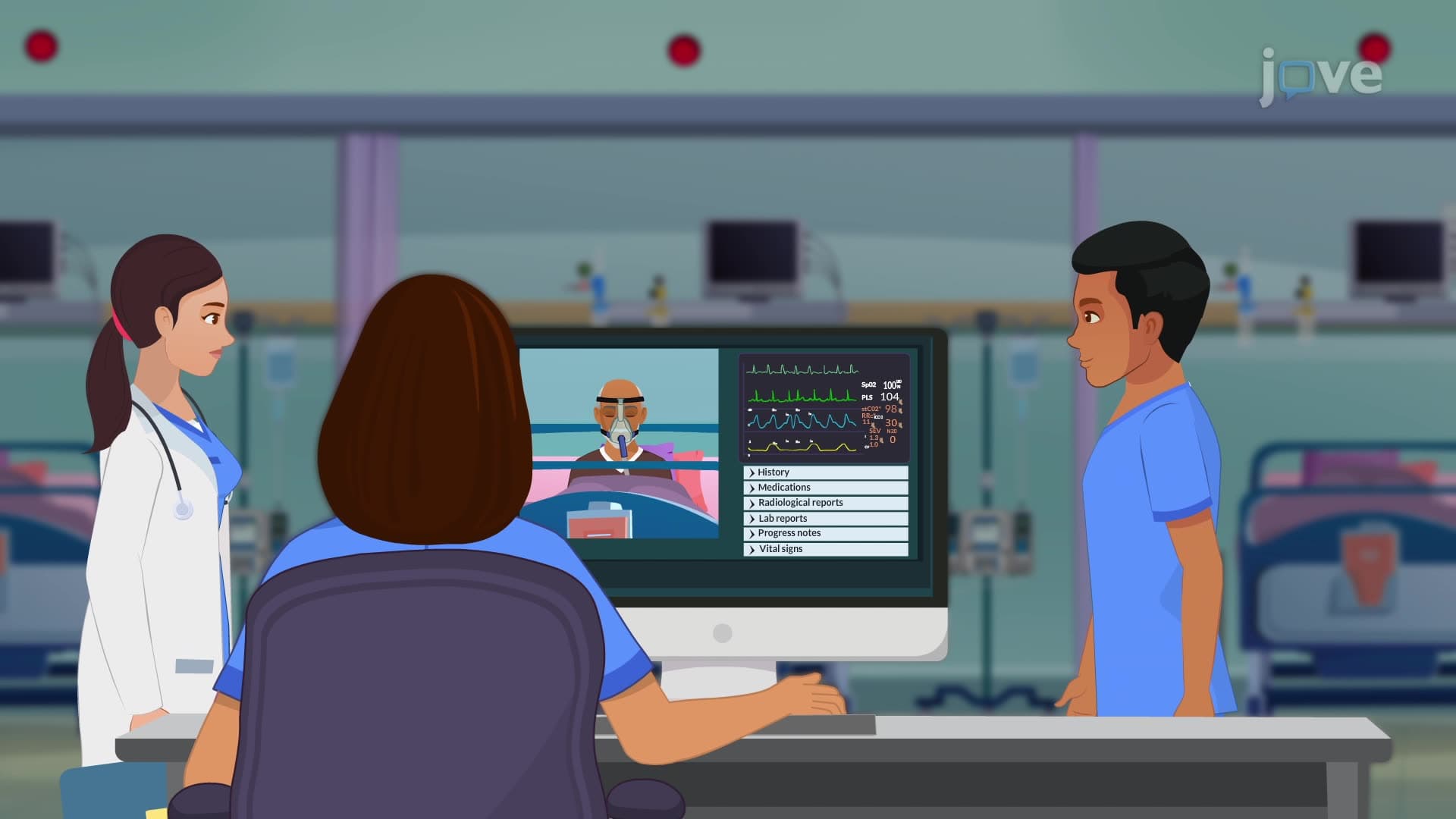
Modern nursing notes have evolved from handwritten entries to electronic health records (EHRs), but their fundamental purpose remains unchanged: documenting the nursing process of assessment, planning, implementation, and evaluation. For students preparing for the HESI A2 or TEAS exams, understanding these documentation principles is essential for success in nursing school and clinical practice.
Practical Applications in Healthcare Settings
These record types interconnect to create comprehensive patient care systems. At institutions like Johns Hopkins, unit records inform staffing decisions that directly impact the quality of nursing records. When inventory records indicate low medication supplies, nursing staff must document alternative treatments in patient charts. This interconnected approach to documentation ensures continuity of care and legal protection for healthcare providers, making mastery of these concepts essential for future healthcare professionals.
Frequently Asked Questions
What are Types of Records I refers to the fundamental categories of healthcare documentation, primarily divided into unit records and nursing records. Unit records track administrative aspects like staffing, supplies, and patient census, while nursing records document direct patient care activities. These record types form the foundation of healthcare information management systems used across US medical facilities.
The NCLEX frequently tests knowledge of nursing documentation requirements, including vital signs recording, intake/output monitoring, and progress note writing. Students must understand legal aspects of record-keeping, including proper charting techniques and documentation timing. Practice questions often involve scenarios where nurses must determine what information to include in different types of records.
HESI A2 exam questions focus on understanding the purpose and components of different healthcare records. Students encounter scenarios involving interpretation of vital signs graphs, calculation of fluid balance from I&O records, and identification of critical information in nursing notes. The exam emphasizes practical applications rather than memorization of definitions.
At Mayo Clinic and similar institutions, electronic health records integrate all types of documentation into comprehensive patient profiles. Unit records inform staffing algorithms that ensure appropriate nurse-to-patient ratios, while nursing records trigger clinical decision support alerts for potential complications. Inventory records automatically reorder supplies based on usage patterns, maintaining optimal stock levels.
Not at all - types of records concepts build on familiar organizational principles that students already use in daily life. Think of unit records like school attendance sheets and supply inventories, while nursing records resemble detailed progress reports. The logical structure makes these concepts accessible to students with basic healthcare interest.
Create visual diagrams connecting different record types to their specific purposes and components. Practice with sample documentation scenarios, focusing on when and why each record type is used. Review actual examples from textbooks and study guides, paying attention to the relationship between administrative records and patient care documentation.
After understanding basic record types, explore electronic health records (EHR) systems and legal aspects of healthcare documentation. Study HIPAA compliance requirements and learn about specialized records like surgical reports, diagnostic imaging documentation, and pharmacy records. These advanced topics build directly on the foundational concepts covered in Types of Records I.
Related Micro-courses

19 Concepts
17 Concepts

12 Concepts