Loading…
Loading video…

33,805 views

What happens when a nurse at Cleveland Clinic forgets to document a patient's pain medication administration? The guidelines for nursing documentation become critical safeguards preventing medical errors and ensuring patient safety. These evidence-based protocols require timely, accurate recording of vital signs, treatments, and patient responses using standardized formats like military time. Guidelines For Nursing Documentation II Explained covers essential documentation principles that protect both patients and healthcare providers. Watch the full video on JoVE Coach to master this concept with expert-led visuals and step-by-step explanations.
Nursing documentation serves as the legal backbone of patient care, creating a permanent record that protects patients, nurses, and healthcare institutions. These guidelines establish systematic approaches to recording patient information that meets regulatory standards set by The Joint Commission and Centers for Medicare & Medicaid Services (CMS). Proper documentation directly impacts patient safety, reimbursement, and legal protection for healthcare providers.
The first cornerstone of effective nursing documentation centers on timely recording. Healthcare facilities across the United States, from Mayo Clinic to local community hospitals, require immediate documentation of critical events. This includes vital signs measurements, medication administration times, patient assessments, and any changes in condition. The use of military time (24-hour format) eliminates confusion between AM and PM, preventing potentially dangerous medication errors. For example, documenting "1400 hours" instead of "2:00" clarifies whether afternoon or early morning administration occurred.
Effective documentation must be concise, clear, and logically structured. Nurses learn to include relevant information while avoiding unnecessary details that clutter the medical record. When documenting pain management, for instance, nurses follow the nursing process: assessment (pain scale rating, location, quality), diagnosis (acute pain related to surgical incision), planning (pain management interventions), implementation (medication administration, positioning), and evaluation (patient's response to treatment). This systematic approach ensures comprehensive yet focused documentation.
Complete documentation includes all necessary information required by organizational policies and regulatory bodies. The Centers for Disease Control and Prevention (CDC) and state nursing boards provide specific guidelines that healthcare facilities must follow. Documentation must capture admission details, treatment plans, patient education provided, discharge planning, and family communications. Missing information can result in regulatory violations, compromised patient care, and legal liability.
These documentation principles frequently appear on nursing entrance exams like the TEAS and HESI A2, as well as the NCLEX-RN licensing examination. Students preparing for these assessments should practice applying documentation scenarios and identifying proper recording techniques.
Frequently Asked Questions
Guidelines For Nursing Documentation II Explained refers to the systematic principles and standards that govern how nurses record patient information in medical records. These guidelines ensure timely, accurate, and complete documentation that maintains continuity of care, prevents medical errors, and meets legal and regulatory requirements. They cover essential elements like timing, clarity, organization, and completeness of nursing records.
The NCLEX-RN frequently tests documentation principles through scenario-based questions about proper charting techniques, legal requirements, and patient safety. Students encounter questions about military time usage, appropriate terminology, and identifying incomplete or incorrect documentation examples. Understanding these guidelines helps candidates recognize priority documentation needs and avoid common charting errors that could compromise patient care.
Common mistakes include using improper abbreviations, failing to document in chronological order, omitting patient responses to interventions, and using subjective language instead of objective observations. Students often struggle with military time conversion and forget to include complete pain assessments. Practicing with standardized documentation scenarios helps identify and correct these recurring errors before taking entrance examinations.
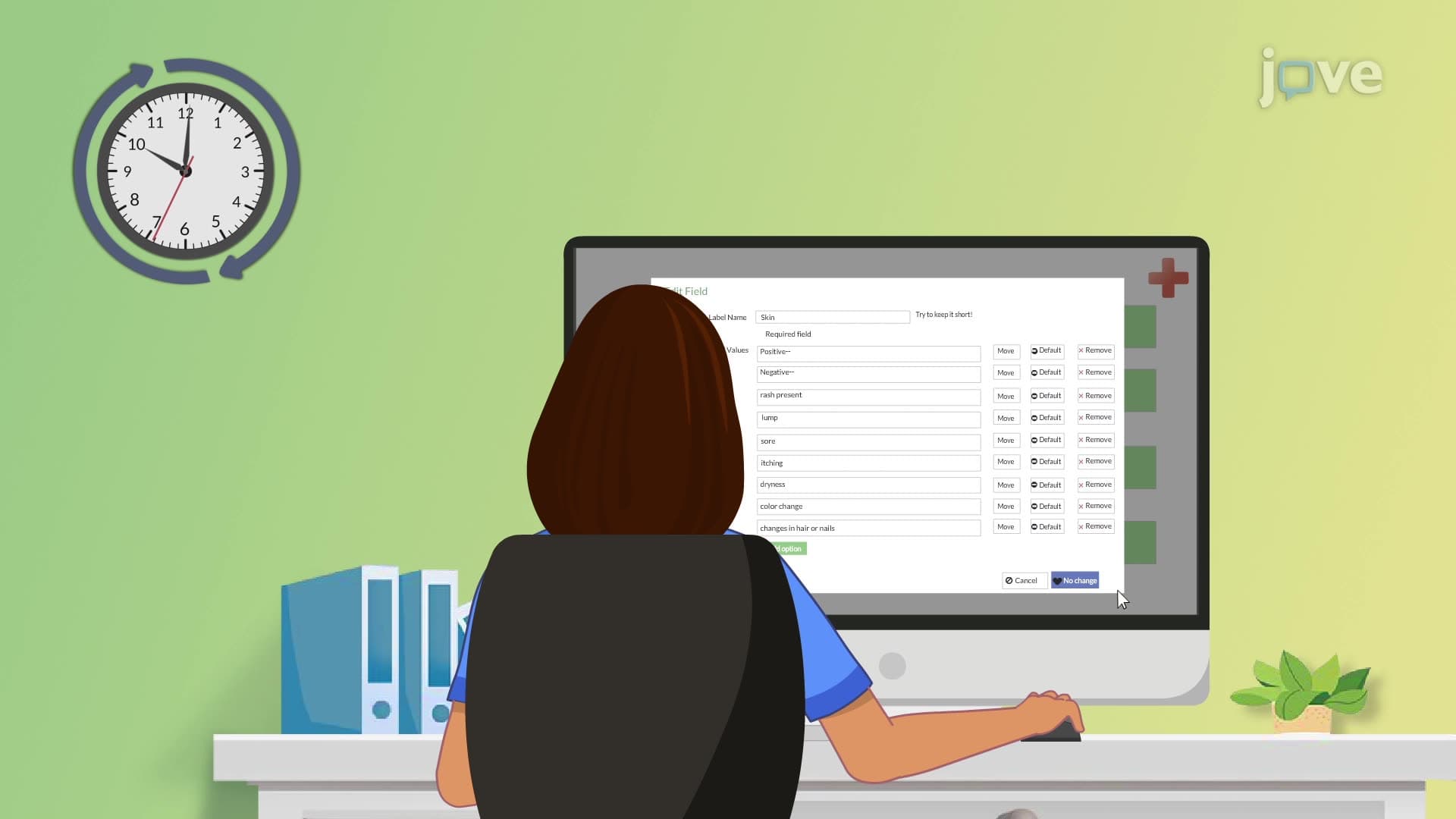
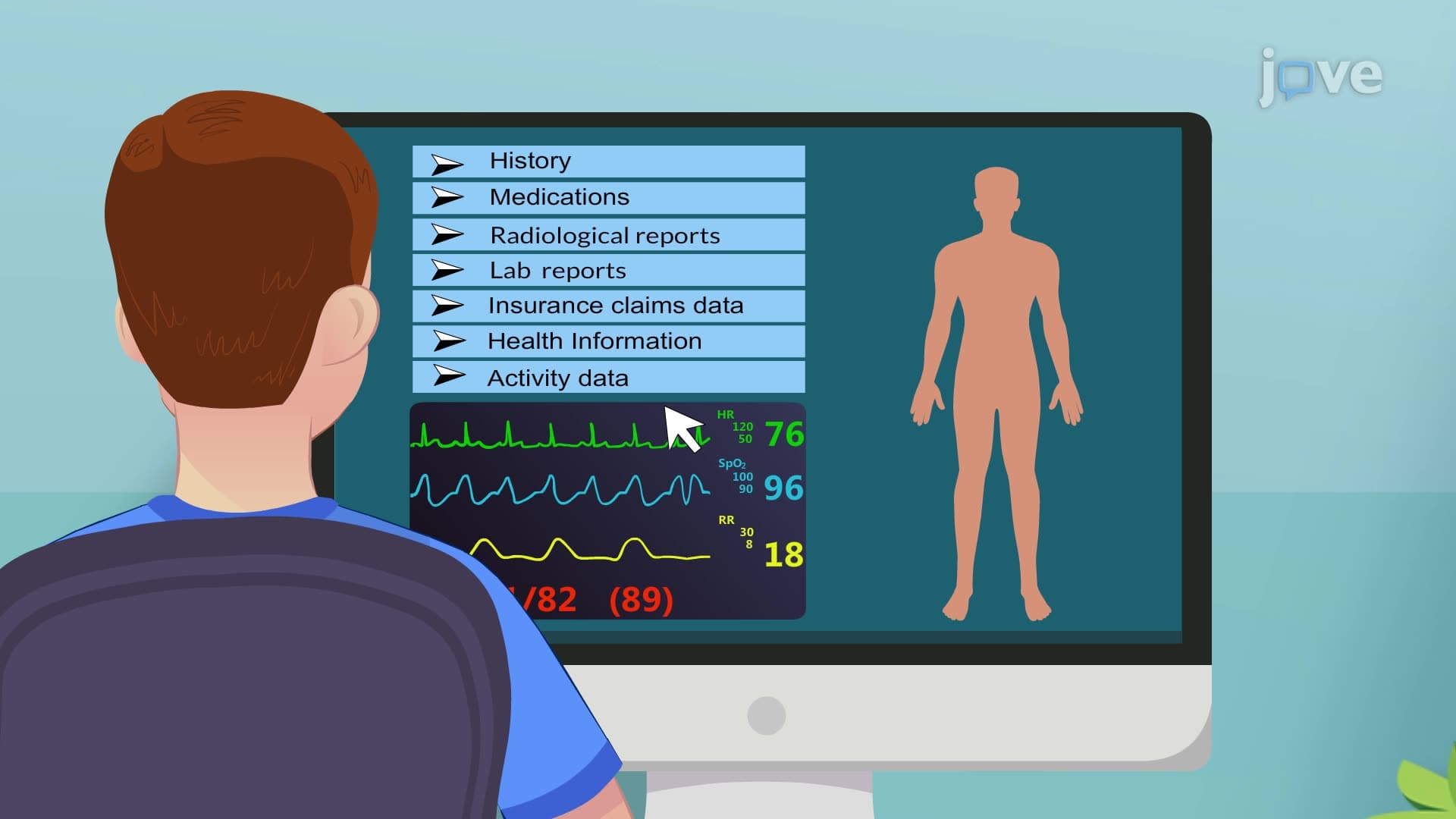
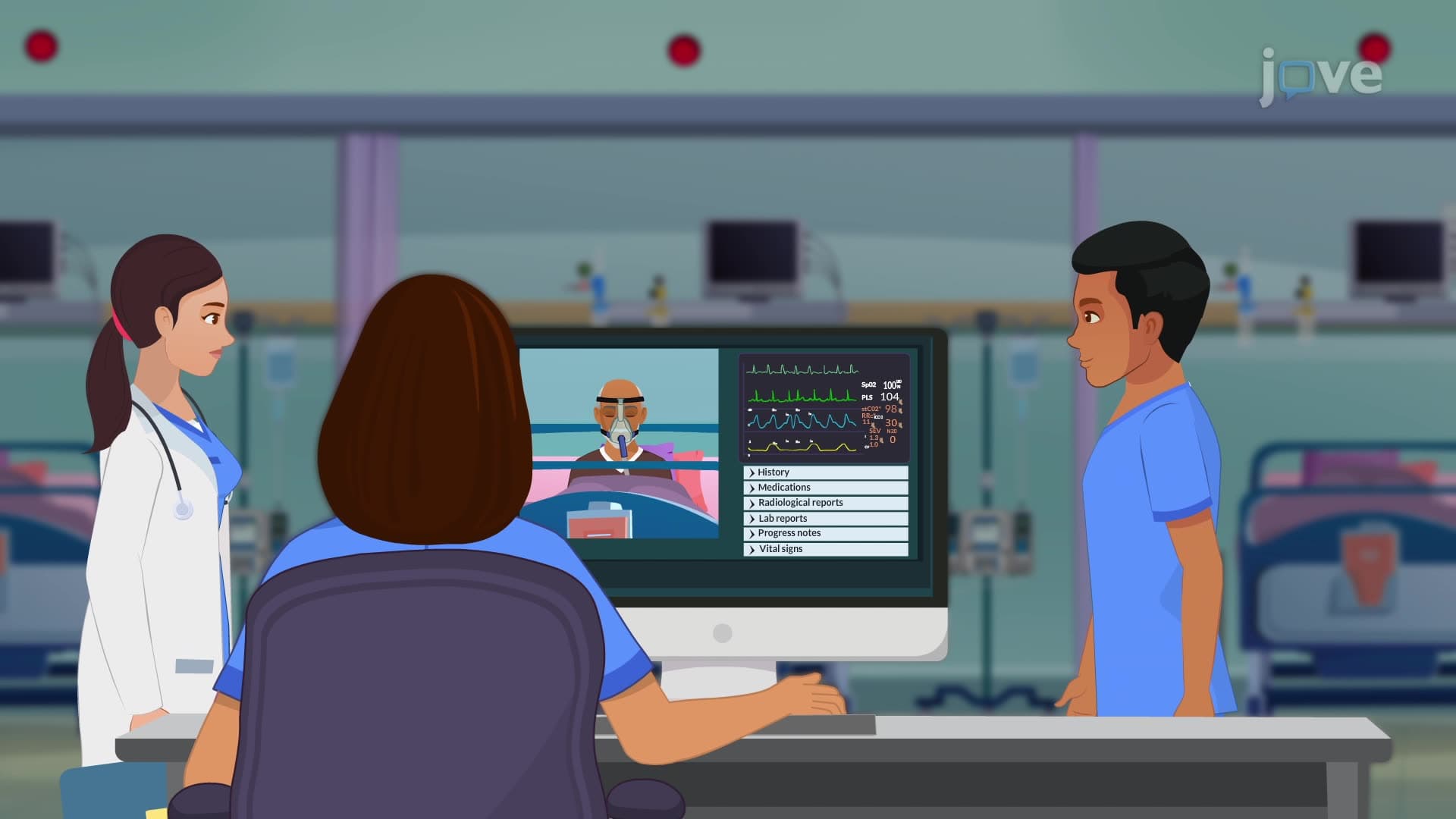
At major medical centers like Johns Hopkins, nurses use electronic health records (EHRs) that incorporate documentation guidelines through built-in prompts and required fields. They document patient assessments every shift, medication administration in real-time, and critical changes immediately upon occurrence. The system flags incomplete entries and ensures compliance with Joint Commission standards while maintaining patient confidentiality and data security.
No prior healthcare experience is required to learn nursing documentation principles. These concepts are designed to be taught systematically, starting with basic terminology and building to complex scenarios. High school students and college undergraduates can master these guidelines through structured study and practice with documentation examples, preparing them for nursing program admission and future clinical experiences.
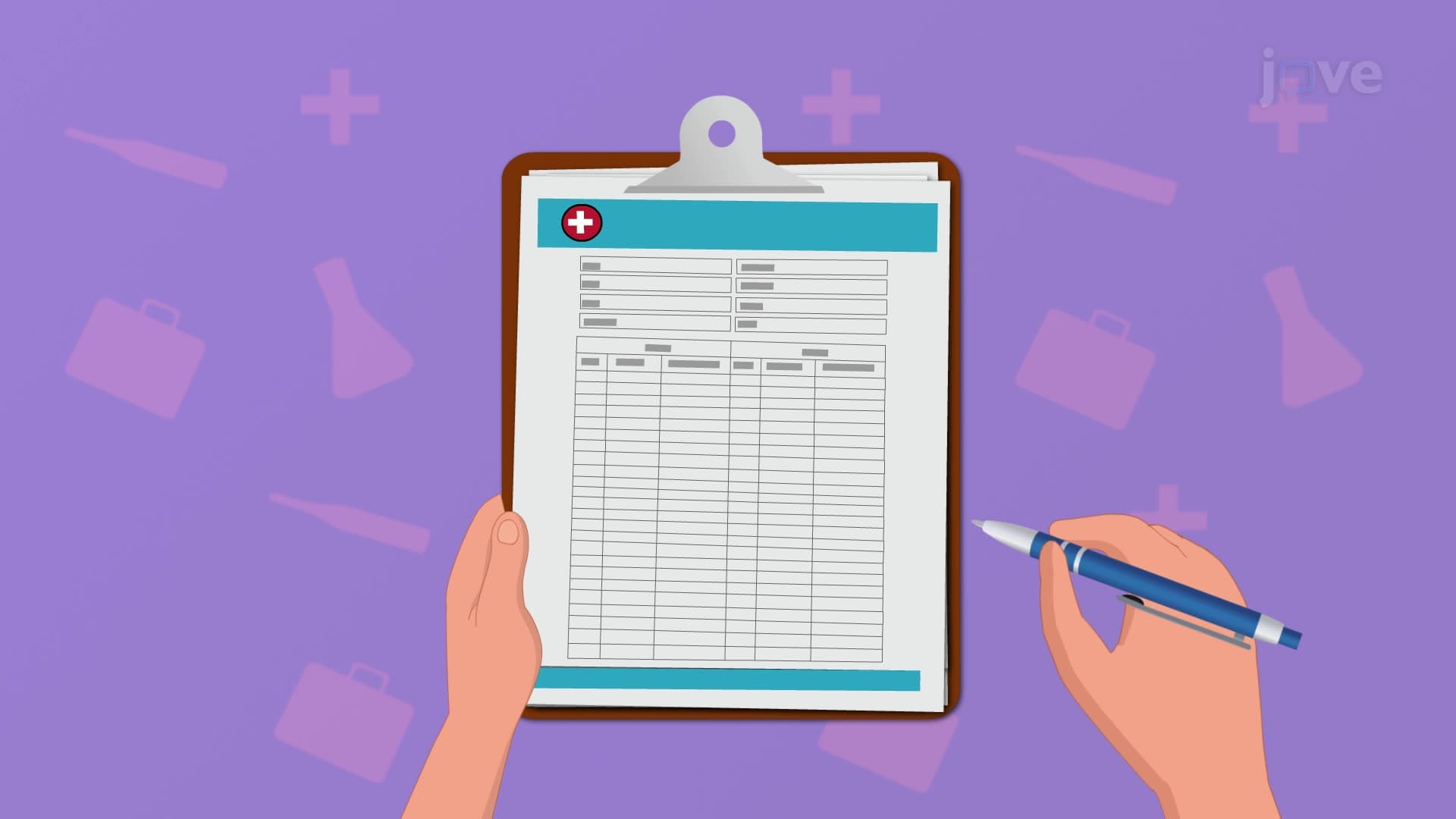
Create practice scenarios using real hospital forms and electronic documentation systems. Focus on military time conversion, proper medical terminology, and the nursing process steps (assessment, diagnosis, planning, implementation, evaluation). Use flashcards for common abbreviations and practice writing complete, objective patient assessments. Review sample documentation from nursing textbooks and practice identifying errors in poorly written examples.
Progress to studying electronic health records (EHR) systems, legal aspects of nursing documentation, quality improvement through documentation analysis, and specialized documentation for different patient populations. Advanced topics include incident reporting, interdisciplinary communication through documentation, and data analytics in healthcare quality measures.
Related Micro-courses


Related Subjects
 Anatomy and Physiology 31 micro-courses›
 Medical-Surgical Nursing 28 micro-courses›