Loading…
Loading video…

33,805 views
Did you know that a single patient visit to Johns Hopkins Hospital generates documentation across up to 15 different healthcare professionals? Methods documentation I source systems organize this complex web of medical information by grouping records according to their origin—whether from nurses, physicians, or specialists. In source-oriented records (SOR), each healthcare provider maintains separate documentation sections, creating a structured approach that follows patients from emergency room admission through discharge. This system helps medical teams at institutions like Mayo Clinic track patient care while maintaining clear professional boundaries in record-keeping. Watch the full video on JoVE Coach to master this concept with expert-led visuals and step-by-step explanations.
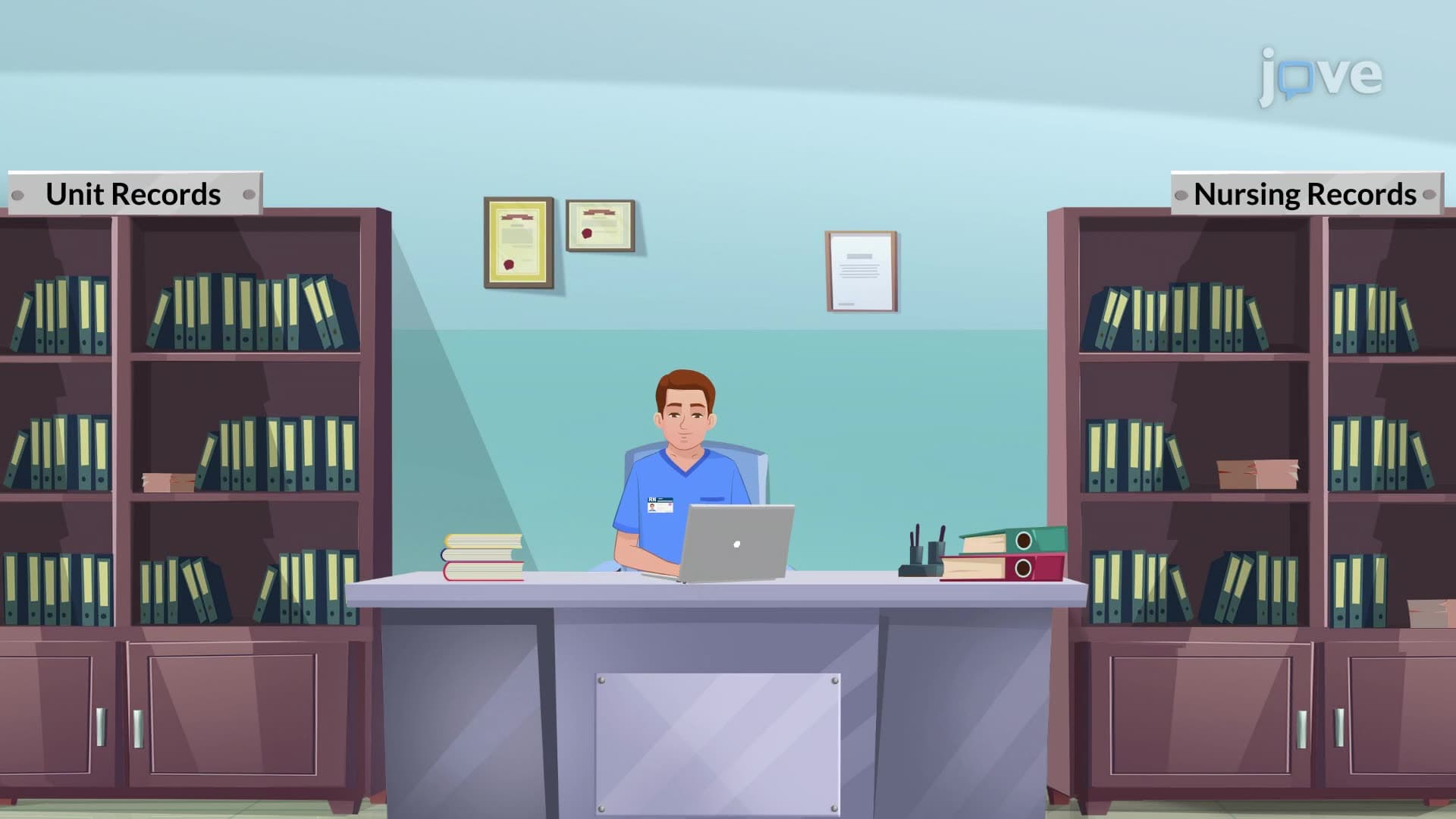
Methods documentation I source represents a fundamental approach to medical record organization that has shaped healthcare information management across major US hospital systems. Source-oriented records (SOR) create a systematic framework where patient information is compartmentalized based on the healthcare professional or department generating the data. This organizational method ensures that each discipline—from emergency medicine physicians at Cleveland Clinic to physical therapists at specialized rehabilitation centers—maintains distinct documentation spaces while contributing to comprehensive patient care.
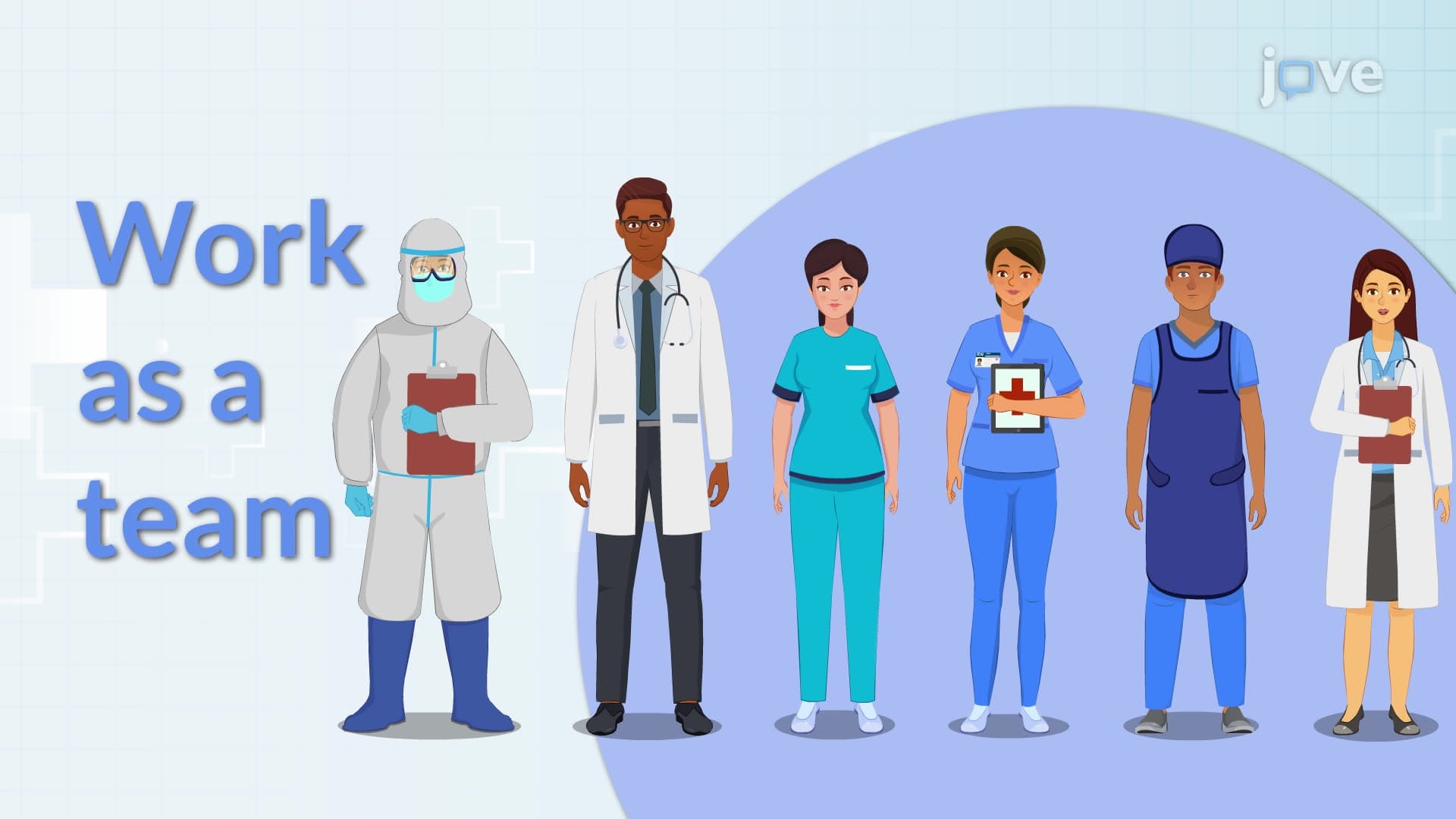
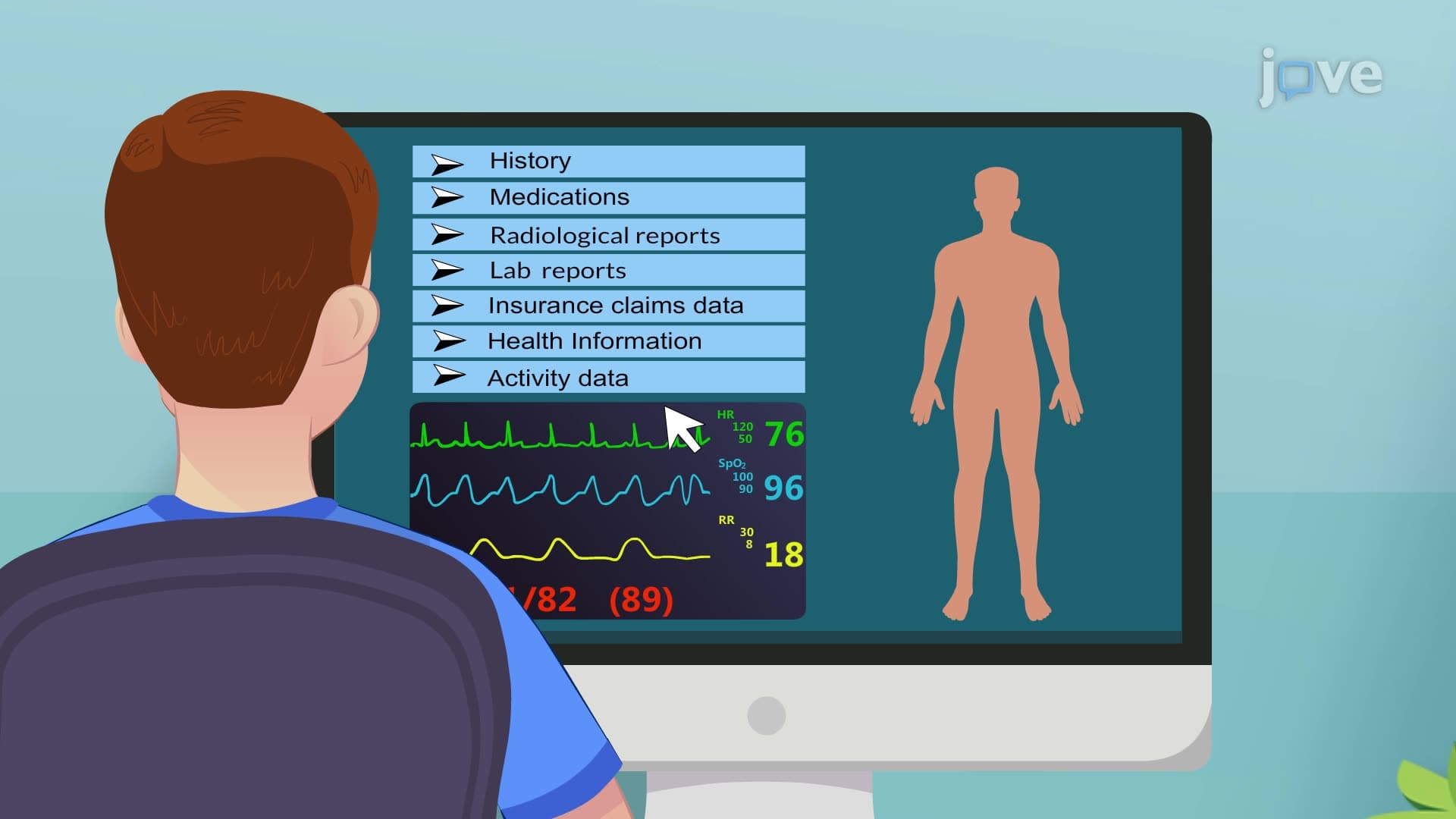
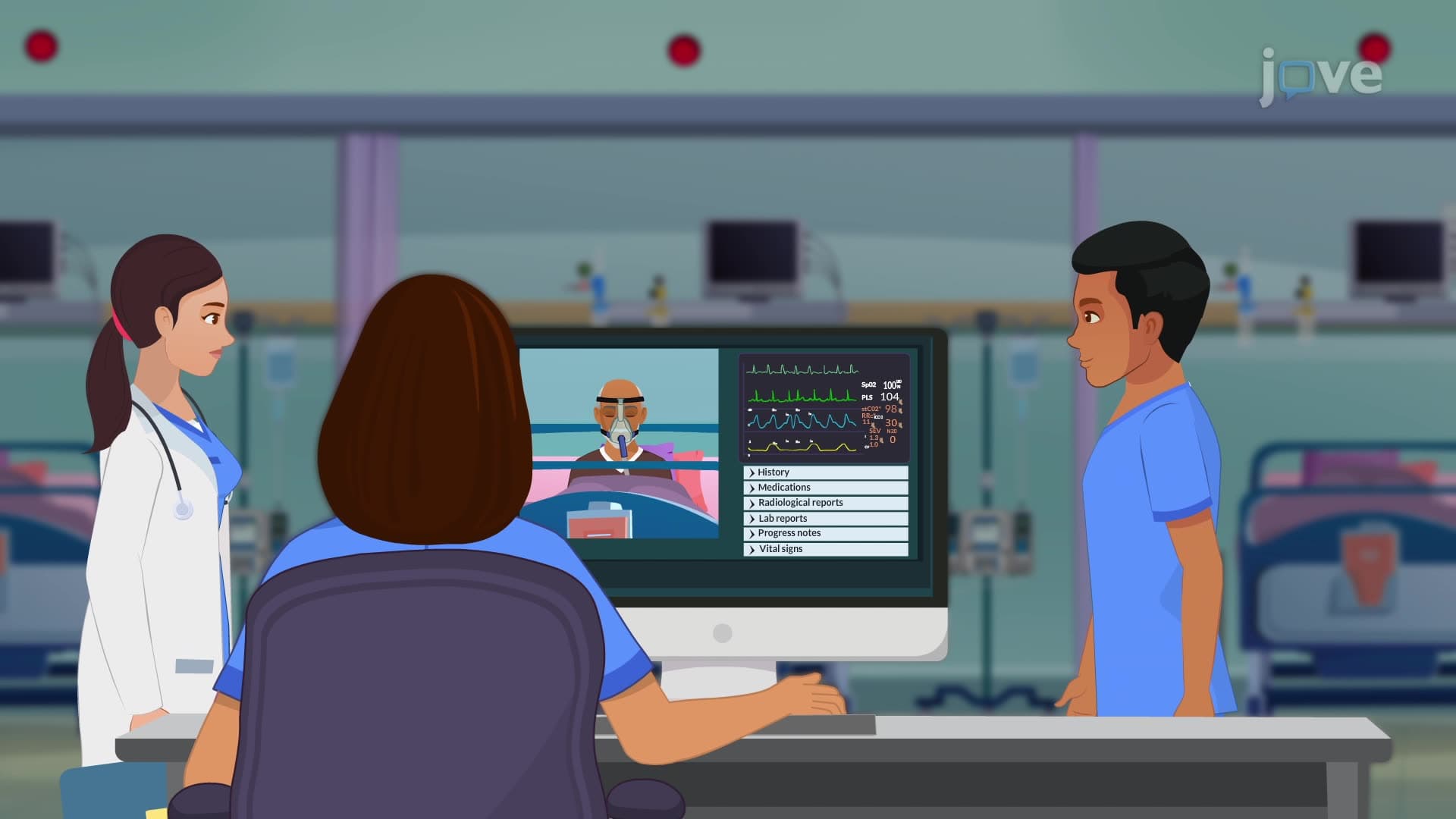
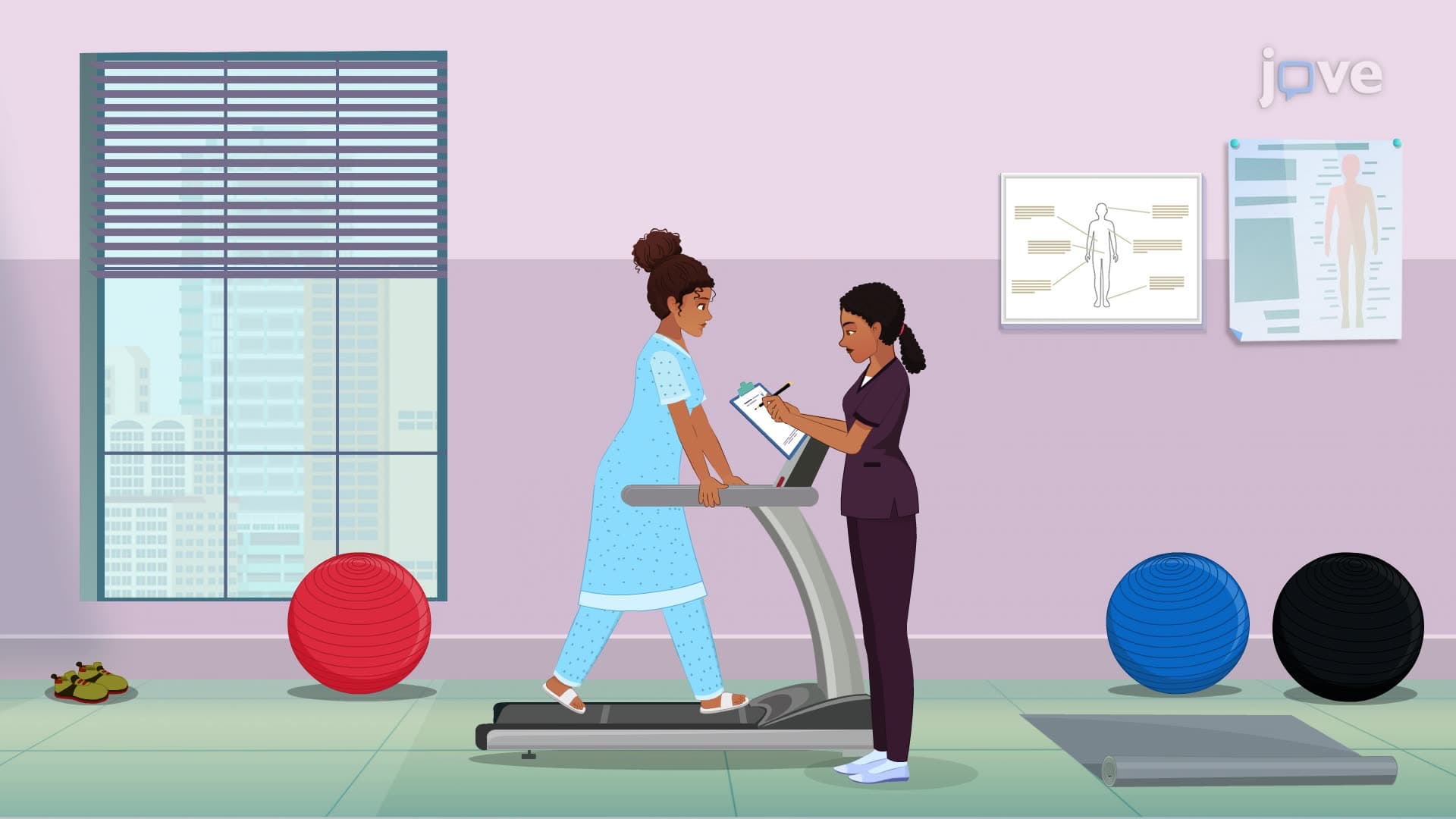
The architecture of SOR systems revolves around discipline-specific sections that reflect the diverse nature of modern healthcare teams. Physician notes capture diagnostic reasoning and treatment plans, while nursing documentation focuses on patient responses, medication administration, and ongoing care observations. Laboratory sections house test results from pathology departments, and therapy notes document rehabilitation progress from occupational and physical therapists. This segmentation proves particularly valuable in teaching hospitals like those affiliated with Harvard Medical School, where medical students, residents, and attending physicians each contribute different levels of clinical insight to patient records.
Source-oriented documentation offers significant benefits for both practicing healthcare professionals and students preparing for careers in medicine. The system's clarity makes it invaluable for MCAT preparation, as pre-med students can easily understand how different medical specialties contribute to patient care. Nursing students preparing for the NCLEX-RN examination benefit from understanding how their future documentation will integrate with physician orders and laboratory results. The sequential organization, with recent entries appearing first, supports rapid clinical decision-making in emergency departments where time-critical decisions determine patient outcomes.
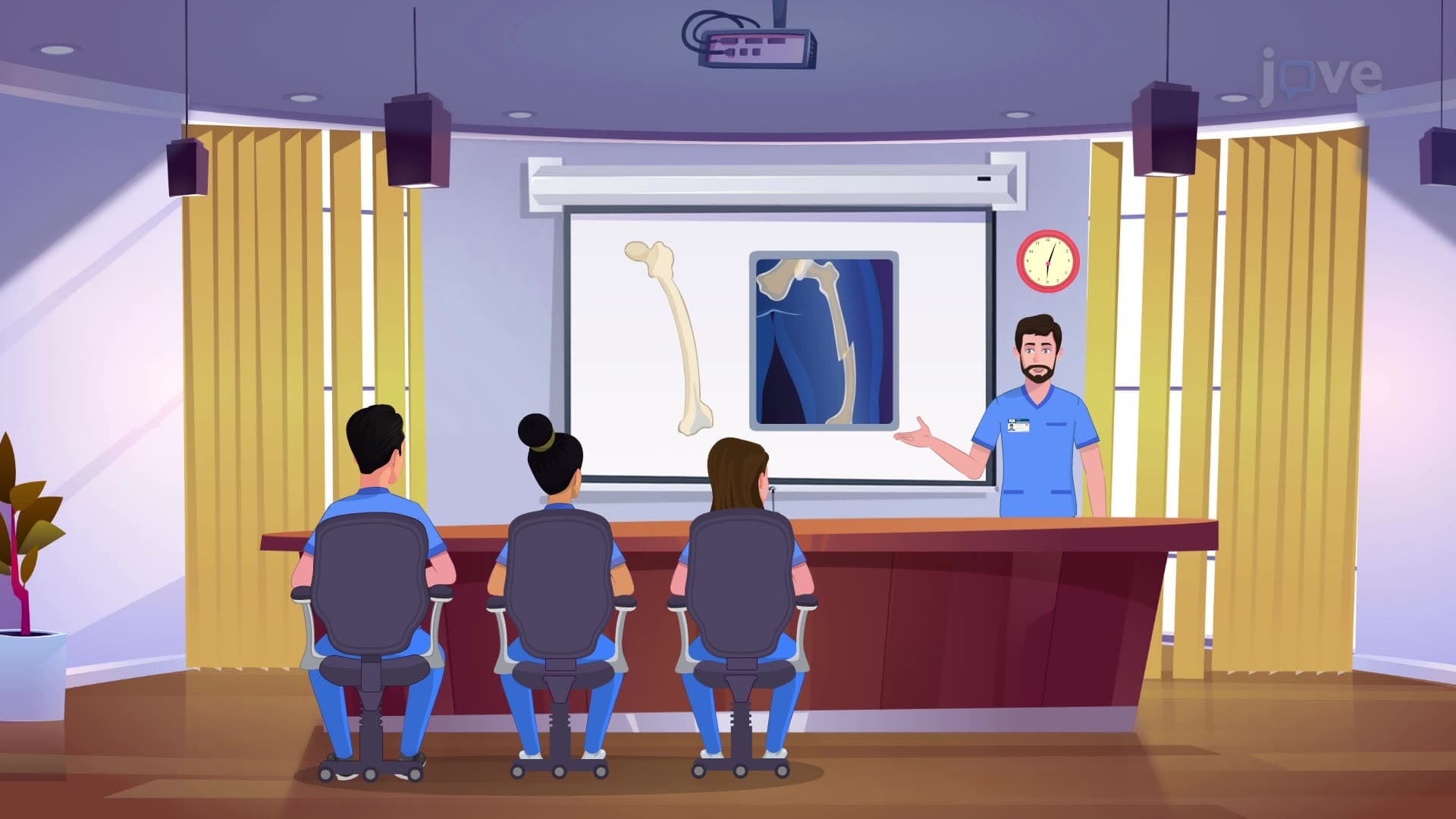
Despite its organizational benefits, SOR systems present notable challenges in contemporary healthcare environments. Information duplication occurs frequently when multiple providers document the same patient concern—a fractured bone might generate similar entries across orthopedic surgery, nursing, and physical therapy sections. This redundancy increases documentation time and creates opportunities for transcription errors. Additionally, the compartmentalized approach can hinder holistic patient care perspectives, making it challenging for providers to quickly synthesize information across disciplines during complex cases involving multiple organ systems.
Frequently Asked Questions
Methods documentation I source refers to organizing patient medical records by the healthcare professional or department that created each piece of information. This system, known as source-oriented records (SOR), separates documentation into distinct sections for physicians, nurses, therapists, and laboratory personnel, with entries arranged chronologically within each section.
The MCAT often includes questions about healthcare systems and medical record organization in its Psychological, Social, and Biological Foundations section. Students should understand how SOR systems support interdisciplinary care coordination and recognize the advantages of discipline-specific documentation for patient safety and professional accountability.
NCLEX-RN questions frequently test nursing students' understanding of proper documentation practices within source-oriented systems. Expect questions about maintaining separate nursing notes, understanding how nursing documentation integrates with physician orders, and recognizing the importance of chronological entry organization for patient safety and legal protection.
Leading healthcare institutions use electronic health record (EHR) systems that maintain source-oriented principles while enabling cross-disciplinary access. For example, a cardiac patient at Johns Hopkins might have separate documentation sections for cardiology, nursing, pharmacy, and cardiac rehabilitation, but all providers can access the complete record for comprehensive care coordination.
Source-oriented documentation concepts are quite accessible for beginners since they follow logical organizational principles similar to academic portfolios. Students can easily grasp the idea that different healthcare professionals maintain separate but related records, much like how different teachers maintain separate grade books for the same student.
Create visual diagrams showing how different healthcare disciplines contribute to patient records, and practice identifying which professional would document specific types of patient information. Use case studies to trace how a single patient condition generates entries across multiple documentation sections within the SOR framework.
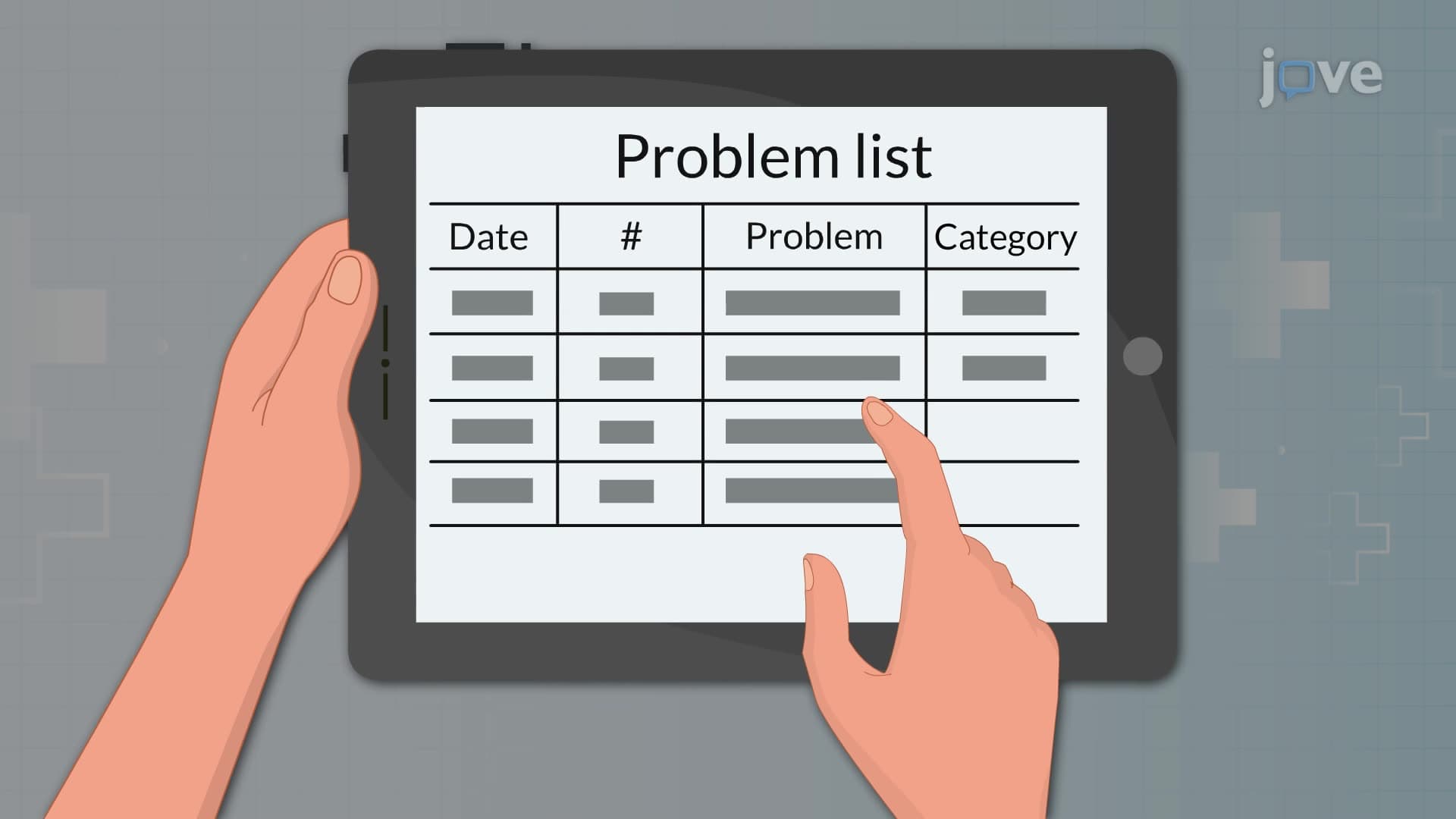
Progress to problem-oriented medical records (POMR) and SOAP note formatting, which represent alternative organizational approaches. Understanding integrated documentation systems and electronic health record functionality will prepare you for advanced healthcare informatics concepts commonly tested in professional examinations.
Undergraduate programs at schools like University of Pittsburgh's Health Information Management program expand SOR concepts to include legal compliance, data analytics, and interoperability standards. Students learn how basic documentation methods support complex healthcare delivery systems and regulatory requirements like HIPAA compliance.
Related Micro-courses


Related Subjects
 Anatomy and Physiology 31 micro-courses›
 Medical-Surgical Nursing 28 micro-courses›