Loading video…

- Nursing
- Documentation and Reporting
- Flow Sheet
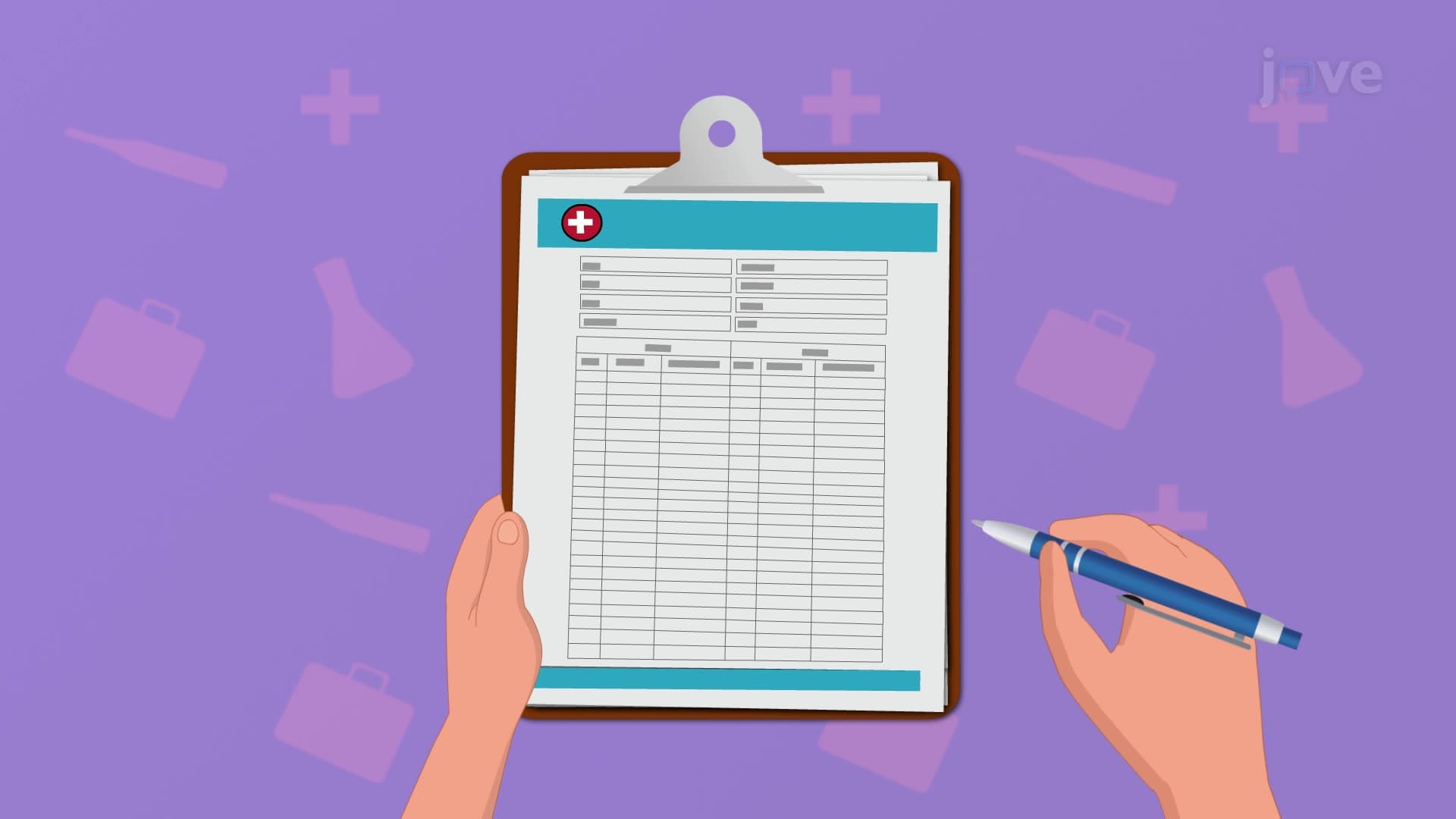









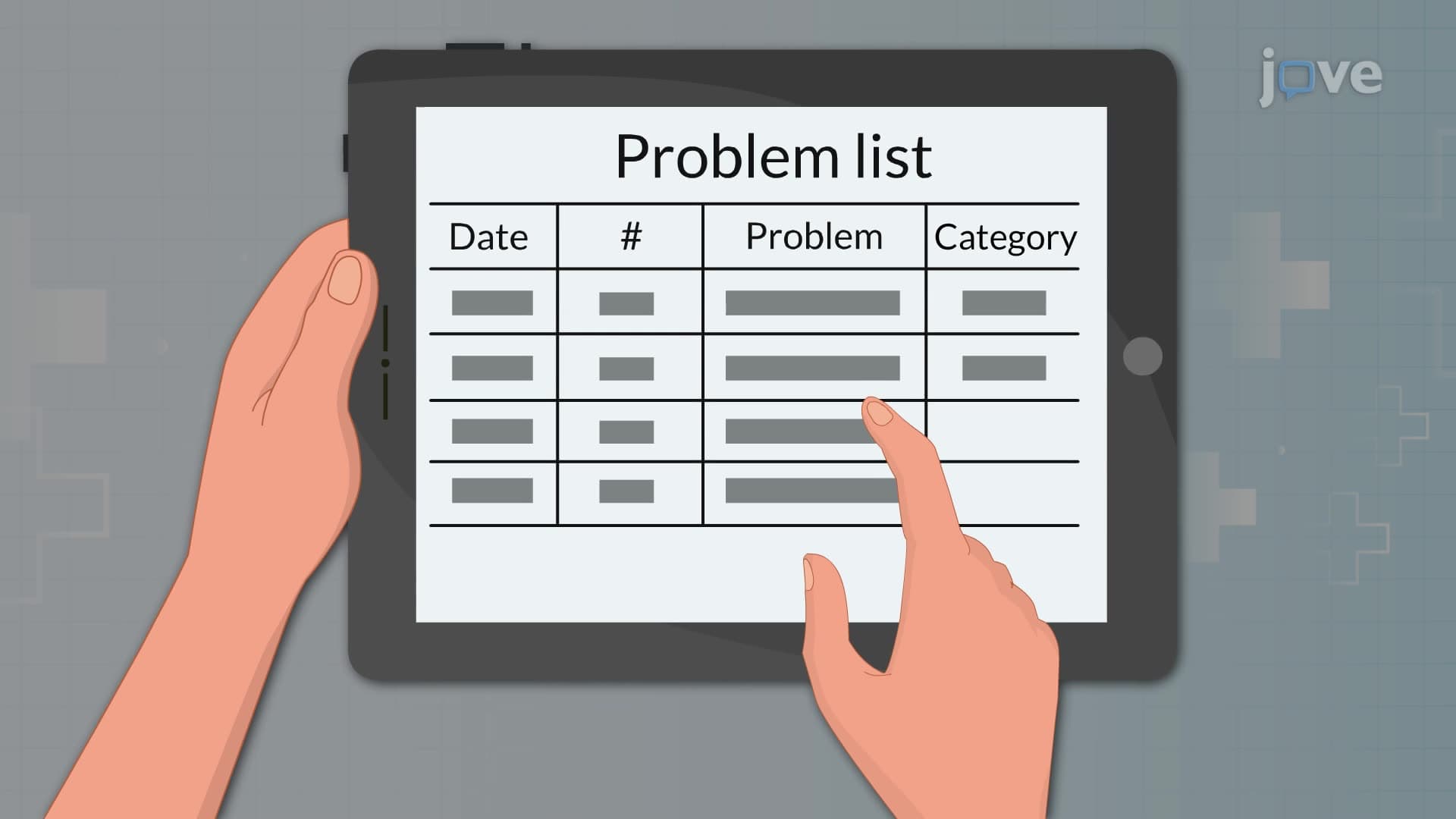


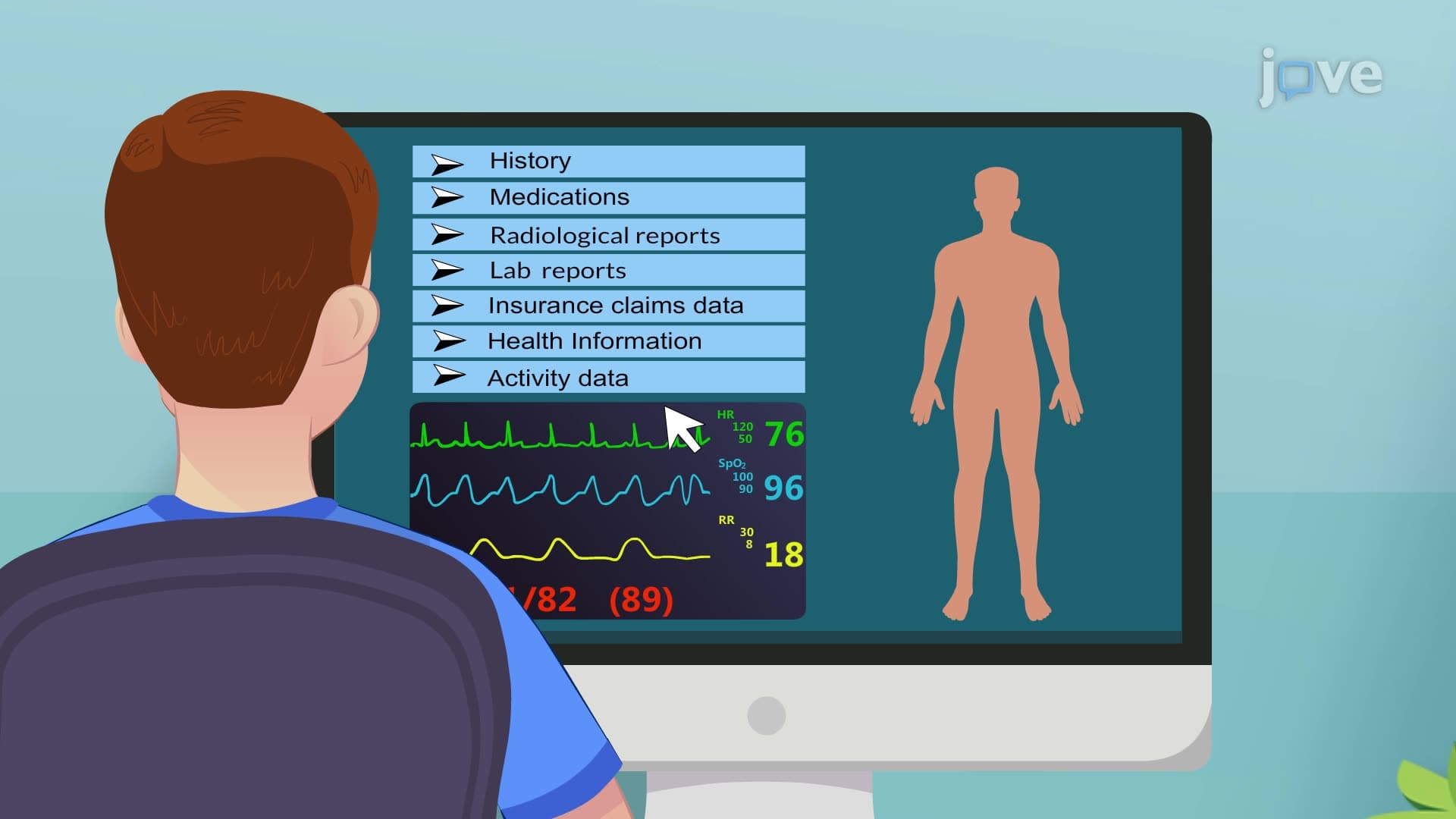










Every 15 minutes, nurses at Johns Hopkins Hospital document critical patient data that could mean the difference between life and death. A flow sheet serves as this essential nursing documentation tool, organizing multiple patient assessments and measurements in one consolidated, easy-to-read format that tracks care over time. These structured charts capture everything from vital signs to medication administration, creating a chronological record that healthcare teams rely on for informed decision-making. Watch the full video on JoVE Coach to master this concept with expert-led visuals and step-by-step explanations.
- Understand what is flow sheet and its fundamental role in nursing documentation and patient care coordination
- Identify the four primary types of flow sheets used in healthcare settings: graphic sheets, fluid balance charts, medication records, and acuity scoring systems
- Analyze how flow sheets consolidate multiple patient assessments into chronological, readable formats for healthcare teams
- Compare different flow sheet formats and their specific applications in documenting patient variables and care interventions
- Evaluate the importance of accurate flow sheet documentation in maintaining patient safety and care continuity
- Apply knowledge of acuity scoring systems (1-4 scale) to determine appropriate staffing levels and care requirements
- Recognize how flow sheets support evidence-based nursing practice and regulatory compliance in US healthcare facilities
- Explore the relationship between flow sheet documentation and quality improvement initiatives in patient care
Understanding What is Flow Sheet in Healthcare Documentation
A flow sheet represents one of the most critical documentation tools in modern nursing practice, serving as a structured format that allows healthcare professionals to systematically record, track, and analyze patient data over time. Unlike narrative nursing notes, flow sheets present information in a grid-like format that enables quick visualization of trends, patterns, and changes in a patient's condition. This organizational approach proves essential in fast-paced healthcare environments where timely access to accurate information directly impacts patient outcomes.
Types and Applications of Flow Sheet Systems
Healthcare facilities across the United States utilize four primary flow sheet categories, each designed for specific documentation purposes. Graphic sheets focus on recording measurable patient variables such as vital signs (temperature, blood pressure, heart rate, respiratory rate), daily weights, and intake/output measurements. These sheets typically display data in a timeline format, allowing nurses to quickly identify concerning trends that might indicate deterioration or improvement in patient status.
The 24-hour fluid balance flow sheet represents another critical documentation tool, particularly valuable in intensive care units and medical-surgical floors where fluid management directly affects patient recovery. These sheets meticulously track all fluid intake sources (oral, intravenous, enteral feeding) against output measurements (urine, drainage, emesis), providing healthcare teams with precise data needed for clinical decision-making.
Medication Administration and Acuity Documentation
Medication administration records (MARs) constitute perhaps the most legally significant flow sheet type in healthcare documentation. These detailed charts include comprehensive information about each medication dose: specific drug name, dosage amount, administration route, exact timing, and the administering nurse's signature or electronic verification. This documentation system ensures medication safety compliance with Joint Commission standards while providing legal protection for both patients and healthcare providers.
Acuity charting systems represent the most sophisticated flow sheet application, incorporating standardized scoring mechanisms that quantify patient care complexity. Using a 1-4 scale where 1 indicates minimal care requirements and 4 represents intensive, complex care needs, these systems help nurse managers determine appropriate staffing ratios and resource allocation. For students preparing for the NCLEX-RN examination, understanding acuity scoring proves essential, as questions frequently test knowledge of appropriate nurse-to-patient ratios based on care complexity levels.
Clinical Significance and Educational Applications
For students pursuing nursing education through programs accredited by the Commission on Collegiate Nursing Education (CCNE), mastering flow sheet documentation represents a fundamental competency. Whether preparing for HESI A2 entrance examinations or TEAS assessments, understanding these documentation principles directly correlates with success in clinical rotations and professional practice. Flow sheets also serve as valuable study tools for MCAT students focusing on healthcare systems and patient safety concepts within medical school preparation.
Frequently Asked Questions
A flow sheet is a structured documentation tool that organizes patient data in a grid format, allowing healthcare professionals to record multiple assessments chronologically. Unlike narrative nursing notes that use paragraph form, flow sheets present information in columns and rows, making it easier to identify trends and patterns in patient care over time.
NCLEX-RN questions frequently focus on medication administration records (MARs) and acuity scoring systems within flow sheet contexts. Students should understand proper documentation requirements, legal implications of incomplete records, and how acuity scores (1-4 scale) determine appropriate nurse-to-patient ratios in different clinical settings.
These exams typically present flow sheet scenarios in reading comprehension sections, testing students' ability to interpret vital sign trends, medication schedules, and fluid balance data. Practice identifying abnormal values and understanding the clinical significance of documented changes in patient status.
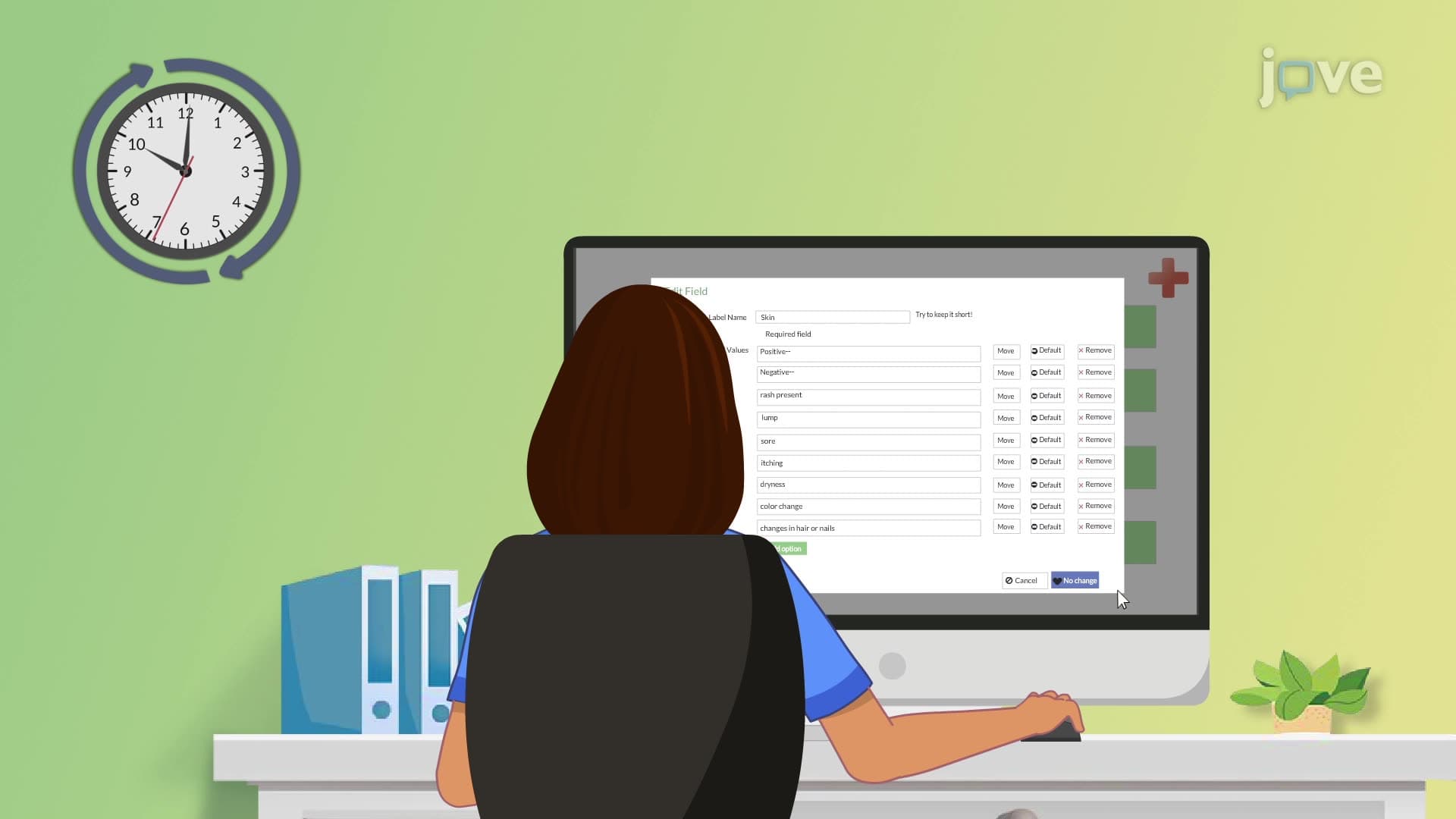
At facilities like Mayo Clinic and Cleveland Clinic, electronic flow sheets integrate with Epic and Cerner electronic health record systems, automatically calculating fluid balances, flagging abnormal vital signs, and generating acuity scores that inform staffing decisions and quality improvement initiatives.
Basic arithmetic skills suffice for most flow sheet applications, including fluid balance calculations and medication dosage documentation. The focus remains on accuracy and attention to detail rather than complex mathematical concepts, making this accessible for high school students entering healthcare programs.
Practice interpreting sample flow sheets from different clinical areas, focusing on identifying normal versus abnormal values, calculating totals for intake/output records, and understanding the relationship between acuity scores and staffing requirements. Use NCLEX-style practice questions to reinforce these concepts.
Flow sheets provide data that hospitals use to track infection rates, medication errors, and patient falls, supporting Joint Commission accreditation requirements. This documentation directly influences hospital rankings and reimbursement rates from Medicare and Medicaid programs.
Explore electronic health record integration, quality metrics reporting, and how flow sheet data supports evidence-based practice initiatives. Consider studying how artificial intelligence and predictive analytics use flow sheet data to identify patients at risk for complications.
Related Micro-courses

19 Concepts
17 Concepts

12 Concepts
Related Subjects
 Anatomy and Physiology 31 micro-courses›
 Medical-Surgical Nursing 28 micro-courses›