Loading…
Loading video…

33,805 views
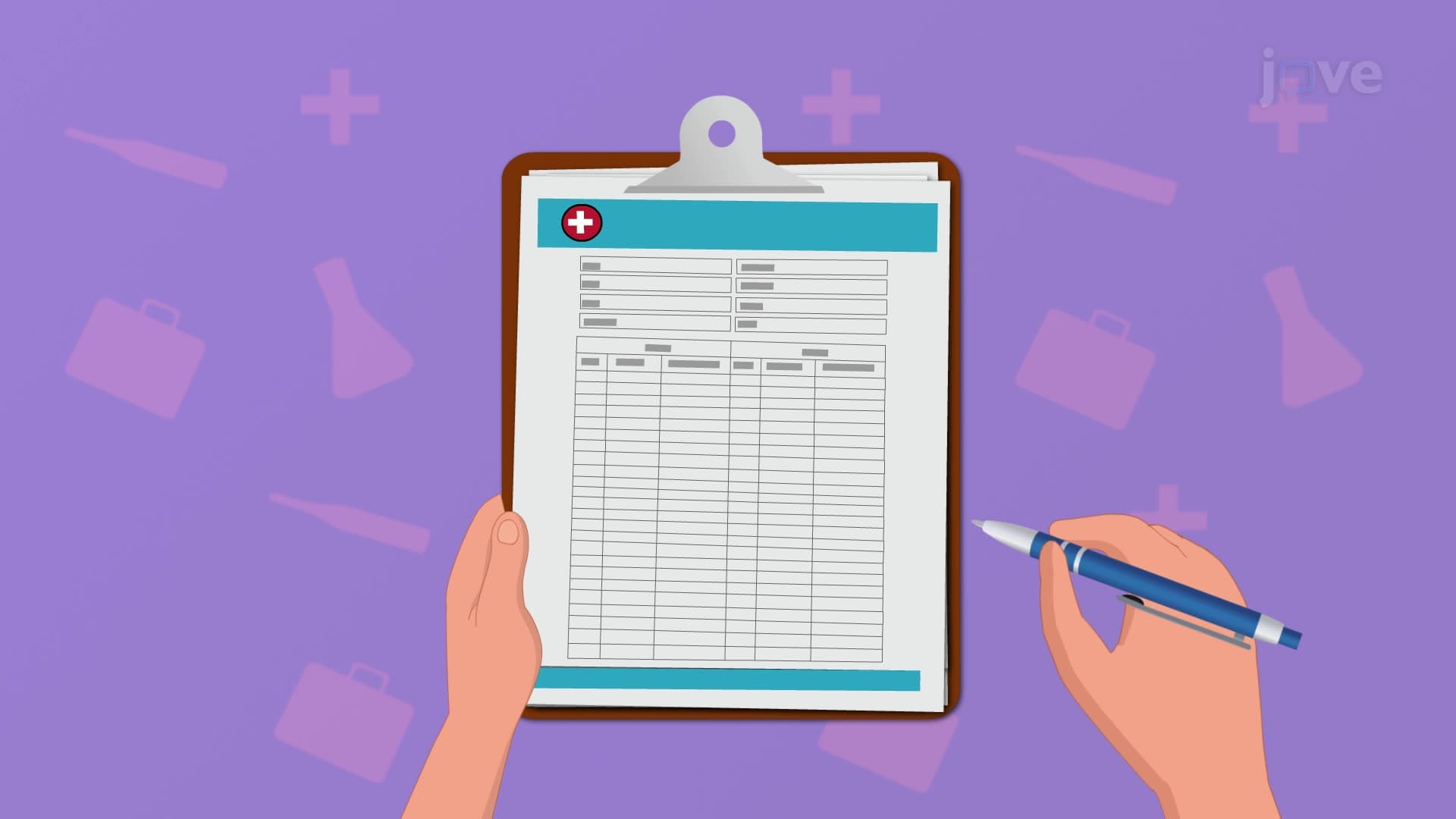
Every year, over 36 million patients are discharged from US hospitals, yet many struggle with post-discharge care due to unclear instructions. Discharge summary forms serve as critical communication bridges between hospital and home care. For instance, when a patient leaves Johns Hopkins Hospital after cardiac surgery, their discharge summary forms contain essential medication schedules, wound care instructions, and warning signs to monitor. What is discharge summary forms becomes clear when you understand they're comprehensive medical documents ensuring safe patient transitions. Watch the full video on JoVE Coach to master this concept with expert-led visuals and step-by-step explanations.
Discharge summary forms represent one of healthcare's most critical communication tools, serving as the official bridge between inpatient care and post-hospital recovery. These standardized medical documents synthesize a patient's entire hospital experience into actionable information for both patients and continuing care providers. In the US healthcare system, where coordination between multiple providers is essential, discharge summary forms have become legally mandated documents that can significantly impact patient outcomes and hospital readmission rates.
The discharge summary forms definition explained encompasses several mandatory elements that healthcare students must master. Primary diagnosis and secondary conditions form the foundation, followed by detailed treatment summaries including procedures performed, medications administered, and therapeutic interventions. For example, a patient discharged from Mayo Clinic after appendectomy would receive forms detailing surgical site care, pain management protocols, activity restrictions, and specific warning signs like fever or increasing abdominal pain.
Medication reconciliation represents another crucial component, where discharge forms must clearly list all prescribed medications, dosages, timing, and potential side effects. This process prevents dangerous drug interactions and ensures patients understand their post-discharge pharmaceutical regimen. Studies from the Centers for Disease Control show that clear medication instructions on discharge forms reduce adverse drug events by up to 30%.
For students preparing for healthcare careers, understanding discharge summary overview concepts appears frequently in MCAT passages, NCLEX questions, and undergraduate nursing examinations. AP Biology students studying human body systems encounter discharge planning when learning about cardiovascular recovery or neurological rehabilitation. College pre-med courses often use discharge summary analysis as case studies in patient communication and care coordination.
The discharge summary forms study guide approach should emphasize practical applications. Students should recognize that effective discharge forms reduce 30-day readmission rates, a key quality metric for US hospitals under Medicare reimbursement models. For instance, Cleveland Clinic's standardized discharge protocols have decreased cardiac surgery readmissions by 25% through improved patient education and follow-up scheduling integrated into their discharge documentation.
US healthcare regulations mandate specific discharge documentation requirements through The Joint Commission standards and Centers for Medicare & Medicaid Services guidelines. These discharge summary forms notes must include contact information for follow-up providers, clear instructions in the patient's preferred language, and specific criteria for when patients should seek emergency care. Healthcare students should understand that incomplete or unclear discharge forms can result in hospital penalties and accreditation issues.
Frequently Asked Questions
Discharge summary forms are comprehensive medical documents that summarize a patient's hospital stay and provide detailed instructions for post-discharge care. They're essential because they ensure continuity of care, reduce medical errors, and help prevent unnecessary readmissions by clearly communicating treatment plans and follow-up requirements to patients and their continuing care providers.
These exams frequently test understanding of discharge planning through scenario-based questions about patient education, medication reconciliation, and care coordination. NCLEX questions often focus on prioritizing discharge instructions, while MCAT passages may include discharge planning in healthcare delivery or patient communication contexts.
AP Biology students should understand how discharge forms relate to homeostasis and body system recovery. Key concepts include medication effects on physiological processes, wound healing timelines, and how discharge instructions support the body's natural recovery mechanisms after medical interventions.
At major medical centers like Johns Hopkins or Massachusetts General Hospital, discharge forms are generated through electronic health records systems and reviewed by multidisciplinary teams. They're legally required documents that must be completed before patient release and serve as official communication tools between inpatient and outpatient care teams.
No advanced medical background is required. Basic understanding of healthcare terminology and patient care processes is sufficient. Most high school health science courses and introductory college biology classes provide adequate foundation knowledge for comprehending discharge planning principles.
Focus on memorizing the essential components: diagnosis, medications, follow-up instructions, and warning signs. Practice analyzing sample discharge forms and identifying missing elements. Create flashcards for common medications and their instructions, and review case studies showing effective versus ineffective discharge communication.
Clear, comprehensive discharge forms reduce readmissions by ensuring patients understand their medications, recognize warning signs, and know when to contact healthcare providers. Studies show that hospitals with standardized discharge processes see 20-30% fewer readmissions within 30 days.
Build on this foundation by exploring care coordination models, electronic health records systems, and quality improvement initiatives in healthcare. Consider studying patient safety protocols, medication management, and interdisciplinary team communication strategies used in modern US healthcare delivery.
Related Micro-courses


Related Subjects
 Anatomy and Physiology 31 micro-courses›
 Medical-Surgical Nursing 28 micro-courses›