Loading subject page…

- Nursing
- Documentation and Reporting
- Types of Reports I: Hands-off Report
Micro-course: Documentation and Reporting
33,806 views
Learn key concepts and earn your certificate.
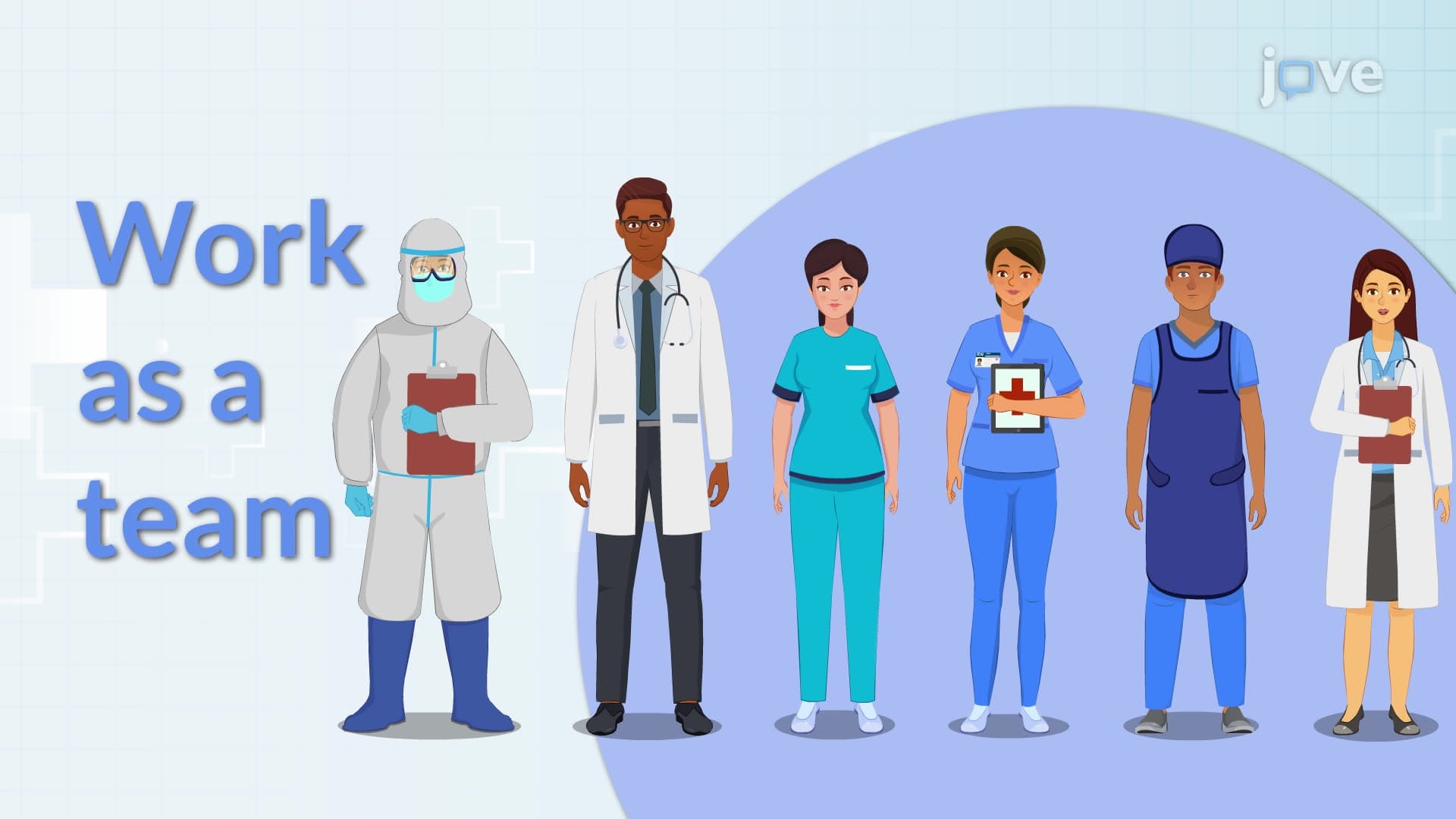





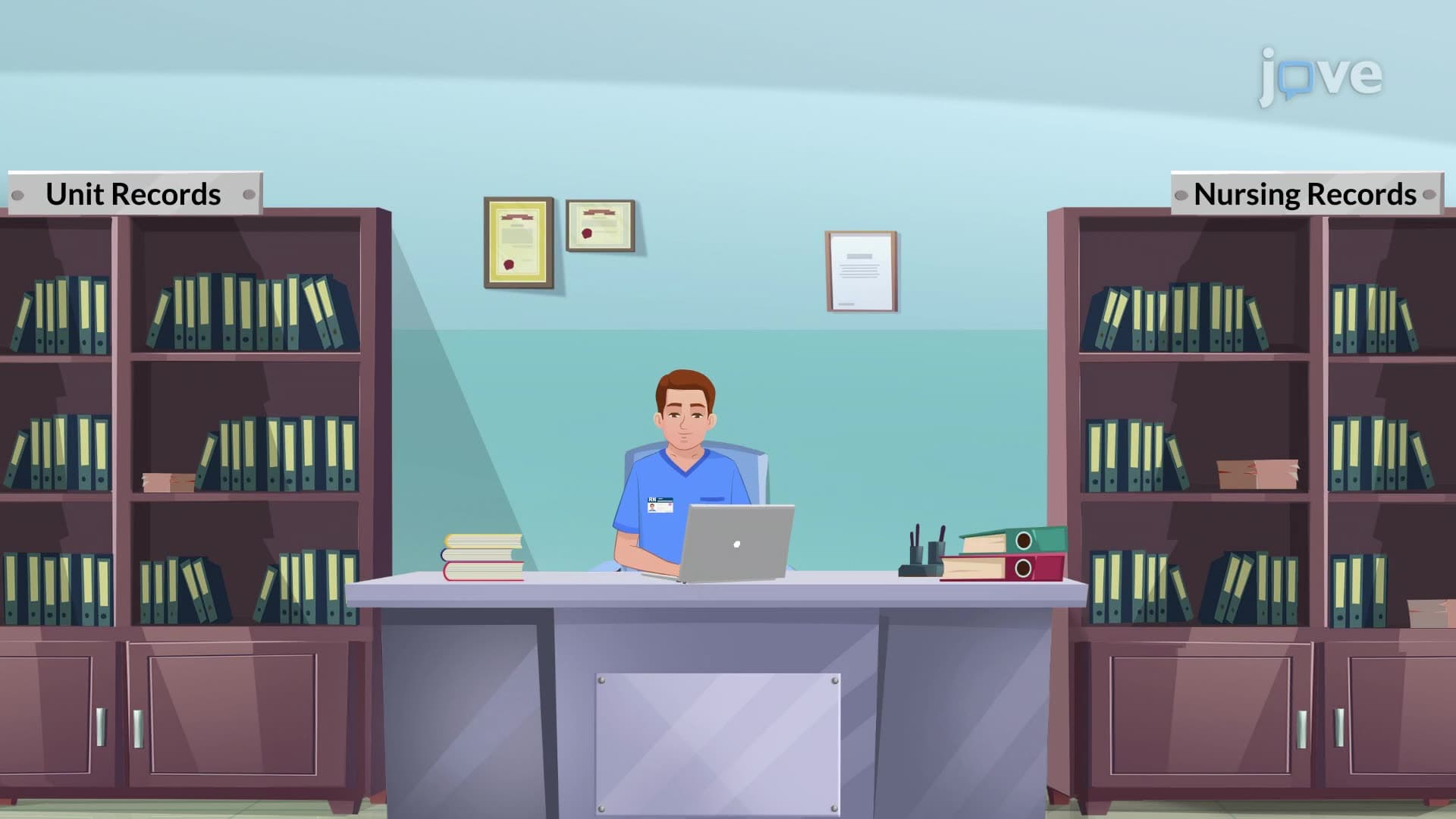

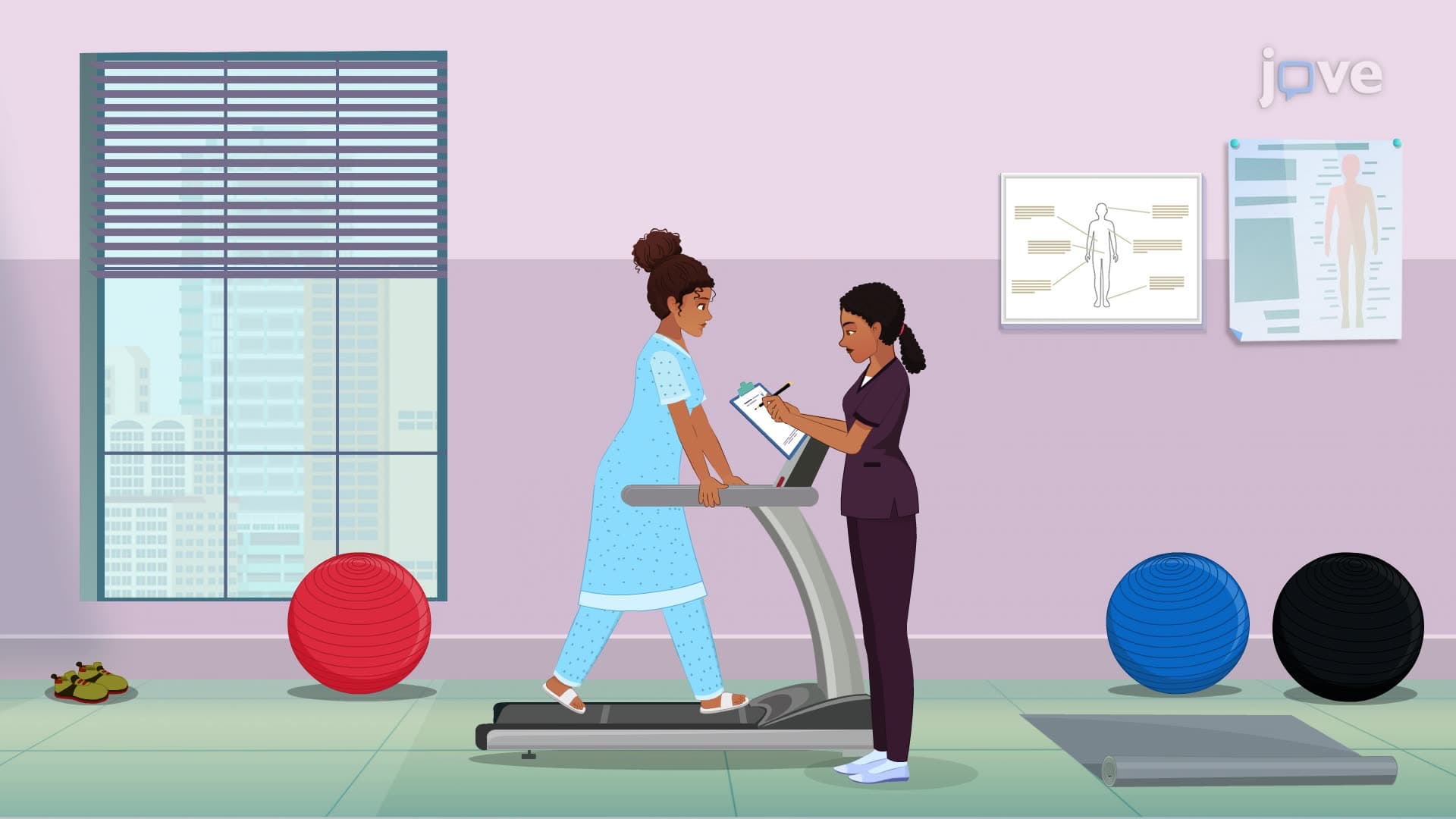
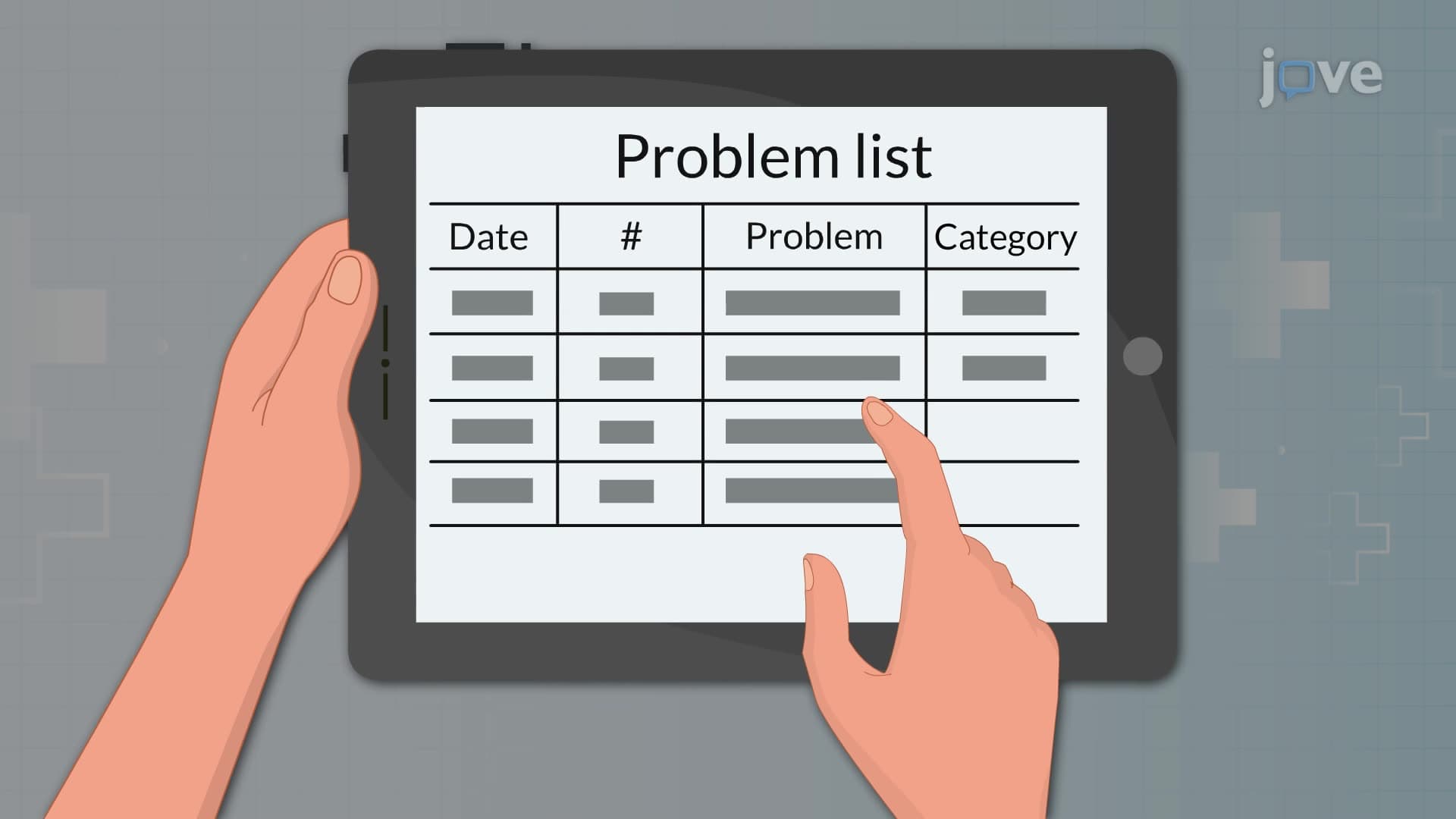
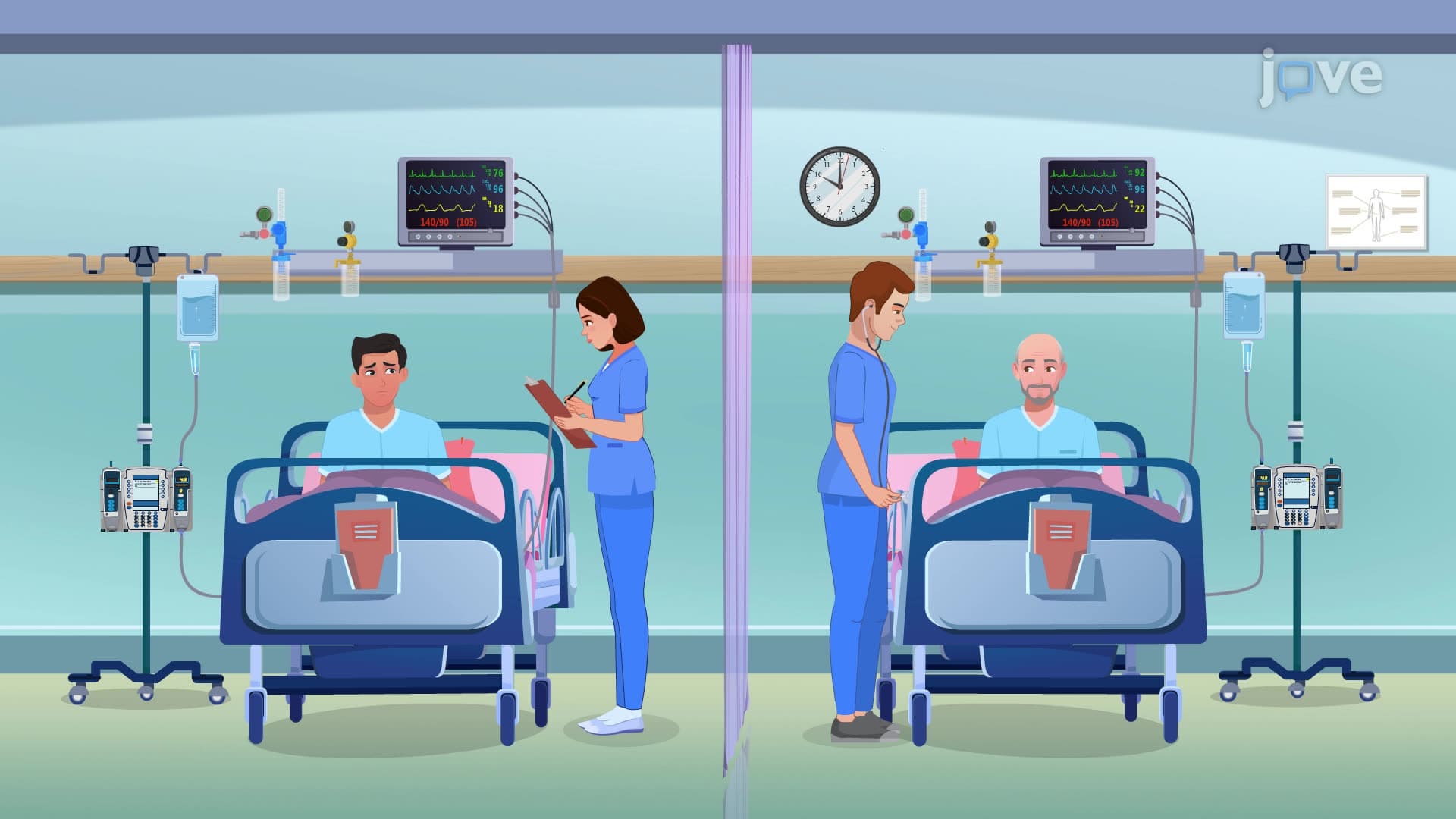


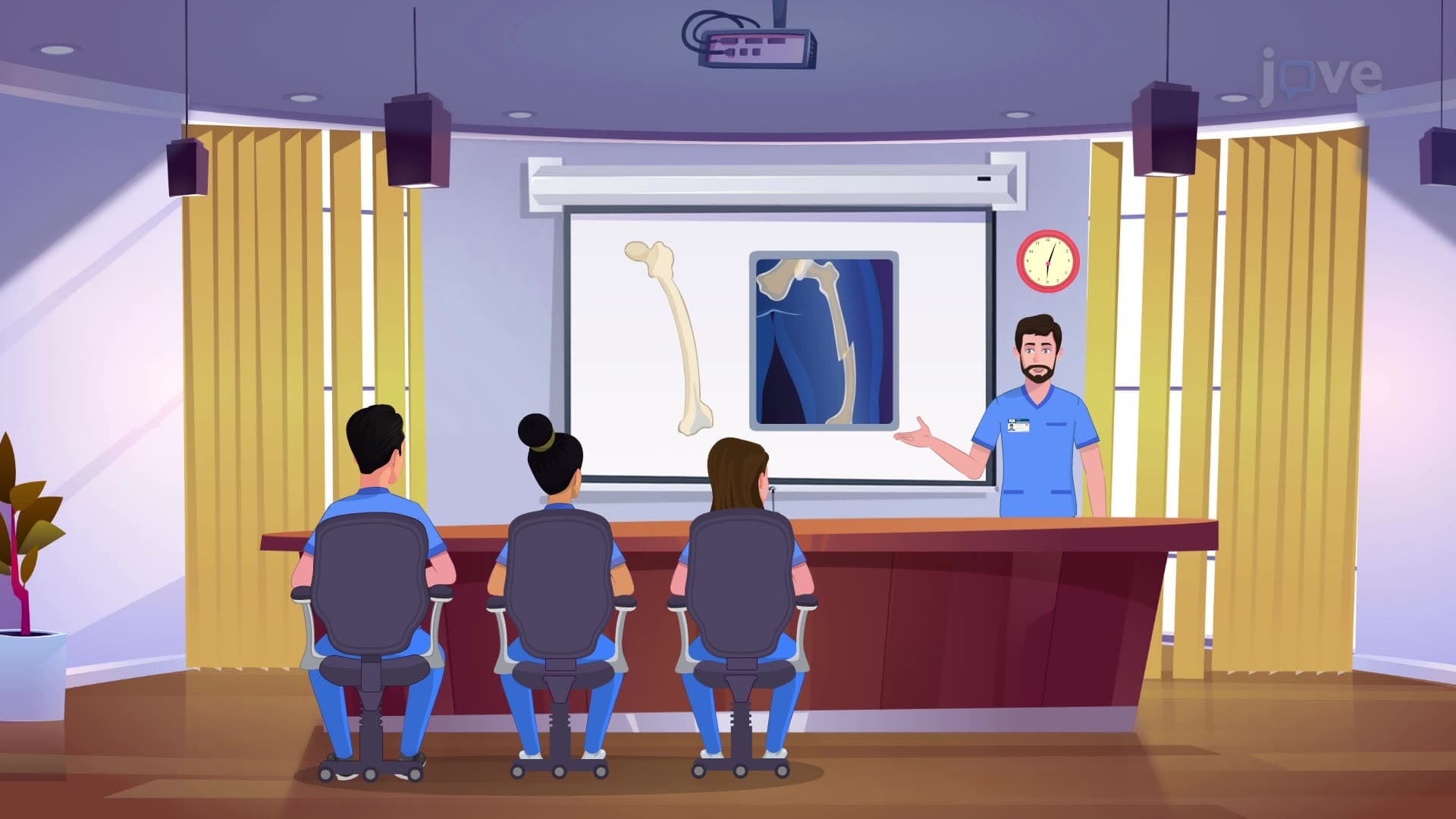
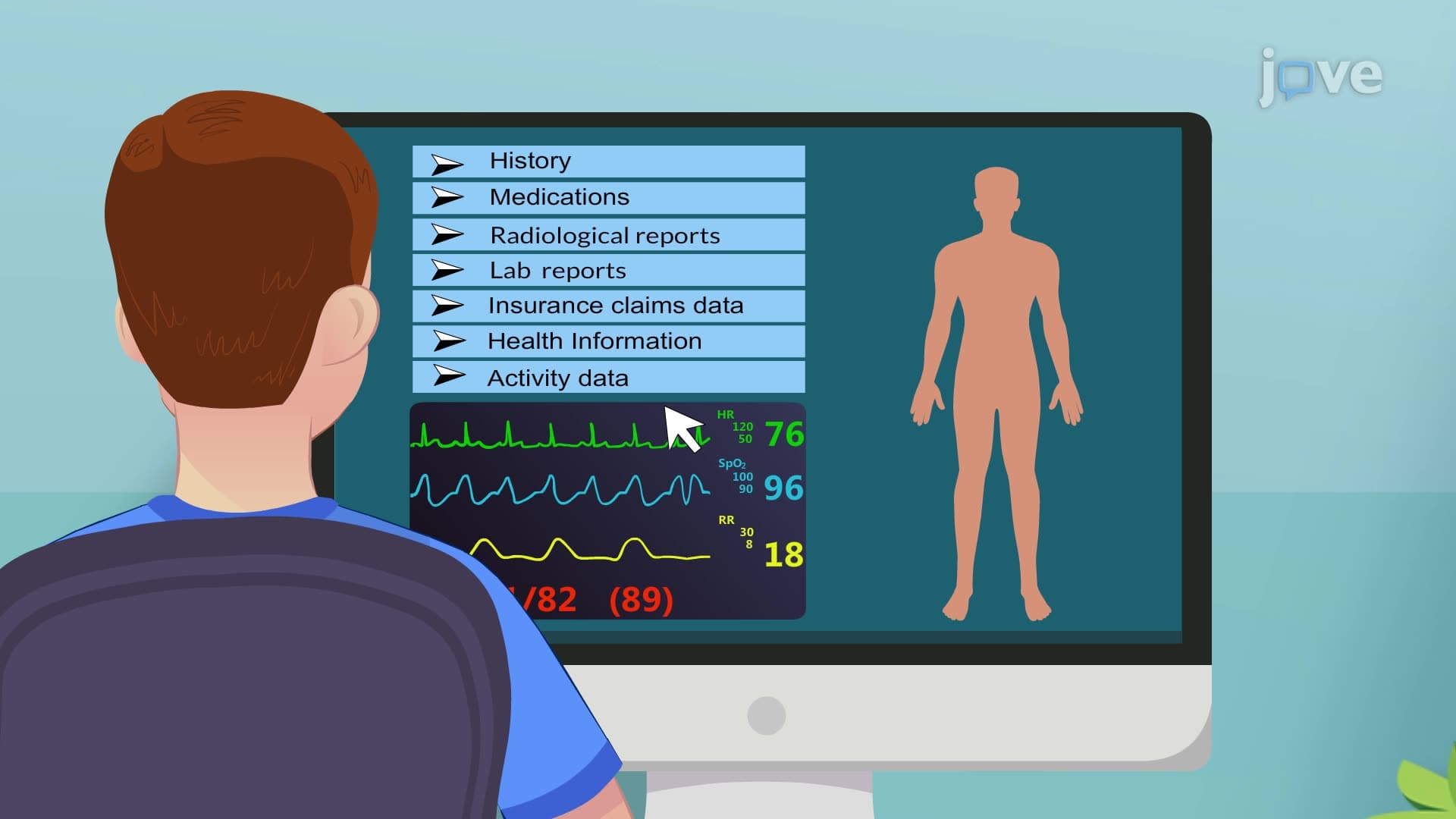

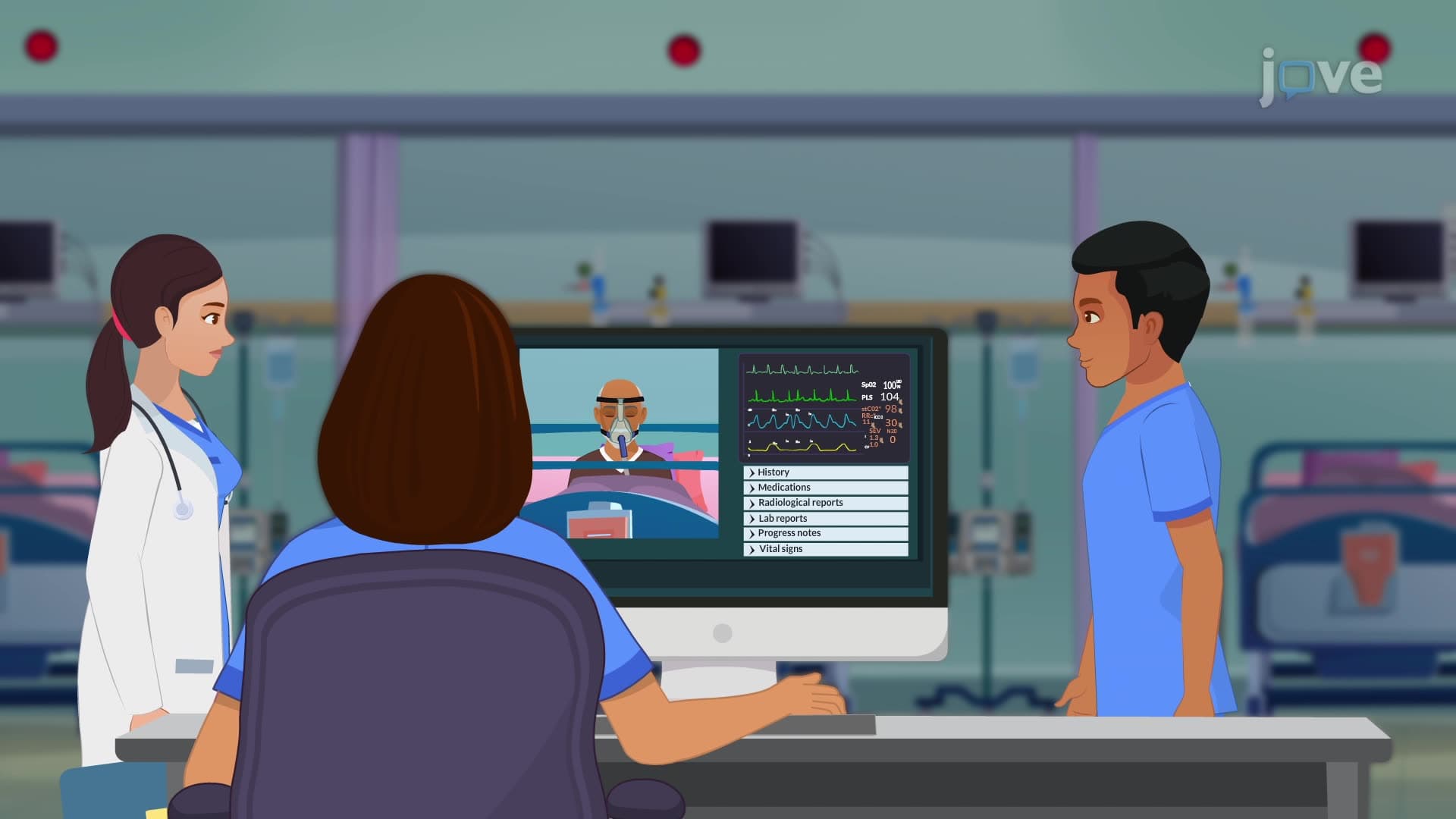




Types of Reports I: Hands-off Report

00:00
01:25
Video Summary: What are Types of Reports I
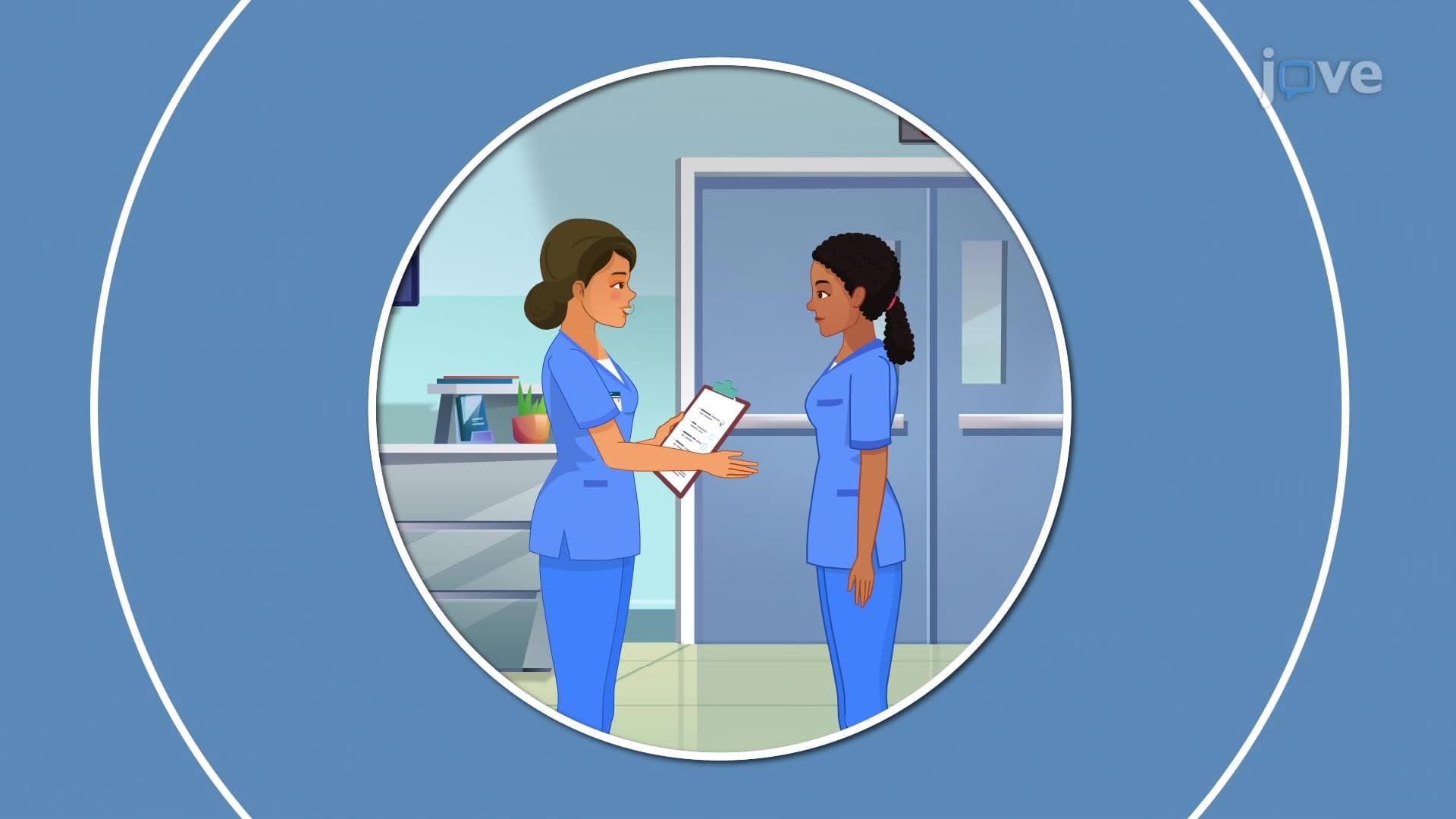
Every 12 seconds in US hospitals, critical patient information transfers between healthcare professionals-mistakes here can mean life or death. Understanding types reports in healthcare communication is fundamental to patient safety, particularly hand-off reports used during nurse shift changes at facilities like Johns Hopkins Hospital. These systematic communication protocols ensure continuity of care when one healthcare provider transfers patient responsibilities to another. What are Types of Reports I covers the essential categories and components of professional healthcare reporting systems. Watch the full video on JoVE Coach to master this concept with expert-led visuals and step-by-step explanations.
- Understand What are Types of Reports I and distinguish between written oral reports and audio/video recorded reports in healthcare settings
- Identify the essential components of hand-off reports including patient identifiers, health status, medications, and treatment plans
- Analyze the systematic process nurses use to transfer patient care responsibilities between shifts
- Compare different formats of healthcare communication reports and their appropriate applications
- Evaluate the critical information elements that must be included in patient hand-off communications
- Apply knowledge of reporting protocols to ensure patient safety and care continuity
- Recognize potential risks and side effects that require special attention during patient transfers
- Explore how effective communication reduces medical errors and improves patient outcomes
Understanding What are Types of Reports I in Healthcare Communication
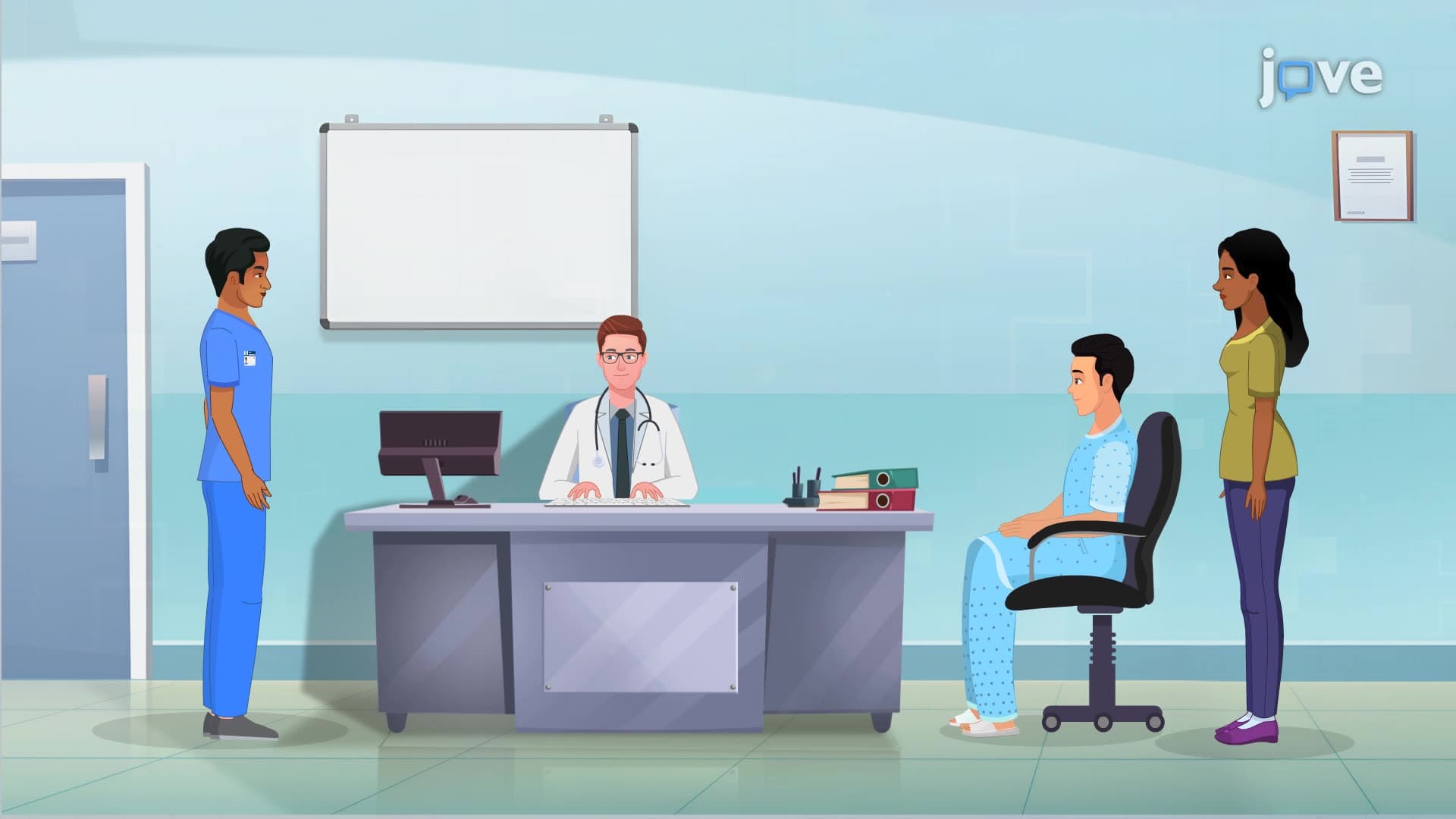
Healthcare reporting systems form the backbone of patient safety in American medical facilities. Types reports in healthcare encompass various structured communication methods designed to transfer critical patient information accurately and efficiently. The most fundamental category involves hand-off reports, which serve as the primary mechanism for maintaining continuity of care when healthcare providers change shifts or transfer patient responsibilities.
Categories of Healthcare Hand-off Reports
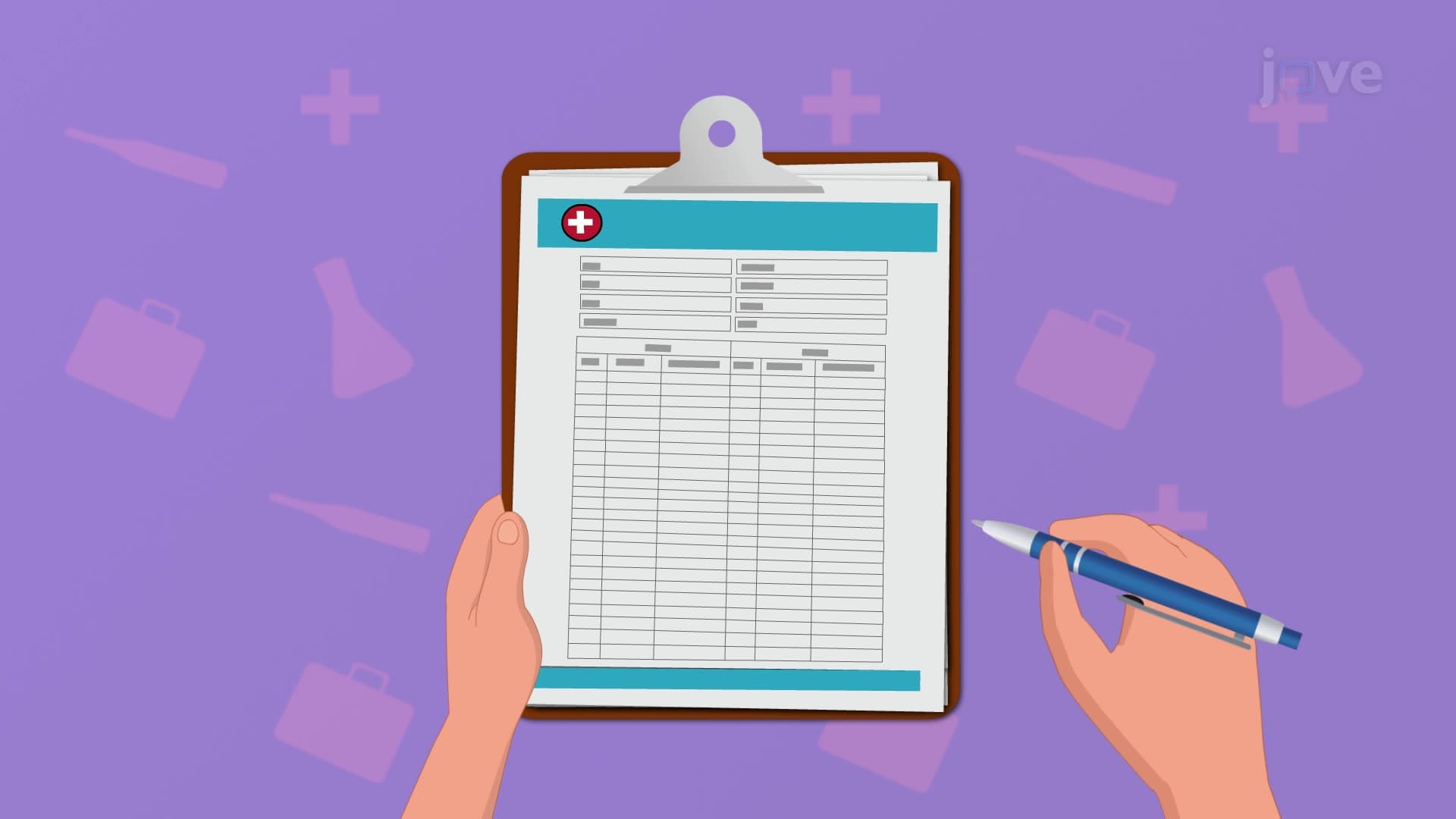
Healthcare professionals utilize two primary types of reports definition frameworks for patient information transfer. Written reports conveyed orally represent the traditional approach, where nurses document patient information in written format but communicate it verbally during shift changes. This method allows for immediate clarification and questions, making it particularly valuable in complex cases at major medical centers like Mayo Clinic or Cleveland Clinic.
Audio and video recorded reports represent the modern digital approach to healthcare communication. These recordings provide standardized information delivery and can be reviewed multiple times, reducing the risk of missed details. Many US hospitals now integrate these systems with electronic health records (EHRs), creating comprehensive documentation trails that support both patient care and legal requirements.
Essential Components of Professional Healthcare Reports
Effective types reports overview must include specific informational categories to ensure comprehensive patient care transfer. Basic patient identifiers form the foundation, including full name, medical record number, room assignment, attending physician, and primary diagnosis. This information establishes the patient's identity and current medical context.
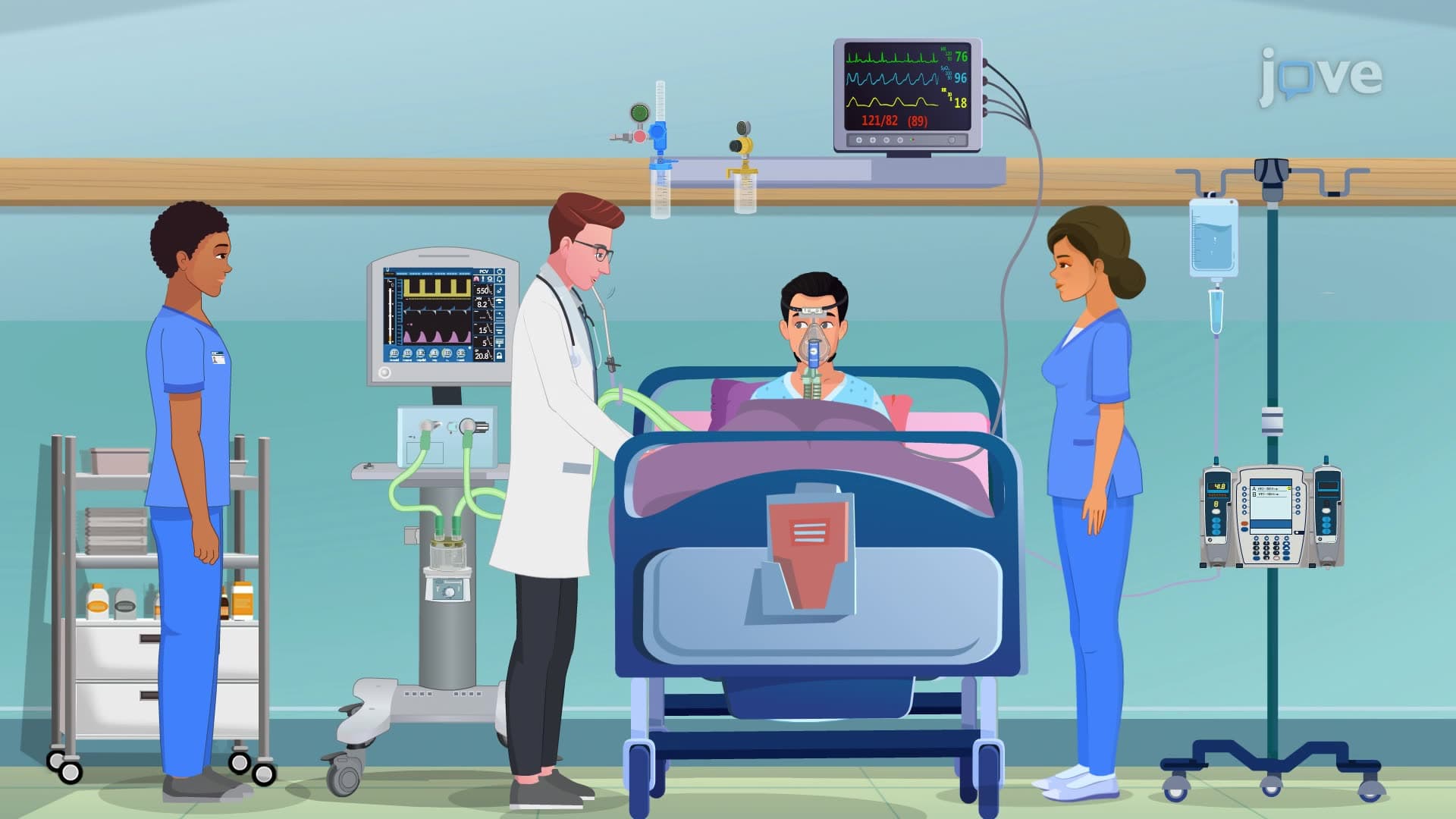
Health status details constitute the clinical core of any hand-off report. Vital signs trends, current medications with dosages and timing, ongoing treatments, recent laboratory results, and diagnostic imaging findings provide the receiving healthcare provider with immediate clinical context. For instance, a patient recovering from cardiac surgery at Texas Heart Institute would require detailed monitoring parameters, medication schedules, and specific post-operative care instructions.
Risk Assessment and Special Instructions in Healthcare Reporting
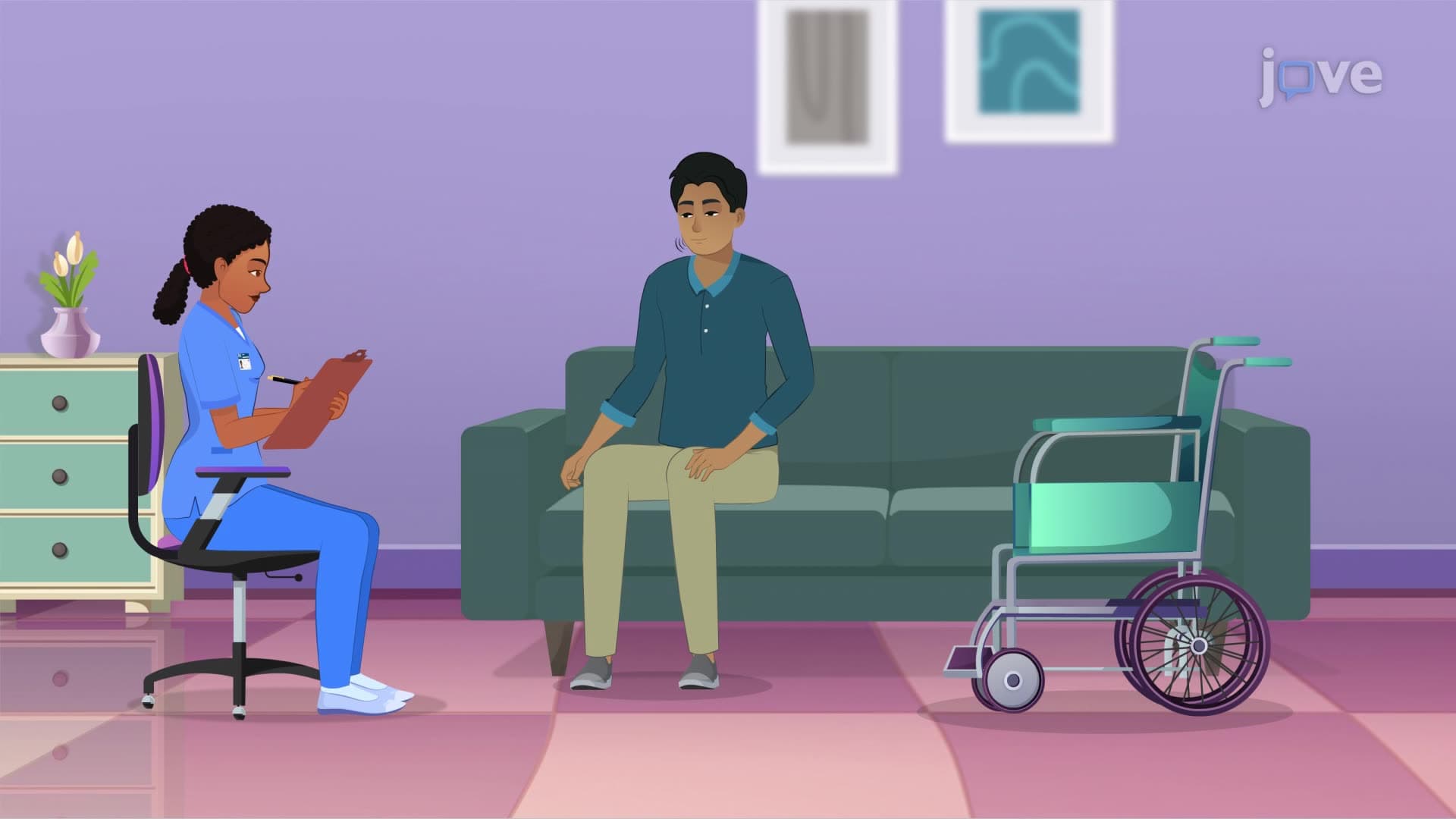
Advanced types of reports study guide materials emphasize the critical importance of risk communication during patient transfers. Special monitoring requirements, such as frequent blood pressure checks for hypertensive patients or neurological assessments for stroke patients, must be clearly communicated. Potential complications, medication side effects, and patient-specific considerations require explicit mention to prevent adverse events.
This systematic approach to healthcare communication directly applies to nursing education curricula, NCLEX-RN preparation, and clinical rotations in US nursing programs. Students studying for the HESI A2 or TEAS exams will encounter questions about communication protocols, while AP Biology students learning about human body systems benefit from understanding how healthcare professionals coordinate complex patient care through structured reporting systems.
Frequently Asked Questions
Types of reports in healthcare refer to structured communication methods used to transfer patient information between healthcare providers. The two main categories are written reports delivered orally and audio/video recorded reports, both designed to ensure continuity of patient care during shift changes or care transfers.
NCLEX-RN exam questions often test knowledge of effective communication during patient hand-offs, requiring students to identify essential information components or prioritize reporting elements. Questions may present scenarios where nurses must determine what information is most critical to communicate during shift changes.
While the MCAT doesn't directly test healthcare reporting protocols, understanding systematic communication relates to behavioral sciences sections. Questions may address how effective communication impacts patient outcomes or how structured information transfer reduces medical errors.
Major US medical centers like Johns Hopkins and Mayo Clinic use standardized hand-off reports during every nursing shift change, typically occurring every 8 or 12 hours. Nurses spend 15-30 minutes reviewing each patient's status, medications, treatments, and special requirements to ensure seamless care continuity.
No advanced medical background is required to grasp basic reporting concepts. High school students can easily understand the systematic approach to information transfer, while the specific medical details become more relevant in college-level health sciences courses.
Create practice scenarios using real patient situations, focusing on the systematic organization of information from basic identifiers through risk factors. Use mnemonics to remember the essential components and practice verbalizing complete hand-off reports within typical time constraints.
Structured reporting protocols directly reduce medical errors by ensuring critical information isn't missed during care transitions. The Joint Commission, which accredits US hospitals, requires standardized communication processes specifically because effective hand-off reports prevent approximately 80% of serious medical errors related to communication failures.
Progress to advanced communication topics including SBAR (Situation-Background-Assessment-Recommendation) reporting frameworks, electronic health record documentation, and interdisciplinary team communication protocols used in modern US healthcare systems.
Related Micro-courses

19 Concepts
17 Concepts

12 Concepts