Loading subject page…
- Pharmacology
- Cardiovascular Drugs: Antihypertensive Drugs
Pharmacology
All Micro-courses:25

1.
General Pharmacological Principles
14 Concepts
2.
Adverse Drug Effects and Chemical Toxicity
11 Concepts
3.
Pharmacokinetics
29 Concepts
4.
Pharmacodynamics
19 Concepts
5.
Drugs Acting on Autonomic Nervous System: Cholinergic Agonists and Antagonists Agents
24 Concepts
6.
Drugs Acting on Autonomic Nervous System: Adrenergic Agonists and Antagonists Agents
20 Concepts
7.
Skeletal Muscle Relaxants
13 Concepts
8.
Local Anesthetics
10 Concepts
9.
Cardiovascular Drugs: Antihypertensive Drugs
12 Concepts
10.
Cardiovascular Drugs: Antiarrhythmic and Heart Failure Drugs
12 Concepts
11.
Cardiovascular Drugs: Anticoagulants and Antianginal Agents
7 Concepts
12.
Drug Abuse and Addiction
6 Concepts
13.
Drugs for Pain Management: Opioid Analgesics and General Anesthetics
8 Concepts
14.
Pharmacotherapy of Psychosis and Mania
6 Concepts
15.
Pharmacotherapy of Depression and Anxiety Disorders
8 Concepts
16.
Anxiolytics, Sedatives and Hypnotics
8 Concepts
17.
Pharmacotherapy of the Epilepsies
8 Concepts
18.
Introduction to Respiratory System Drugs
6 Concepts
19.
Lower Respiratory Disorders
9 Concepts
20.
Other Respiratory Disorders
8 Concepts
21.
Drugs for Peptic Ulcer Disease
8 Concepts
22.
Drugs Affecting Gastrointestinal Motility
10 Concepts
23.
Drugs for Chronic Bowel Disorders
7 Concepts
24.
Drugs for Nausea and Vomiting
5 Concepts
25.
Insulin and Hypoglycemic Drugs
16 Concepts
Cardiovascular Drugs: Antihypertensive Drugs
 12 Concepts
 22.3K Views
 Popular topics
Concepts: 12

01:18
3.6K views

01:18
3.4K views

01:16
1.9K views

01:15
1.2K views

01:28
1.8K views

01:17
1.6K views
01:28
1.2K views

01:18
1.1K views

01:30
1.9K views
01:30
2K views

01:25
973 views
01:23
1.6K views
Cardiovascular drugs represent a critical therapeutic category for treating hypertension and related cardiovascular disorders. This comprehensive course explores the major classes of antihypertensive medications, including diuretics, beta-blockers, calcium channel blockers, ACE inhibitors, and vasodilators. Students will examine how these drugs target different physiological pathways to reduce blood pressure and prevent cardiovascular complications. With JoVE Coach, master the mechanisms of action that make these medications essential tools in modern cardiovascular medicine practice across US healthcare systems.
- Understand the classification and therapeutic applications of major cardiovascular drug categories
- Learn the physiological mechanisms underlying hypertension and blood pressure regulation
- Identify how diuretics reduce blood volume through sodium and water elimination
- Explore the differences between thiazide-type and potassium-sparing diuretic mechanisms
- Analyze beta-blocker selectivity and their effects on cardiac function and blood pressure
- Apply knowledge of calcium channel blockers in treating vascular smooth muscle contraction
- Understand the renin-angiotensin-aldosterone system and its pharmaceutical targets
- Learn the comparative advantages of ACE inhibitors versus angiotensin receptor blockers
- Examine vasodilator mechanisms and their direct effects on blood vessel diameter
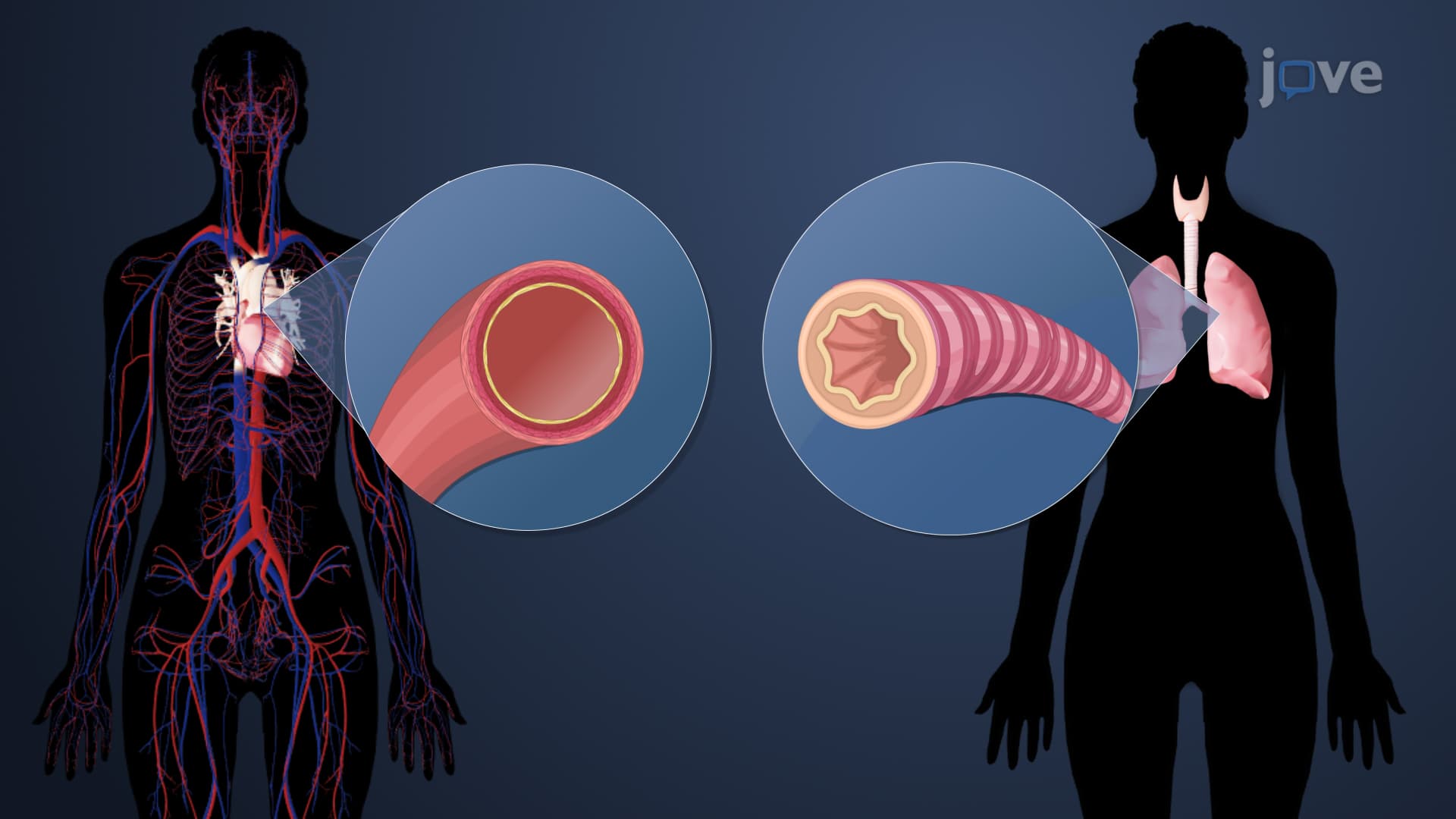
1. Cardiovascular Disease Classification and Drug Targeting Understanding how cardiovascular drugs address specific pathophysiological conditions forms the foundation of rational pharmacotherapy. Heart disorders like arrhythmias and heart failure require medications that modify cardiac electrical activity or contractility. Vascular diseases, including atherosclerosis and hypertension, need drugs targeting smooth muscle function and blood vessel diameter. Thromboembolic disorders demand anticoagulants and antiplatelet agents. This systematic approach helps healthcare providers select appropriate medications based on underlying disease mechanisms, similar to how cardiologists at Mayo Clinic or Cleveland Clinic develop treatment protocols for different patient populations.
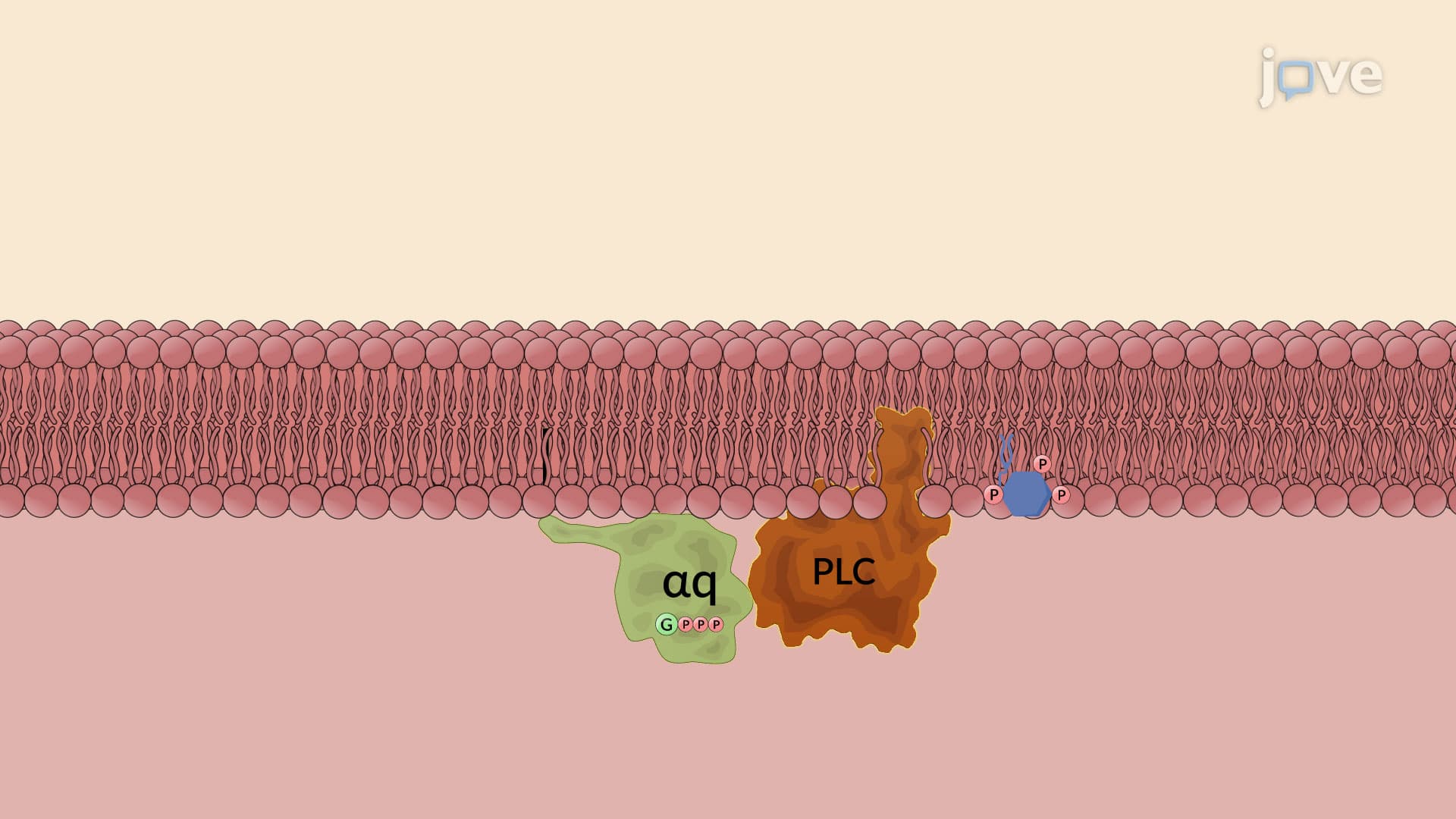
2. Hypertension Pathophysiology and Blood Pressure Regulation Hypertension affects over 116 million Americans, making understanding its regulation crucial for healthcare providers. Primary hypertension lacks identifiable causes, while secondary hypertension results from conditions like kidney disease or endocrine disorders. Blood pressure regulation involves cardiac output, peripheral resistance, and blood volume through complex interactions between the heart, kidneys, and blood vessels. Baroreflexes provide immediate pressure adjustments, while humoral mechanisms involving angiotensin II and aldosterone offer longer-term control. This knowledge helps explain why different drug classes target specific components of this regulatory system.
3. Diuretic Mechanisms and Clinical Applications Diuretics reduce blood pressure by eliminating excess sodium and water through enhanced urine production. These medications inhibit specific ion transporters in kidney nephrons, preventing sodium reabsorption and creating osmotic diuresis. Thiazide diuretics block sodium-chloride symporters in the distal convoluted tubule, while loop diuretics target the thick ascending limb. The resulting 10-15 mmHg systolic pressure reduction makes diuretics first-line therapy for mild to moderate hypertension. However, electrolyte imbalances and hyperuricemia represent important side effects requiring monitoring, particularly in elderly patients common in American healthcare settings.
4. Beta-Blocker Selectivity and Cardiovascular Effects Beta-blockers demonstrate the importance of receptor selectivity in minimizing adverse effects while maximizing therapeutic benefits. Non-selective agents like propranolol block both β1 and β2 receptors, potentially causing bronchoconstriction in asthmatic patients. Selective β1-blockers such as metoprolol and atenolol primarily target cardiac receptors, reducing heart rate and contractility without significantly affecting bronchial smooth muscle. This selectivity proves crucial for hypertensive patients with respiratory conditions, allowing safe blood pressure management. Atenolol's limited brain penetration also reduces central nervous system side effects compared to lipophilic alternatives.
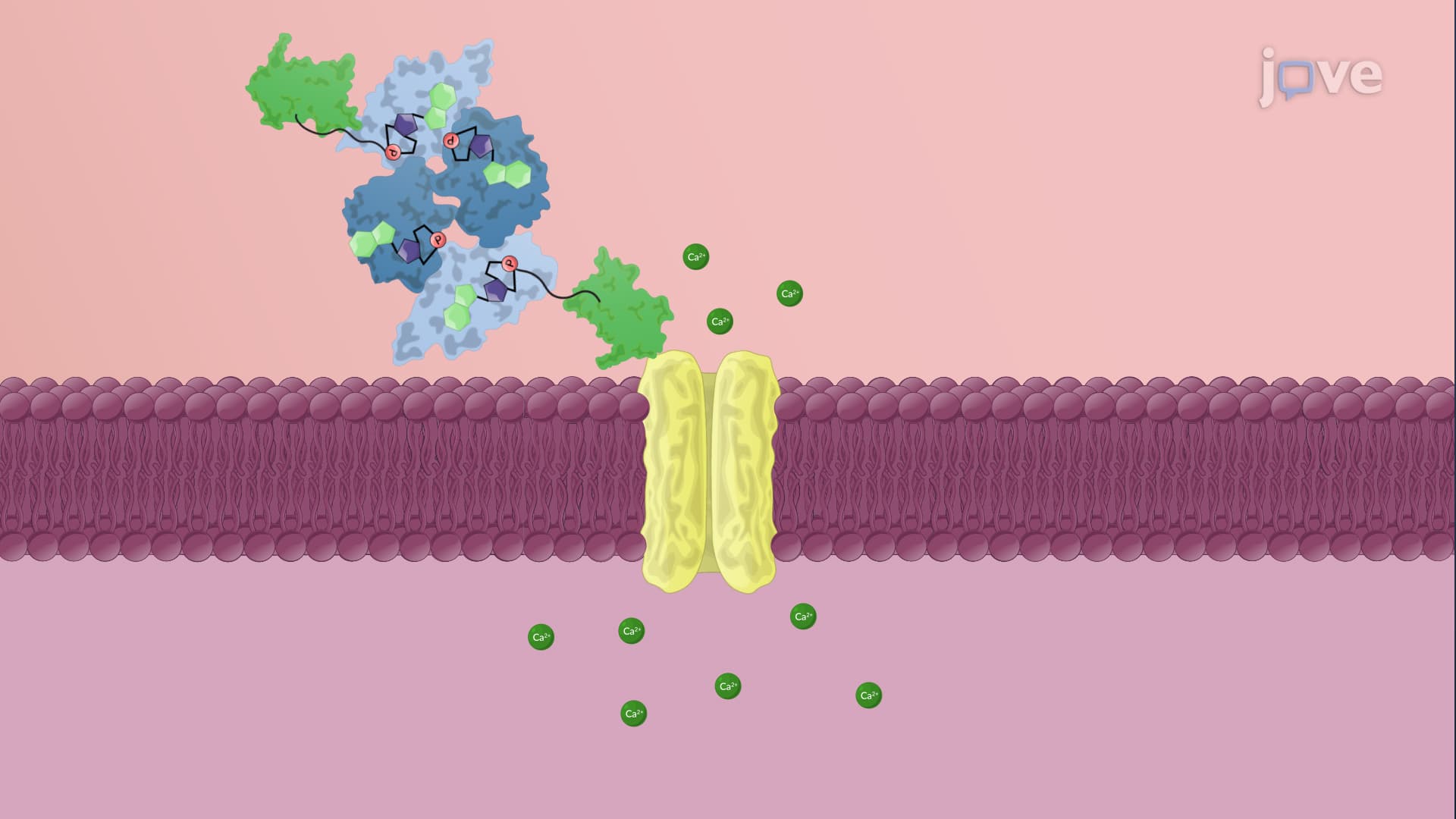
5. Calcium Channel Blockers and Vascular Smooth Muscle Calcium channel blockers exemplify how understanding cellular physiology translates to effective therapeutics. L-type voltage-gated calcium channels control vascular smooth muscle contraction through calcium influx and subsequent calmodulin activation. Drugs like amlodipine block these channels' α1 subunits, preventing calcium entry and reducing intracellular calcium availability. This mechanism directly opposes vasoconstriction, leading to arterial dilation and decreased peripheral resistance. The resulting blood pressure reduction occurs without significantly affecting cardiac contractility, making these agents particularly useful for patients with concurrent coronary artery disease commonly seen in American cardiology practices.
6. Renin-Angiotensin-Aldosterone System Pharmacological Targets The RAAS represents one of medicine's most thoroughly understood and successfully targeted physiological systems. ACE inhibitors like lisinopril prevent angiotensin II formation while preserving bradykinin, a natural vasodilator. This dual mechanism provides blood pressure reduction through decreased vasoconstriction and enhanced vasodilation. Angiotensin receptor blockers (ARBs) achieve similar blood pressure control by blocking AT1 receptors without affecting bradykinin metabolism, eliminating the dry cough associated with ACE inhibitors. Direct renin inhibitors target the system's initial step, preventing angiotensinogen conversion and representing the most upstream intervention point in this critical pathway.