Loading…
Loading video…

133,200 views

Ever wonder why your hair stands up from static electricity but you don't float off the ground? The comparison between electrical and gravitational forces reveals that electrical forces are an astounding 10^42 times stronger than gravitational forces—imagine the difference between a grain of sand and the entire observable universe! This massive strength difference explains why NASA rockets can overcome Earth's gravity using electrical propulsion systems. Watch the full video on JoVE Coach to master this concept with expert-led visuals and step-by-step explanations.
The comparison between electrical and gravitational forces represents one of physics' most striking revelations about the fundamental interactions governing our universe. Both forces follow similar mathematical structures yet exhibit dramatically different behaviors and strengths that shape everything from atomic structure to planetary motion.
Both gravitational and electrical forces obey inverse square law relationships, meaning their strength decreases with the square of the distance between interacting objects. For gravitational force, Newton's law states F = G(m1×m2)/r², where G is the gravitational constant, m1 and m2 are the masses, and r is the distance. Similarly, Coulomb's law for electrical force follows F = k(q1×q2)/r², where k is Coulomb's constant, q1 and q2 are the charges, and r is the distance.
This mathematical similarity makes these forces particularly important in AP Physics courses and college-level physics exams. Students often encounter problems comparing these relationships on standardized tests like the SAT Subject Test in Physics and AP Physics C exams.
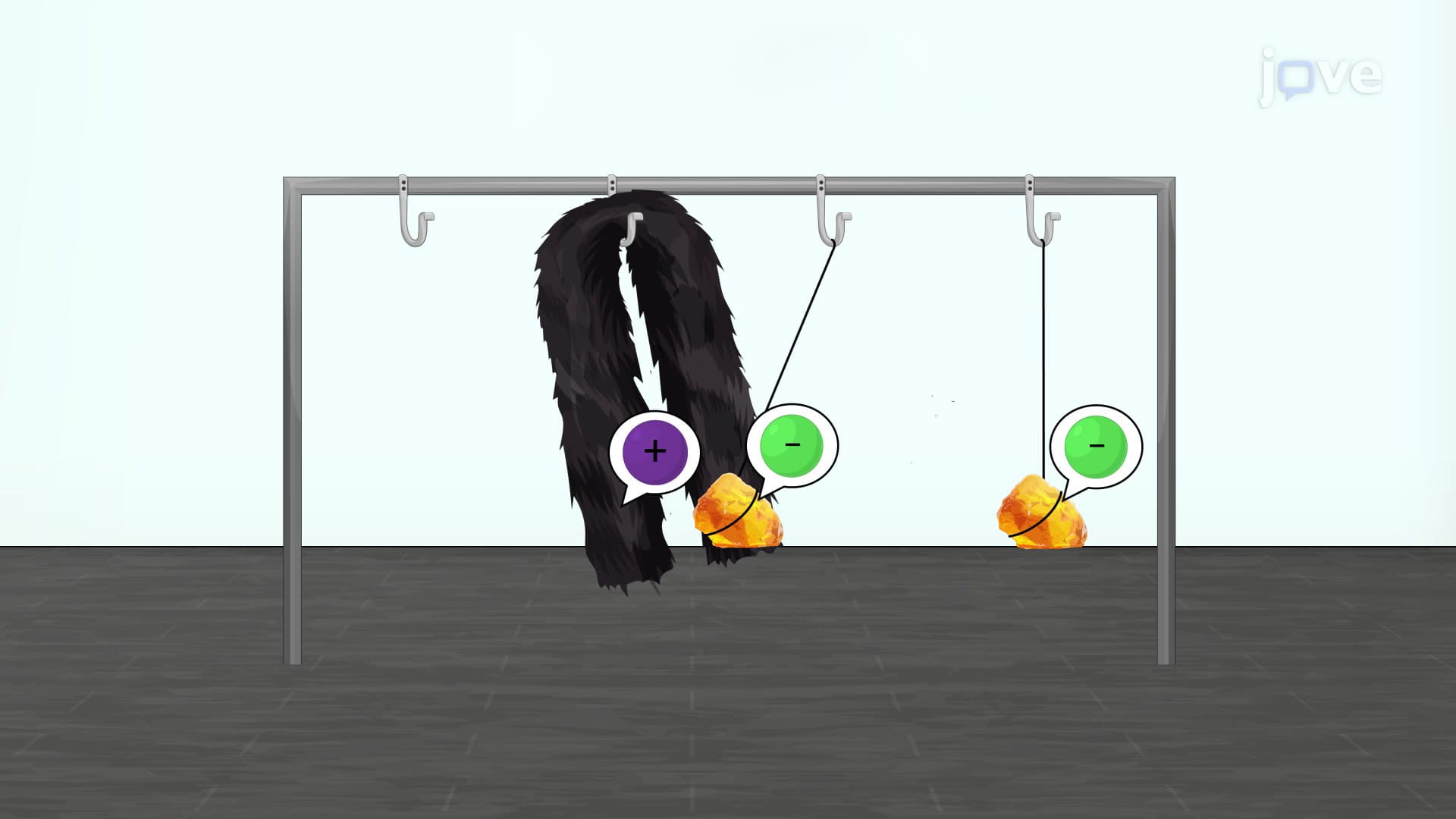
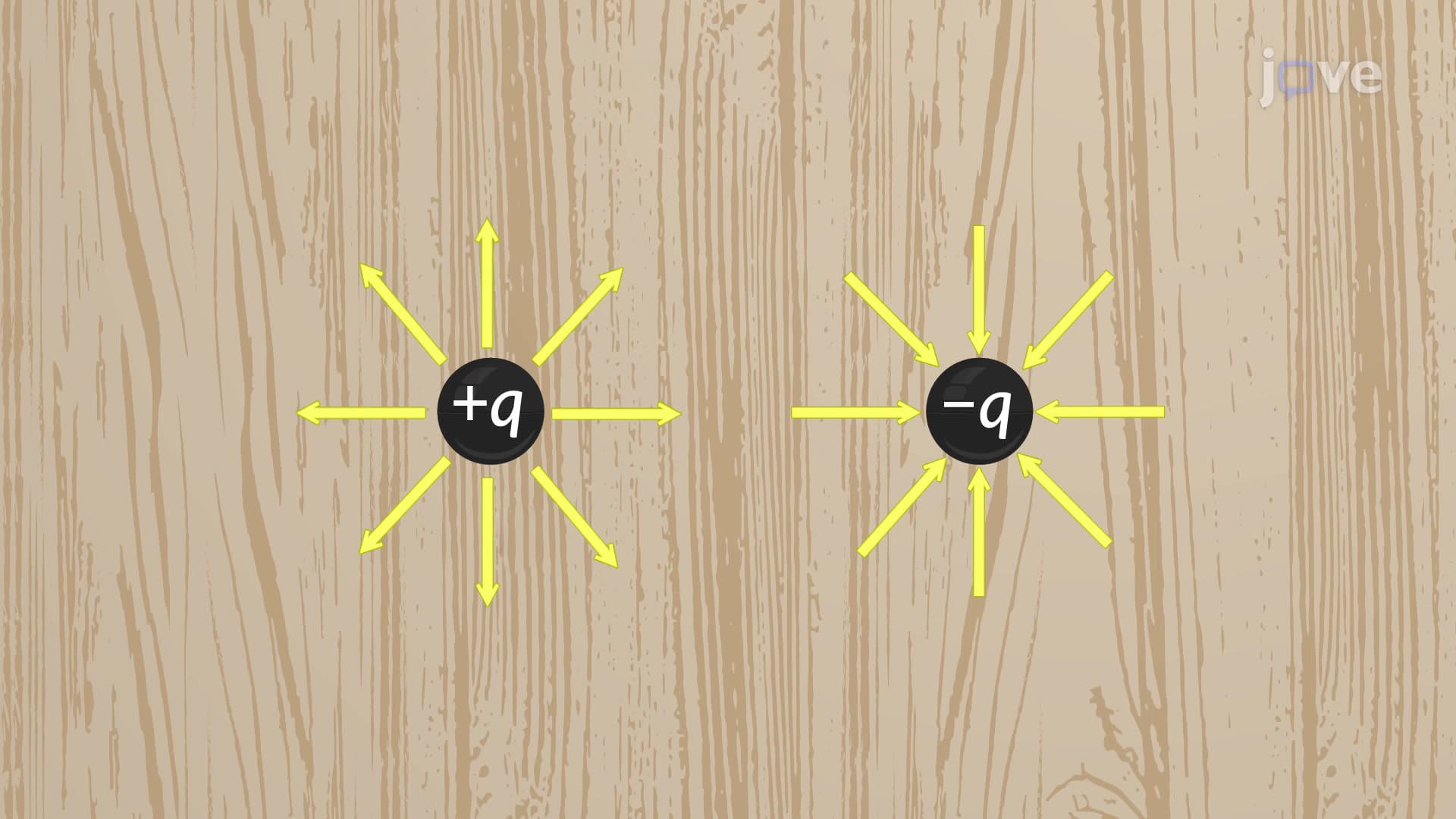
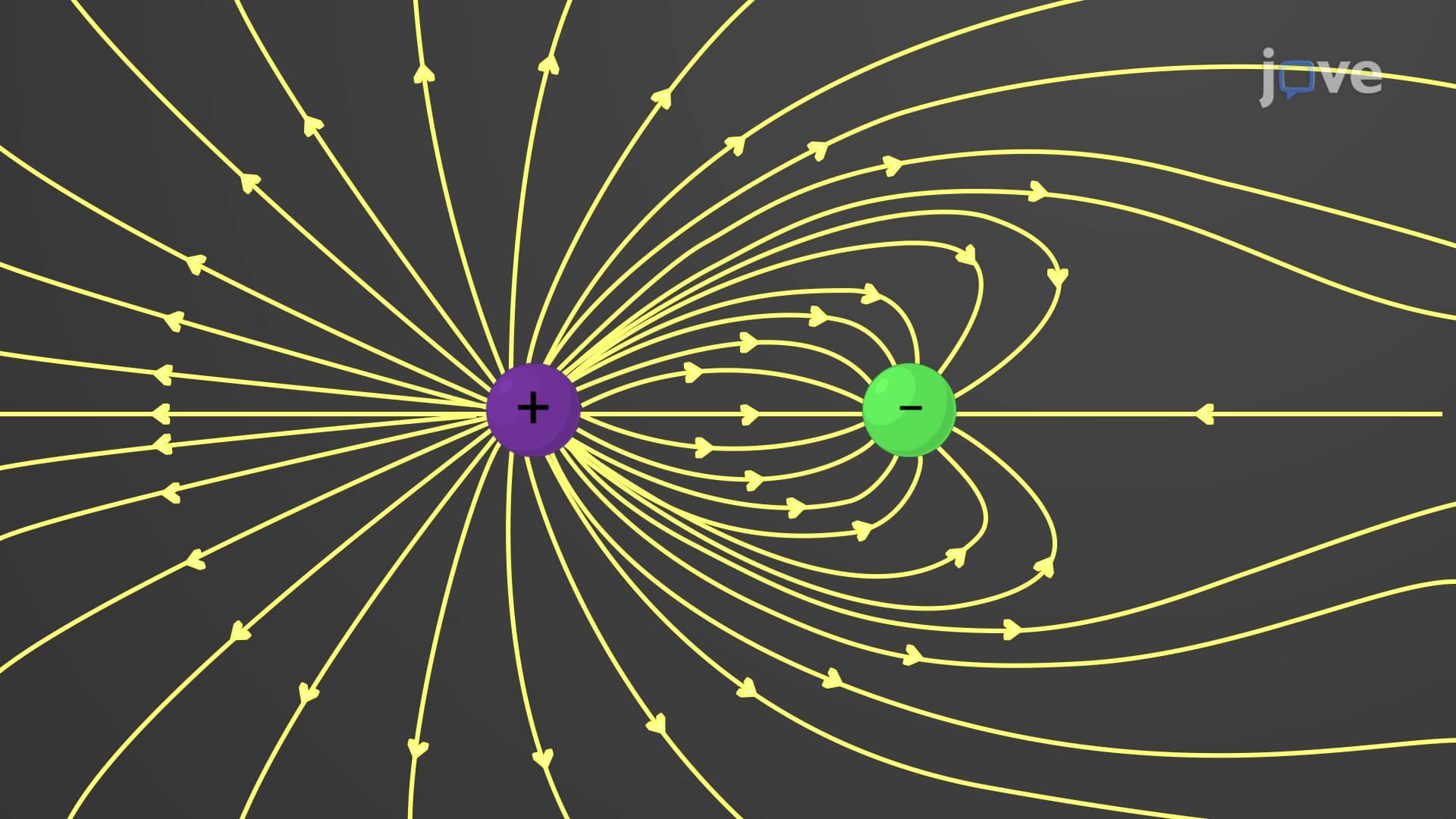
The most fundamental difference lies in force direction. Gravitational forces are universally attractive—every mass attracts every other mass. Electrical forces, however, can be either attractive (opposite charges) or repulsive (like charges), giving them far greater versatility in natural phenomena.
Consider practical applications: GPS satellites must account for both forces, but electrical systems in smartphones rely entirely on controlled electrical attractions and repulsions. This difference explains why engineers at companies like Tesla and SpaceX can use electrical propulsion to overcome gravitational pull.
When physicists calculate the ratio of electrical to gravitational forces between two electrons, the result is approximately 10^42—a number so large it defies intuition. To put this in perspective, if gravitational force were represented by a single atom, electrical force would be comparable to the mass of the entire observable universe.
This enormous difference has profound implications. In atomic physics courses and MCAT preparation, students learn that nuclear structure depends entirely on electrical forces overcoming gravitational attraction between protons and neutrons. The Strong Nuclear Force, while different from electrical force, similarly demonstrates how non-gravitational forces dominate at microscopic scales.
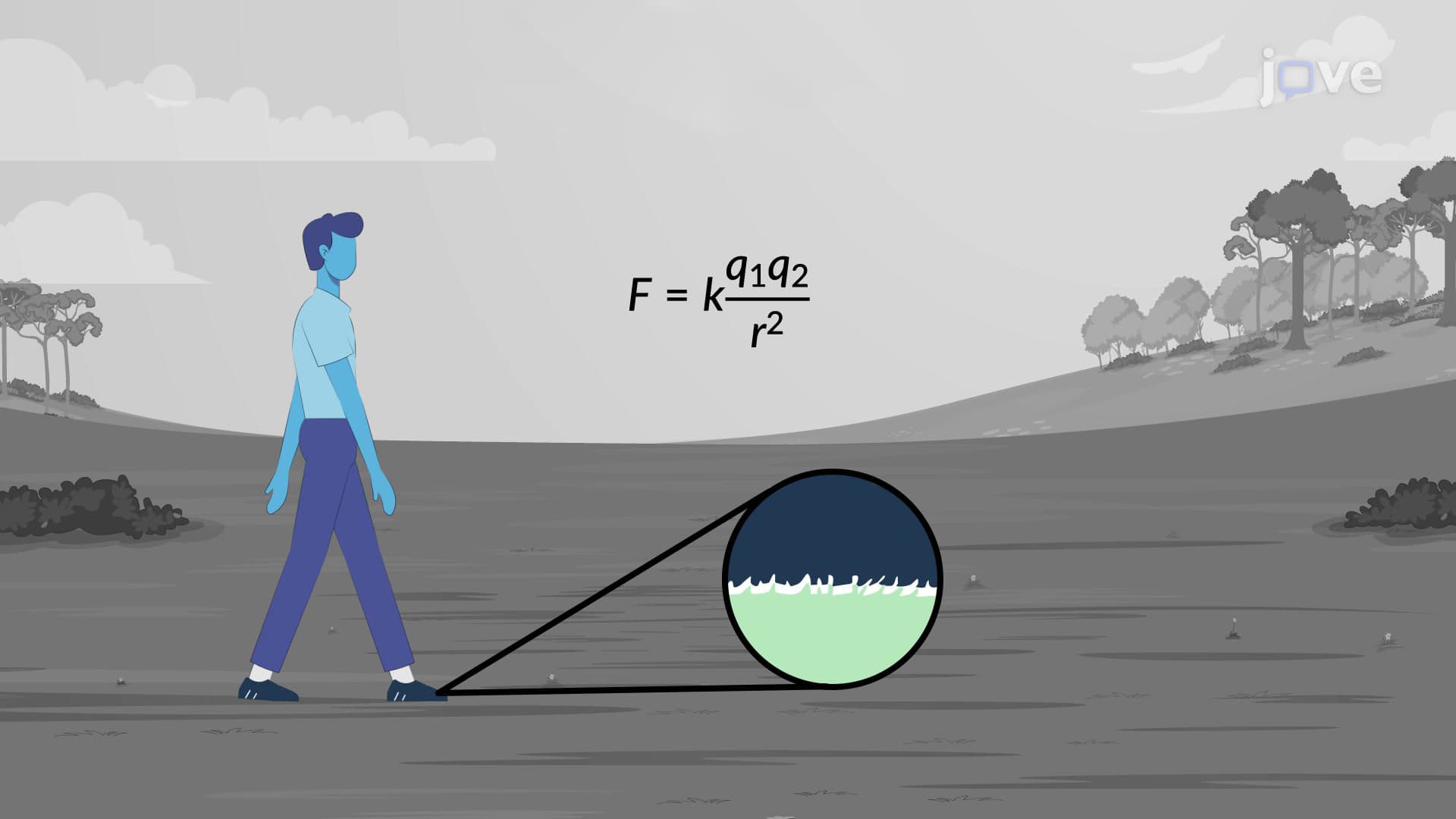
The strength difference explains a crucial phenomenon: electrical neutralization. Because electrical forces are so strong, any significant charge imbalance quickly attracts opposite charges, leaving most objects electrically neutral. This is why you don't experience electrical forces when walking across a room, despite being surrounded by trillions of charged particles.
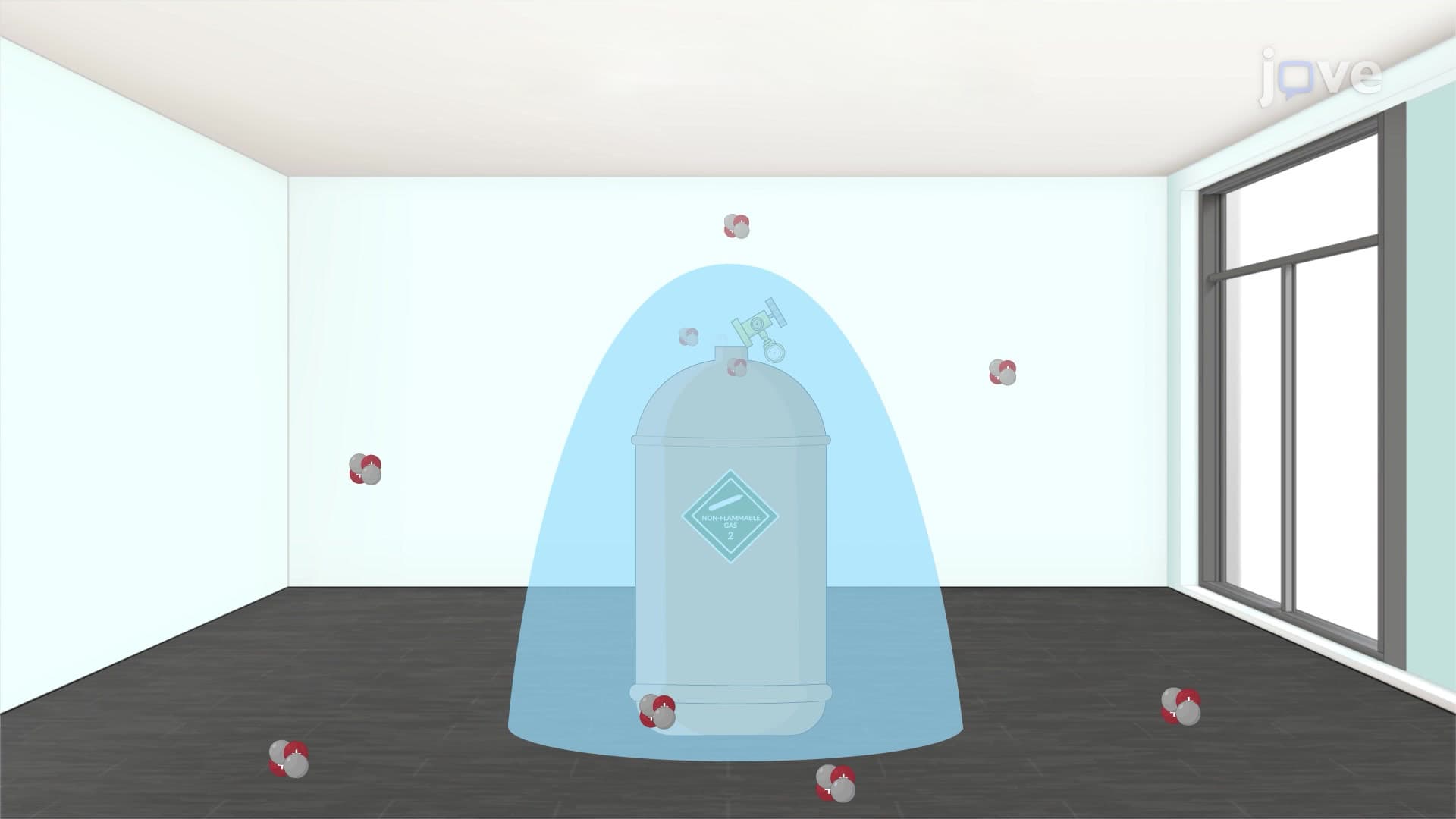
Gravitational forces, being relatively weak, cannot be neutralized or shielded. This characteristic makes gravity the dominant force at astronomical distances, governing planetary orbits, galaxy formation, and the large-scale structure of the universe—concepts central to astronomy courses and physics competitions.
Frequently Asked Questions
The comparison between electrical and gravitational forces examines two fundamental interactions that both follow inverse square laws but differ dramatically in strength and behavior. Electrical forces are approximately 10^42 times stronger than gravitational forces, can be attractive or repulsive, and depend on charge rather than mass. Gravitational forces are always attractive, depend on mass, and dominate at large scales despite being much weaker.
AP Physics C exams frequently test this comparison through quantitative problems involving force calculations, field strengths, and energy considerations. Students must demonstrate understanding of inverse square laws, calculate force ratios, and explain why electrical forces dominate atomic interactions while gravitational forces govern planetary motion. Practice problems often involve comparing forces between fundamental particles.
Focus on understanding conceptual differences rather than memorizing formulas—MCAT questions emphasize reasoning over calculation. Create comparison charts highlighting similarities (inverse square law) and differences (attractive vs. repulsive, mass vs. charge dependence). Practice explaining why atoms don't collapse under gravity and why electrical neutrality is common in everyday objects.
This comparison forms the foundation for advanced topics in electromagnetism, quantum mechanics, and astrophysics. Students use these principles in courses covering atomic structure, electromagnetic field theory, and cosmology. The concepts directly apply to midterm and final exam problems involving field interactions, potential energy calculations, and multi-force system analysis.
NASA's ion propulsion systems exemplify electrical forces overcoming gravity for spacecraft acceleration. Computer processors rely on controlled electrical forces in transistors while gravity remains negligible. Medical devices like MRI machines use powerful electromagnetic fields that completely dominate gravitational effects. Even lightning demonstrates electrical forces moving massive amounts of charge against gravitational pull.
Not at all—the basic concepts require only algebra and proportional reasoning skills typically mastered by ninth grade. While advanced applications involve calculus, the fundamental comparison uses simple mathematical relationships and everyday examples. Students who understand basic force concepts can grasp why static electricity affects hair but doesn't overcome body weight.
Practice identifying which force dominates in different scenarios: electrical forces in atomic interactions, gravitational forces in planetary motion. Memorize key relationships (both follow inverse square laws) and differences (attractive vs. repulsive behavior). Work through numerical problems comparing force magnitudes using fundamental constants and particle properties.
This foundation leads to electromagnetic field theory, general relativity, quantum electrodynamics, and particle physics. Advanced courses explore how these forces unify with other fundamental interactions, their roles in stellar evolution, and applications in modern technology. Students often encounter these concepts in graduate-level physics and engineering programs.
Electrical forces involve both positive and negative charges that can cancel each other out, creating neutral objects. Since electrical forces are extremely strong, any charge imbalance quickly attracts opposite charges until neutrality is achieved. Gravitational forces only involve attractive interactions between masses—there's no "negative mass" to cancel out gravity, so it accumulates over large distances.
Related Micro-courses
Related Subjects
 Math Fundamentals 11 micro-courses›
 Statistics 17 micro-courses›