Loading subject page…

- Physics
- Electric Charges and Fields
- Conductors and Insulators
Micro-course: Electric Charges and Fields
133,201 views
Learn key concepts and earn your certificate.
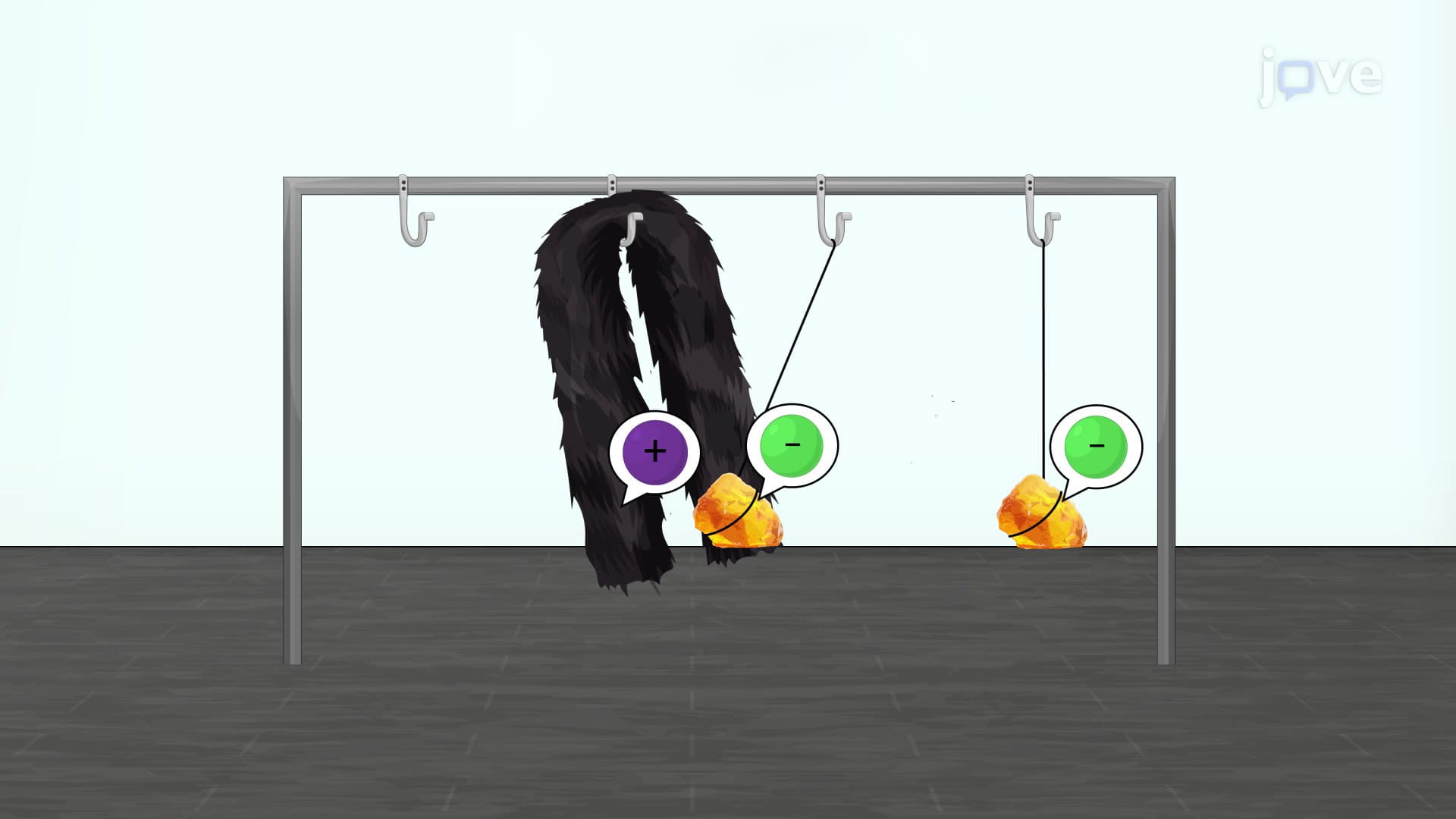

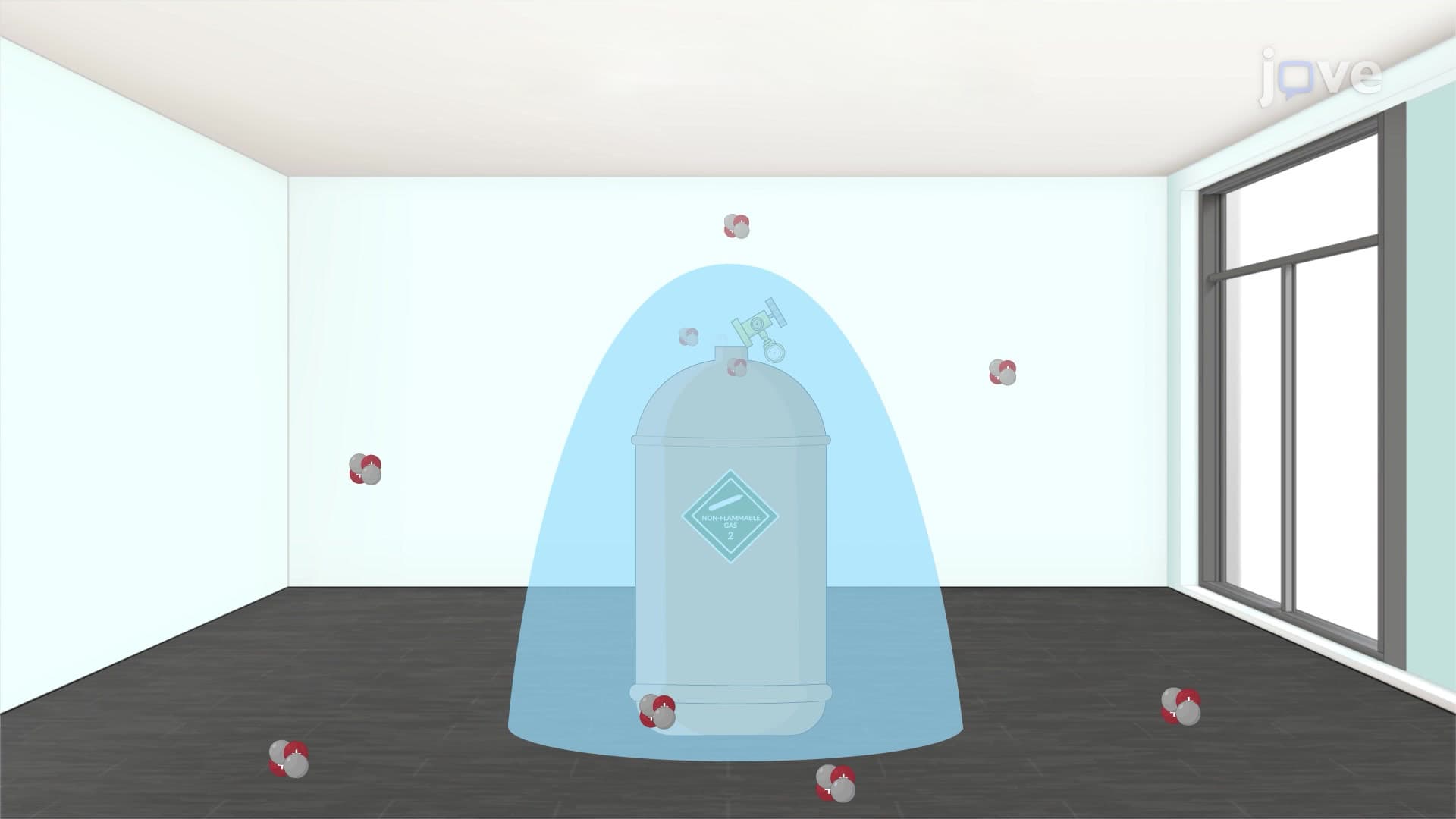



Conductors and Insulators

00:00
01:19
Video Summary: What Is Conductors and Insulators
Ever wonder why copper wires power your smartphone while rubber protects you from electrocution? Understanding conductors and insulators explains why electricity flows effortlessly through some materials but gets completely blocked by others. The atomic structure of materials determines whether electrons can move freely-making copper wires ideal for electrical systems across American homes and industries. Watch the full video on JoVE Coach to master this concept with expert-led visuals and step-by-step explanations.
- Understand what conductors and insulators are by examining their atomic structure and electron behavior
- Identify common conducting materials like copper, aluminum, and silver used in electrical applications
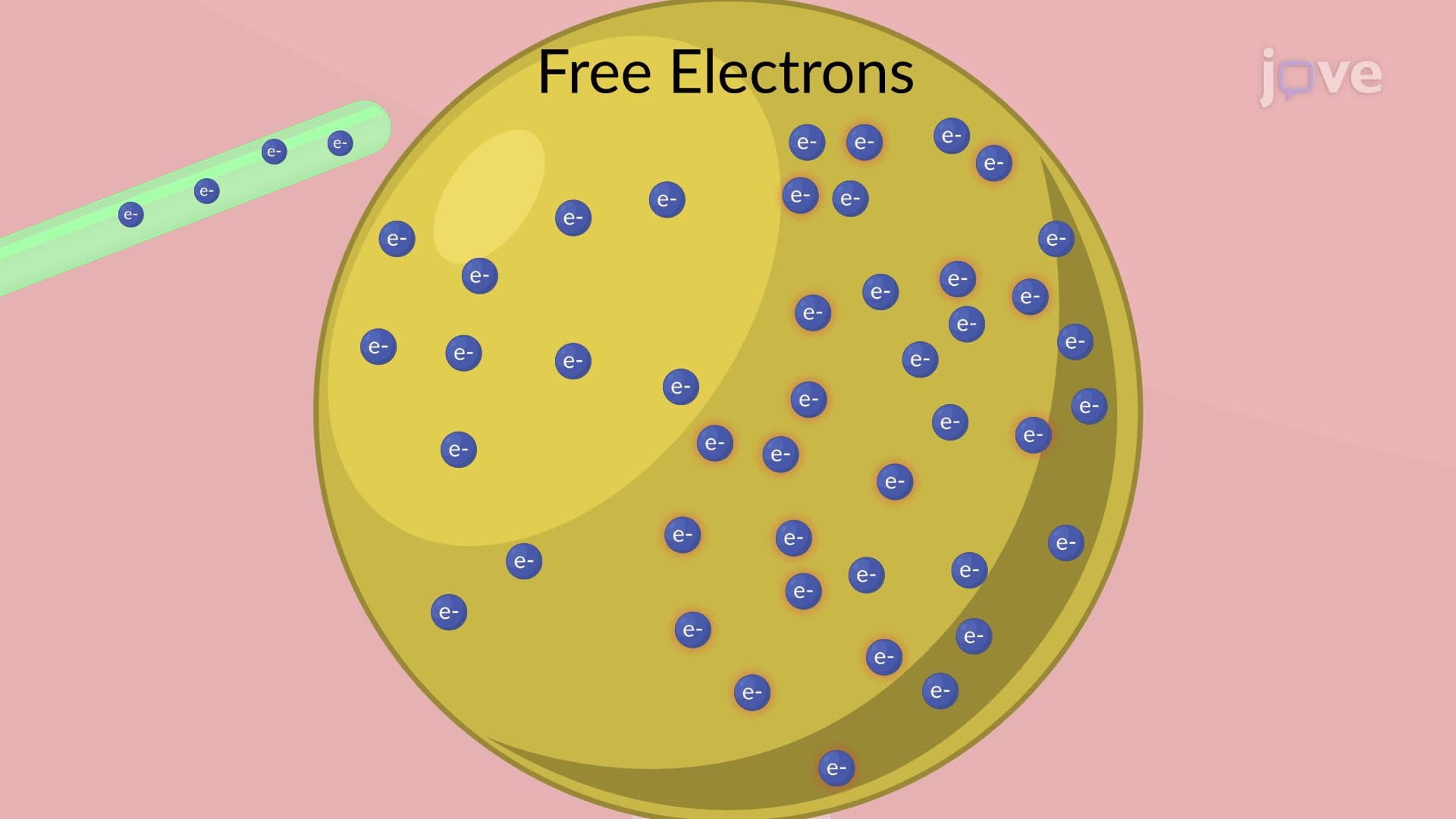
- Analyze why metals have free electrons that enable electrical current flow
- Compare insulating materials such as rubber, glass, and plastic that prevent charge movement
- Evaluate how electron binding strength determines a material's electrical properties
- Apply conductor and insulator principles to explain everyday electrical devices and safety measures
- Recognize the relationship between atomic structure and electrical conductivity
- Explore real-world applications in power transmission, electronic circuits, and electrical safety equipment
Understanding Conductors and Insulators Through Atomic Structure
The fundamental difference between conductors and insulators lies in their atomic structure and how tightly electrons are bound to atomic nuclei. This microscopic property has massive implications for how we harness electricity in everything from power grids to smartphone circuits.
How Conductors Enable Electrical Flow
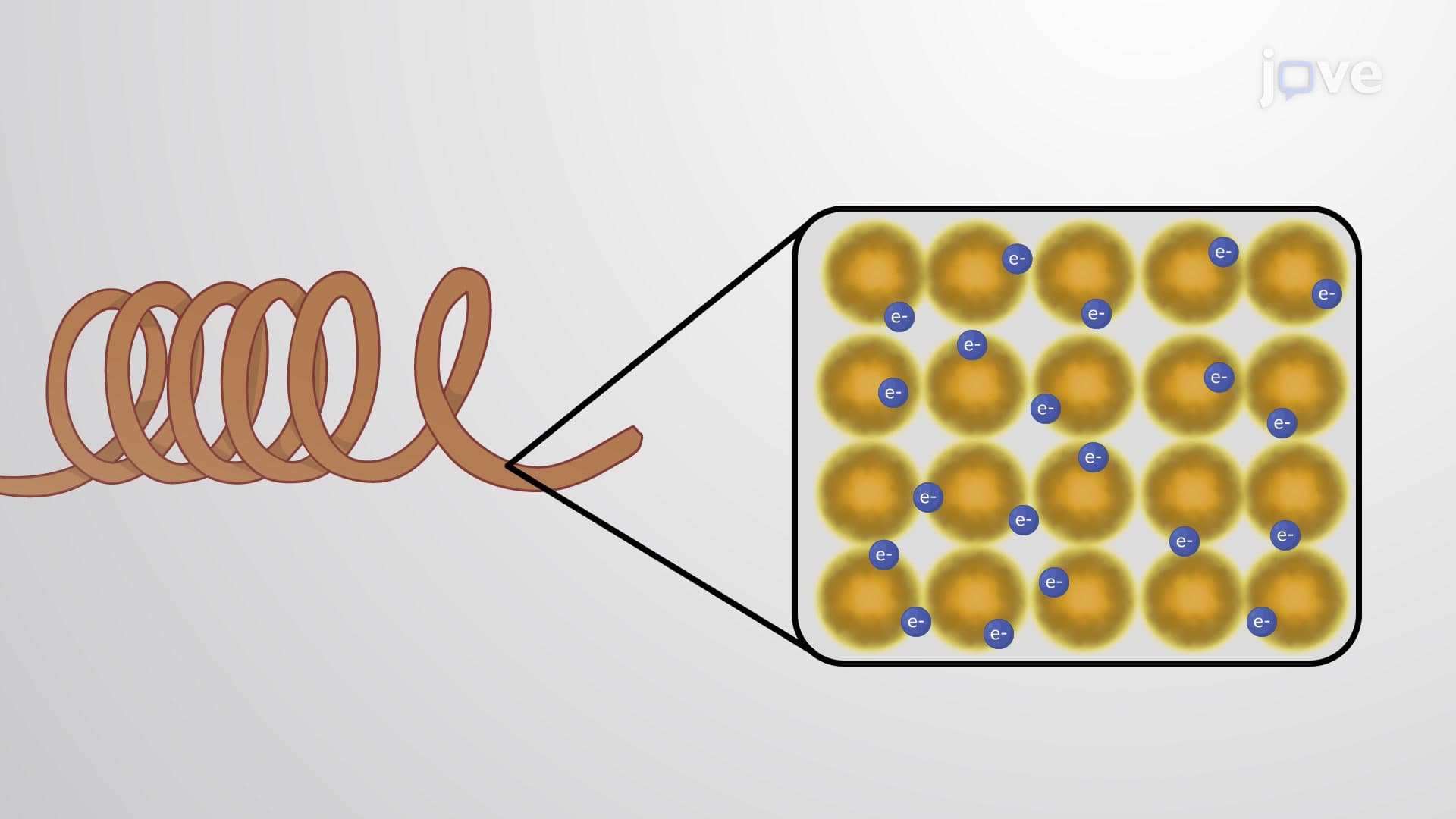
Conductors are materials with loosely bound outer electrons that can move freely throughout the material. Metals like copper, which contains 29 protons and 29 electrons, exemplify this behavior. The outermost electron in copper atoms is so weakly bound that it can detach and move freely through the metal's crystal lattice structure. When billions of these "free electrons" exist in a copper wire, they create what scientists call an "electron sea"-a mobile charge carrier system that enables electrical current.
This property makes copper the gold standard for electrical wiring in American homes, power plants, and electronic devices. The Tennessee Valley Authority and other US utilities rely on aluminum and copper conductors for power transmission lines because these metals offer minimal resistance to electron flow, reducing energy losses over long distances.
Why Insulators Block Electrical Current
Insulators possess atomic structures where electrons are tightly bound to their nuclei, preventing charge movement. Materials like rubber, glass, ceramic, and most plastics have no free electrons available for conduction. Their electrons participate in strong covalent or ionic bonds, creating energy barriers too high for normal electrical forces to overcome.
This property is crucial for electrical safety. Utility workers wear rubber gloves and boots, while power lines use ceramic insulators to prevent electricity from flowing where it shouldn't. The Occupational Safety and Health Administration (OSHA) mandates specific insulating materials for electrical work to protect American workers.
Real-World Applications and Academic Relevance
These concepts appear frequently on AP Physics exams, SAT Subject Tests, and college-level physics courses. Students studying electrical engineering at institutions like MIT, Stanford, or Georgia Tech build upon these fundamentals to design complex circuits and power systems. Understanding why certain materials conduct while others insulate helps explain phenomena from lightning rods to semiconductor behavior in computer chips manufactured by Intel and AMD.
Frequently Asked Questions
Conductors are materials that allow electricity to flow through them easily, while insulators block electrical current. This difference stems from how tightly electrons are bound to atoms-conductors have free electrons that can move, while insulators keep their electrons locked in place.
AP Physics 1 and 2 exams frequently test conductor and insulator concepts through circuit analysis, electrostatics problems, and conceptual questions about charge distribution. You'll encounter questions asking why metal objects become equipotential or how insulators can hold static charge.
The MCAT tests these concepts in physics passages involving electrical circuits, nerve conduction, and electrochemistry. Expect questions linking atomic structure to electrical properties, especially in biological contexts like how myelin sheaths insulate nerve fibers.
The answer lies in electron behavior-metals have loosely bound outer electrons that form an "electron sea" allowing current flow, while insulators have electrons tightly bound in chemical bonds that resist movement even under electrical force.
Copper wires carry electricity in homes, aluminum cables transmit power across states, while rubber and plastic insulation prevents dangerous shocks. From iPhone charging cables to Tesla's electrical systems, both material types work together to safely control electrical energy.
Not at all-these concepts build naturally from basic atomic structure learned in chemistry class. If you understand that atoms have electrons orbiting nuclei, you can grasp why some materials let electrons move freely while others don't.
Focus on the atomic-level explanation first, then memorize common examples of each type. Practice identifying conductors and insulators in circuit diagrams, and understand how their properties affect electrical behavior in different scenarios.
Build on this foundation by exploring electric circuits, Ohm's law, and electrical resistance. These concepts directly connect to conductor and insulator properties, leading toward more advanced topics like semiconductors and electronic device physics.
Related Micro-courses