Loading video…


 16 Concepts
 133.2K views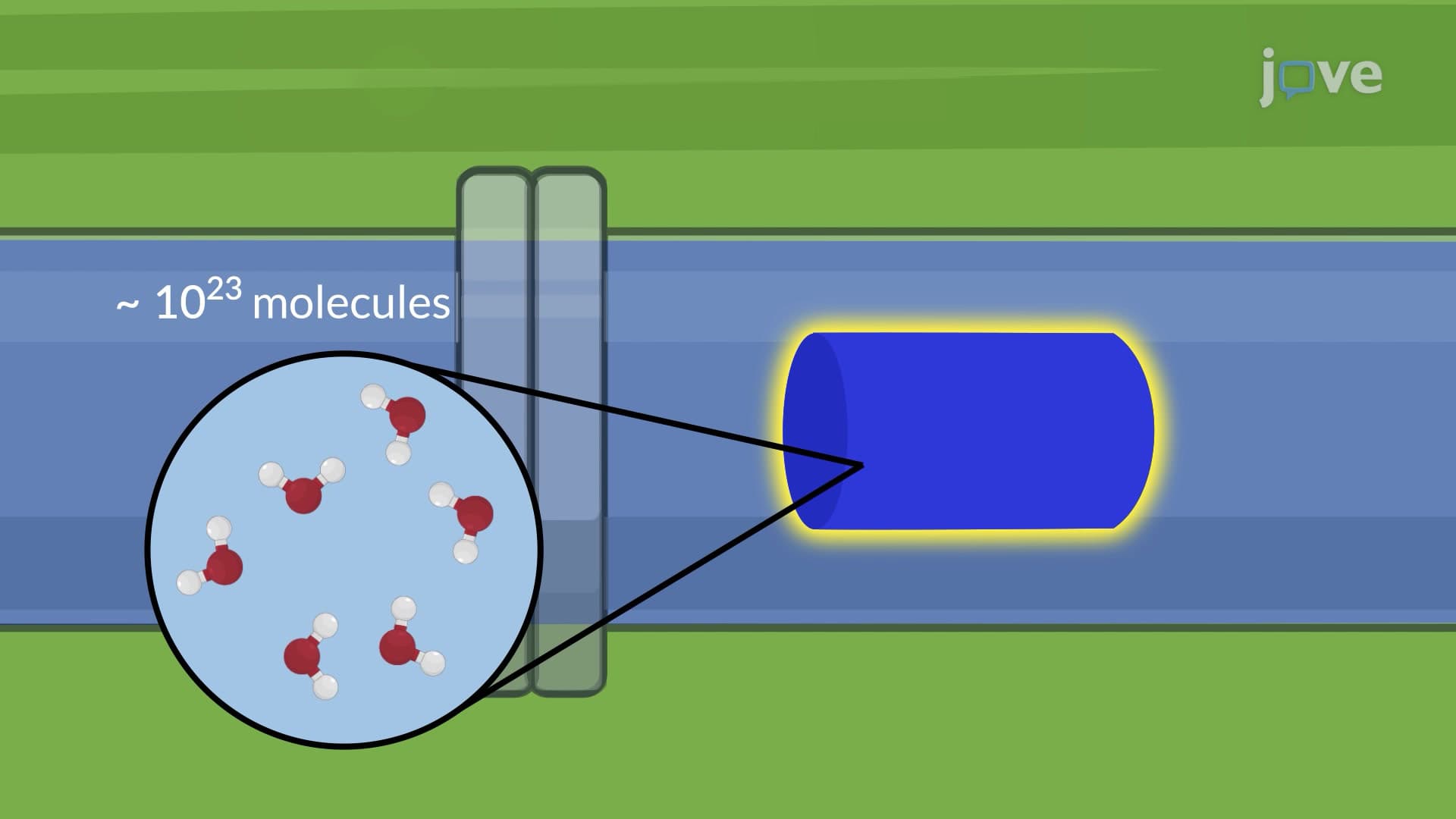

Video Summary: What are Continuous Charge Distributions
Ever wonder how your smartphone screen responds to touch or how lightning bolts form in thunderclouds? Continuous charge distributions make these phenomena possible by treating countless individual charges as smooth, flowing entities rather than discrete particles. Instead of tracking billions of electrons individually in a copper wire at MIT's labs, physicists use mathematical models that describe charge as continuously distributed along lines, surfaces, or throughout volumes. What are Continuous Charge Distributions becomes clearer when you realize this approximation simplifies complex calculations while maintaining accuracy for real-world applications. Watch the full video on JoVE Coach to master this concept with expert-led visuals and step-by-step explanations.
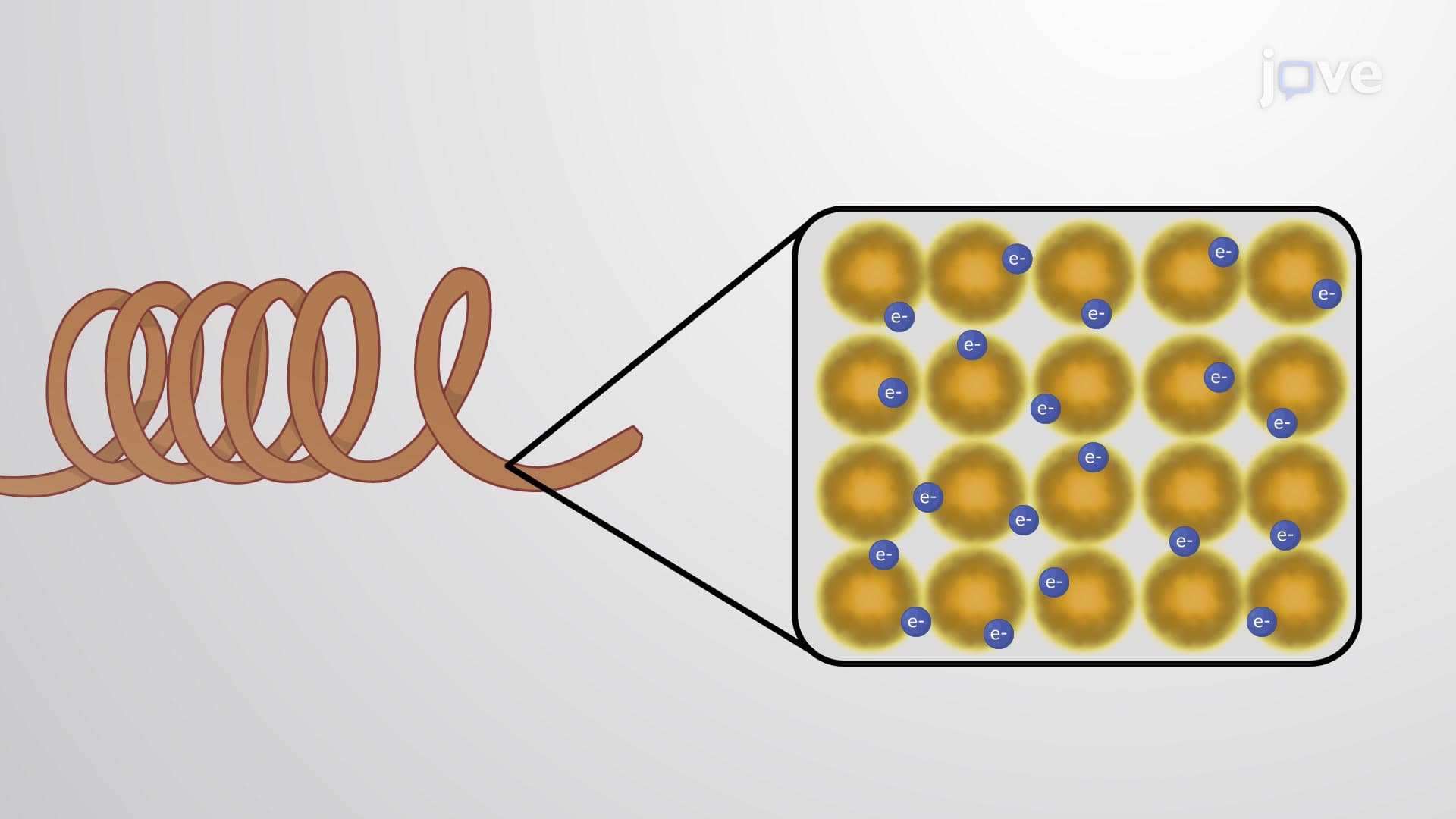
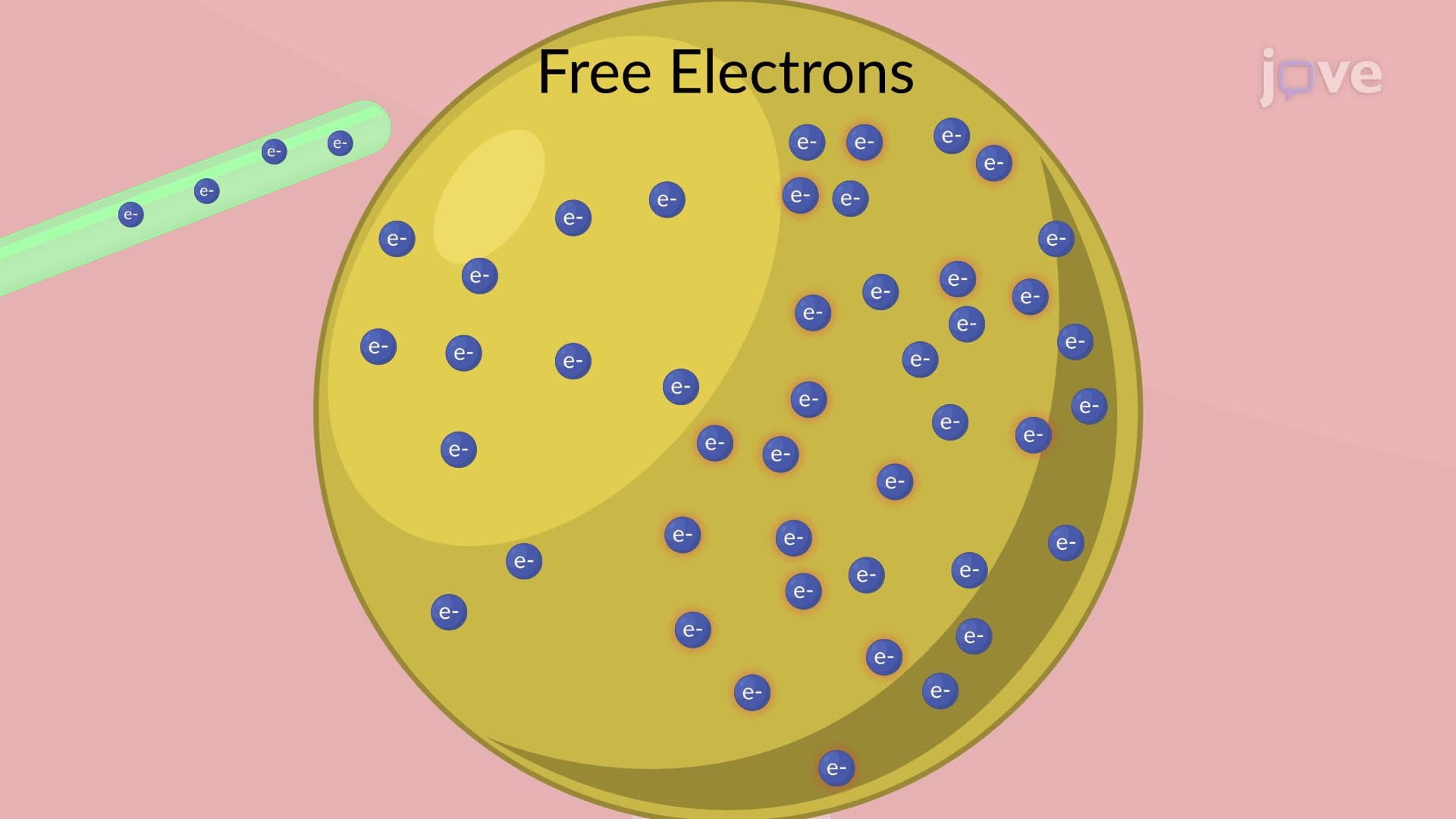
Continuous charge distributions represent one of the most powerful approximations in electrostatics, allowing physicists and engineers to model systems containing enormous numbers of individual charges as smooth, continuous entities. Rather than tracking every electron in a thundercloud or every ion on a cell phone battery electrode, we treat charge as if it flows continuously through space-much like modeling water flow through the Colorado River system rather than tracking individual molecules.
This approximation proves invaluable because most practical systems contain far too many charges to analyze individually. A typical AA battery contains approximately 10²³ electrons, making discrete calculations computationally impossible. The continuous model maintains mathematical accuracy while enabling practical problem-solving approaches used throughout engineering and physics.
The types of continuous charge distributions fall into three fundamental categories, each with distinct mathematical treatments and real-world applications.
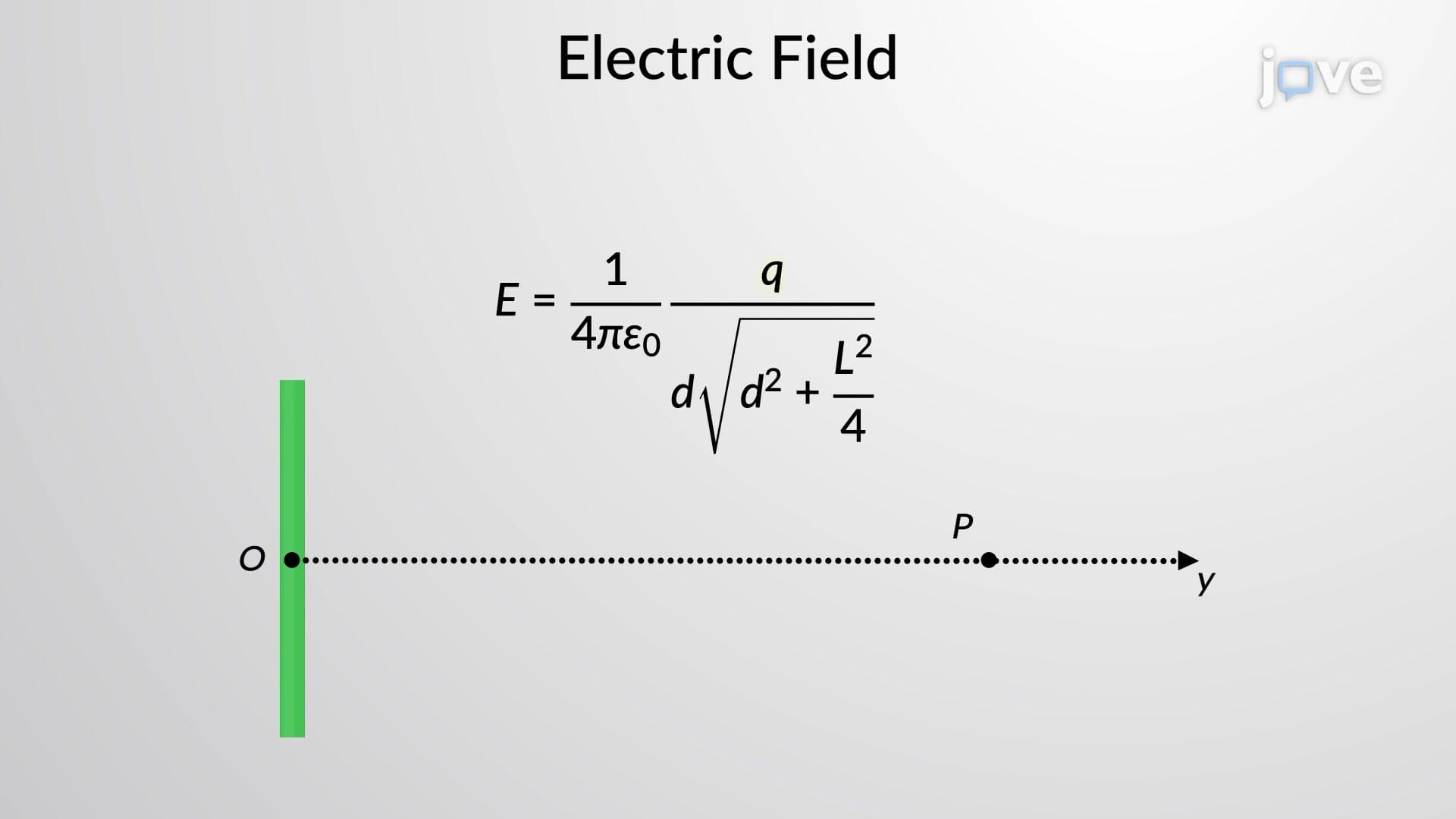
Linear charge distributions occur when charge spreads along a line or curve, characterized by linear charge density λ (lambda), measured in coulombs per meter. Common examples include power transmission lines across Texas or the charged filament in an old cathode-ray television. The electric field calculation requires a line integral over the charge distribution's length.
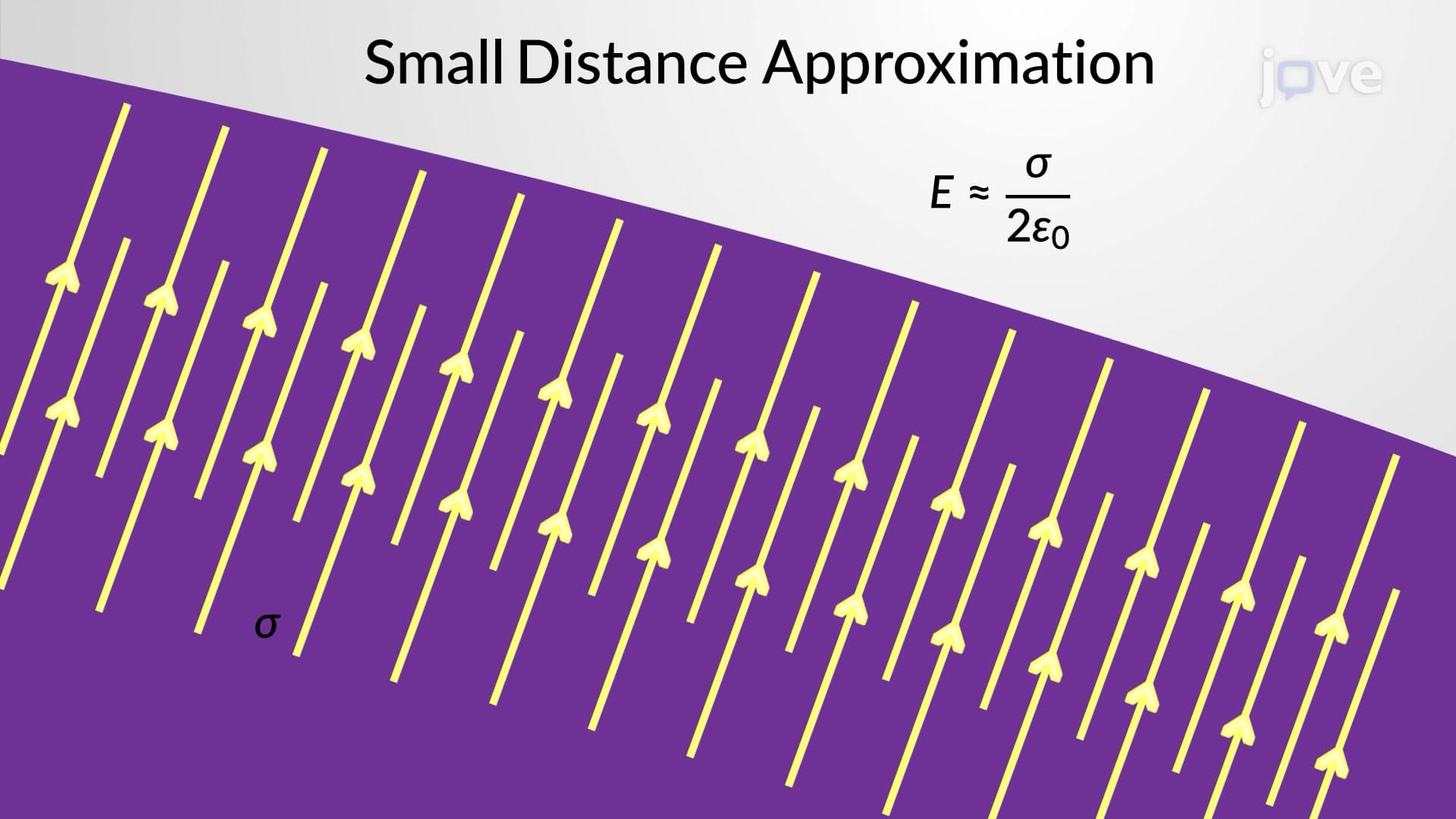
Surface charge distributions involve charge spread across a two-dimensional surface, quantified by surface charge density σ (sigma) in coulombs per square meter. Capacitor plates in electronic devices, such as those manufactured by companies like Intel or AMD, exemplify this distribution type. The resulting electric field emerges from surface integrals across the charged area.
Volume charge distributions describe charge distributed throughout a three-dimensional region, characterized by volume charge density ρ (rho) in coulombs per cubic meter. Storm clouds over the Great Plains or the space charge region in semiconductor devices represent practical examples. Electric field calculations involve volume integrals throughout the charged region.
The mathematical treatment of continuous charge distributions relies heavily on integration techniques taught in AP Calculus BC and college-level physics courses. Students applying to medical school encounter these concepts on the MCAT Physics section, while engineering students use them extensively in electromagnetic field theory courses.
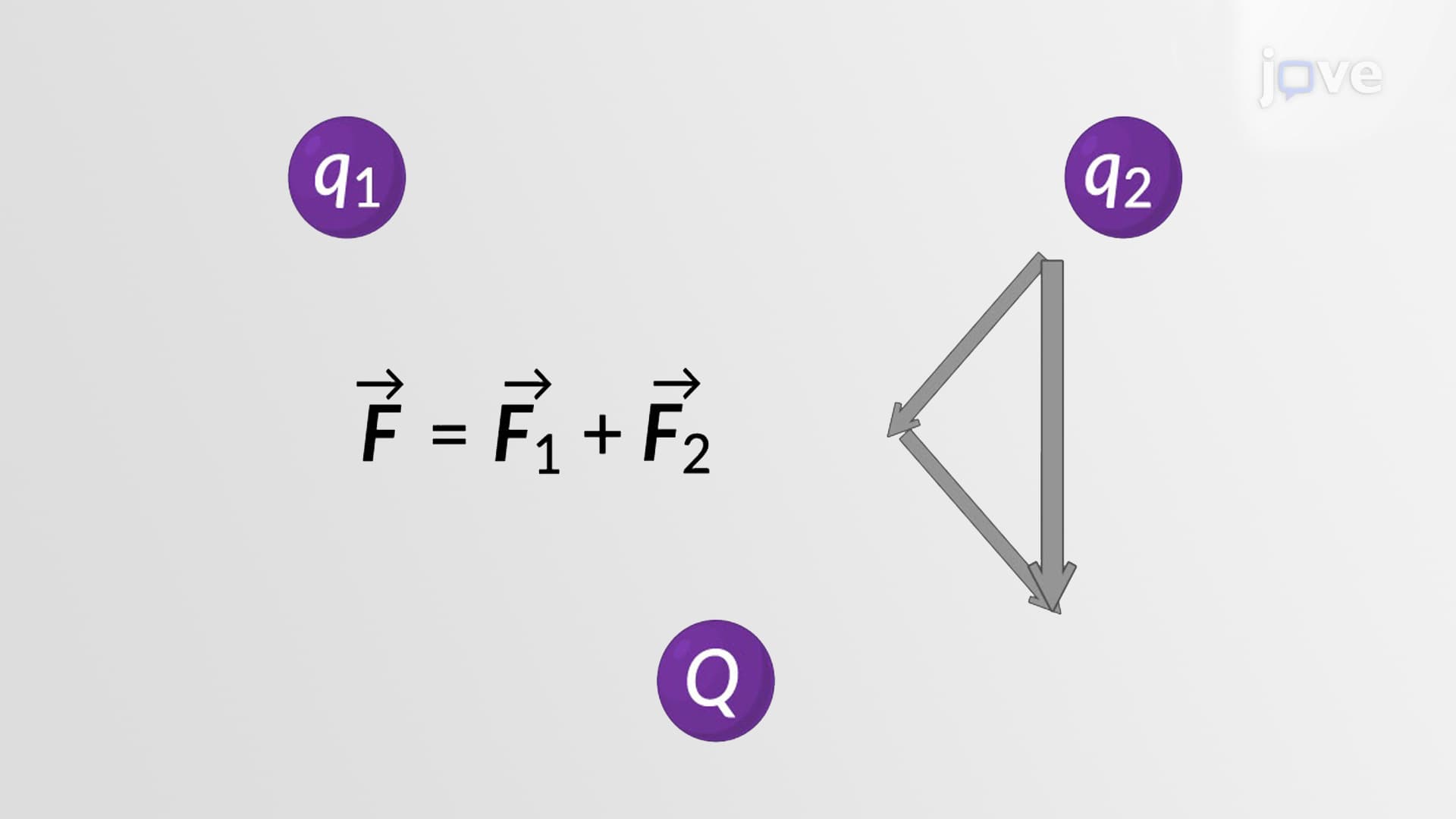
For AP Physics C students, understanding how to set up and evaluate these integrals proves crucial for exam success. The key insight involves recognizing that Coulomb's law for point charges extends through superposition to continuous distributions, replacing discrete sums with continuous integrals.
Real-world applications span from designing the touch-sensitive screens on tablets manufactured in California's Silicon Valley to modeling the electromagnetic fields around high-voltage power lines maintained by utilities like ConEd in New York. These same principles govern MRI machines in hospitals nationwide and the ion beam focusing systems in semiconductor manufacturing facilities.
Related Micro-courses