Loading subject page…


133,201 views

Video Summary: Electric Dipoles and Dipole Moment Explained
Did you know that water molecules act like tiny magnets due to their uneven charge distribution? Electric dipoles and dipole moment explain this fascinating phenomenon that governs everything from how salt dissolves in water to how your microwave heats food. A classic example is the hydrogen fluoride (HF) molecule used in industrial glass etching across the United States. Electric Dipoles And Dipole Moment Explained reveals how opposite charges create rotational forces in electric fields. Watch the full video on JoVE Coach to master this concept with expert-led visuals and step-by-step explanations.
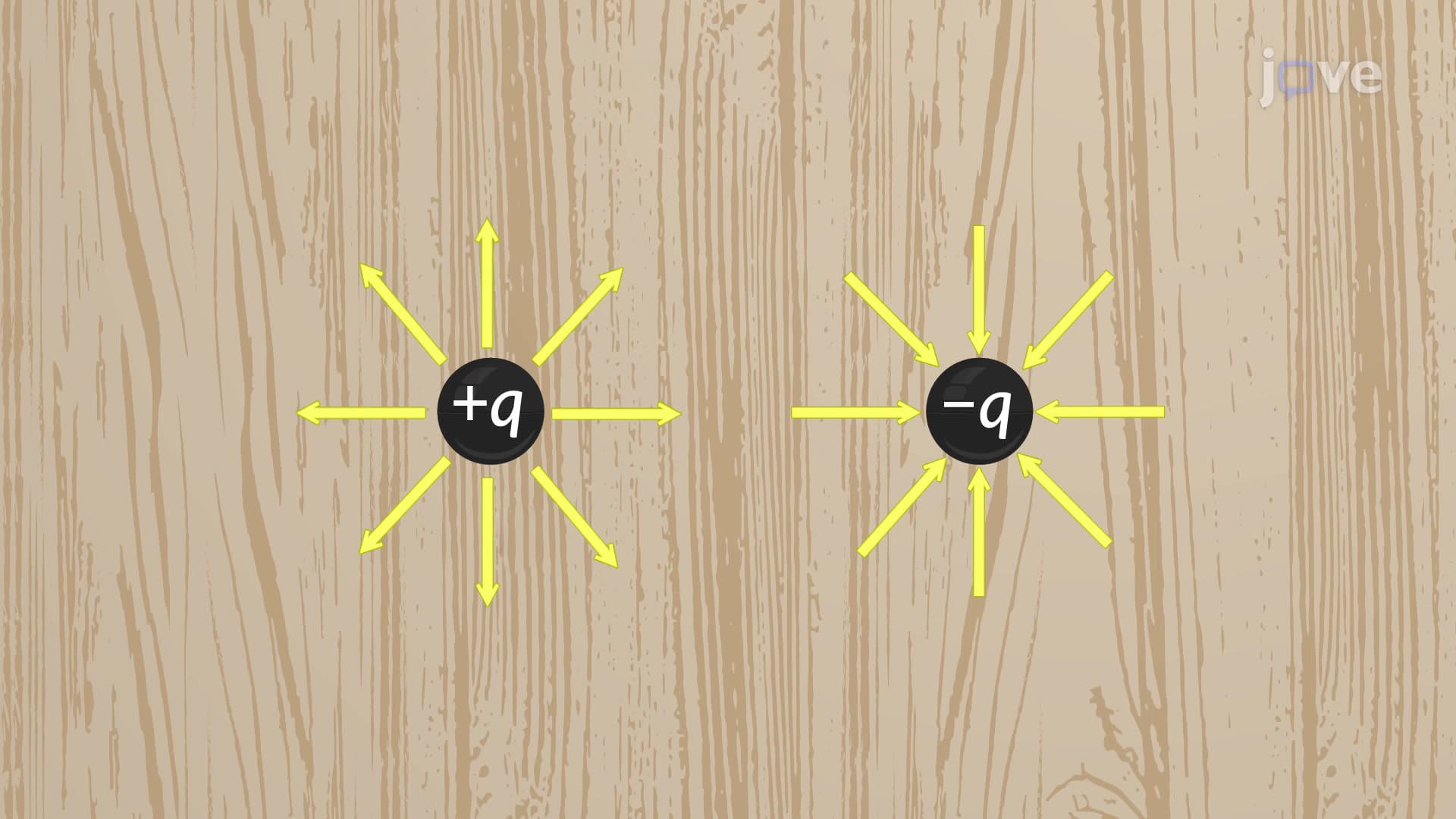
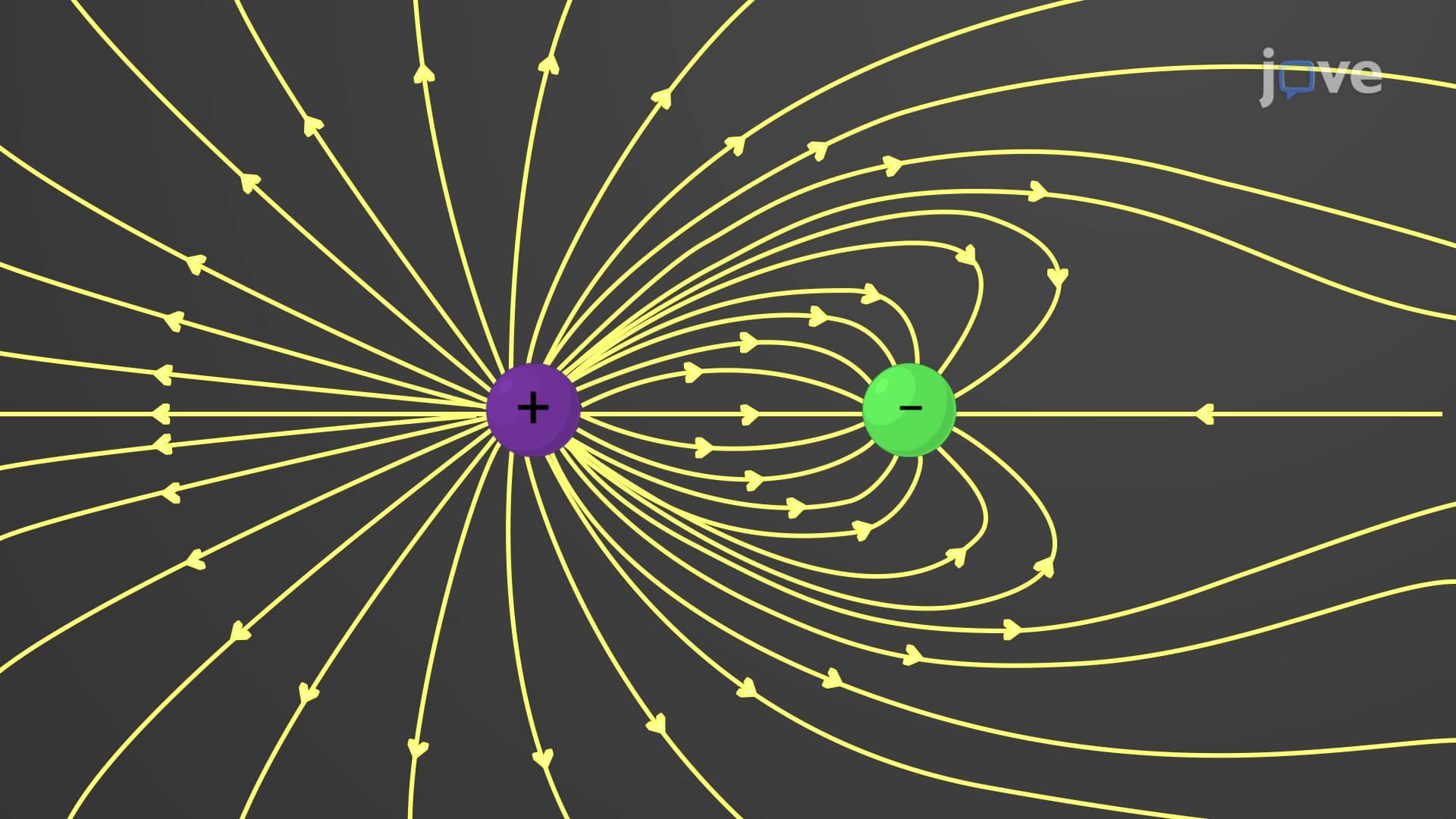
An electric dipole forms when two equal but opposite charges (+q and -q) are separated by a small distance. This arrangement creates what scientists call a dipole moment, represented mathematically as p = qd, where d is the displacement vector pointing from the negative to the positive charge. The dipole moment's direction follows this convention, making it a vector quantity measured in coulomb-meters (C·m).
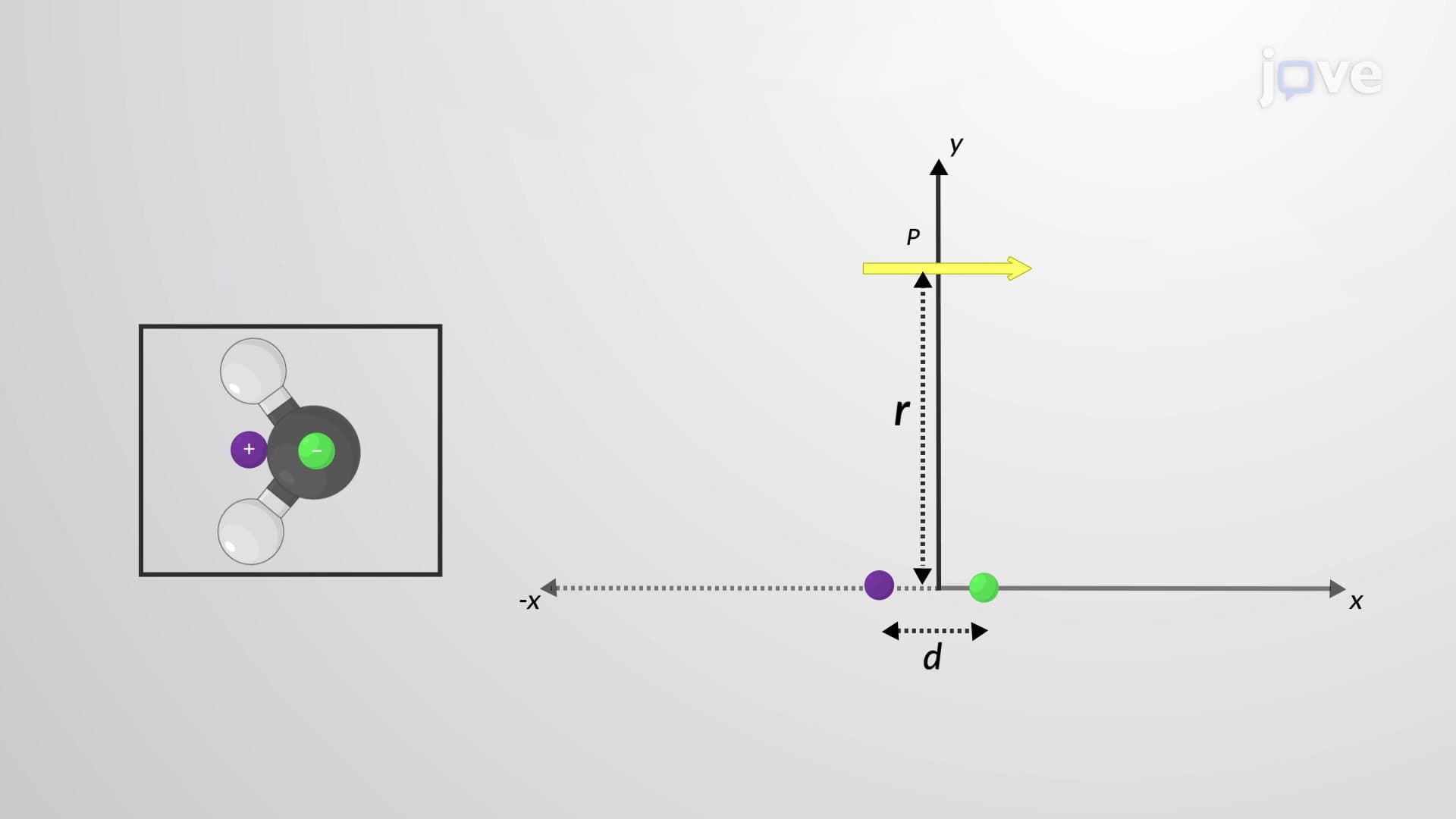
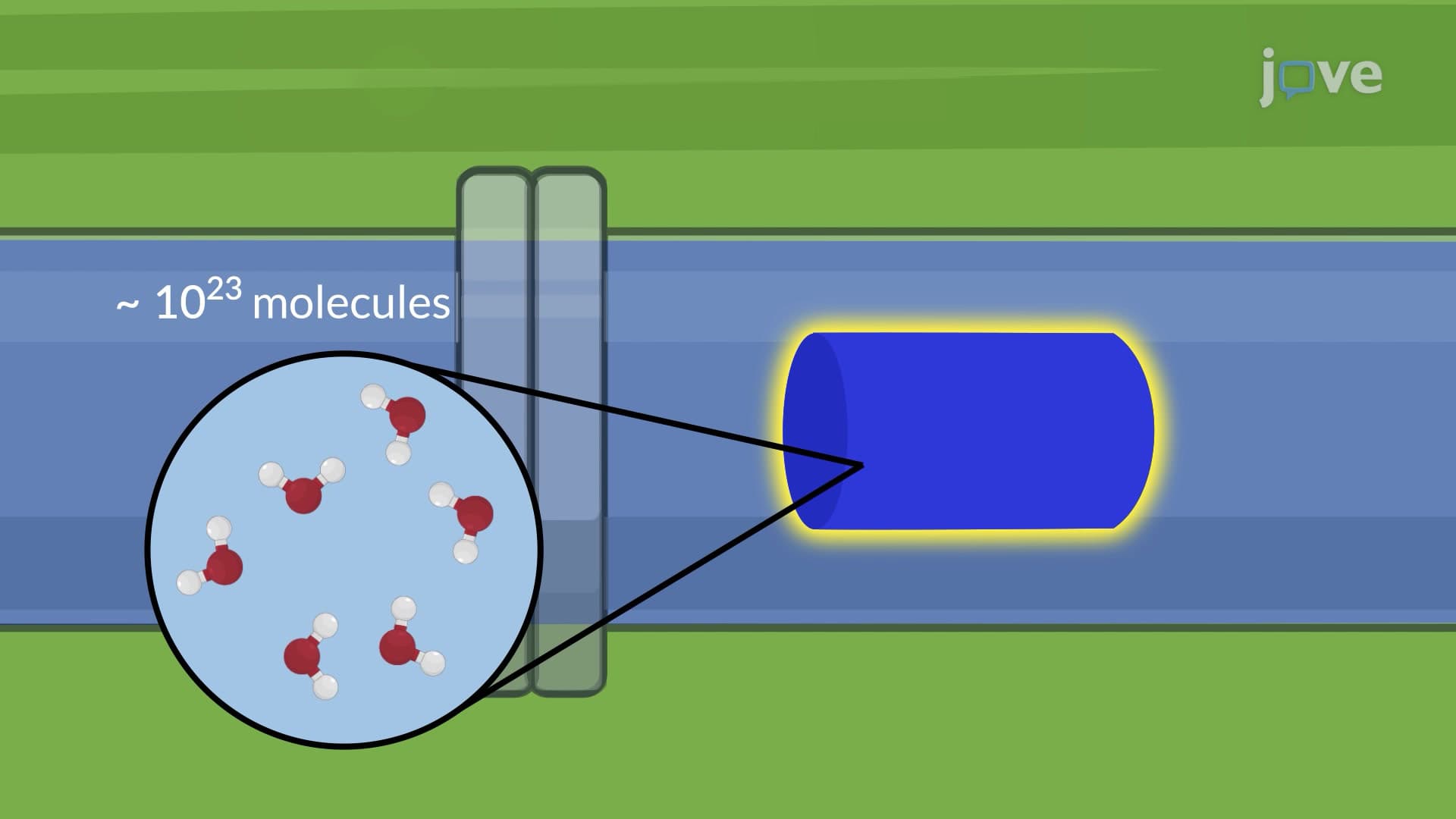
Permanent dipoles exist in molecules where charge centers don't coincide naturally. Water (H₂O) serves as the perfect example-oxygen's higher electronegativity pulls electron density away from hydrogen atoms, creating a permanent dipole moment of 1.85 D (Debye units). This property explains why water dissolves ionic compounds so effectively, making it crucial in everything from pharmaceutical manufacturing to semiconductor fabrication across US industries.
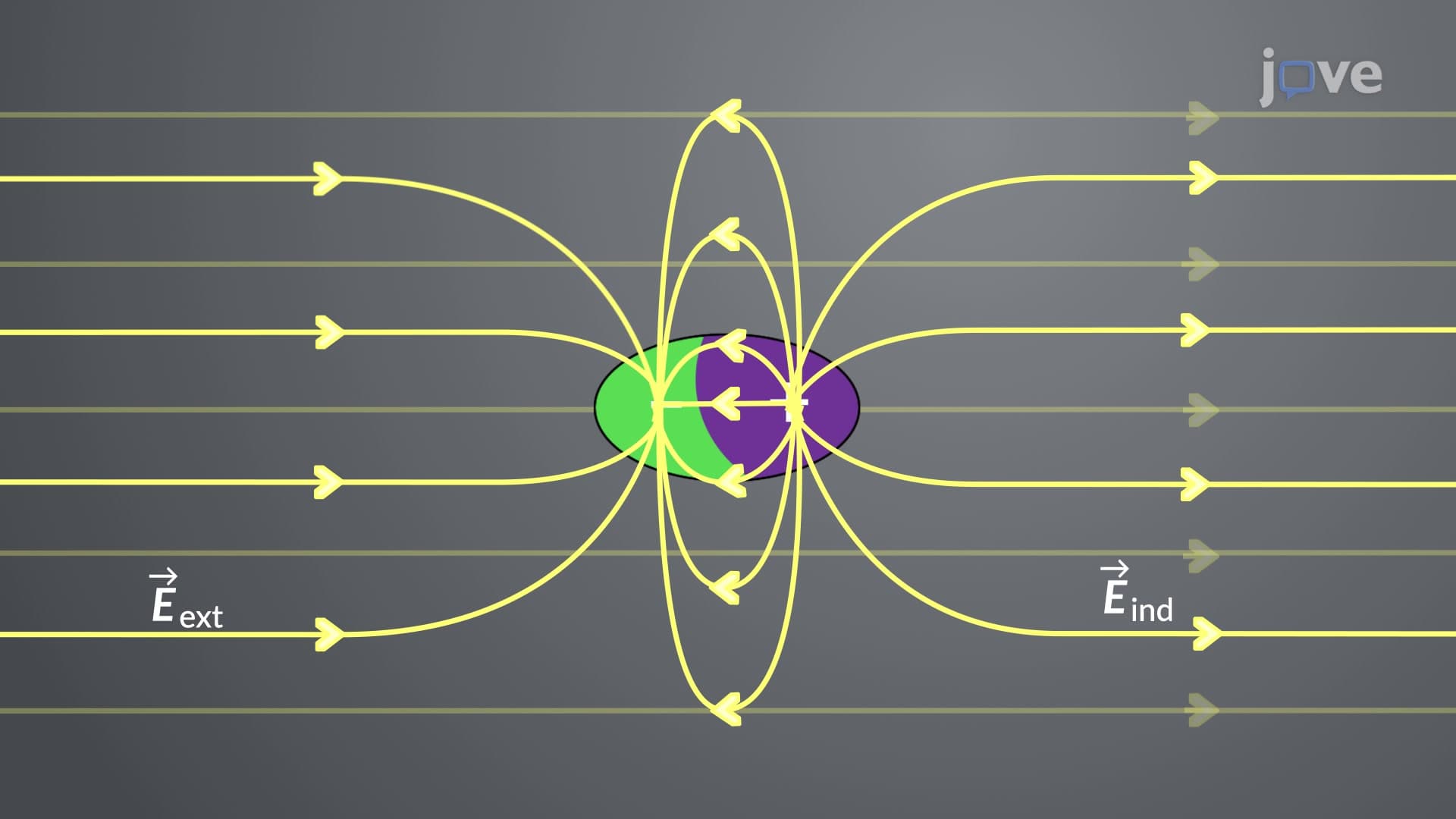
Induced dipoles form temporarily when external electric fields distort normally symmetric charge distributions. This phenomenon occurs in noble gases and explains van der Waals forces between molecules.
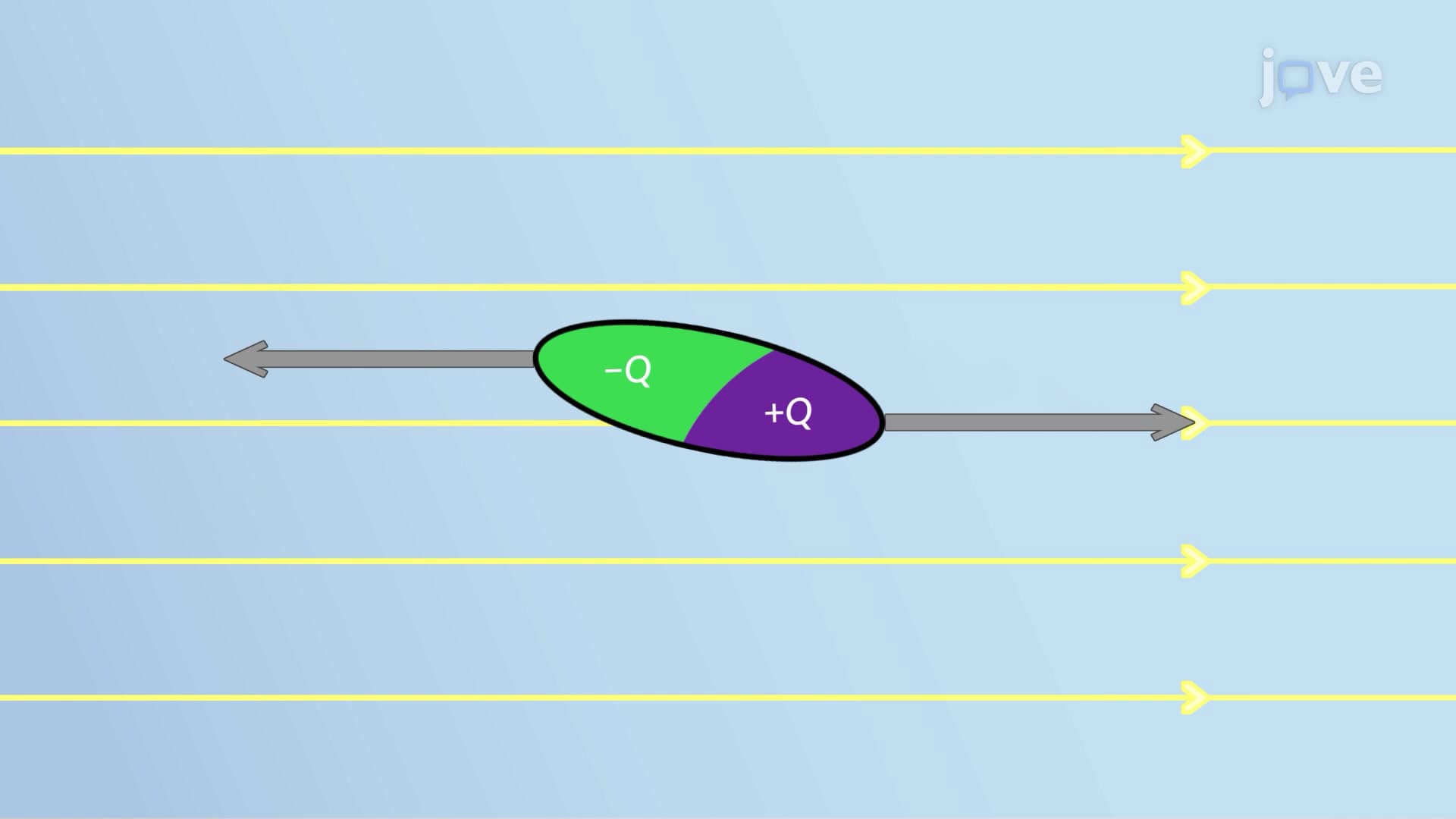
When placed in a uniform electric field E, a dipole experiences fascinating physics. While the net force equals zero (since equal and opposite forces act on each charge), the dipole experiences a torque τ = p × E. This torque rotates the dipole toward alignment with the field, similar to how a compass needle aligns with Earth's magnetic field.
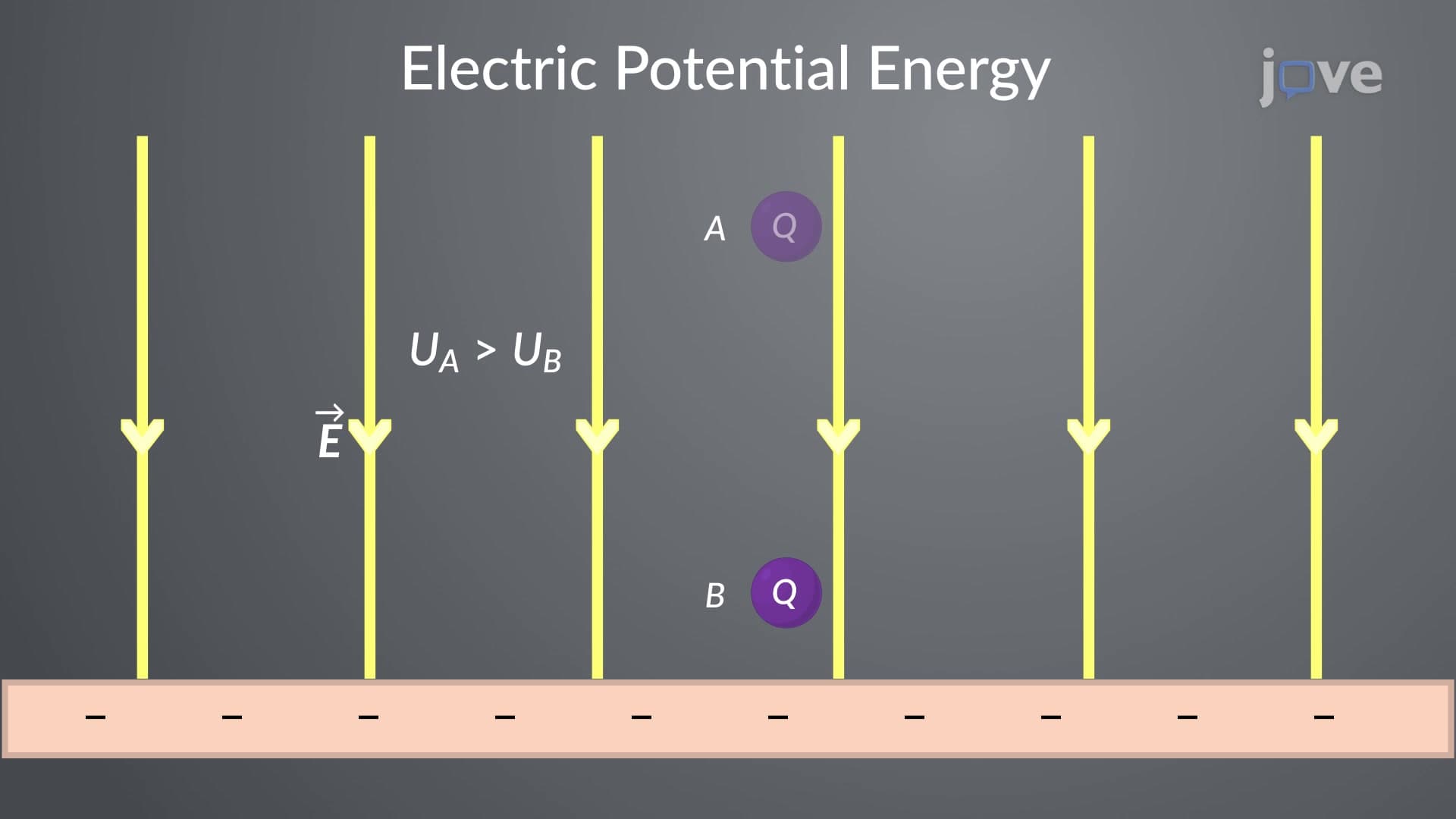
The potential energy of this system follows U = -pE cos(θ), where θ represents the angle between the dipole moment and electric field. Minimum energy occurs at θ = 0° (parallel alignment), while θ = 180° (anti-parallel) represents unstable equilibrium.
Students encounter dipole concepts extensively in AP Physics 2 and introductory college physics courses. Common exam problems involve calculating dipole moments, analyzing torque in electric fields, and predicting equilibrium positions. The MCAT frequently tests these concepts in biological contexts, such as protein folding and membrane transport mechanisms.
US medical schools emphasize dipole interactions when teaching drug-receptor binding and cellular membrane dynamics, making this topic essential for pre-med students.
Related Micro-courses