Loading video…


 16 Concepts
 133.2K views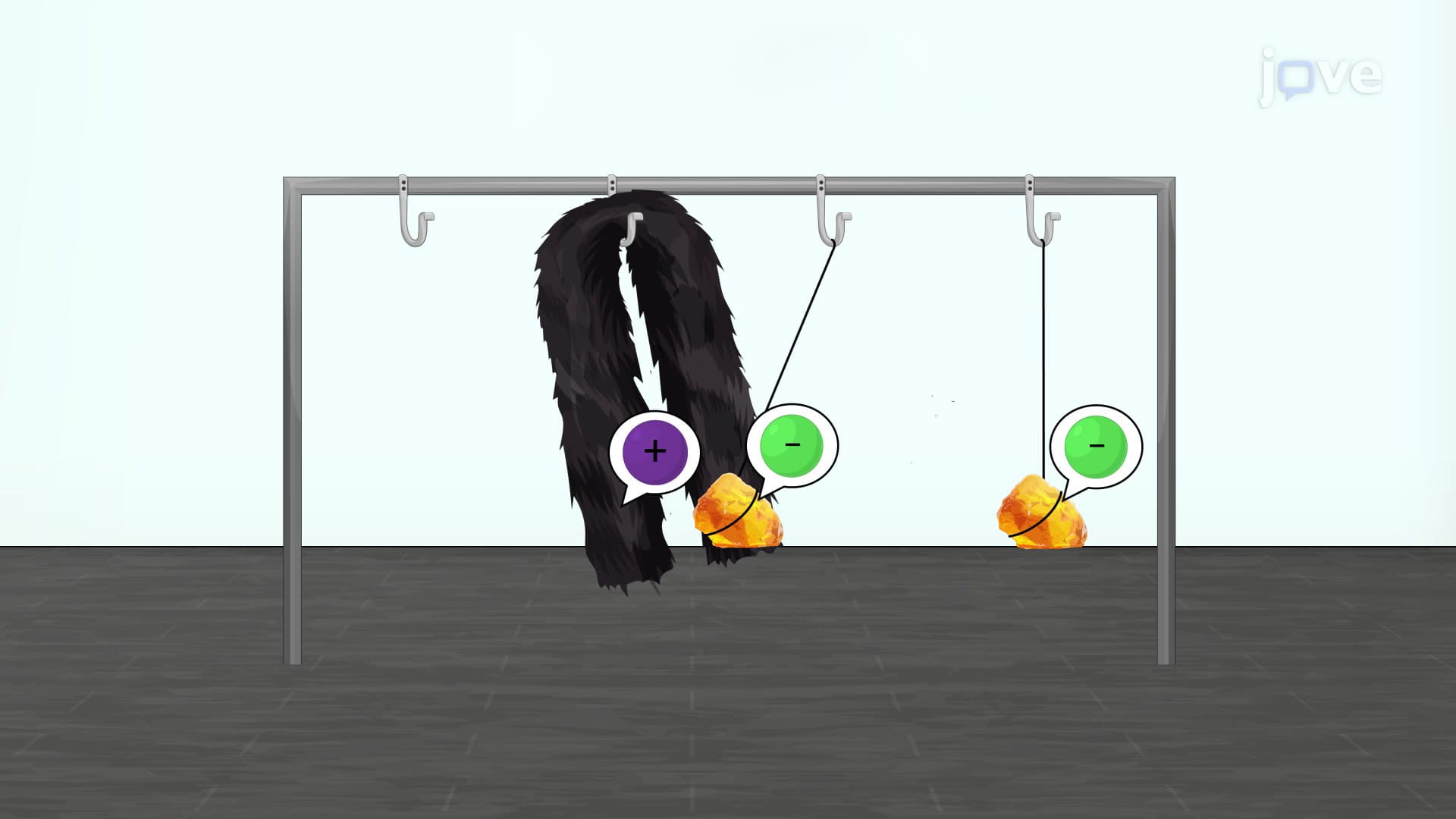

Video Summary: What Is Electric Charges
Ever wonder why your hair stands up after going down a plastic slide or why socks stick together fresh from the dryer? Electric charges are fundamental properties of matter that create these everyday phenomena through invisible forces. From Benjamin Franklin's famous kite experiment to modern touchscreen technology, understanding what electric charges are helps explain countless interactions in our daily lives. Ancient Greeks discovered that rubbing amber with fur creates mysterious attractive forces-the same principle behind static electricity demonstrations in US physics classrooms today. Watch the full video on JoVE Coach to master this concept with expert-led visuals and step-by-step explanations.
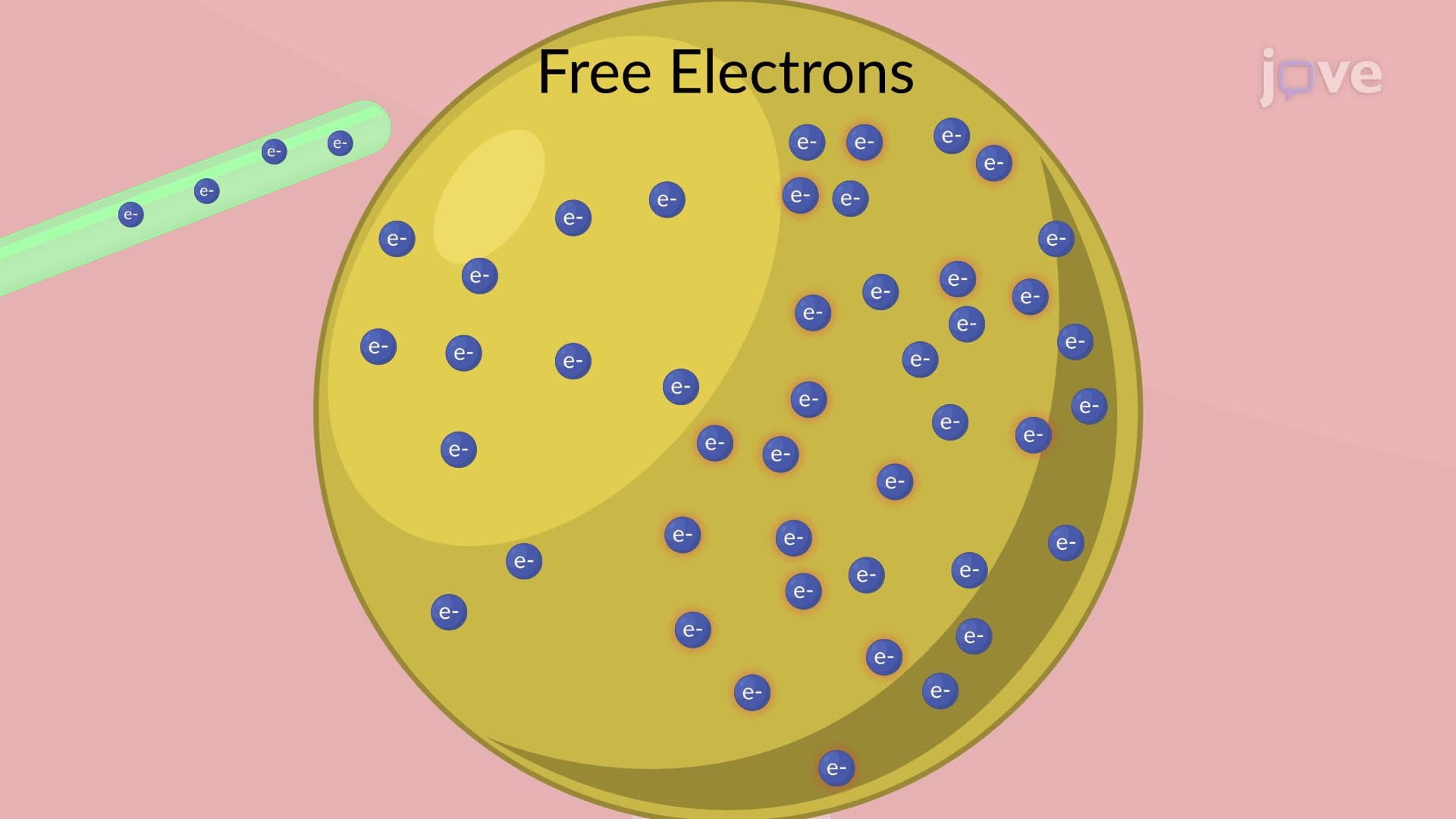
Electric charges represent one of nature's most fundamental properties, serving as the foundation for understanding electricity, magnetism, and countless technological applications. At its core, electric charge is an intrinsic property of certain subatomic particles-electrons carry negative charge, while protons carry positive charge. This seemingly simple concept underlies everything from the functioning of your smartphone to the lightning strikes that illuminate summer storms across the American Midwest.
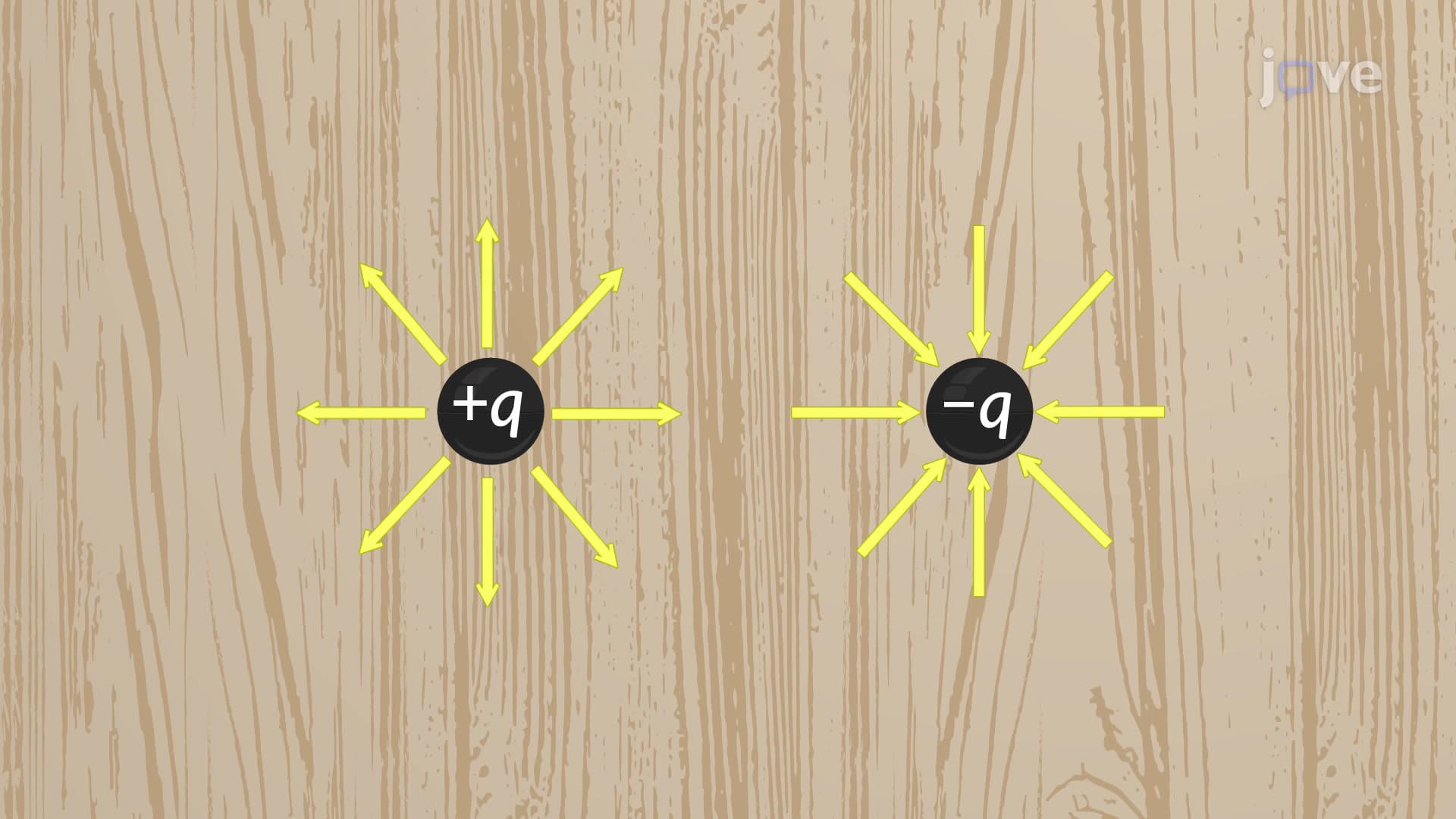
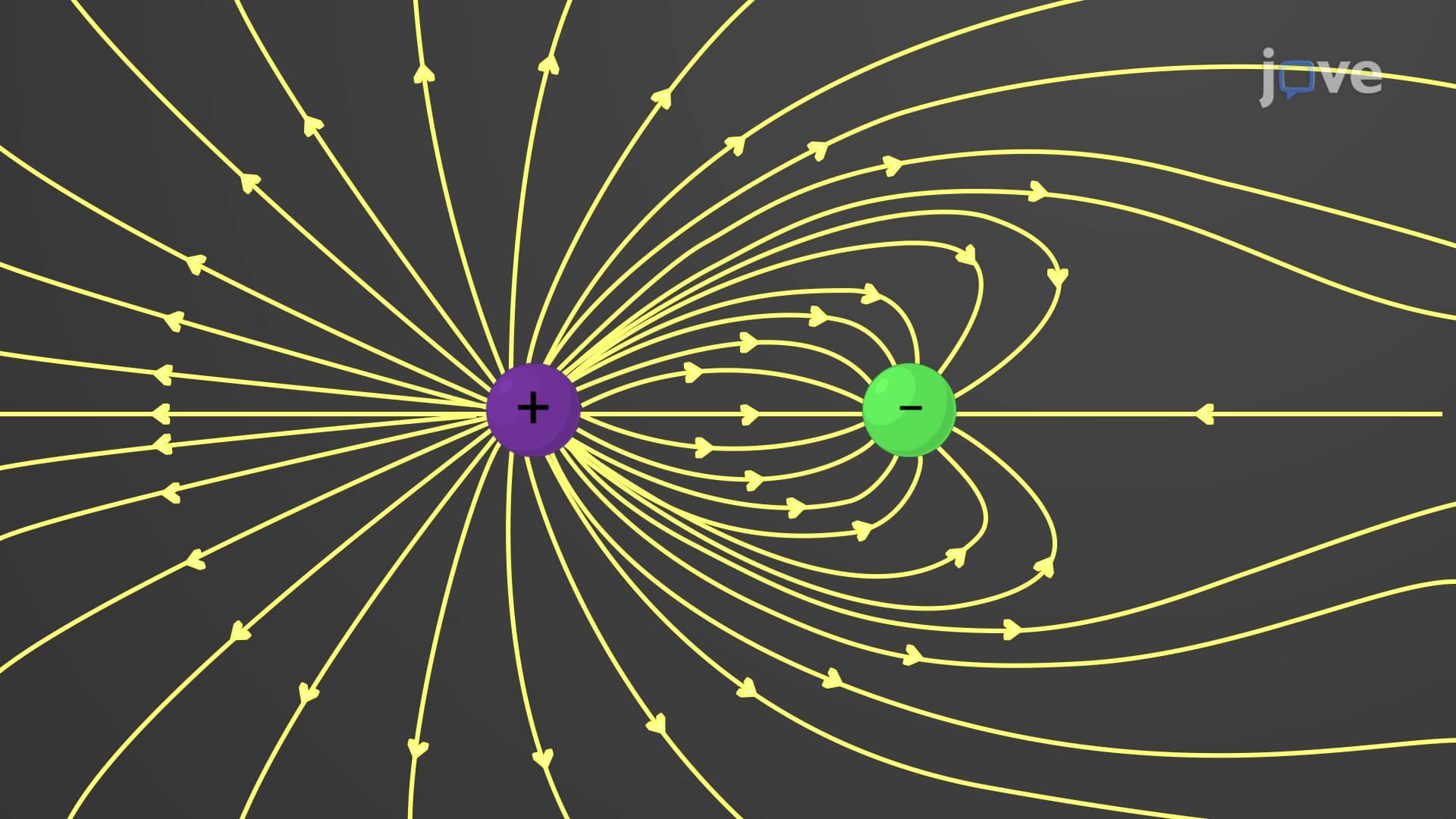
Electric charges exist in exactly two varieties: positive and negative. This binary nature creates a elegant system of interactions governed by a simple rule: like charges repel, opposite charges attract. When you rub a balloon against your hair at a science fair demonstration, electrons transfer from your hair to the balloon, leaving your hair positively charged and the balloon negatively charged. The attractive force between these opposite charges makes your hair follow the balloon-a perfect illustration of electrostatic attraction.
Benjamin Franklin's groundbreaking experiments in colonial Philadelphia established our modern understanding of positive and negative charge designation. His famous kite experiment during thunderstorms demonstrated that lightning represents the same electrical phenomenon observed in laboratory static electricity experiments, just on a massive scale.
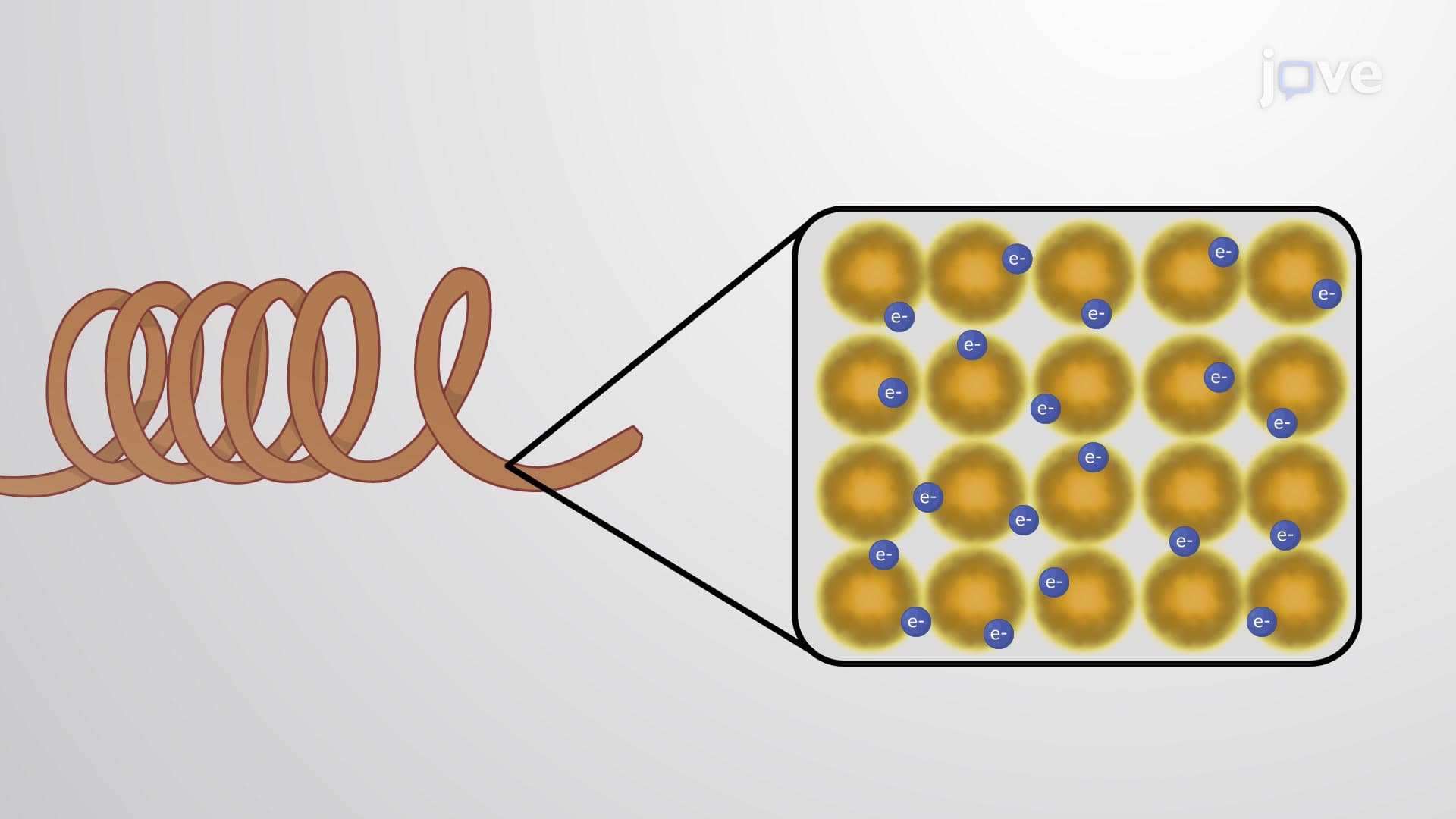
Materials respond differently to electric charges based on their atomic structure. Conductors like copper wire allow charges to move freely, making them essential for electrical circuits in everything from Tesla vehicles to the power grid supplying American cities. Insulators like rubber or plastic trap charges in place, which is why utility workers wear rubber gloves when working on power lines.
This distinction proves crucial for AP Physics students tackling electrostatics problems. Understanding charge distribution in conductors versus insulators frequently appears on standardized tests, including the MCAT physics section and college-level physics midterms.
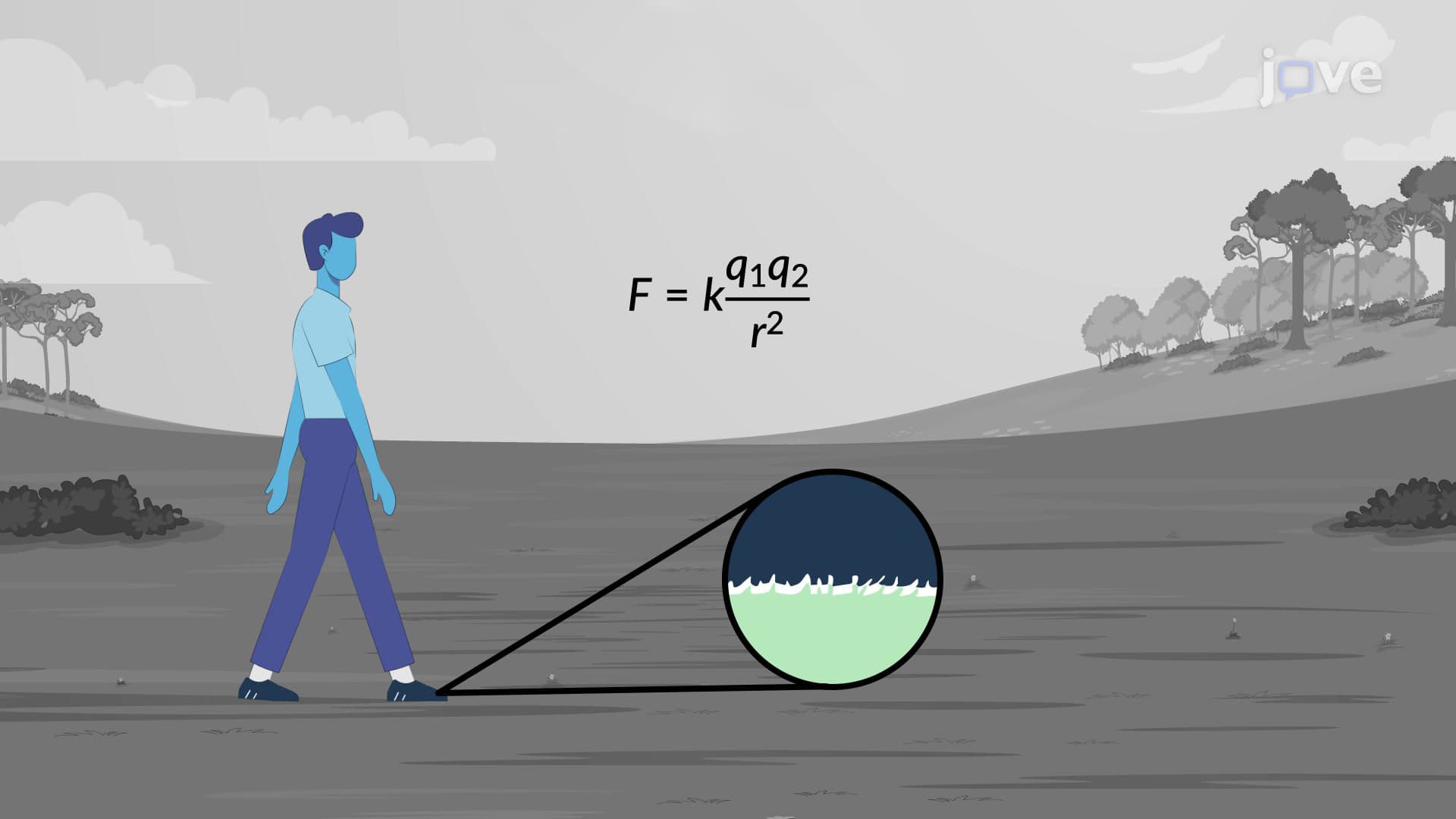
Electric charge principles appear throughout standardized testing, from SAT Subject Tests to Advanced Placement Physics examinations. Students encounter problems involving Coulomb's law calculations, electric field mapping, and charge conservation principles. Beyond academics, these concepts explain modern technologies: laser printers use electrostatic charging to attract toner particles, while air purifiers employ charged plates to capture pollutants.
Medical applications also rely heavily on electric charge understanding. EKG machines measure electrical charges in heart muscles, while defibrillators use controlled electrical charges to restore normal heart rhythms-knowledge essential for pre-med students preparing for the MCAT.
Related Micro-courses