Loading video…


 16 Concepts
 133.2K views

Video Summary: What Is Electric Field Lines
Ever wonder how scientists visualize invisible forces around charged particles, like the static electricity that makes your hair stand up after going down a plastic slide? Electric field lines provide an elegant solution to mapping these invisible electromagnetic forces that power everything from Tesla's electric vehicles to medical defibrillators used in US hospitals. Instead of drawing countless vector arrows, physicists use curved lines where the tangent direction shows field direction and line density indicates field strength. Watch the full video on JoVE Coach to master this concept with expert-led visuals and step-by-step explanations.
Electric field lines represent one of the most powerful visualization tools in electromagnetism, transforming abstract mathematical concepts into intuitive visual representations. Unlike traditional vector field diagrams that require drawing countless arrows, field lines provide a streamlined approach to understanding electric field behavior around charged objects.
The electric field lines definition establishes these as imaginary lines whose tangent at any point indicates the electric field direction at that location. This geometric relationship means you can trace a field line and instantly determine field direction without complex calculations. The density of these lines-how tightly packed they appear-directly correlates with field strength, making it easy to identify regions of strong versus weak electric fields.
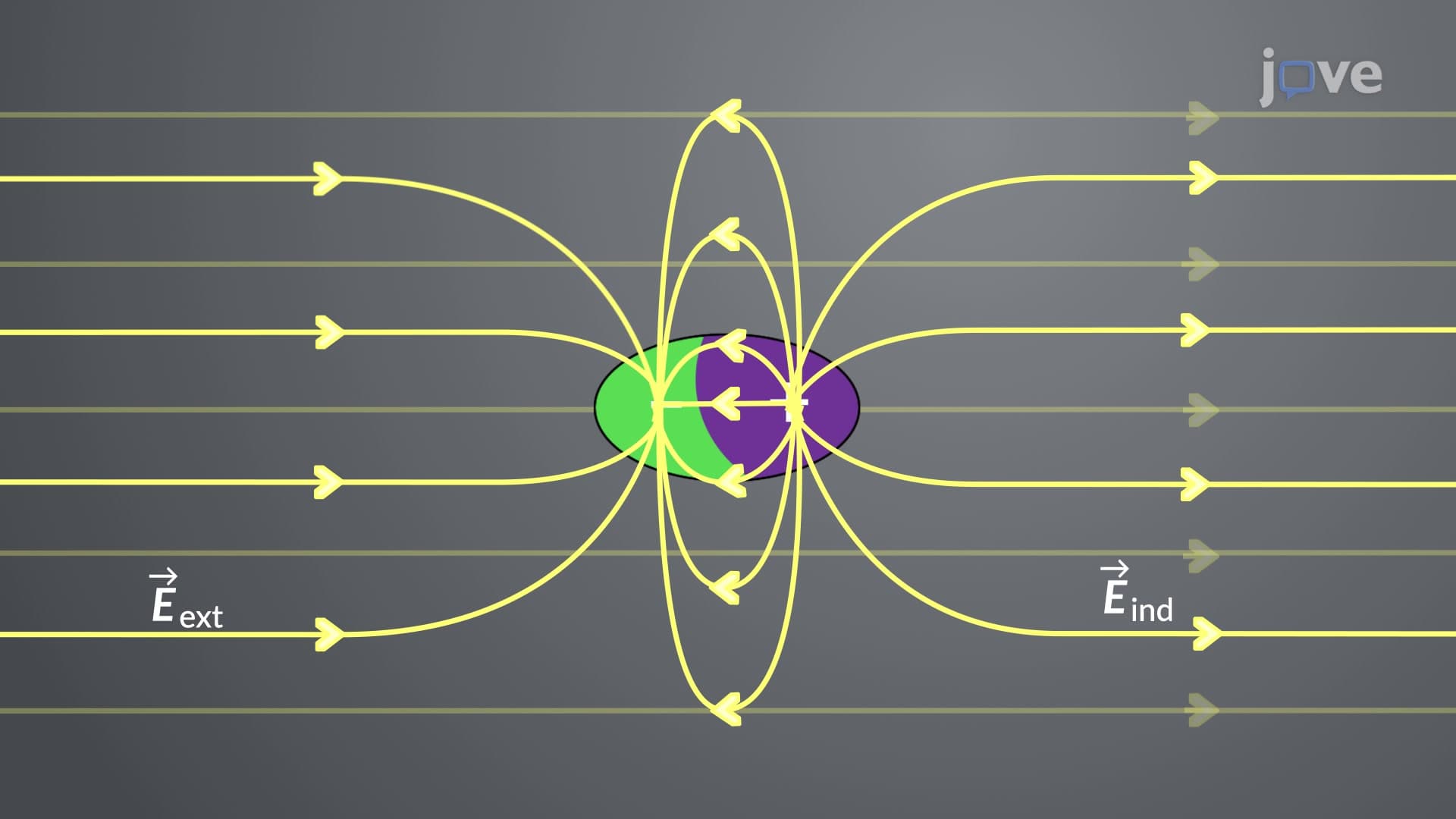
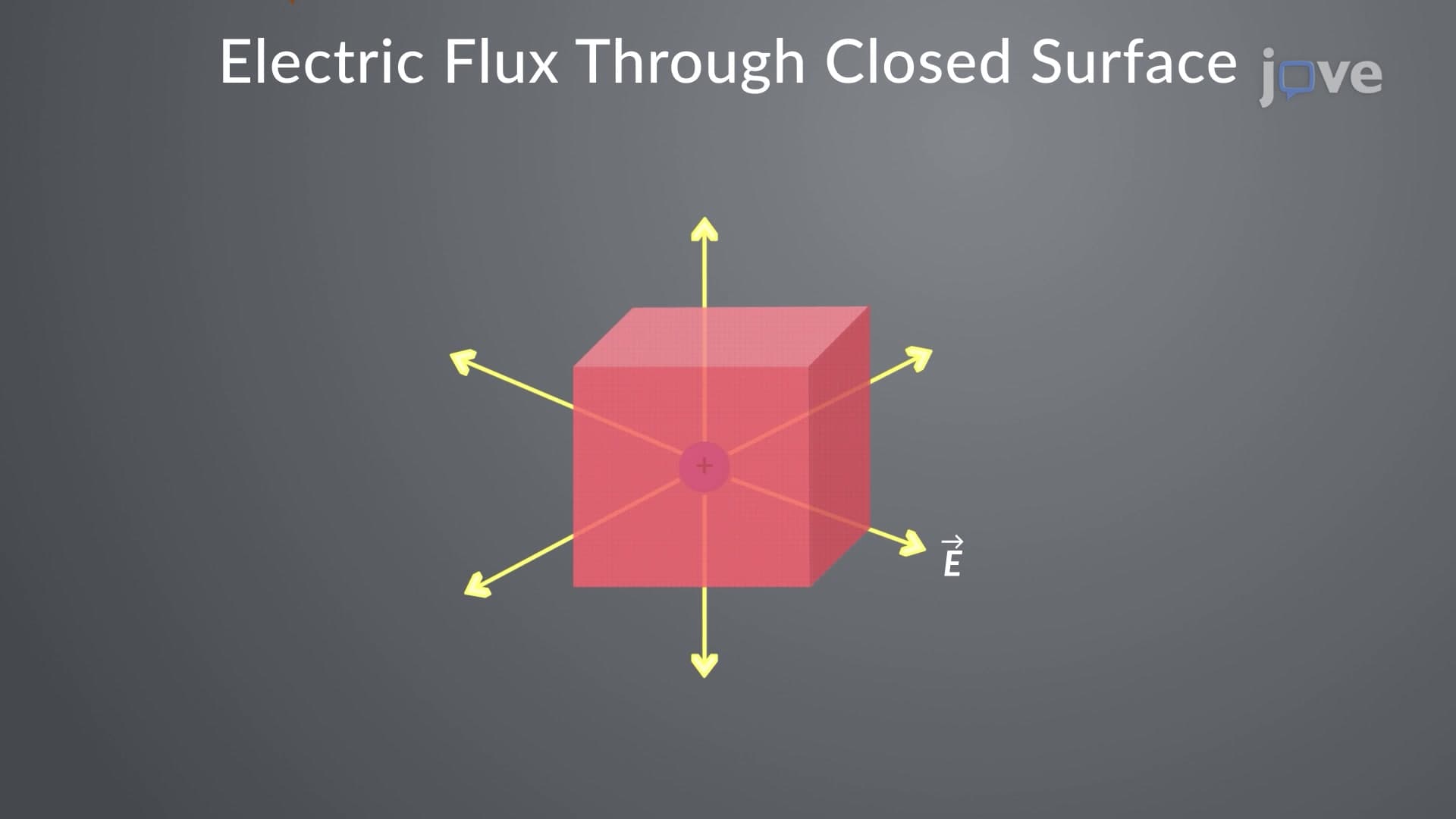
When exploring what is electric field lines in detail, the true power emerges with complex systems. For a simple positive point charge, field lines radiate outward uniformly, resembling spokes on a bicycle wheel. However, dipole configurations create fascinating patterns where lines emerge from positive charges and terminate on negative charges, creating curved paths that reveal the field's three-dimensional nature.
Consider a cardiac defibrillator used in US emergency rooms-the electrode pads create a dipole-like field pattern across the patient's chest. Understanding these field line patterns helps medical technicians optimize pad placement for maximum effectiveness.
This concept appears frequently on AP Physics exams, particularly in free-response questions requiring field line sketches. College physics courses at institutions like MIT and Stanford extensively use field line analysis for electromagnetic theory. Pre-med students encounter these concepts again in MCAT physics sections, where understanding field behavior around biological molecules becomes crucial.
Engineering students at schools like Georgia Tech apply these principles when designing capacitors for smartphones or analyzing antenna radiation patterns. The aerospace industry, including companies like SpaceX and Boeing, relies on field line analysis for spacecraft charging predictions in Earth's magnetosphere.
The electric field lines concept extends beyond static charges to time-varying fields in AC circuits, wireless communications, and medical imaging technologies like MRI machines used throughout US hospitals. Understanding field line behavior provides the foundation for more advanced topics in electromagnetic theory and quantum field theory.
Related Micro-courses