Loading subject page…

- Physics
- Electric Charges and Fields
- Coulomb's Law
Micro-course: Electric Charges and Fields
133,201 views
Learn key concepts and earn your certificate.


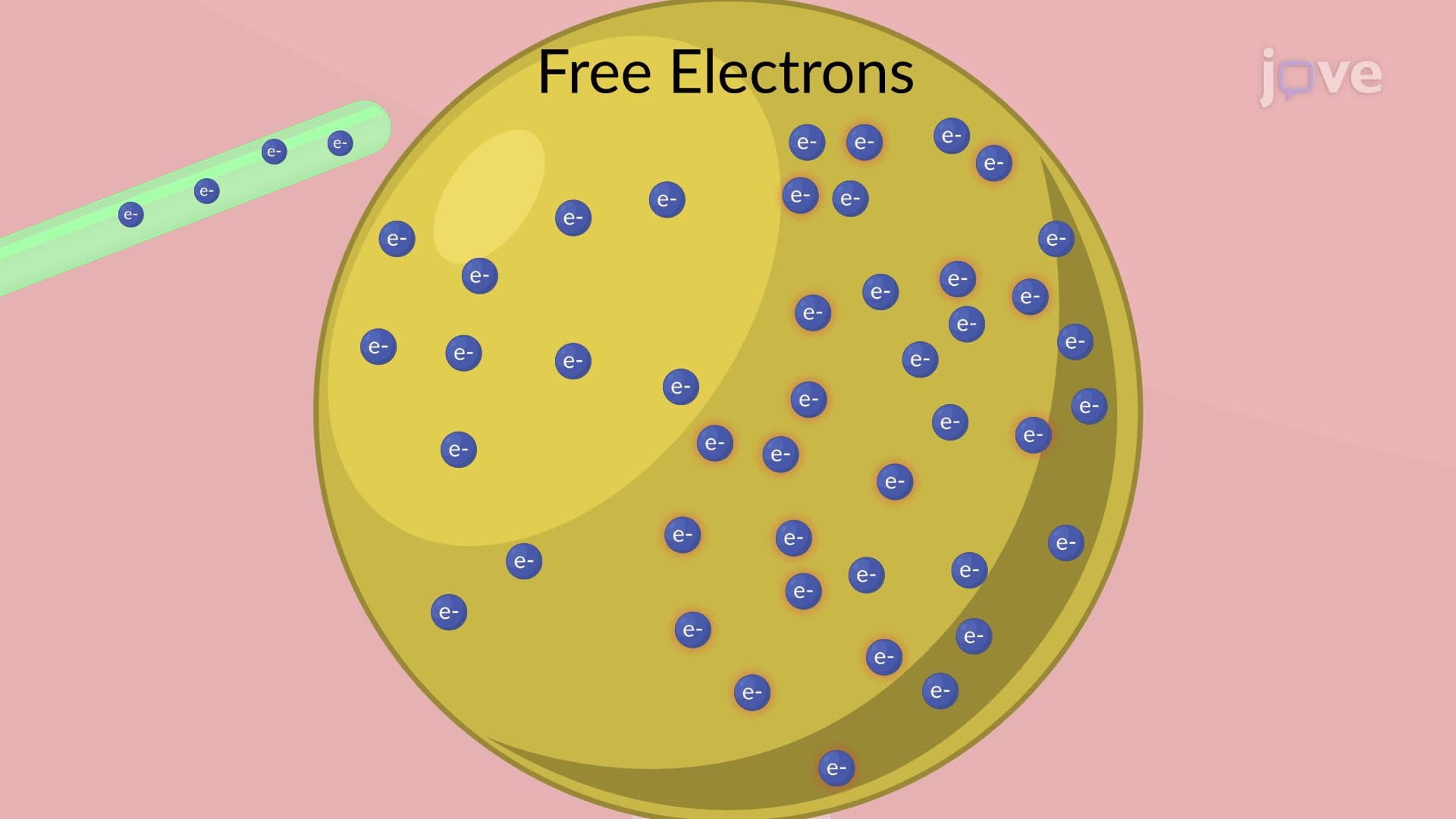
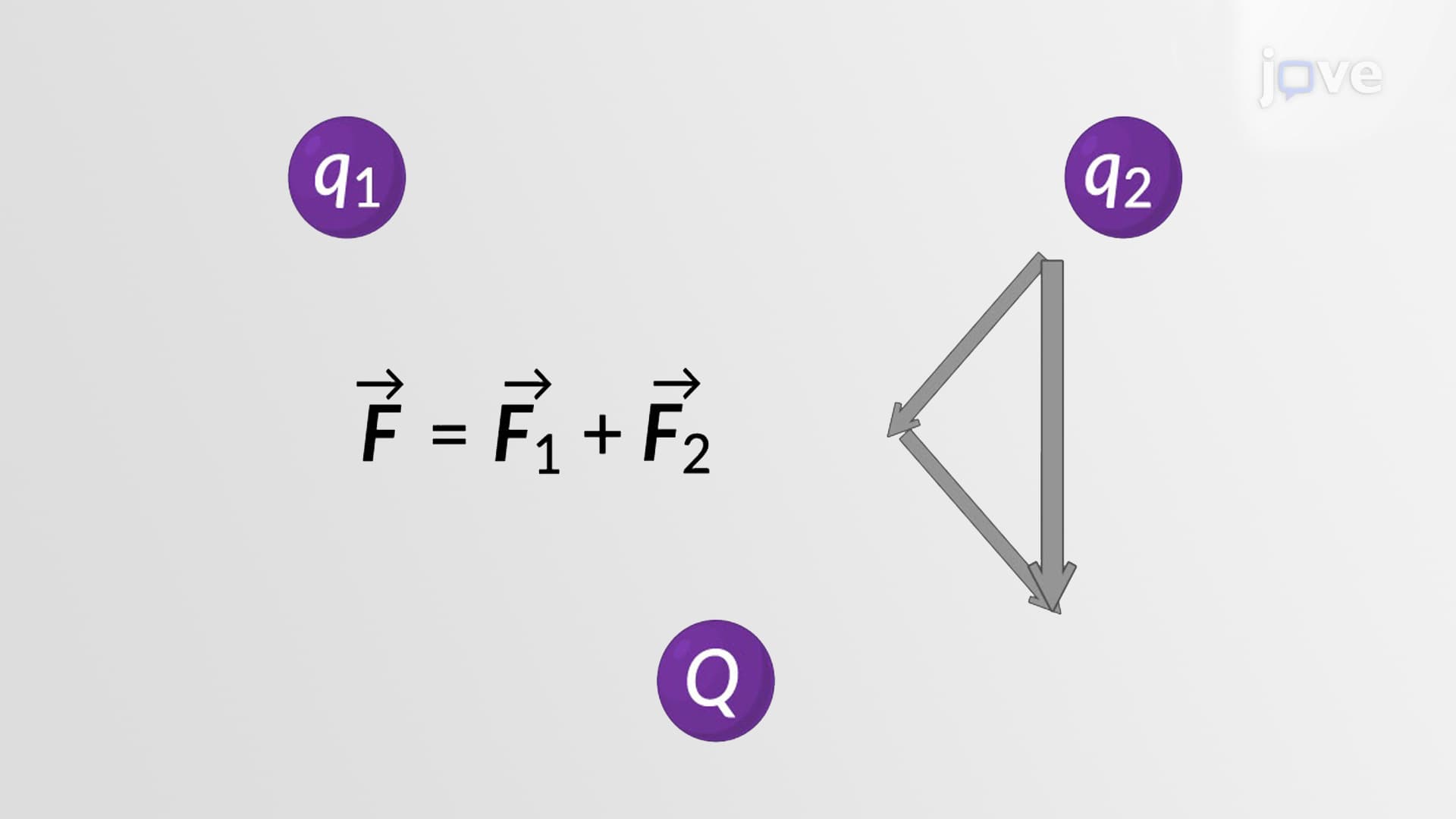


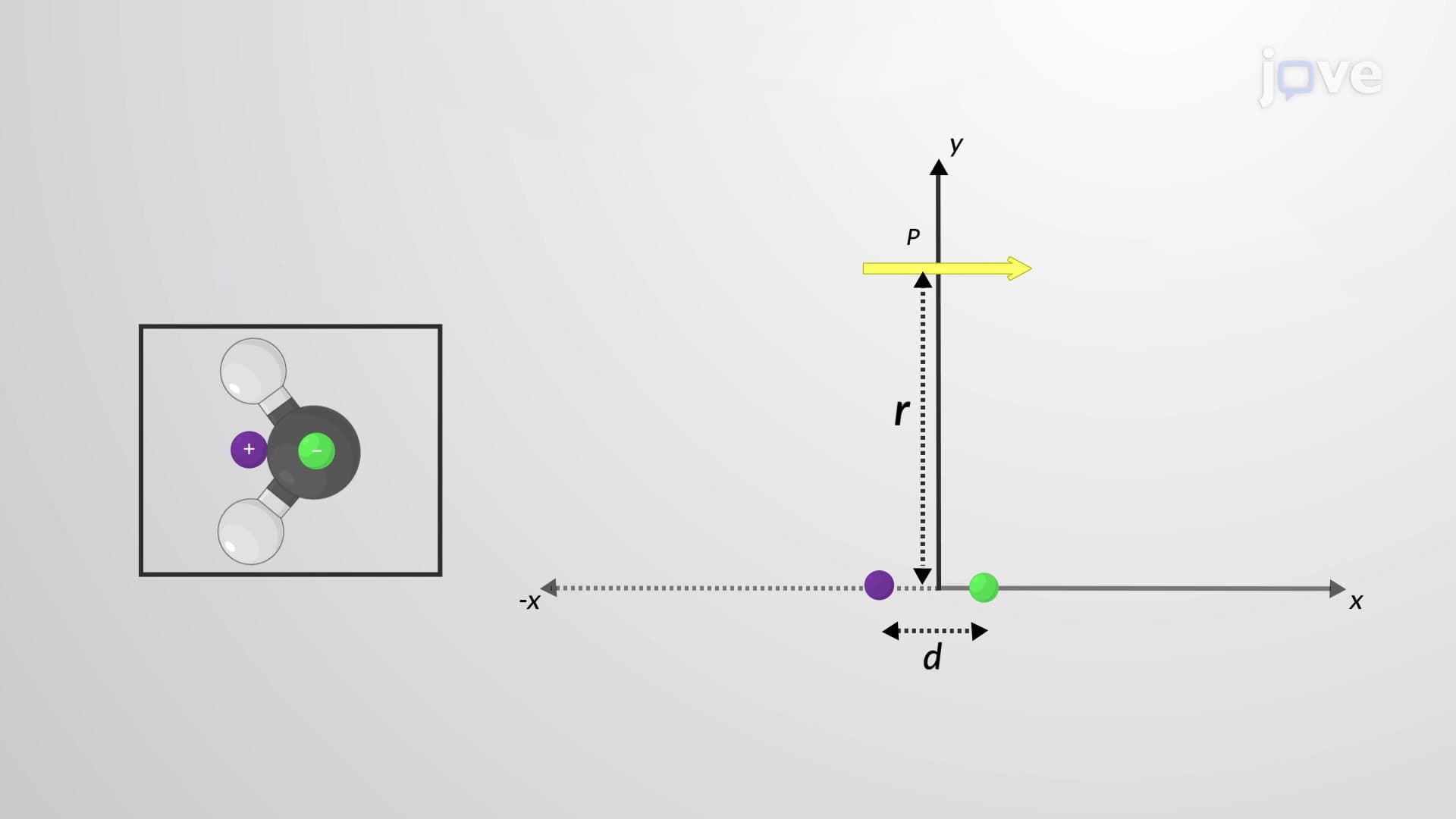
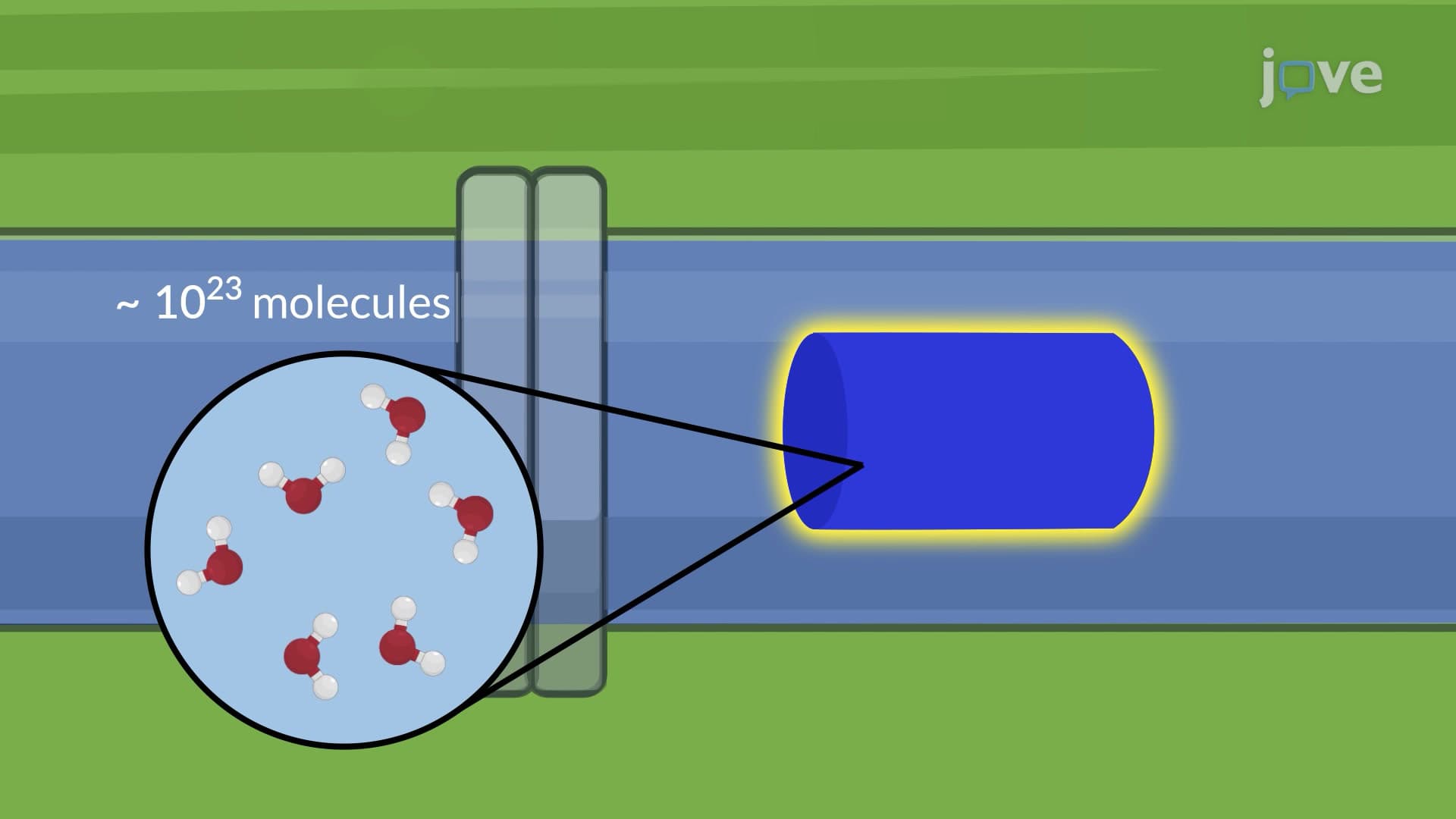


Coulomb's Law

00:00
01:30
Video Summary: What Is Coulombs Law
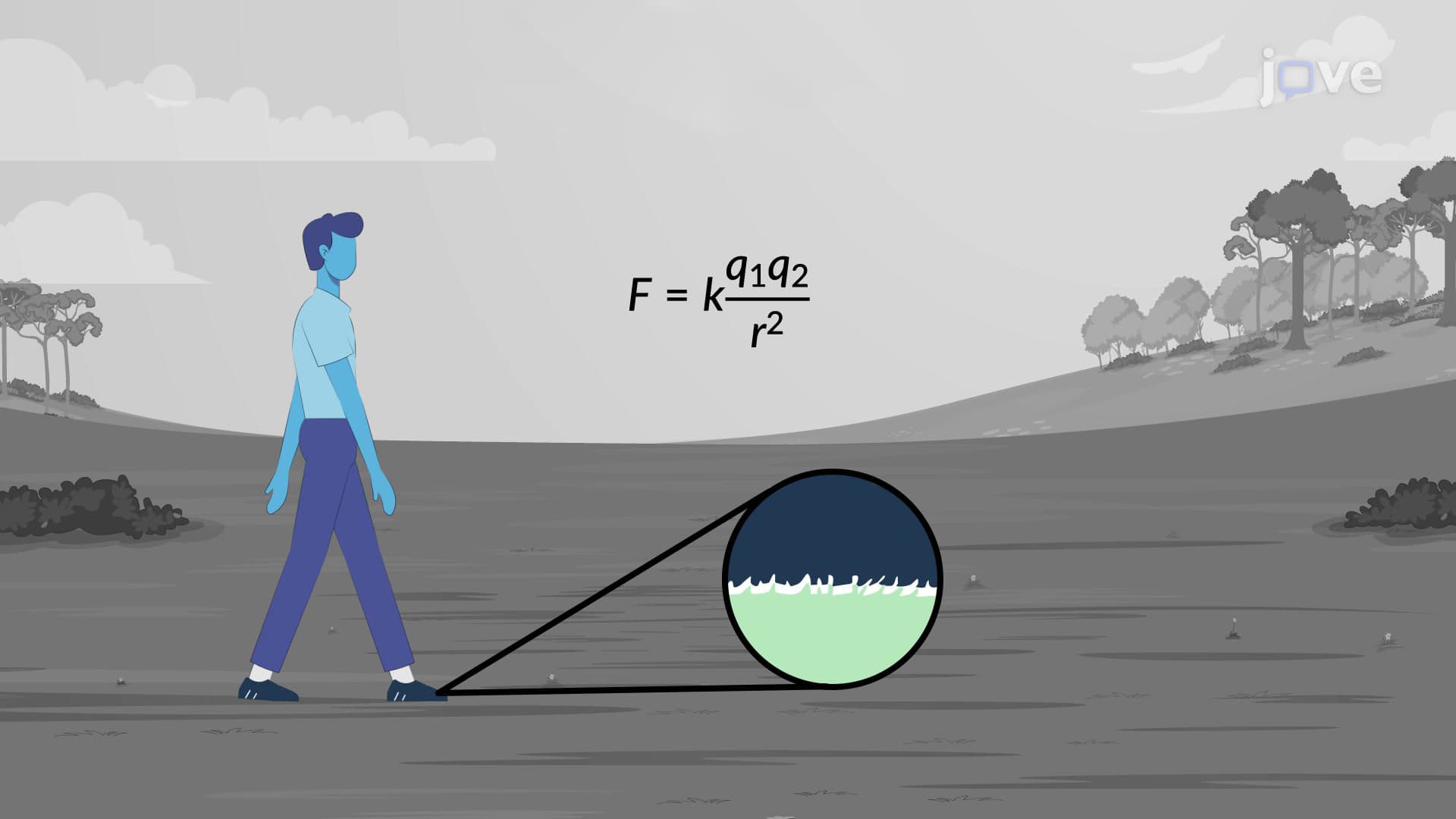
Ever wonder why your socks stick to your shirt after tumble-drying, or why lightning strikes during thunderstorms? Coulomb's law explains the fundamental force behind these everyday electrical phenomena. This physics principle quantifies how charged particles attract or repel each other-from the static electricity that makes your hair stand up when you rub a balloon against it, to the forces governing electrons in computer circuits across Silicon Valley. What is Coulomb's Law? It's the mathematical foundation that describes electrical interactions in our universe. Watch the full video on JoVE Coach to master this concept with expert-led visuals and step-by-step explanations.
- Understand what is Coulomb's Law and how it quantifies the force between electrically charged particles
- Identify the key variables in Coulomb's law equation: charge magnitude, distance, and the proportionality constant
- Analyze how the inverse square relationship affects force strength as distance between charges changes
- Compare attractive forces (opposite charges) versus repulsive forces (like charges) using Coulomb's law principles
- Apply Coulomb's law calculations to solve physics problems involving point charges and electrostatic forces
- Evaluate real-world scenarios where Coulomb forces play a crucial role, from atomic interactions to everyday static electricity
- Recognize the relationship between Coulomb's law and fundamental constants like the permittivity of free space
- Explore how Coulomb's law serves as the foundation for understanding electric fields and potential energy
Understanding What is Coulomb's Law: The Foundation of Electrostatics
Coulomb's law represents one of the most fundamental principles in physics, describing the force between electrically charged objects. Named after French physicist Charles-Augustin de Coulomb, this law provides the mathematical framework for understanding electrostatic interactions that govern everything from atomic structure to the technology powering American cities.
The Mathematical Expression and Key Components
The Coulomb's law definition can be expressed as: F = k(q1 × q2)/r², where F represents the electrostatic force, k is Coulomb's constant (8.988 × 10⁹ N⋅m²/C²), q1 and q2 are the magnitudes of the charges, and r is the distance between them. This elegant equation reveals that the force is directly proportional to the product of the charges and inversely proportional to the square of the distance separating them.
The constant k can also be written as 1/(4πε₀), where ε₀ (epsilon-naught) is the permittivity of free space, valued at 8.854 × 10⁻¹² F/m. This alternative form proves essential in advanced electromagnetic theory and appears frequently on AP Physics exams and college-level coursework.
Force Direction and the Nature of Electrical Interactions
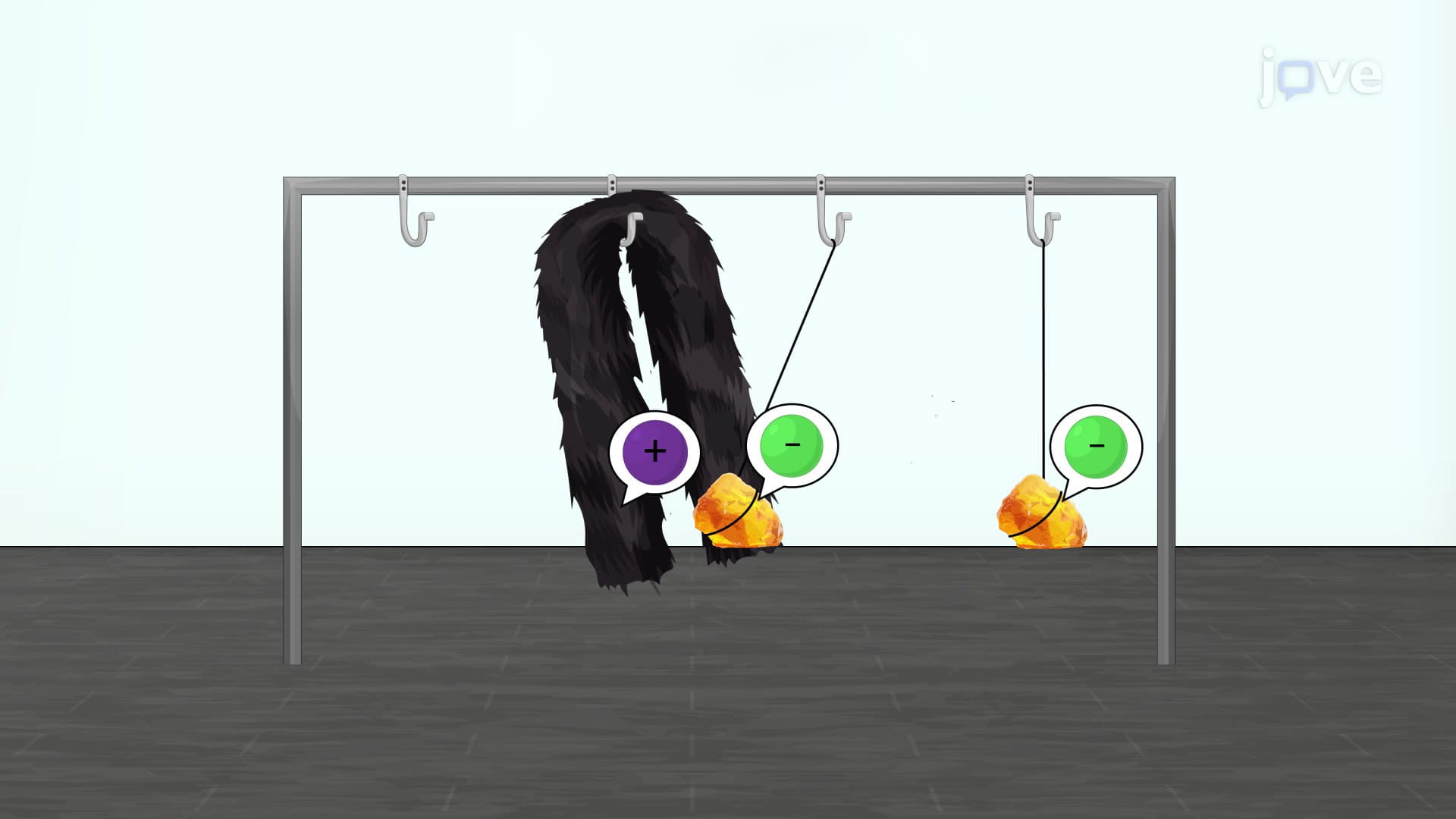
What is Coulomb's law in detail regarding force direction? The law dictates that like charges repel while opposite charges attract. When both charges carry the same sign (both positive or both negative), they experience repulsive forces pushing them apart. Conversely, charges with opposite signs experience attractive forces drawing them together. This principle explains why electrons orbit atomic nuclei and why static electricity causes certain materials to cling together or push apart.
Real-World Applications and Inverse Square Significance
The inverse square nature of Coulomb's law means that doubling the distance between charges reduces the force by a factor of four. This relationship explains why electrical forces dominate at atomic scales but become negligible over macroscopic distances. In American industries, engineers apply Coulomb's law principles when designing capacitors for electronic devices, calculating forces in particle accelerators at national laboratories like Fermilab, and understanding the behavior of charged particles in medical imaging equipment used in US hospitals.
Students preparing for standardized tests like the SAT Subject Test in Physics or AP Physics C will encounter Coulomb's law problems requiring both conceptual understanding and mathematical problem-solving skills, making mastery of this fundamental principle essential for academic success.
Frequently Asked Questions
Coulomb's Law is the fundamental principle describing the electrostatic force between charged particles, expressed mathematically as F = k(q1 × q2)/r². It's crucial because it explains electrical interactions from atomic bonding to everyday static electricity, forming the foundation for understanding electromagnetic phenomena that power modern technology and appear extensively on physics exams like AP Physics and college coursework.
AP Physics C and college physics courses frequently test Coulomb's Law through calculation problems involving force magnitude, direction, and multiple charge systems. Students typically encounter questions requiring them to apply the inverse square relationship, determine net forces on charges in complex arrangements, and connect Coulomb's Law to electric field concepts-skills essential for success on the MCAT physics section.
Common quiz questions include calculating forces between point charges, determining equilibrium positions in multi-charge systems, and analyzing how force changes with distance or charge magnitude. College midterm exams often feature more complex scenarios involving charge distributions and require students to combine Coulomb's Law with other electromagnetic principles learned throughout the semester.
Coulomb's Law governs the operation of capacitors in smartphones and laptops, explains how photocopiers and laser printers work through electrostatic charging, and describes the principles behind air purification systems used in American homes and offices. The law also explains lightning formation during thunderstorms and the static electricity experienced when walking across carpeted floors in dry climates common across the western United States.
Basic algebra and understanding of proportional relationships suffice for introductory applications of Coulomb's Law. High school students comfortable with square roots, scientific notation, and simple geometric relationships can successfully solve most Coulomb's Law problems. The mathematical complexity increases in advanced courses, but the fundamental concept remains accessible to students with solid algebra skills.
Focus on understanding the physical meaning rather than rote memorization-remember that stronger charges create stronger forces, while greater distances create weaker forces following the inverse square pattern. Practice identifying whether forces are attractive or repulsive, and work through sample problems daily to build computational confidence for timed exams like AP Physics or college finals.
Once comfortable with Coulomb's Law, progress to electric fields, electric potential, and Gauss's law, which build directly on electrostatic force concepts. These topics form the foundation for understanding capacitance, electric circuits, and electromagnetic waves-essential knowledge for advanced physics courses and engineering programs at American universities.
Related Micro-courses