Loading subject page…

- Physics
- Electric Charges and Fields
- Sources and Properties of Electric Charge
Micro-course: Electric Charges and Fields
133,201 views
Learn key concepts and earn your certificate.






Sources and Properties of Electric Charge

00:00
01:15
Video Summary: Sources and Properties of Electric Charge Explained
Ever wonder why your hair stands up after sliding down a plastic playground slide? The sources and properties of electric charge govern this everyday phenomenon, from the electrons moving through your smartphone to the lightning strikes that illuminate summer storms across Texas. This fundamental physics concept explains how atoms maintain electrical neutrality through balanced protons and electrons, why charge is always conserved in nature, and how the quantized nature of charge affects everything around us. Watch the full video on JoVE Coach to master this concept with expert-led visuals and step-by-step explanations.
- Understand the fundamental sources and properties of electric charge and how subatomic particles create electrical phenomena in matter
- Identify the three key subatomic particles (protons, neutrons, electrons) and their respective charges within atomic structure
- Analyze why the elementary charge of 1.602 × 10⁻¹⁹ coulombs represents the fundamental unit for all electrical measurements
- Recognize how charge quantization means all electrical charges in nature exist as integer multiples of the elementary charge
- Apply the principle of electrical neutrality to explain why most everyday objects don't exhibit net electrical charge
- Evaluate the law of charge conservation and understand why total charge in any isolated system remains constant
- Explore local charge conservation and how charge flow into or out of regions affects electrical balance
- Compare the roles of nuclear forces in binding protons and neutrons versus electromagnetic forces governing electron behavior
Understanding Sources and Properties of Electric Charge Through Atomic Structure
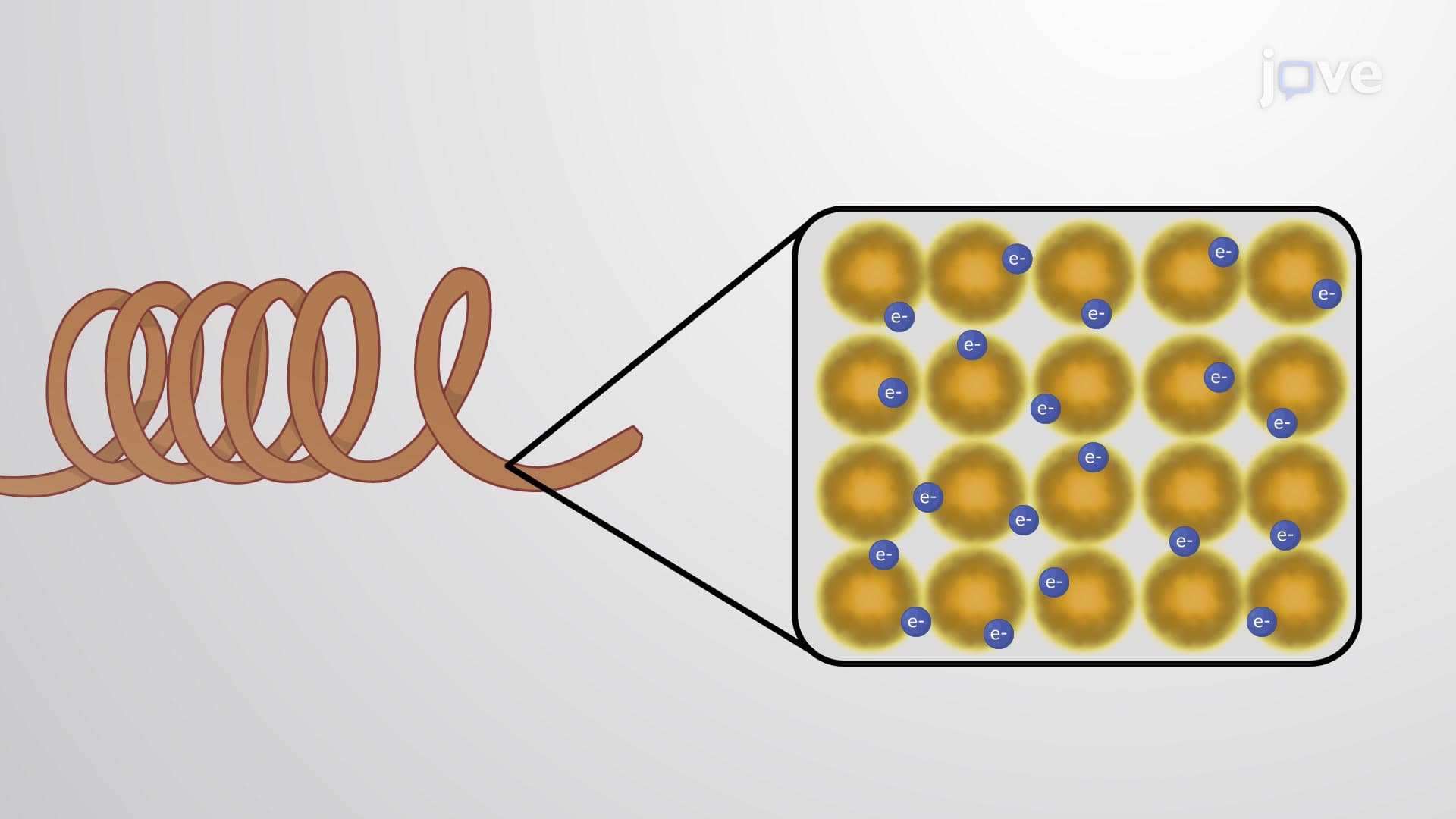
The sources and properties of electric charge originate from the fundamental building blocks of all matter-atoms and their constituent particles. Every atom contains three essential subatomic particles that determine its electrical characteristics: positively charged protons, negatively charged electrons, and electrically neutral neutrons. The atomic nucleus, held together by strong nuclear forces, houses protons and neutrons, while electrons orbit in surrounding energy levels.
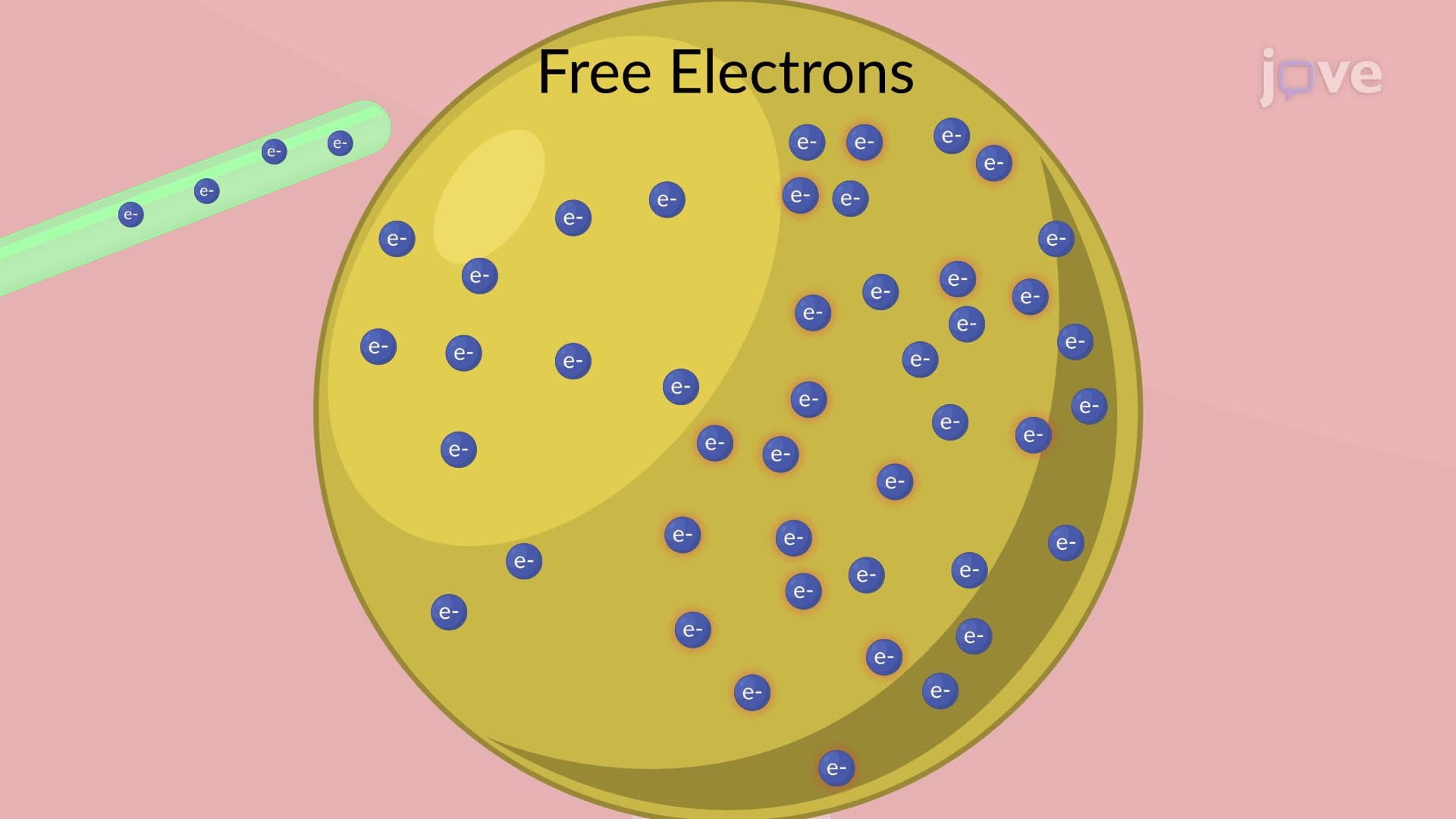
This atomic arrangement explains why most objects in our daily lives-from pencils to smartphones-appear electrically neutral despite containing billions of charged particles. When an atom has equal numbers of protons and electrons, their opposite charges cancel out, resulting in zero net charge. This balance is crucial for understanding electrical phenomena in AP Physics courses and college-level electromagnetism.
Quantization and the Elementary Charge Unit
One of the most remarkable properties of electric charge is its quantized nature. The elementary charge, measured at 1.602 × 10⁻¹⁹ coulombs, represents the smallest possible unit of charge found in nature. This value, equal to the magnitude of charge carried by a single proton or electron, serves as the fundamental building block for all electrical measurements.
Students preparing for the MCAT or SAT Subject Test in Physics must understand that all charges in the universe exist as integer multiples of this elementary charge. Whether examining the charge on a single ion in a chemistry lab at MIT or calculating the total charge on a Van de Graaff generator at a science museum in California, every measurement will be a whole-number multiple of 1.602 × 10⁻¹⁹ coulombs.
Conservation Laws in Electrical Systems
The principle of charge conservation stands as one of physics' most fundamental laws, stating that the total electrical charge in any isolated system remains constant over time. This conservation law has profound implications for understanding electrical circuits, chemical reactions, and nuclear processes studied in advanced high school and undergraduate courses.
Local charge conservation provides additional insight into how electrical systems function. While the total charge in the universe remains fixed, the charge distribution in any specific region can change through the movement of charged particles. This concept explains everything from the operation of capacitors in electronic devices to the formation of lightning during thunderstorms across the American Midwest, making it essential knowledge for students pursuing engineering or physics careers.
Frequently Asked Questions
Electric charge originates from subatomic particles-protons carry positive charge, electrons carry negative charge, and neutrons are neutral. The key properties include quantization (all charges are multiples of the elementary charge), conservation (total charge never changes), and the ability to create electrical forces between charged objects.
AP Physics 1 and 2 exams frequently test charge quantization calculations, conservation principles in electrical circuits, and atomic structure questions. Students must solve problems involving elementary charge multiples and explain why objects become charged through electron transfer. Practice with Coulomb's law applications and electrostatic scenarios is essential.
Absolutely-MCAT physics heavily emphasizes electrostatics, electrical circuits, and charge interactions in biological systems. Strong foundations in charge quantization and conservation laws directly support questions about membrane potentials, electrochemistry, and medical device physics that appear regularly on the exam.
Electric charge principles drive countless US industries-from semiconductor manufacturing in Silicon Valley to power grid management by companies like ConEd in New York. Understanding charge flow enables careers in electrical engineering, renewable energy development, and electronic device design at major corporations like Tesla, Apple, and General Electric.
Not at all-electric charge concepts build naturally from basic atomic structure taught in chemistry class. Students who understand that atoms contain protons and electrons can easily grasp why charges are quantized and conserved. Starting with familiar examples like static electricity makes these physics principles highly accessible.
Focus on understanding the elementary charge value (1.602 × 10⁻¹⁹ C) and practice calculating charge multiples. Create concept maps connecting atomic structure to electrical neutrality, and work through conservation problems step-by-step. Visual learners benefit from drawing charge distributions in different scenarios.
Build on charge foundations by exploring Coulomb's law for calculating forces between charged objects, then progress to electric fields and potential energy. These concepts lead naturally to capacitors, electrical circuits, and electromagnetic induction-core topics for advanced physics courses and engineering programs.
Related Micro-courses