Loading subject page…

- Physics
- Electric Charges and Fields
- Charging Conductors By Induction
Micro-course: Electric Charges and Fields
133,201 views
Learn key concepts and earn your certificate.
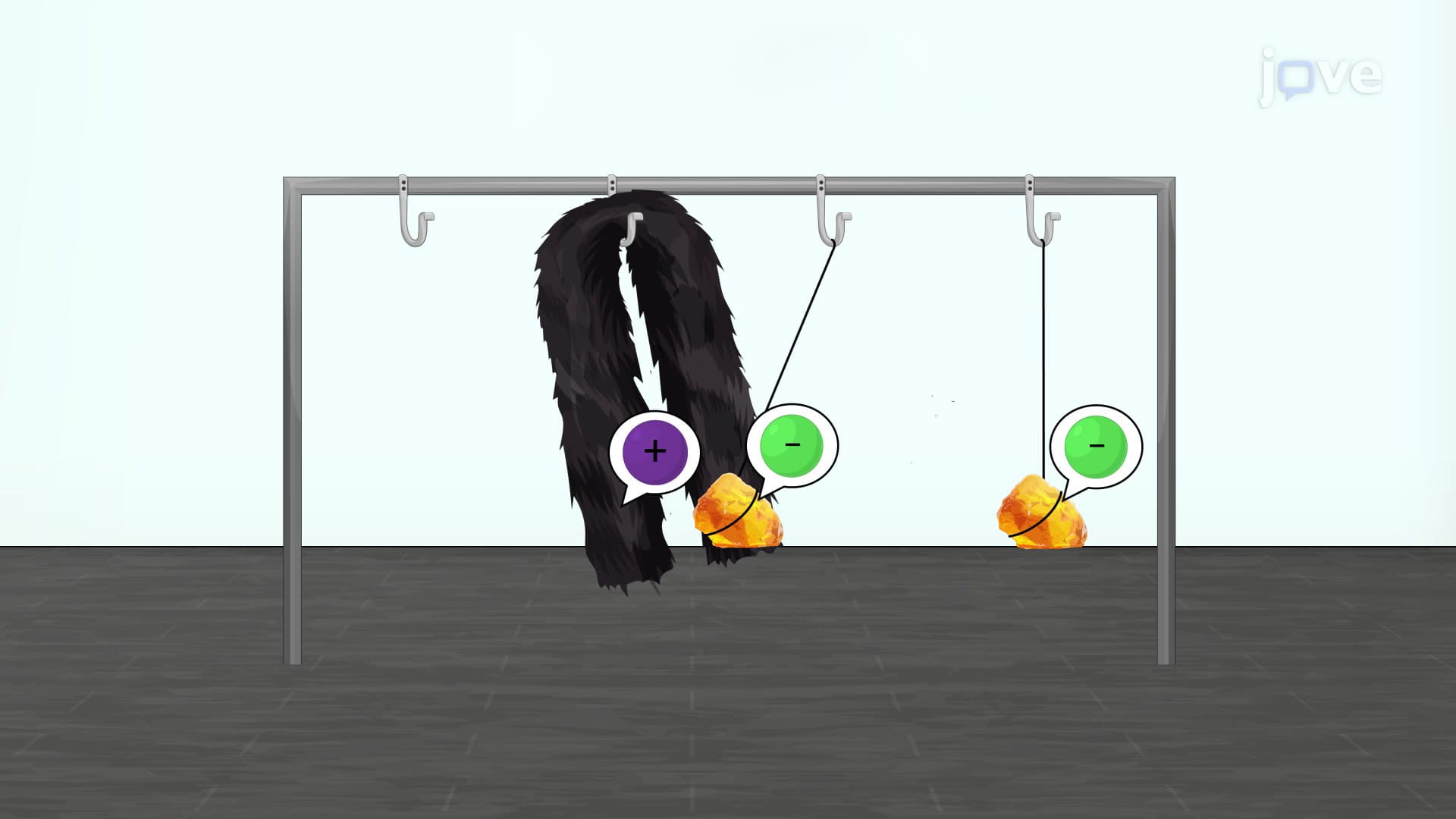

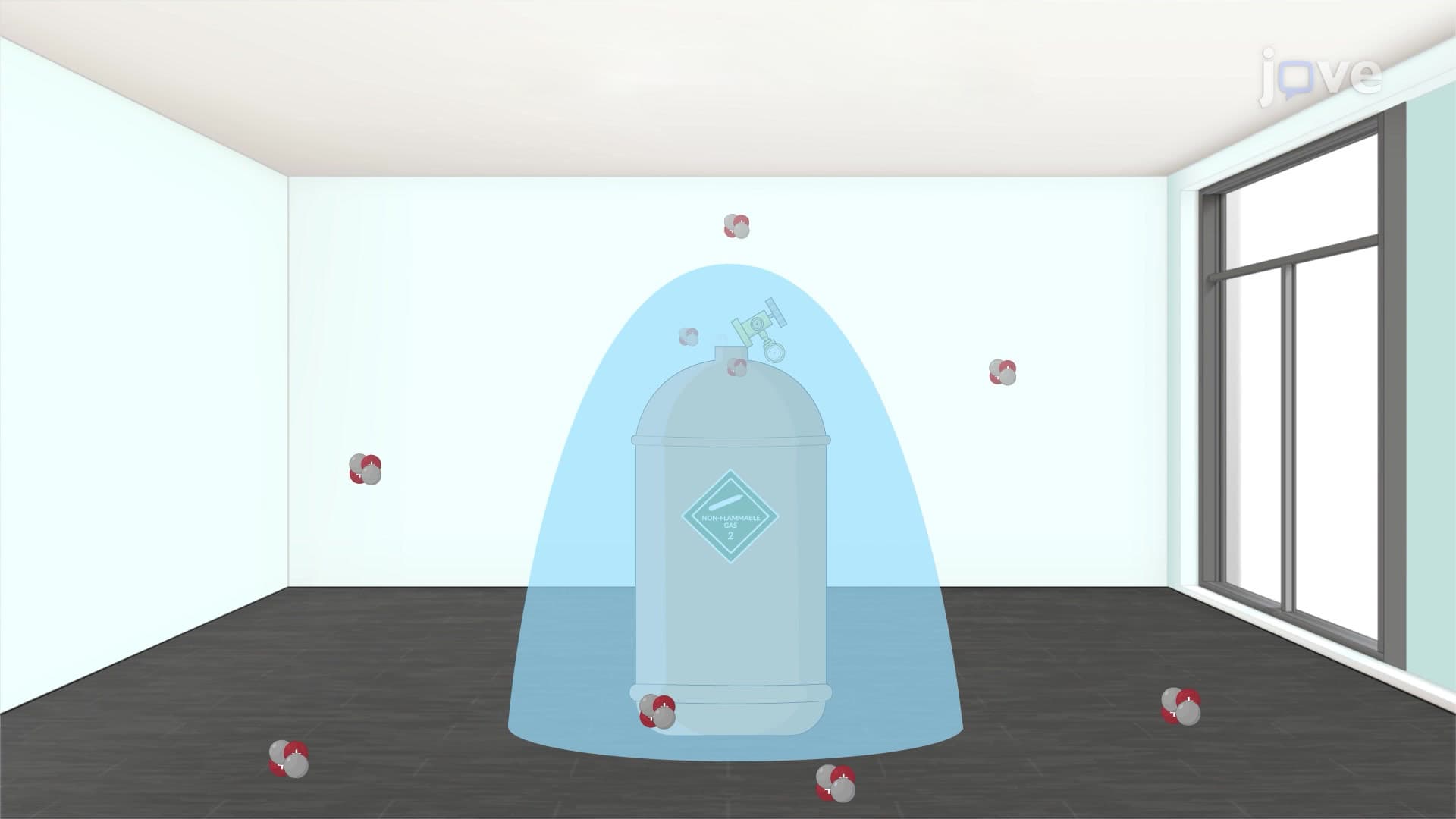


Charging Conductors By Induction

00:00
01:15
Video Summary: What Is Charging Conductors by Induction
Ever wonder how a Van de Graaff generator at a science museum creates static electricity without direct contact? Charging conductors by induction allows objects to gain electric charge through electromagnetic influence rather than physical touch. This fundamental process enables technologies from lightning rods protecting buildings across the United States to industrial electrostatic precipitators cleaning factory emissions. What is charging conductors by induction demonstrates how free electrons redistribute within materials when exposed to external electric fields, creating permanent charge separation. Watch the full video on JoVE Coach to master this concept with expert-led visuals and step-by-step explanations.
- Understand what is charging conductors by induction and how it differs from charging by conduction or friction
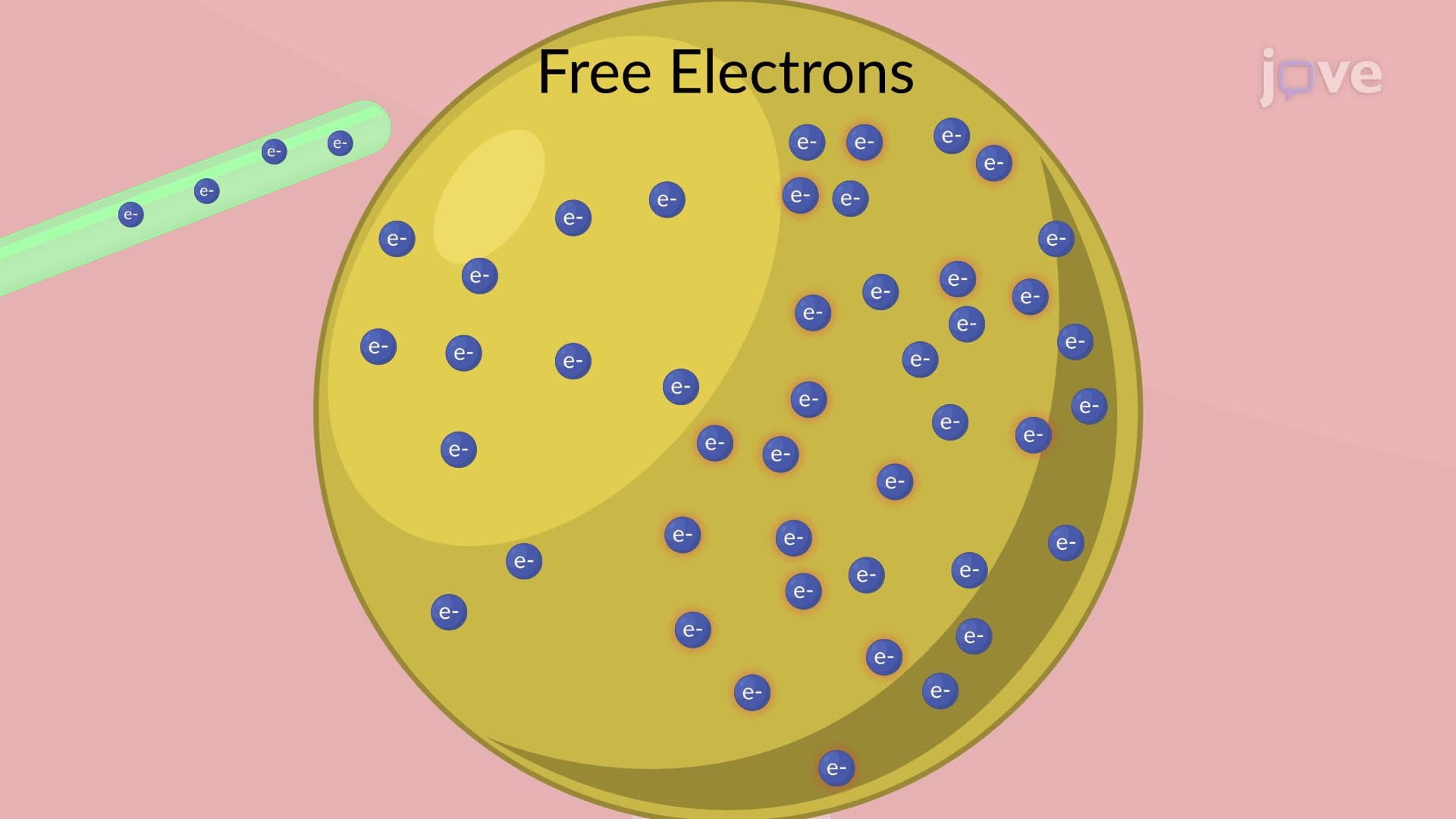
- Identify the role of free electrons in conductors and how they respond to external electric fields
- Analyze the formation of electric dipoles when charged objects approach neutral conductors
- Apply the concept of grounding to explain permanent charge transfer during induction
- Recognize why the inducing charge remains unchanged throughout the induction process
- Compare charge distribution patterns in conductors versus insulators during induction
- Evaluate real-world applications of electromagnetic induction in everyday devices and safety equipment
- Explore the connection between induction charging and fundamental electrostatic principles
Understanding What is Charging Conductors By Induction
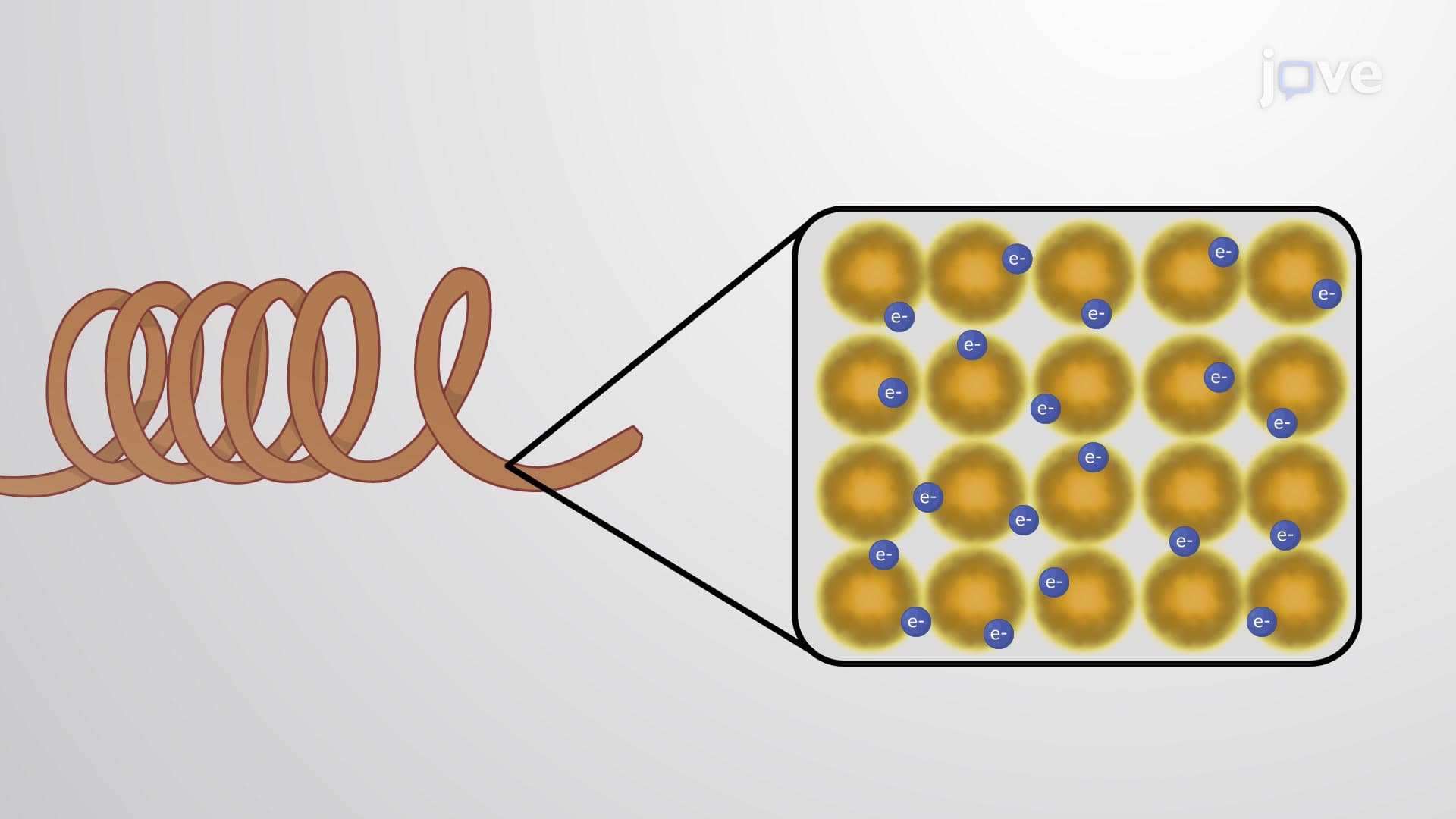
Charging conductors by induction represents one of three fundamental methods for transferring electric charge, alongside conduction and friction. Unlike these contact-based methods, induction creates charge separation through electromagnetic influence alone. This process exploits the unique property of conductors: their abundance of free electrons that can move readily throughout the material's structure.
The Physics Behind Induction Charging
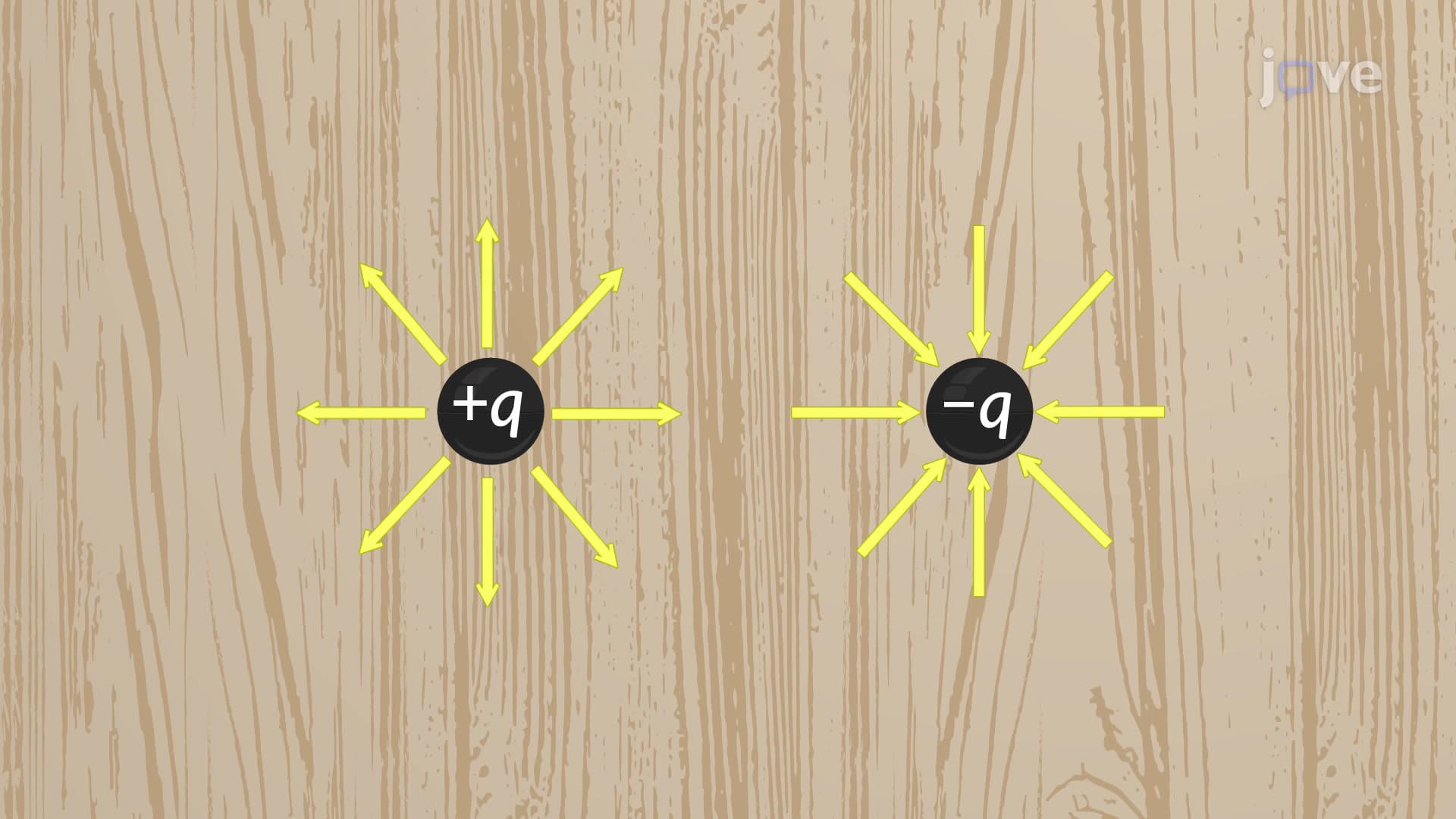
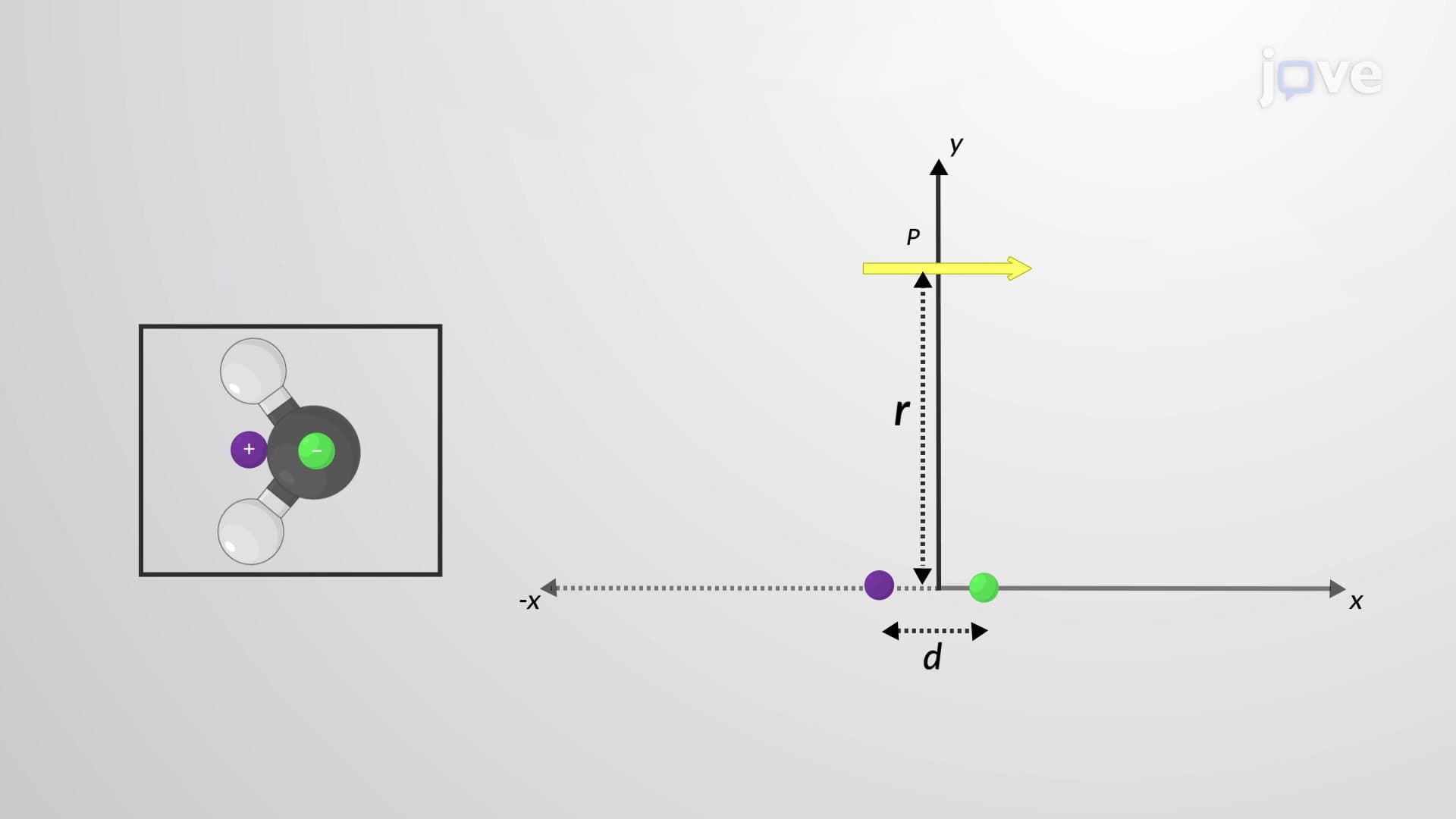
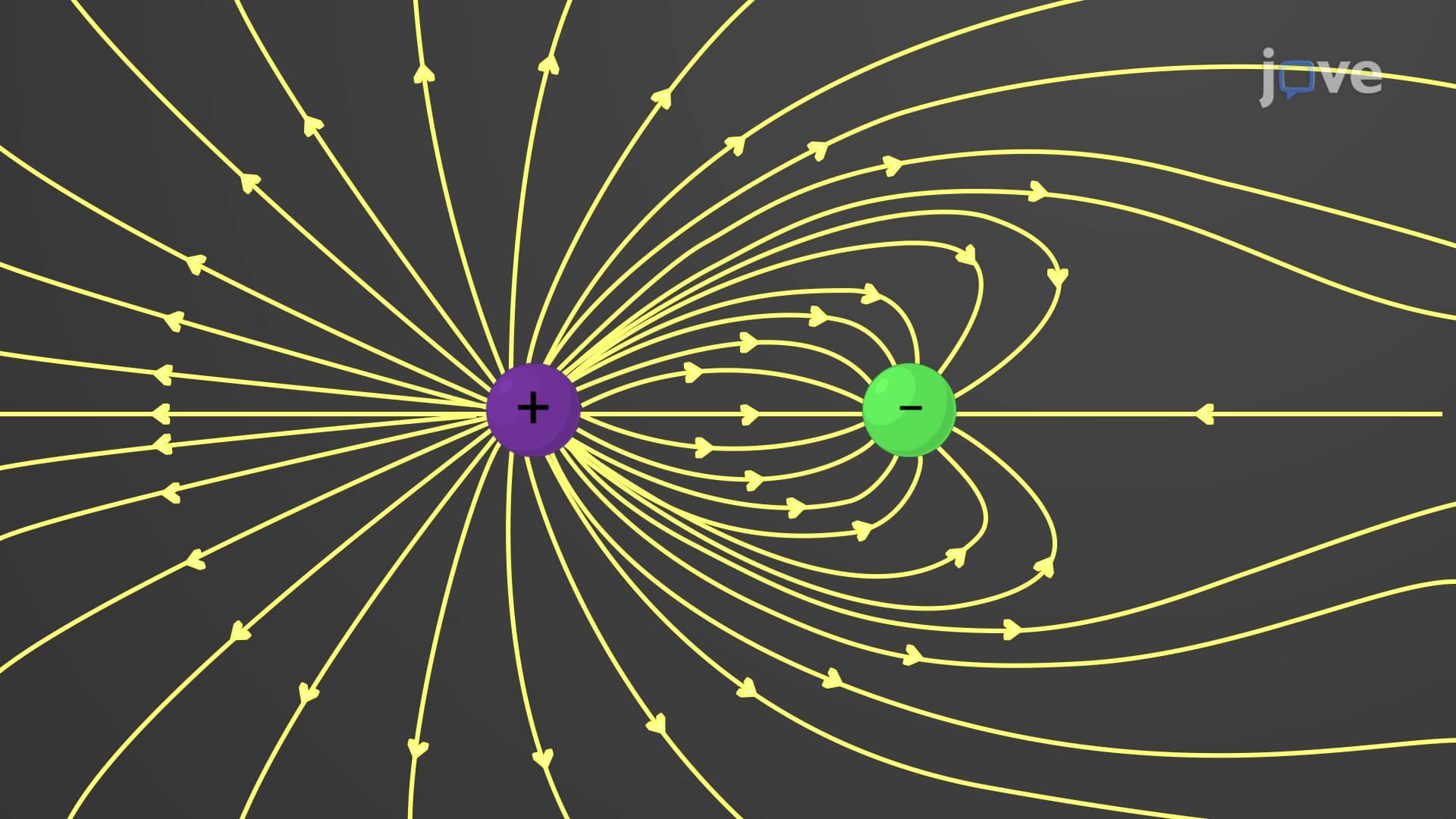
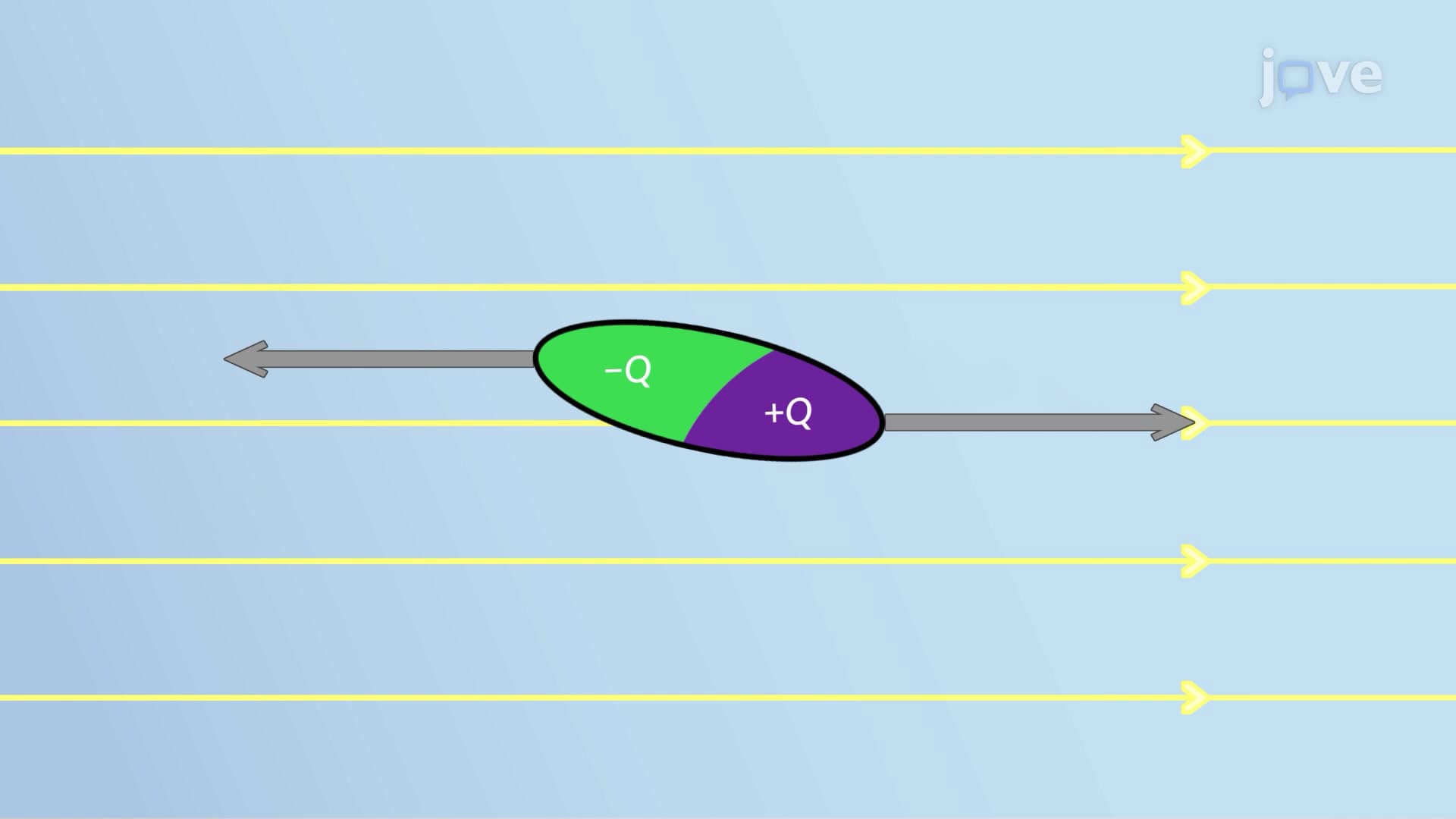
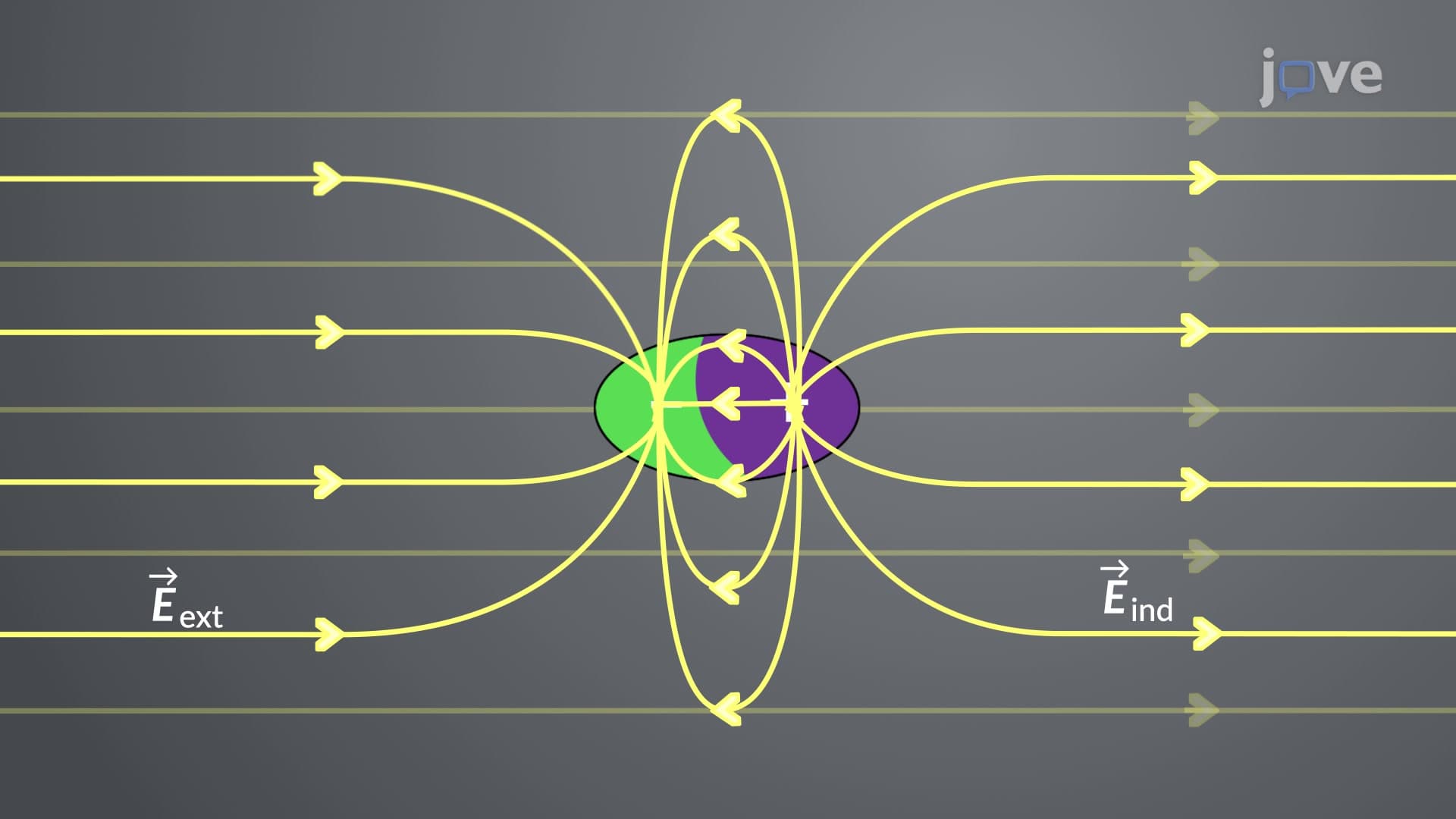
When a charged object approaches a neutral conductor, it creates an external electric field that exerts forces on the conductor's free electrons. These electrons redistribute to minimize their potential energy, with like charges repelling and unlike charges attracting. The result is charge polarization-one end of the conductor accumulates excess electrons (negative charge) while the opposite end experiences electron depletion (positive charge).
This charge separation creates an electric dipole within the conductor. Importantly, the total charge remains zero until an external connection provides a pathway for charge transfer. The charging conductors by induction concept explains why lightning rods effectively protect buildings: they create preferential discharge paths by concentrating electric field lines at their pointed tips.
Grounding and Permanent Charge Transfer
The key to permanent charging lies in grounding-temporarily connecting the conductor to Earth through a conducting pathway. Earth acts as an infinite reservoir of charge, allowing excess electrons to flow away from negatively charged regions or supplying electrons to positively charged areas. When the ground connection is removed while the inducing charge remains nearby, the conductor retains its induced charge permanently.
This principle underlies electrostatic precipitators used in power plants across the United States to remove particulates from exhaust gases, reducing air pollution. The charging conductors by induction definition encompasses these industrial applications where controlled charge transfer enables environmental protection.
Applications in Academic and Professional Settings
Students encounter induction charging in AP Physics courses, particularly when studying Coulomb's law and electric fields. The MCAT frequently tests understanding of electrostatic induction in biological contexts, such as protein folding influenced by charged amino acids. Engineering students at universities like MIT and Stanford study induction principles when designing capacitors, sensors, and electromagnetic devices.
Frequently Asked Questions
Charging conductors by induction is a method of giving electric charge to a conductor without direct contact, using only the electric field from a nearby charged object. The process involves redistributing free electrons within the conductor, then using a ground connection to create permanent charge separation. This technique is fundamental to many electrical devices and safety systems.
AP Physics frequently tests induction through free-response questions involving electrostatic scenarios and multiple-choice problems about charge distribution. Students must explain electron movement, calculate electric fields, and analyze grounding effects. Practice problems often feature conducting spheres, rods, and electroscopes to test conceptual understanding.
The MCAT emphasizes that induction requires no physical contact and preserves the inducing charge, while conduction involves direct contact and charge sharing between objects. Biological applications include cell membrane polarization and protein interactions. Understanding both processes helps explain cellular electrical phenomena and medical device operation.
Lightning rods exploit induction by concentrating electric fields at their pointed tips, creating preferential discharge paths for atmospheric electricity. During thunderstorms, the rod becomes oppositely charged to nearby storm clouds through induction, safely directing lightning strikes to ground rather than through buildings.
Basic algebra and understanding of positive/negative charges suffice for introductory concepts. While advanced applications involve calculus-based electric field calculations, the fundamental principles rely on logical reasoning about electron behavior. High school students can master the core concepts without complex mathematics.
Focus on drawing charge distribution diagrams, practicing grounding scenarios, and understanding the role of free electrons in conductors. Create step-by-step process maps for different induction situations. Work through problems involving electroscopes, conducting spheres, and real-world applications to build intuitive understanding.
Electromagnetic induction (Faraday's law), capacitor design, electrostatic shielding, and electromagnetic field theory all extend these foundational concepts. Students planning careers in electrical engineering or physics should master induction principles before advancing to Maxwell's equations and electromagnetic wave propagation.
Related Micro-courses