Loading subject page…

- Physics
- Electric Charges and Fields
- Properties of Electric Field Lines
Micro-course: Electric Charges and Fields
133,201 views
Learn key concepts and earn your certificate.




Properties of Electric Field Lines


00:00
01:25
Video Summary: Properties of Electric Field Lines Explained
Ever wondered how engineers design the lightning rods protecting skyscrapers in cities like New York? The properties of electric field lines reveal the invisible pathways that electric forces follow, making such life-saving designs possible. These fundamental properties govern everything from the Tesla coils in science museums to the electronic circuits powering your smartphone. Understanding Properties of Electric Field Lines Explained helps students visualize how electric charges interact across space through predictable patterns and behaviors. Watch the full video on JoVE Coach to master this concept with expert-led visuals and step-by-step explanations.
- Understand the fundamental Properties of Electric Field Lines Explained and how they represent electric force directions in space
- Identify the origin and termination patterns for field lines around positive and negative charges
- Analyze why electric field lines can never intersect and the physical implications of this rule
- Compare field line patterns between single charges, charge pairs, and electric dipoles
- Evaluate the relationship between charge magnitude and the density of electric field lines
- Apply field line concepts to predict electric force directions on test charges in various configurations
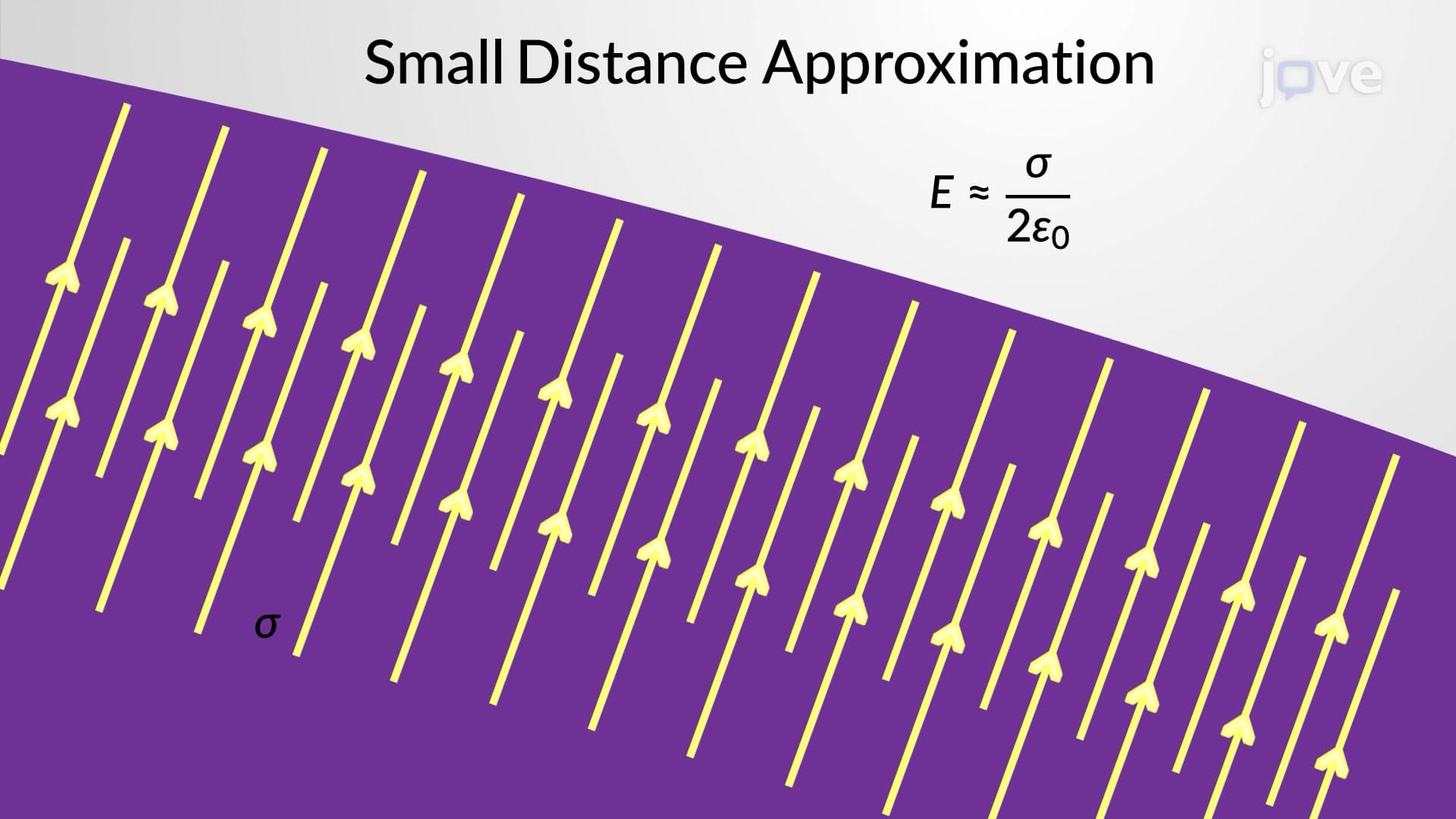
- Recognize how uniform electric fields appear as parallel, evenly-spaced field lines
- Explore real-world applications of field line principles in electrical engineering and technology design
Understanding Properties of Electric Field Lines Fundamentals
Electric field lines serve as a powerful visualization tool that transforms abstract electric forces into comprehensible patterns. These imaginary lines represent the path a positive test charge would follow if placed in an electric field, making invisible forces visible to students and engineers alike.
Origin and Termination Rules
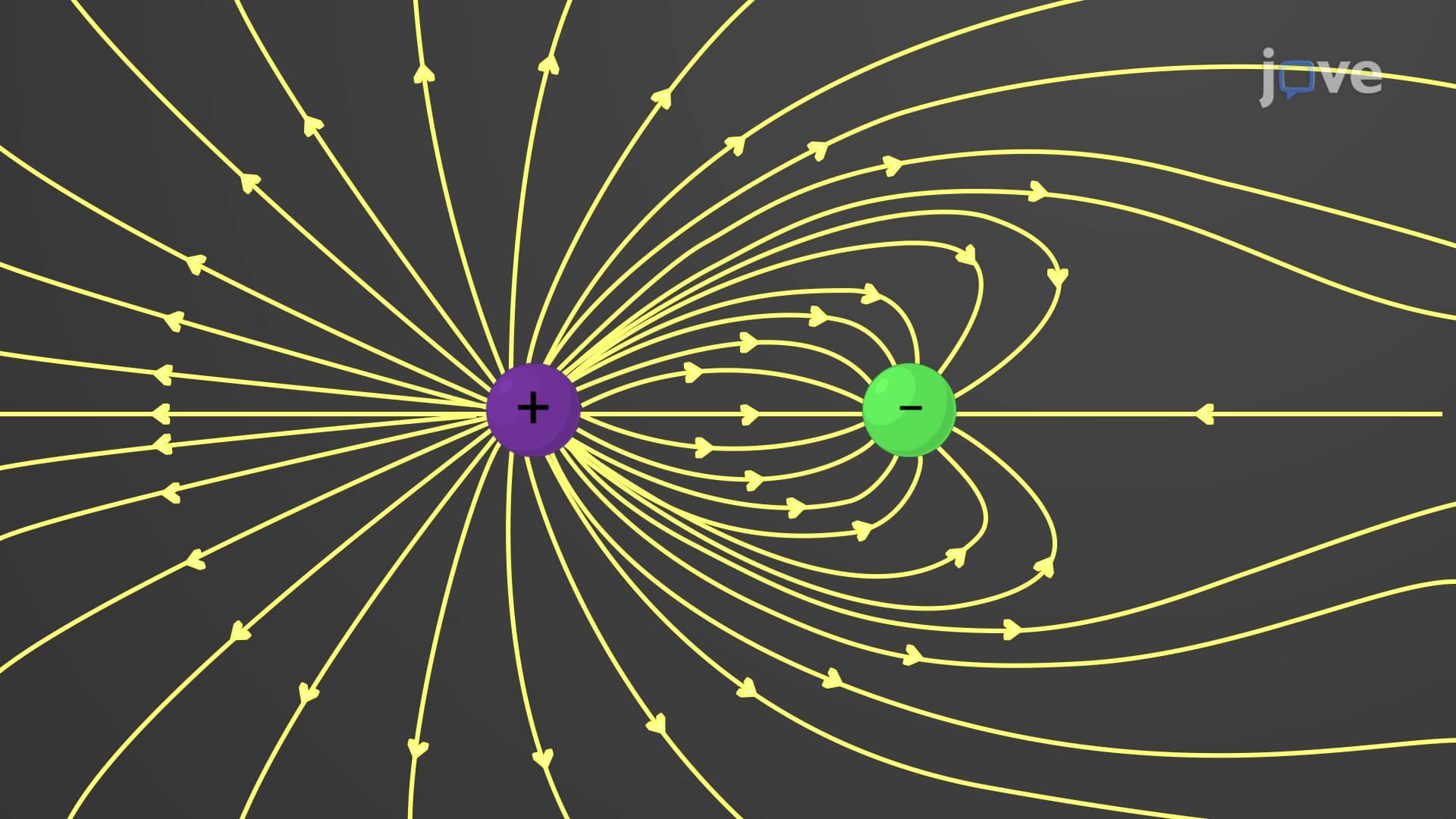
The directional properties of electric field lines follow strict rules that reflect the nature of electric charges. Positive charges act as sources, with field lines radiating outward toward infinity, much like water flowing from a spring. Conversely, negative charges function as sinks, with field lines converging inward from all directions. This fundamental property explains why lightning rods work-they provide a preferred pathway for electric field lines to terminate safely on grounded conductors rather than passing through buildings.
In practical applications, engineers at companies like Tesla use these principles when designing high-voltage equipment. The field lines around their charging stations must be carefully managed to prevent dangerous electrical arcs that could harm users or damage equipment.
Field Line Density and Charge Magnitude
The number of field lines emanating from or terminating on a charge directly correlates with the charge's magnitude. A charge twice as large produces twice as many field lines, creating denser patterns that indicate stronger electric fields. This relationship proves invaluable when students encounter AP Physics problems involving multiple charges, as the visual density immediately reveals which regions experience the strongest forces.
Intersection Impossibility and Physical Implications
Perhaps the most crucial property states that electric field lines never cross. If they did, it would indicate multiple force directions at a single point-a physical impossibility. This rule helps students understand that electric fields have unique, well-defined directions everywhere in space. When analyzing complex charge configurations on college physics exams, students can use this principle to identify errors in their field line sketches.
Practical Applications in Charge Configurations
Real-world charge arrangements demonstrate these properties beautifully. In particle accelerators at national laboratories like Fermilab in Illinois, scientists create specific field line patterns to guide charged particles along precise trajectories. The field lines between two positive charges reveal regions of opposing forces that effectively cancel each other, creating null points useful in scientific instruments.
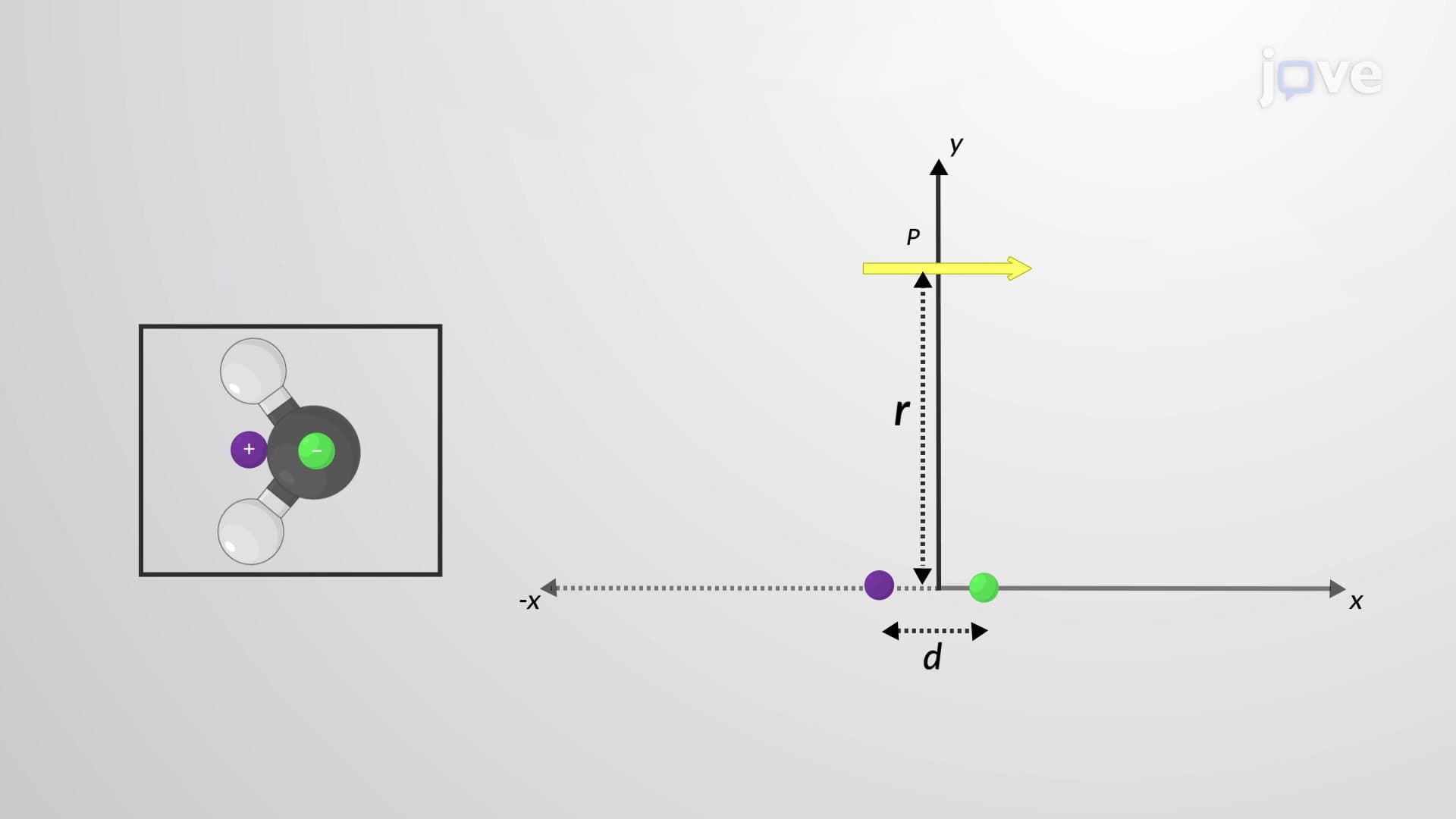
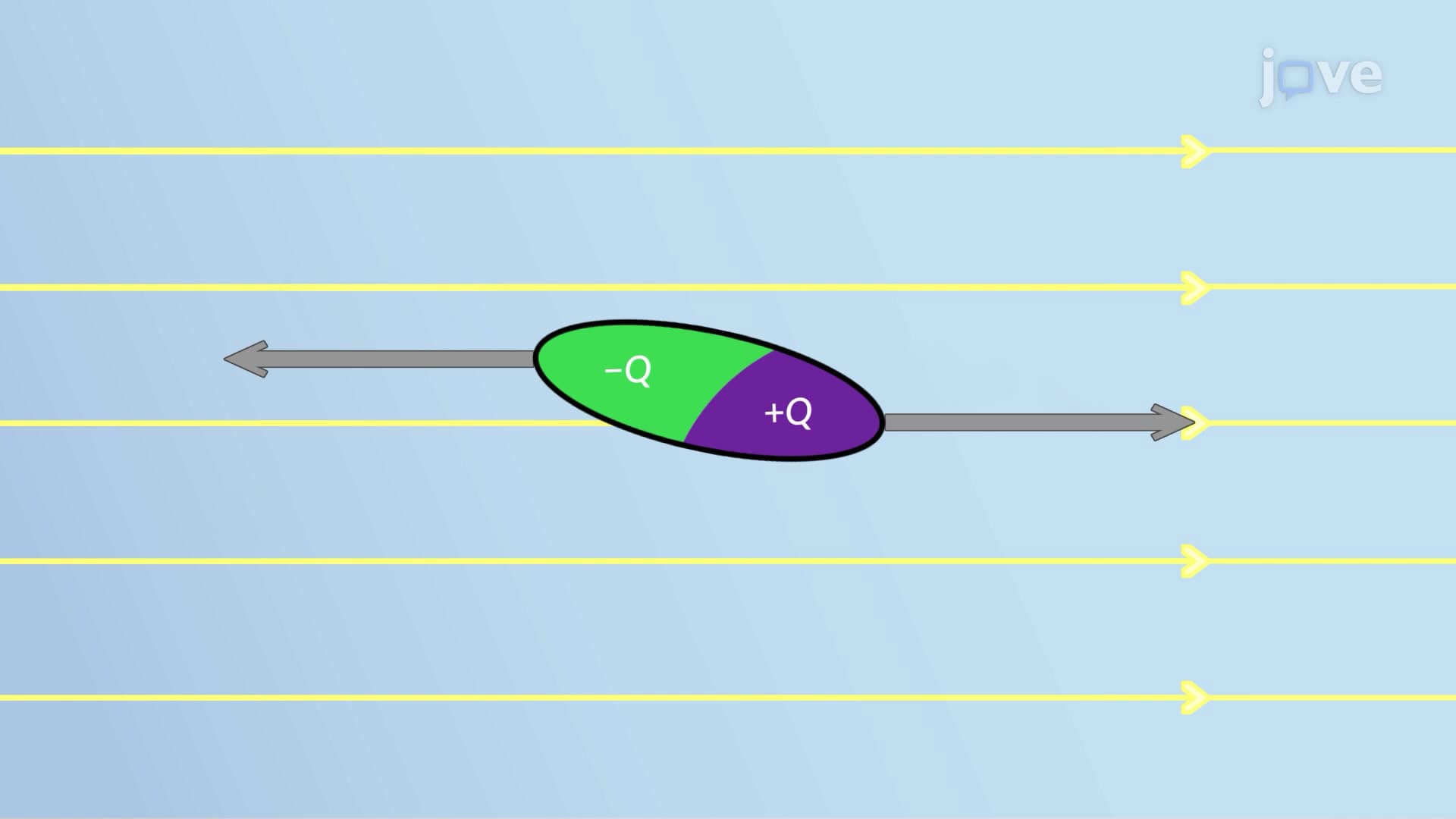
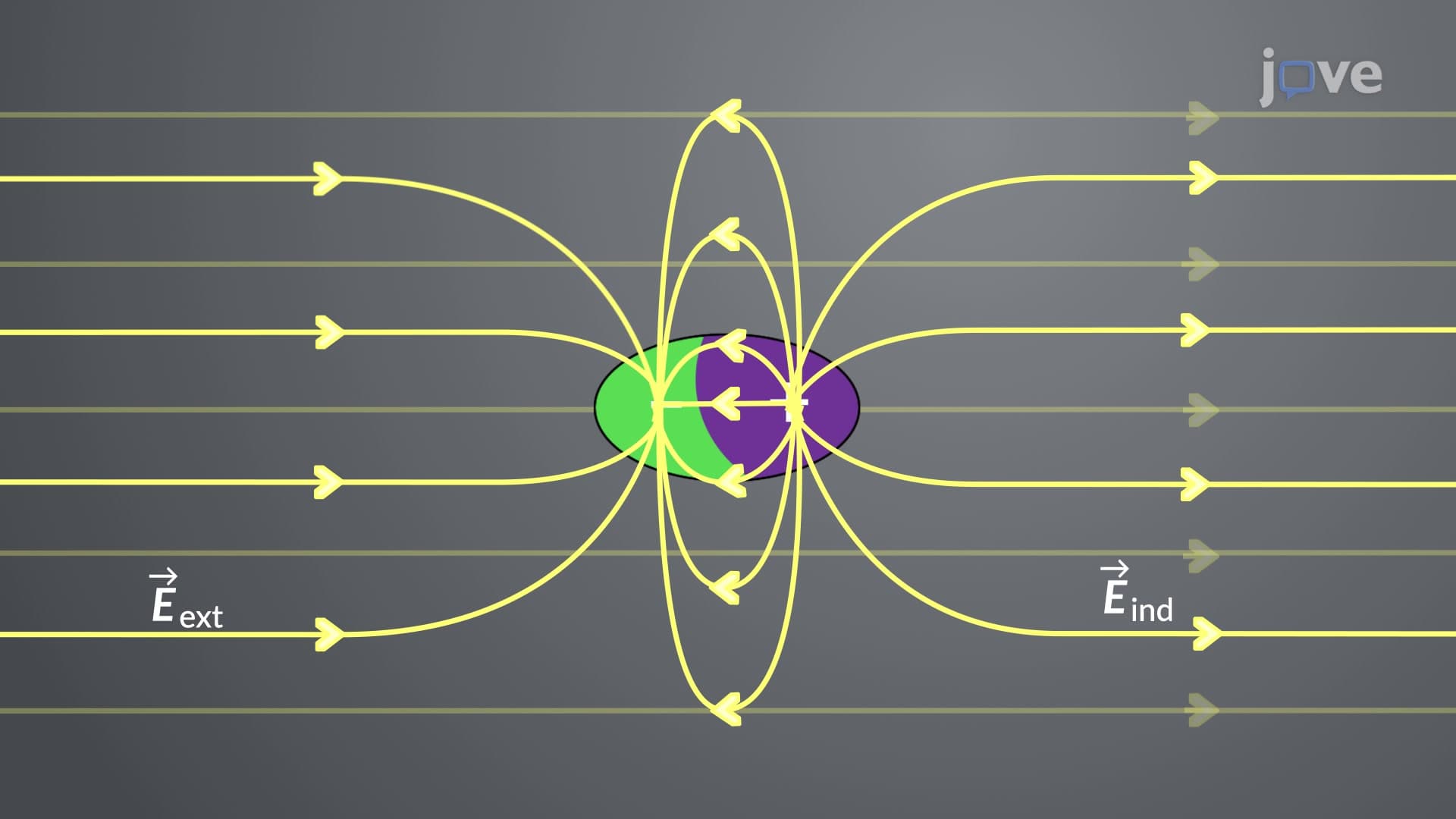
Electric dipoles, consisting of equal and opposite charges, produce field line patterns that loop from positive to negative charges. These patterns appear in everything from water molecules to radio antenna designs, making this concept essential for students pursuing careers in electrical engineering or chemistry.
Frequently Asked Questions
Properties of electric field lines are fundamental rules that describe how these invisible force indicators behave around electric charges. They originate from positive charges, terminate on negative charges, never intersect, and maintain density proportional to charge magnitude. These properties help students visualize electric forces and solve complex problems in AP Physics and college-level courses.
AP Physics exams frequently test field line properties through multiple-choice questions about field directions and free-response problems requiring field line sketches. Students must demonstrate understanding of origin/termination rules, intersection impossibility, and density relationships. Common exam scenarios include analyzing dipoles, parallel plates, and multiple charge configurations.
The MCAT Physics section tests field line concepts in electrostatics problems, particularly in passages about medical imaging equipment and electromagnetic therapy devices. Students need these fundamentals for questions about capacitors, electric potential energy, and charge interactions in biological systems. Mastering field line properties provides the foundation for more complex electromagnetic concepts.
Electric field line principles govern the design of countless devices, from the touchscreens on smartphones to the lightning protection systems on aircraft. Computer hard drives use controlled electric fields following these same rules to store data, while medical defibrillators rely on field line patterns to deliver precisely directed electrical therapy to patients' hearts.
Not at all-these properties use intuitive visualization that makes abstract concepts concrete. High school students successfully learn these principles in introductory physics courses, often finding field lines easier to understand than mathematical equations. The visual nature of field lines actually helps students grasp electric force concepts more readily than purely algebraic approaches.
Focus on understanding rather than memorization by connecting each property to physical meaning. Practice sketching field lines for various charge configurations, starting with single charges and progressing to complex arrangements. Create mnemonics like "Positive Pushes Out, Negative Needs In" to remember directional rules, and always verify your sketches follow the no-intersection rule.
Students should progress to electric potential and equipotential surfaces, which complement field line concepts beautifully. Advanced topics include Gauss's law, capacitors, and electromagnetic induction. These properties also provide essential groundwork for understanding magnetic field lines and electromagnetic wave propagation in upper-level physics courses.
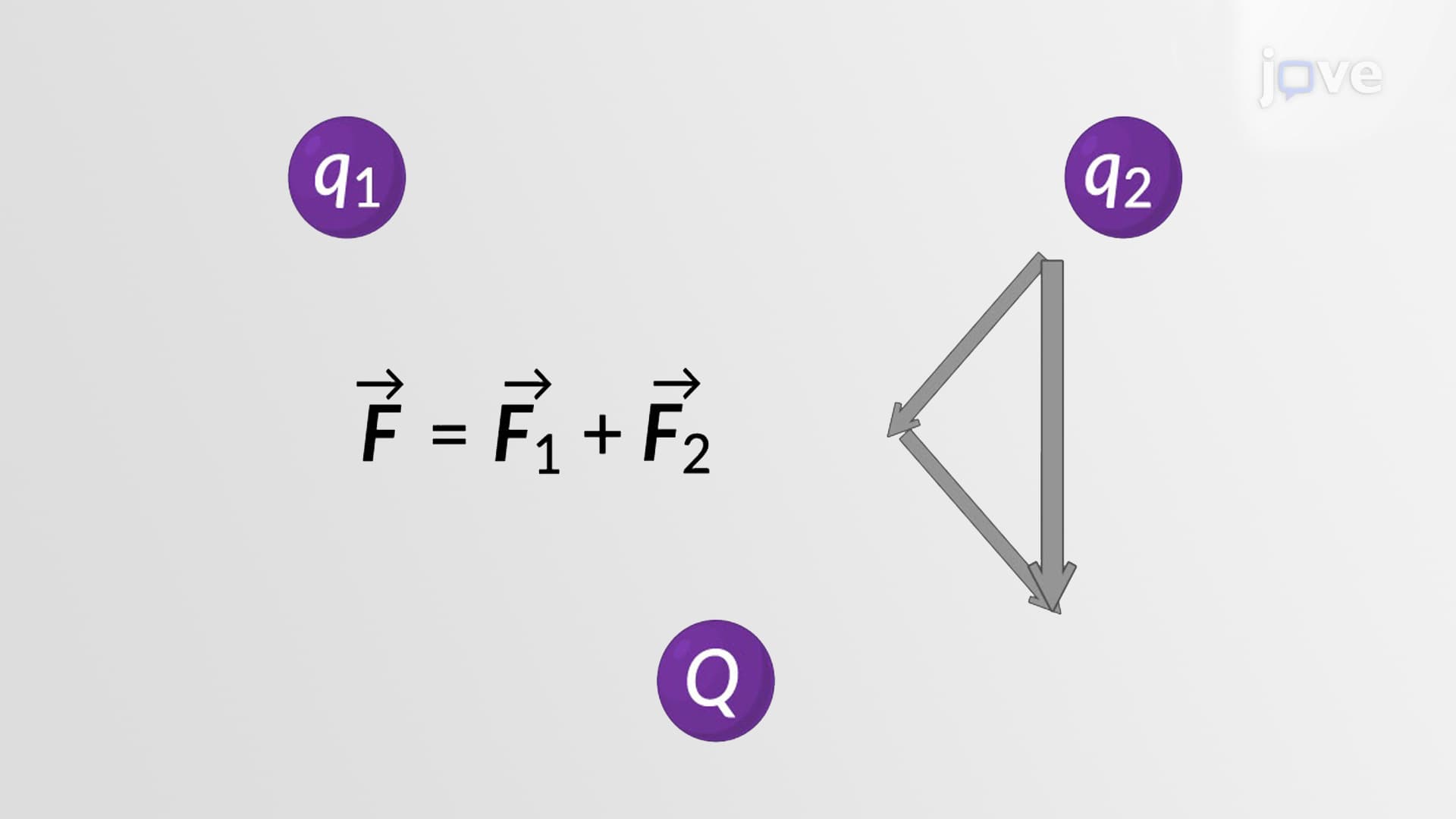
Multiple charges create complex field line patterns while still following fundamental rules-lines never cross, originate from positive charges, and terminate on negative charges. The resulting patterns show regions of reinforcement and cancellation, helping students understand superposition principles. Equal positive charges create neutral points between them, while dipoles produce characteristic loop patterns essential for molecular physics applications.
Related Micro-courses