Loading subject page…

- Physics
- Linear Momentum, Impulse and Collisions
- Collisions in Multiple Dimensions: Introduction
Micro-course: Linear Momentum, Impulse and Collisions
196,000 views
Learn key concepts and earn your certificate.

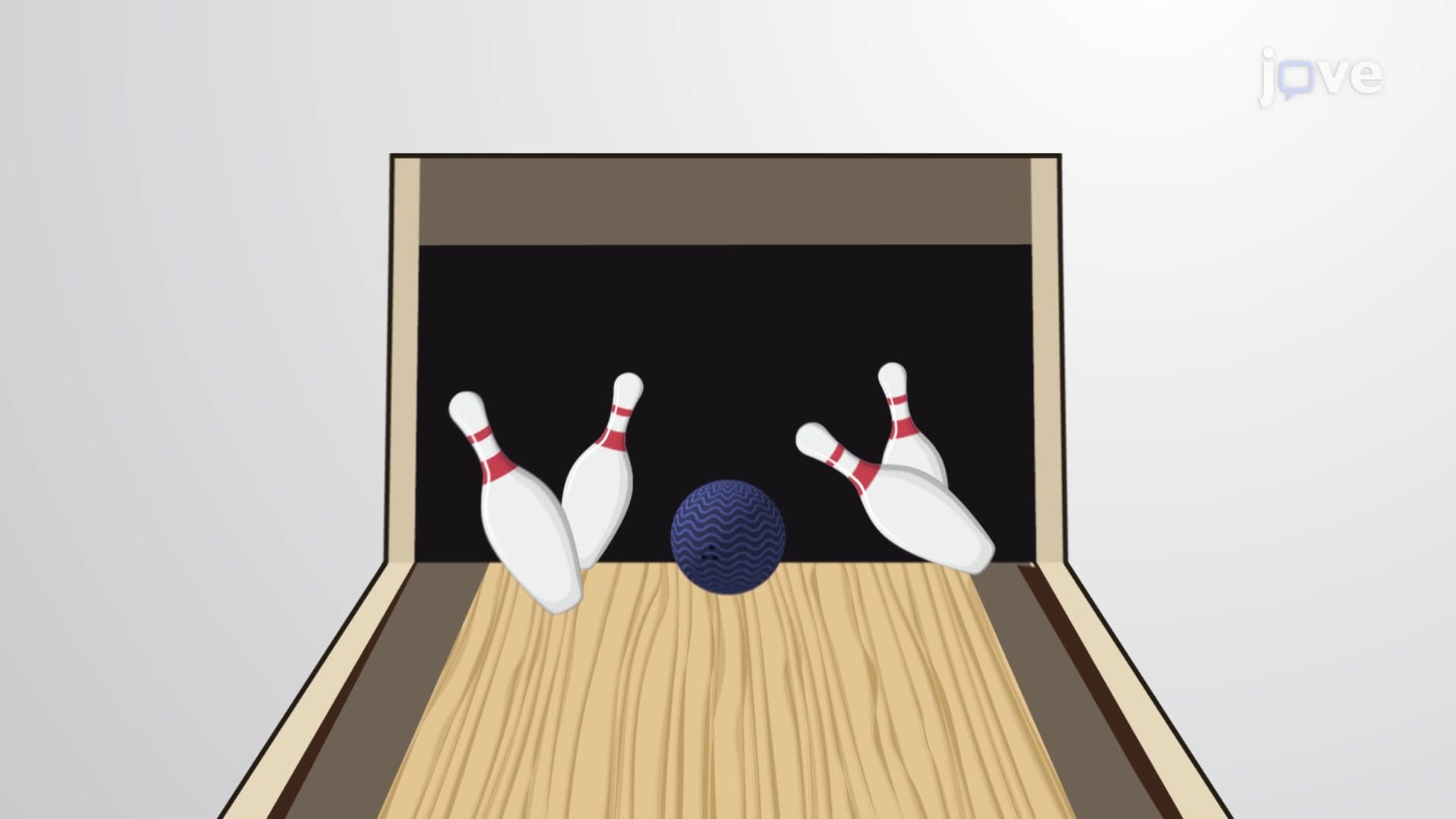
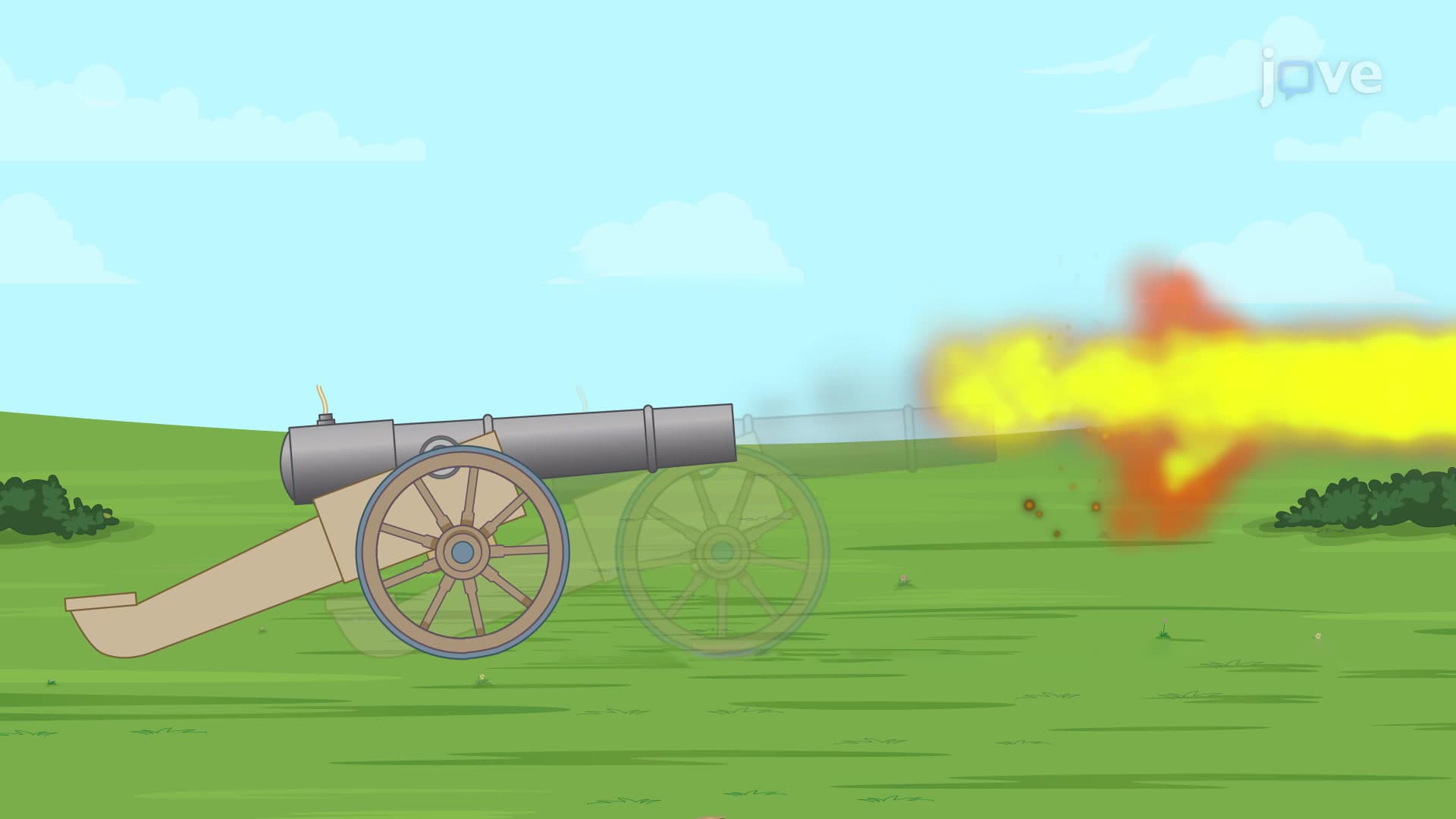
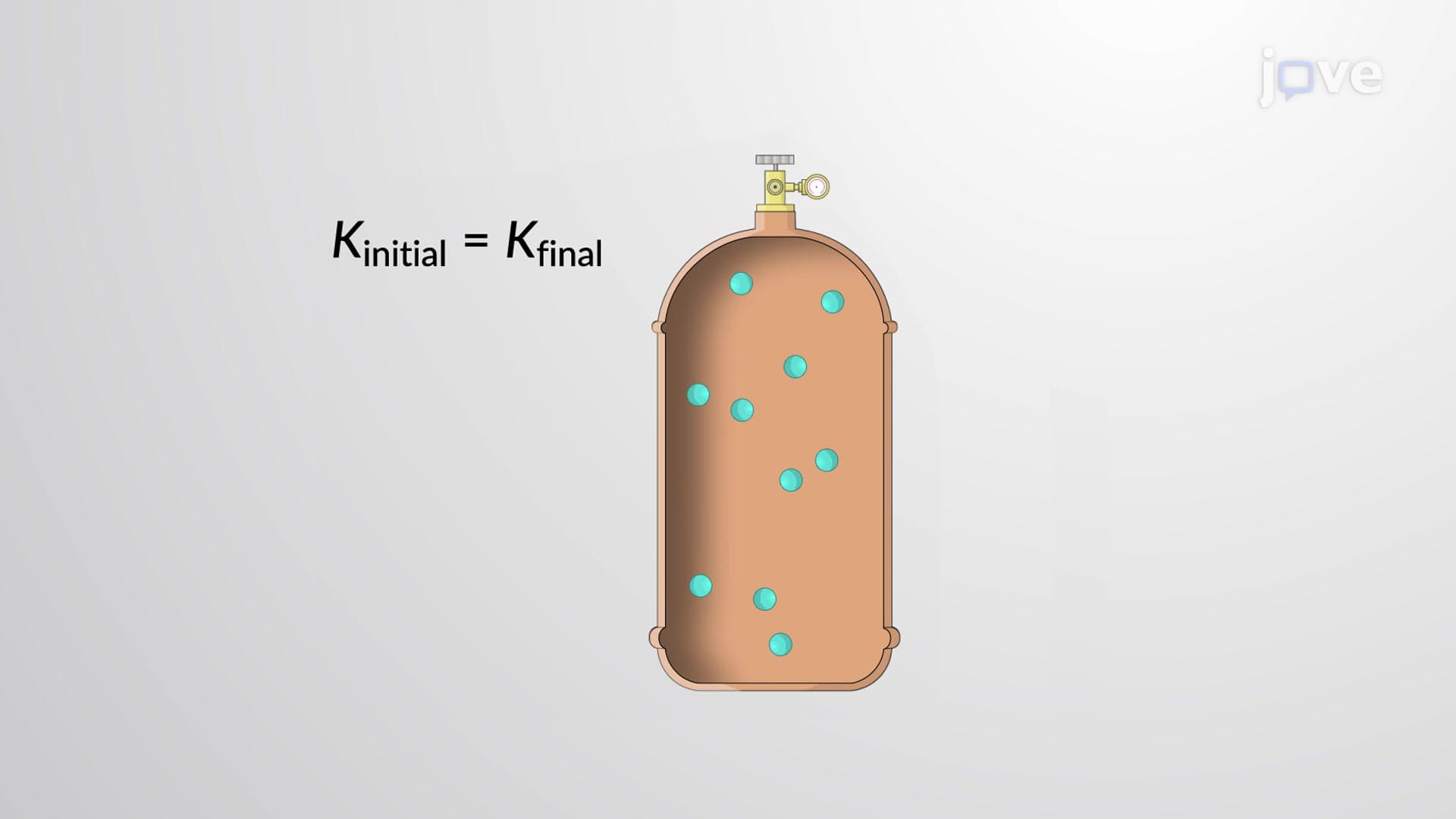

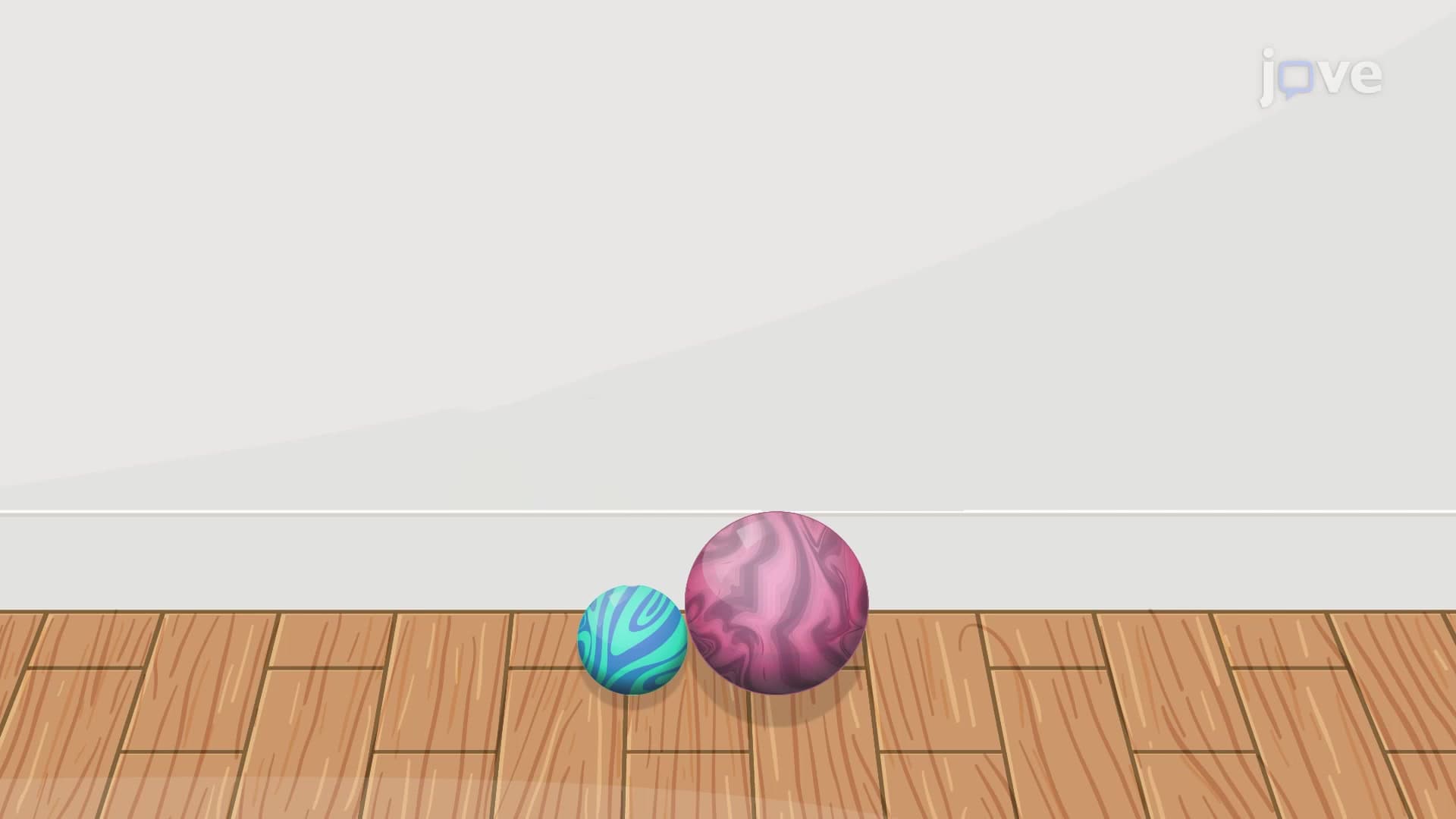
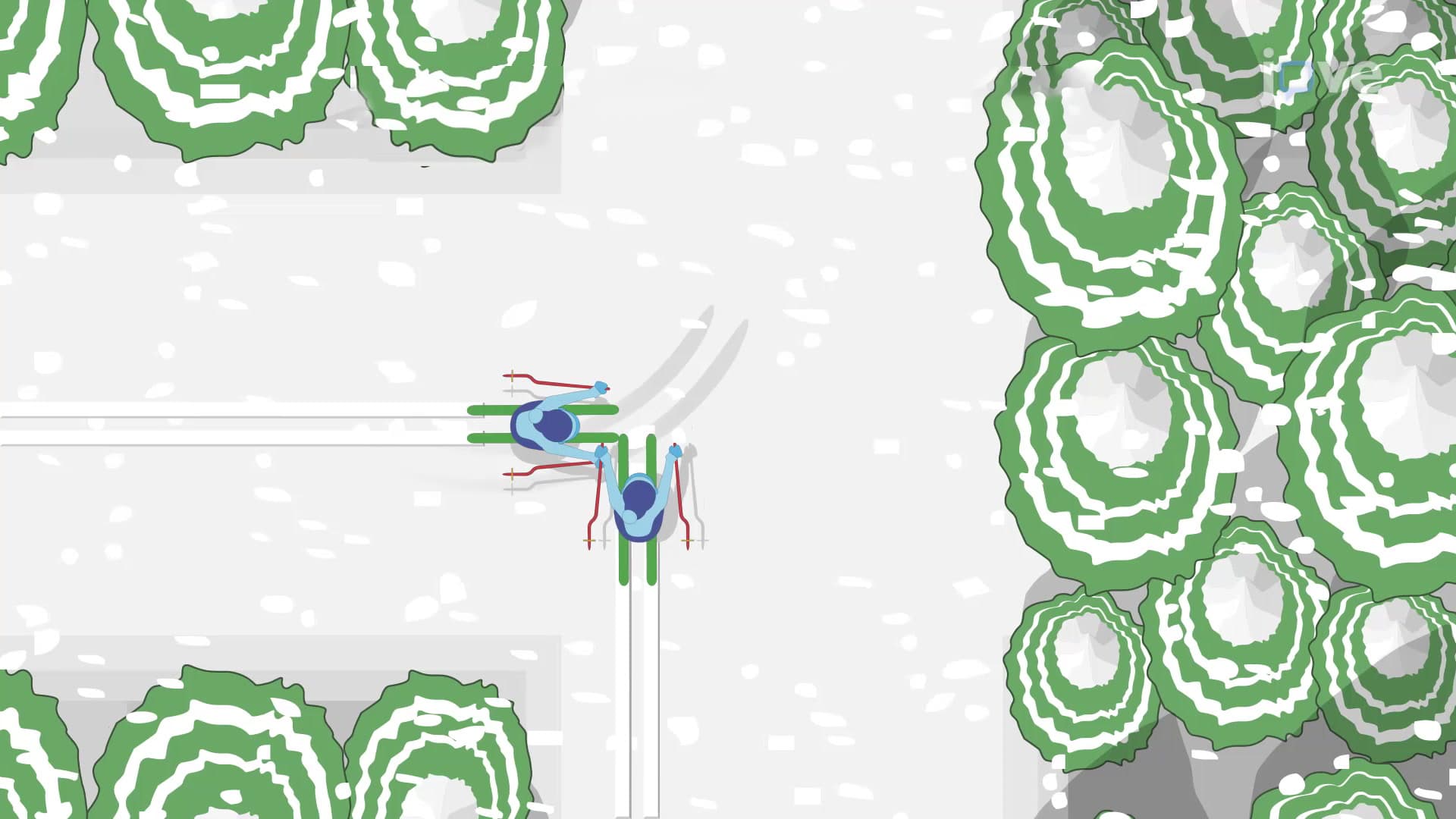
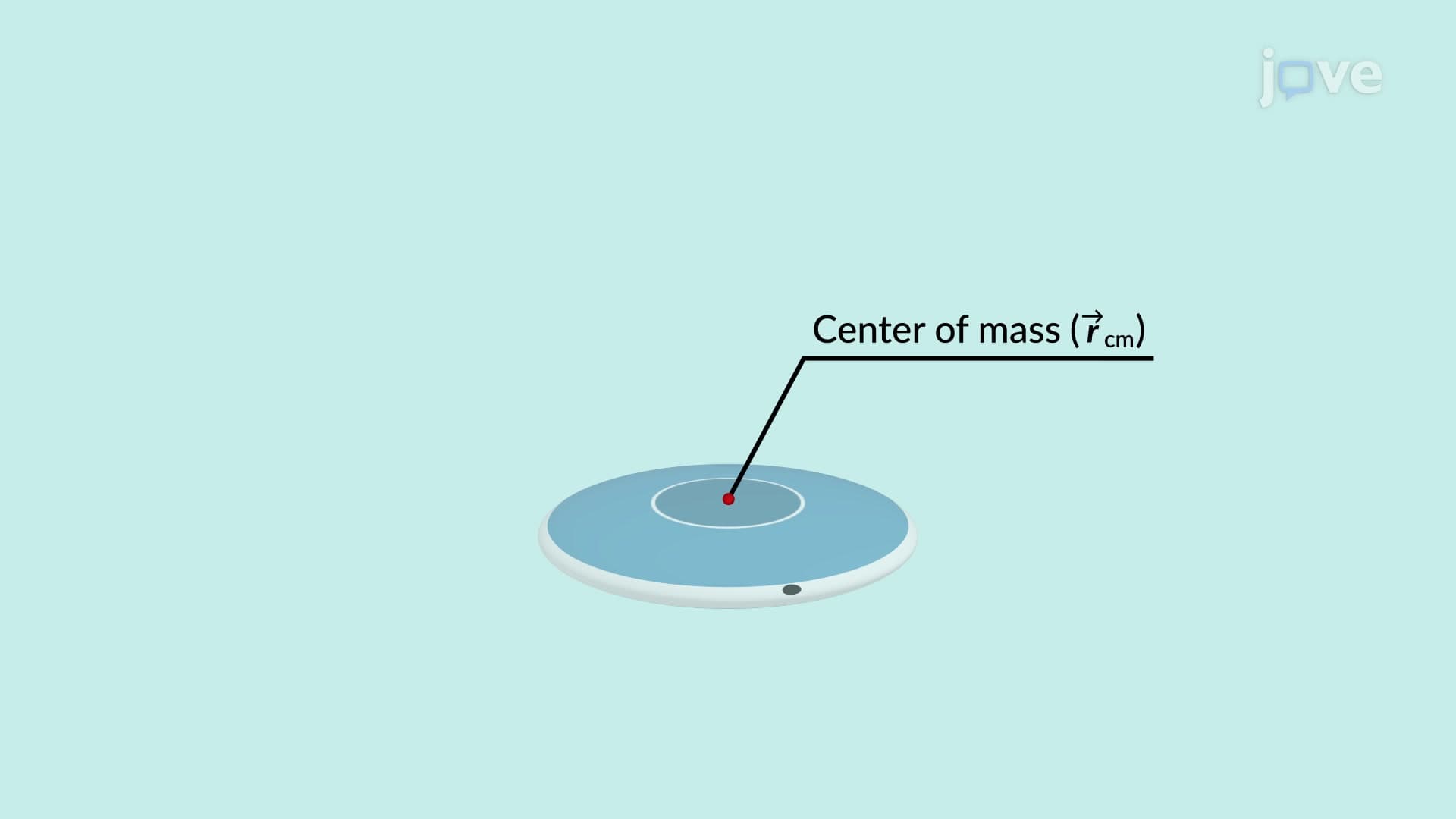
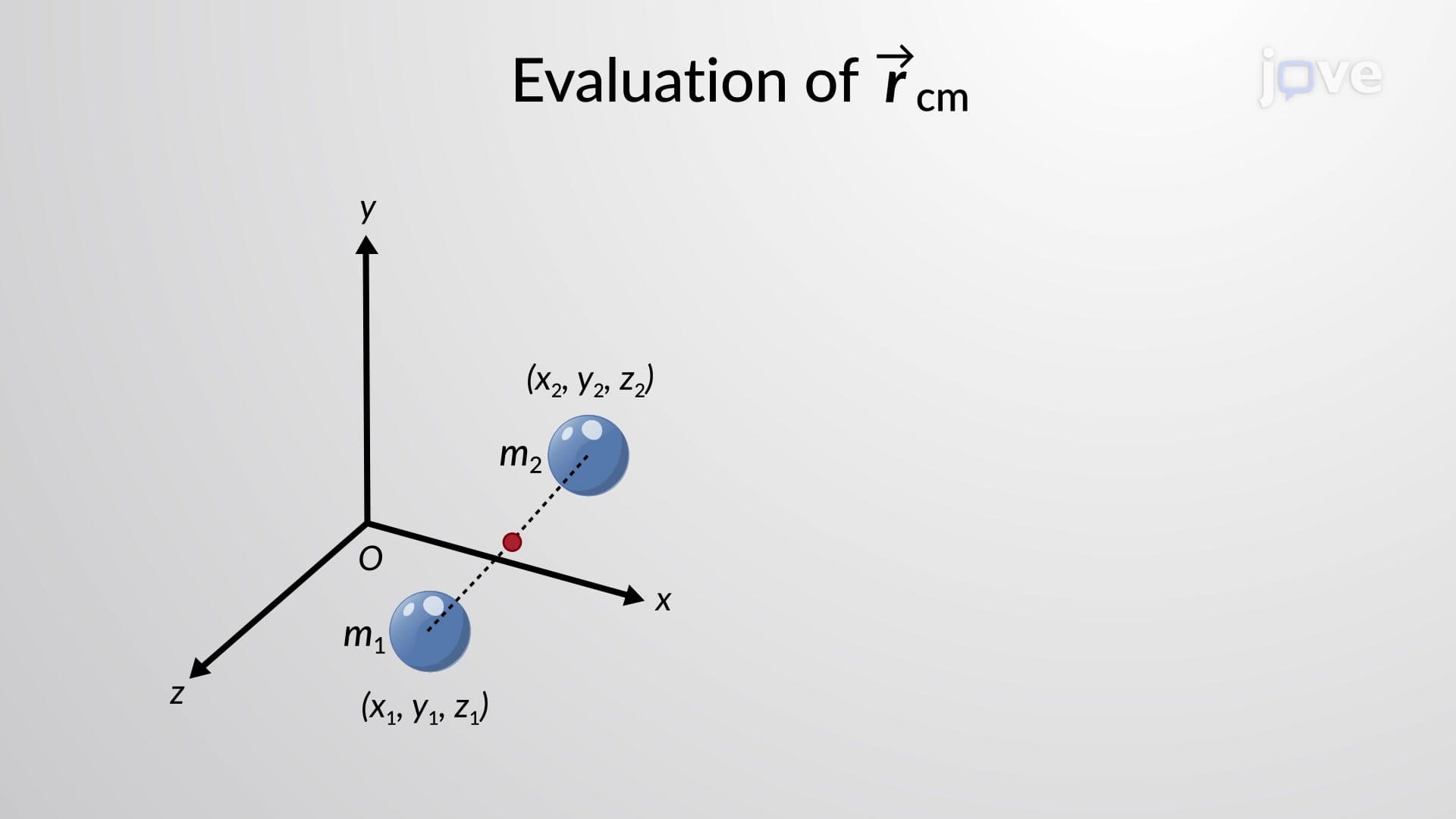


Collisions in Multiple Dimensions: Introduction

00:00
01:05
Video Summary: Collisions in Multiple Dimensions Introduction Explained
When a hockey puck ricochets off the boards at Madison Square Garden, it doesn't simply reverse direction-it bounces at an angle, demonstrating collisions in multiple dimensions introduction principles in action. Unlike simple head-on crashes, real-world collisions involve motion in two or three dimensions, where objects can move sideways, diagonally, or even rotate after impact. This collisions in multiple dimensions introduction concept explains how momentum conservation applies independently in each direction, making complex collision analysis manageable through systematic mathematical approaches. Watch the full video on JoVE Coach to master this concept with expert-led visuals and step-by-step explanations.
- Understand the fundamental principles of collisions in multiple dimensions introduction and how they differ from one-dimensional collision scenarios
- Identify how momentum conservation applies independently in x, y, and z directions during multi-dimensional collisions
- Analyze two-dimensional collision problems using component-based momentum calculations and vector addition techniques
- Apply the Pythagorean theorem to determine final momentum magnitude from perpendicular momentum components
- Recognize why objects are often idealized as point masses in collision calculations to simplify complex geometric factors
- Evaluate real-world collision scenarios involving rotation, spatial extension, and angular motion effects
- Compare momentum conservation in individual directions versus total system momentum in multi-dimensional systems
- Explore practical applications of multi-dimensional collision analysis in sports, vehicle accidents, and particle physics
Understanding Collisions in Multiple Dimensions Introduction
Collisions in multiple dimensions introduction represents a significant step beyond basic physics, where students transition from simple one-dimensional problems to complex real-world scenarios. Unlike textbook examples where objects move only left or right, actual collisions involve motion in two or three-dimensional space. When a baseball strikes a bat at Fenway Park, the resulting motion combines forward velocity, upward trajectory, and potential spin-all governed by momentum conservation principles that operate independently in each spatial direction.
Independent Momentum Conservation in Each Direction
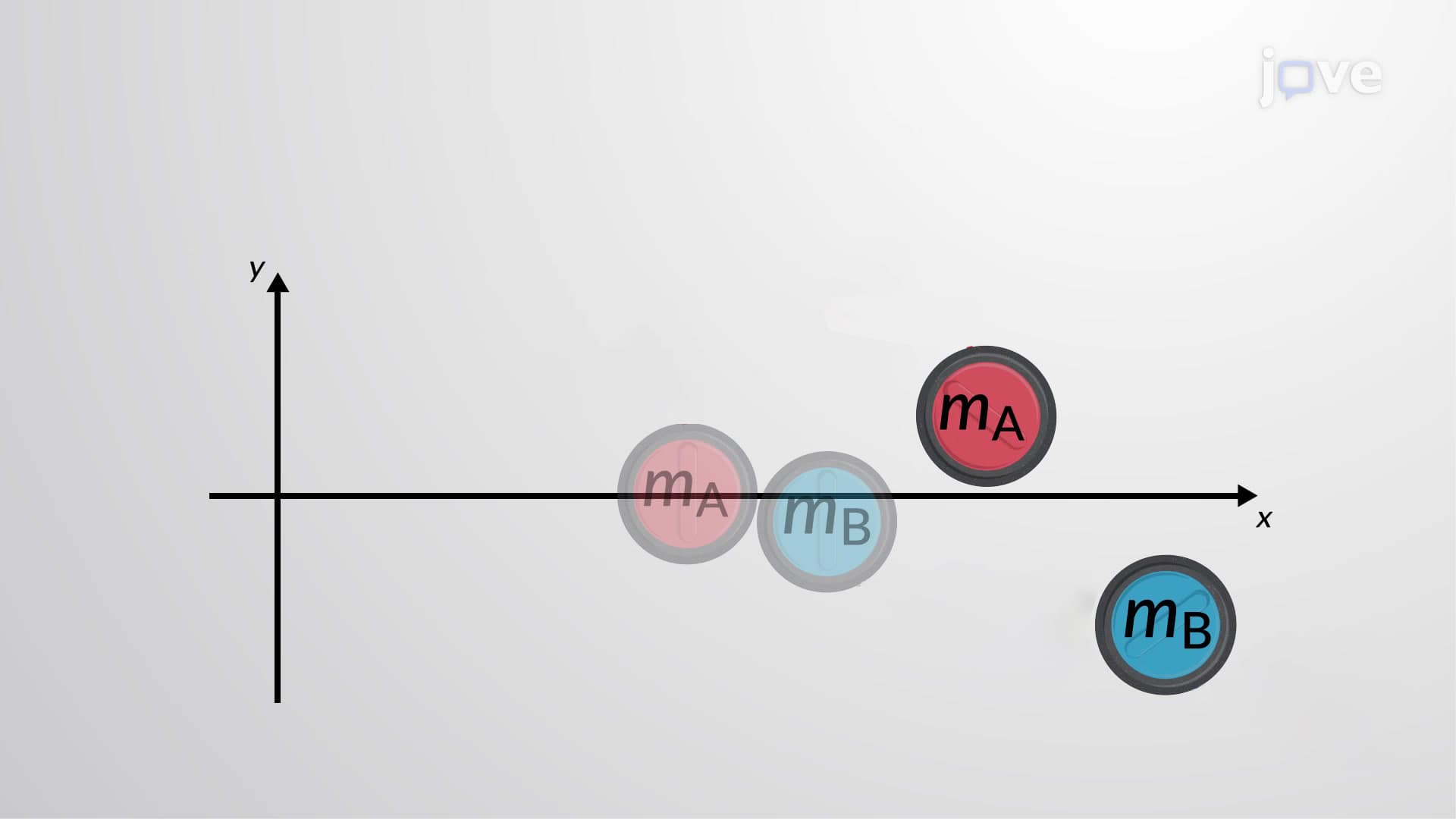
The cornerstone of collisions in multiple dimensions introduction lies in understanding that momentum conservation operates independently along perpendicular axes. In a two-dimensional collision, the x-component momentum before collision equals the x-component momentum after collision, while simultaneously, the y-component momentum remains separately conserved. This principle allows complex collision problems to be broken into manageable one-dimensional calculations.
For AP Physics students, this concept frequently appears in problems involving billiard balls, car accidents at intersections, or satellite collisions. The mathematical approach involves calculating initial momentum components: p(x,initial) = m₁v₁(x) + m₂v₂(x) and p(y,initial) = m₁v₁(y) + m₂v₂(y), then applying these to determine final velocities.
Point Mass Idealization and Practical Applications
Real objects have complex shapes, internal structure, and rotational properties that complicate collision analysis. The collisions in multiple dimensions introduction concept simplifies these scenarios by treating objects as point masses-mathematical representations where all mass concentrates at a single point. This idealization eliminates variables like object deformation, surface friction, and rotational inertia, allowing students to focus on fundamental momentum principles.
This approach proves invaluable in engineering applications, from designing vehicle safety systems to predicting asteroid trajectories. NASA engineers use these principles when calculating spacecraft orbital adjustments, while automotive safety researchers apply multi-dimensional collision analysis to optimize airbag deployment systems.
Vector Mathematics and Final Momentum Calculation
The final step in collisions in multiple dimensions introduction involves combining perpendicular momentum components using vector mathematics. After calculating final x and y momentum components separately, the Pythagorean theorem determines total momentum magnitude: p(final) = √[p(x,final)² + p(y,final)²]. This mathematical relationship connects algebraic problem-solving with geometric visualization, helping students understand collision outcomes both numerically and spatially.
College physics courses and MCAT preparation heavily emphasize these vector calculations, as they form the foundation for advanced topics like electromagnetic field interactions and quantum mechanical particle collisions.
Frequently Asked Questions
Collisions in multiple dimensions introduction explains how objects interact when moving in two or three-dimensional space rather than just along a straight line. Unlike simple head-on collisions, these scenarios involve sideways motion, diagonal trajectories, and rotational effects. The key principle is that momentum conservation applies independently in each direction-x, y, and z axes-allowing complex collisions to be analyzed systematically.
AP Physics 1 and C exams frequently feature multi-dimensional collision problems involving sports scenarios, vehicle accidents, or projectile interactions. Students must identify momentum components in each direction, apply conservation principles separately to x and y axes, then use vector mathematics to determine final velocities. These problems often combine with energy conservation concepts and require both algebraic manipulation and conceptual understanding.
MCAT collision problems test both mathematical problem-solving and conceptual reasoning under time pressure. Students must quickly identify which directions to analyze, recognize when to treat objects as point masses, and connect collision outcomes to biological contexts like molecular interactions. The exam emphasizes understanding momentum conservation principles rather than memorizing formulas, requiring deep conceptual mastery.
Traffic accident reconstruction specialists use collisions in multiple dimensions introduction principles to determine vehicle speeds and impact angles from crash scene evidence. When cars collide at intersections, momentum conservation in both north-south and east-west directions helps investigators calculate pre-collision velocities. This analysis informs insurance claims, legal proceedings, and intersection safety improvements throughout US cities.
While multi-dimensional collisions require solid algebra and basic trigonometry skills, the underlying concepts build logically from simpler one-dimensional problems. Students who understand basic momentum conservation can master these topics through systematic practice with component analysis. The key is developing comfort with vector mathematics and recognizing that complex problems break down into familiar one-dimensional calculations.
Successful students develop systematic problem-solving approaches: first identify all moving objects and their initial velocity components, then apply momentum conservation separately to each direction, and finally combine results using vector mathematics. Practice with diverse scenarios-sports collisions, particle interactions, vehicle accidents-builds pattern recognition. Creating visual diagrams helps connect mathematical calculations with physical intuition.
Students ready for greater challenges should investigate rotational collisions involving angular momentum conservation, elastic versus inelastic collision energy analysis, and relativistic collision mechanics. These concepts lead naturally to advanced topics like electromagnetic particle interactions, quantum mechanical scattering theory, and engineering applications in aerospace and automotive design.
Related Micro-courses

14 Concepts
14 Concepts

12 Concepts