Loading subject page…

Micro-course: Linear Momentum, Impulse and Collisions
196,000 views
Learn key concepts and earn your certificate.








Impulse

00:00
01:13
Video Summary: What Is Impulse
Ever wonder why a baseball can shatter glass with just the right hit, while the same ball bounces harmlessly off a glove? The answer lies in impulse, a fundamental physics concept that describes the effect of force acting over time. When a Major League pitcher throws a 95-mph fastball, the ball experiences tremendous impulse during the brief contact with the bat, dramatically changing its velocity and direction. Understanding what is impulse helps explain countless everyday phenomena from car safety systems to sports performance. Watch the full video on JoVE Coach to master this concept with expert-led visuals and step-by-step explanations.
- Understand what is impulse and how it represents the effect of force acting over a specific time interval
- Identify the mathematical relationship between impulse, force, and time using the formula J = F × Δt
- Analyze impulse as a vector quantity that shares the same direction as the applied force
- Compare scenarios where large forces act briefly versus small forces acting over longer periods
- Evaluate real-world applications of impulse in sports, automotive safety, and collision analysis
- Apply the impulse-momentum theorem to solve physics problems involving changing velocities
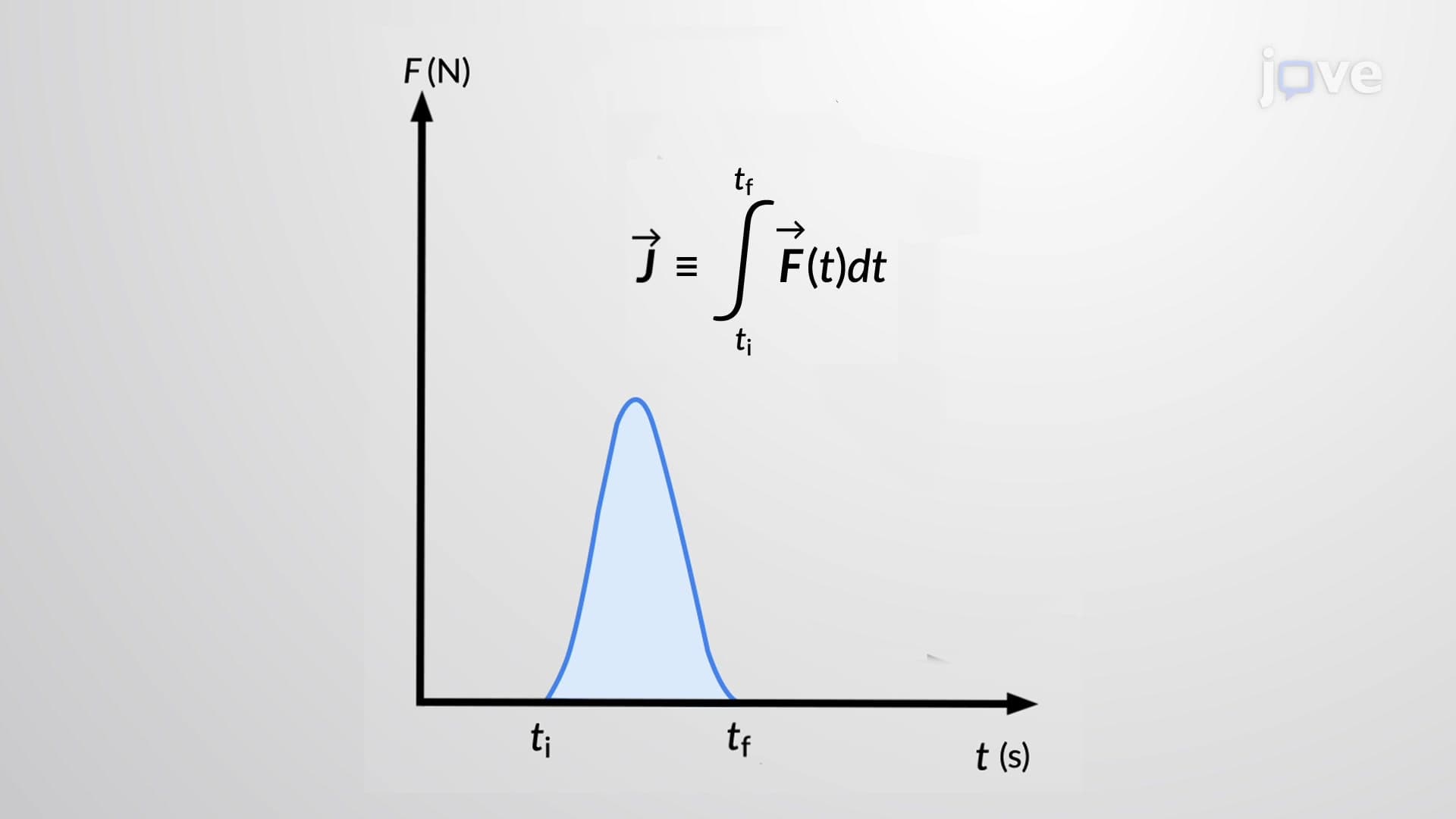
- Recognize how impulse appears graphically as the area under a force-time curve
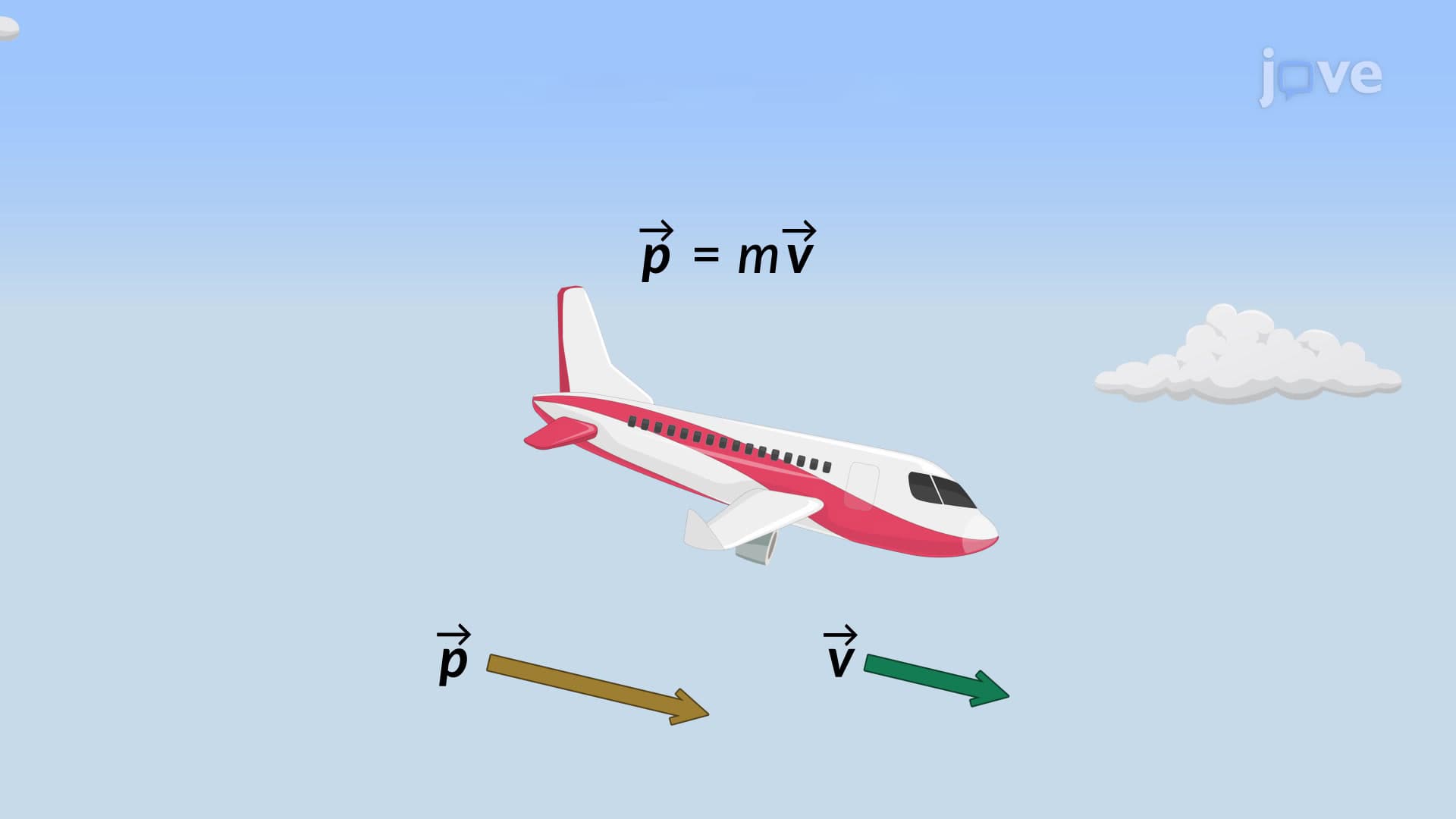
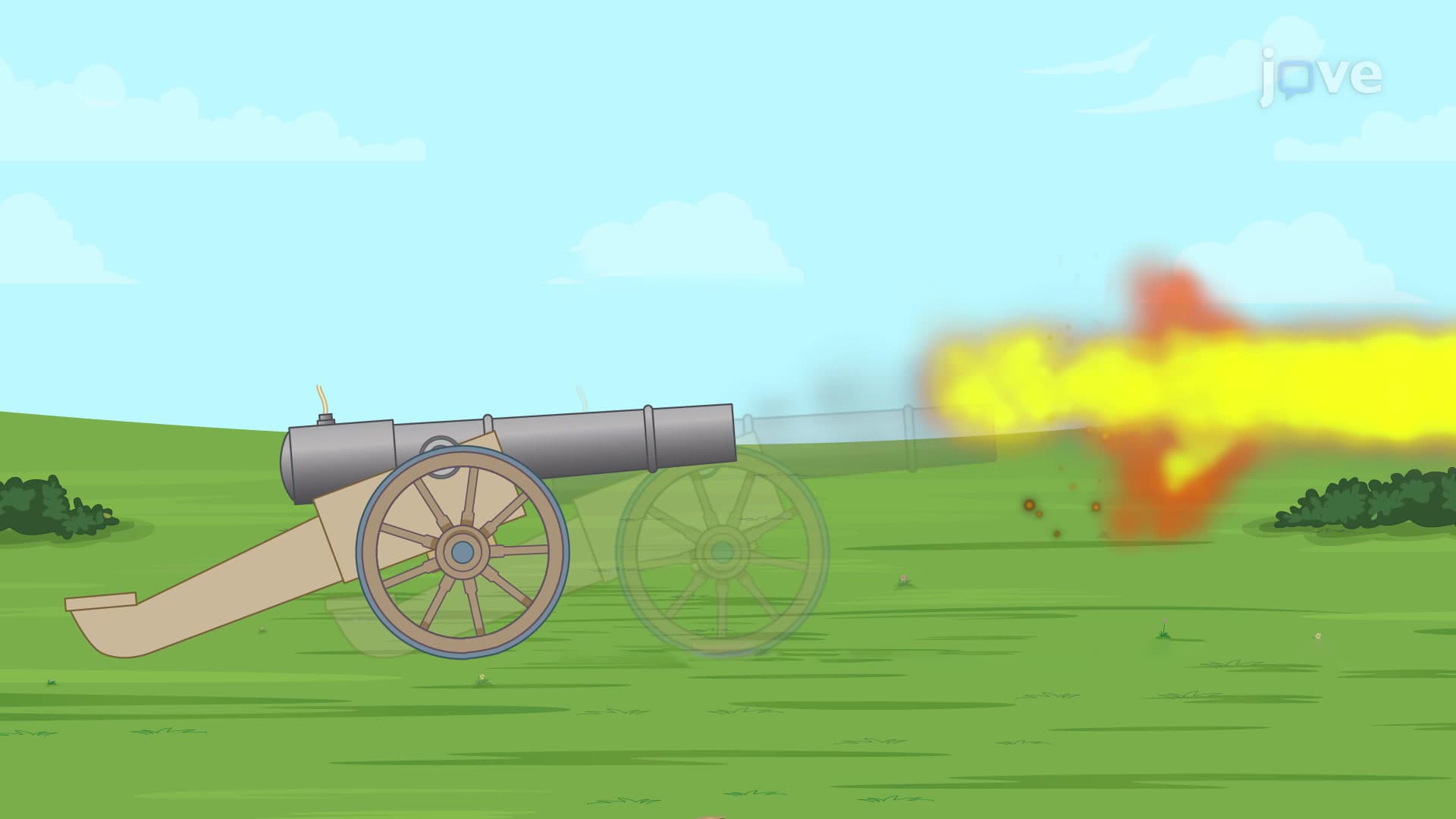
- Explore the connection between impulse and momentum changes in various physical systems
Understanding What is Impulse in Physics
Impulse represents one of physics' most practical concepts, bridging the gap between forces and motion changes. At its core, impulse quantifies the cumulative effect when a force acts over time, making it essential for understanding everything from rocket launches to egg-drop experiments in high school physics classes.
The mathematical definition is elegantly simple: impulse equals force multiplied by the time interval (J = F × Δt). However, this simplicity masks profound applications across engineering, sports science, and safety design. Unlike instantaneous quantities, impulse captures the sustained interaction between objects, making it particularly valuable for analyzing real-world scenarios.
The Vector Nature and Units of Impulse
As a vector quantity, impulse carries both magnitude and direction, always aligning with the net force direction. This directional property becomes crucial when analyzing complex collisions or multi-dimensional motion problems common in AP Physics courses.
The SI unit, newton-seconds (N⋅s), reflects impulse's dual nature-combining force intensity with temporal duration. Students preparing for the MCAT or college physics exams should note that impulse units are equivalent to momentum units (kg⋅m/s), highlighting the deep connection between these concepts through the impulse-momentum theorem.
Graphical Interpretation and Calculus Applications
When force varies with time, impulse equals the area under the force-time curve. This geometric interpretation proves invaluable for AP Calculus BC students, where impulse becomes the definite integral: J = ∫F(t)dt. This mathematical representation allows precise analysis of complex force patterns, from the varying thrust of rocket engines to the oscillating forces in earthquake engineering.
For variable forces, this integration approach provides exact solutions rather than approximations, making it essential for advanced physics and engineering applications that students encounter in college coursework.
Real-World Applications and Safety Engineering
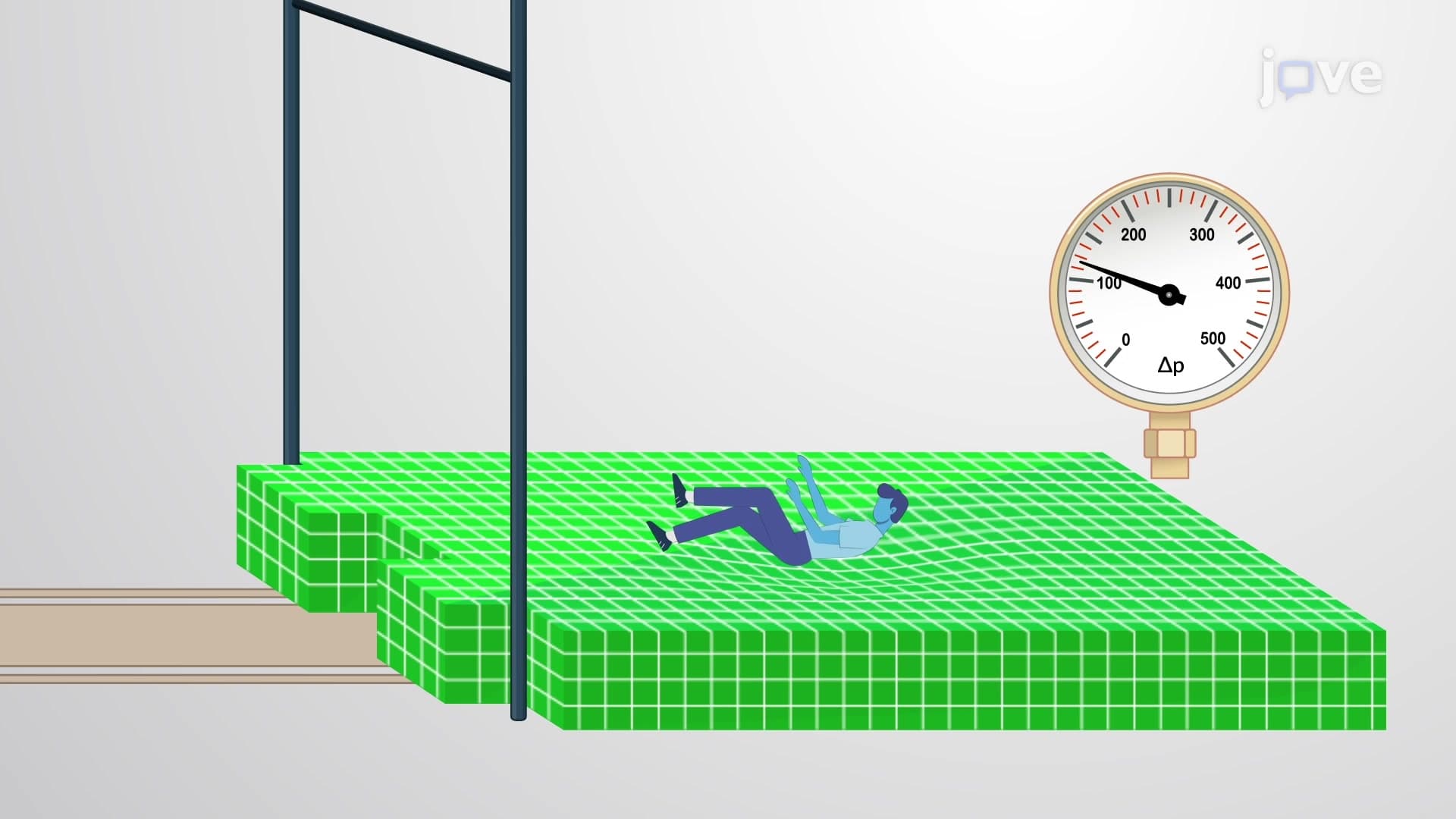
Impulse principles drive critical safety innovations throughout American industry. Automotive airbags exemplify brilliant impulse engineering-they increase collision time, reducing peak forces on passengers. Similarly, NFL helmet design focuses on impulse management, extending impact duration to minimize dangerous accelerations.
In sports performance, Olympic training facilities use impulse analysis to optimize technique. A swimmer's stroke efficiency, a gymnast's landing form, or a baseball pitcher's delivery all involve careful impulse control to maximize performance while minimizing injury risk.
Frequently Asked Questions
Impulse is the product of force and time interval (J = F × Δt), representing the total effect of force acting over a duration. Unlike force, which describes instantaneous interaction, impulse captures the cumulative impact of sustained force application. This makes impulse particularly useful for analyzing collisions, sports impacts, and safety systems where timing matters as much as force magnitude.
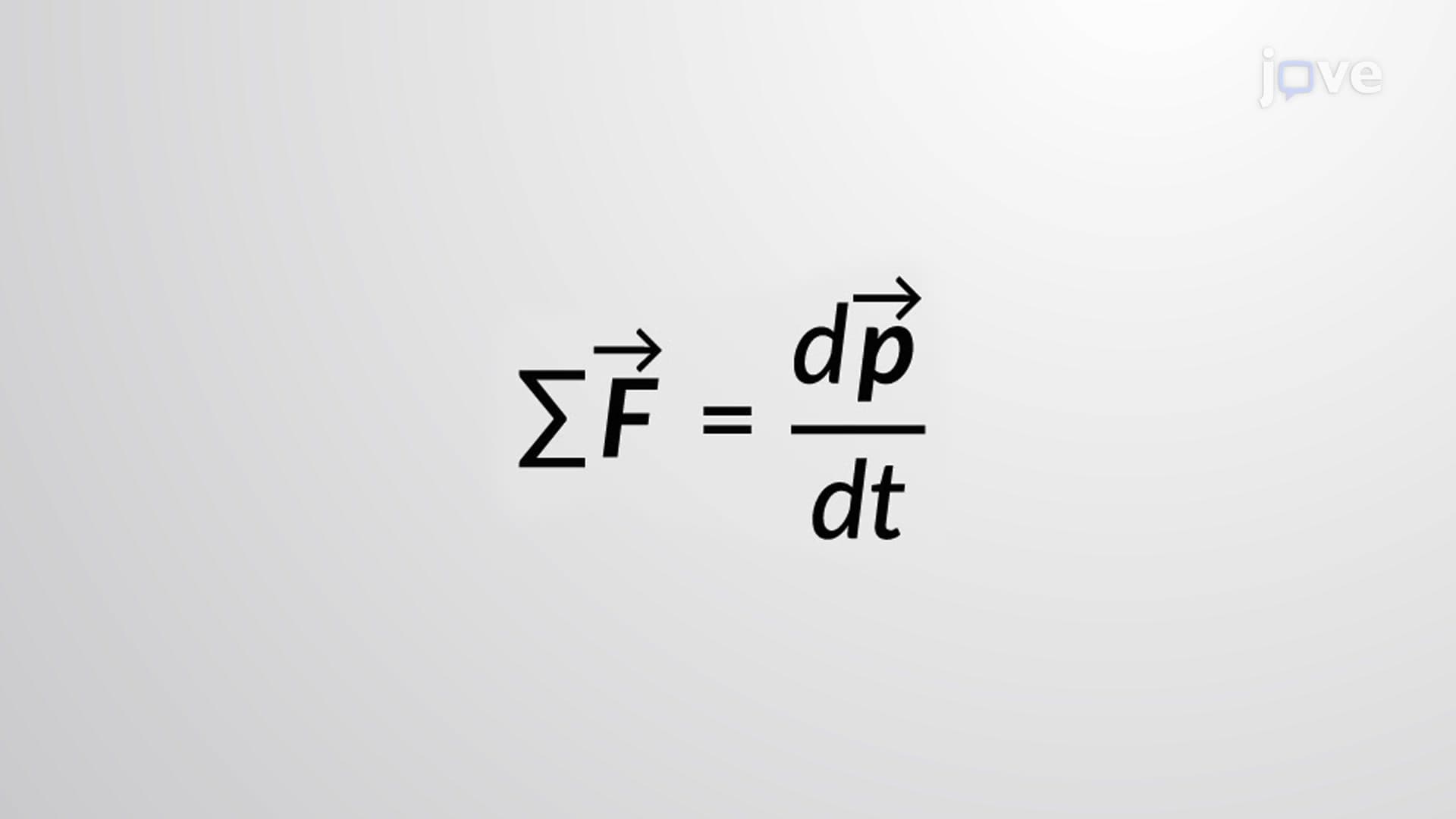
AP Physics frequently tests impulse through collision problems, force-time graphs, and momentum change calculations. Students typically encounter impulse in free-response questions involving car crashes, sports scenarios, or projectile impacts. The impulse-momentum theorem (J = Δp) appears regularly, requiring students to connect force-time interactions with velocity changes in both 1D and 2D scenarios.
The MCAT tests impulse within biomechanics and collision contexts, often relating to human physiology. Expect questions about joint impacts during running, blood flow dynamics, or medical device interactions. Understanding impulse helps analyze force distributions in biological systems and safety considerations in medical procedures, making it relevant for pre-med students.
Modern vehicles employ impulse engineering extensively-airbags, crumple zones, and seatbelts all work by extending collision time to reduce peak forces. When a car hits a wall, these systems increase the time over which deceleration occurs, dramatically reducing the forces experienced by passengers. This principle explains why modern cars are designed to deform in controlled ways during accidents.
Most students find impulse intuitive once they grasp the time component of force interactions. The concept builds naturally on Newton's laws, requiring only basic algebra and graphical interpretation skills. Students who understand force and can multiply or find areas under curves can successfully master impulse applications in physics courses.
Focus on three key areas: memorize the impulse formula and units, practice interpreting force-time graphs, and master the impulse-momentum theorem applications. Work through collision problems systematically, always identifying the time interval and force direction. Create a reference sheet connecting impulse to momentum changes, as this relationship appears frequently on standardized tests.
Athletes and coaches use impulse principles to optimize technique and prevent injuries. In tennis, extending contact time with the ball increases impulse for more powerful shots. In martial arts, breaking boards involves concentrating force over minimal time for maximum impulse. Understanding these principles helps athletes train more effectively and coaches develop better technique strategies.
Impulse connects directly to momentum conservation, elastic and inelastic collisions, and rotational dynamics. Study the impulse-momentum theorem next, then explore conservation laws and collision analysis. These concepts build toward advanced topics like angular impulse, fluid dynamics, and wave mechanics that appear in college-level physics courses.
Related Micro-courses

14 Concepts
14 Concepts

12 Concepts