Loading…
Loading video…

114,600 views
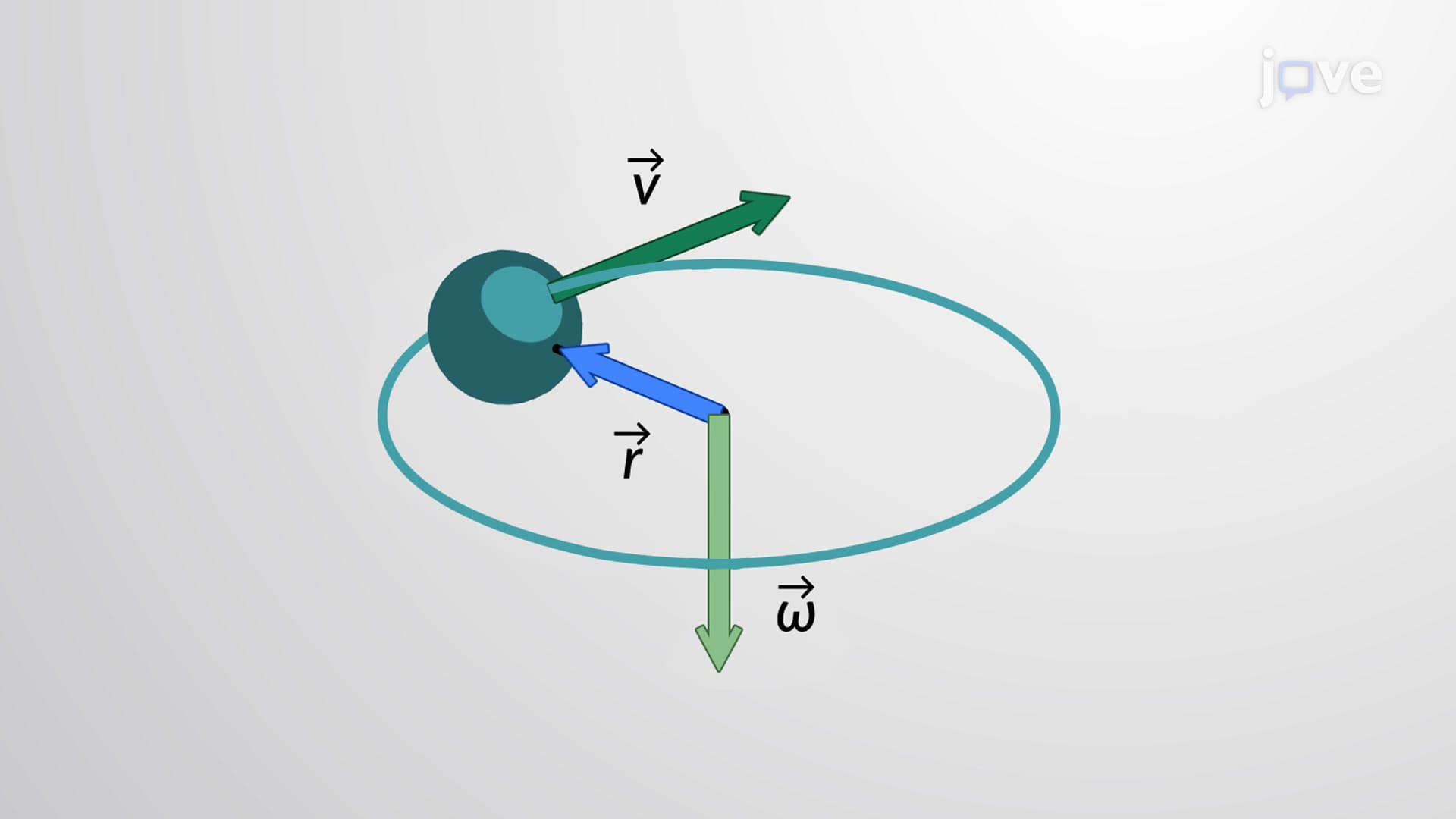
Ever wondered why NASCAR drivers experience different forces at various points on a racetrack turn? Relating angular and linear quantities I reveals the fundamental connection between rotational and straight-line motion that governs everything from spinning wheels to planetary orbits. This concept explains how a figure skater's arm position affects their spin speed and why a Ferris wheel at Six Flags provides different experiences at different radii. Watch the full video on JoVE Coach to master this concept with expert-led visuals and step-by-step explanations.
The bridge between rotational and linear motion forms one of physics' most elegant relationships. When studying relating angular and linear quantities I, students discover that every linear motion variable has a rotational counterpart, connected through fundamental geometric principles that govern circular motion.
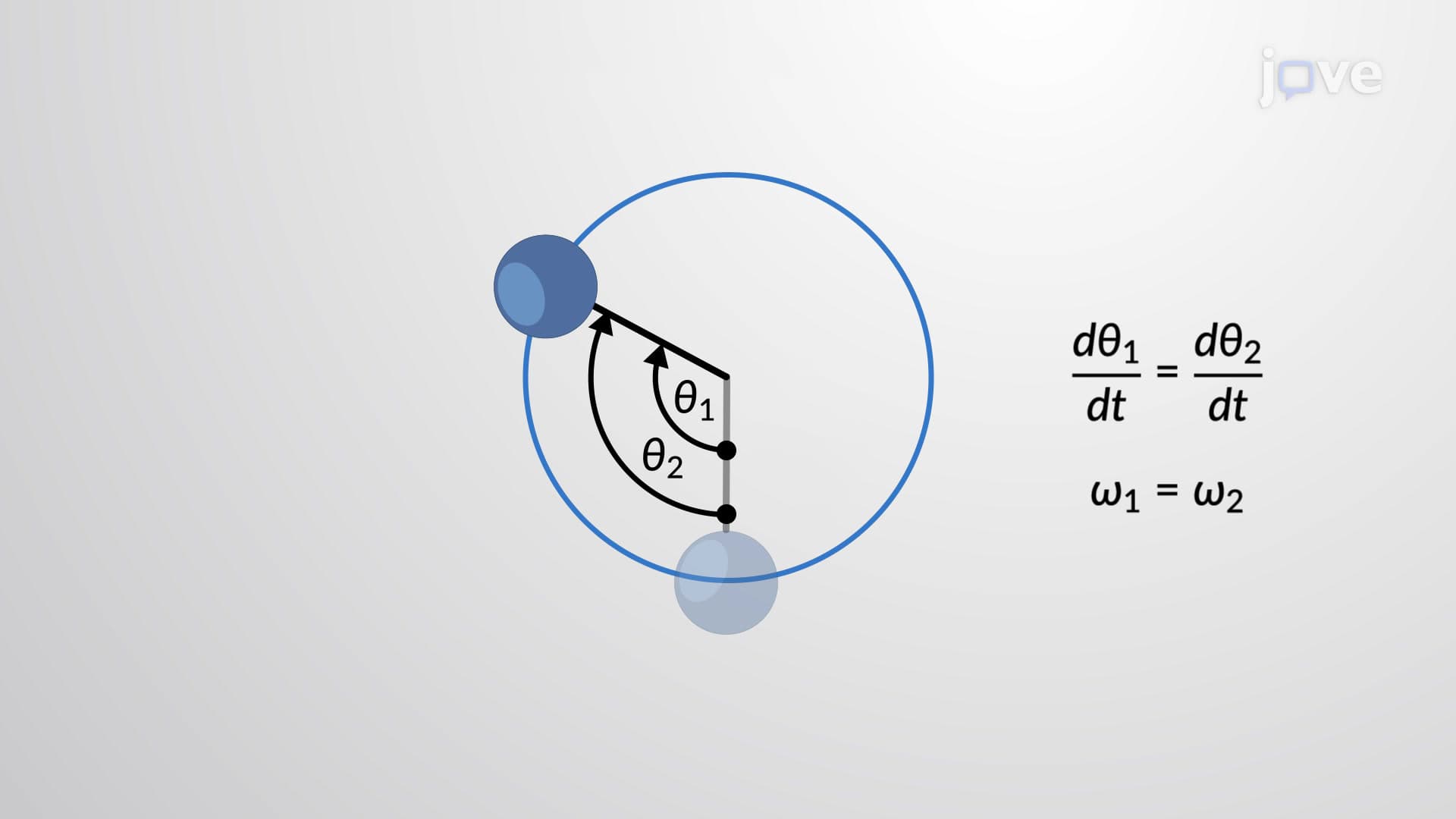
The foundation begins with the relationship s = rθ, where arc length (s) equals radius (r) multiplied by angular displacement (θ in radians). This seemingly simple equation reveals profound insights about rotational motion. When a point moves through an angular displacement of 2 radians, it travels a linear distance of 2r along the circular path. This proportional relationship means that doubling the angular displacement doubles the arc length traveled, regardless of the radius size.
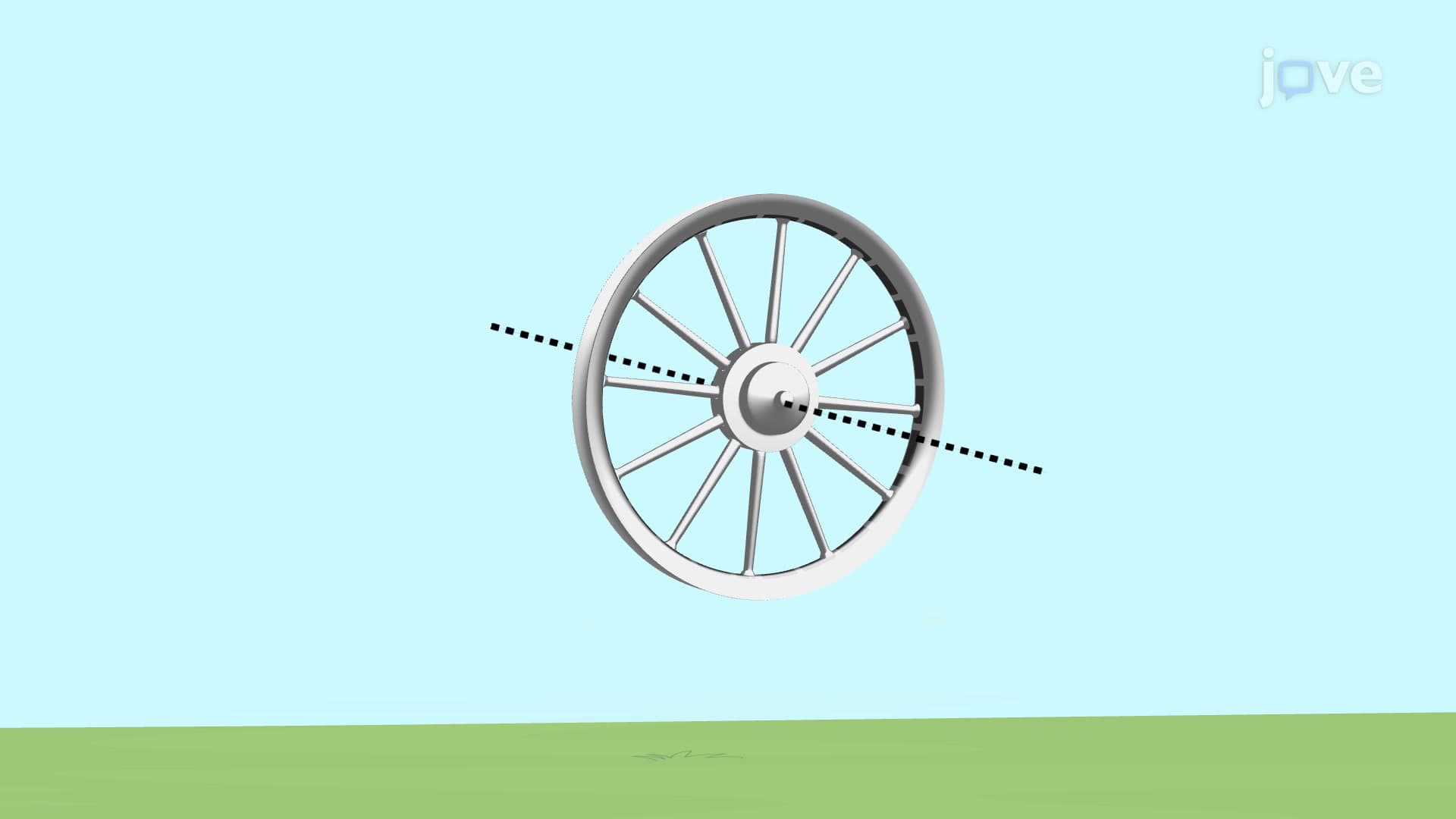
Consider a practical example: when a car's wheel rotates through one complete revolution (2π radians), every point on the tire's edge travels a distance equal to the wheel's circumference. A larger wheel covers more ground per revolution than a smaller wheel, demonstrating how radius amplifies the linear effects of angular motion.
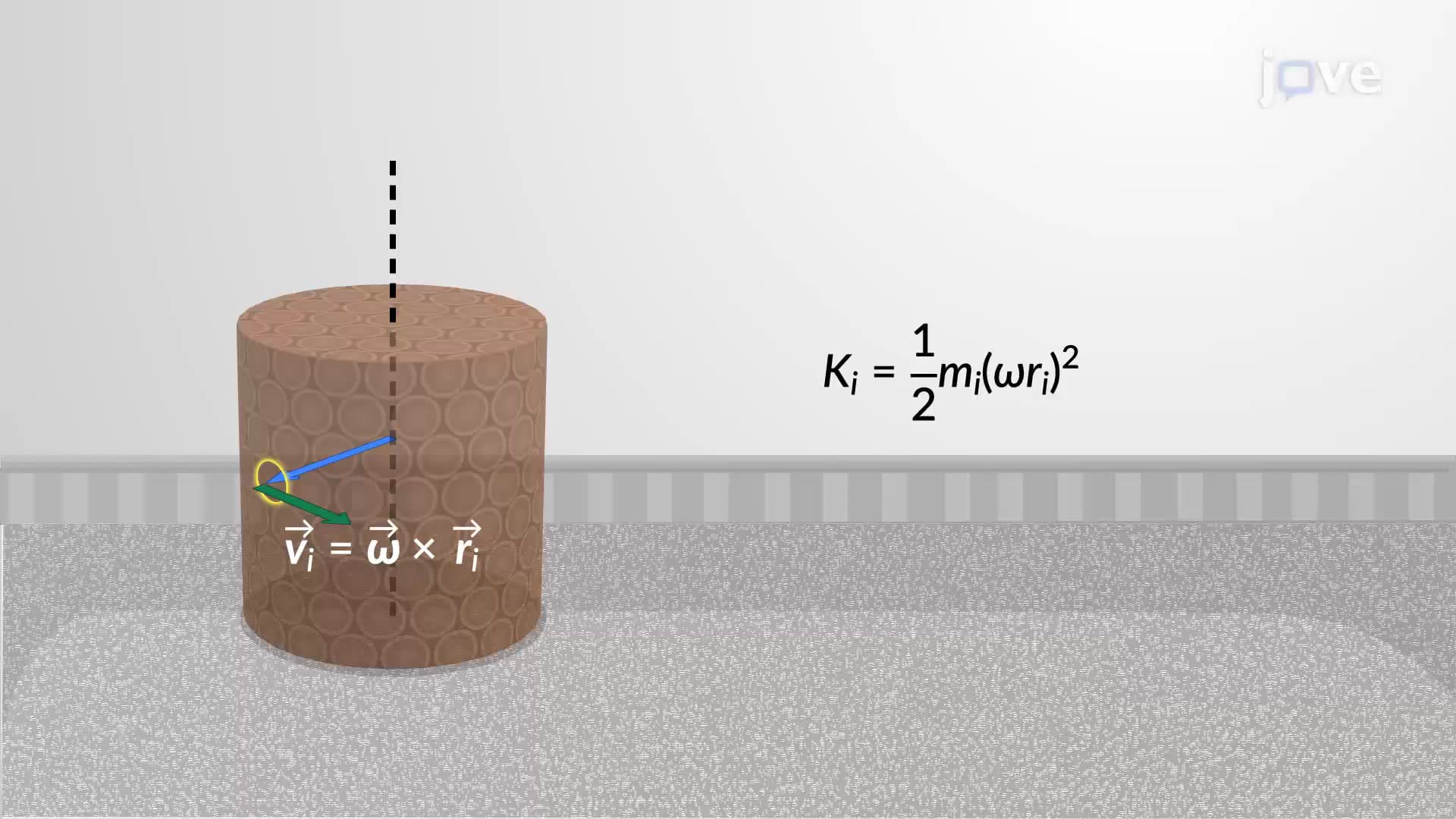
Taking the time derivative of s = rθ yields the velocity relationship: v = rω, where v represents tangential velocity and ω represents angular velocity. This mathematical operation reveals that linear velocity at any point on a rotating object is directly proportional to both the radius and angular velocity. The constant radius assumption simplifies this derivation, making it accessible to AP Physics students and college undergraduates studying introductory mechanics.
The tangential nature of this velocity is crucial for understanding circular motion dynamics. Unlike linear velocity that maintains a constant direction, tangential velocity continuously changes direction while potentially maintaining constant magnitude, creating the centripetal acceleration necessary for circular motion.
These relationships appear frequently in AP Physics C: Mechanics exams and college physics midterms. Students encounter problems involving bicycle wheels, rotating platforms, and planetary motion where converting between angular and linear quantities becomes essential. Understanding these concepts also prepares students for advanced topics like rotational kinetic energy and angular momentum conservation, both critical for MCAT physical sciences sections.
Frequently Asked Questions
Relating angular and linear quantities I describes the fundamental mathematical relationships connecting rotational motion variables with their linear motion counterparts. This concept is essential because it allows us to analyze circular motion using familiar linear motion principles, making rotational dynamics accessible and predictable. It forms the foundation for understanding everything from simple machines to planetary orbits.
AP Physics C: Mechanics frequently tests these relationships through problems involving rotating wheels, pulleys, and circular motion scenarios. Students must convert between angular and linear velocities, calculate arc lengths from angular displacements, and apply these relationships in energy conservation problems. The College Board emphasizes both conceptual understanding and mathematical application of the s = rθ and v = rω relationships.
Students often forget to use radians instead of degrees when applying the fundamental relationships. Using degrees in s = rθ or v = rω leads to incorrect answers by factors involving π/180. Always ensure angular measurements are in radians before applying these linear-angular relationships, and practice converting between degree and radian measures for exam success.
NASA engineers use these relationships when designing spacecraft attitude control systems, ensuring proper orientation during missions. Automotive engineers apply them when designing transmission systems and calculating tire performance. Wind turbine designers must understand how blade angular velocity translates to tip speed to optimize energy capture while maintaining safety limits.
No, only basic derivative concepts are required to understand the velocity relationships. Most high school students can grasp the fundamental s = rθ relationship through geometry alone. The calculus component (taking time derivatives) uses straightforward differentiation rules that AP Calculus or college calculus students readily handle.
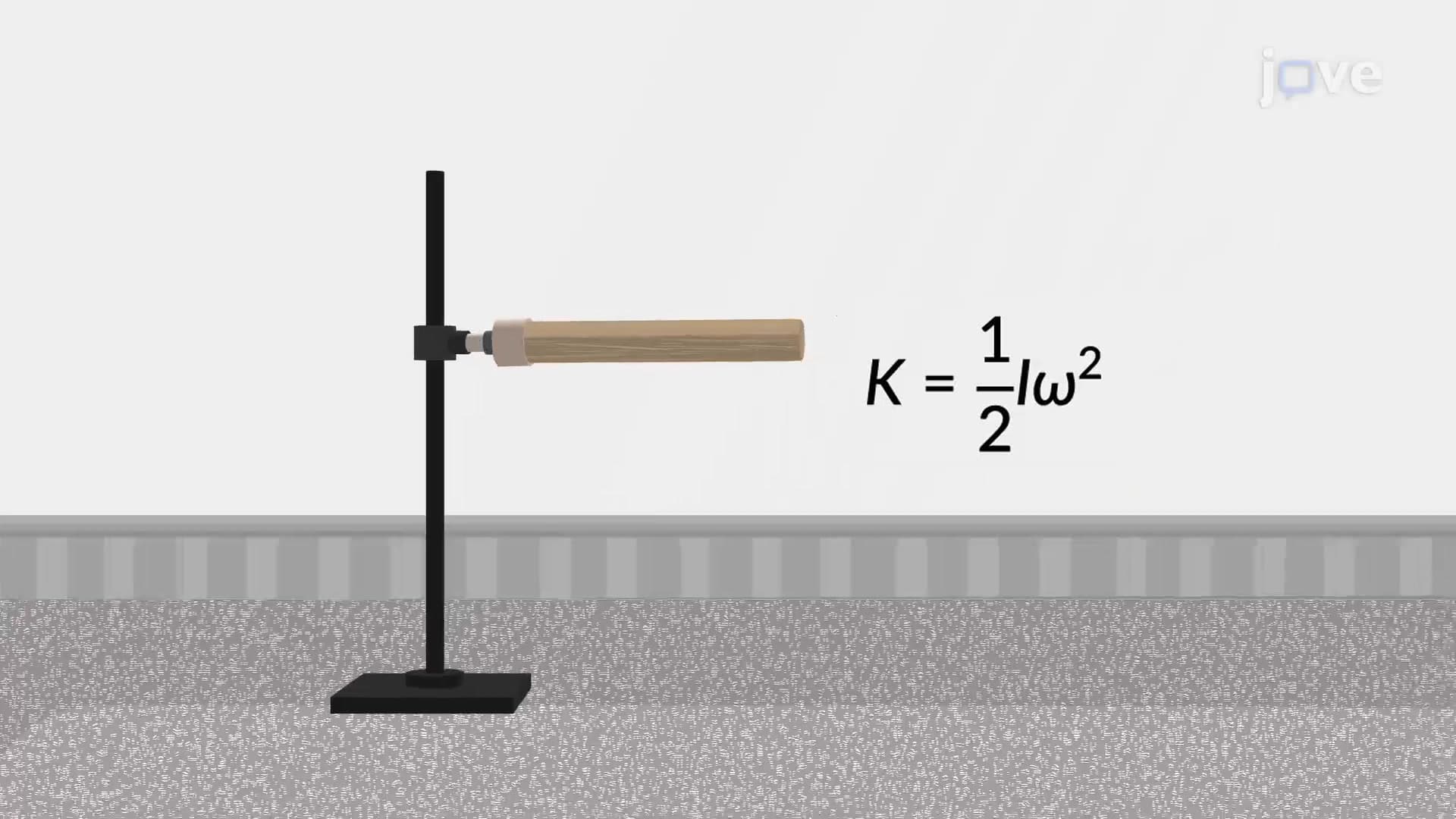
Progress to rotational kinetic energy (KE = ½Iω²) and angular momentum (L = Iω) concepts. These topics build directly on the angular-linear relationships you've learned and prepare you for advanced mechanics topics like conservation laws and rigid body dynamics. Understanding torque and rotational equilibrium also becomes much clearer with this foundation.
Practice converting between angular and linear quantities using real-world scenarios like car wheels, clock hands, and playground equipment. Create a formula sheet connecting each linear variable with its angular counterpart, and work through problems involving both constant and changing angular velocities. Focus on unit analysis to catch common errors before they affect your final answers.
Related Micro-courses


Related Subjects
 Math Fundamentals 11 micro-courses›
 Statistics 17 micro-courses›