Loading subject page…

- Physics
- Rotation and Rigid Bodies
- Angular Velocity and Acceleration
Micro-course: Rotation and Rigid Bodies
114,600 views
Learn key concepts and earn your certificate.


Angular Velocity and Acceleration

00:00
01:11
Video Summary: What Is Angular Velocity and Acceleration
Ever wonder why a NASCAR race car's wheels appear to spin backward on TV despite moving forward at 200 mph? This optical illusion reveals the fascinating physics of angular velocity and acceleration, concepts that govern rotational motion from spinning basketballs to satellite orbits. Understanding What is Angular Velocity And Acceleration unlocks the mechanics behind everyday phenomena, from the rotation of Earth to the operation of industrial turbines in manufacturing plants across Texas and California. Watch the full video on JoVE Coach to master this concept with expert-led visuals and step-by-step explanations.
- Understand the fundamental definitions and mathematical relationships in What is Angular Velocity And Acceleration for rotational motion analysis
- Identify the vector nature of angular velocity and acceleration, including sign conventions for clockwise and counterclockwise rotations
- Analyze how angular displacement changes over time to determine instantaneous angular velocity using calculus-based derivatives
- Compare angular motion quantities with their linear counterparts to build conceptual bridges between translational and rotational kinematics
- Evaluate real-world scenarios involving rotating objects to calculate angular acceleration in radians per second squared
- Apply angular motion principles to solve physics problems involving spinning wheels, rotating platforms, and orbital mechanics
- Recognize the relationship between angular velocity and acceleration in multi-point systems, such as rigid rotating bodies
- Explore how angular motion concepts appear in standardized exams like AP Physics and college-level mechanics courses
Understanding What is Angular Velocity And Acceleration
Angular velocity and acceleration form the cornerstone of rotational kinematics, describing how objects spin and change their spinning motion over time. While linear motion deals with straight-line movement, rotational motion requires specialized quantities that capture the essence of circular and spinning behaviors found throughout nature and technology.
Defining Angular Velocity: The Rate of Rotational Change
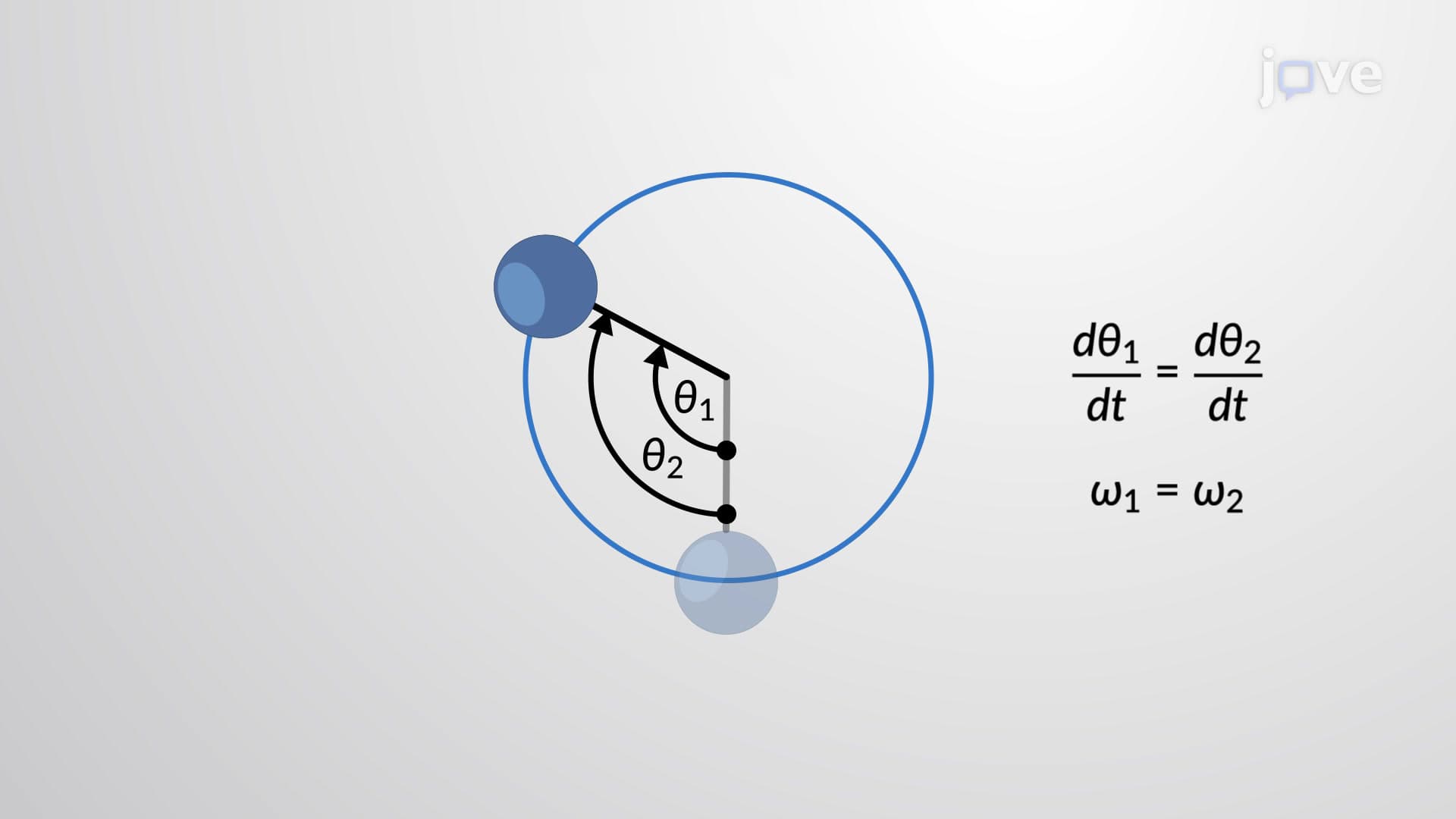
Angular velocity measures how quickly an object rotates through angular displacement, typically expressed in radians per second (rad/s). Unlike linear velocity that describes movement along a path, angular velocity quantifies rotational speed around a fixed axis. Consider a wind turbine in Kansas, each blade sweeps through the same angular displacement regardless of distance from the center, making angular velocity a unifying concept for the entire rotating system.
The mathematical representation involves the derivative of angular position (θ) with respect to time: ω = dθ/dt. This instantaneous angular velocity captures the rotational state at any given moment, crucial for analyzing systems like centrifuges used in medical laboratories or the spinning rotors in jet engines manufactured by companies like Pratt & Whitney.
Angular Acceleration: Changing Rotational Motion
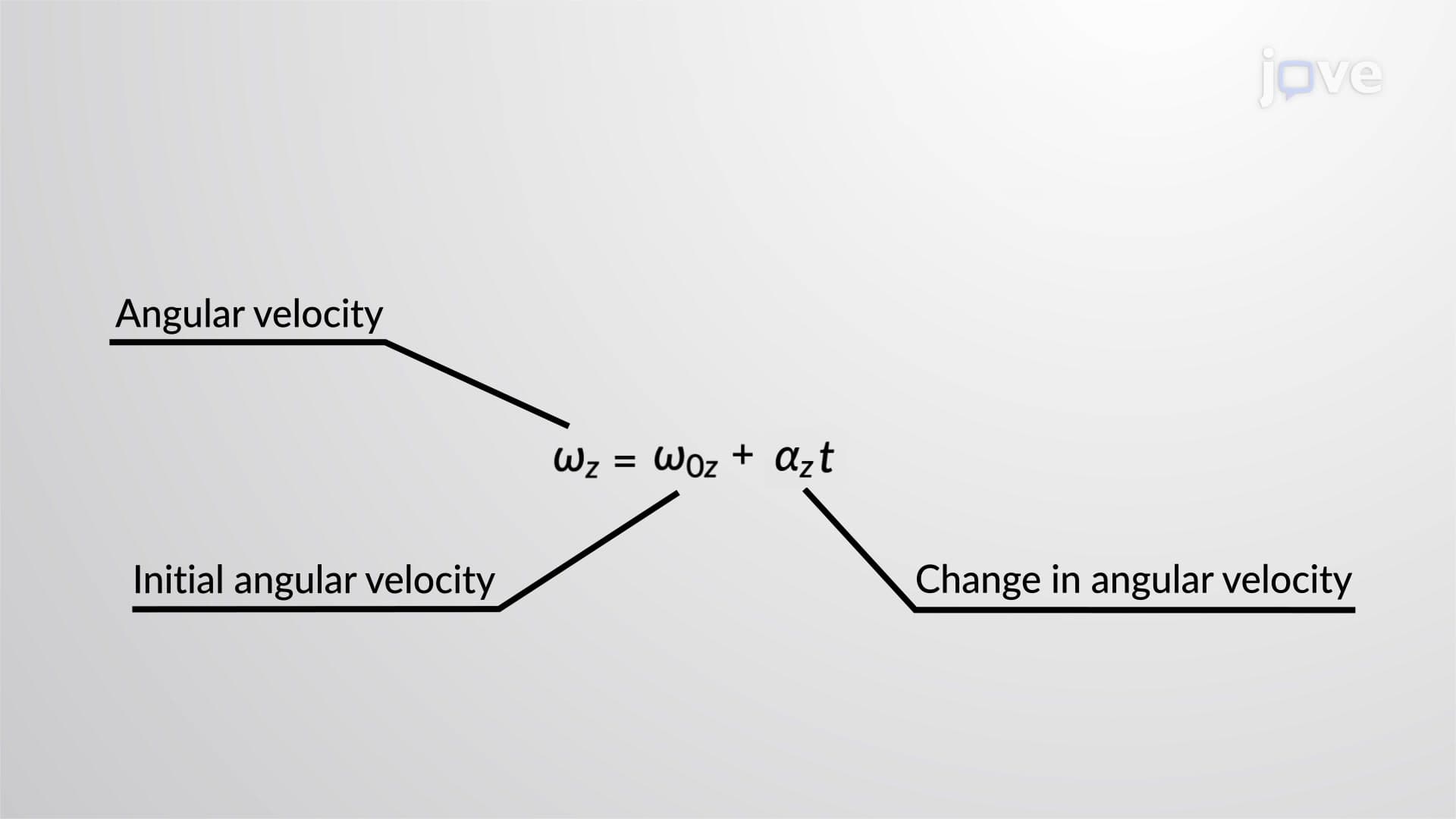
Angular acceleration (α) describes how angular velocity changes over time, measured in radians per second squared (rad/s²). When a motorcycle accelerates from rest, its wheels experience positive angular acceleration as they spin faster. Conversely, applying brakes creates negative angular acceleration, slowing the rotational motion.
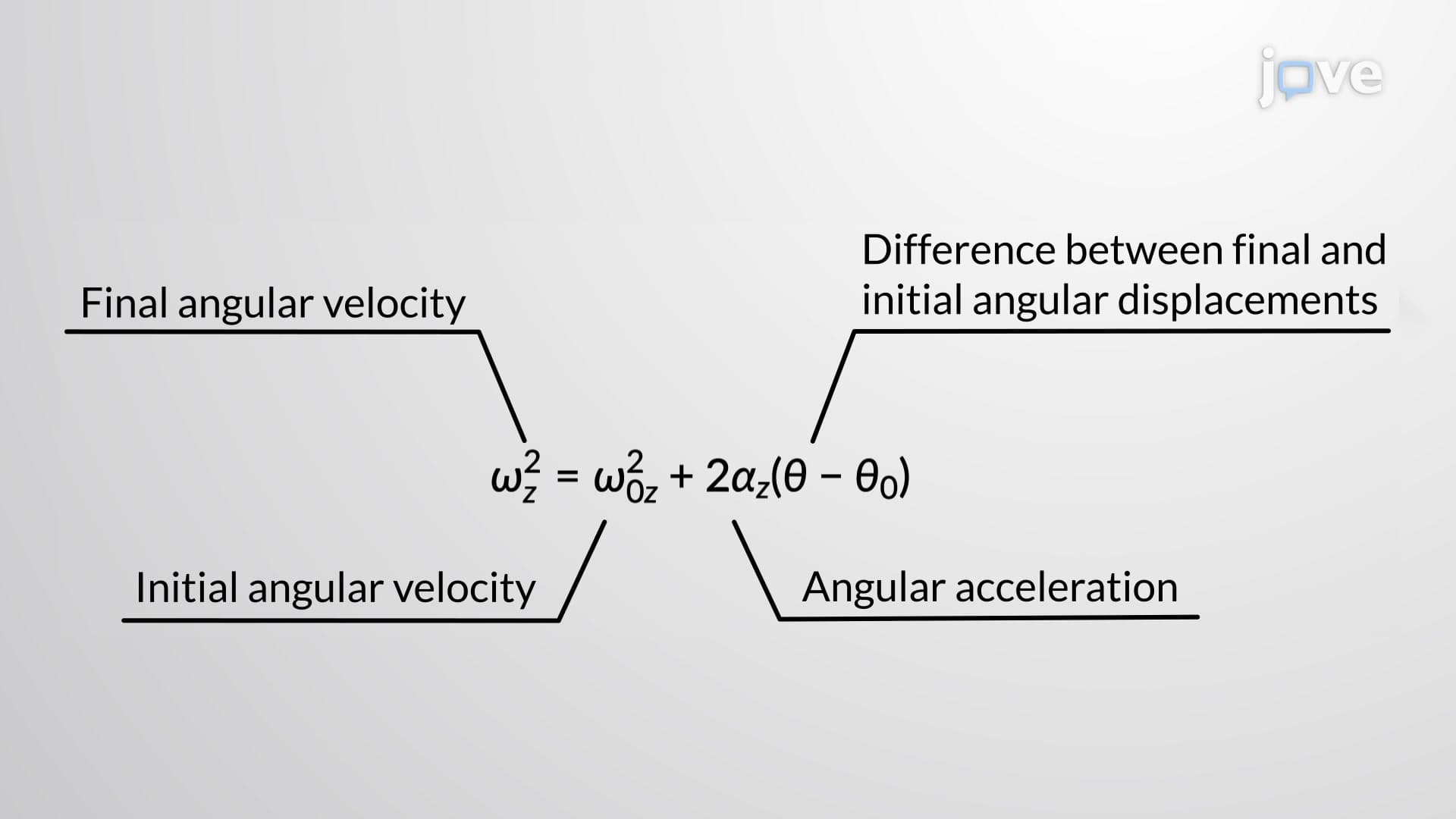
The relationship α = dω/dt parallels linear acceleration but applies to rotational systems. This concept proves essential in engineering applications, from designing automotive transmissions in Detroit to optimizing the performance of industrial machinery in manufacturing facilities across the Midwest.
Vector Properties and Sign Conventions
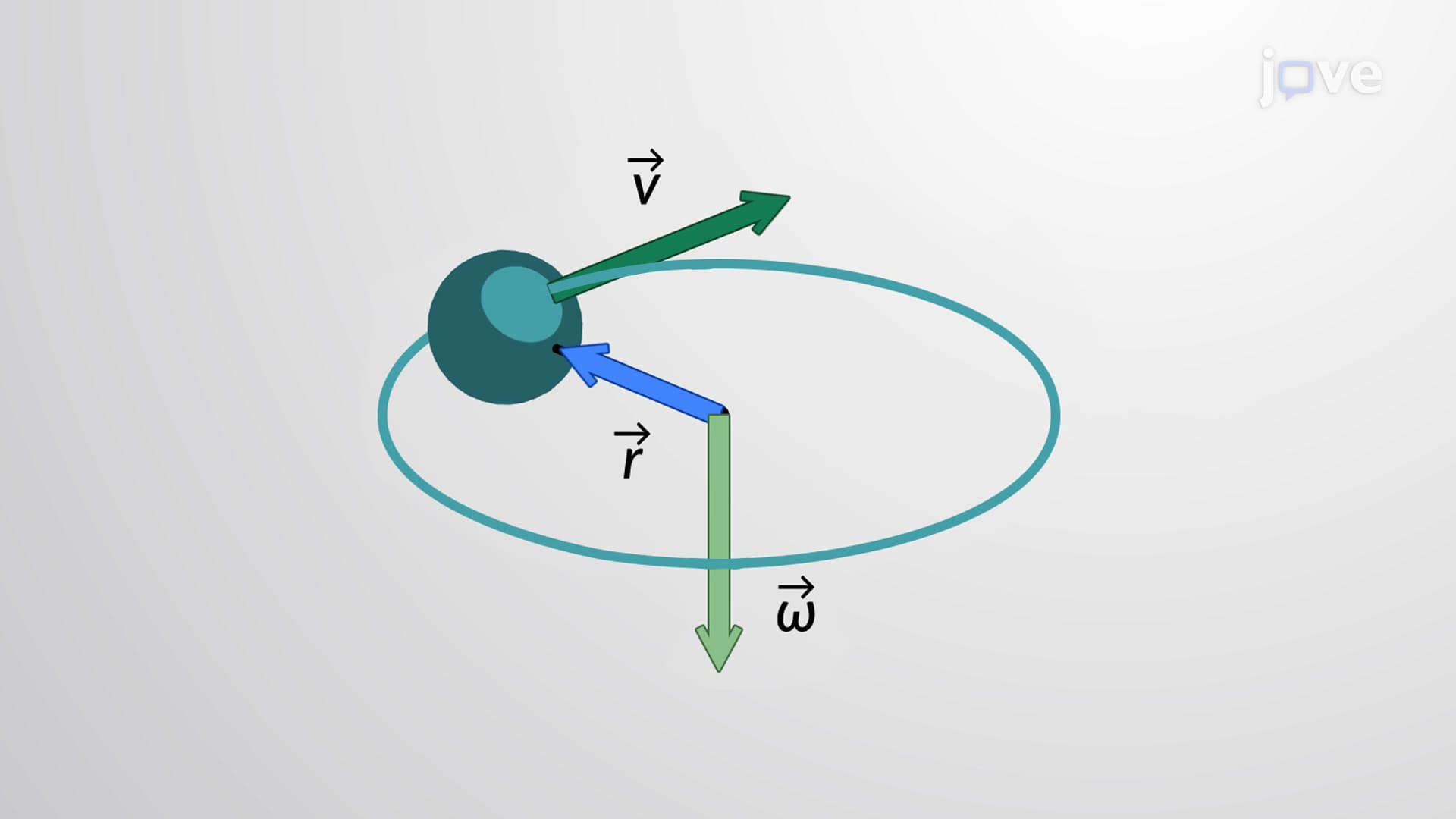
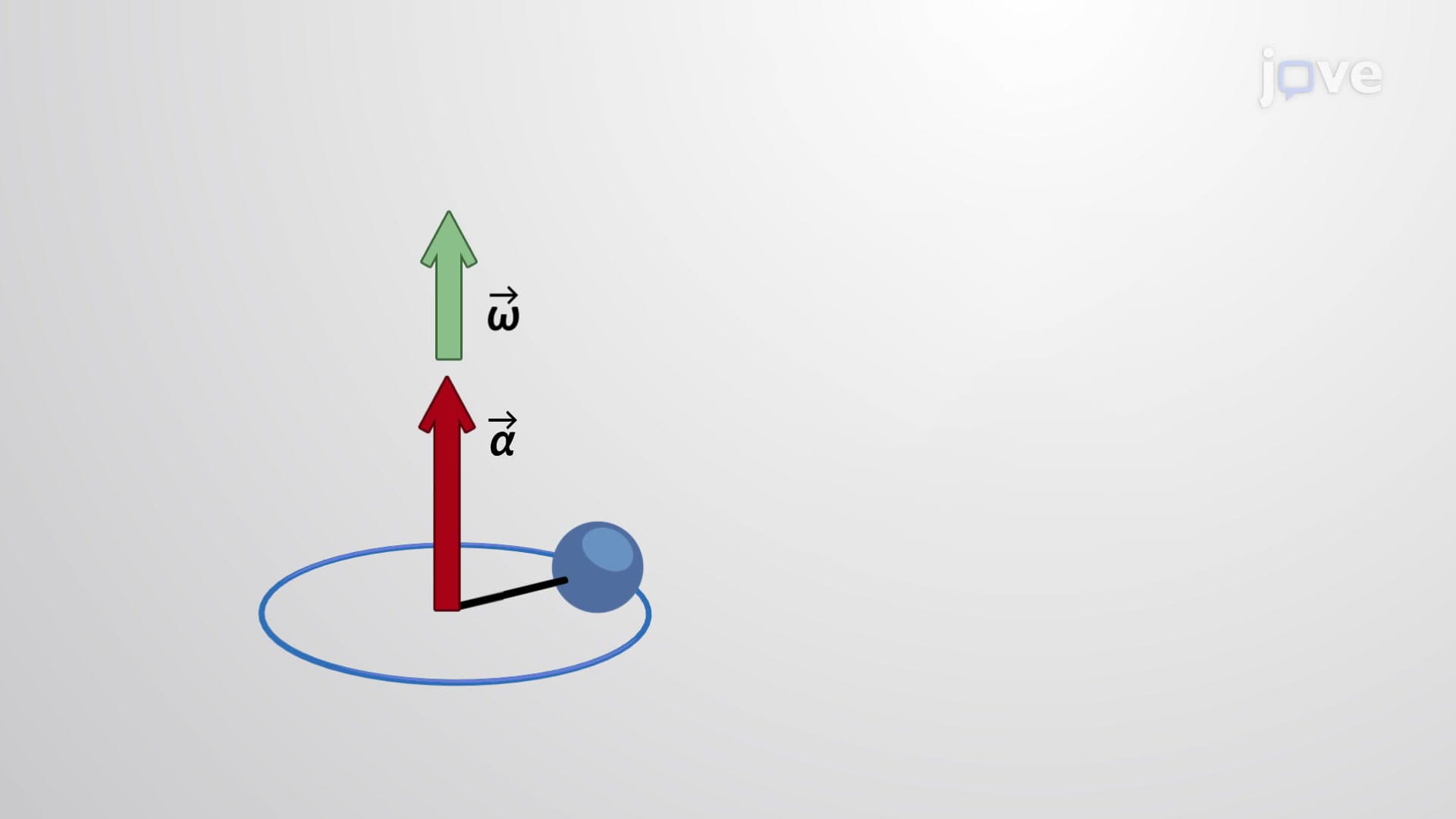
Both angular velocity and acceleration are vector quantities, requiring careful attention to direction. The right-hand rule establishes positive direction: fingers curl in the rotation direction while the thumb points along the positive axis. Clockwise rotation typically receives negative designation, while counterclockwise rotation is positive, a convention particularly important in AP Physics examinations and college mechanics courses.
Applications in Education and Assessment
These concepts frequently appear in standardized testing, including AP Physics C: Mechanics and university-level physics courses. Students encounter problems involving rotating disks, planetary motion, and mechanical systems where understanding the distinction between linear and angular quantities becomes crucial for success. Medical school entrance exams like the MCAT also test rotational motion principles in biological contexts, such as centrifuge operation and joint biomechanics.
Frequently Asked Questions
Angular velocity measures how fast something spins (like a wheel's rotation speed), while angular acceleration describes how quickly that spinning speed changes. Think of a figure skater: angular velocity is how fast they're spinning, and angular acceleration occurs when they pull their arms in to spin faster or extend them to slow down.
Angular velocity is the rate of change of angular displacement (ω = dθ/dt), measured in rad/s, while angular acceleration is the rate of change of angular velocity (α = dω/dt), measured in rad/s². Both are vector quantities with directions determined by the right-hand rule, essential for solving rotational kinematics problems.
AP Physics C frequently tests these concepts through rotating disk problems, planetary motion scenarios, and energy conservation in rotational systems. Students must calculate angular quantities, relate them to linear motion, and apply calculus-based derivatives. Practice with free-response questions involving pulleys, wheels, and rotating platforms is essential.
Linear acceleration (a = dv/dt) describes changing speed along a straight path, while angular acceleration (α = dω/dt) describes changing rotational speed around an axis. College exams often require converting between them using the relationship a = αr, where r is the radius from the rotation axis.
Consider a wind turbine at a Texas wind farm: the blades rotate with constant angular velocity during steady winds (like 2 rad/s), but experience angular acceleration when wind speeds change, causing the rotation to speed up or slow down to optimize energy generation.
Basic concepts can be understood without calculus using average rates of change, making them accessible to high school physics students. However, calculus becomes essential for instantaneous values and advanced applications, particularly in AP Physics C and university courses where derivatives define these quantities precisely.
Start with conceptual understanding using everyday rotating objects, then practice unit conversions between degrees and radians. Work through problems systematically, draw diagrams showing rotation direction, and connect angular quantities to their linear equivalents. Focus on free-body diagrams for rotating systems and energy conservation principles.
Progress to rotational dynamics (torque and moment of inertia), conservation of angular momentum, and rotational kinetic energy. These concepts build directly on angular kinematics and appear frequently in advanced courses like engineering mechanics and graduate school entrance exams.
Related Micro-courses
14 Concepts

12 Concepts

24 Concepts