Loading subject page…


114,600 views

Video Summary: Moment of Inertia and Rotational Explained
Ever wonder why a figure skater spins faster when they pull their arms in? Moment of inertia and rotational motion explains this fascinating physics phenomenon that governs everything from spinning ice skaters to the massive turbines at Hoover Dam. Just as mass determines how hard it is to push an object, moment of inertia determines how difficult it is to start or stop something spinning. Watch the full video on JoVE Coach to master this concept with expert-led visuals and step-by-step explanations.
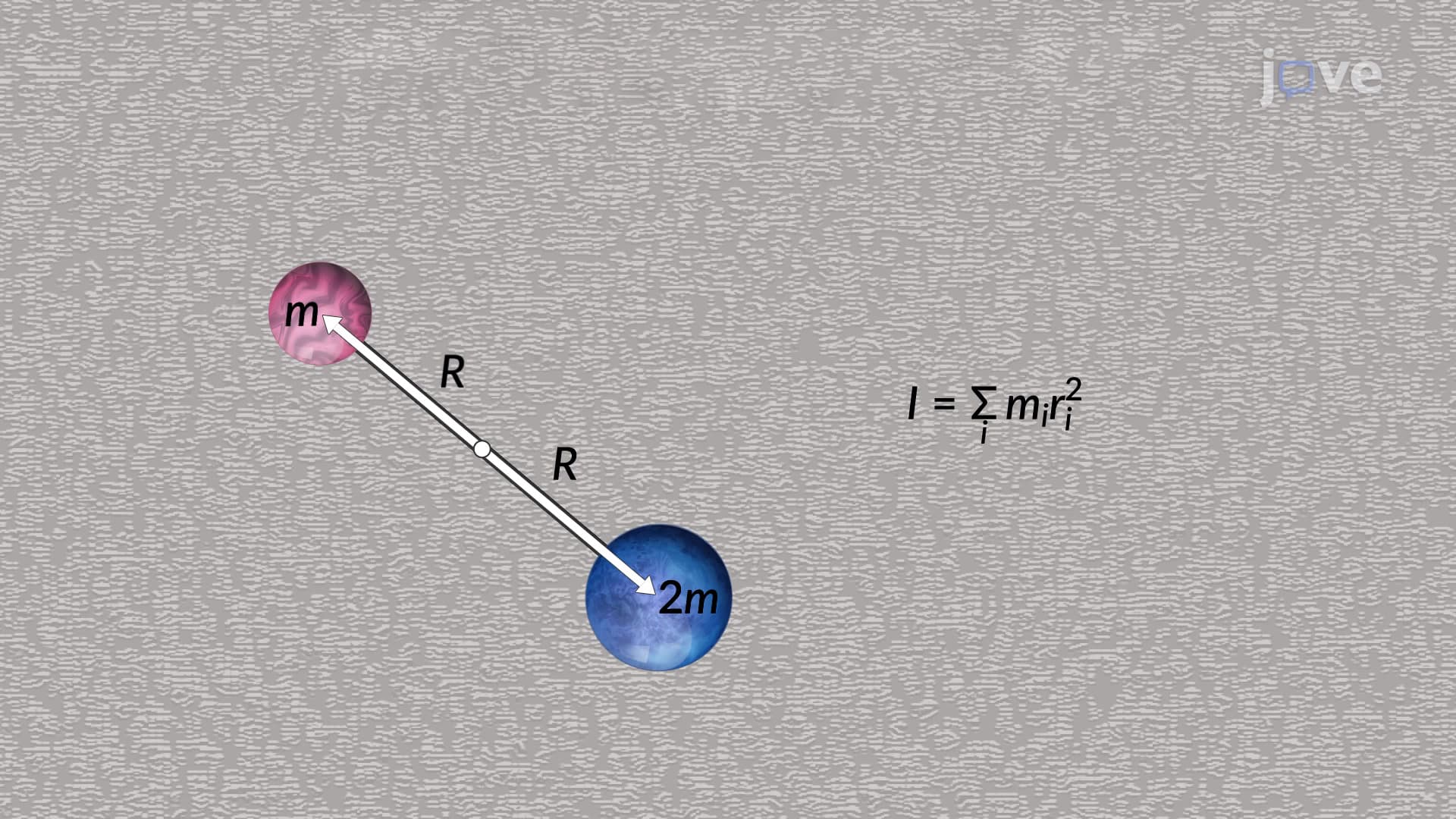
Moment of inertia and rotational motion represents one of physics' most elegant parallels to linear motion. While mass determines an object's resistance to linear acceleration, moment of inertia quantifies resistance to rotational acceleration. This concept becomes crucial when analyzing everything from NASA's satellite orientation systems to the gear mechanisms in Ford's electric vehicle transmissions.
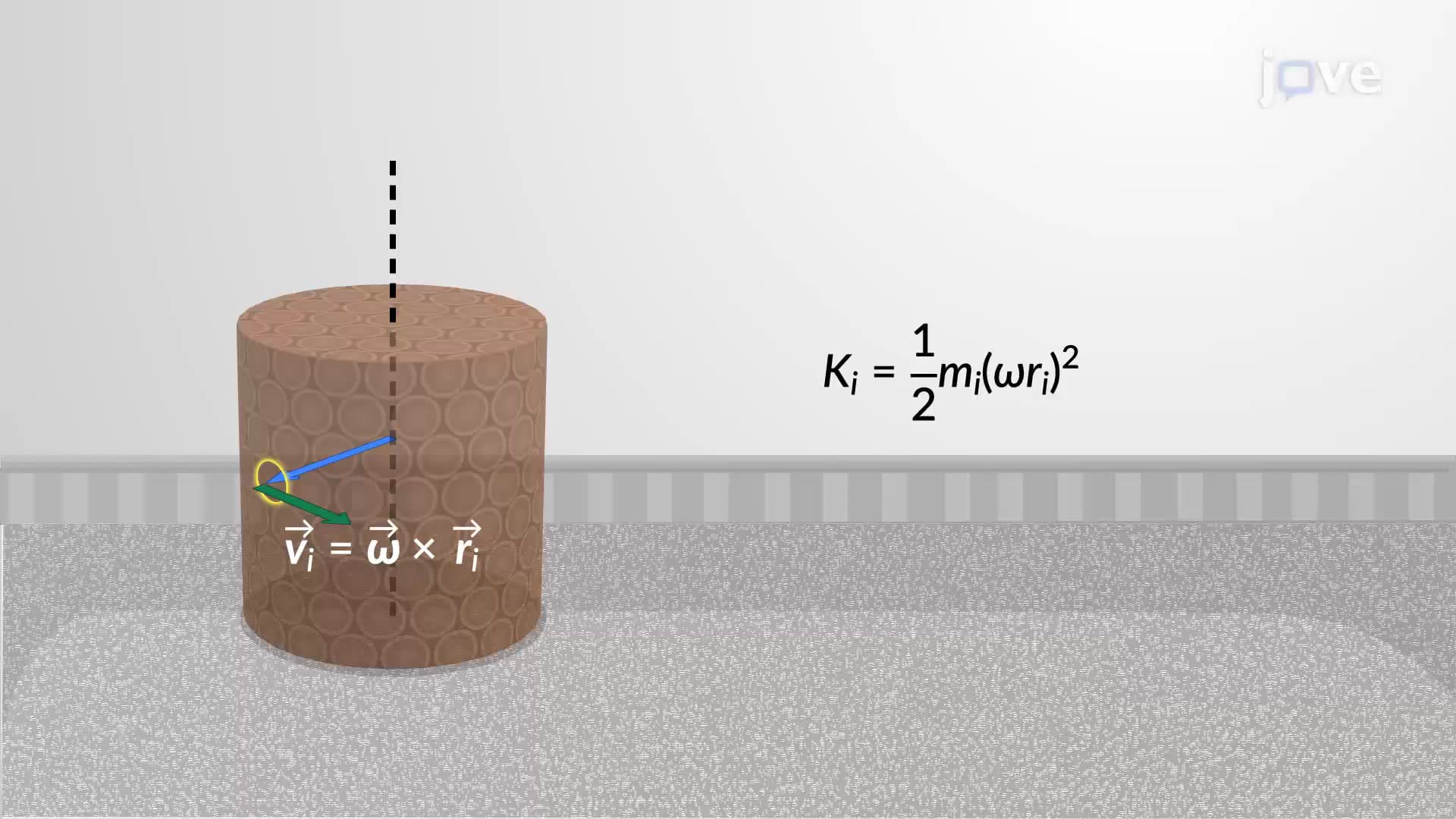
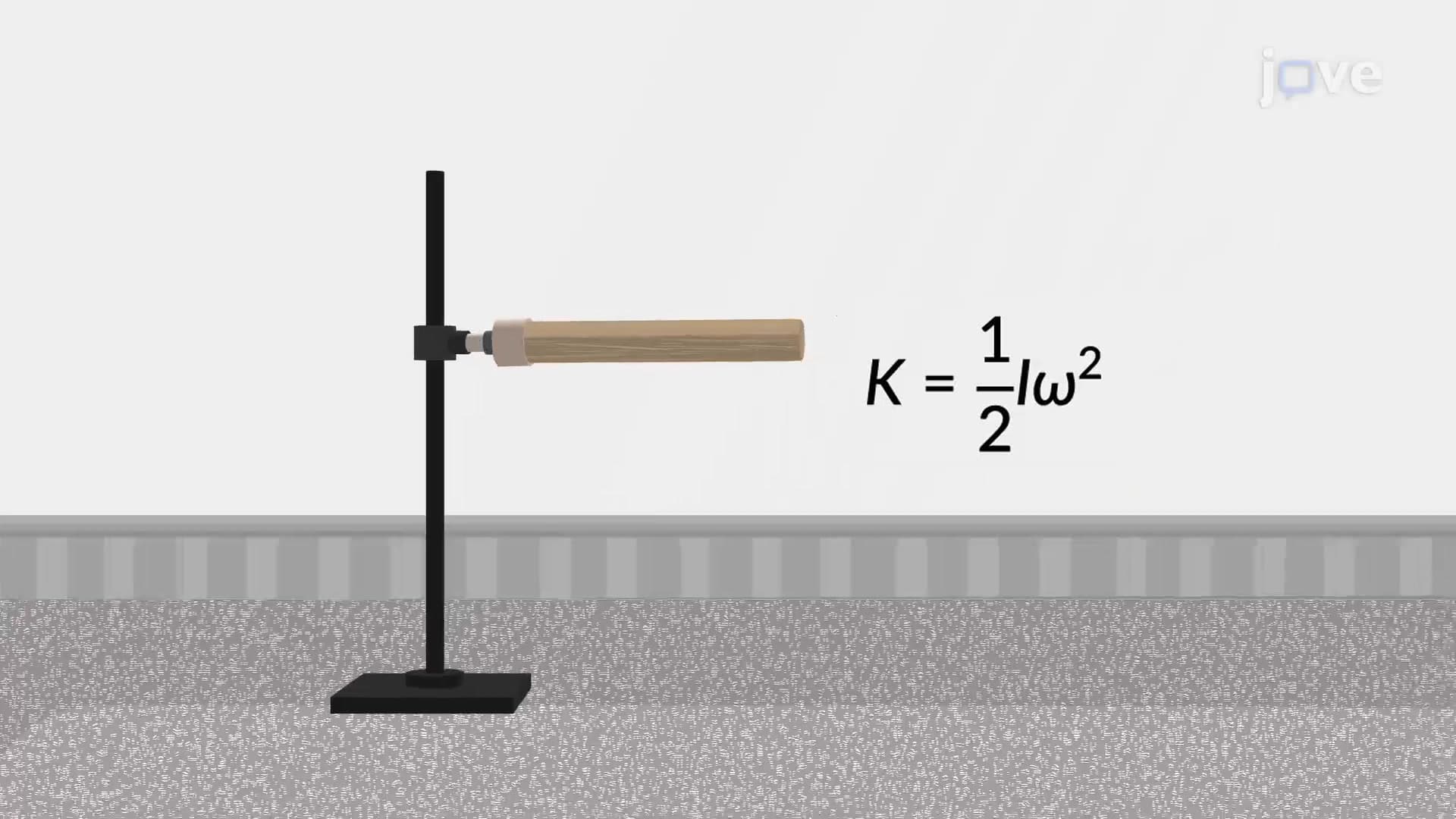
The rotational kinetic energy equation KE(rot) = (1/2)Iω² mirrors the familiar linear kinetic energy formula KE = (1/2)mv². Here, moment of inertia (I) replaces mass (m), and angular velocity (ω) substitutes for linear velocity (v). This mathematical parallel isn't coincidental-it reflects the fundamental physics governing both types of motion. Students preparing for AP Physics or college mechanics courses must master this relationship, as it appears frequently on exams and forms the foundation for understanding complex rotational systems.
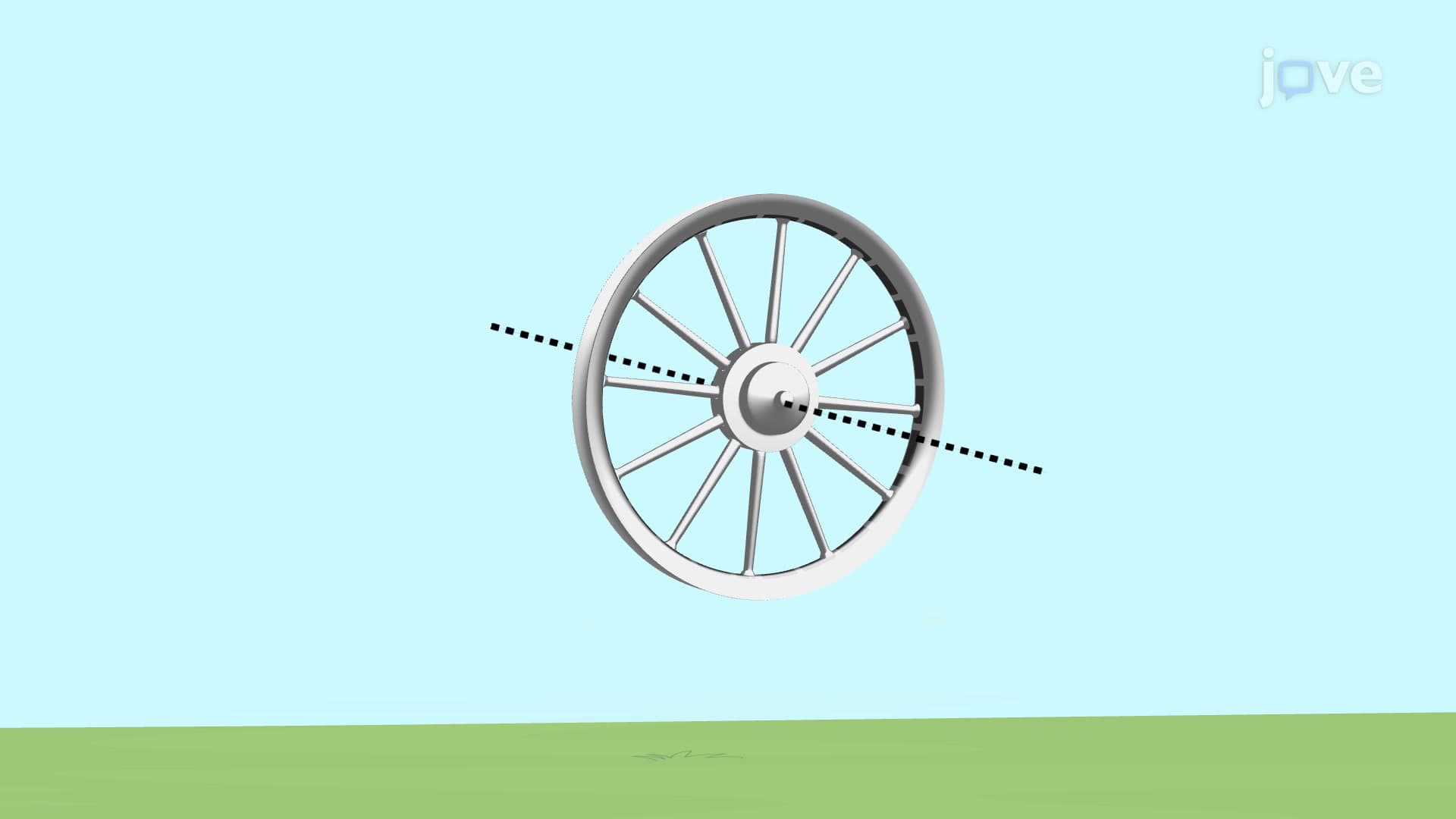
Unlike mass, which remains constant regardless of shape, moment of inertia depends critically on how mass is distributed relative to the rotation axis. A solid steel disk and a steel ring of identical mass behave dramatically differently when spinning. The ring, with mass concentrated farther from its center, possesses greater moment of inertia and thus requires more energy to reach the same angular speed. This principle explains why NASCAR engineers design wheel rims carefully-reducing rotational inertia improves acceleration performance on the track.
Modern engineering applications showcase moment of inertia principles daily. Wind turbines at installations like the Altamont Pass in California require precise moment of inertia calculations to optimize energy capture while preventing dangerous resonance frequencies. Similarly, Boeing's aircraft engines incorporate carefully designed turbine blades where moment of inertia affects fuel efficiency and performance. Understanding these concepts prepares students for advanced coursework in mechanical engineering, where rotational dynamics governs everything from robot arm design to spacecraft attitude control systems used by SpaceX and Blue Origin.
Related Micro-courses