Loading subject page…


114,600 views

Video Summary: What Is Moment of Inertia
Ever wonder why a figure skater spins faster when pulling their arms inward? The answer lies in moment of inertia, a fundamental physics concept that describes how mass distribution affects rotational motion. Just like NASA engineers calculate moment of inertia to control spacecraft orientation during missions, understanding What is Moment of Inertia helps explain why different objects resist rotational changes differently. This rotational analog to mass determines how much torque is needed to achieve angular acceleration in everything from car wheels to industrial turbines. Watch the full video on JoVE Coach to master this concept with expert-led visuals and step-by-step explanations.
Moment of inertia represents an object's resistance to changes in rotational motion, functioning as the rotational analog to mass in linear systems. While mass measures an object's resistance to linear acceleration, moment of inertia quantifies how difficult it is to start, stop, or change the rotational speed of an object. This fundamental concept bridges the gap between translational and rotational mechanics.
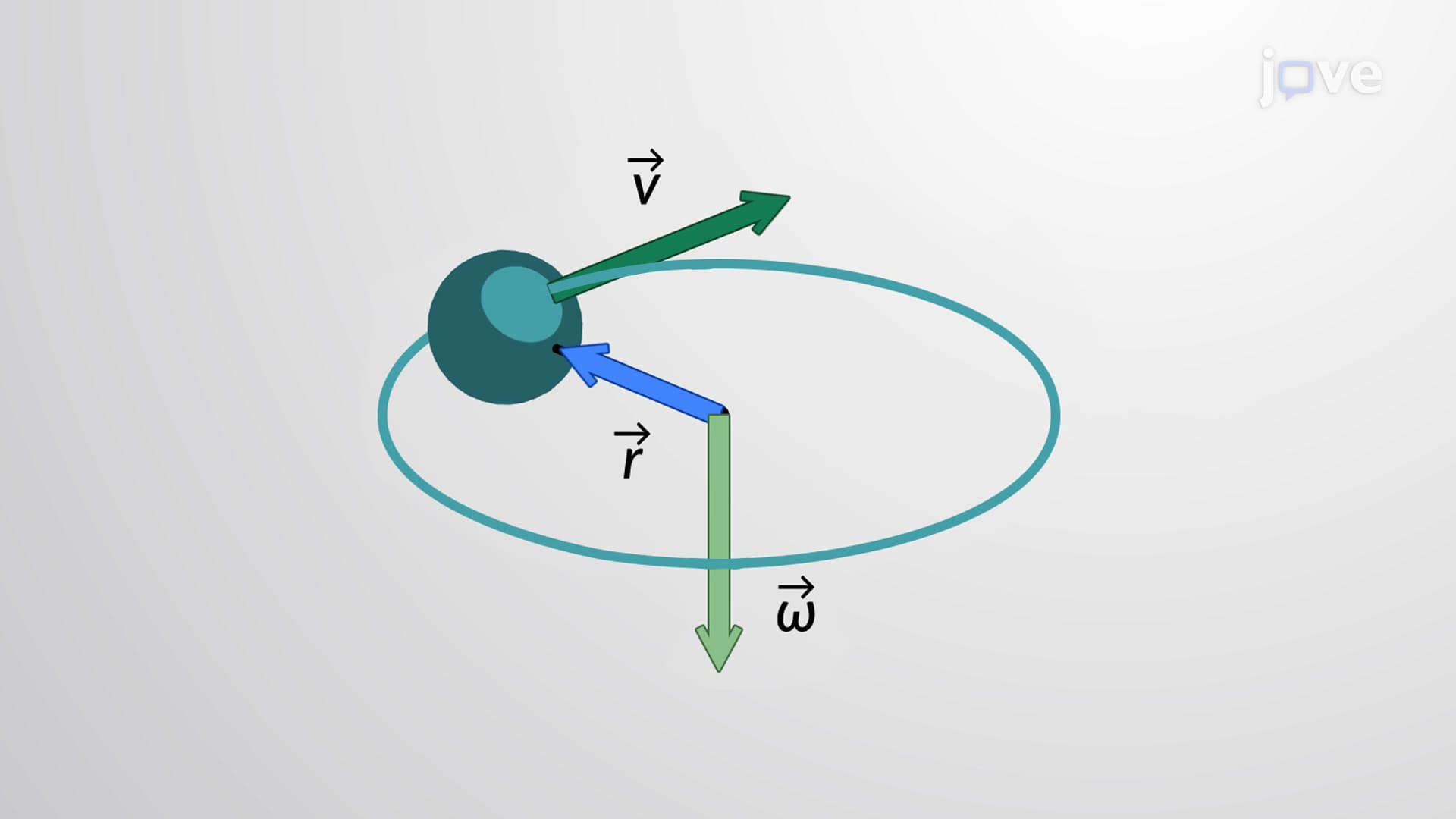
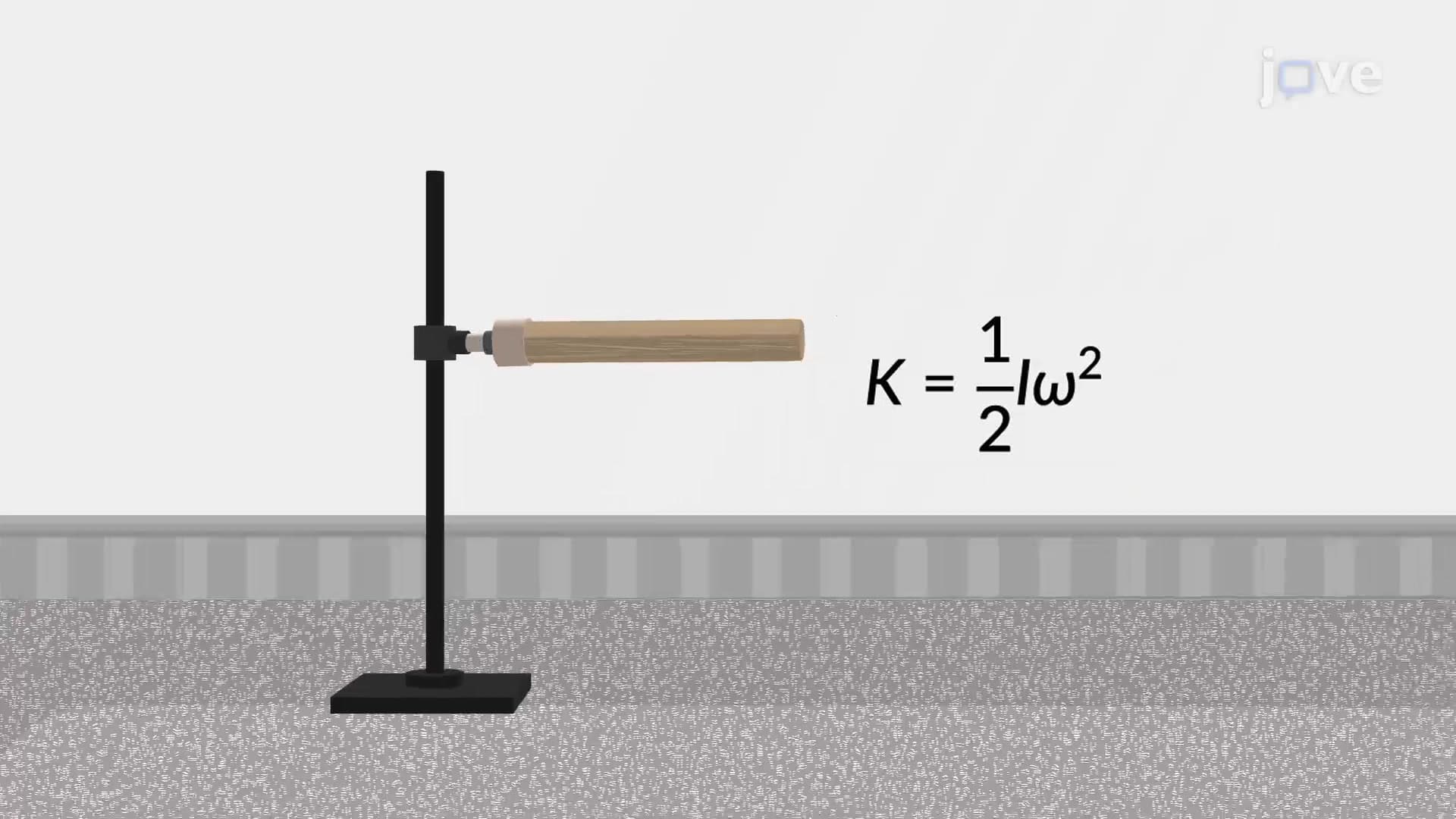
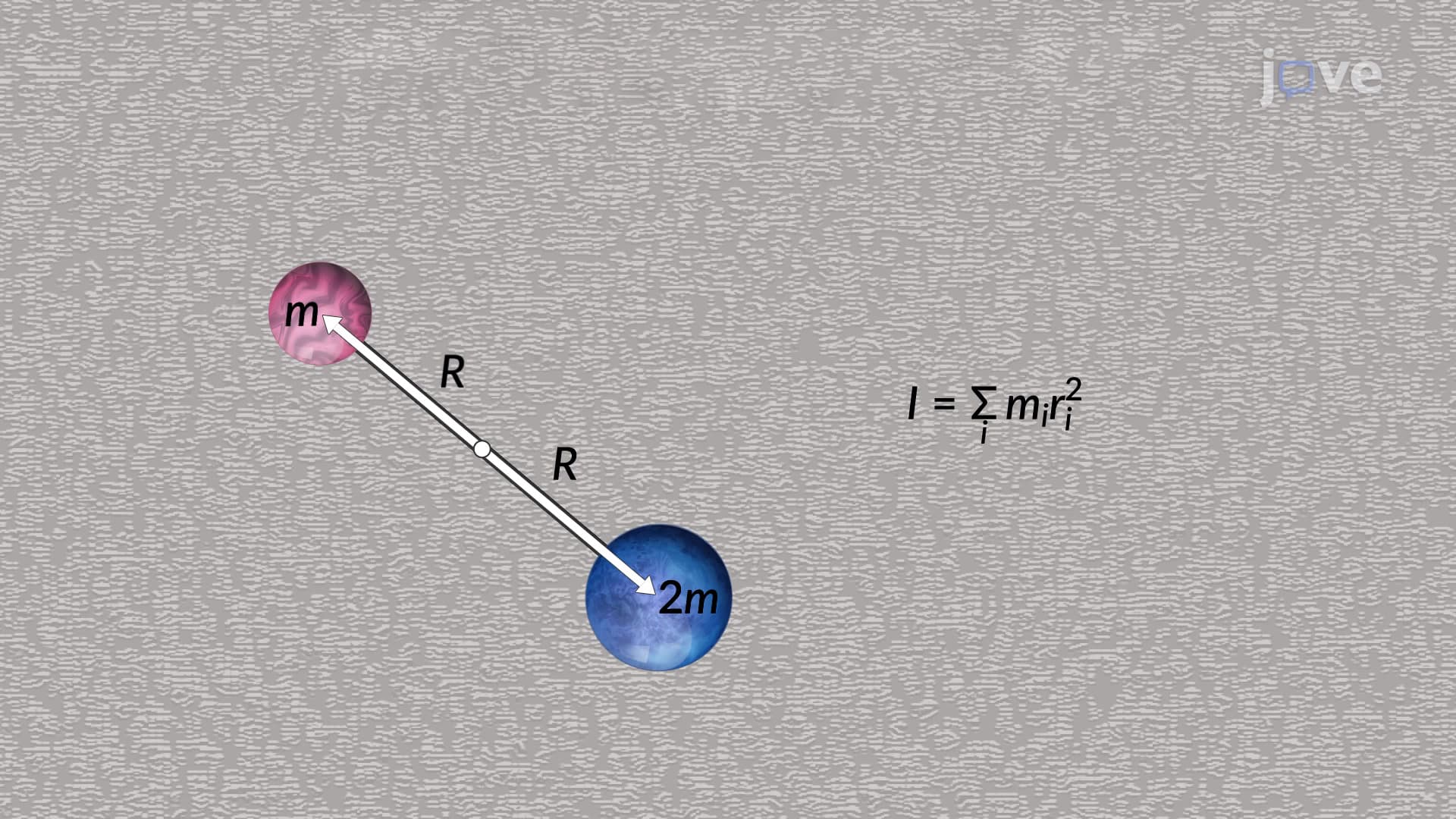
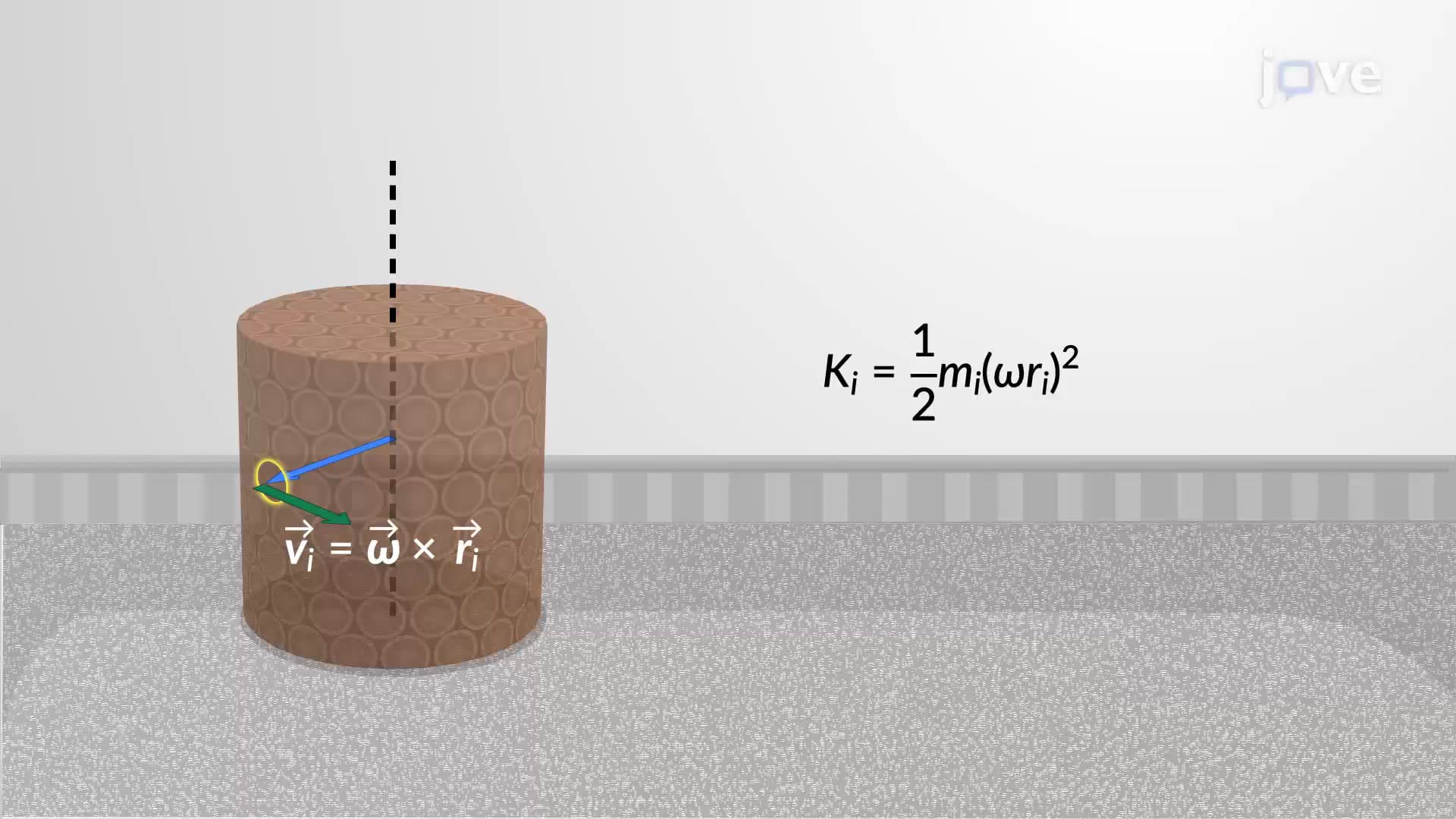
The mathematical foundation emerges from analyzing rotational kinetic energy. When a rigid body rotates, each particle within it moves at a different tangential velocity depending on its distance from the rotation axis. A particle at distance r from the axis has tangential velocity v = ωr, where ω represents angular velocity. The total rotational kinetic energy becomes KE = ½Iω², where I is the moment of inertia, calculated as I = Σmr² for all particles in the system.
The moment of inertia definition emphasizes that it's not just about total mass-distribution matters critically. Two objects with identical masses can have dramatically different moments of inertia based on how that mass is arranged relative to the rotation axis. For example, a solid cylinder has moment of inertia I = ½MR², while a thin ring of the same mass and radius has I = MR². The ring's mass is concentrated farther from the center, creating greater rotational inertia.
This principle explains why figure skaters control their spin rates by adjusting arm positions. When arms extend outward, mass moves farther from the rotation axis, increasing moment of inertia and slowing rotation. Pulling arms inward decreases moment of inertia, causing faster spinning to conserve angular momentum-a phenomenon students encounter in AP Physics C and college-level mechanics courses.
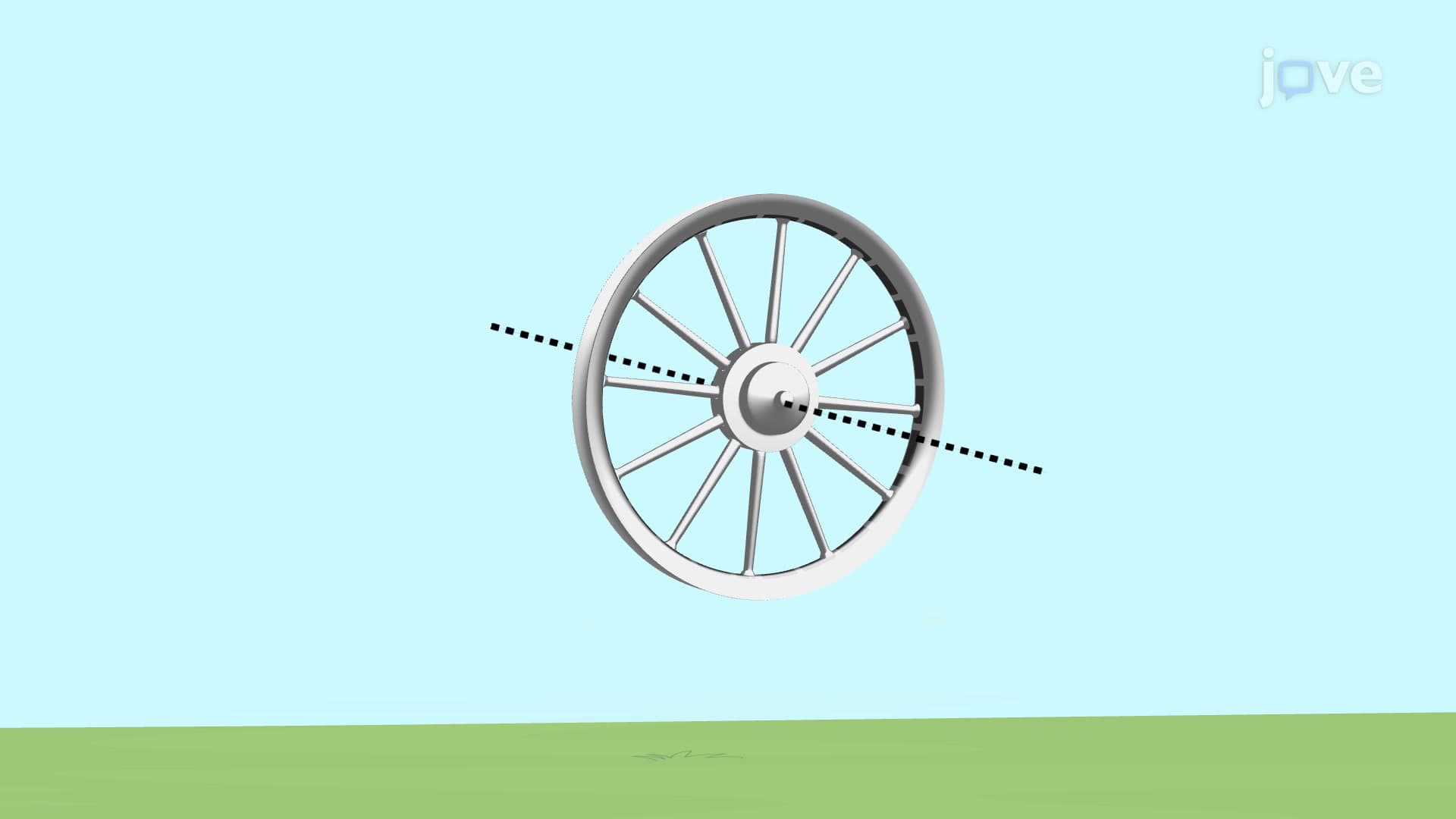
Understanding what is moment of inertia in detail proves essential across numerous fields. Automotive engineers design flywheels with high moments of inertia to store rotational energy and smooth engine operation. Conversely, race car designers minimize wheel moment of inertia for quicker acceleration and better handling response.
In sports equipment design, tennis rackets, golf clubs, and baseball bats are engineered with specific moment of inertia values to optimize performance. A tennis racket's moment of inertia about different axes affects power, control, and the "sweet spot" location, directly impacting player performance at all levels from high school athletics to professional competition.
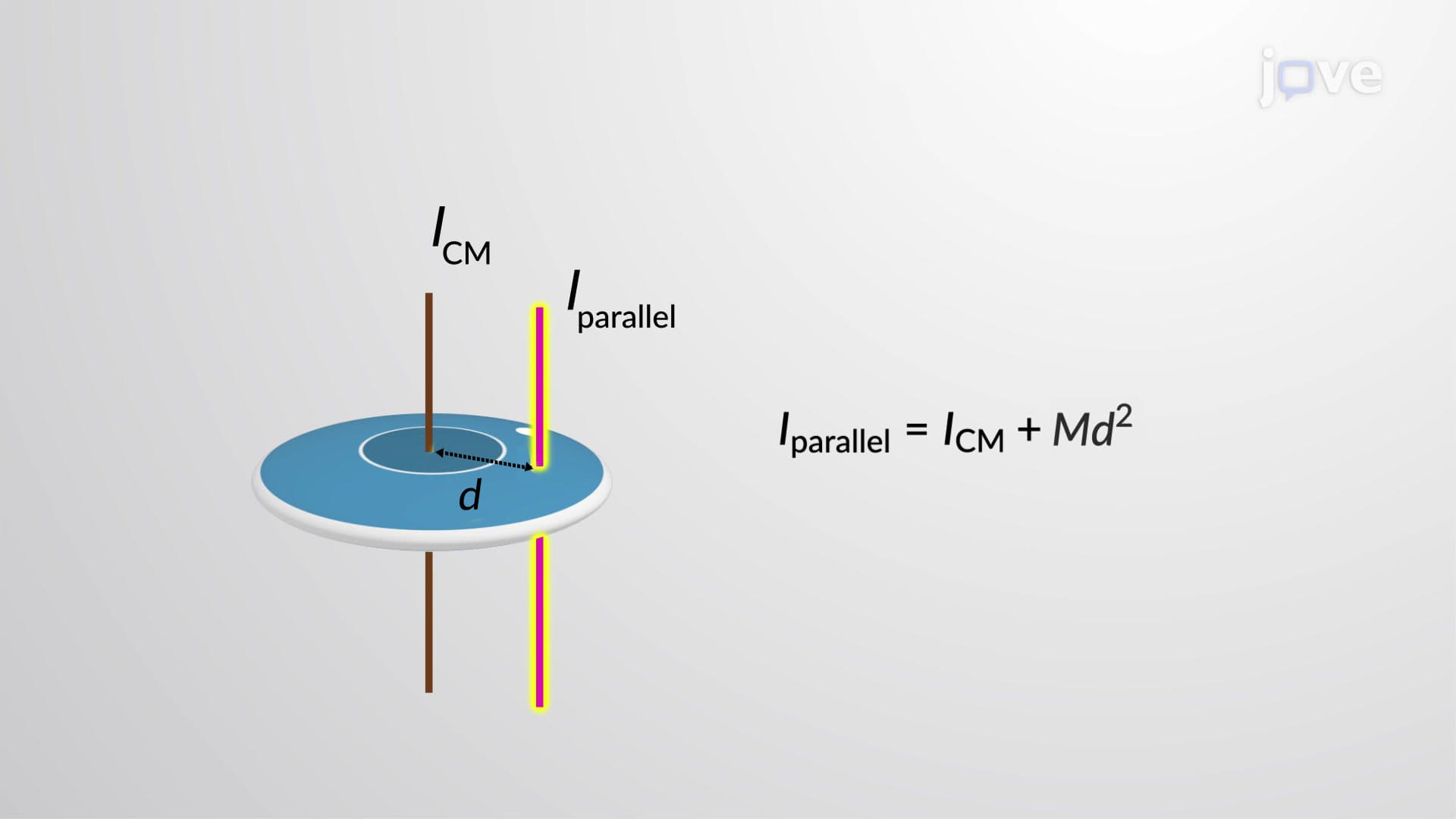
Students typically encounter moment of inertia in AP Physics C: Mechanics, where it appears in rotational dynamics problems involving torque, angular acceleration, and energy conservation. College physics courses expand this to include parallel axis theorem applications and moment of inertia calculations for complex shapes through integration. MCAT test-takers must understand these concepts for passages involving biomechanics and rotational motion in biological systems.
Related Micro-courses