Loading subject page…

- Physics
- Rotation and Rigid Bodies
- Angular Velocity and Displacement
Micro-course: Rotation and Rigid Bodies
114,600 views
Learn key concepts and earn your certificate.

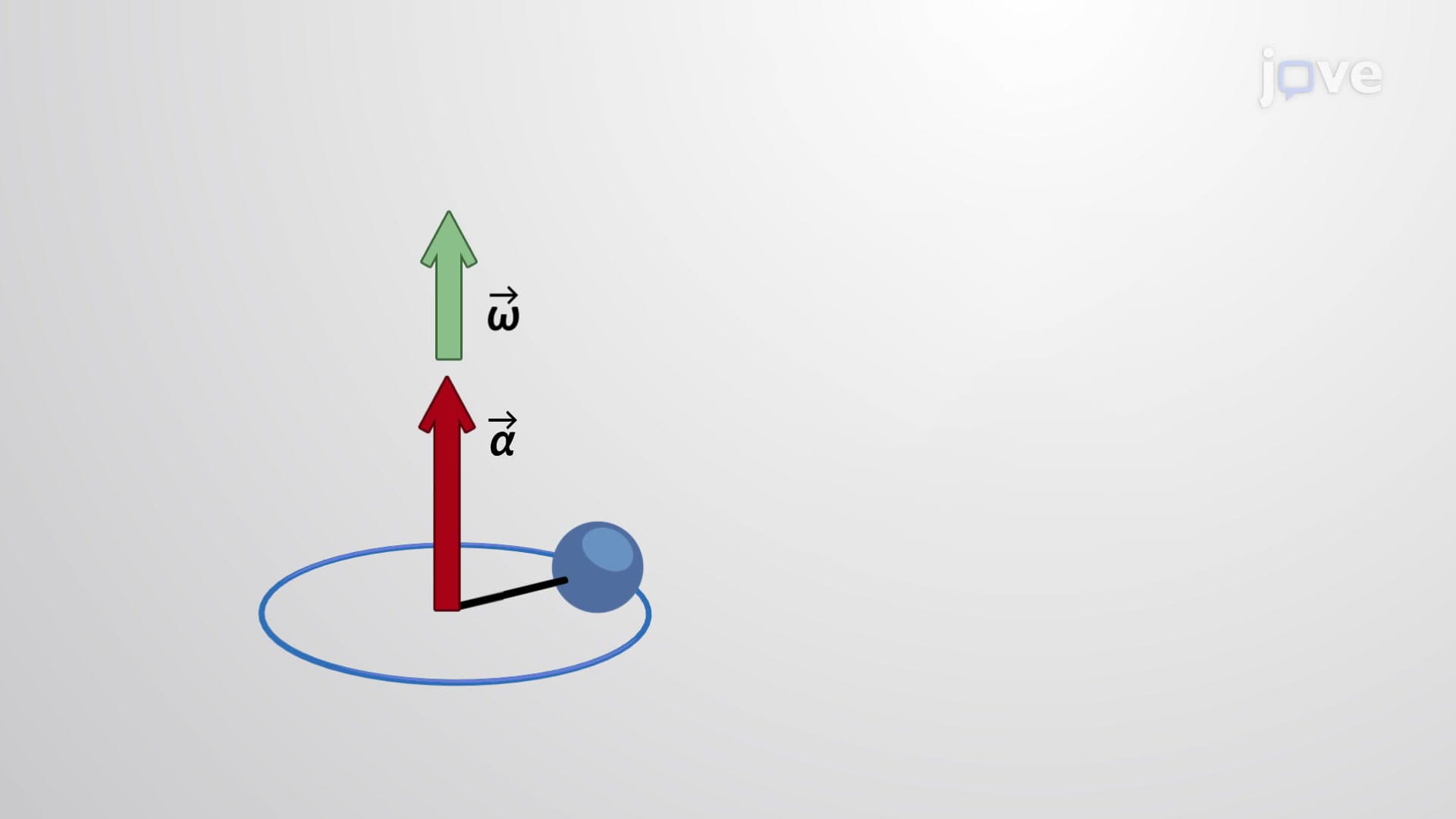
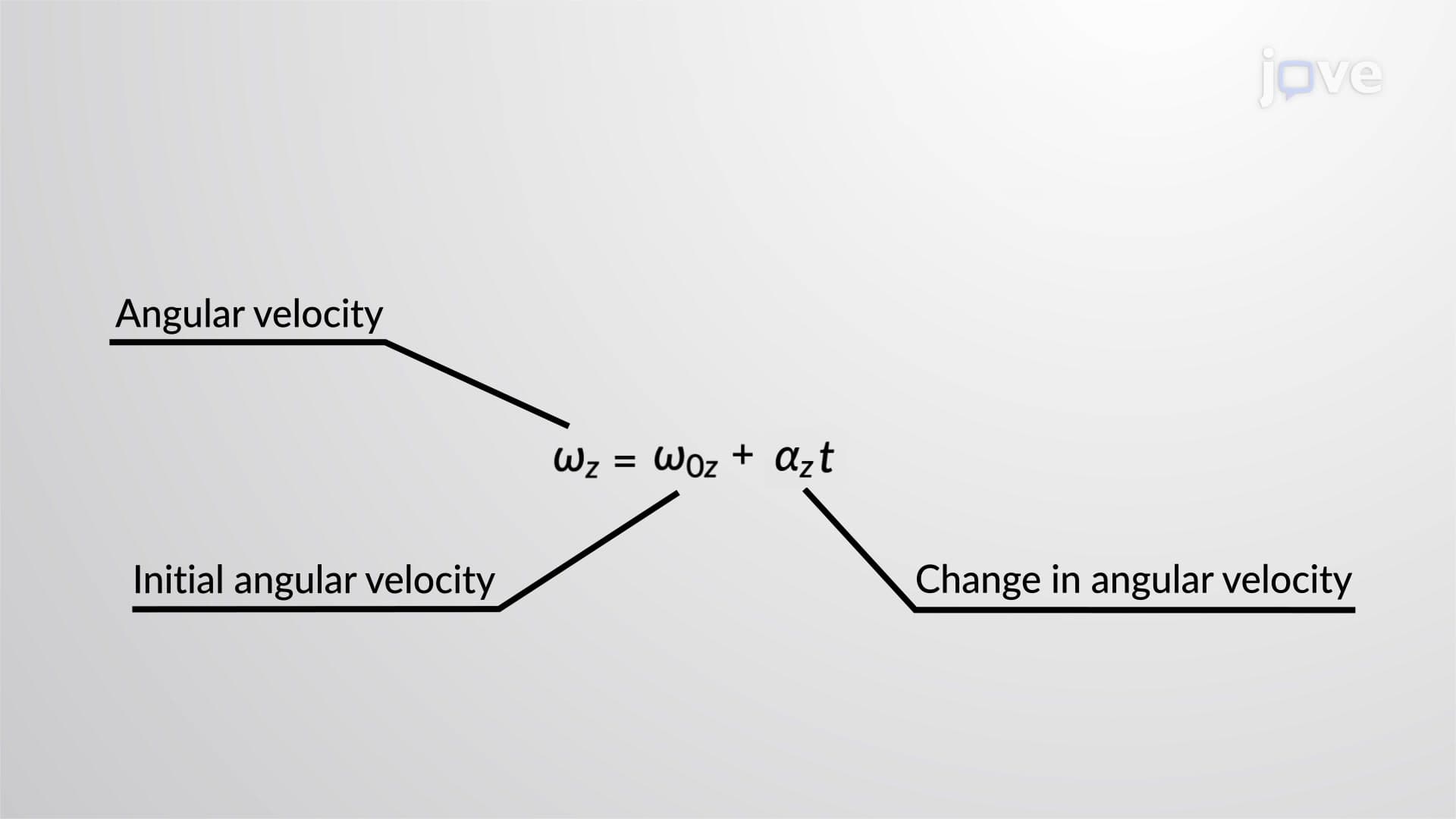
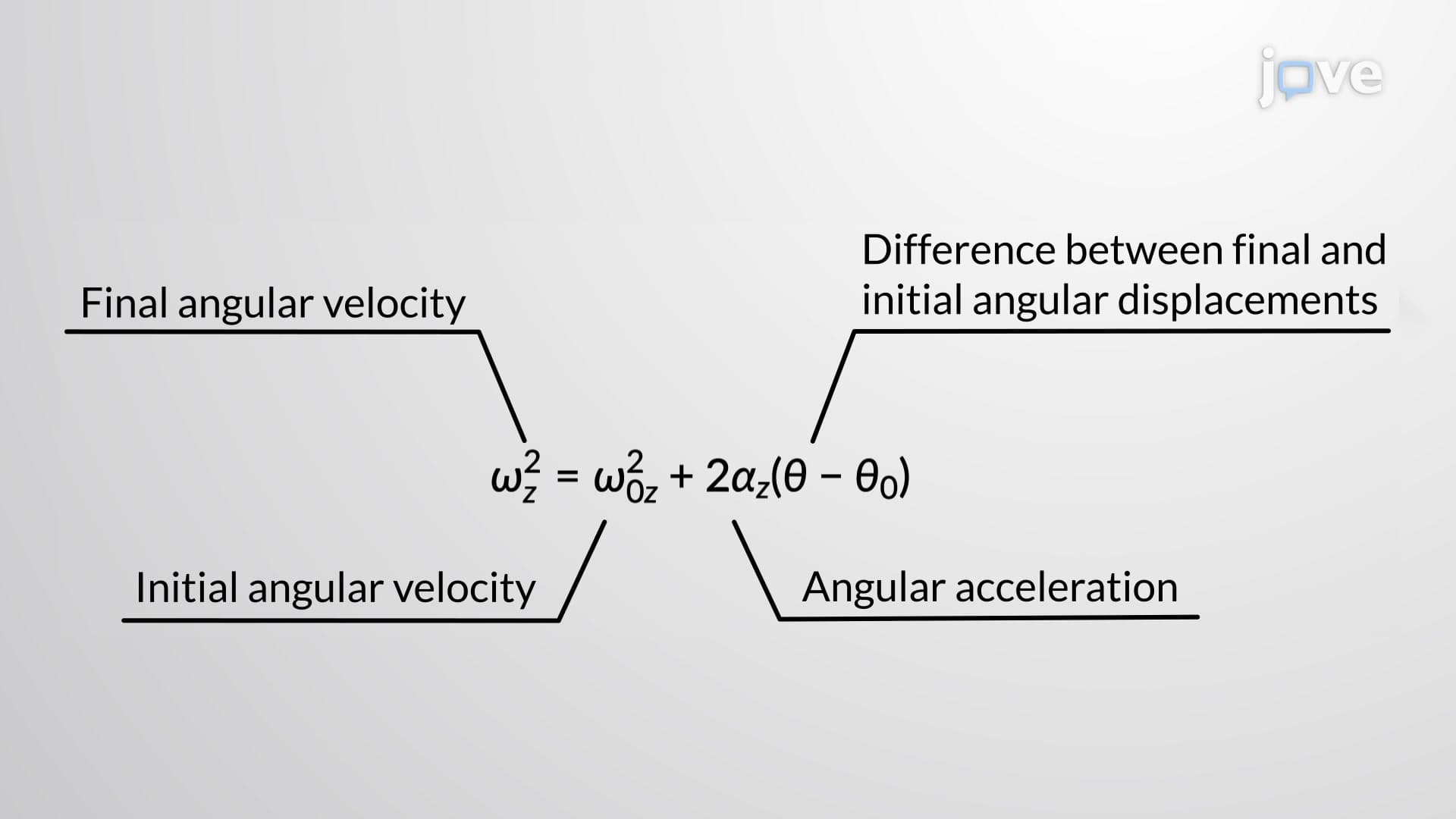

Angular Velocity and Displacement

00:00
01:08
Video Summary: What Is Angular Velocity and Displacement
Ever wonder why figure skaters spin faster when they pull their arms in, or how NASCAR drivers navigate banked turns at incredible speeds? Angular velocity and displacement govern these rotational motions that we see everywhere from amusement park rides to the spinning wheels of a Tesla Model S accelerating down a California highway. Understanding what is angular velocity and displacement helps explain the fundamental physics behind rotational motion, where objects move in circular paths rather than straight lines. Watch the full video on JoVE Coach to master this concept with expert-led visuals and step-by-step explanations.
- Understand what is angular velocity and displacement by defining angular displacement as the angle swept by a rotating object and angular velocity as the rate of change of angular displacement
- Identify the key units of measurement: radians for angular displacement and radians per second for angular velocity, with one radian equaling approximately 57.3 degrees
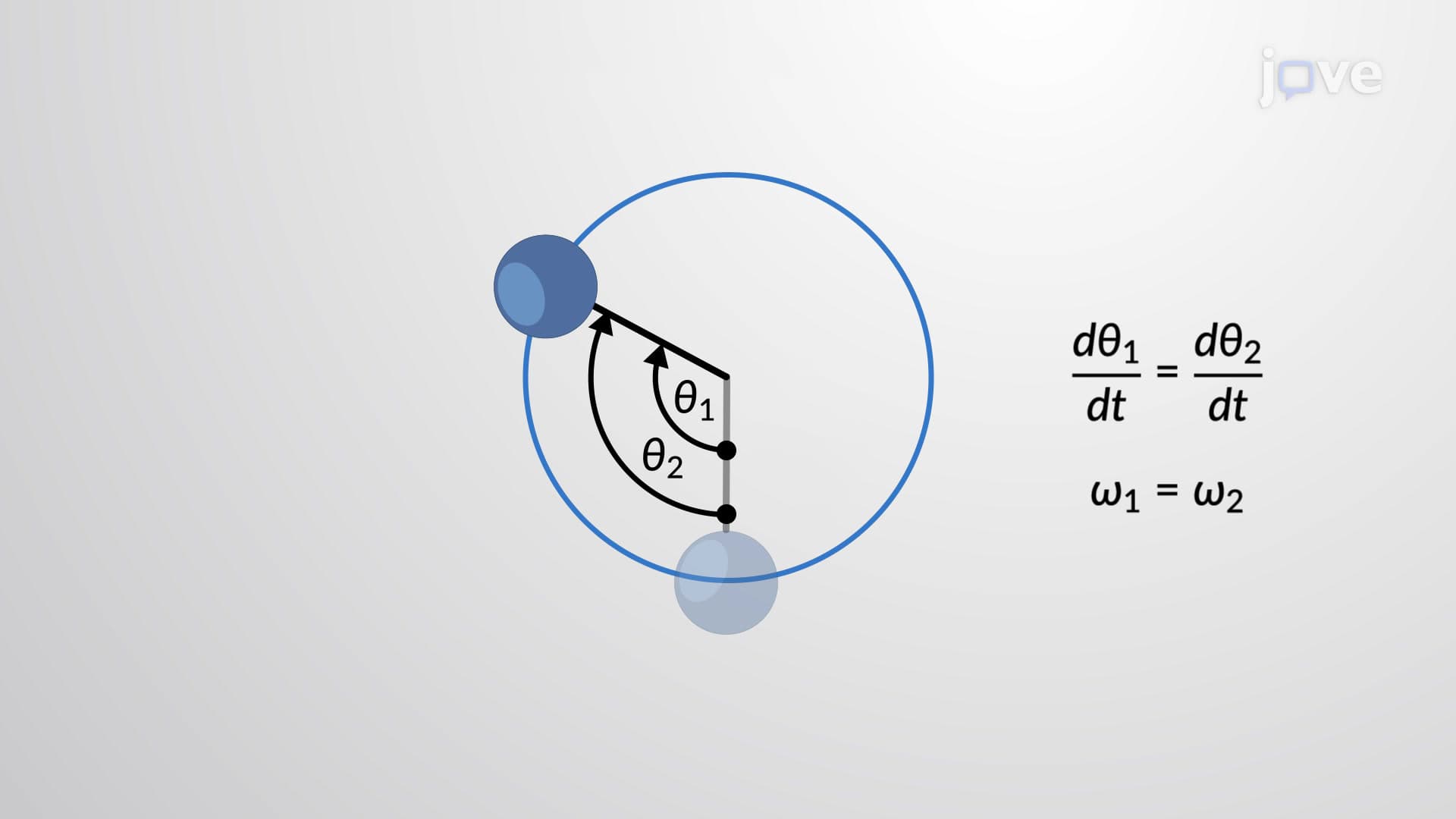
- Analyze how different points on a rotating object share the same angular velocity but have different linear velocities based on their distance from the rotation center
- Compare angular motion to linear motion by recognizing that angular displacement measures rotational "distance" while angular velocity measures rotational "speed"
- Apply the relationship between arc length, radius, and angular displacement to solve problems involving circular motion in physics coursework
- Evaluate real-world examples of rotational motion, from spinning wheels to planetary orbits, using angular velocity and displacement principles
- Recognize how angular velocity remains constant for all points on a rigid rotating body, while linear velocity varies with radius
- Explore the mathematical relationships that connect angular and linear motion quantities in preparation for advanced physics topics
Understanding Angular Velocity And Displacement Fundamentals
Angular velocity and displacement form the cornerstone of rotational mechanics, describing how objects move in circular paths. Unlike linear motion that follows straight lines, rotational motion involves objects spinning around a fixed axis or center point. Angular displacement represents the angle through which an object rotates, measured in radians rather than degrees for mathematical convenience. One radian occurs when the arc length equals the radius, creating an angle of approximately 57.3 degrees.
Angular Displacement: Measuring Rotational Distance
Angular displacement quantifies "how far" an object has rotated from its initial position. When a basketball player spins a ball on their finger, the angular displacement measures the total angle the ball covers during its rotation. This measurement proves essential in engineering applications, such as calculating how many revolutions a wind turbine blade completes or determining the rotation angle of a robotic arm in manufacturing.
For US students preparing for AP Physics or college-level mechanics courses, understanding that angular displacement uses radians (not degrees) becomes crucial for problem-solving success. The radian system simplifies calculations involving circular motion, particularly when connecting angular and linear quantities through radius relationships.
Angular Velocity: The Rate of Rotational Motion
Angular velocity describes how quickly angular displacement changes over time, analogous to how speed describes the rate of linear displacement. Represented by the Greek letter omega (ω), angular velocity is measured in radians per second. A figure skater performing a spin demonstrates variable angular velocity, spinning slowly with arms extended, then rapidly with arms pulled inward.
Connecting Angular and Linear Motion
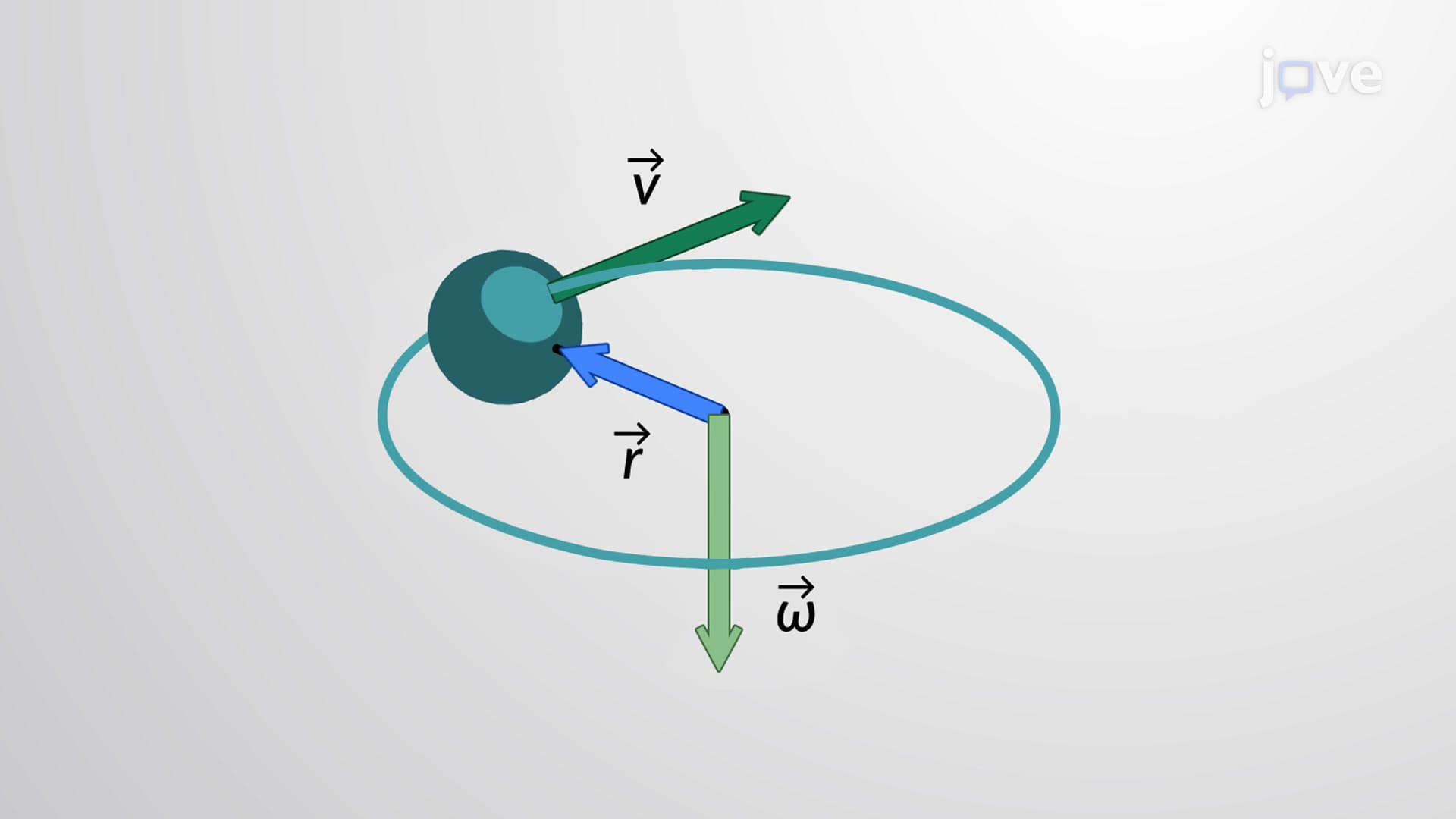
The relationship between angular and linear motion reveals fascinating physics principles. While every point on a rotating rigid body shares identical angular velocity, their linear velocities differ dramatically. Consider a Ferris wheel at a county fair: passengers near the outer rim travel much faster linearly than the wheel's center, yet all points complete one full rotation in the same time period.
This concept frequently appears on MCAT physics sections and college physics exams, where students must calculate linear velocity using the formula v = rω, where v represents linear velocity, r is the radius, and ω is angular velocity. Understanding this relationship helps explain why larger wheels on bicycles or cars can achieve higher speeds with the same rotational rate.
Frequently Asked Questions
Angular displacement measures how much an object has rotated (the angle covered), while angular velocity measures how fast it's rotating (rate of angle change). Think of angular displacement as "rotational distance" and angular velocity as "rotational speed." Both concepts describe circular or spinning motion instead of straight-line movement.
AP Physics regularly tests these concepts through problems involving rotating wheels, pendulums, and circular motion scenarios. Students typically solve for angular velocity using displacement-time relationships, or calculate linear velocity from angular velocity and radius. Practice with unit conversions between degrees and radians, as AP problems use radians exclusively.
Yes, the MCAT Physics section frequently includes rotational motion problems requiring angular velocity and displacement calculations. These appear in passages about mechanical systems, biological processes like DNA unwinding, or medical devices like centrifuges. Focus on connecting angular motion to linear motion through radius relationships.
NASCAR engineers analyze wheel angular velocity to optimize tire performance at tracks like Daytona and Talladega. Aerospace companies like SpaceX use angular displacement calculations for rocket stage separations and satellite positioning. Wind energy companies across Texas and California rely on turbine angular velocity data to maximize power generation efficiency.
Not at all! If you understand basic algebra and are comfortable with circles, you can master these concepts. The main challenge involves getting used to radian measurements instead of degrees, but this becomes natural with practice. Start with simple examples like spinning wheels or clock hands before tackling complex problems.
Practice converting between degrees and radians until it becomes automatic, since most physics problems use radians. Create a formula sheet connecting angular and linear quantities (v = rω, s = rθ). Work through problems involving different circular motion scenarios, focusing on identifying what's rotating and around what axis.
Build on this foundation by exploring angular acceleration, rotational kinetic energy, and moment of inertia. These advanced topics appear in college physics courses and prepare you for engineering mechanics. Understanding torque and angular momentum becomes much easier once you've mastered basic angular motion concepts.
Engineering programs extensively use these concepts in mechanical design, robotics, and control systems courses. Students analyze gear ratios, motor specifications, and rotating machinery performance using angular motion principles. Many engineering internships at companies like Tesla, Boeing, or General Electric involve projects requiring solid angular motion understanding.
Related Micro-courses
14 Concepts

12 Concepts

24 Concepts