Loading video…


 14 Concepts
 114.6K views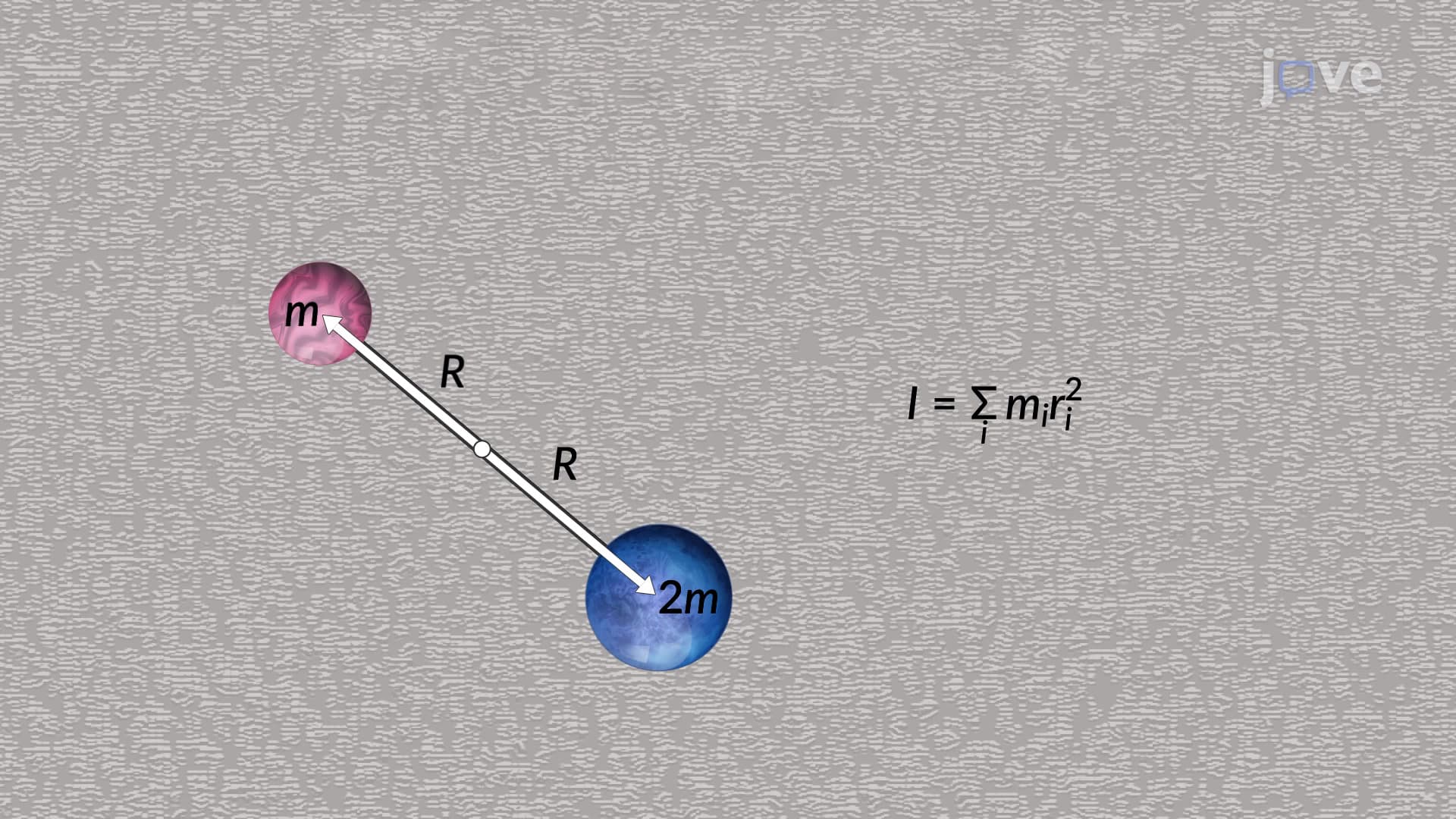

Video Summary: What are Moment of Inertia Calculations
Ever wonder why a figure skater spins faster when pulling their arms inward? Moment of inertia calculations explain this phenomenon by quantifying how mass distribution affects rotational motion. These calculations determine an object's resistance to angular acceleration, crucial for understanding everything from spinning ice skaters to rotating wind turbine blades in Iowa's wind farms. What are moment of inertia calculations involves both discrete mass systems and continuous mass distributions. Watch the full video on JoVE Coach to master this concept with expert-led visuals and step-by-step explanations.
Moment of inertia calculations form the rotational equivalent of mass in linear motion. While mass measures an object's resistance to linear acceleration, moment of inertia quantifies resistance to angular acceleration. This fundamental concept appears throughout AP Physics C courses and college-level mechanics, making it essential for students pursuing STEM careers.
The types of moment of inertia calculations fall into two primary categories. For discrete systems, we use summation: I = Σ(m × r²), where each mass element contributes based on its distance squared from the rotation axis. Consider two bowling balls connected by a lightweight rod-each ball's contribution depends on both its mass and distance from the pivot point.
For continuous mass distributions, integration replaces summation: I = ∫(r² × dm). A spinning baseball bat exemplifies this approach, where we must consider every infinitesimal mass element along its length. The bat's moment of inertia depends on whether we rotate it about its handle, center, or tip.
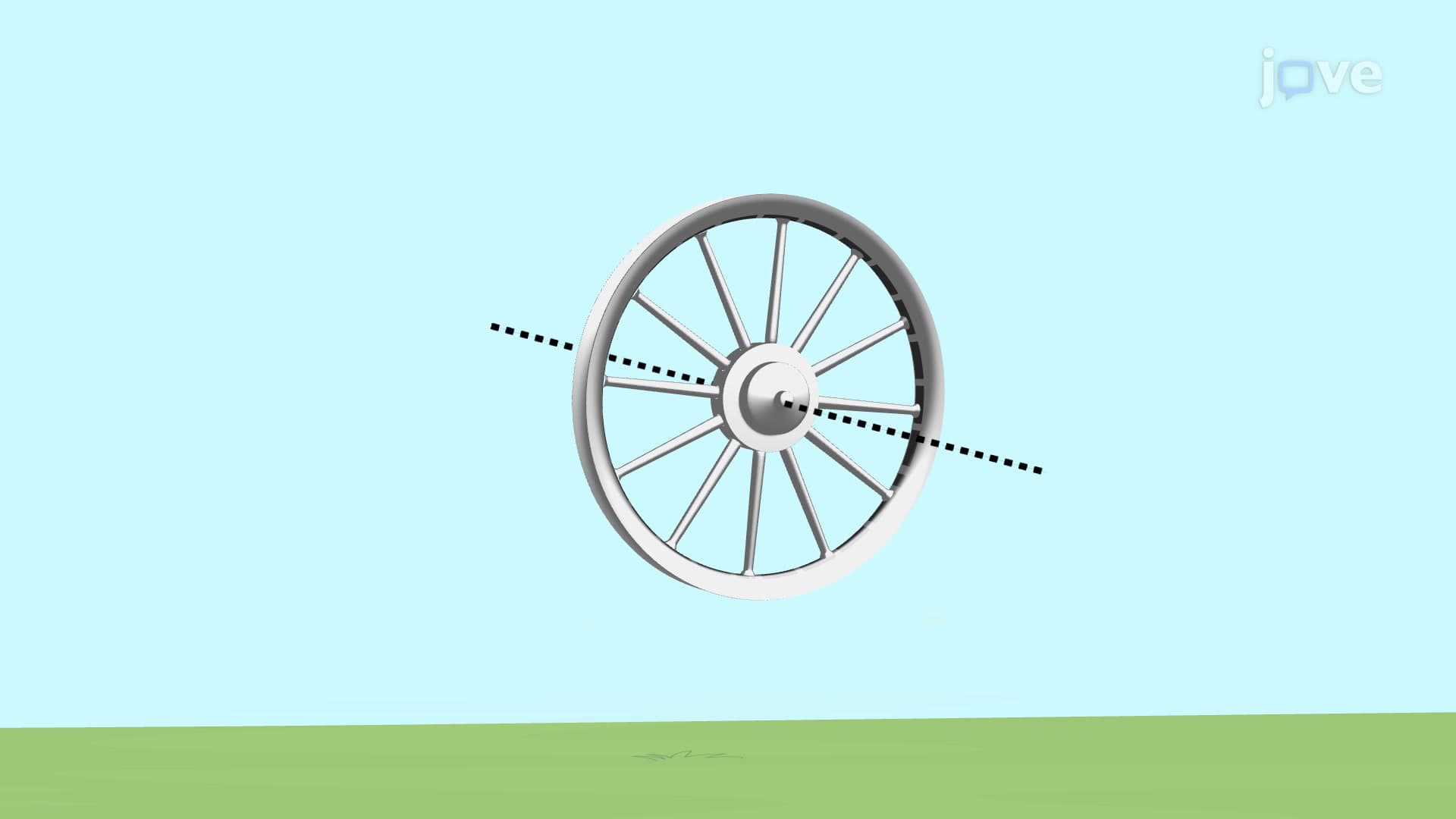
These calculations prove vital across American industries. NASA engineers use moment of inertia calculations when designing spacecraft attitude control systems. General Motors applies these principles in automotive engineering, calculating how different wheel designs affect vehicle handling. Wind energy companies like GE Renewable Energy rely on these calculations to optimize turbine blade performance across Midwest wind farms.
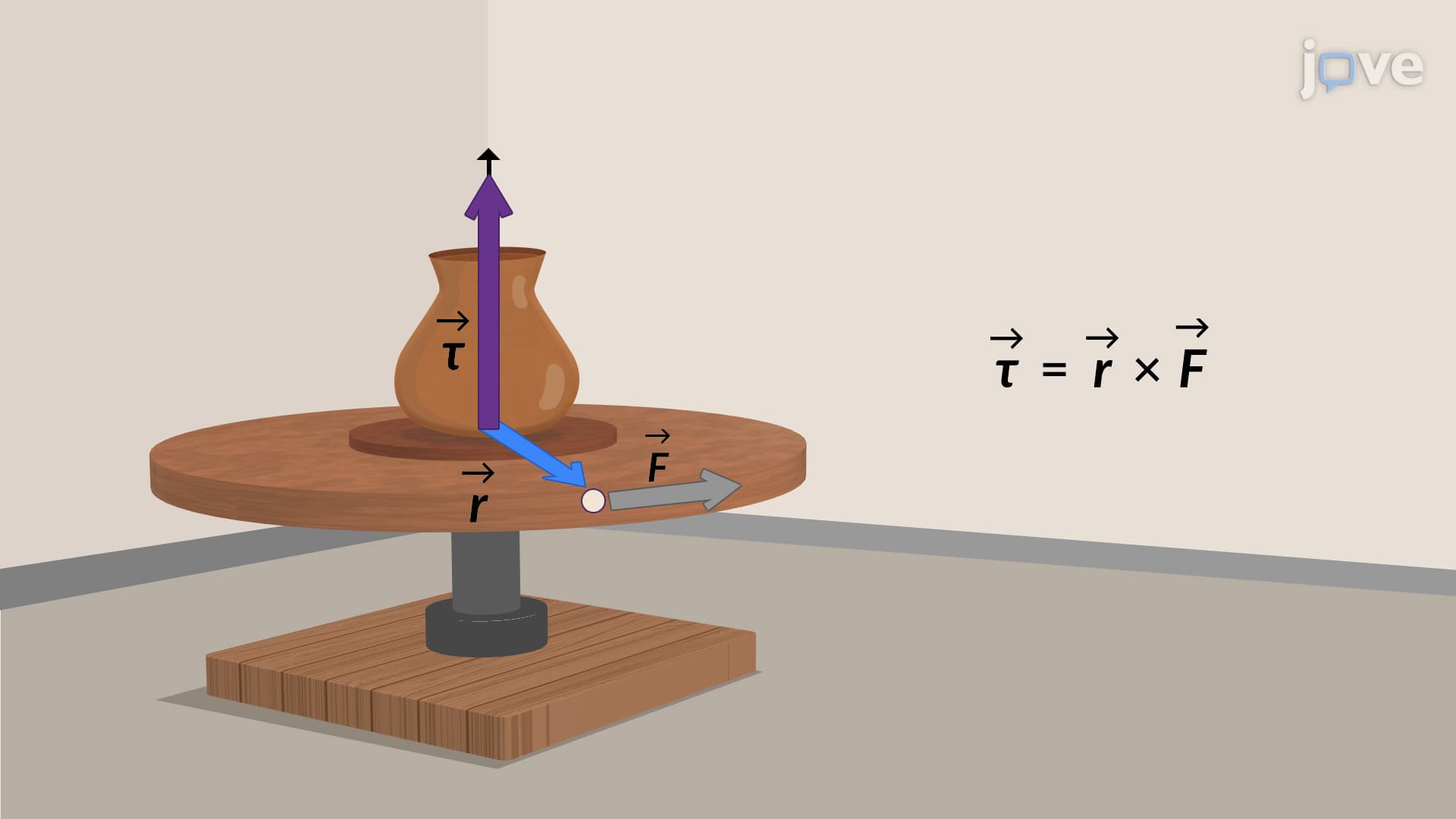
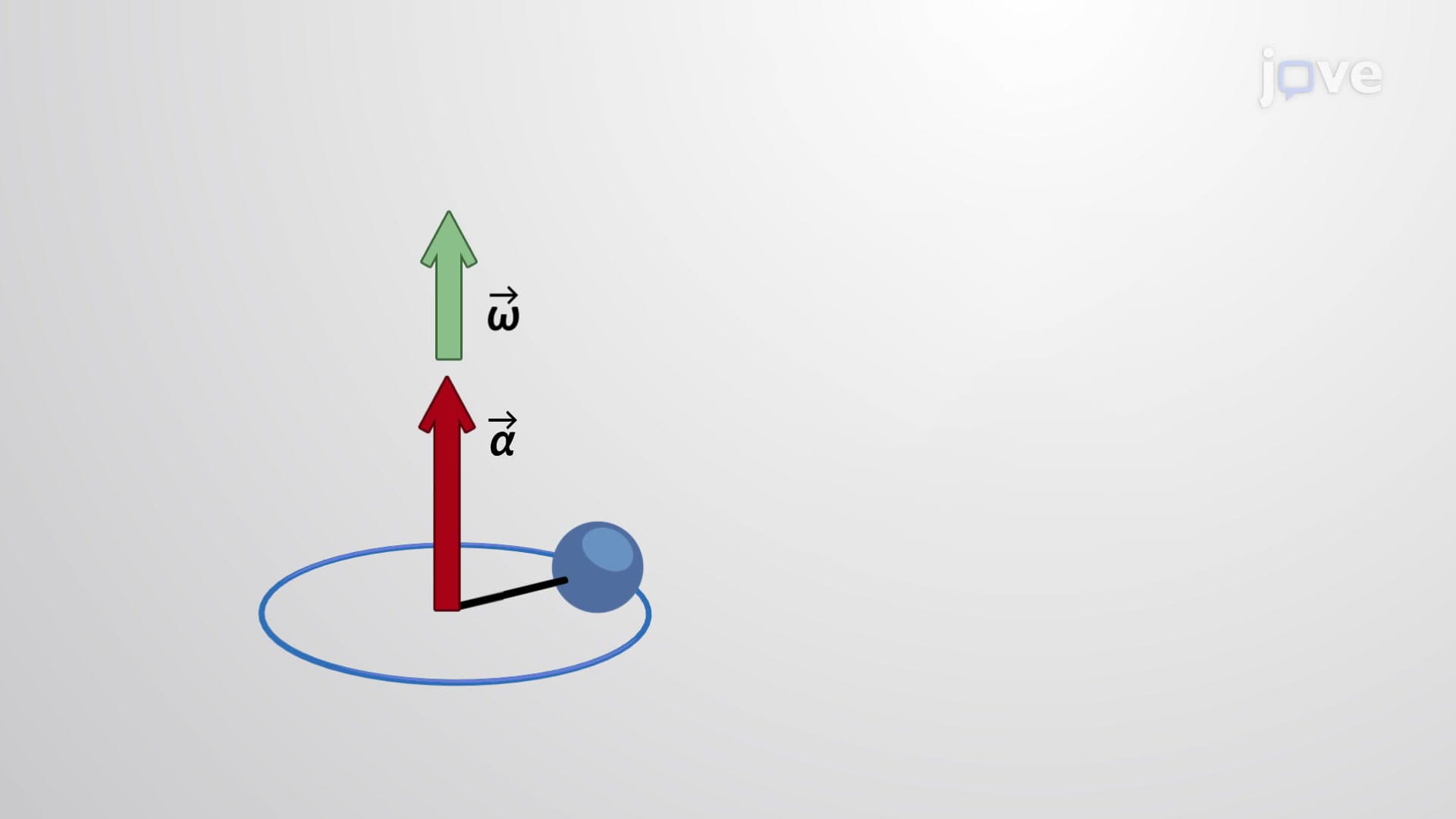
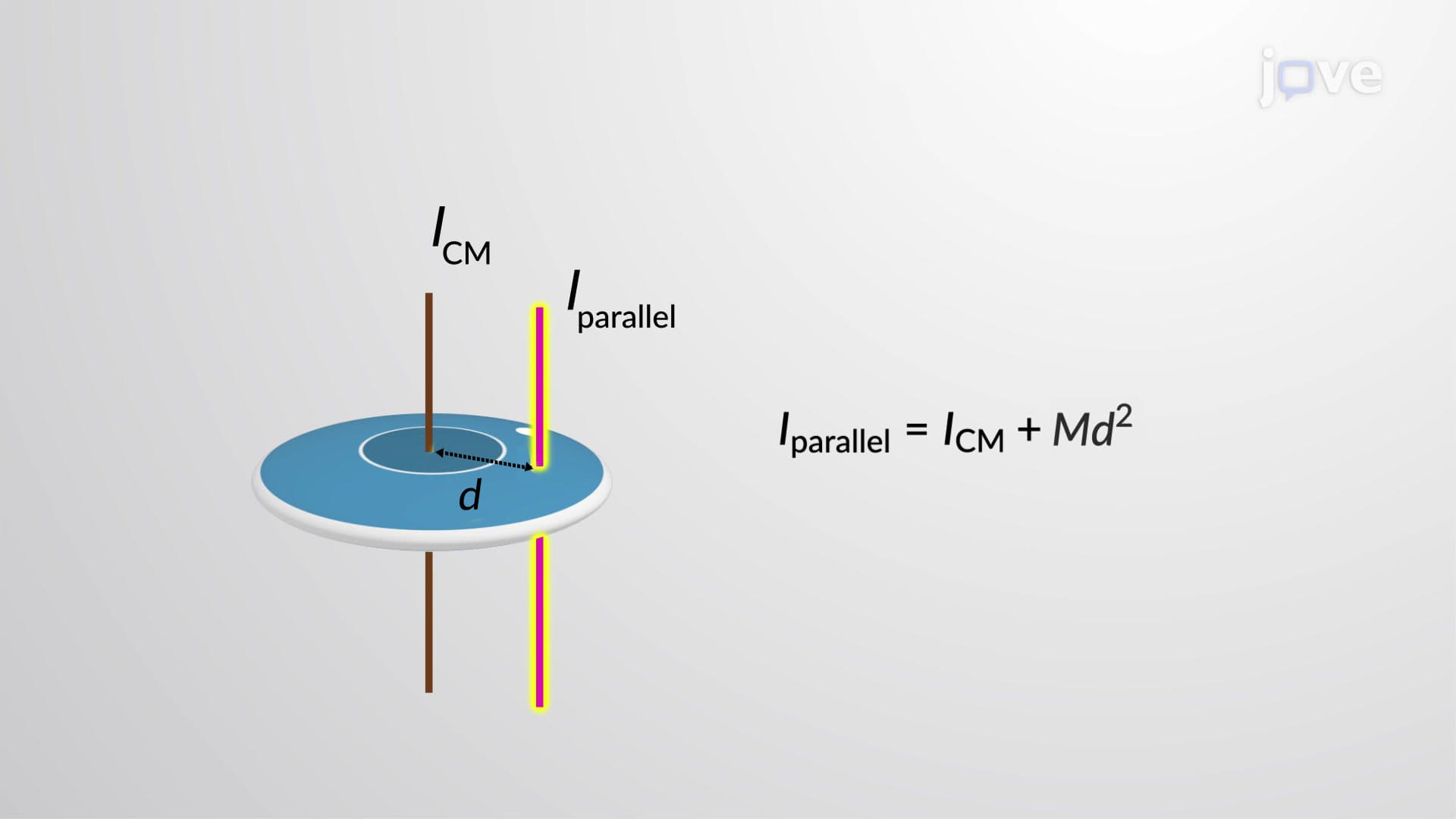
On standardized tests like the AP Physics C exam or college midterms, moment of inertia problems typically involve either calculating I for given geometries or applying I = τ/α (torque equals moment of inertia times angular acceleration). Students should memorize common shapes: rods, disks, spheres, and rings. The parallel axis theorem (I = I(cm) + md²) frequently appears when rotation axes don't pass through the center of mass.
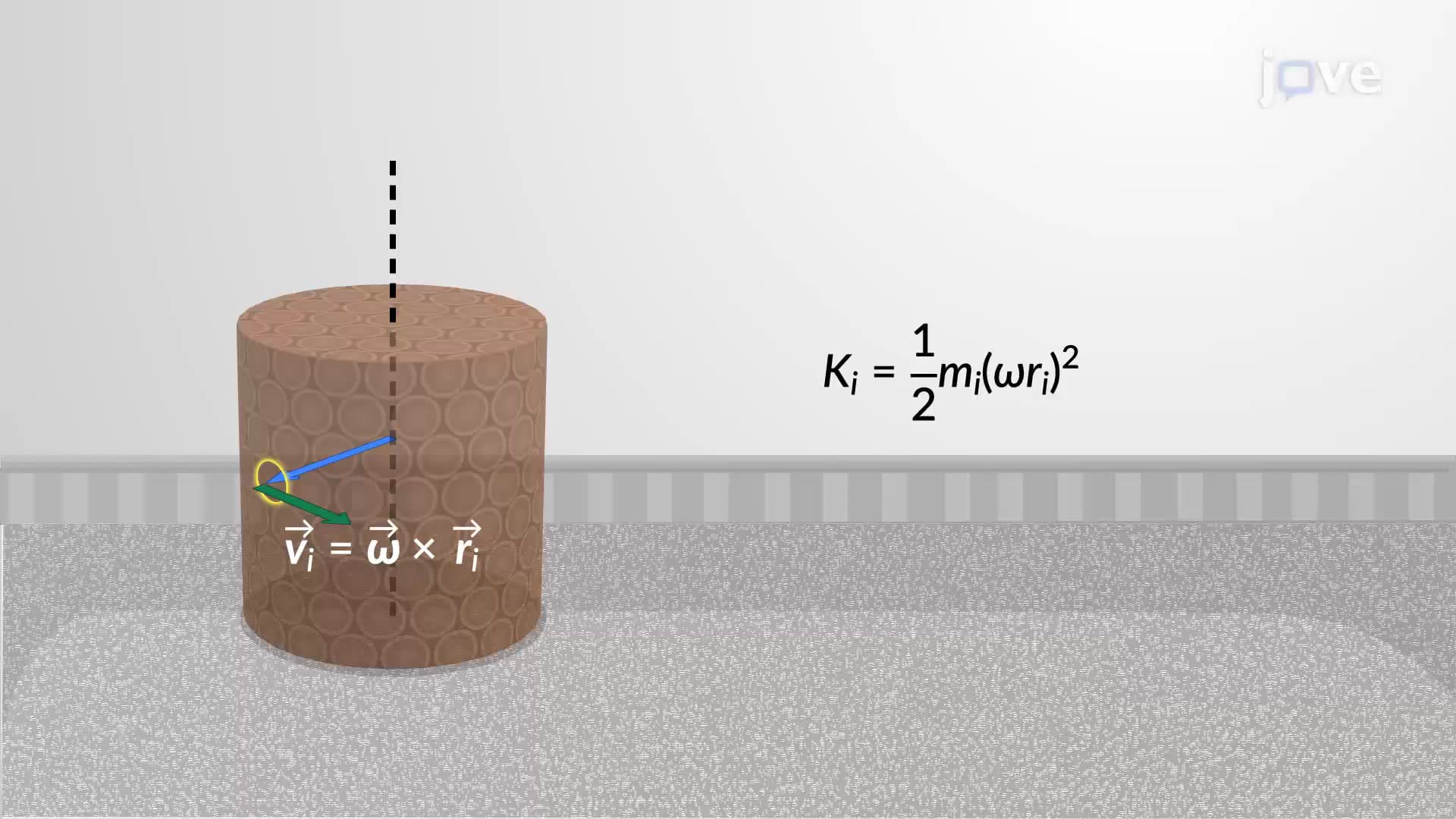
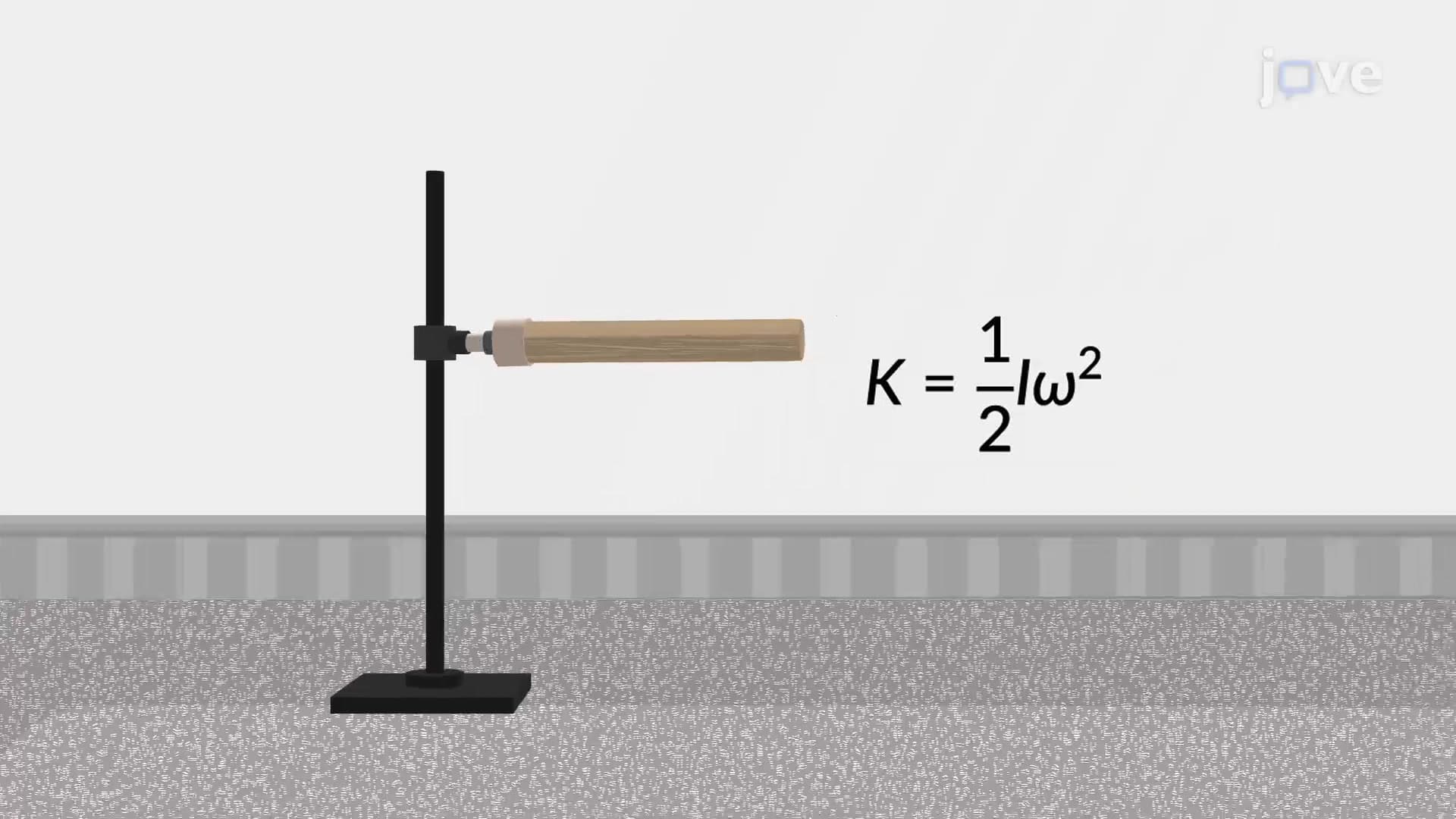
Practice problems often combine multiple concepts-conservation of angular momentum, rotational kinetic energy (KE = ½Iω²), and Newton's second law for rotation. Success requires understanding both mathematical techniques and physical intuition about how mass distribution affects rotational behavior.
Related Micro-courses