Loading…
Loading video…

61,845 views
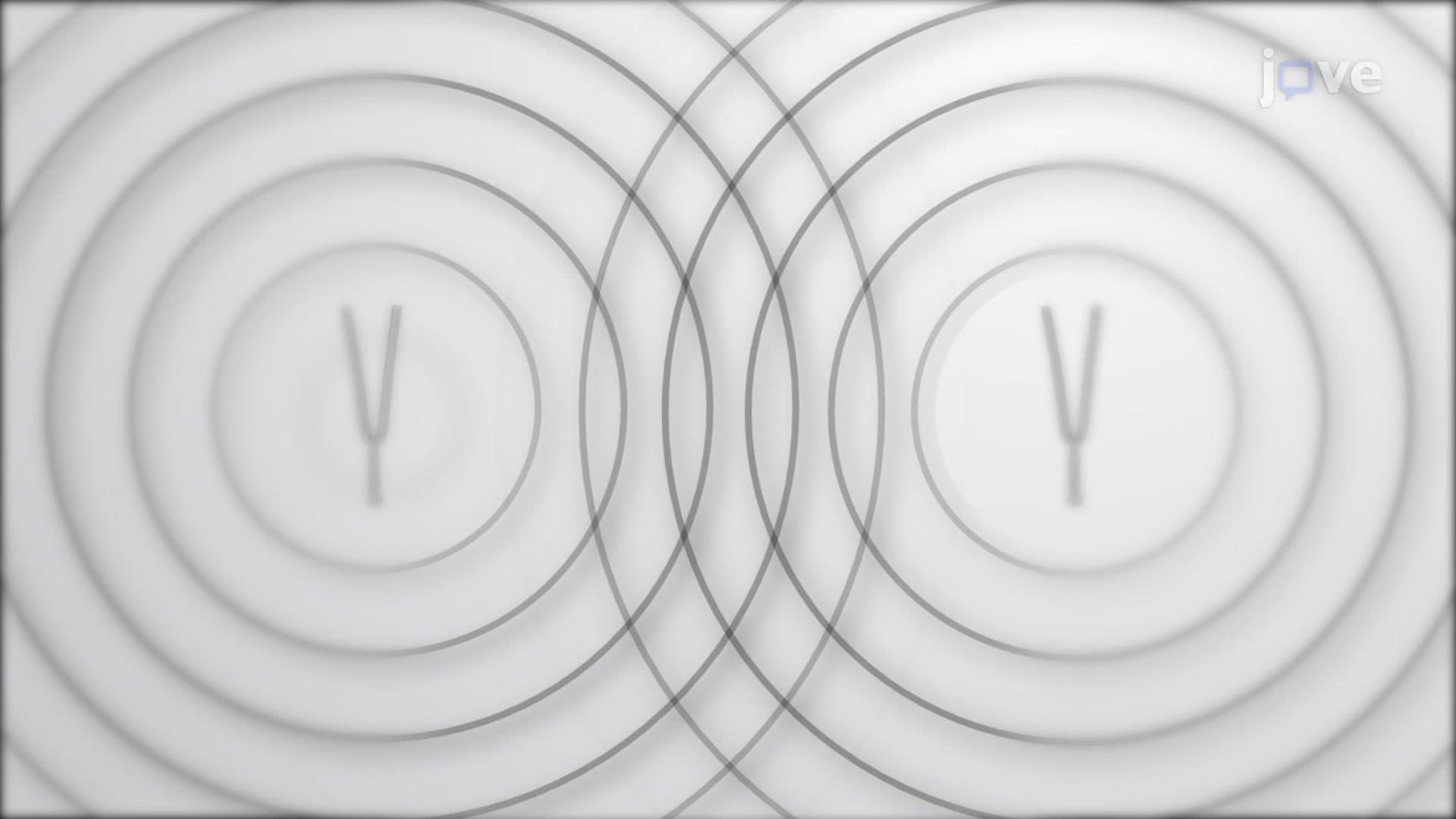
Ever wonder why noise-canceling headphones can eliminate airplane engine noise but not sudden announcements? This phenomenon demonstrates interference and superposition of waves in action, where multiple sound waves combine to create entirely new wave patterns. From the acoustics in concert halls like Carnegie Hall to the technology behind medical ultrasound imaging, Interference And Superposition of Waves Explained reveals how overlapping waves either amplify or cancel each other through precise mathematical principles. Watch the full video on JoVE Coach to master this concept with expert-led visuals and step-by-step explanations.
Wave interference represents one of physics' most elegant principles, where multiple waves occupying the same space create predictable outcomes through mathematical superposition. This fundamental concept explains phenomena ranging from the shimmer of oil slicks on wet pavement to the precise tuning of radio frequencies by the Federal Communications Commission.
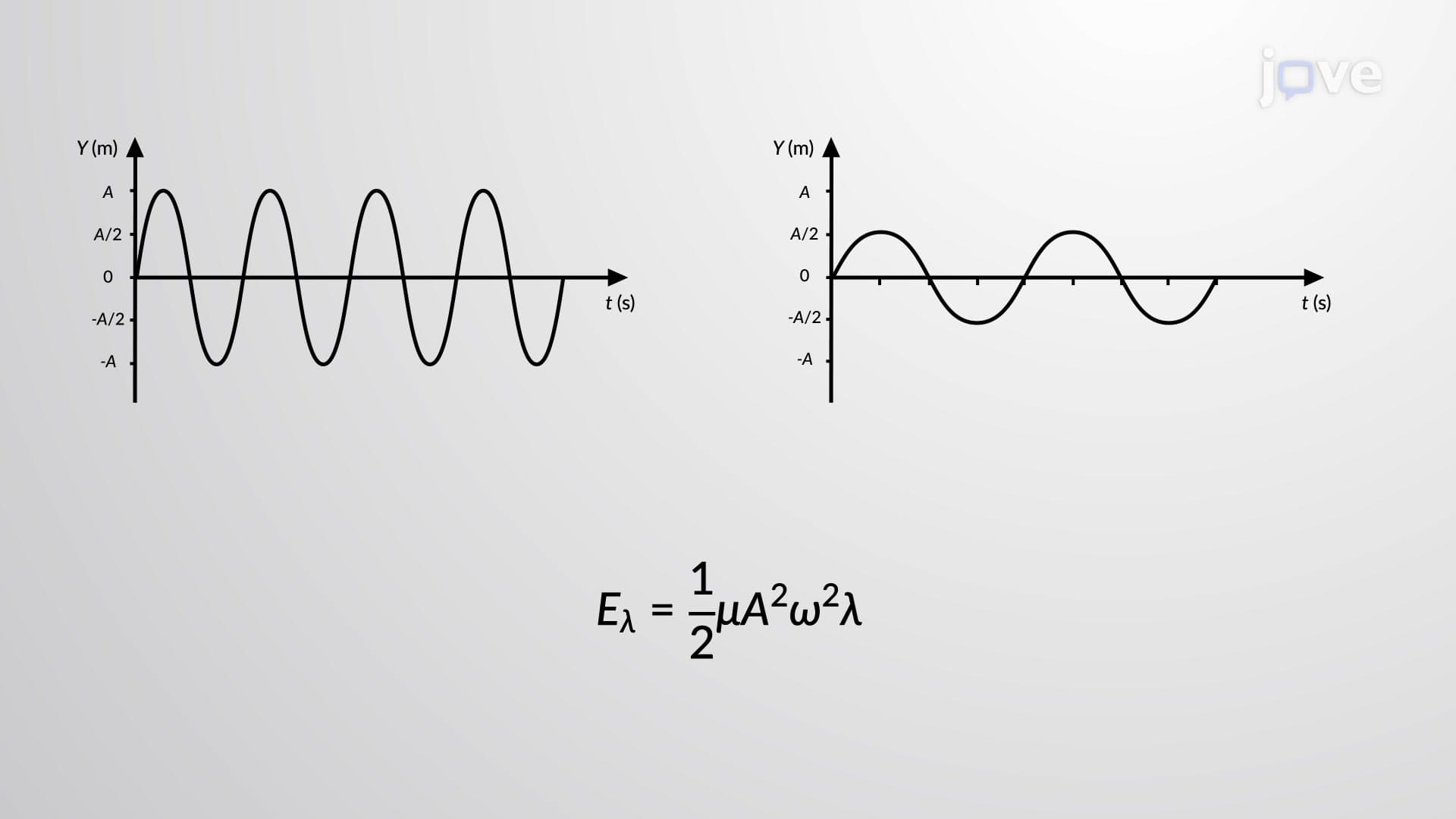
The principle of superposition operates as a simple yet powerful rule: when waves overlap, their individual contributions add algebraically to produce a resultant wave. This mathematical relationship considers both amplitude (wave height) and phase (timing relationship). Students preparing for AP Physics or college-level courses must master this concept, as it frequently appears in problems involving sound waves, light interference, and electromagnetic radiation.
Consider two sine waves meeting at a point. If both waves reach their maximum positive displacement simultaneously (in-phase condition), their amplitudes combine additively. Conversely, when one wave reaches maximum positive while the other reaches maximum negative displacement (out-of-phase condition), they subtract from each other.
Constructive interference occurs when waves arrive at a location with matching phases, producing a resultant wave with amplitude equal to the sum of individual amplitudes. This principle explains why certain seats in theaters like the Kennedy Center offer exceptional acoustics—sound waves from multiple sources combine constructively to enhance the listening experience. Students encountering this concept on the MCAT or in undergraduate physics courses should recognize that constructive interference doesn't create energy; it redistributes existing wave energy to specific locations.
Destructive interference demonstrates nature's ability to create silence through sound. When waves meet with opposite phases, their amplitudes subtract, potentially resulting in complete cancellation. Modern noise-canceling technology exploits this principle by generating sound waves precisely out of phase with unwanted ambient noise. The Boeing 787 Dreamliner's quieter cabin utilizes advanced noise-canceling systems based on destructive interference principles, creating a more comfortable flying experience through applied wave physics.
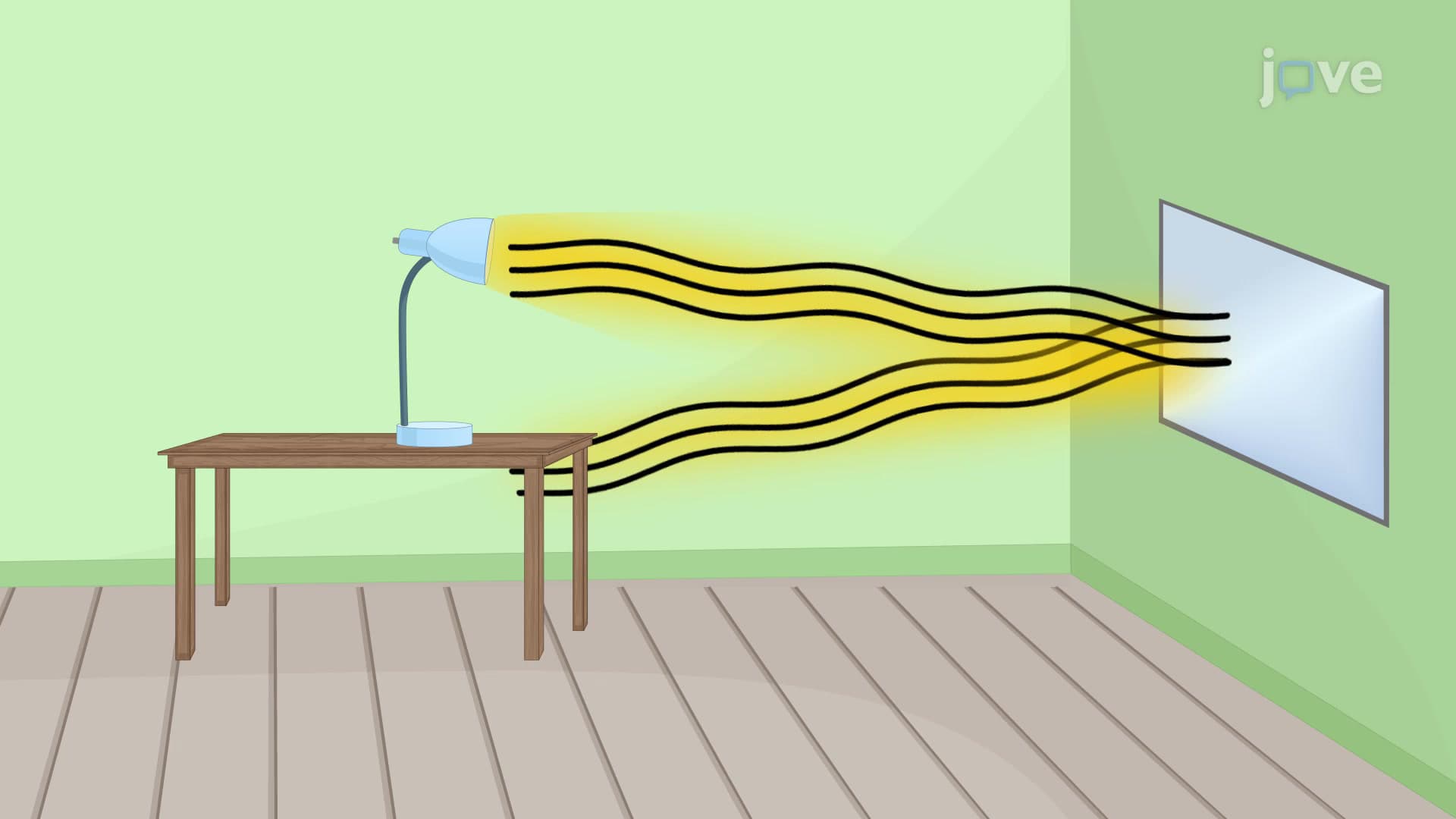
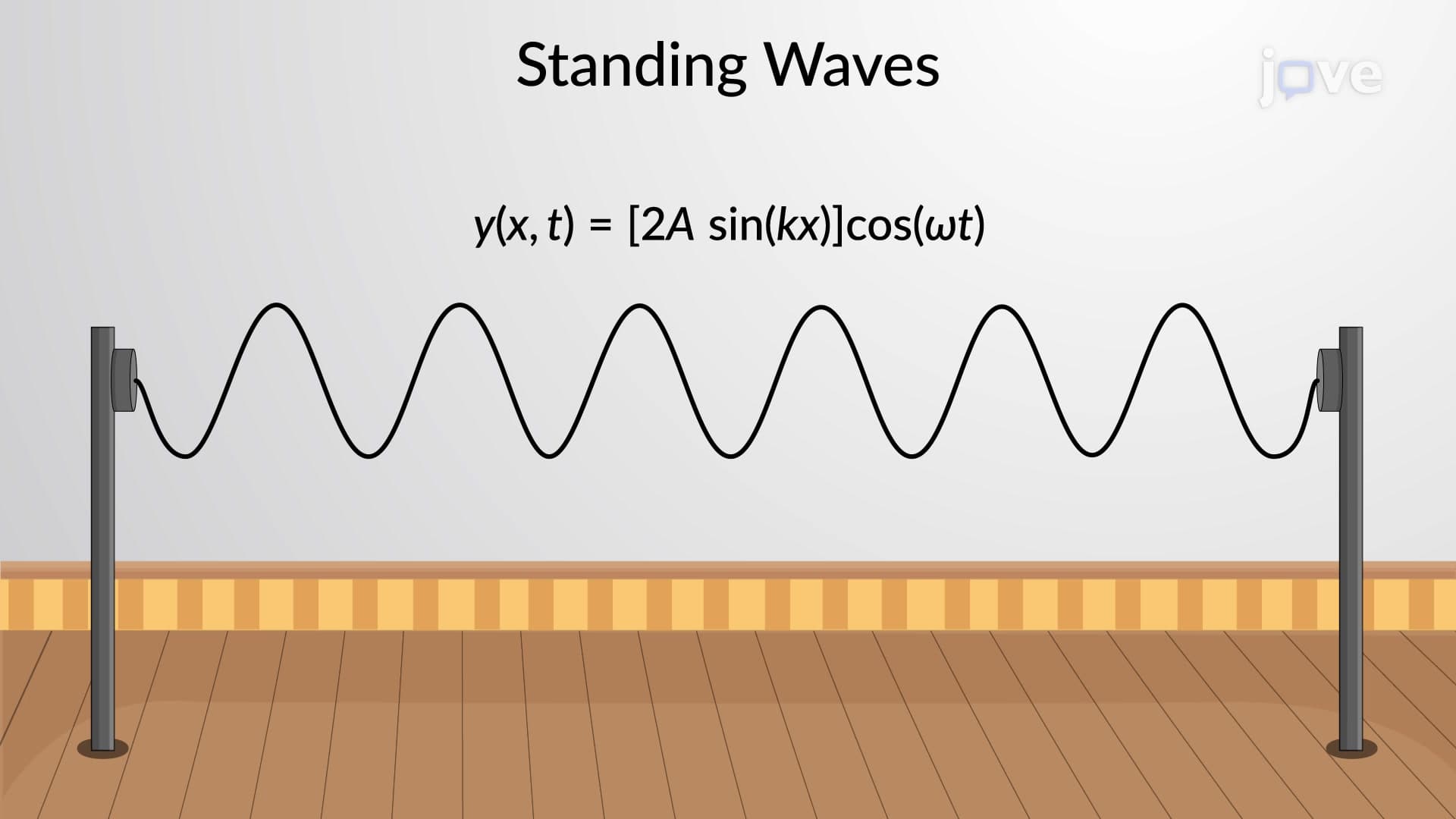
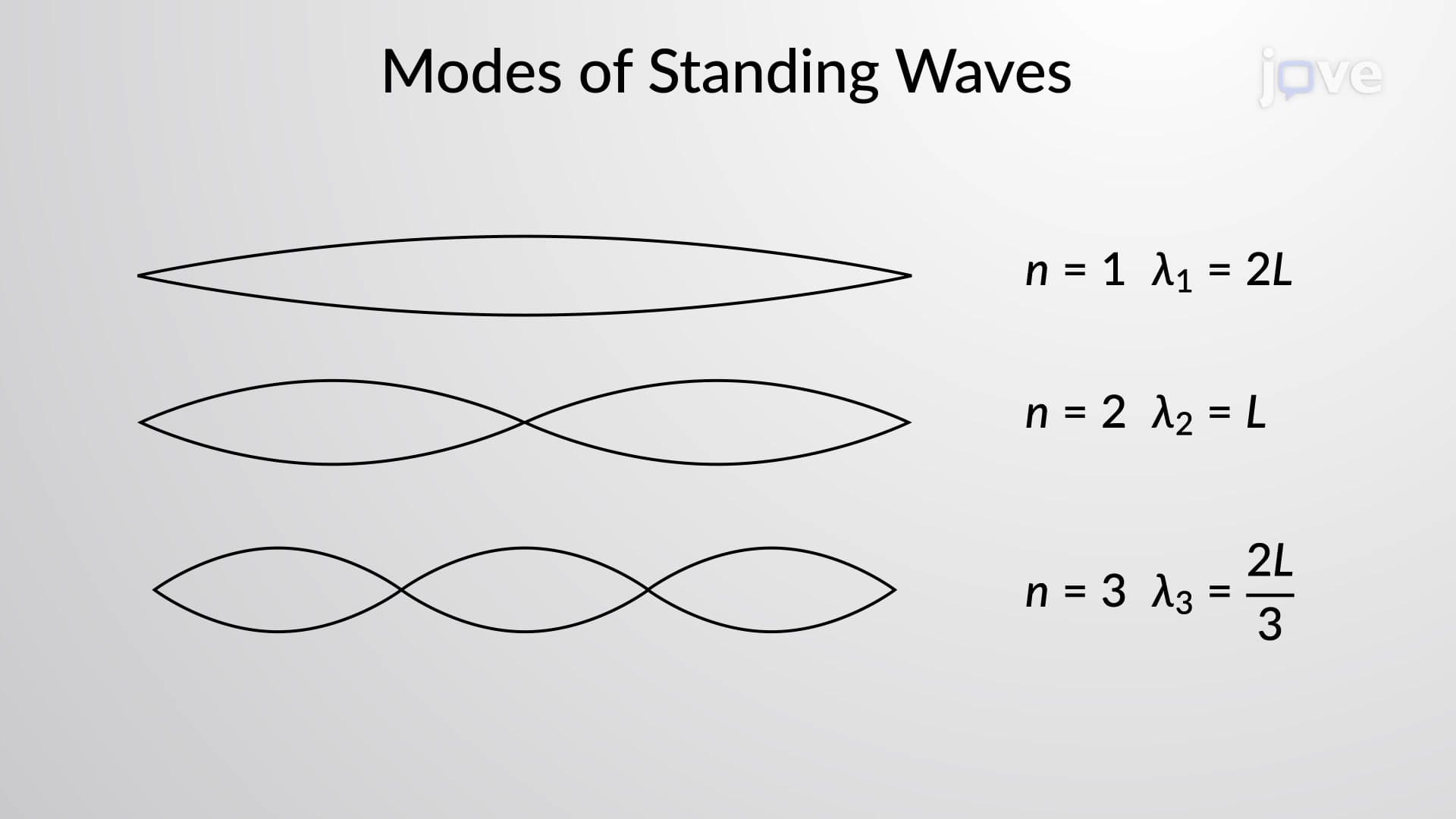
The alternation between constructive and destructive interference creates distinctive patterns observable in everyday life. Standing wave patterns on guitar strings, the colorful interference fringes in soap bubbles, and even the precise positioning of cellular phone towers to minimize signal interference all demonstrate superposition principles. These real-world applications frequently appear in standardized tests, making this concept essential for academic success in physics and engineering disciplines.
Frequently Asked Questions
Interference and superposition of waves describes what happens when two or more waves meet at the same location—they combine mathematically to create a new wave pattern. The waves don't destroy each other; instead, they add together (considering both their heights and timing) to produce a resultant wave that can be larger, smaller, or even completely canceled out.
AP Physics frequently tests wave interference through problems involving sound waves, light waves, and standing wave patterns. Students typically encounter questions about calculating resultant amplitudes, determining phase relationships, and analyzing interference patterns in contexts like musical instruments or optical experiments. Practice with both conceptual understanding and mathematical applications proves essential for exam success.
The MCAT incorporates wave interference in physics sections covering sound, light, and electromagnetic radiation. Medical applications include ultrasound imaging, where interference patterns help create detailed internal body images, and MRI technology, which relies on electromagnetic wave interactions. Understanding constructive and destructive interference helps explain how these diagnostic tools function in clinical settings.
Wave interference surrounds us daily in technologies like noise-canceling headphones, surround sound systems, and even GPS satellites. Radio stations must carefully manage frequencies to prevent destructive interference, while concert venues like Red Rocks Amphitheatre use natural acoustics that create beneficial interference patterns for optimal sound quality.
Wave interference concepts are highly accessible to high school students with basic algebra skills. The mathematical relationships involve simple addition and subtraction, making calculations straightforward once students grasp the underlying principles. Visual demonstrations and real-world examples help reinforce theoretical concepts effectively.
Focus on drawing wave diagrams to visualize how waves combine at specific points, practice identifying phase relationships between waves, and work through problems involving both constructive and destructive interference scenarios. Creating concept maps linking interference to real-world applications helps reinforce understanding for both homework assignments and exam preparation.
Build on interference concepts by exploring standing waves, wave reflection and transmission, Doppler effects, and electromagnetic wave properties. These advanced topics frequently connect to interference principles and appear prominently in college-level physics courses and standardized tests like the GRE Physics Subject Test.
Related Micro-courses
Related Subjects
 Math Fundamentals 11 micro-courses›
 Statistics 17 micro-courses›