Loading…
Loading video…

61,845 views
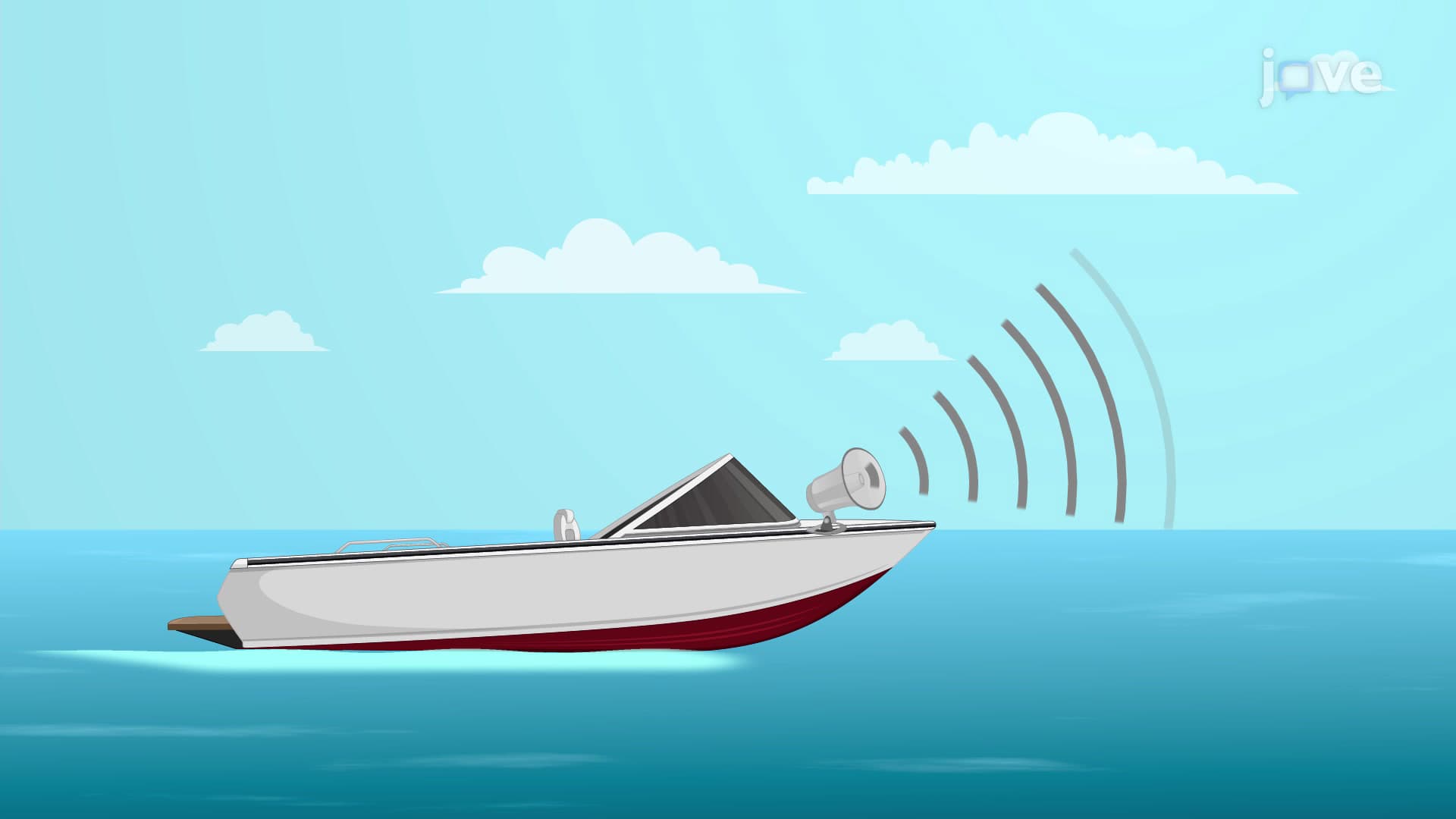
Ever wonder why sound from a speaker reaches every corner of a room, or how seismic waves from California earthquakes are detected across the United States? Travelling waves are disturbances that transport energy through space without moving matter itself. These fascinating phenomena include water ripples spreading outward from a dropped stone and sound waves carrying music from your headphones to your ears. Watch the full video on JoVE Coach to master this concept with expert-led visuals and step-by-step explanations.
What are travelling waves? They represent one of physics' most elegant concepts—disturbances that carry energy across space while leaving the medium's particles essentially in place. Unlike a moving baseball that transports matter from pitcher to catcher, travelling waves transport energy while matter stays relatively stationary. This fundamental principle explains countless phenomena, from earthquake detection systems used by the U.S. Geological Survey to the sound waves that carry emergency broadcasts across American cities.
The types of travelling waves fall into two primary categories based on how particles move relative to wave direction. Longitudinal waves feature particles oscillating parallel to wave propagation—imagine pushing and pulling a spring back and forth. Sound waves exemplify this perfectly: when you speak, air molecules compress and expand along the same direction your voice travels. This explains why thunder from lightning strikes near Denver can be heard miles away as sound waves propagate through Colorado's atmosphere.
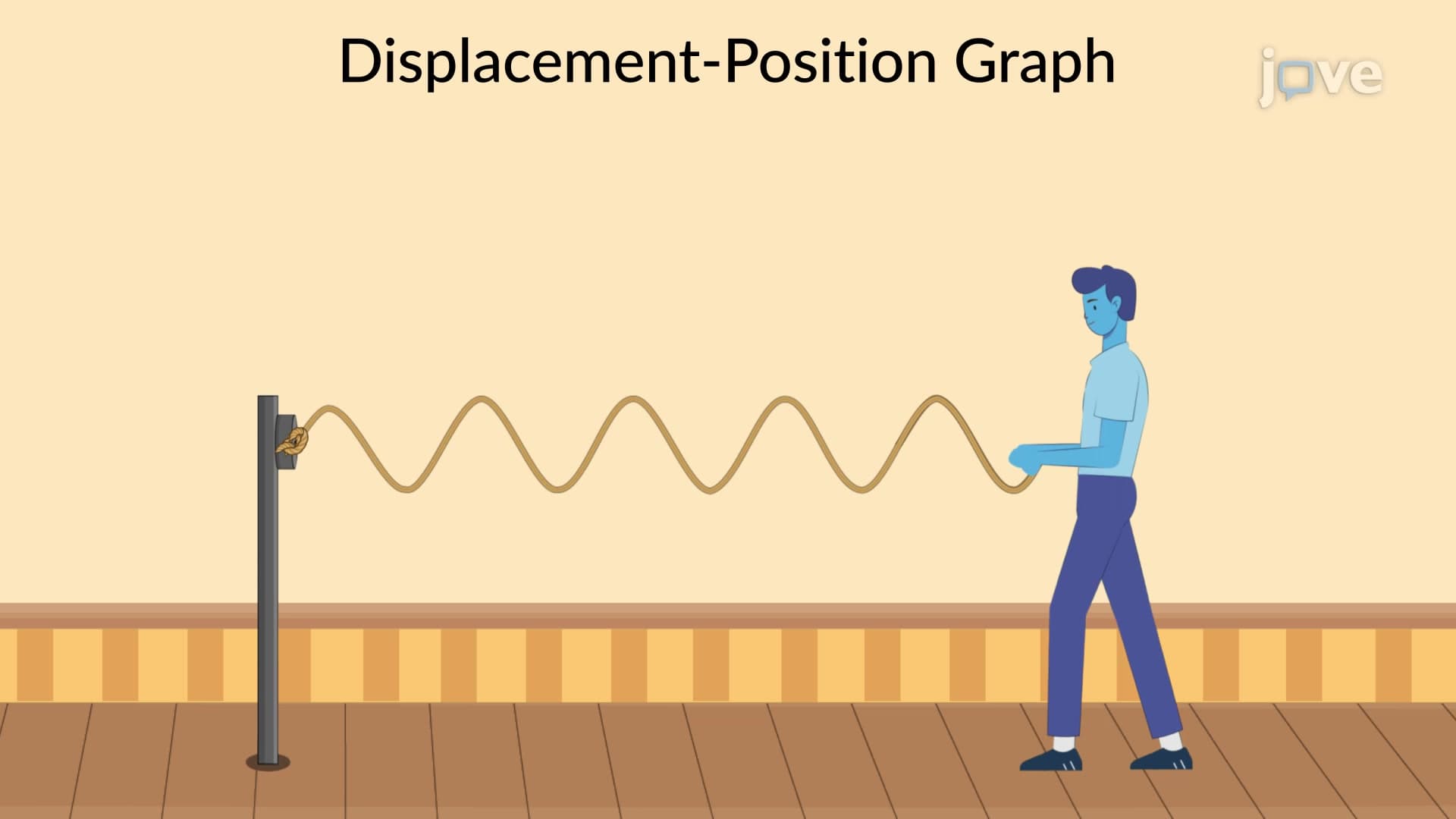
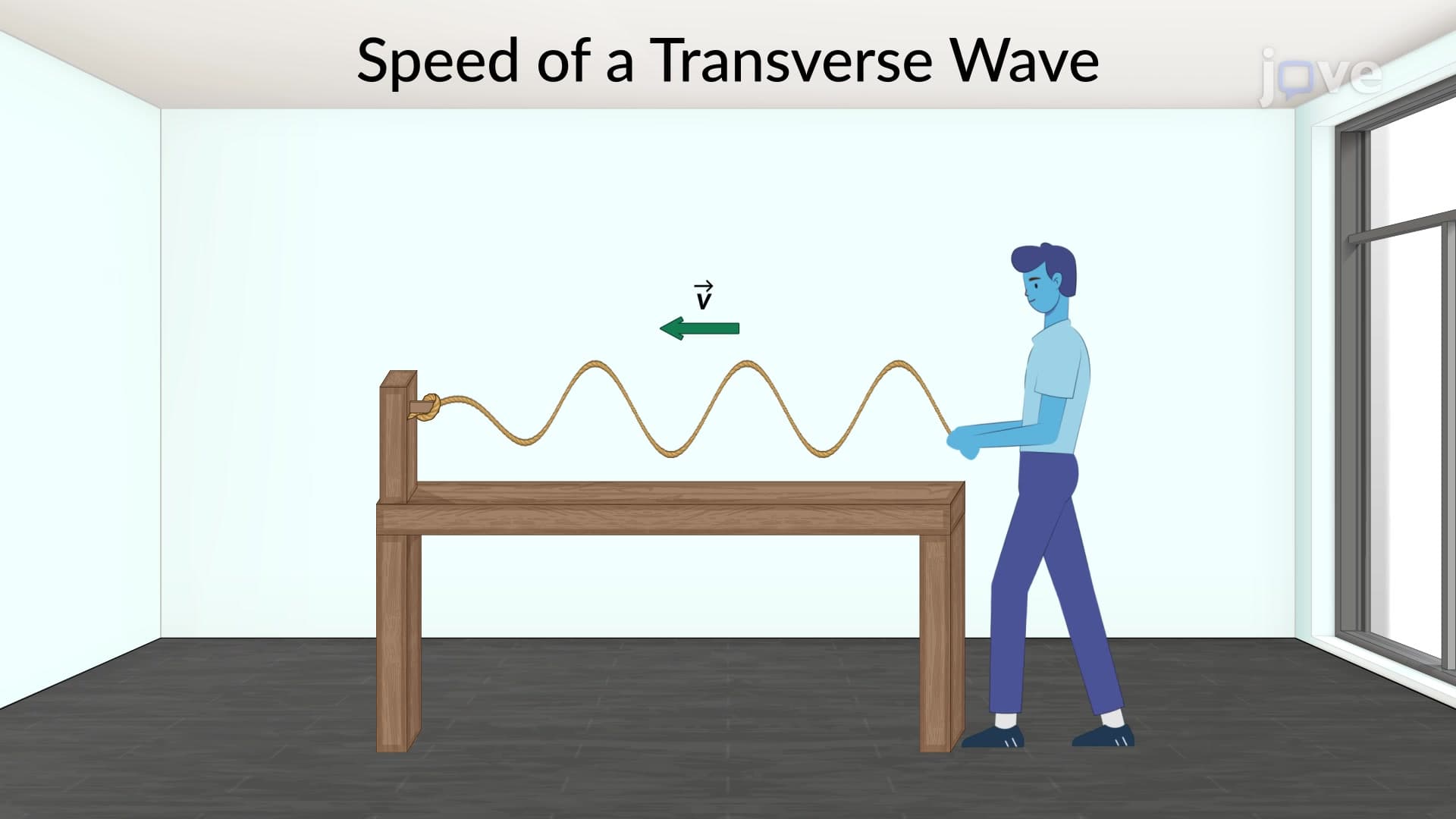
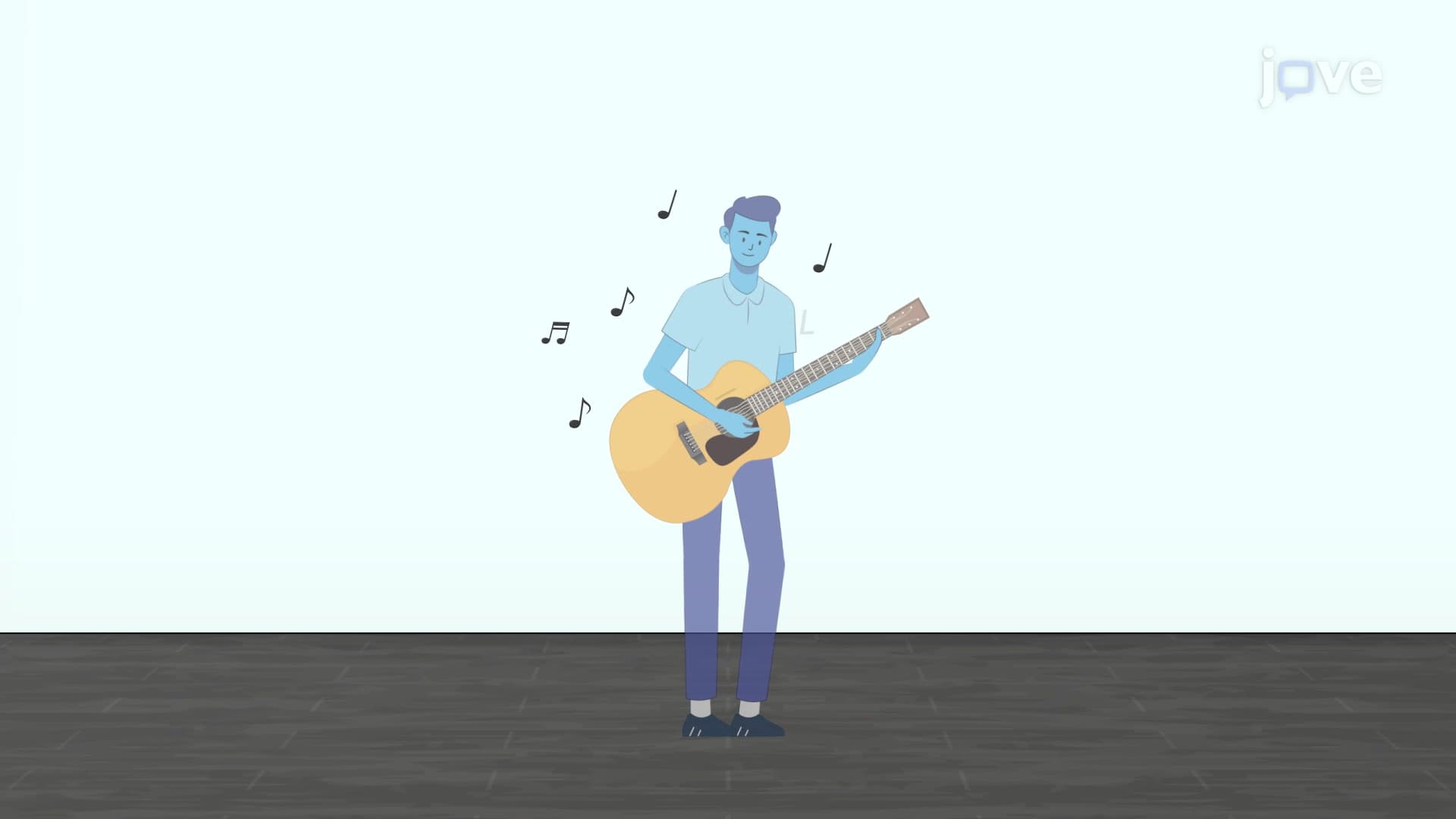
Transverse waves showcase perpendicular particle motion. Picture a guitar string vibrating up and down while sound energy travels horizontally toward the audience. Water waves demonstrate this beautifully—while wave energy spreads outward from a disturbance, water particles mainly move up and down in circular patterns.
These wave principles appear throughout American educational assessments. AP Physics exams frequently test wave motion concepts, while MCAT questions explore how sound waves enable medical ultrasound imaging used in hospitals from Johns Hopkins to Mayo Clinic. Engineering students at institutions like MIT and Stanford apply these principles when designing earthquake-resistant buildings for California's seismic zones.
Understanding travelling waves proves essential for numerous careers. Seismologists monitoring Yellowstone's volcanic activity rely on wave propagation principles. Audio engineers at recording studios in Nashville use transverse wave properties when adjusting guitar sounds. Medical professionals performing echocardiograms depend on longitudinal ultrasound waves to examine patients' hearts.
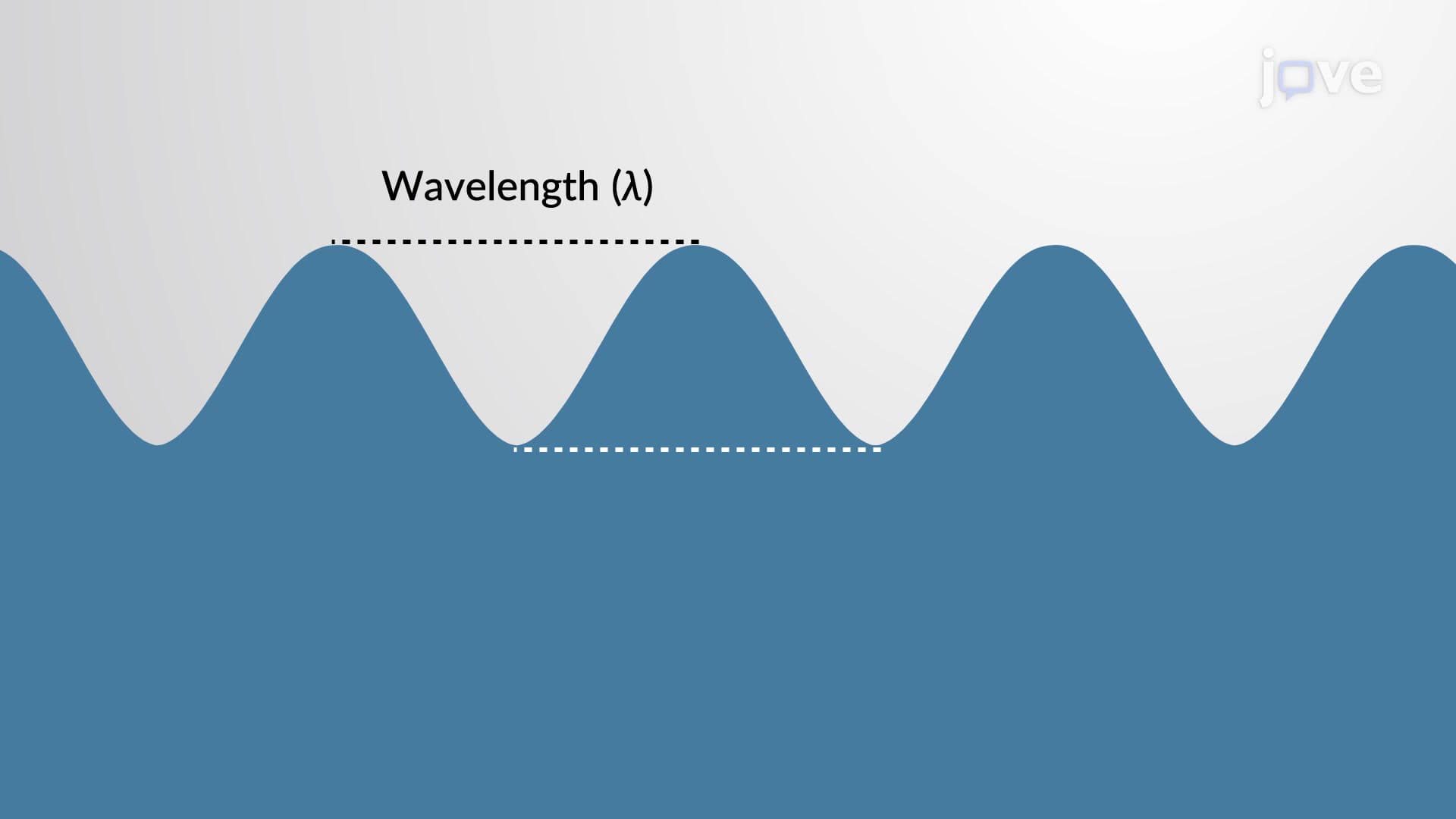
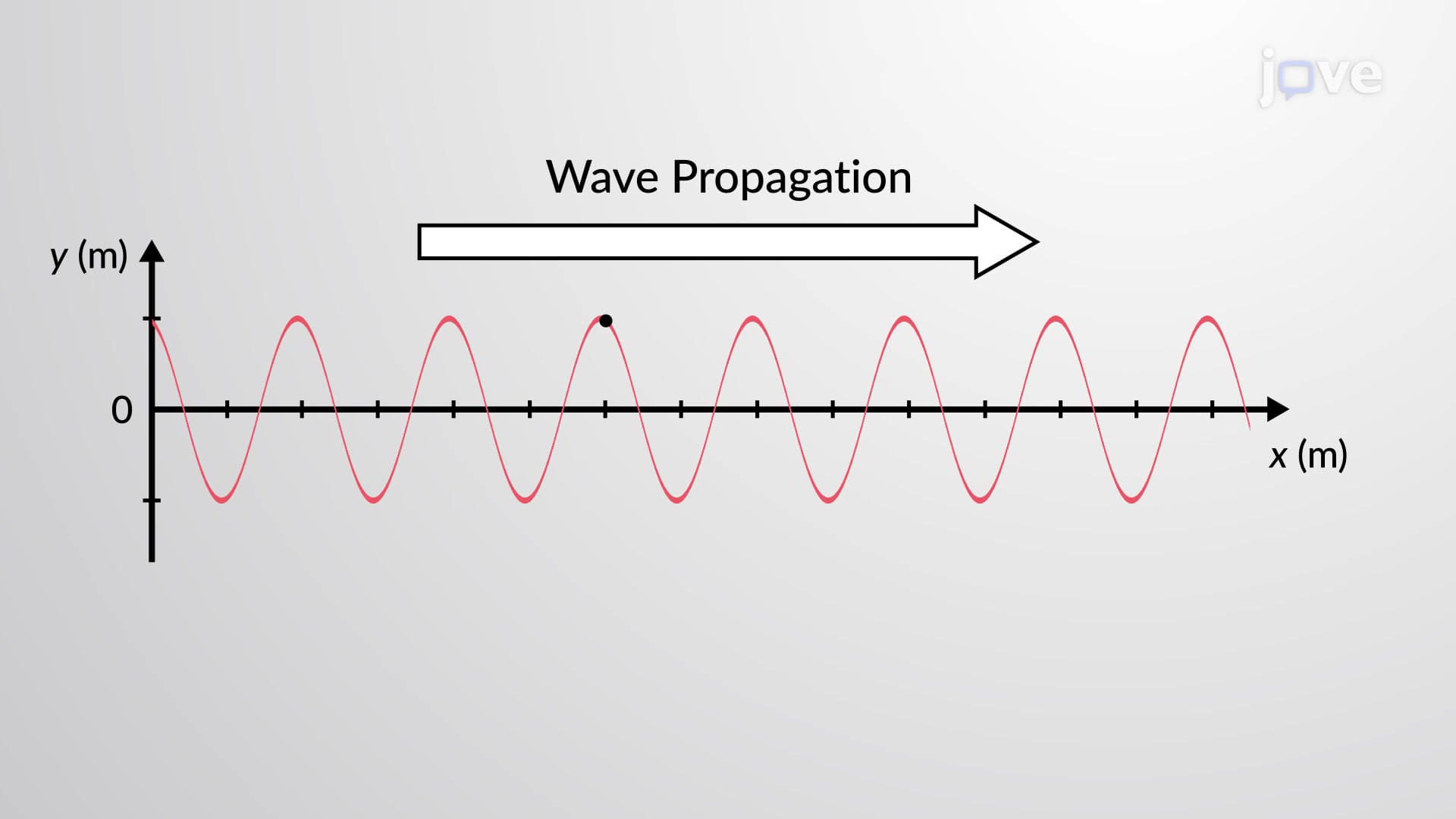
College physics courses typically introduce travelling waves through mathematical descriptions involving wavelength, frequency, and amplitude. However, the underlying concept remains beautifully simple: energy moving through space while matter stays home. This principle governs everything from radio waves carrying signals between New York and Los Angeles to seismic waves helping geologists understand Earth's interior structure beneath the continental United States.
Frequently Asked Questions
Travelling waves are disturbances that carry energy from one place to another without moving the material through which they pass. Think of them as energy messengers—when you drop a stone in a pond, the ripples carry energy outward while the water itself just moves up and down in place.
The two essential types are longitudinal waves (particles vibrate parallel to wave direction, like sound waves) and transverse waves (particles vibrate perpendicular to wave direction, like guitar string vibrations). Understanding this distinction helps students tackle wave problems on AP Physics and college exams with confidence.
AP Physics frequently tests wave speed calculations, wave interference patterns, and identifying wave types from diagrams. Students often encounter problems involving sound waves in air (longitudinal) and waves on strings (transverse). Practice with both mathematical calculations and conceptual understanding proves essential for success.
The MCAT emphasizes sound waves for medical applications like ultrasound imaging and Doppler effect for blood flow measurement. Test-takers should understand how longitudinal waves propagate through body tissues and how wave frequency changes affect medical diagnostic procedures used in American hospitals.
Travelling waves enable countless daily experiences—radio waves carry signals from broadcasting towers to your car, sound waves let you hear conversations across rooms, and seismic waves help scientists monitor earthquake activity along California's fault lines. Even your smartphone relies on electromagnetic waves for communication.
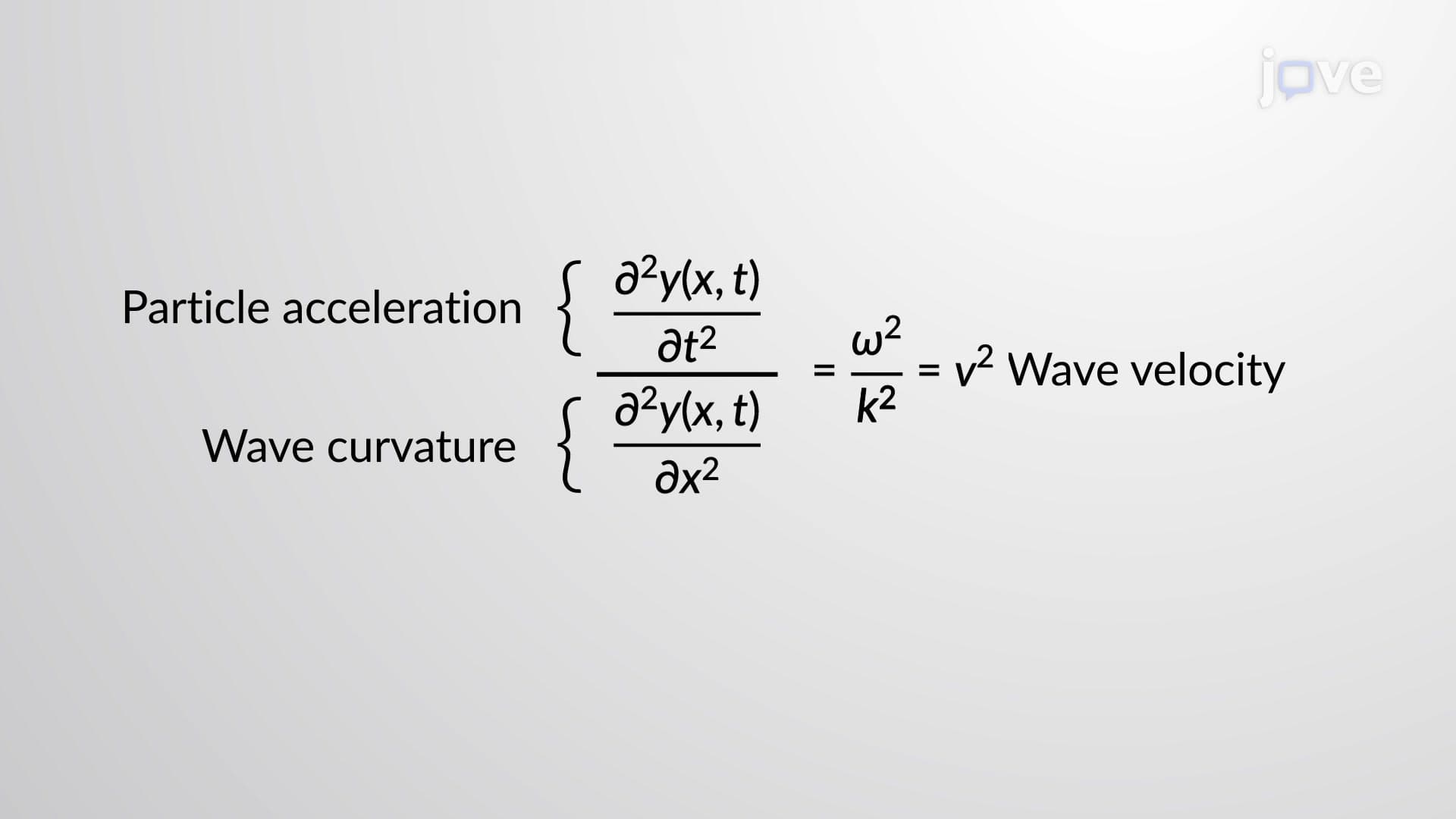
Basic algebra and trigonometry provide sufficient mathematical foundation for introductory wave concepts. High school students can master fundamental principles before encountering calculus-based wave equations in advanced physics courses. Focus first on understanding the physical concepts, then build mathematical skills gradually.
Create visual diagrams showing particle motion for both wave types, practice identifying wave characteristics from given scenarios, and work through calculation problems involving wave speed and frequency. Connect mathematical formulas to physical phenomena you observe in daily life for better retention and understanding.
Wave interference, standing waves, and electromagnetic radiation represent natural next steps. These concepts build directly on travelling wave fundamentals and appear frequently in advanced physics courses at universities like Berkeley and Princeton, preparing students for careers in engineering and physical sciences.
Related Micro-courses
Related Subjects
 Math Fundamentals 11 micro-courses›
 Statistics 17 micro-courses›