Loading…
Loading video…

61,845 views
Did you know that the thunderous sound from a NASA rocket launch at Kennedy Space Center carries enough energy and power wave energy to shatter windows miles away? What is Energy And Power Wave fundamentally describes how mechanical waves transport energy through space and time. Ocean waves off California's coast demonstrate this perfectly—larger amplitude waves during storms carry exponentially more energy than gentle summer swells, capable of generating significant electrical power through wave energy converters. Watch the full video on JoVE Coach to master this concept with expert-led visuals and step-by-step explanations.
What is Energy And Power Wave represents one of the most important concepts in mechanical wave physics, describing how waves transport energy through different media. Unlike particles that carry energy by moving from place to place, waves transfer energy while the medium itself remains relatively stationary. This fundamental principle explains phenomena ranging from seismic waves during California earthquakes to sound waves in concert halls across America.
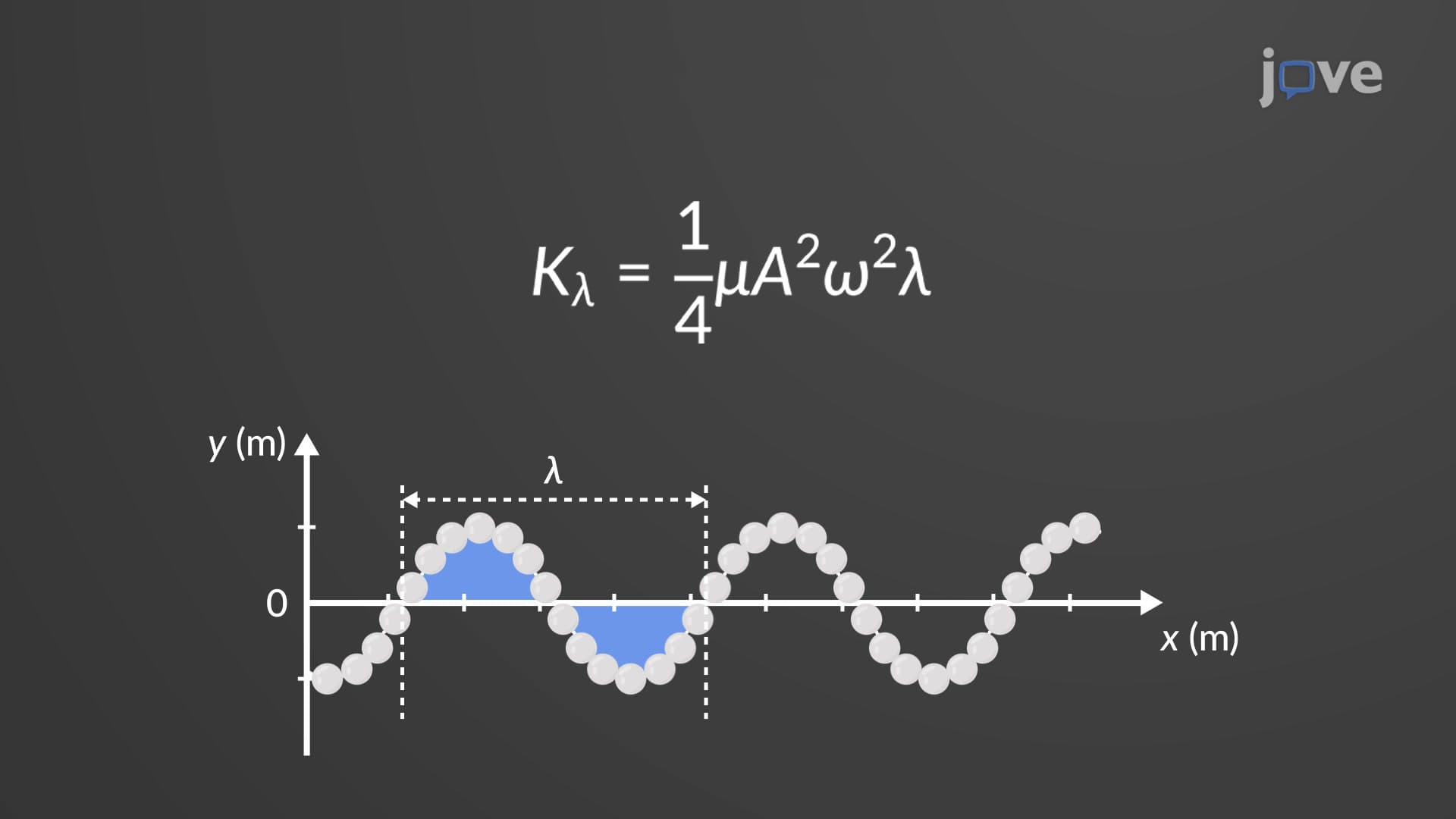
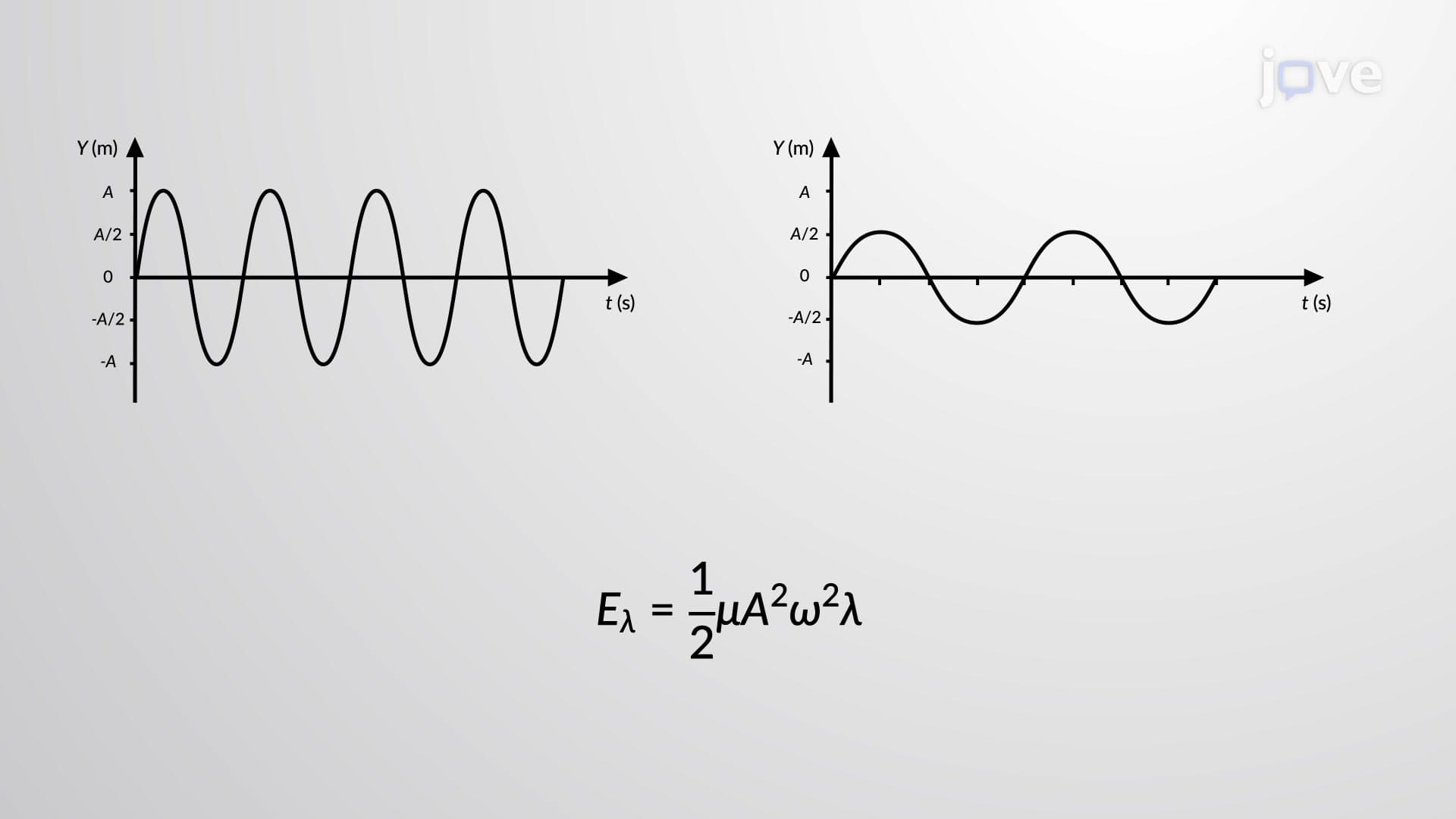
The total energy of any mechanical wave consists of two equal components: kinetic energy from the oscillating motion of particles in the medium, and potential energy from the temporary deformation or displacement of those particles. This 50-50 energy split is a universal characteristic of mechanical waves, whether they're traveling through solid steel beams in New York skyscrapers or water waves approaching Miami Beach.
The energy and power wave relationship reveals that total wave energy depends critically on three factors: amplitude, angular frequency, and wavelength. However, amplitude and frequency have the most dramatic impact because energy transfer is proportional to the square of both parameters. This quadratic relationship means doubling a wave's amplitude increases its energy by a factor of four, while doubling the frequency also quadruples the energy content.
This mathematical relationship has profound practical implications. For instance, when designing earthquake-resistant buildings in Los Angeles, engineers must account for how seismic wave energy scales with amplitude. A magnitude 7.0 earthquake doesn't just carry twice the energy of a magnitude 6.0 earthquake—it carries approximately 32 times more energy due to these quadratic scaling relationships.
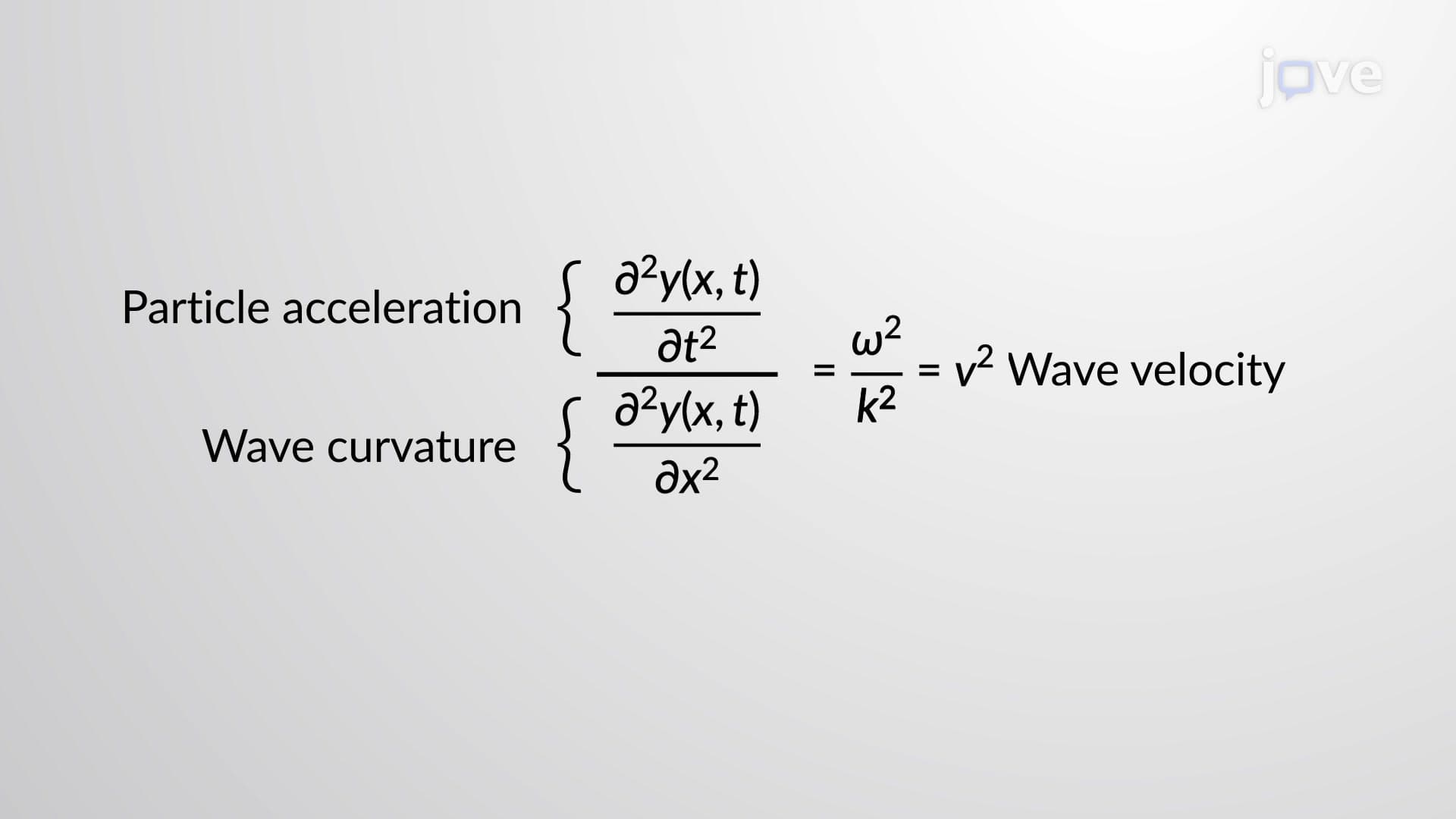
Wave power represents the rate of energy transfer and equals the wave's energy content divided by its period. Using the fundamental wave equation that relates velocity, wavelength, and period (v = λ/T), we can express power as proportional to the product of amplitude squared and frequency squared. This power equation helps explain why high-frequency, high-amplitude waves like those generated by ultrasonic cleaning devices can transfer enormous amounts of energy in very short time intervals.
Understanding energy and power wave concepts proves essential for success in AP Physics courses, SAT Subject Tests, and college-level physics examinations. Students frequently encounter problems requiring calculation of wave energy transfer rates, power transmission through different media, and relationships between wave parameters. Medical students preparing for the MCAT must master these principles to understand ultrasound imaging, while engineering students apply wave energy concepts in acoustics, structural analysis, and renewable energy systems.
Real-world applications span from tsunami early warning systems along the Pacific Coast to the design of wind instruments in American orchestras, where wave energy principles determine sound quality and projection capabilities.
Frequently Asked Questions
Energy and power wave describes how mechanical waves carry and transfer energy through different materials without transporting matter itself. The energy comes from both the motion of particles (kinetic energy) and their displacement from equilibrium positions (potential energy), with power measuring how quickly this energy transfers. This principle explains everything from earthquake damage patterns to how musical instruments produce sound in concert halls across America.
The energy and power wave definition states that wave energy equals the sum of kinetic and potential energy components, while wave power represents the rate of energy transfer per unit time. Mathematically, both energy and power depend on the square of wave amplitude and frequency, creating quadratic scaling relationships. This definition forms the foundation for understanding wave behavior in mechanical systems, acoustics, and seismic analysis.
AP Physics exams frequently test energy and power wave relationships through quantitative problems involving amplitude, frequency, and energy calculations. Students must apply the quadratic scaling laws to compare wave energies and calculate power transmission rates through different media. Common exam scenarios include seismic wave analysis, sound wave propagation, and mechanical wave energy transfer in springs or strings.
MCAT physics sections include energy and power wave questions related to medical applications like ultrasound imaging and sound wave propagation in biological tissues. Test-takers must understand how wave energy affects tissue penetration depth and imaging resolution in diagnostic procedures. These concepts also appear in passages about hearing mechanisms and sound wave transmission through the human ear.
California's ocean waves perfectly illustrate energy and power wave concepts because larger amplitude storm waves carry exponentially more energy than smaller waves due to quadratic scaling relationships. Wave energy converters along the Pacific Coast harness this principle, generating more electrical power from high-amplitude, high-frequency waves. Surfers also experience these principles firsthand, as bigger waves deliver dramatically more energy and require greater skill to navigate safely.
Understanding energy and power wave fundamentals requires only basic algebra and familiarity with squared relationships, making these concepts accessible to high school physics students. While the underlying calculus provides deeper insights, you can master the core principles using simple equations involving amplitude, frequency, and wave velocity. Most introductory physics courses present these topics with straightforward mathematical tools that build naturally from previous wave mechanics lessons.
Focus on practicing problems that connect wave parameters (amplitude, frequency, wavelength) to energy and power calculations, emphasizing the quadratic relationships that determine scaling behaviors. Create concept maps linking wave energy principles to real-world applications like earthquake analysis, musical acoustics, and medical imaging. Work through past AP Physics or college exam questions systematically, paying special attention to unit analysis and order-of-magnitude estimations that help verify your calculated answers.
Energy and power wave principles lead naturally to electromagnetic wave theory, quantum mechanics, and advanced acoustics in upper-level physics courses. Students can explore wave interference patterns, standing wave energy distributions, and nonlinear wave phenomena in specialized physics electives. Engineering applications include vibration analysis, structural dynamics, and renewable energy systems that harvest wave power from natural sources.
Related Micro-courses
Related Subjects
 Math Fundamentals 11 micro-courses›
 Statistics 17 micro-courses›