Loading…
Loading video…

61,845 views
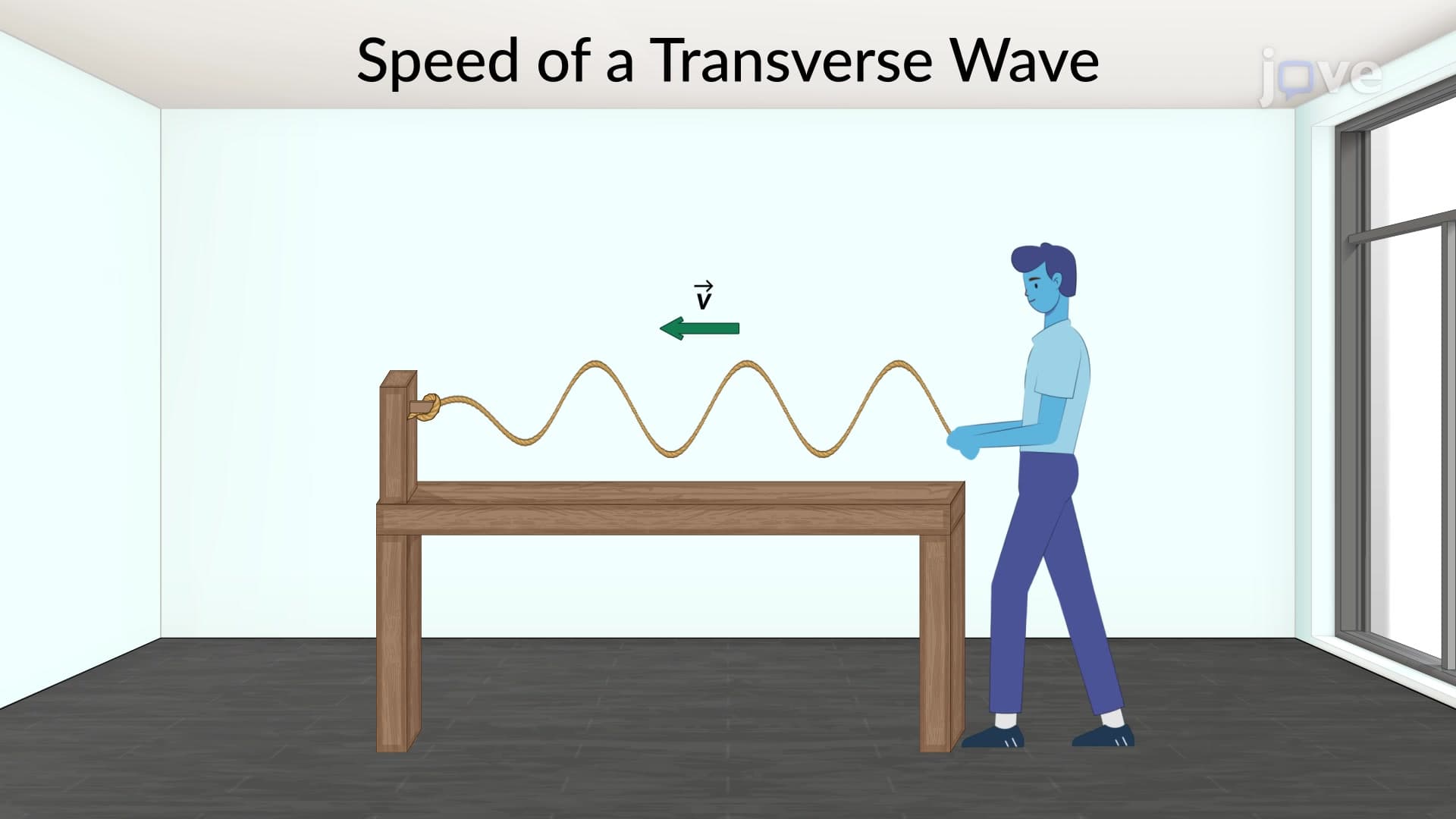
Ever wonder why a guitar string produces sound instantly when plucked? The speed transverse wave travels through the string at a precise velocity determined by tension and mass properties. When a musician adjusts string tension on instruments like those used in high school marching bands across America, they're directly controlling wave speed. What is Speed Transverse Wave becomes clear when examining how forces and material properties govern wave propagation through flexible media. Watch the full video on JoVE Coach to master this concept with expert-led visuals and step-by-step explanations.
The speed transverse wave represents a fundamental concept in wave mechanics where disturbances propagate perpendicular to the direction of wave travel. When examining What is Speed Transverse Wave, we discover that wave speed depends critically on the medium's physical properties—specifically tension and mass distribution.
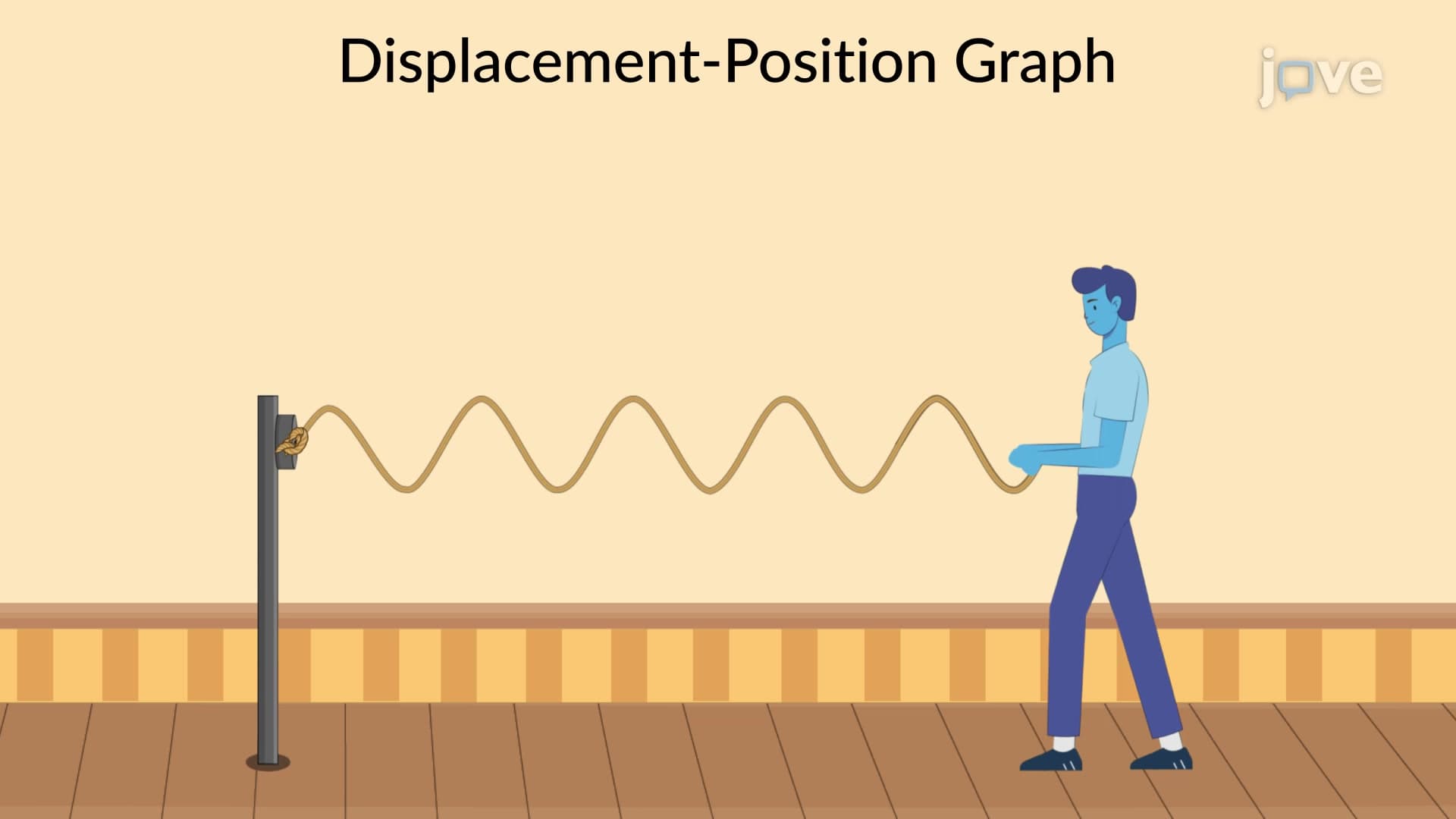
The speed transverse wave definition emerges from applying Newton's second law to a rope element undergoing oscillation. Consider a small rope segment of length Δx with linear mass density μ (mass per unit length). The tension force T acts tangentially at each end, creating vertical force components that drive the oscillatory motion.
The key insight involves analyzing force components. While horizontal tension forces cancel due to equal magnitude and opposite directions, the vertical components create a net restoring force. The slope difference between points x and x + Δx determines these vertical force components, leading to the fundamental relationship: F(net,y) = T × (∂²y/∂x²) × Δx.
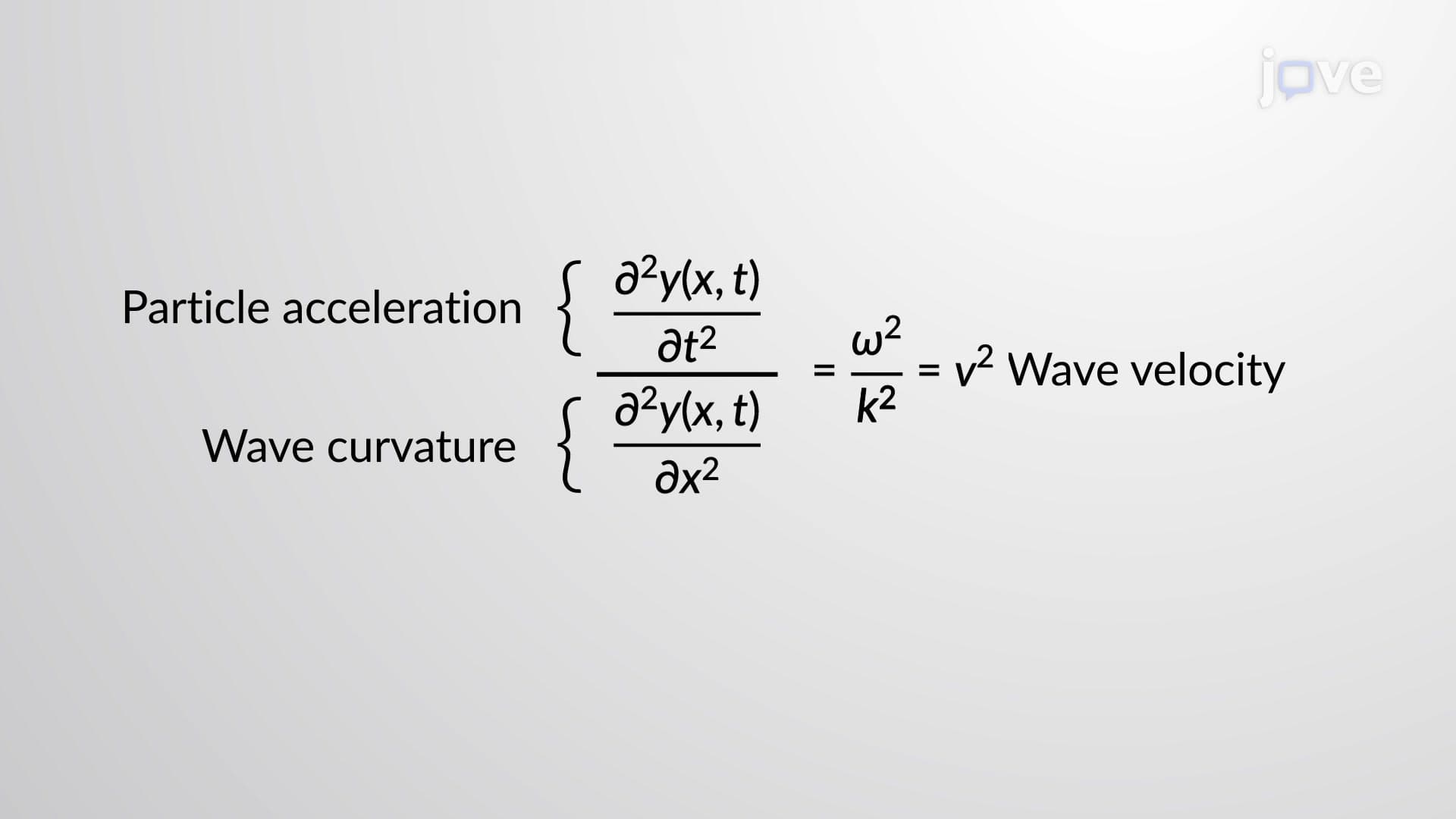
Applying Newton's second law (F = ma) to the rope element yields: μ × Δx × (∂²y/∂t²) = T × (∂²y/∂x²) × Δx. Simplifying gives us the wave equation: ∂²y/∂t² = (T/μ) × ∂²y/∂x², revealing that wave speed v = √(T/μ).
Understanding what is speed transverse wave in detail proves essential for AP Physics students tackling wave mechanics problems. The formula v = √(T/μ) appears frequently in standardized tests, requiring students to manipulate tension and mass density values.
Consider practical applications: guitar strings demonstrate this principle perfectly. Heavier strings (higher μ) produce lower-pitched sounds due to slower wave speeds, while increased tension raises pitch by increasing wave velocity. This same physics governs suspension bridge cable behavior during wind loading and earthquake response in structures across California's seismic zones.
The speed transverse wave concept extends beyond simple rope mechanics into electromagnetic wave theory, where similar mathematical frameworks describe light propagation. Students preparing for the MCAT encounter these principles when studying sound transmission through biological tissues, where density variations affect diagnostic ultrasound imaging.
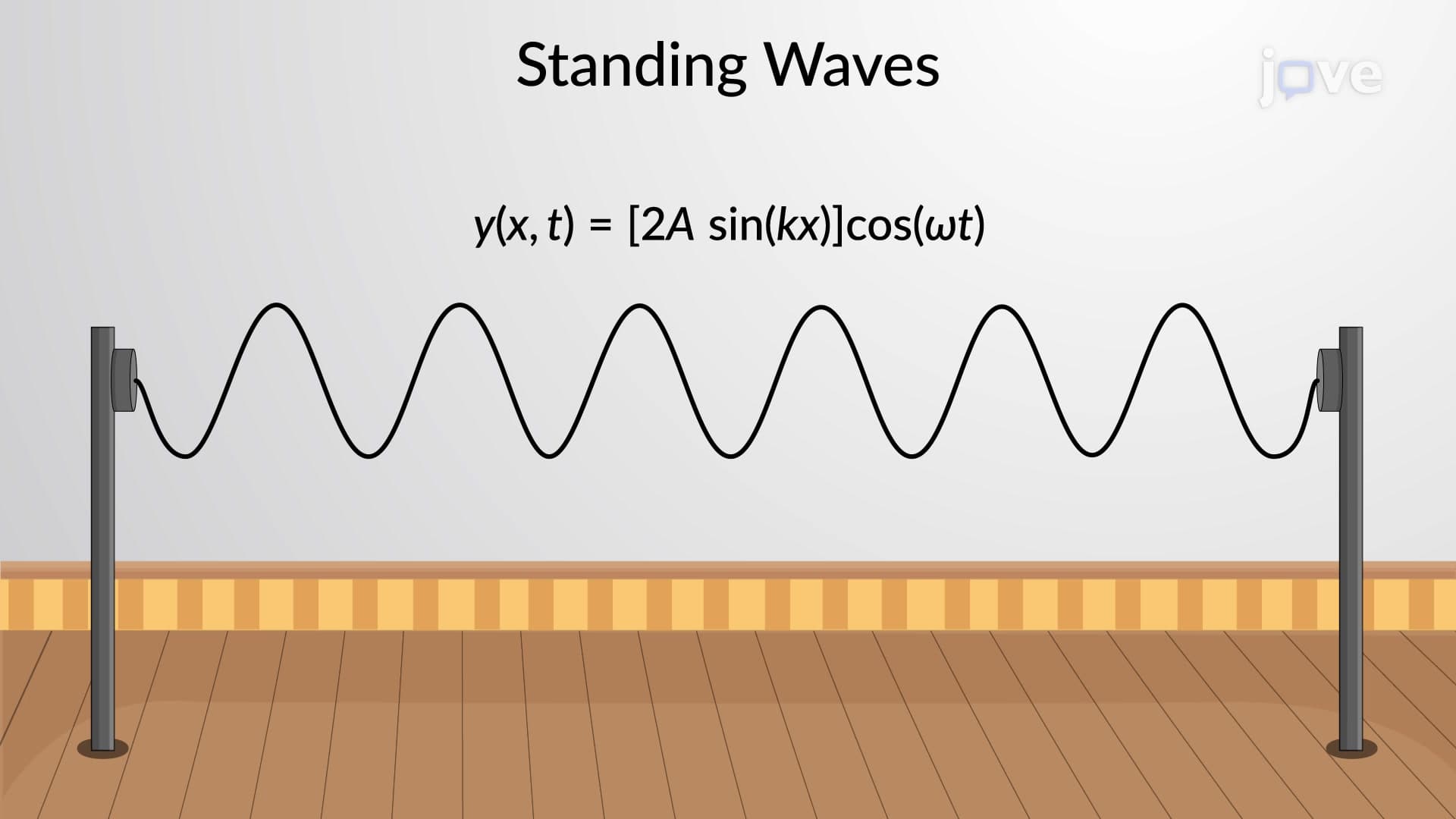
This foundational understanding connects to standing wave patterns, resonance phenomena, and energy transmission—topics frequently tested in college physics courses and professional examinations like the MCAT's physics section.
Frequently Asked Questions
Speed transverse wave refers to how fast disturbances travel perpendicular to the wave's direction of propagation through a medium. Unlike longitudinal waves where particles oscillate parallel to wave direction, transverse waves involve perpendicular motion, with speed determined by tension and mass density rather than bulk modulus properties.
AP Physics frequently tests the formula v = √(T/μ) through calculation problems and conceptual questions. Students must manipulate variables like string tension and linear mass density to solve for wave speeds. Common exam scenarios include guitar strings, rope waves, and comparative analysis of different materials under varying tensions.
MCAT physics tests transverse wave principles through sound wave propagation, electromagnetic radiation, and medical imaging applications. Understanding how tension and density affect wave speed helps with ultrasound physics, where tissue density variations influence diagnostic imaging quality in clinical settings.
Absolutely! Guitar strings provide excellent real-world examples where changing tension (tuning) or string thickness (different gauges) directly affects wave speed and resulting pitch. Students can calculate actual wave speeds using string specifications and verify results through frequency measurements, making abstract concepts tangible.
Speed transverse wave basics build naturally from Newton's laws and basic algebra, making them accessible to most high school physics students. The mathematical derivation requires calculus concepts, but the final formula v = √(T/μ) uses straightforward arithmetic that reinforces fundamental physics principles students already understand.
Focus on understanding the physical meaning behind v = √(T/μ) rather than memorizing formulas. Practice problems involving different scenarios: ropes, strings, cables under various tensions. Create concept maps connecting wave speed to frequency, wavelength, and energy transmission to build comprehensive understanding for exam success.
Transverse wave speed foundations lead to electromagnetic wave theory, quantum mechanics wave functions, and seismic wave analysis. Understanding these basics prepares students for advanced courses in modern physics, engineering mechanics, and geophysics where wave propagation principles govern complex phenomena.
Major US infrastructure relies on transverse wave principles: suspension bridges like San Francisco's Golden Gate Bridge use cable tension calculations, while seismic engineering for California buildings applies wave propagation theory. Aerospace applications include analyzing vibrations in aircraft structures and spacecraft communication systems.
Musical instruments demonstrate transverse wave physics through string instruments, where tension and mass determine pitch relationships. This knowledge helps students understand why violin strings are tuned by adjusting tension, why piano strings vary in thickness, and how American instrument manufacturers optimize acoustic properties through precise material selection.
Related Micro-courses
Related Subjects
 Math Fundamentals 11 micro-courses›
 Statistics 17 micro-courses›