Loading subject page…

Micro-course: Waves
61,845 views
Learn key concepts and earn your certificate.



Equations of Wave Motion
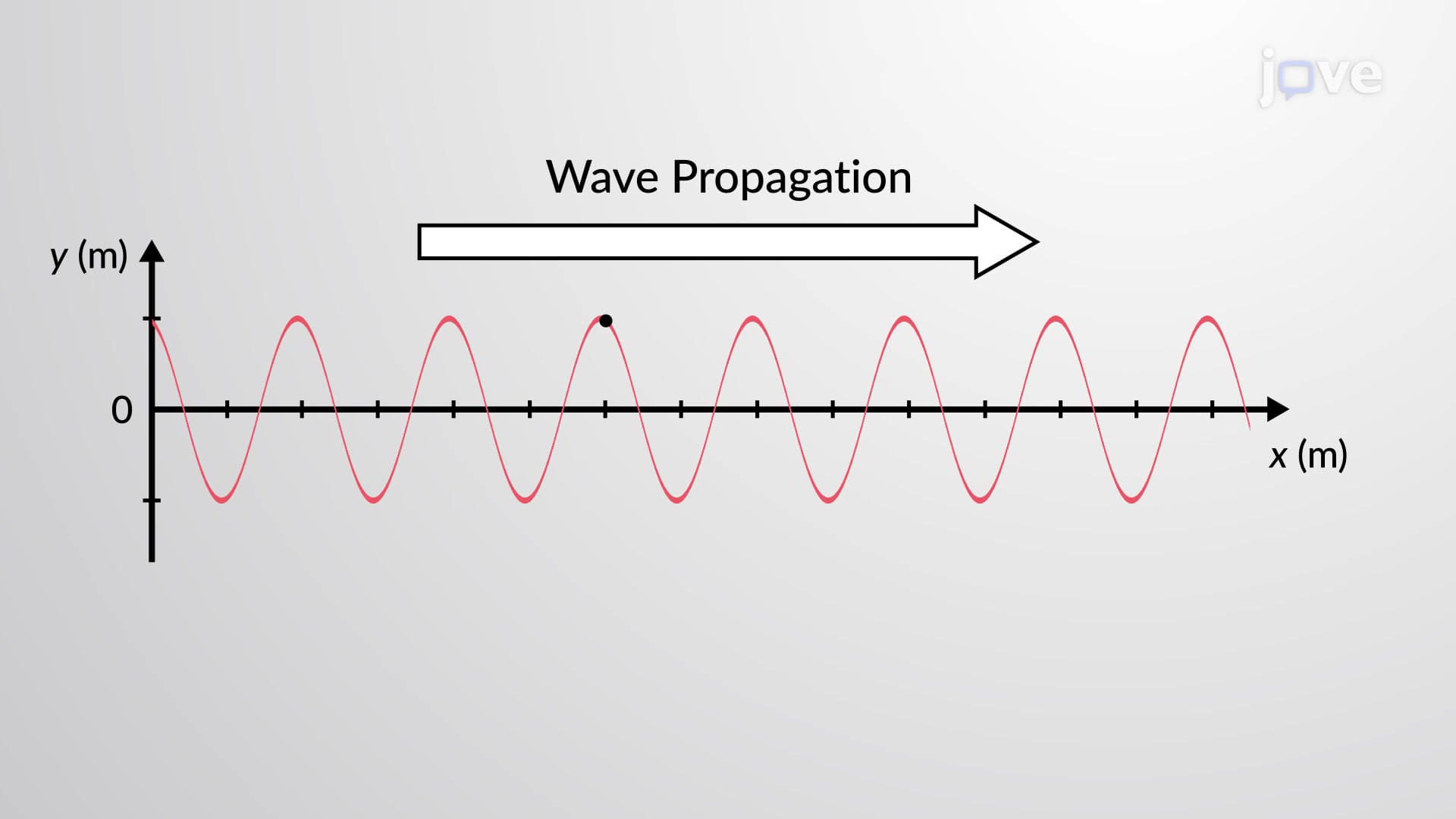

00:00
01:02
Video Summary: What are Equations of Wave Motion
Ever wonder how scientists predict where a tsunami will hit next or how your smartphone receives crystal-clear signals? The equations of wave motion are mathematical tools that describe how waves travel through different mediums, from ocean waters off California's coast to electromagnetic signals bouncing between cell towers. These fundamental equations help us understand particle displacement, wave frequency, and the relationship between position and time in wave phenomena. Watch the full video on JoVE Coach to master this concept with expert-led visuals and step-by-step explanations.
- Understand what equations of wave motion are and how they mathematically describe wave behavior in various mediums
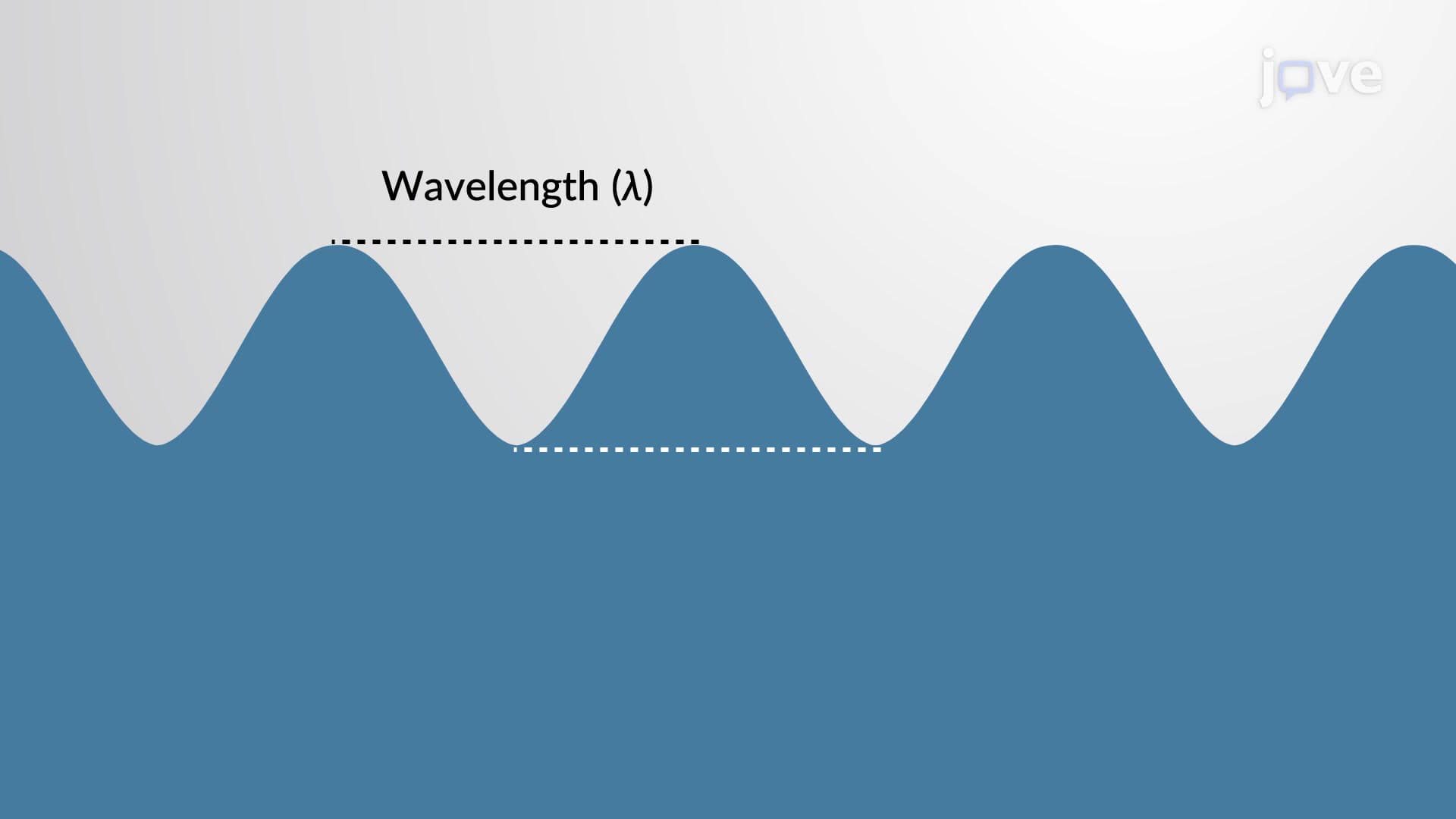
- Identify the key components of wave functions, including amplitude, frequency, wavelength, and phase relationships
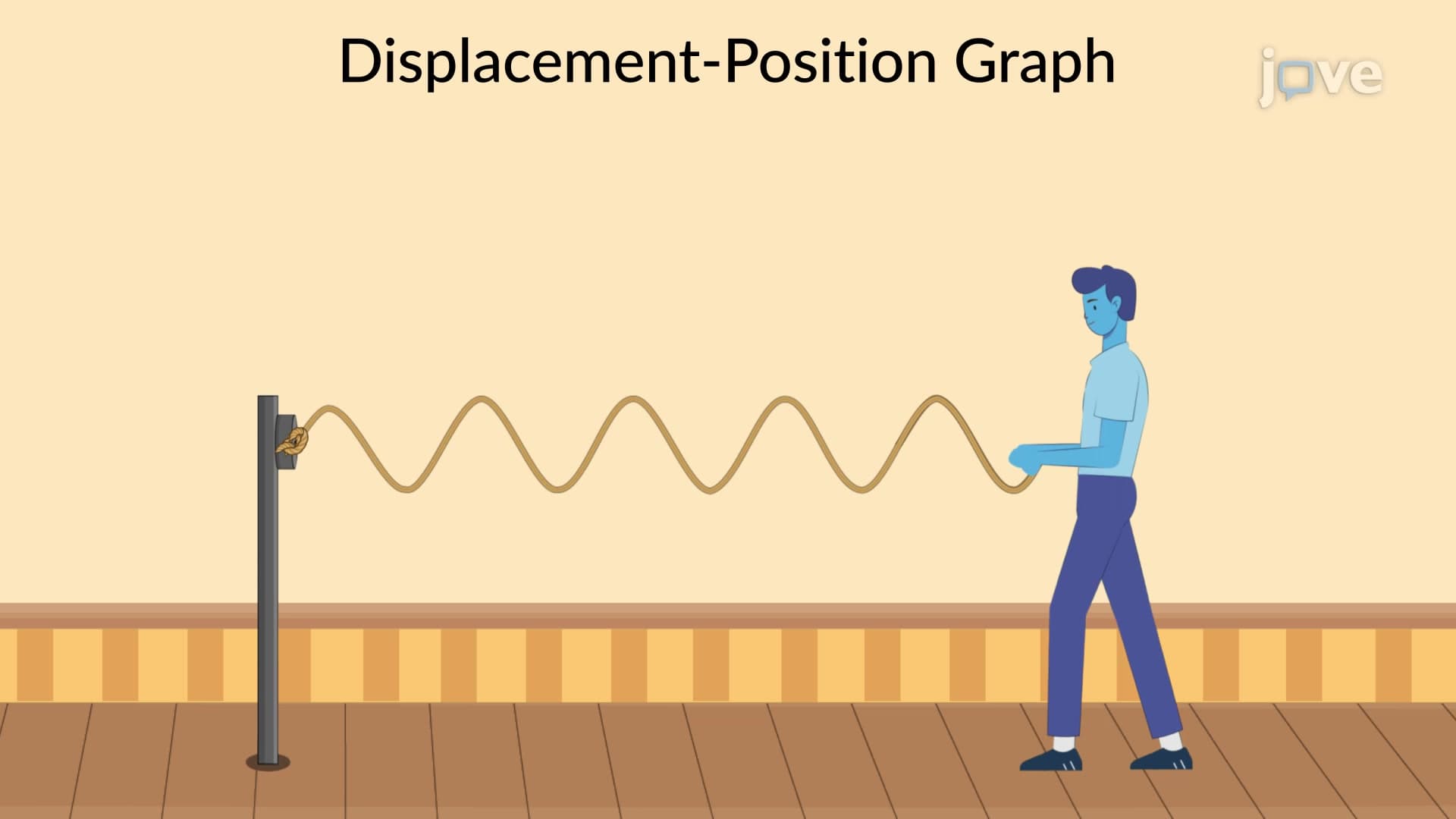
- Analyze how particle displacement varies as a function of both position and time in sinusoidal wave motion
- Compare different forms of wave equations for waves traveling in positive versus negative directions
- Evaluate the relationship between equilibrium position and particle oscillation in harmonic wave motion
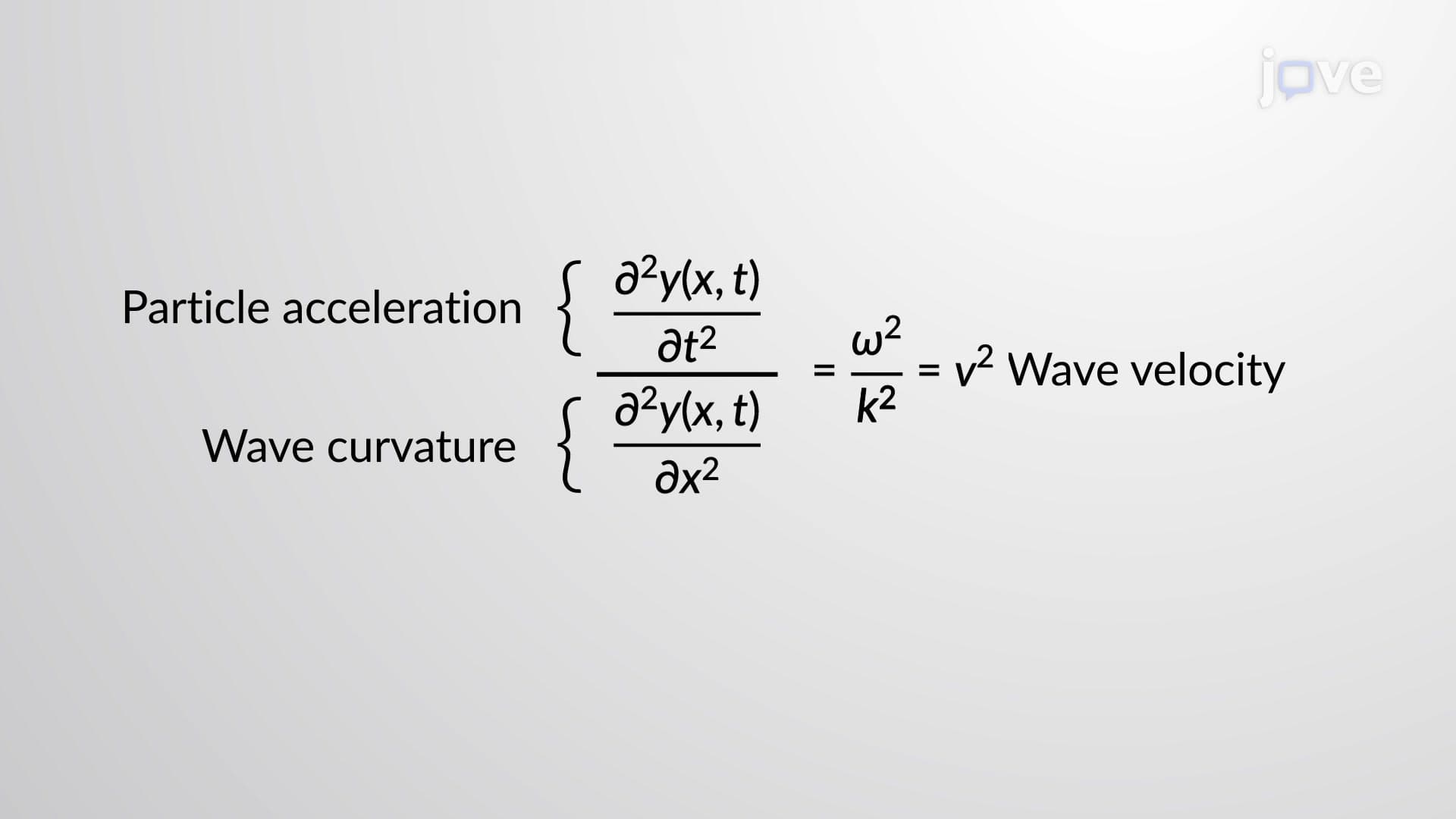
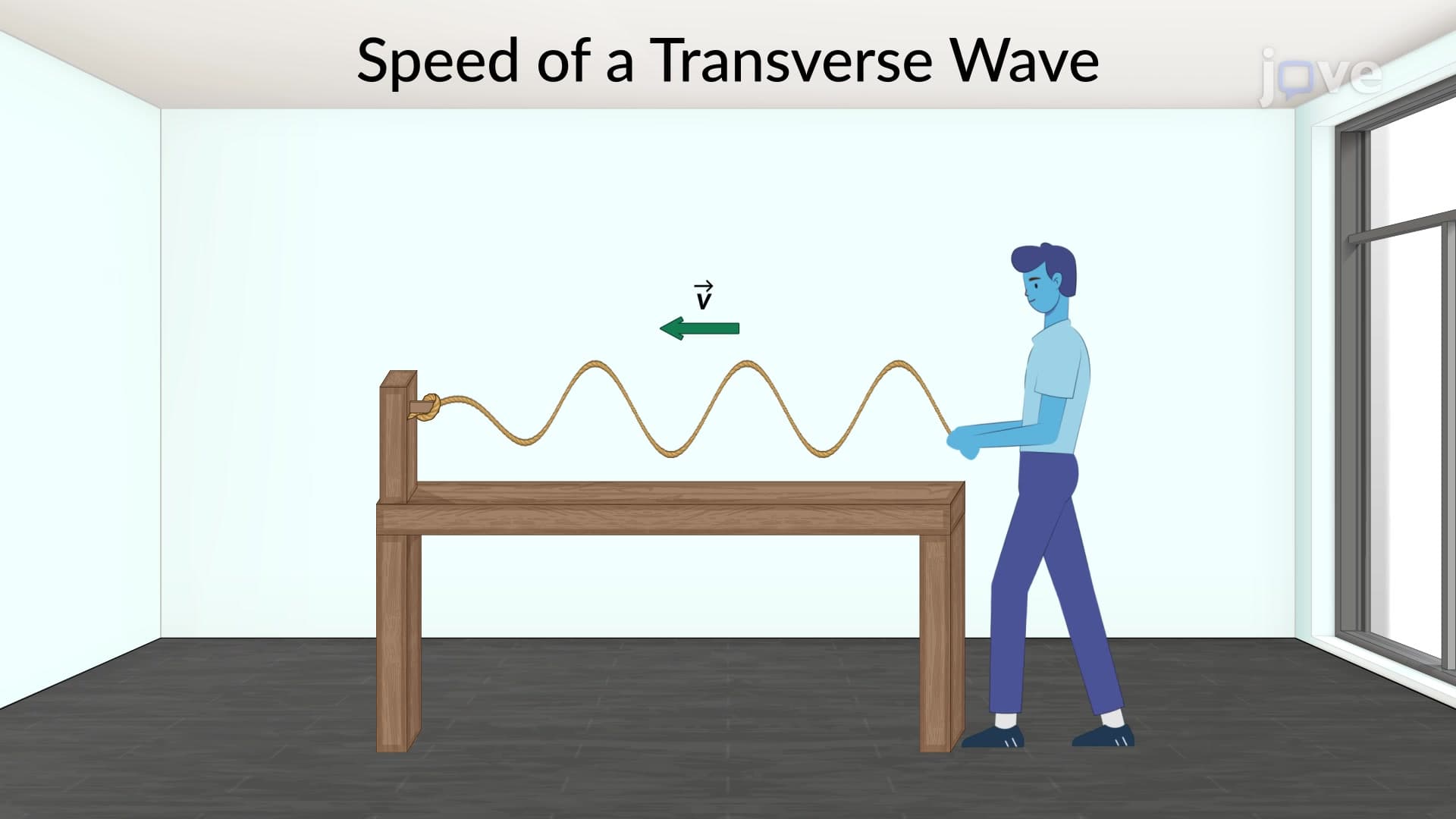
- Apply wave function concepts to solve problems involving wave speed, frequency, and wavelength calculations
- Recognize the connection between simple harmonic motion and wave propagation patterns
- Explore how wave equations predict real-world phenomena like sound transmission and seismic activity
Understanding What Equations of Wave Motion Represent
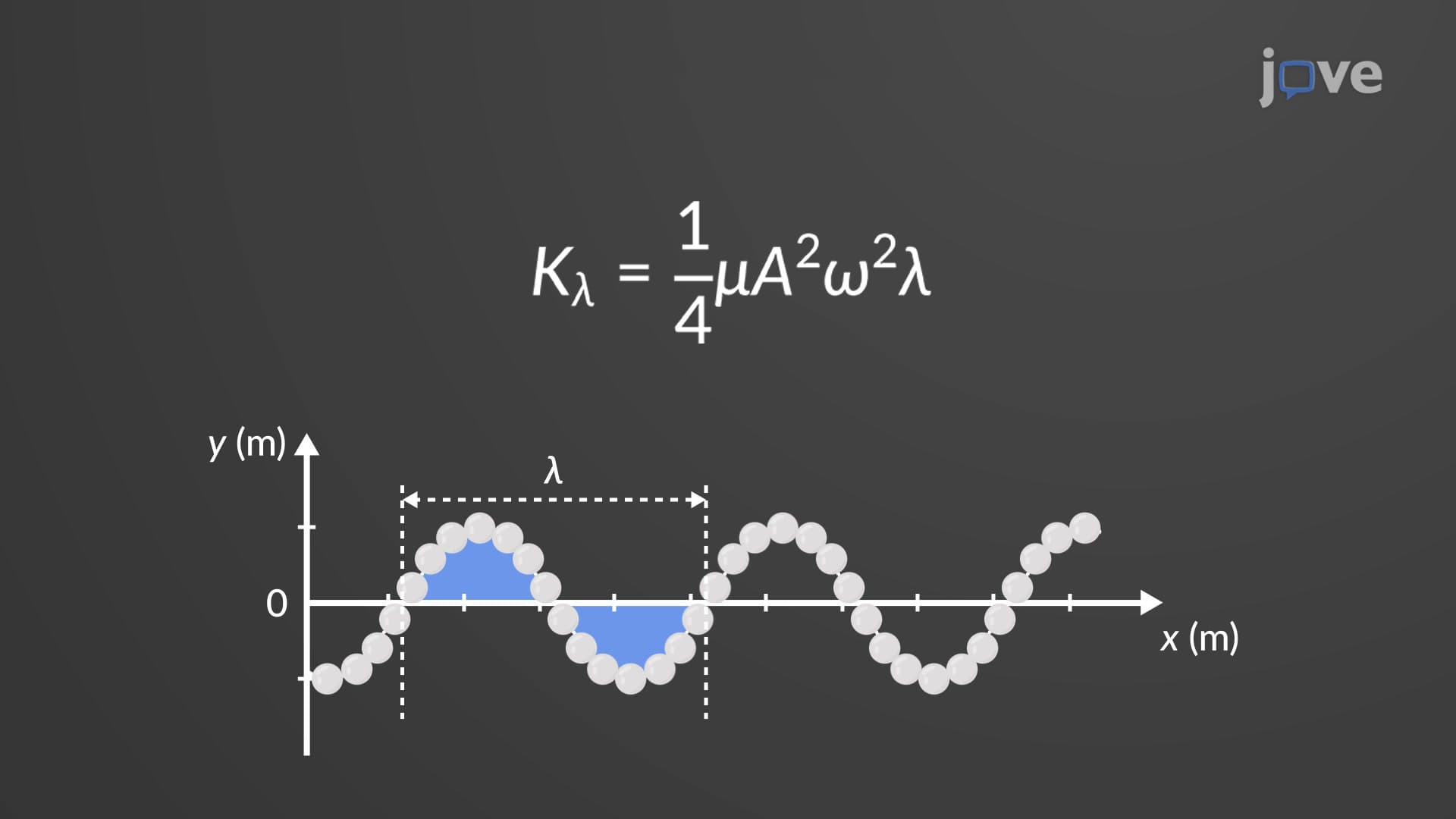
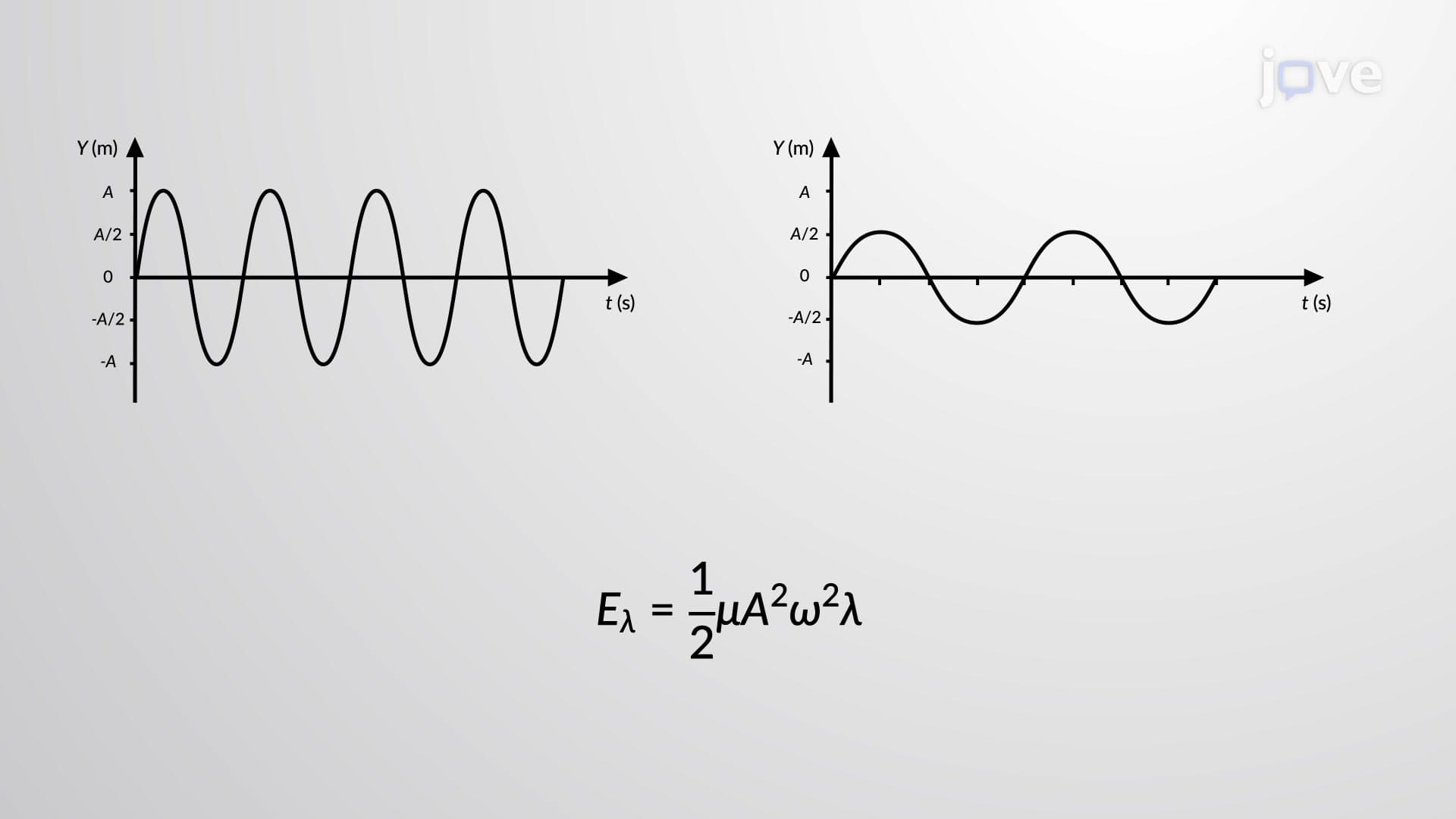
What are equations of wave motion? These mathematical expressions describe how waves propagate through space and time, capturing the essential physics of wave behavior. The fundamental wave equation takes the form y(x,t) = A sin(kx ± ωt + φ), where y represents particle displacement, A is amplitude, k is the wave number, ω is angular frequency, and φ is the phase constant. This equation serves as the foundation for understanding everything from seismic waves detected by the US Geological Survey to radio waves used in GPS navigation systems.
Types of Equations of Wave Motion and Their Applications
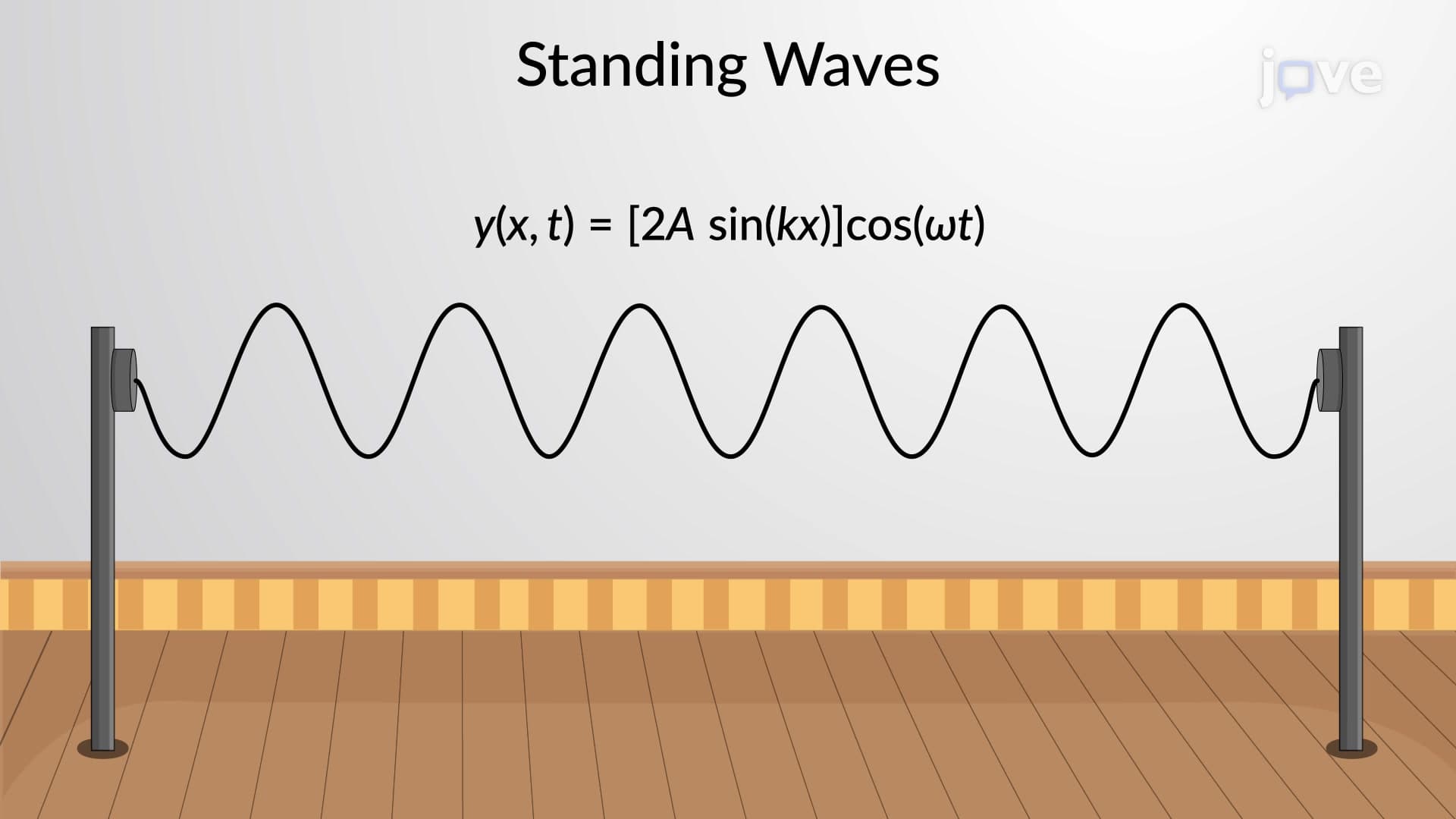
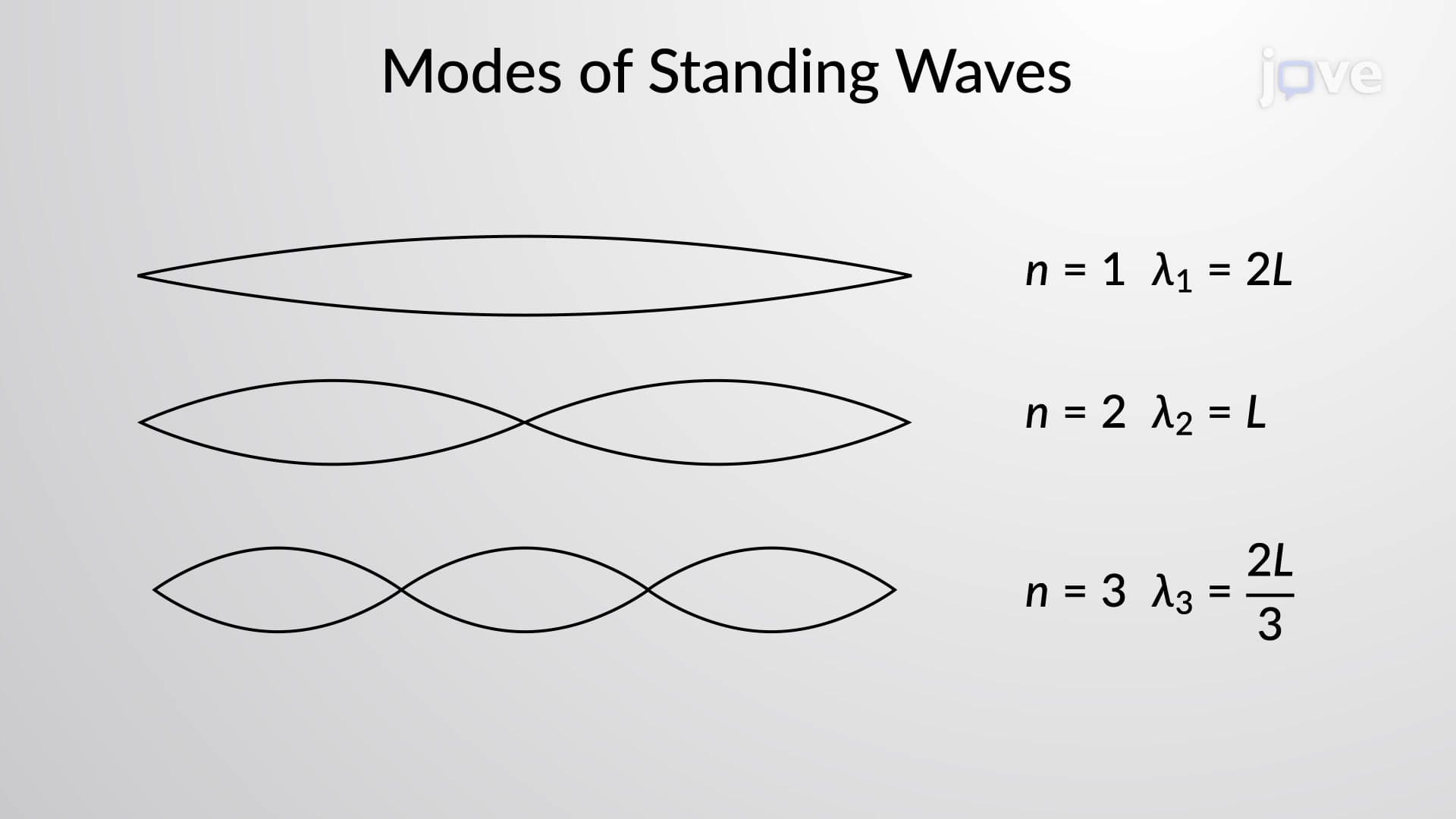
The types of equations of wave motion vary depending on the wave's characteristics and medium. For mechanical waves like sound traveling through air, we use the standard sinusoidal form. Electromagnetic waves, such as those used in MRI machines at hospitals like Mayo Clinic, follow Maxwell's equations. Standing wave equations describe phenomena like the resonant frequencies in musical instruments, explaining why a guitar string produces specific pitches when plucked.
Mathematical Components and Physical Significance
Each term in the wave function carries physical meaning. The spatial component (kx) determines how the wave varies with position, while the temporal component (ωt) describes time evolution. The ± sign indicates direction: negative for waves moving in the positive x-direction, positive for waves traveling negatively. This mathematical framework appears frequently on AP Physics exams and forms the basis for advanced topics in engineering courses at institutions like MIT and Stanford.
Real-World Applications in US Industries
These equations prove invaluable across American industries. Seismologists at Caltech use wave equations to analyze earthquake data and predict aftershock patterns. The petroleum industry relies on seismic wave analysis for oil exploration in states like Texas and Alaska. Medical professionals utilize ultrasound wave equations for diagnostic imaging, while telecommunications engineers apply them to optimize 5G network performance across major cities.
Frequently Asked Questions
Equations of wave motion are mathematical formulas that describe how waves move through space and time. They tell us the position of any particle in a medium as a wave passes through it. These equations help predict wave behavior, from ocean swells hitting California beaches to sound waves in concert halls.
AP Physics frequently tests wave equations through problems involving wave speed calculations, frequency-wavelength relationships, and interference patterns. Students typically encounter questions asking them to identify wave parameters from given equations or apply the wave equation v = fλ to solve for unknown variables. Practice with College Board released exams helps master these applications.
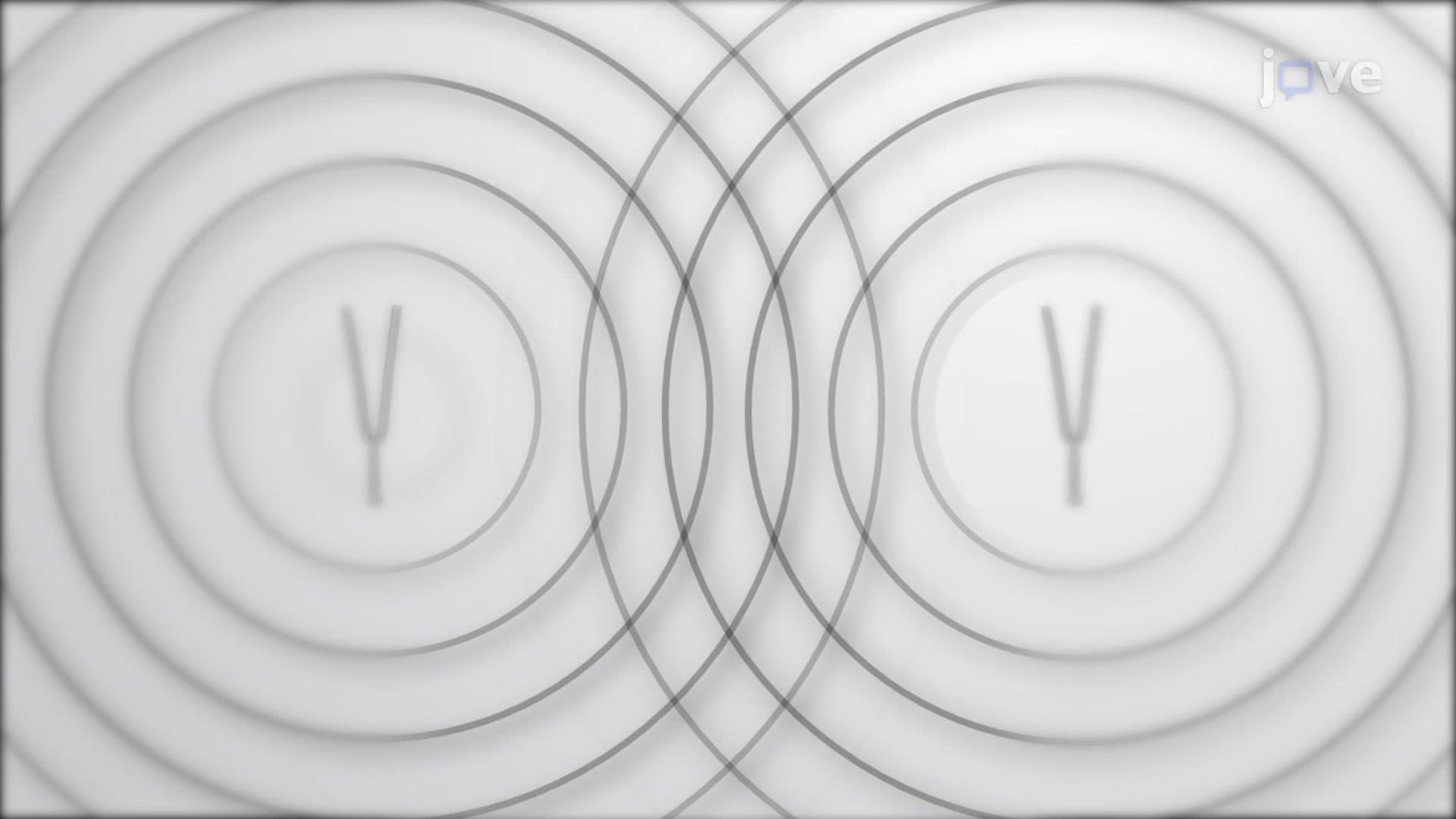
While simple harmonic motion describes oscillation at a single point, wave equations describe how that oscillation propagates through space. The wave equation includes both position and time variables, whereas SHM equations typically involve only time. Both appear on MCAT physics sections, testing understanding of oscillatory motion principles.
Medical ultrasound machines use wave equations to create images of internal organs by analyzing reflected sound waves. MRI scanners rely on electromagnetic wave equations to generate detailed brain and tissue images. These applications make wave physics crucial for pre-med students preparing for the MCAT.
Basic wave equation concepts can be understood with algebra and trigonometry, making them accessible to high school physics students. However, deriving wave equations from first principles requires calculus, typically covered in AP Physics C or college-level courses. The conceptual understanding remains achievable without advanced mathematics.
Focus on understanding each variable's physical meaning rather than just memorizing formulas. Practice identifying amplitude, wavelength, and frequency from wave graphs. Work through problems involving wave speed calculations and interference patterns. Create a formula sheet connecting wave parameters to reinforce relationships between different quantities.
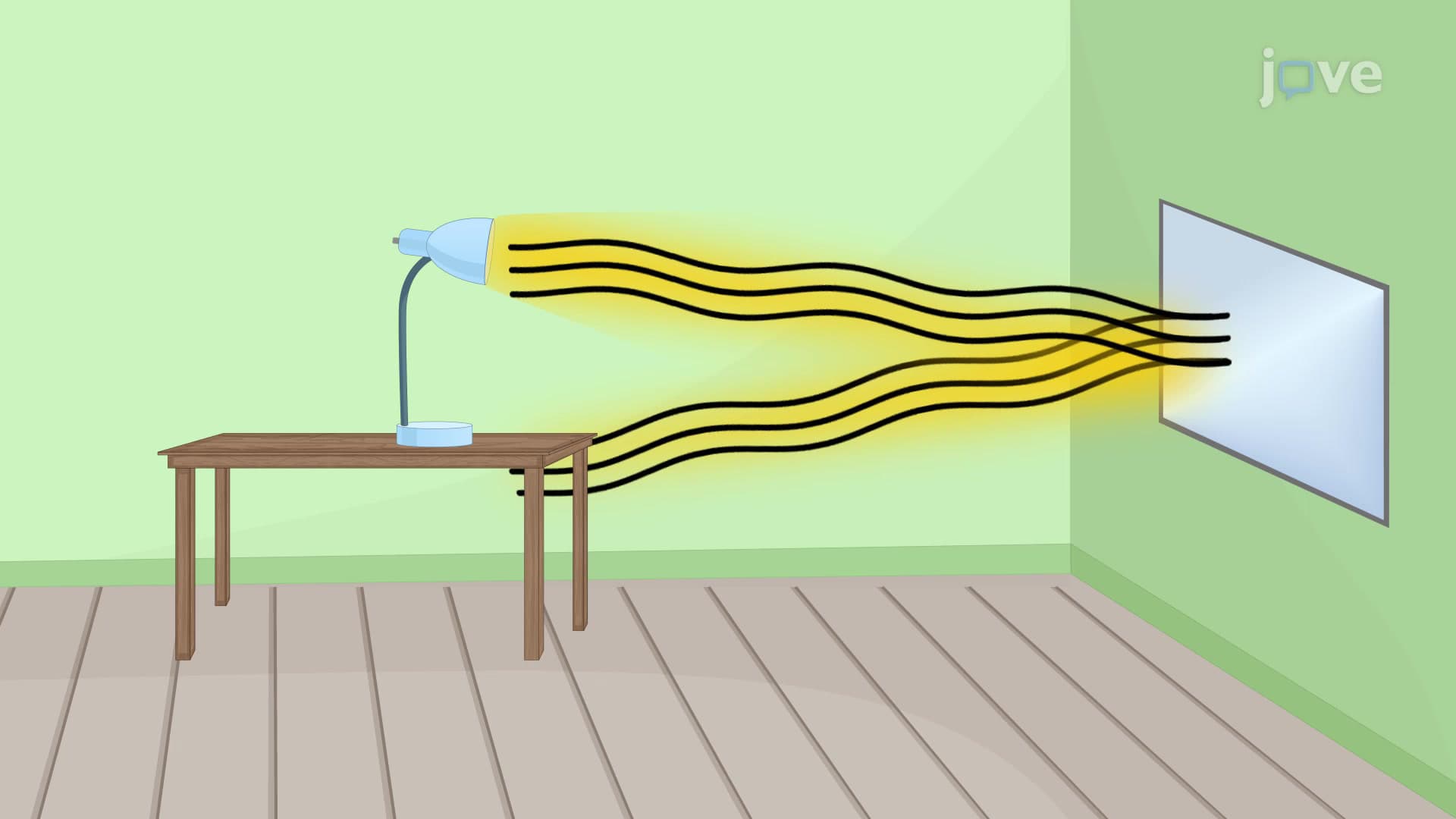
Seismologists at institutions like the US Geological Survey use wave equations to study earthquakes and predict geological hazards. Acoustic engineers design concert halls and recording studios using wave interference principles. Telecommunications engineers at companies like Verizon and AT&T apply wave equations to optimize wireless network coverage and signal strength.
Related Micro-courses


