Loading subject page…

- Social Psychology
- Research Methods
- The Placebo Effect
Micro-course: Research Methods
348,601 views
Learn key concepts and earn your certificate.











The Placebo Effect
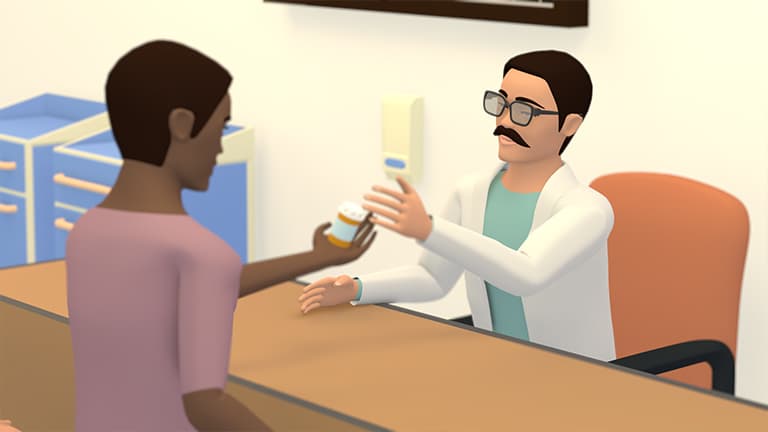

00:00
01:54
Video Summary: What Is the Placebo Effect
Ever wonder why fake pills sometimes cure real symptoms? The placebo effect occurs when patients experience genuine health improvements despite receiving inactive treatments, purely due to psychological factors and expectations. In clinical trials at Johns Hopkins or Mayo Clinic, participants taking sugar pills often report reduced pain or anxiety simply because they believe they're receiving real medication. This fascinating psychological phenomenon demonstrates the powerful connection between mind and body in healing. Watch the full video on JoVE Coach to master this concept with expert-led visuals and step-by-step explanations.
- Understand what is the placebo effect and how psychological expectations influence physical health outcomes
- Identify the key components of placebo-controlled clinical trials and why control groups receive inactive treatments
- Analyze how environmental factors, researcher interactions, and patient beliefs contribute to placebo responses
- Compare the magnitude of placebo effects versus actual drug effects in research studies
- Evaluate why the placebo effect is essential for determining true medication efficacy
- Apply knowledge of placebo controls to interpret scientific research and clinical trial results
- Recognize real-world examples of placebo effects in medical practice and psychological treatment
- Explore the ethical considerations and practical implications of placebo use in healthcare settings
Understanding What is The Placebo Effect
The placebo effect represents one of medicine's most intriguing phenomena, where patients experience real physiological improvements after receiving treatments with no active therapeutic ingredients. This psychological response occurs when a person's belief in treatment effectiveness triggers actual biological changes, demonstrating the remarkable power of expectation in healing processes.
The term "placebo" comes from Latin, meaning "I shall please," and was first used in medical contexts during the 18th century. Today, understanding the placebo effect is crucial for students preparing for AP Psychology, MCAT examinations, or college-level research methods courses.
The Placebo Effect in Clinical Research
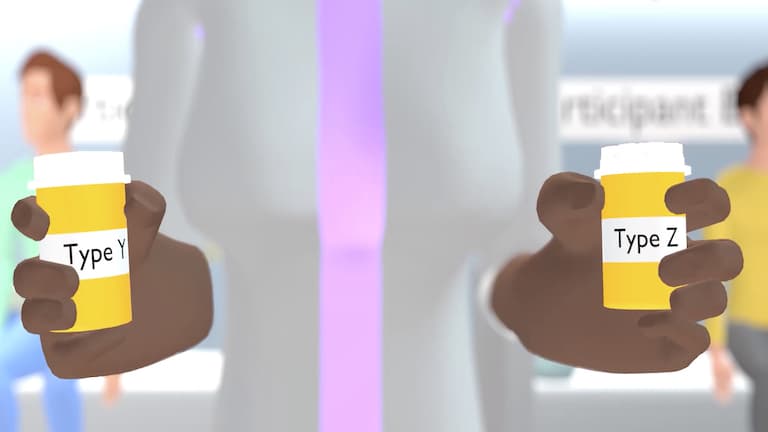
Modern medical research relies heavily on placebo-controlled trials to establish drug efficacy. The FDA requires most new medications to demonstrate superiority over placebo effects before approval. In these studies, researchers randomly assign participants to either receive the experimental treatment or an identical-looking placebo (often called a "sugar pill").
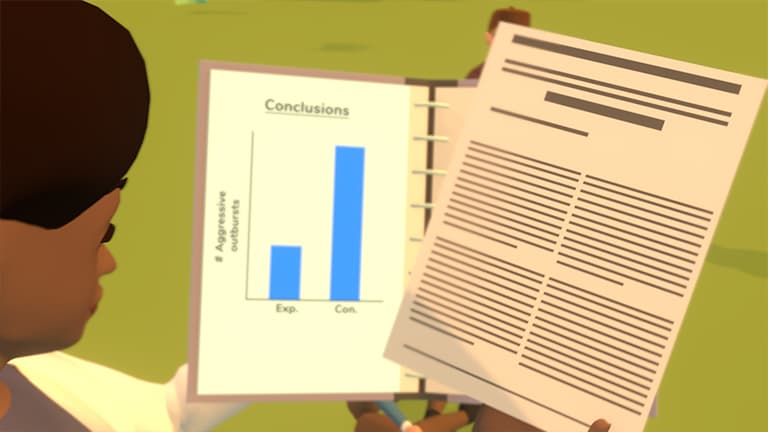
Consider a recent antidepressant trial at Stanford University: researchers divided 200 participants with major depression into two groups. One group received the new medication, while the control group received placebo pills. Remarkably, 30% of placebo recipients reported significant mood improvements, while 60% of those receiving actual medication improved. This 30% difference represents the drug's true effectiveness beyond psychological factors.
Mechanisms Behind Placebo Responses
The placebo effect basics involve complex neurobiological processes. When patients expect improvement, their brains release endorphins, dopamine, and other neurotransmitters that can genuinely reduce pain, improve mood, and enhance well-being. Brain imaging studies at UCLA have shown that placebo treatments activate the same neural pathways as real medications.
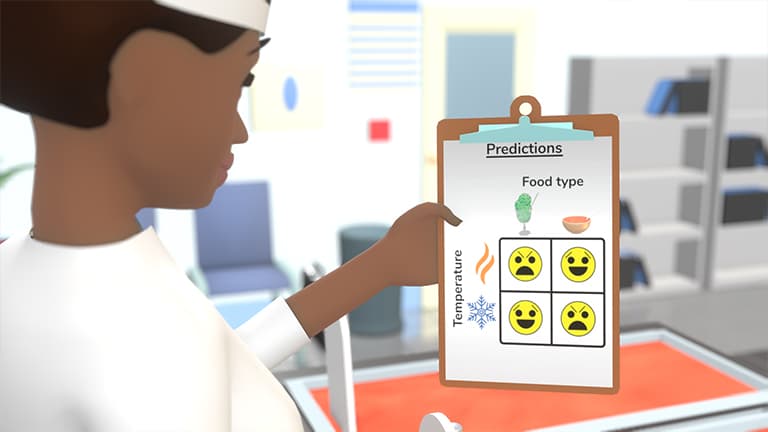
Environmental factors significantly influence placebo responses. Patients often respond more positively in prestigious hospital settings, when interacting with confident physicians, or when receiving expensive-looking treatments. These contextual cues strengthen expectation and belief, amplifying the placebo effect.
Applications in Healthcare and Testing
Understanding the placebo effect is essential for interpreting research studies and clinical outcomes. Pre-med students encounter this concept extensively on the MCAT, particularly in psychology and research methodology sections. AP Psychology students must understand placebo controls for their exam's research methods unit.
Healthcare professionals use this knowledge ethically by optimizing patient interactions, maintaining positive environments, and communicating treatment benefits clearly-all while providing evidence-based care. However, deliberately prescribing placebos without patient knowledge raises significant ethical concerns that medical ethics courses address thoroughly.
Frequently Asked Questions
The placebo effect occurs when patients experience real health improvements from fake treatments due to psychological expectations alone. It demonstrates how believing a treatment will help can trigger actual biological healing responses. This phenomenon is crucial for understanding why medical research requires control groups to test true drug effectiveness.
For AP Psychology, the placebo effect is defined as improvement in symptoms or conditions resulting from a patient's belief in treatment effectiveness rather than the treatment itself. Students must understand how it relates to experimental design, control groups, and confounding variables. This concept frequently appears in research methodology free-response questions.
The MCAT tests placebo effect knowledge through psychology/sociology passages and research-based questions. Students encounter scenarios involving clinical trials, control groups, and statistical analysis of treatment outcomes. Understanding placebo responses is essential for interpreting study validity and drawing appropriate conclusions about medication effectiveness.
Harvard Medical School documented cases where patients with knee arthritis improved significantly after "sham surgery"-procedures where surgeons made incisions but performed no actual repair work. These patients reported pain reduction and increased mobility comparable to those receiving real arthroscopic surgery, demonstrating powerful placebo effects in surgical contexts.
Not at all-the placebo effect is actually quite intuitive once students grasp the mind-body connection. Most students relate easily to feeling better when someone shows care or when they expect improvement. The challenging part involves understanding research design and statistical interpretation, which builds naturally with practice and examples.
Focus on memorizing the definition, understanding research methodology applications, and reviewing classic studies like those involving pain medication and antidepressants. Practice interpreting data from placebo-controlled trials and explaining why control groups are necessary. Create concept maps connecting placebo effects to expectation, conditioning, and neurobiological responses.
Explore the nocebo effect (negative expectations causing harm), double-blind study designs, and statistical concepts like effect size and clinical significance. Advanced students should investigate neurobiological mechanisms, ethical considerations in medical research, and how placebo responses vary across different medical conditions and cultural contexts.
Related Micro-courses

15 Concepts

24 Concepts

13 Concepts