Loading…
Loading video…

13,330 views

Did you know that comparing test scores before and after a study program doesn't always require complex calculations? The sign test provides a surprisingly simple nonparametric method for analyzing matched pairs and median claims. For instance, when UCLA researchers compare student SAT scores before and after test prep, they can use this straightforward statistical approach that converts data into positive and negative signs. What is the sign test reveals how basic counting can lead to powerful statistical conclusions. Watch the full video on JoVE Coach to master this concept with expert-led visuals and step-by-step explanations.
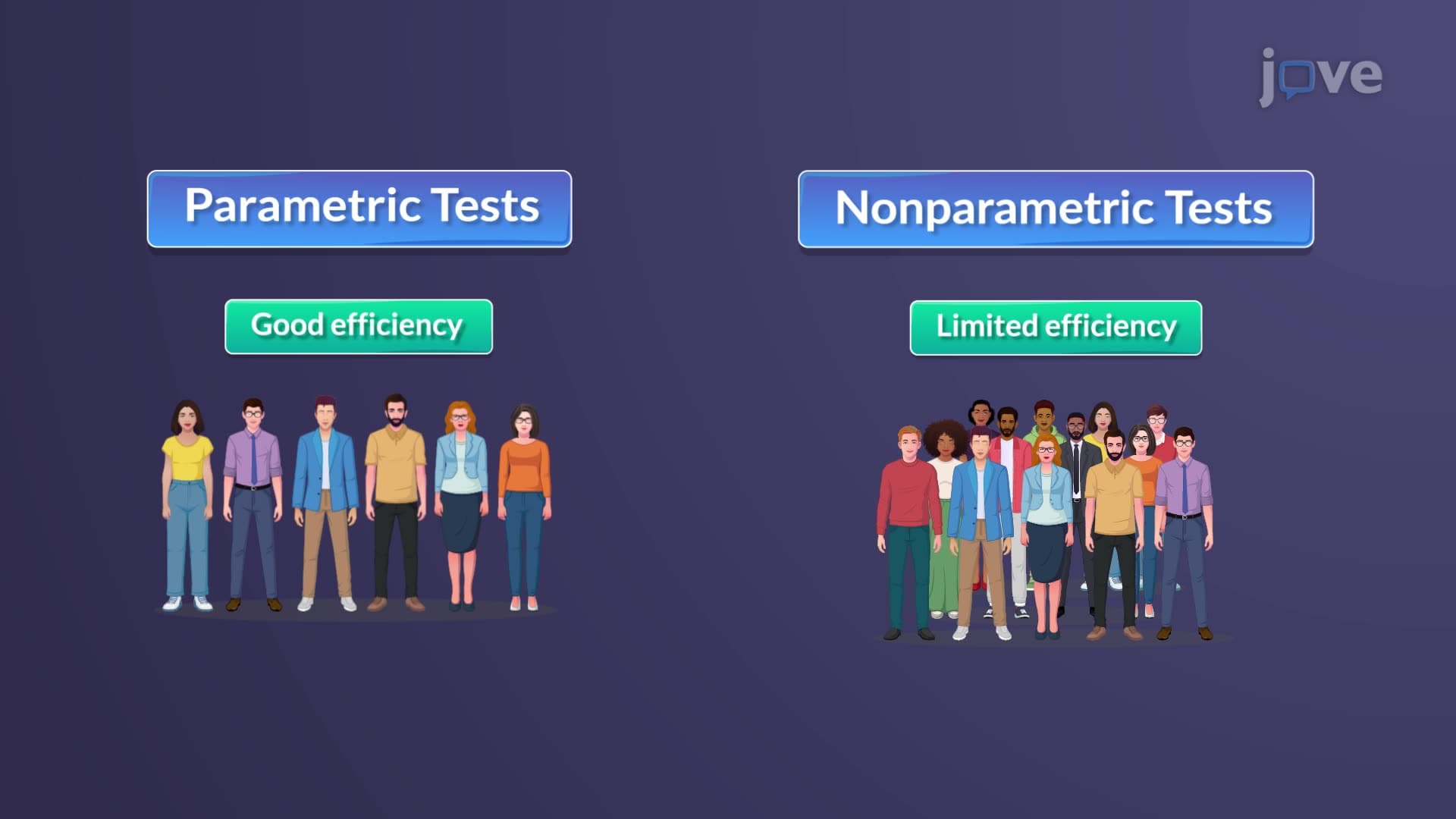
The sign test represents one of statistics' most intuitive nonparametric methods, making it invaluable for high school and college students encountering their first statistical analyses. Unlike parametric tests that require specific data distributions, the sign test works with any continuous data by focusing on direction rather than magnitude of differences.
This flexibility makes it particularly relevant for AP Statistics students and college undergraduates taking introductory statistics courses. The test's simplicity doesn't diminish its power—major research institutions like Stanford Medical School regularly employ sign tests in clinical trials where traditional assumptions about data normality cannot be met.
The sign test transforms complex data relationships into a simple counting exercise. When analyzing matched pairs—such as student performance before and after tutoring—each pair receives either a positive sign (improvement), negative sign (decline), or zero (no change). The test then determines whether the observed pattern of signs differs significantly from what random chance would produce.
For example, if 15 out of 20 students improved their ACT scores after test preparation, the sign test evaluates whether this 75% improvement rate represents genuine program effectiveness or could reasonably occur by chance alone.
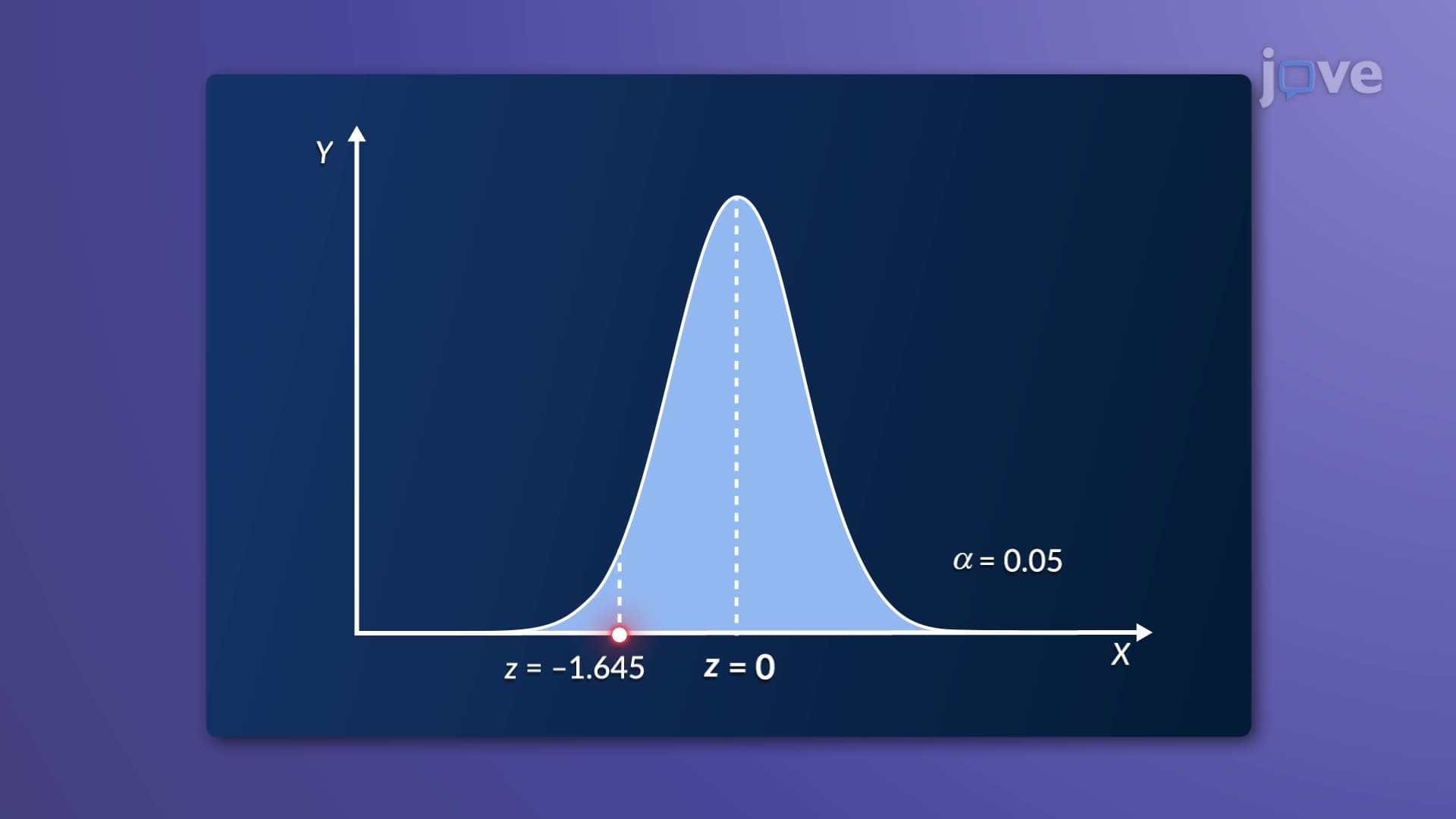
The sign test's hypothesis structure follows standard statistical conventions. The null hypothesis typically claims no difference exists (equal numbers of positive and negative signs), while the alternative suggests a directional preference. For samples with 25 or fewer observations, the test statistic equals the count of the less frequent sign. Larger samples require normal approximation calculations.
Critical value determination relies on specialized tables that account for sample size and significance level. Students preparing for college statistics exams should memorize that rejection occurs when the test statistic falls at or below the critical value—a counterintuitive rule compared to other statistical tests.
The sign test's nonparametric nature provides crucial advantages in real-world applications. Unlike t-tests or ANOVA, it requires no assumptions about population distribution, making it ideal for analyzing ordinal data or skewed distributions common in psychological research and quality control studies.
American manufacturers frequently employ sign tests when comparing product quality before and after process improvements, while educational researchers use them to evaluate teaching method effectiveness across diverse student populations.
Frequently Asked Questions
The sign test is a nonparametric statistical method that analyzes matched pairs or median claims by converting data into positive and negative signs. Students should use it when comparing before-and-after measurements, analyzing ordinal data, or when data doesn't meet normality assumptions required for parametric tests. It's particularly useful in AP Statistics and introductory college courses.
The sign test frequently appears on AP Statistics free-response questions involving matched pairs analysis and nonparametric hypothesis testing. College statistics midterms often feature sign test problems in contexts like medical research or educational assessment. Students should practice identifying when to use sign tests versus t-tests based on data characteristics.
The sign test requires no assumptions about population distribution, making it ideal for MCAT scenarios involving skewed medical data or small sample sizes. Unlike parametric tests, it focuses on direction rather than magnitude of differences. MCAT questions often present clinical research scenarios where the sign test provides more appropriate analysis than traditional methods.
Harvard Medical School researchers use sign tests in clinical trials comparing patient outcomes before and after treatment, especially when dealing with ordinal pain scales or non-normal biomarker distributions. MIT engineers employ them in quality control studies, while Stanford education researchers analyze student performance data across diverse populations where traditional assumptions may not hold.
The sign test is actually one of the most accessible statistical methods, requiring only basic counting and table reading skills. High school students often find it more intuitive than complex parametric tests because it relies on simple positive/negative categorization. The biggest challenge is remembering when to apply it rather than understanding the mechanics.
Focus on pattern recognition—practice identifying matched pairs scenarios and median hypothesis situations where sign tests apply. Create flowcharts distinguishing sign test applications from t-test scenarios. Memorize that smaller test statistics lead to rejection, which differs from most other statistical tests. Practice with real AP Statistics past exam questions.
Students should explore the Wilcoxon signed-rank test, which considers magnitude alongside direction, making it more powerful than the sign test when assumptions are met. The Mann-Whitney U test extends nonparametric analysis to independent samples. These concepts build naturally on sign test foundations while preparing students for advanced statistical coursework.
Related Micro-courses
Related Subjects
 Physics 33 micro-courses›
 Math Fundamentals 11 micro-courses›