Loading subject page…

2,710 views

Video Summary: Eliminating Role Confusion
Role confusion happens when multiple team members believe they own the same task, leading to duplicate or inconsistent work. Eliminating role confusion means assigning clear ownership to every key process so each person knows exactly what they are responsible for. One practical approach is designating a Single Point of Contact for recurring interactions, which is a method that pairs well with clarifying roles with the RACI method to build a fully accountable team structure.
Before fixing role confusion, a manager needs to understand where it is happening. Reviewing recent communications to find duplicate replies and unclear ownership patterns gives a concrete picture of the problem. This evidence-based diagnosis makes it easier to design a targeted solution rather than guessing at the cause.
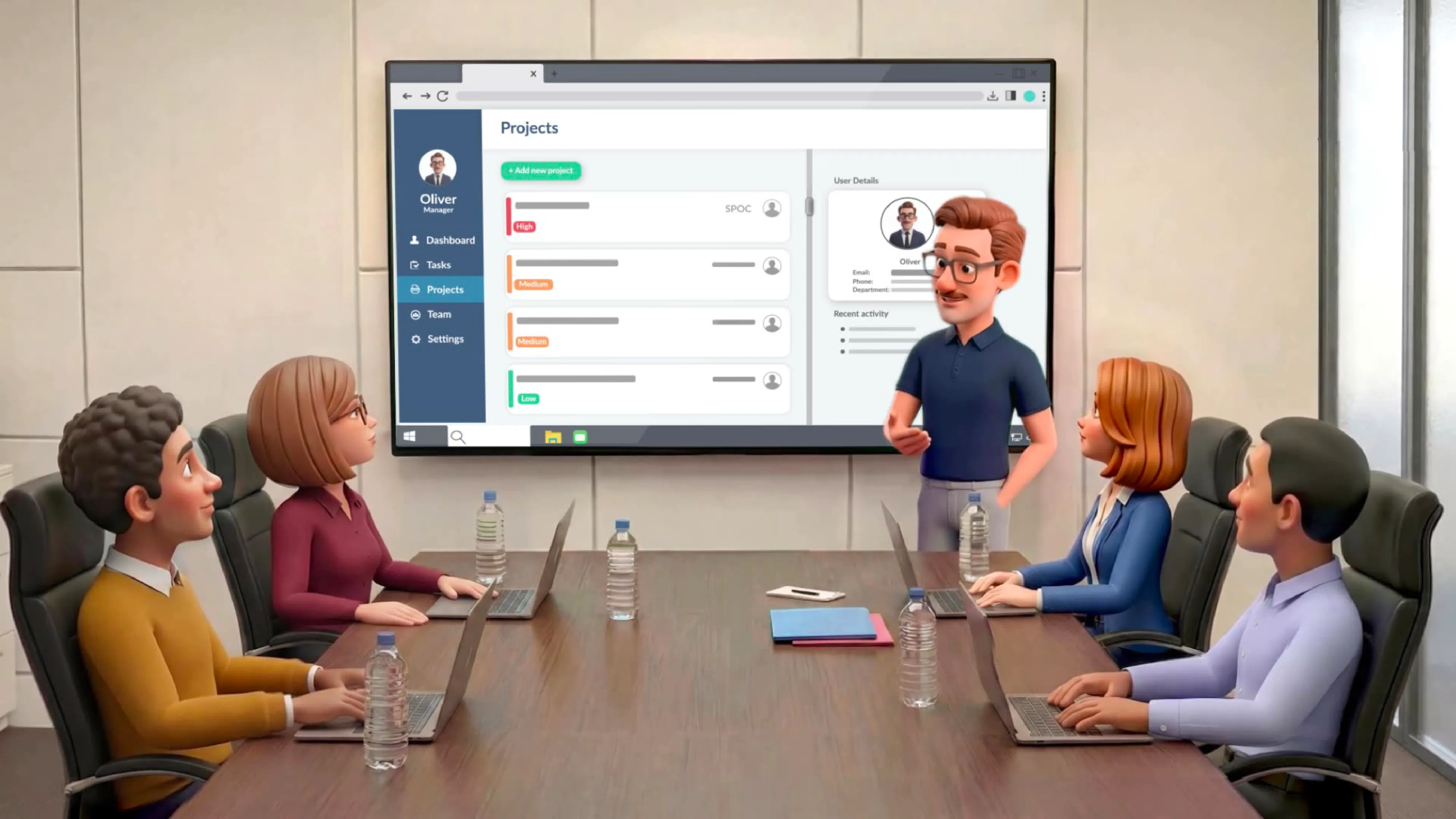
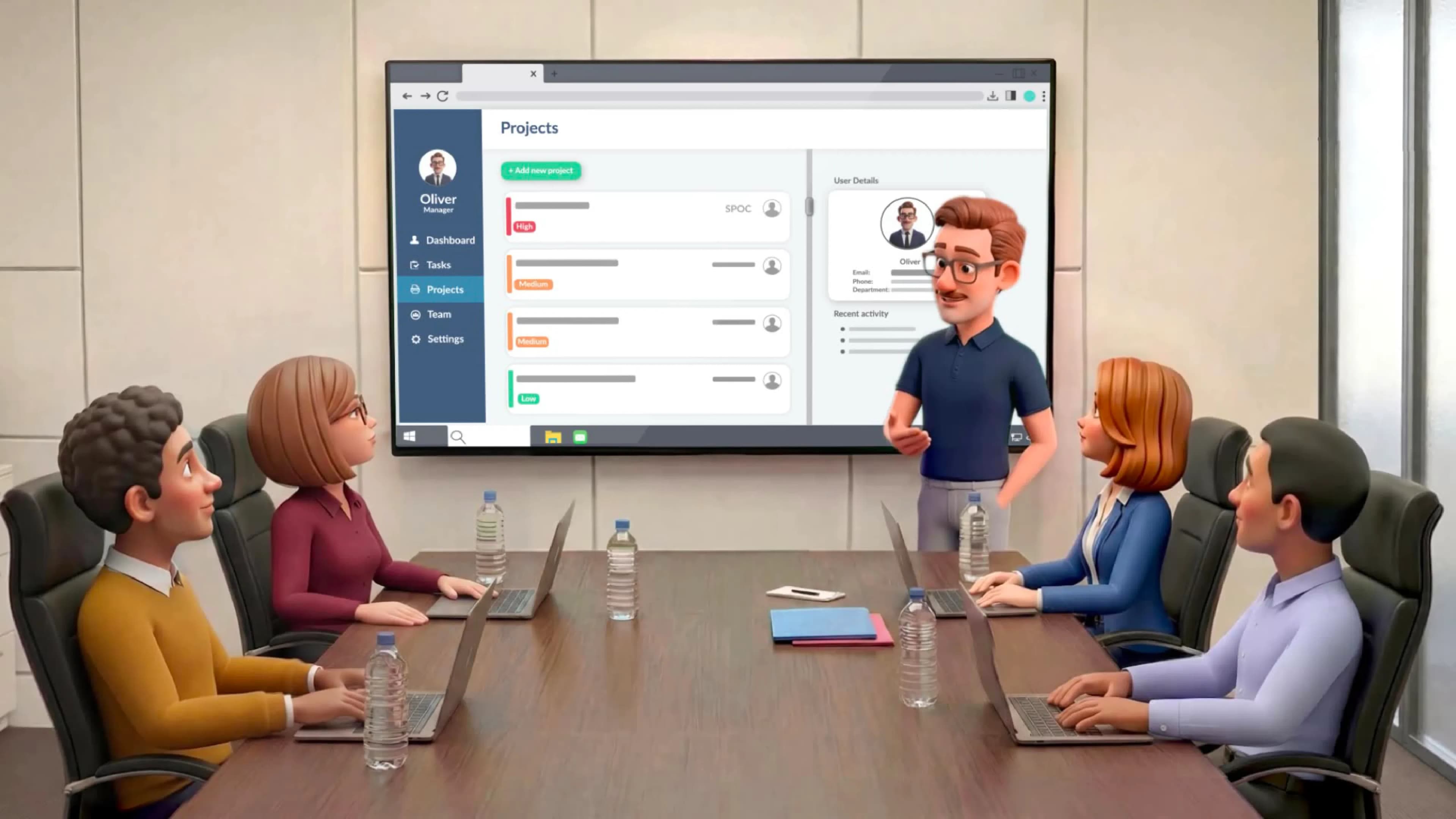
The core fix is designating one person as the SPOC for each client or recurring process, with a named backup for times when the SPOC is unavailable. This is part of the broader work of aligning people and roles in teams so that coverage gaps do not recreate the same confusion.
Naming a SPOC only works if their responsibilities are explicit. The SPOC leads all relevant communication, coordinates responses across the team, and keeps messages clear and consistent. Pairing this with delegating work with clarity and accountability ensures the role has real authority behind it, not just a title.
A clear process reinforces the SPOC assignment. All incoming requests go to the SPOC, all outgoing responses come from the SPOC, and every interaction is recorded in a shared log. The log creates a traceable history so nothing falls through the cracks and anyone on the team can check the current status.
Assigning defined ownership to a process, rather than leaving it open to whoever responds first, directly removes the source of confusion. Consistency in outputs follows from consistency in accountability. Formalizing this through tools like creating a team charter helps make the arrangement durable beyond any single project.
Related Micro-courses