Loading video…


 5 Concepts
 2.7K views

Video Summary: Behavioral Interviews for Better Hiring
Behavioral interviewing is a hiring approach that focuses on how candidates have handled real past situations, rather than how they describe themselves on paper. You prepare structured questions tied to specific job skills, then use the STAR method to analyze responses across Situation, Task, Actions, and Results. This gives you a consistent, evidence-based way to compare candidates and make better hiring decisions. After interviews, pair this approach with onboarding new hires for faster productivity to set your team up quickly.
Resumes can look strong without revealing how someone actually performs under pressure or with teammates. Quick interview impressions are equally unreliable. When it comes to aligning people and roles in teams, past behavior offers a more honest signal than polished credentials alone.
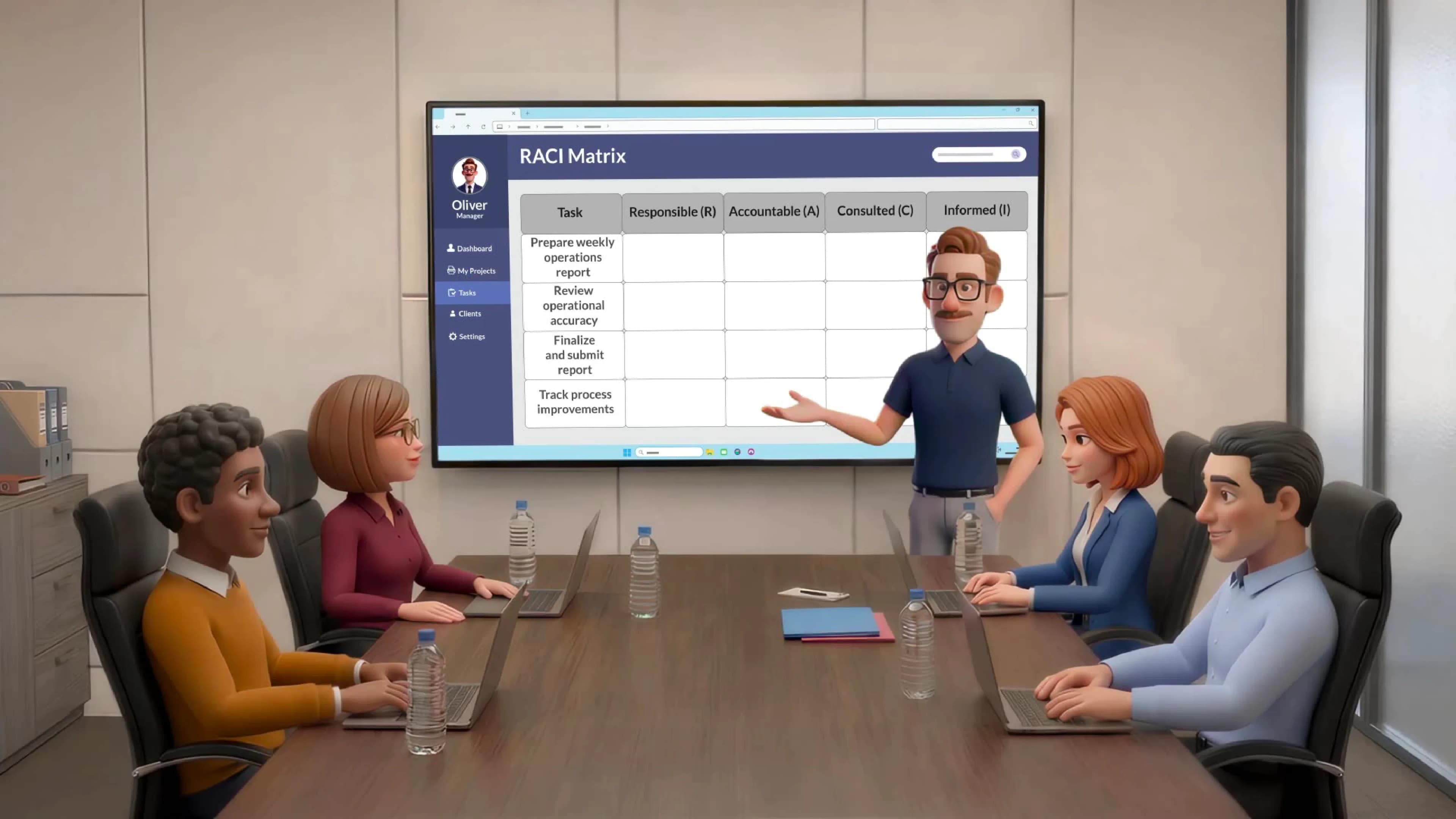
Before interviews begin, you prepare specific questions tied to the skills the role requires, such as collaboration or problem-solving. A sample question is "Can you describe a time when you handled a tight deadline?" This structure keeps every interview focused on the same competencies, making candidate comparisons fair and consistent. Knowing the role well first, including clarifying roles with the RACI method, helps you choose the right skills to target.
STAR stands for Situation, Task, Actions, and Results. As a candidate answers, you mentally map their response to each of these four elements. This breaks a story down into its components, so you can assess what the candidate actually did rather than what they claim they are capable of doing.
After a candidate answers, you ask follow-up questions to clarify both what they did and why they made those choices. This matters because initial answers can be vague or rehearsed. Probing deeper reveals the candidate's reasoning and judgment, not just the surface-level outcome they chose to share.
After each interview, you rate the candidate on a simple score sheet aligned to the key skills you set out to assess. Ratings reflect how clearly each skill appeared across the Situation, Task, Actions, and Results the candidate described. This method keeps evaluations objective and reduces bias, which also helps with eliminating role confusion by ensuring the hire genuinely fits the role.
Related Micro-courses