Loading video…


 8 Concepts
 2.5K views

Video Summary: What Is Electrical Transport
Why does saltwater conduct electricity better when diluted? Understanding electrical transport, the movement of charge through electrolyte solutions, is key to answering this. Electrical transport basics explain concepts like conductance, molar conductivity, and how cell geometry affects measurements. In the US, these principles guide everything from water quality testing to battery design. Watch the full video on JoVE Coach to master this concept with expert-led visuals and step-by-step explanations.
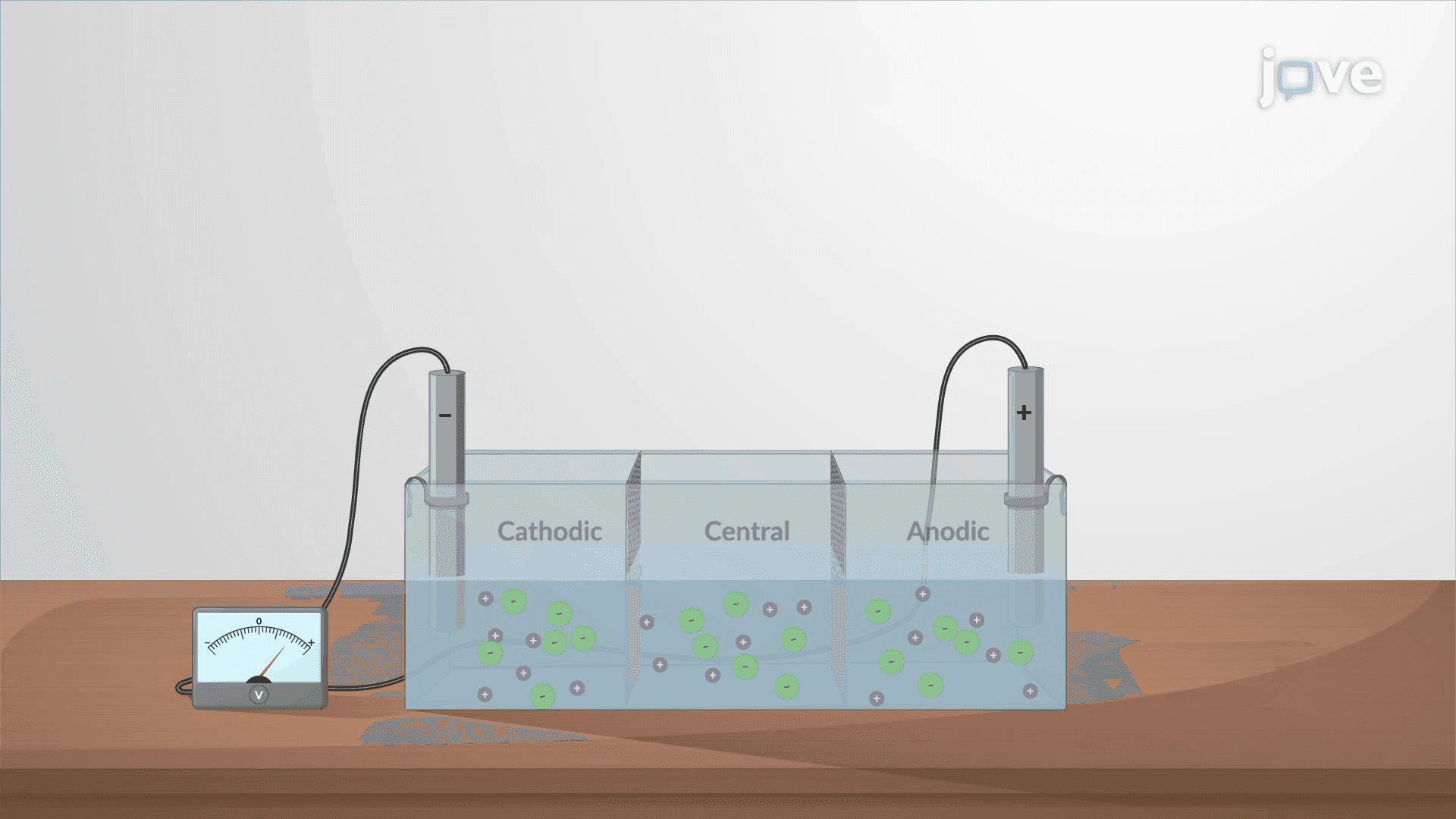
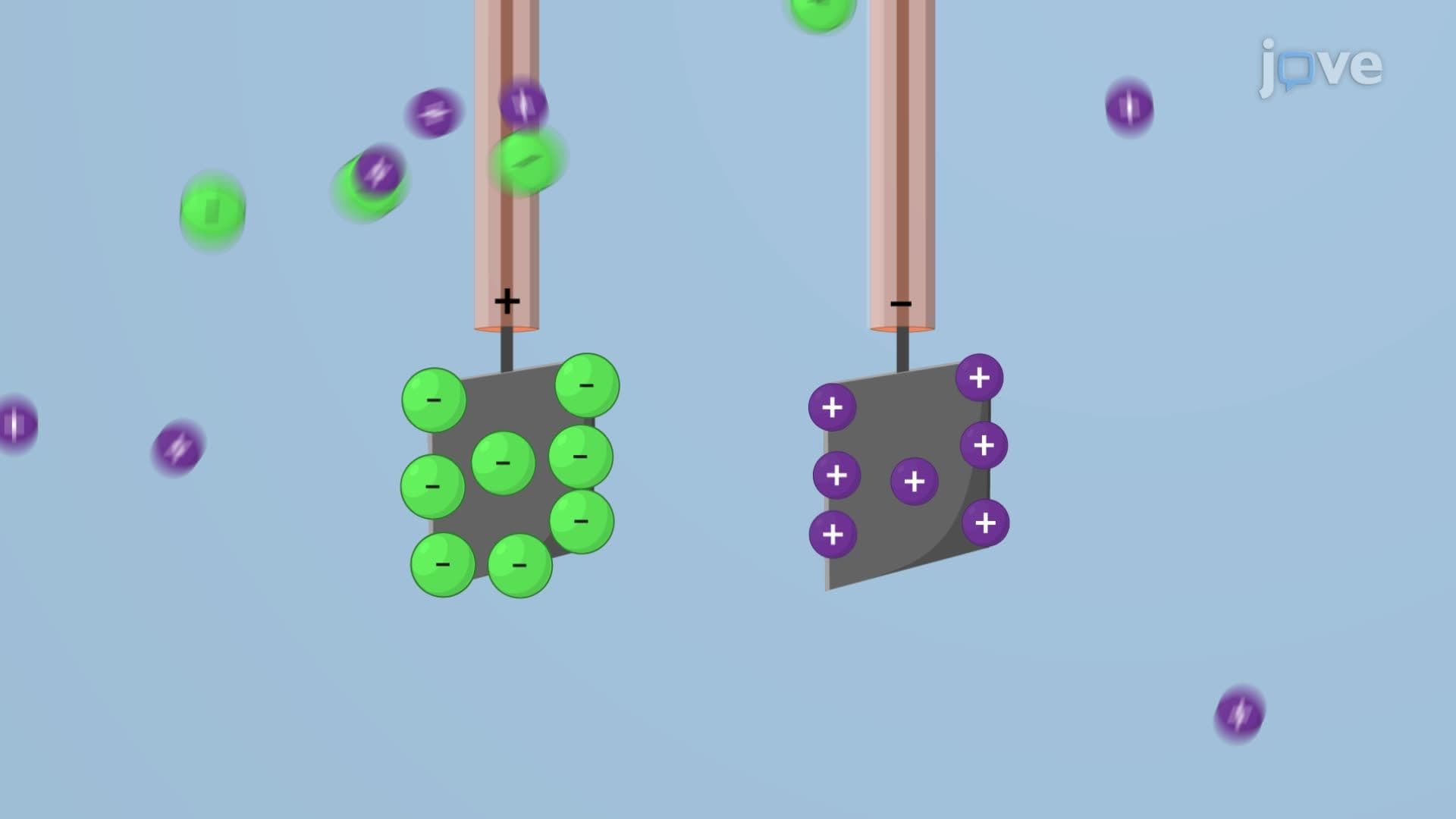
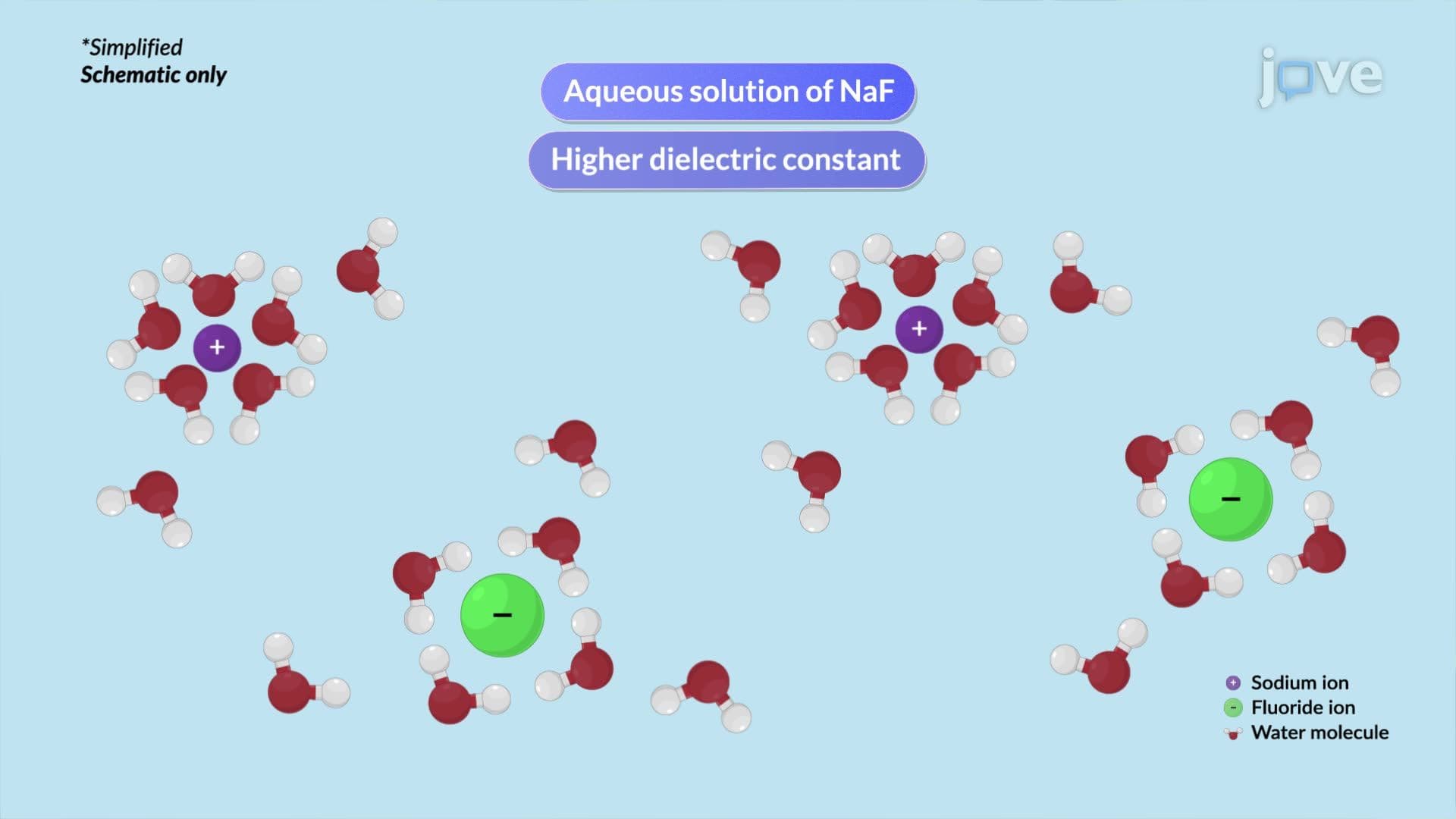
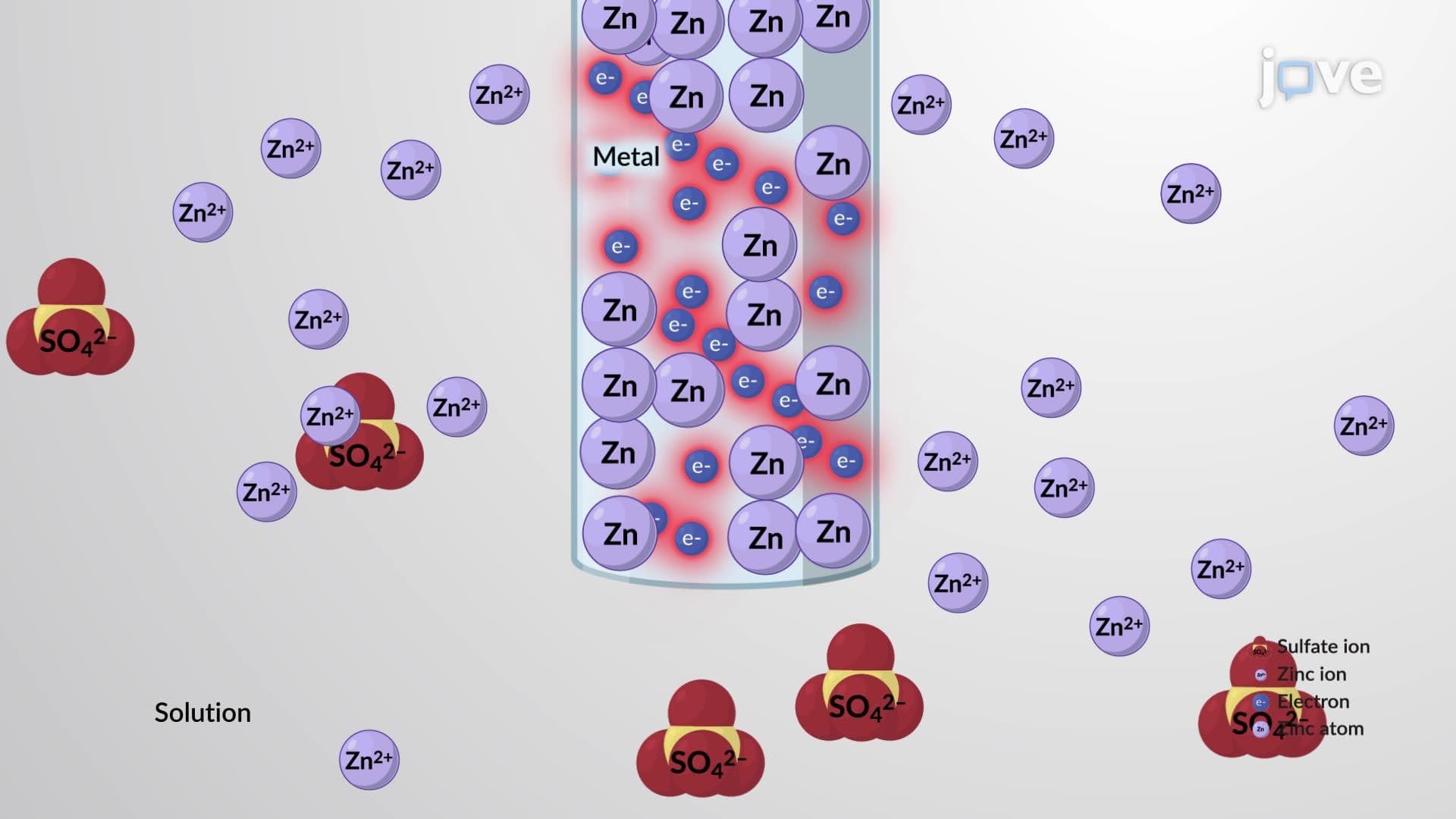
Electrical transport refers to how electric charge moves through a medium, specifically through electrolyte solutions via the directed migration of ions. Unlike metallic conductors, where electrons carry the charge, electrolytic solutions rely on dissolved ions. The study of electrical transport is central to electrochemistry and appears in AP Chemistry, general chemistry courses at US colleges, and standardized tests like the MCAT.
Conductance (G) is simply the inverse of resistance (R), measured in siemens (S). A higher conductance means electricity flows more easily. However, raw conductance values depend on the physical setup, how far apart the electrodes are and how large they are. To standardize measurements, chemists use the cell constant (K_cell), defined as the distance between electrodes divided by their cross-sectional area (K_cell = d / A). Multiplying conductance by K_cell gives specific conductance (κ), which represents the conductance of a one-meter cube of solution regardless of instrument design. US water treatment facilities, for example, use specific conductance to monitor dissolved solids in drinking water.
While specific conductance describes bulk solution behavior, chemists often need to relate conductance to the amount of dissolved electrolyte. Equivalent conductance (Λ_eq) normalizes conductance to one gram equivalent of electrolyte, making it useful for comparing acids, bases, and salts on a charge-equivalent basis. Molar conductance (Λ_m), on the other hand, normalizes conductance to one mole of electrolyte. It is calculated by dividing specific conductance by molar concentration (Λ_m = κ / c). On the MCAT and AP Chemistry exams, students are expected to distinguish between these quantities and interpret how they change with concentration.
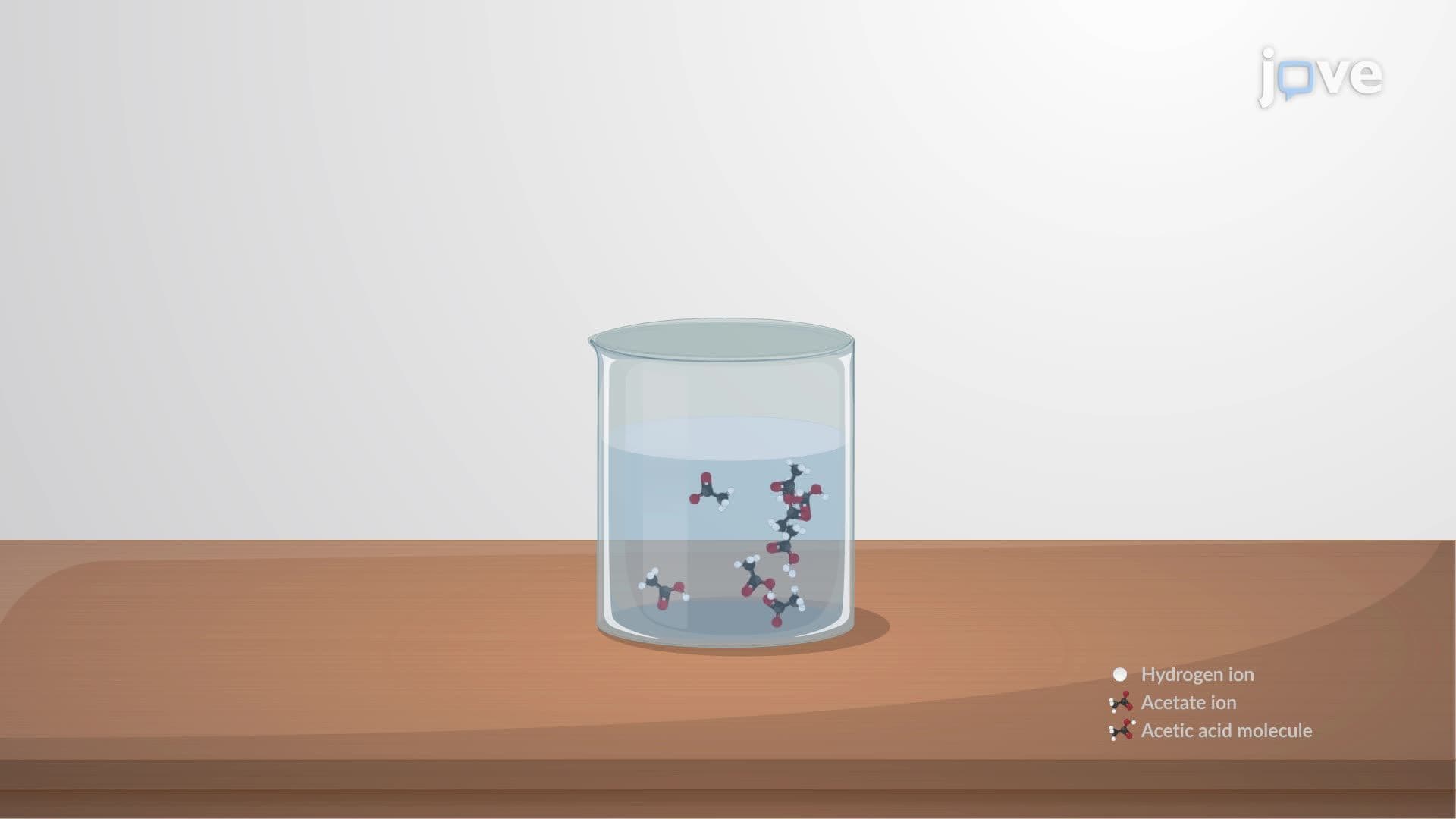
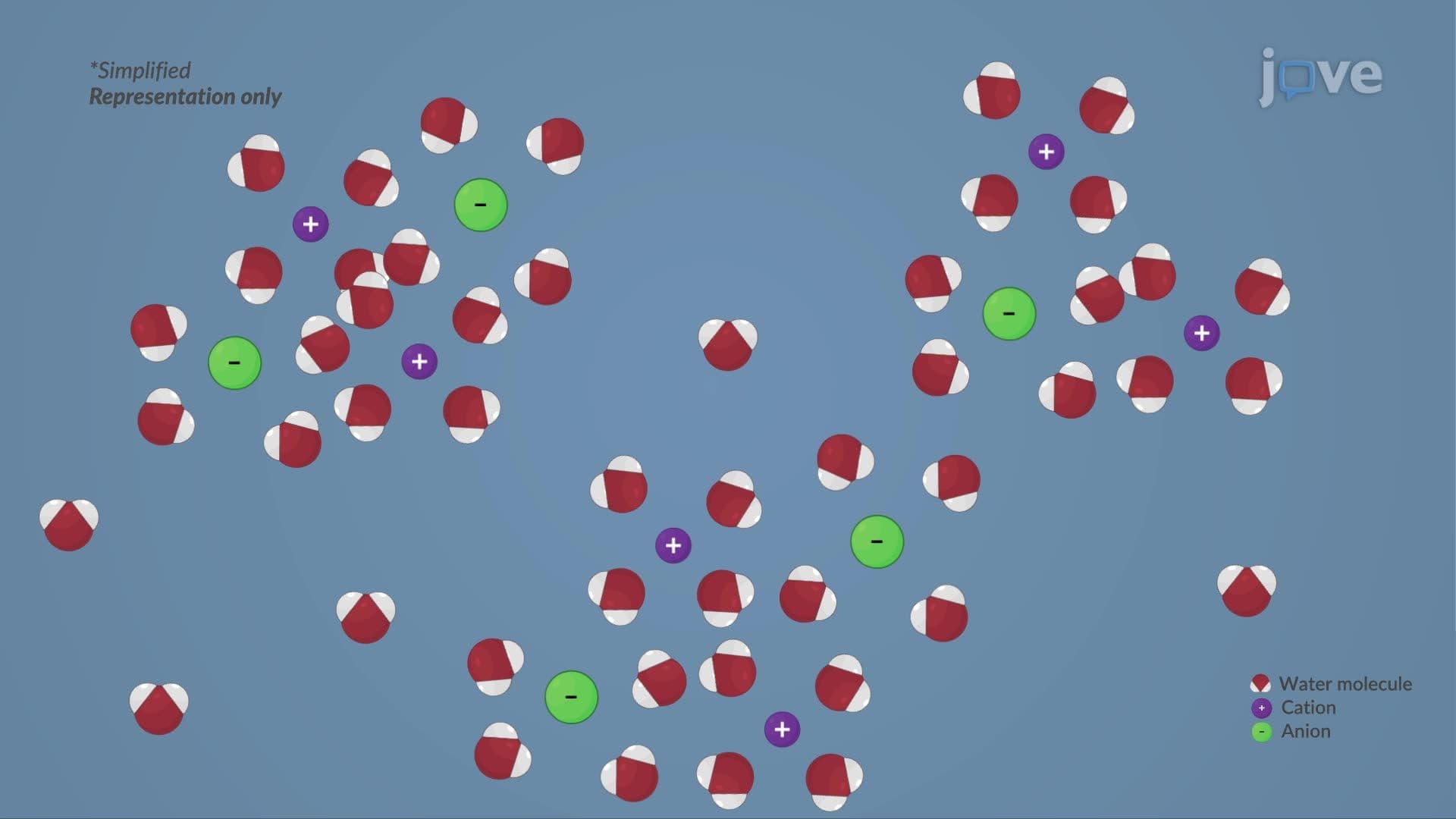
One of the most tested relationships in electrical transport is the effect of dilution. As concentration decreases, molar conductance increases because the electrolyte dissociates more completely, producing more free ions per mole. Conversely, specific conductance decreases because the total number of ions per unit volume falls. For strong electrolytes, like NaCl used in IV saline solutions in US hospitals, molar conductance approaches a finite maximum called the molar conductance at infinite dilution (Λ_m°). Kohlrausch's law states that this limiting value equals the sum of individual ionic molar conductances, making it possible to calculate Λ_m° even for weak electrolytes using strong electrolyte data. Ostwald's dilution law further connects these ideas for weak electrolytes by relating the degree of dissociation to measurable conductance values, a concept frequently tested in college general and physical chemistry courses across the US.
Conductometric titrations use the change in conductance to locate the equivalence point of a reaction, a practical laboratory technique taught in US university analytical chemistry labs. Transport numbers (also called transference numbers) quantify how much of the total current each ion carries, while ionic mobility describes how fast an ion moves under an electric field. Together, these quantities give a complete picture of charge movement in solution, forming the backbone of electrochemical engineering applications ranging from fuel cells to lithium-ion battery electrolytes, industries heavily developed in the US.
Related Micro-courses