Loading video…


 8 Concepts
 1.8K views

Video Summary: What are Electrochemical Systems
Why does a zinc rod placed in a saltwater solution actually develop an electric charge? That's the surprising heart of electrochemical systems basics. Understanding electrochemical systems explains how batteries power smartphones, how fuel cells run hydrogen vehicles, and how the human body transmits nerve signals. In the US, these principles drive industries from Tesla's battery tech to NASA's fuel cell research. Watch the full video on JoVE Coach to master this concept with expert-led visuals and step-by-step explanations.
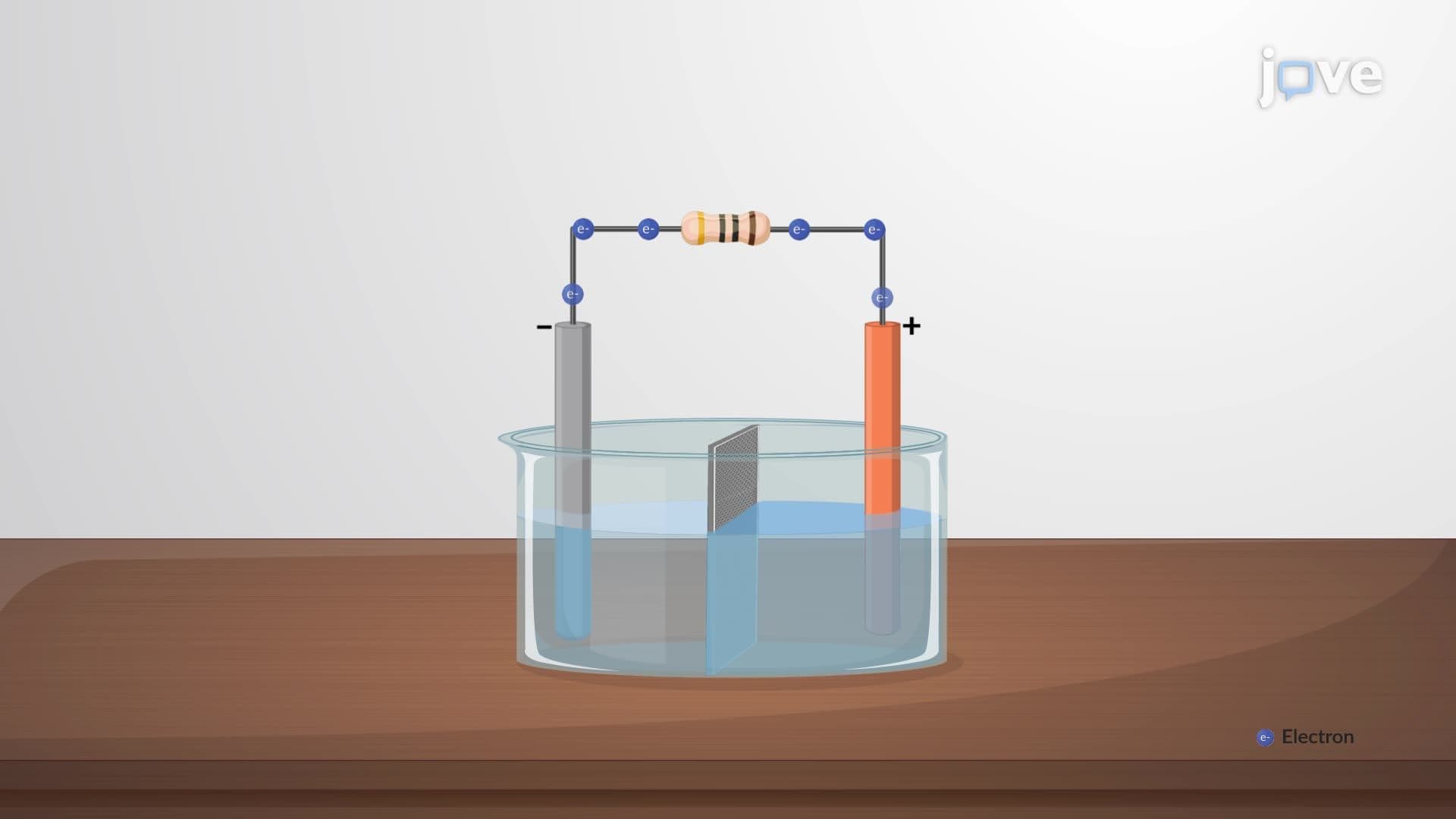
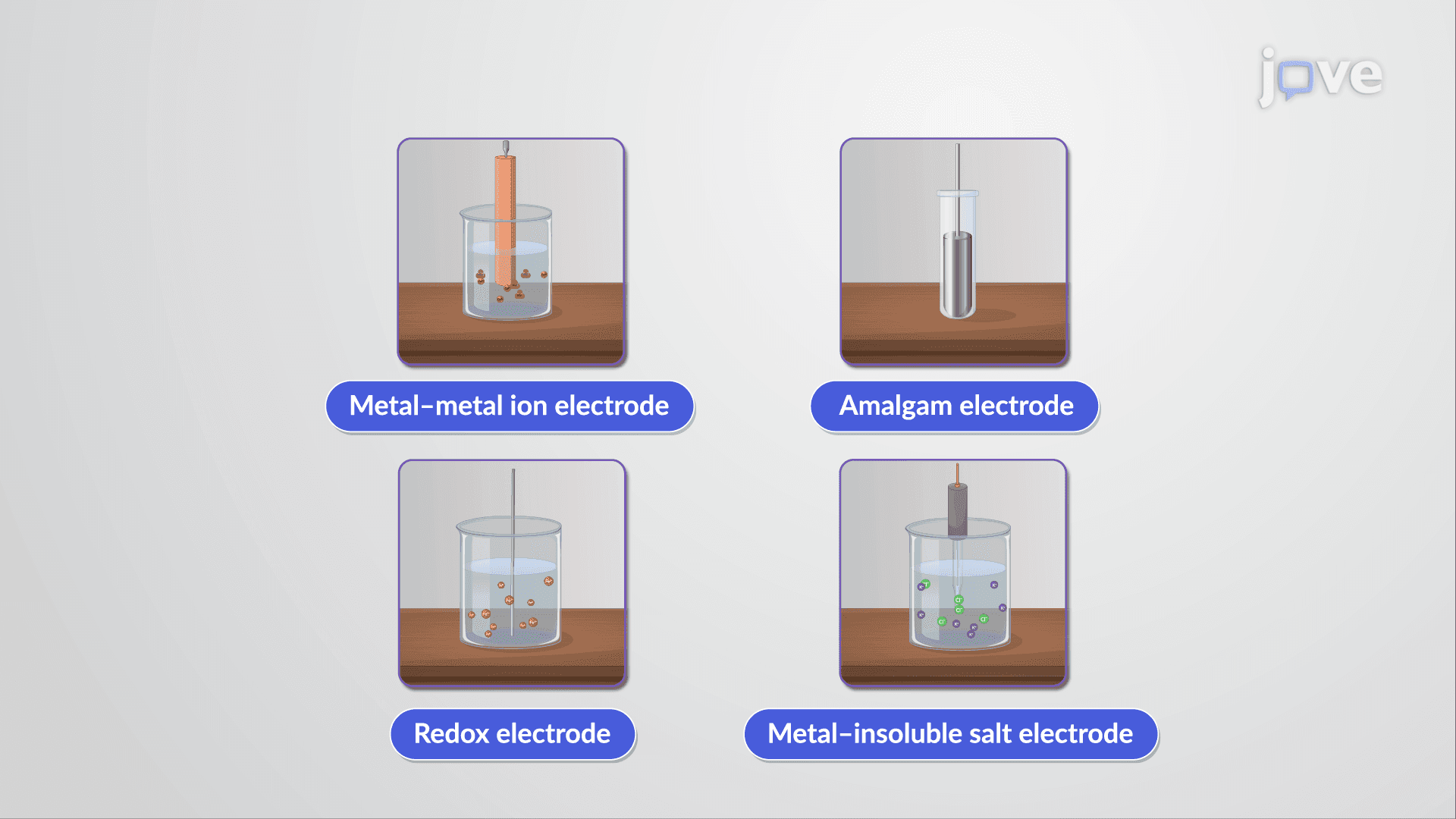
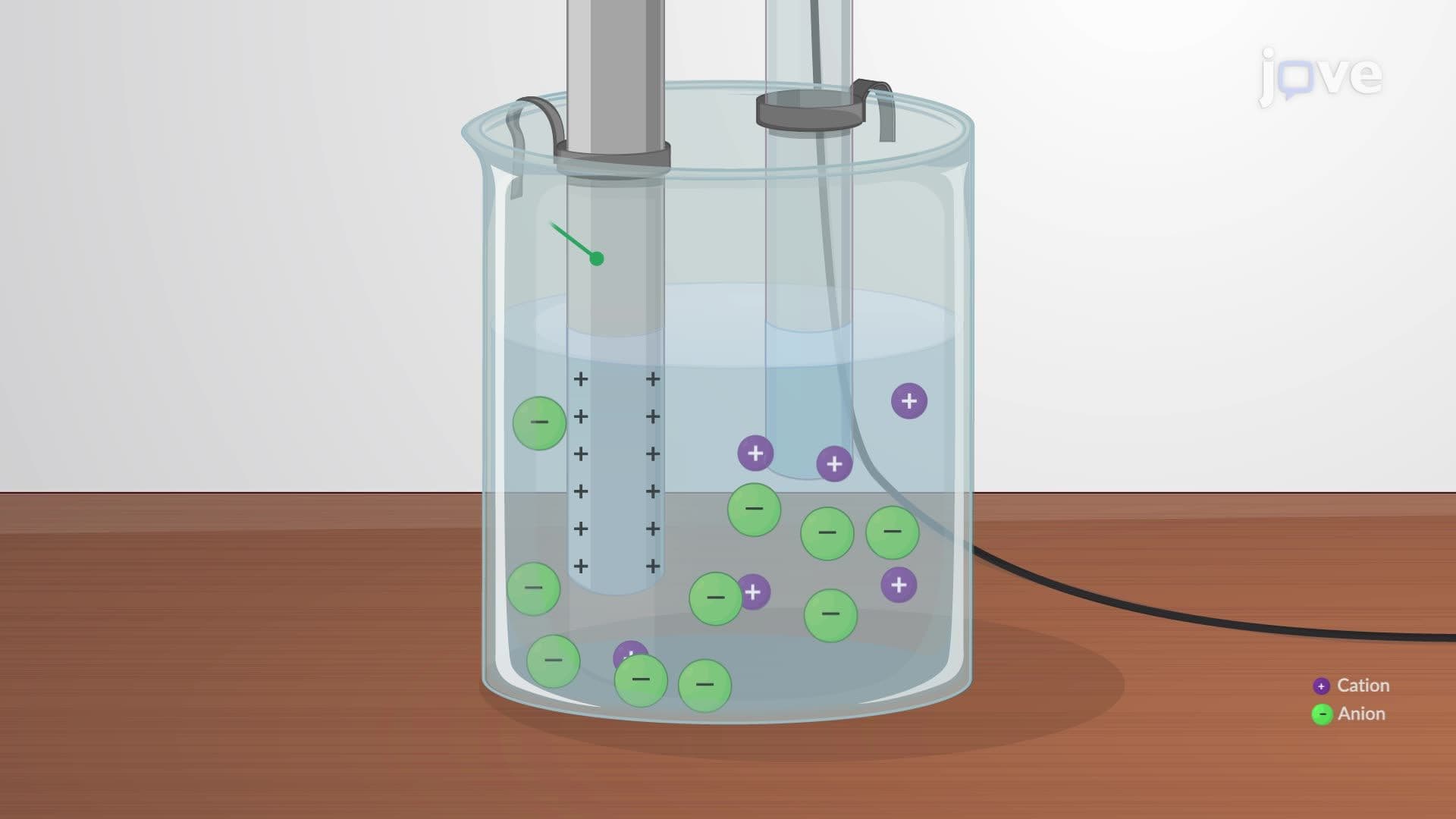
Electrochemical systems are any systems in which chemical reactions and electrical phenomena are directly linked through the movement of charged particles, electrons and ions, across phase boundaries. At the core of every electrochemical system is an interphase electric potential difference: a voltage that develops at the interface between two distinct phases, such as a metal and a solution, or two different metals in contact. This concept is not just textbook theory. It underpins how your phone battery charges, how car engines resist rust, and how hospitals use glucose biosensors to monitor blood sugar.
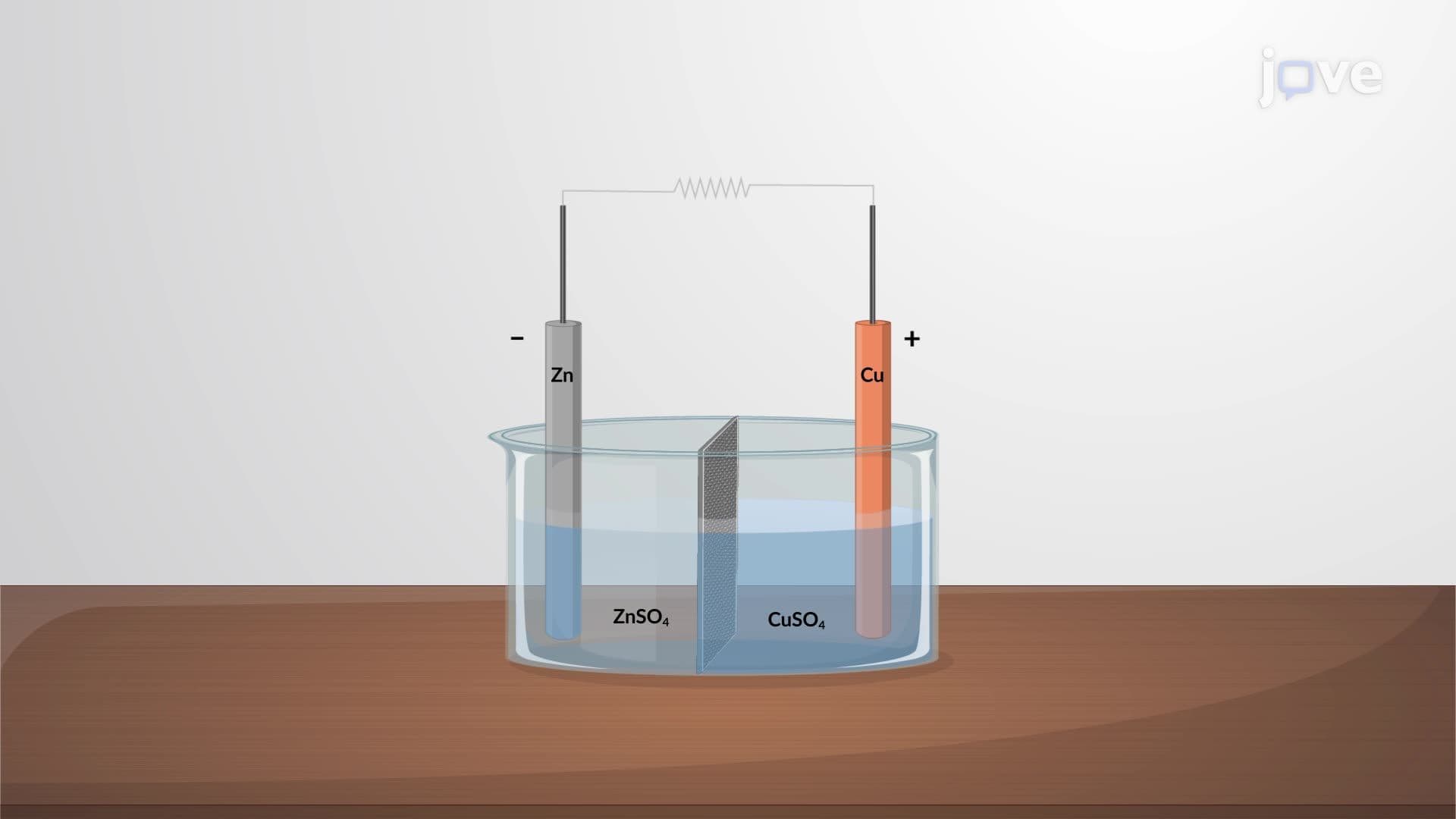
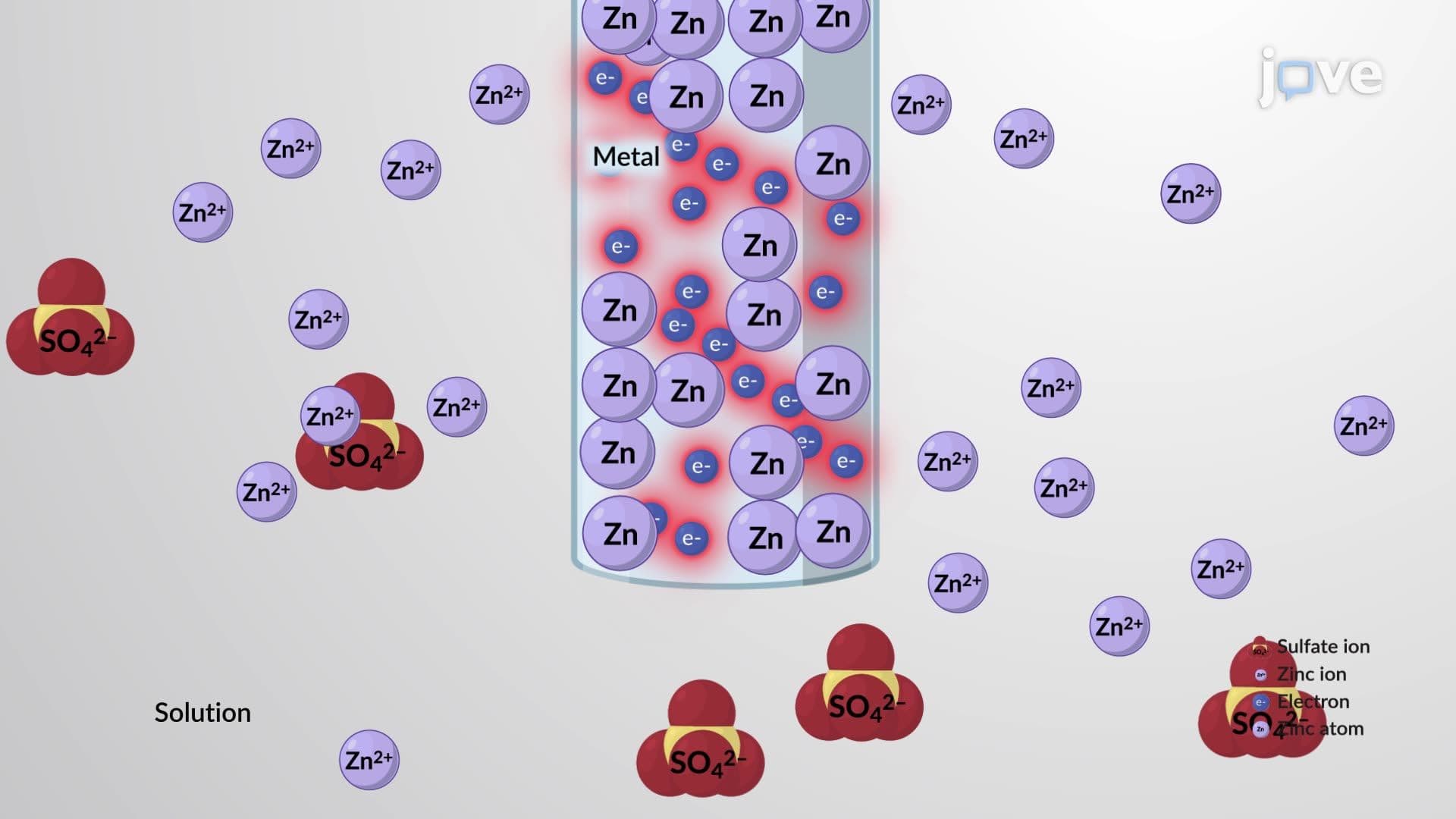
Consider zinc metal submerged in a dilute zinc sulfate solution. Because the concentration of zinc ions (Zn²⁺) in solution is very low, zinc atoms at the surface spontaneously oxidize, they shed electrons and dissolve into the solution as Zn²⁺ ions. The electrons left behind give the metal a net negative charge, while the solution gains positive ions. This charge separation continues until the system reaches equilibrium, where the electric attraction between the negatively charged metal and the positively charged solution prevents further dissolution. The resulting potential difference between the metal and the solution is what we call the interphase potential. The ions moving across this interface carry charge and constitute what is called an exchange current, a dynamic back-and-forth flow even at equilibrium.
To calculate how much charge is transferred, chemists use the Faraday constant (F), approximately 96,485 coulombs per mole of electrons. For a species *i* with charge number *z(i)*, the total charge carried by *n(i)* moles is expressed as: charge = z(i) × F × n(i). This simple but powerful relationship is tested heavily in AP Chemistry and college general chemistry courses across the US. For example, if 0.5 moles of Zn²⁺ dissolve, the charge transferred equals 2 × 96,485 × 0.5 ≈ 96,485 coulombs. Mastering this calculation is essential for understanding electrolysis, battery capacity (measured in ampere-hours), and fuel cell efficiency.
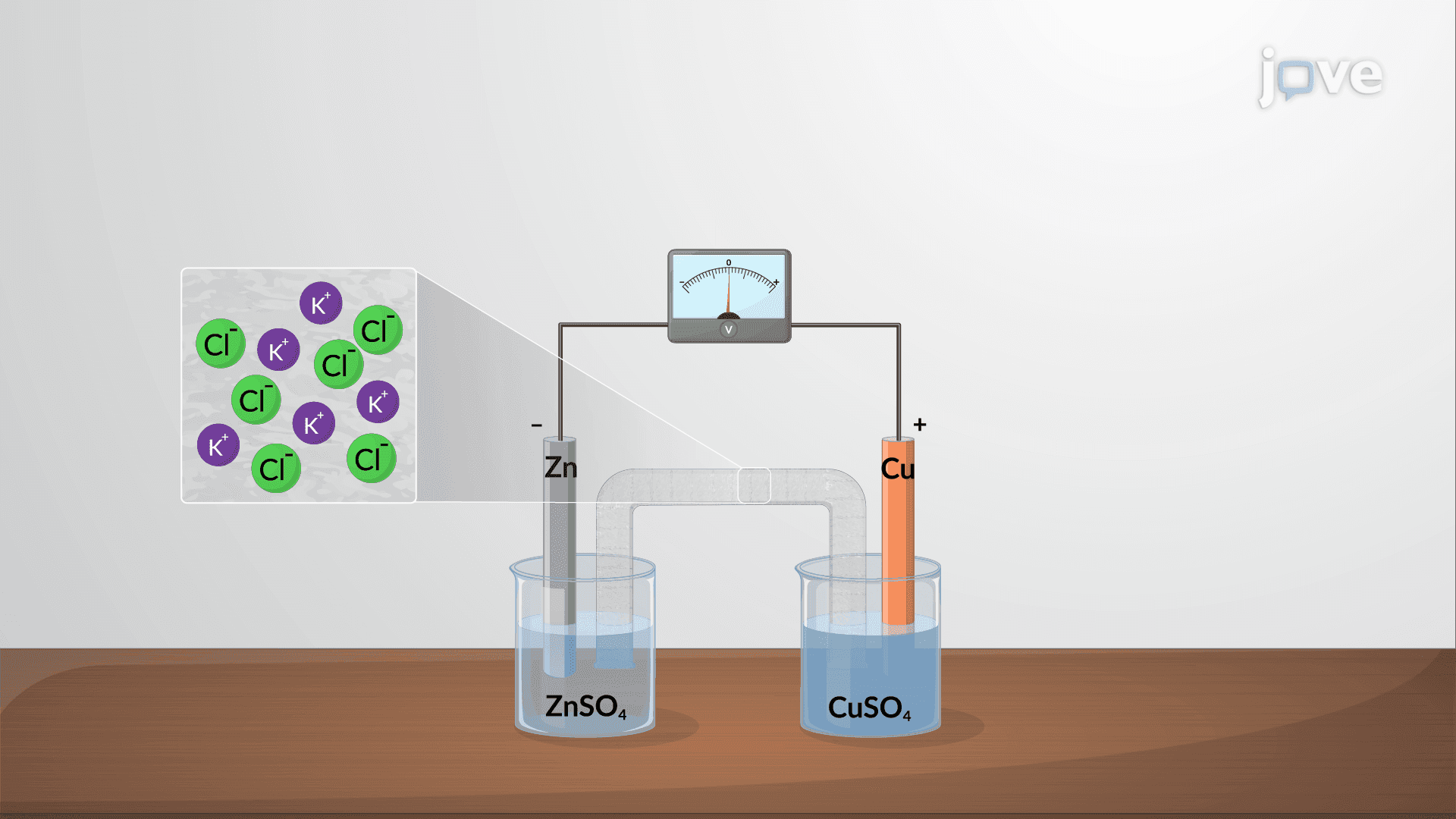
The same physics that explains zinc dissolution also explains thermocouples, devices used in US industrial furnaces, HVAC systems, and laboratory equipment to measure temperature. When two different metals like copper and zinc are joined, a potential difference forms at their junction that varies predictably with temperature. This is a direct application of interphase potential between solid phases.
On a larger scale, lithium-ion batteries in electric vehicles like those made by Tesla rely on carefully engineered interphase potentials between electrode materials and electrolyte solutions. Fuel cells, used by NASA in spacecraft and by companies like Plug Power in industrial applications, generate electricity through controlled electrochemical reactions without combustion. Corrosion, costing the US economy over $270 billion annually according to NACE International, is essentially an uncontrolled electrochemical process where metals lose electrons to their environment.
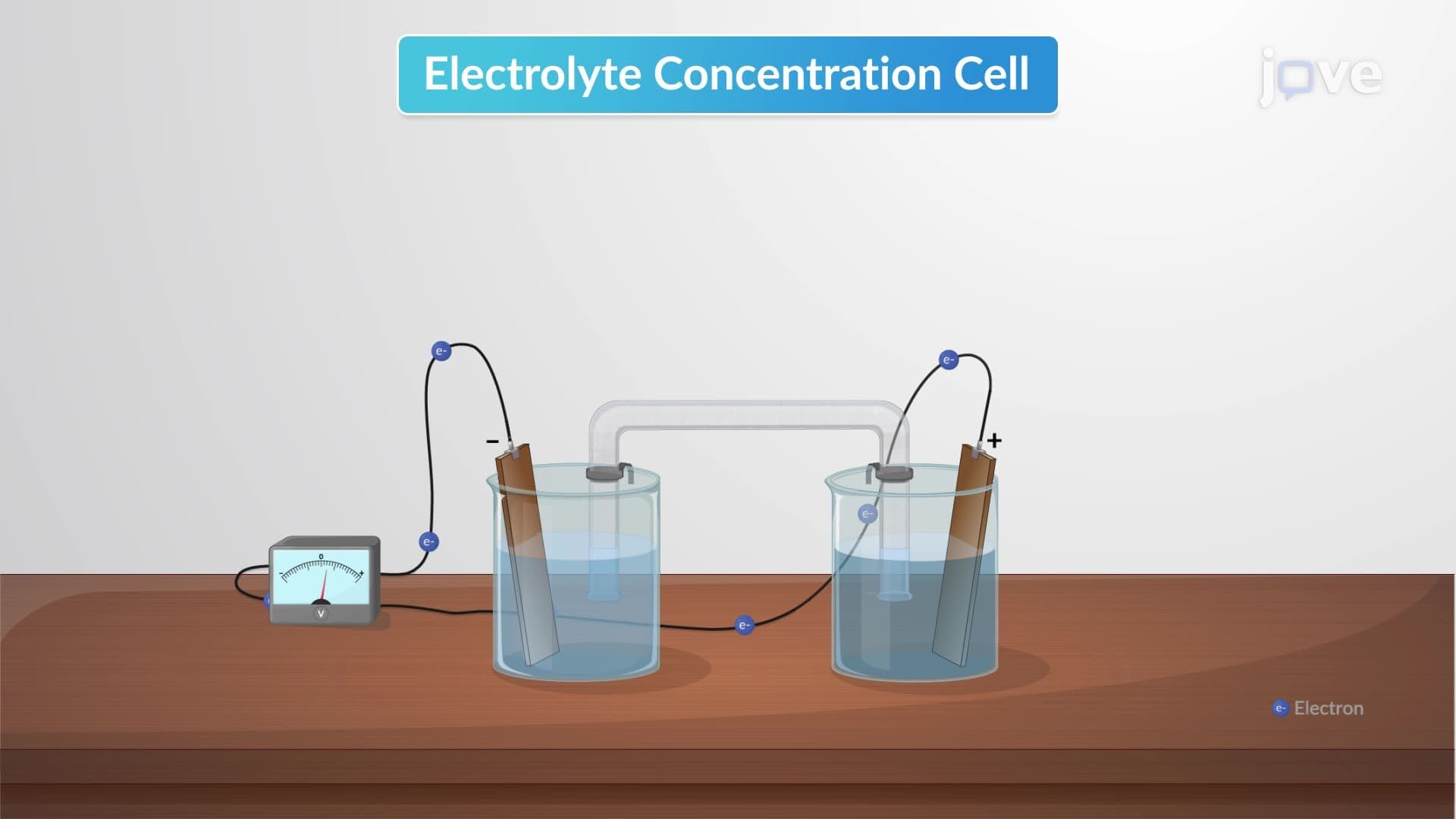
In AP Chemistry, electrochemical concepts appear in the context of galvanic cells, electrolysis, and the Nernst equation, which quantifies how cell voltage changes with ion concentration, a direct extension of the interphase potential idea. In college-level electrochemistry courses (commonly taken in chemical engineering, chemistry, and materials science programs), students expand into topics like overpotential (extra voltage needed to drive a reaction beyond equilibrium), cyclic voltammetry (a lab technique for studying redox behavior), and electrochemical sensor design. The MCAT tests redox chemistry and electrochemical cell principles in its General Chemistry section, making this foundational knowledge critical for pre-med students as well.
Related Micro-courses