Loading concepts…


8 Concepts
14 Concepts
6 Concepts
6 Concepts
9 Concepts
8 Concepts
2 Concepts
8 Concepts
8 Concepts
9 Concepts
16 Concepts
6 Concepts
 6 Concepts
 1.3K Views
 Popular topics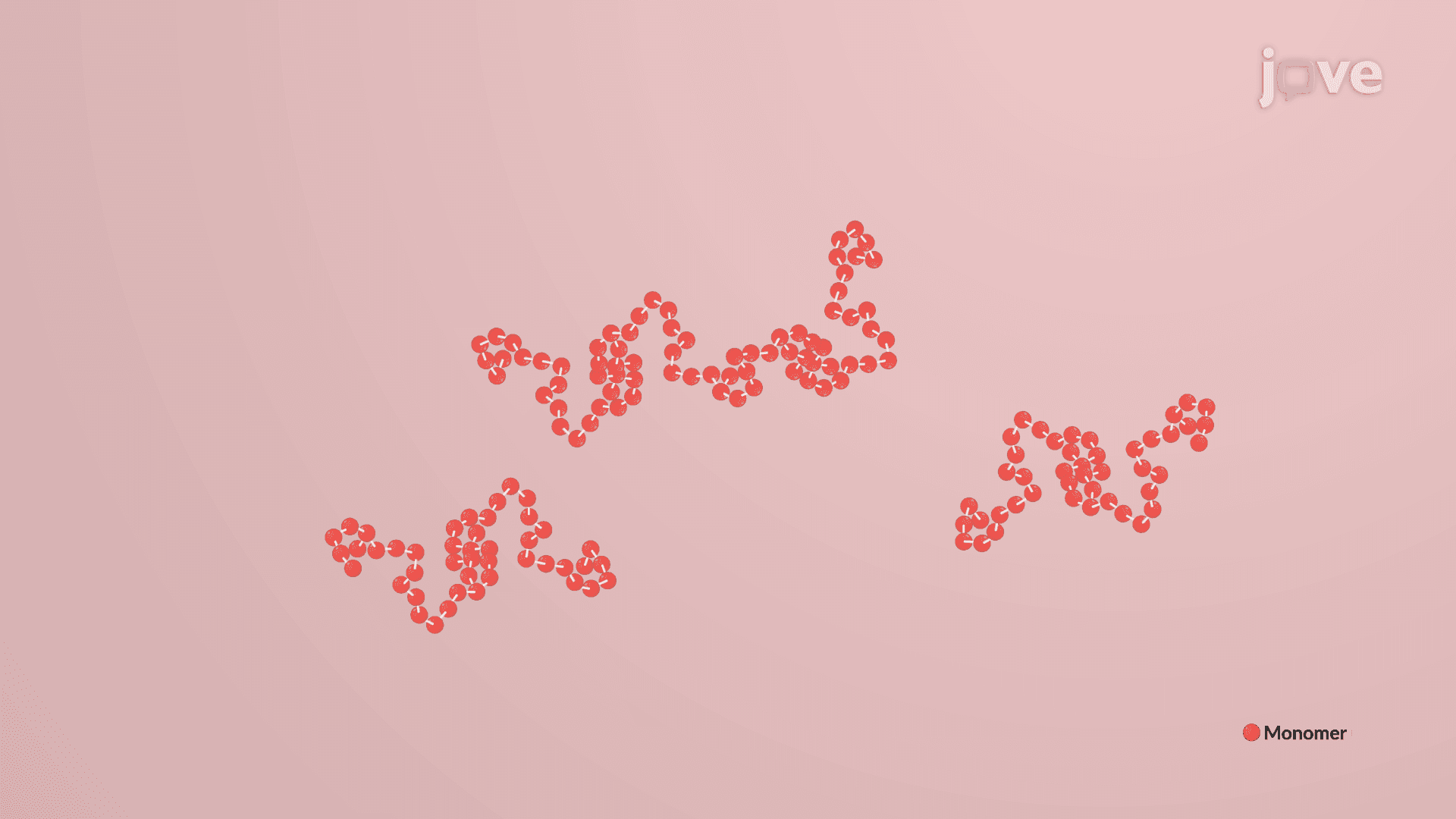
Macromolecules and self assembly principles form the backbone of modern materials science, polymer chemistry, and drug delivery research across US industries. This micro-course, developed with JoVE Coach, covers synthetic polymer classification, molar mass determination, colloidal systems, surfactant behavior, and micelle formation, connecting foundational chemistry to real-world applications in textiles, plastics, pharmaceuticals, and consumer products.
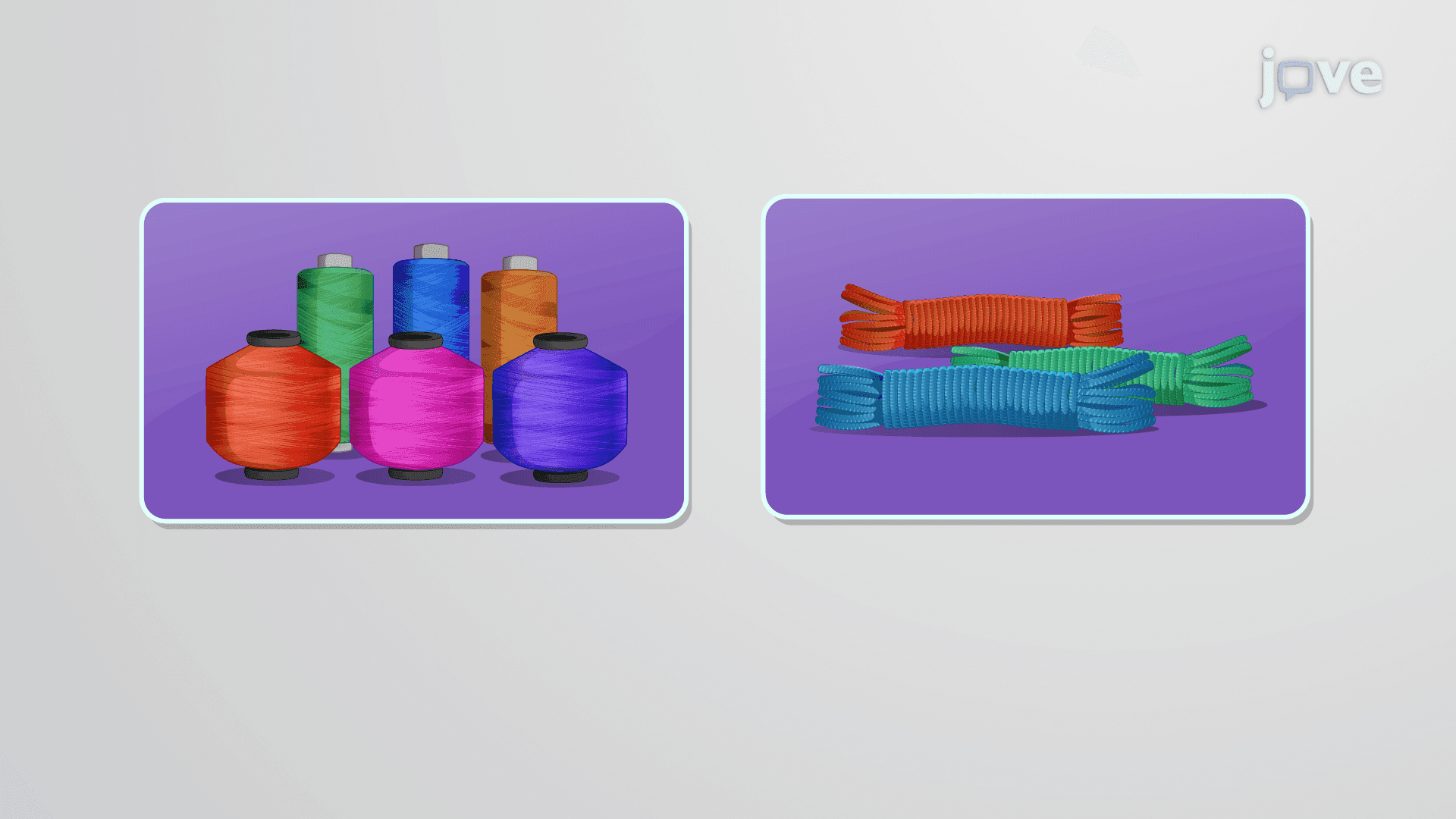
1. Classification and Mechanical Properties of Synthetic Polymers Synthetic polymers are classified into three major groups based on their mechanical behavior. Elastomers, such as silicones used in medical-grade tubing and consumer products, feature cross-linked polymer chains that stretch under stress and return to their original shape. Fibers like nylon-66, widely used in US sportswear and parachute cords, have low chain branching and align tightly, producing high tensile strength. Plastics contain a mix of crystalline and amorphous regions; the crystalline zones provide rigidity while the amorphous regions offer flexibility. Understanding these distinctions is essential in materials selection across the automotive, aerospace, and consumer goods industries in the United States.
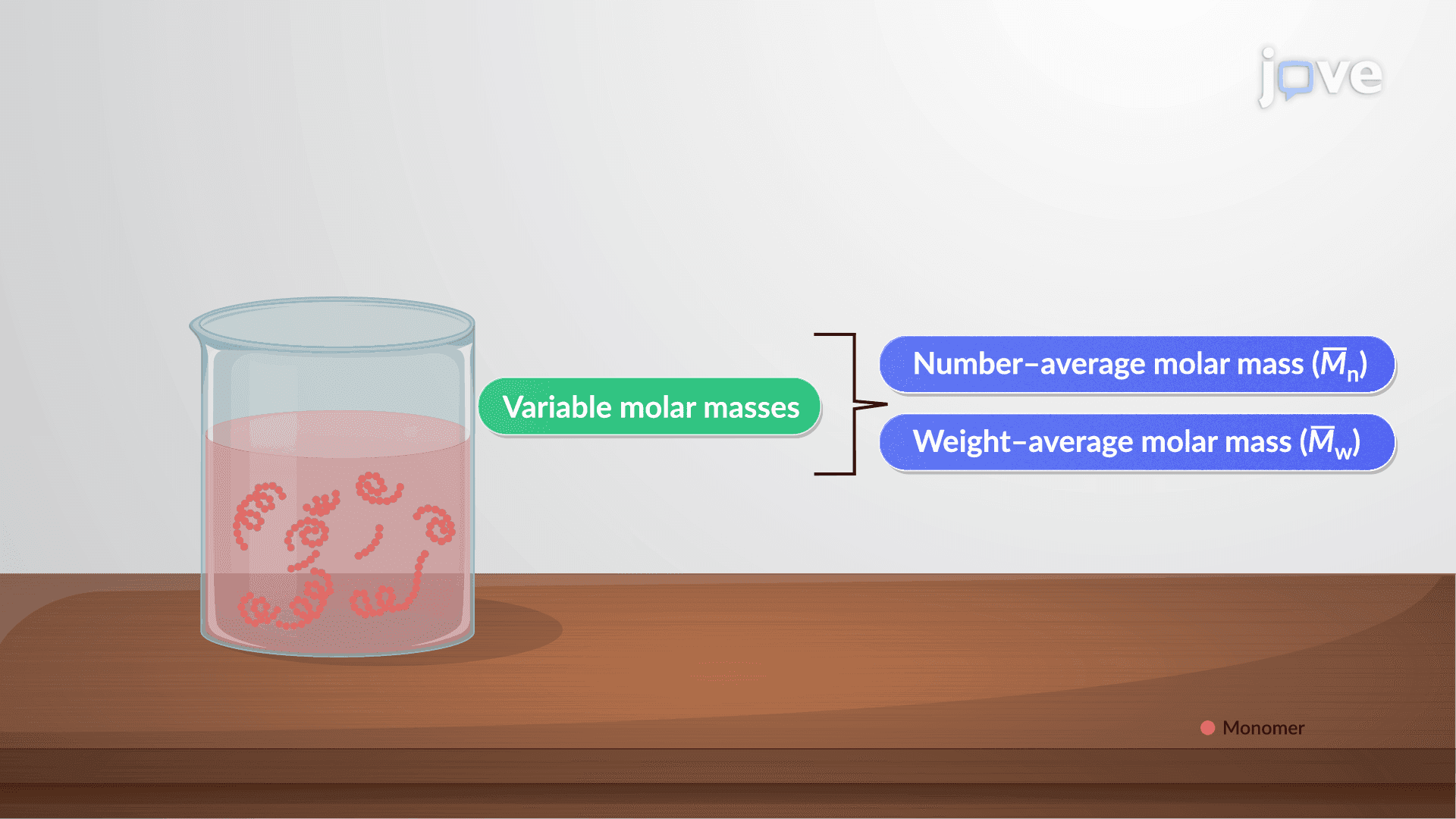
2. Number-Average and Weight-Average Molar Mass Because polymer chains grow to different lengths during polymerization, no single molar mass describes an entire sample. The number-average molar mass (M̄ₙ) weights every chain equally regardless of size, calculated as the sum of (nᵢ × Mᵢ) divided by the sum of nᵢ. The weight-average molar mass (M̄w) amplifies the contribution of larger chains, since it sums (nᵢ × Mᵢ²) divided by (nᵢ × Mᵢ). The ratio M̄w/M̄ₙ defines dispersity (Đ); a value of exactly 1.0 indicates a perfectly uniform sample, while most commercial polymers show Đ greater than 1, reflecting a broad molecular weight distribution critical in polymer characterization.
3. Viscosity-Average Molar Mass and GPC Solution behavior adds another dimension to polymer characterization. The viscosity-average molar mass (M̄v) is determined using a viscometer and the Mark-Houwink equation: [η] = K·Mᵃ, where K reflects the polymer-solvent interaction system and the exponent *a* describes how the polymer chain expands in solution. Larger chains disproportionately increase viscosity, making M̄v sensitive to high-molecular-weight fractions. Gel permeation chromatography (GPC) provides the full molecular weight distribution by passing polymer chains through porous beads, larger chains elute first. GPC is a standard analytical tool in US polymer laboratories and industrial quality control settings.
4. The Colloidal State A colloid consists of microscopic particles (the dispersed phase) distributed throughout a continuous medium (the dispersion medium). Particle size, typically between 1 and 1,000 nanometers, prevents settling under normal gravity but remains too large for true solutions. Colloids are classified by phase: sols, foams, emulsions, and aerosols. Lyophilic colloids (solvent-loving, such as protein solutions) are thermodynamically stable and form spontaneously, while lyophobic colloids (solvent-hating, such as silver chloride suspensions) are unstable and require adsorbed ions for stabilization. When particle size exceeds the colloidal range, sedimentation occurs. Colloidal chemistry underpins industries ranging from US food manufacturing (mayonnaise as an emulsion) to pharmaceutical suspensions.
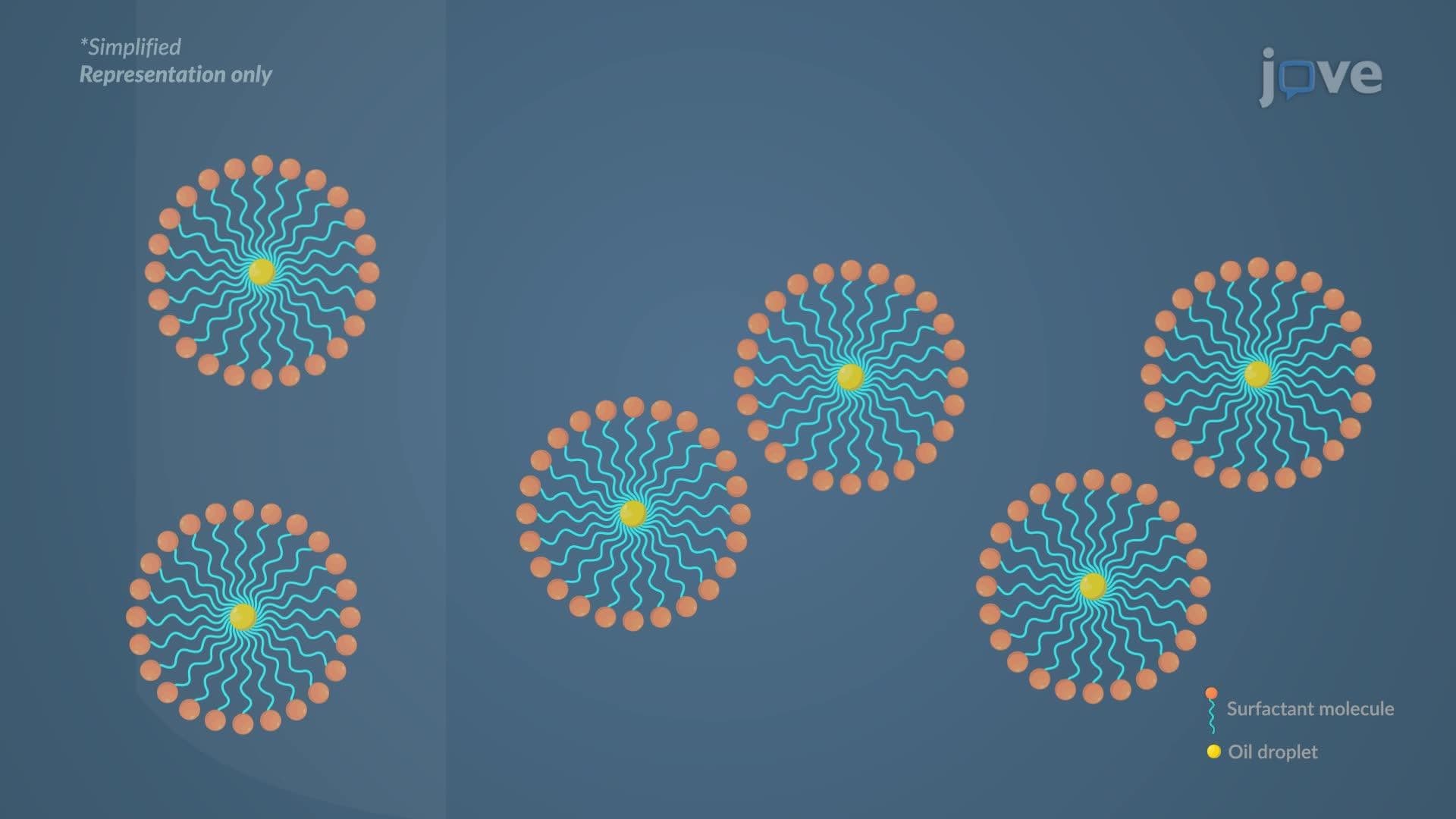
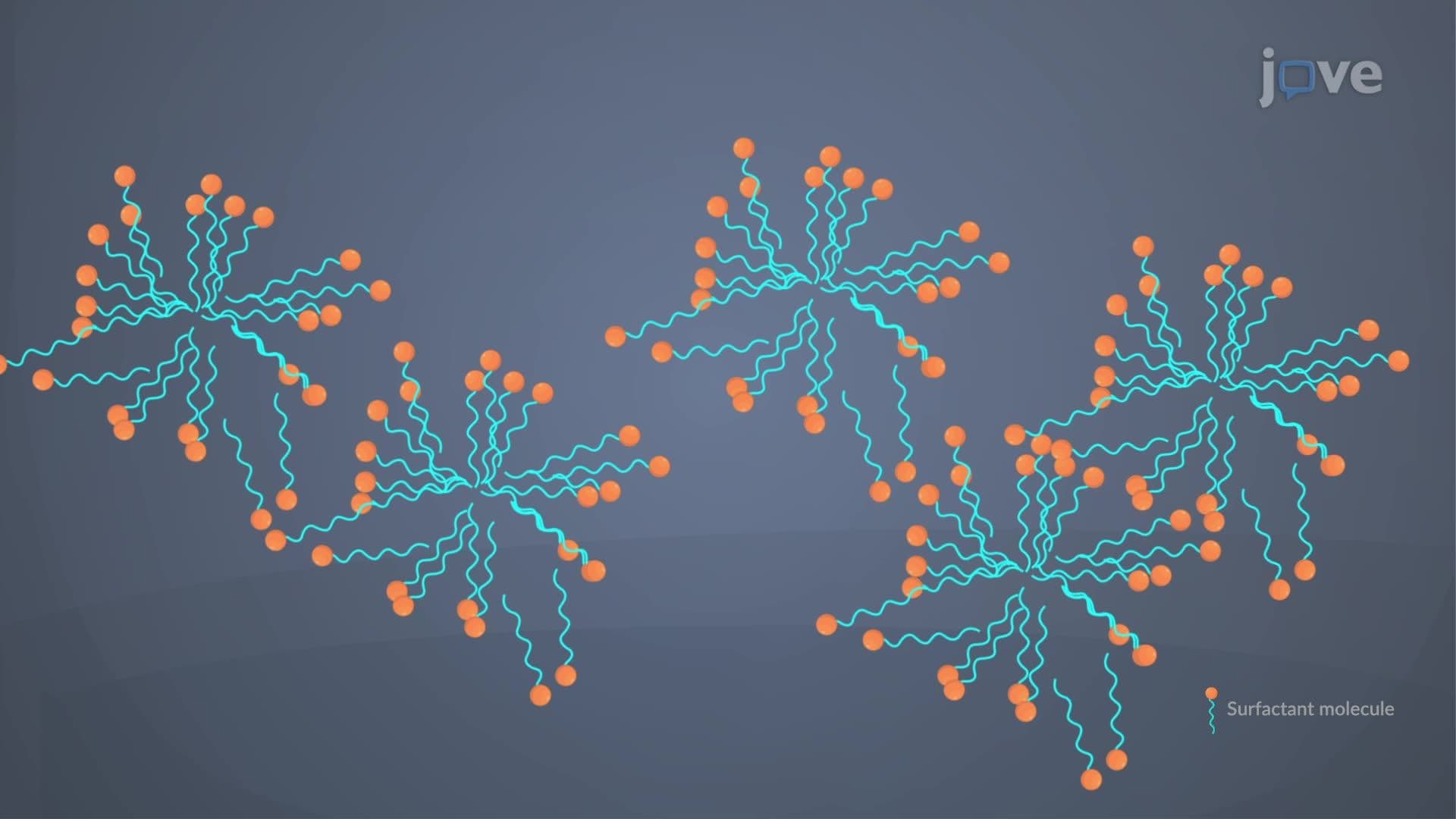
5. Surface-Active Agents (Surfactants) and the HLB Scale Surfactants are amphiphilic molecules with a polar hydrophilic head and a nonpolar hydrophobic tail. This dual character allows them to concentrate at oil-water interfaces, dramatically lowering interfacial tension. They are categorized by head-group charge: anionic (e.g., carboxylates in soap), cationic (e.g., ammonium compounds used in fabric softeners), nonionic (e.g., polyoxyethylene alcohols in pharmaceuticals), and amphoteric (e.g., triglycine derivatives). The Hydrophile-Lipophile Balance (HLB) scale, ranging from 1 to 40, quantifies the balance between hydrophilic and hydrophobic regions. Low HLB values indicate oil solubility, while high values favor water solubility, a key parameter guiding surfactant selection in US cosmetic and drug formulation industries.
6. Micelle Formation and the Critical Micelle Concentration (CMC) When surfactant concentration in water exceeds the critical micelle concentration (CMC), individual molecules spontaneously self-assemble into micelles, the hydrophobic tails cluster inward while hydrophilic heads face the aqueous environment. This self assembly of macromolecules and small amphiphiles is detectable by sudden changes in physical properties: osmotic pressure levels off as individual molecules consolidate into fewer aggregates, and molar conductivity drops sharply as charged molecules become incorporated into large micelles. Ionic surfactants generally exhibit higher CMC values than nonionic counterparts with equivalent hydrophobic tails. As concentration increases further, micelles transition from spherical to cylindrical to lamellar structures, a progression that governs performance in detergents, drug encapsulation, and US-based nanotechnology applications.