Loading subject page…


8 Concepts
14 Concepts
6 Concepts
6 Concepts
9 Concepts
8 Concepts
2 Concepts
8 Concepts
8 Concepts
9 Concepts
16 Concepts
6 Concepts
 14 Concepts
 3.1K Views
 Popular topics

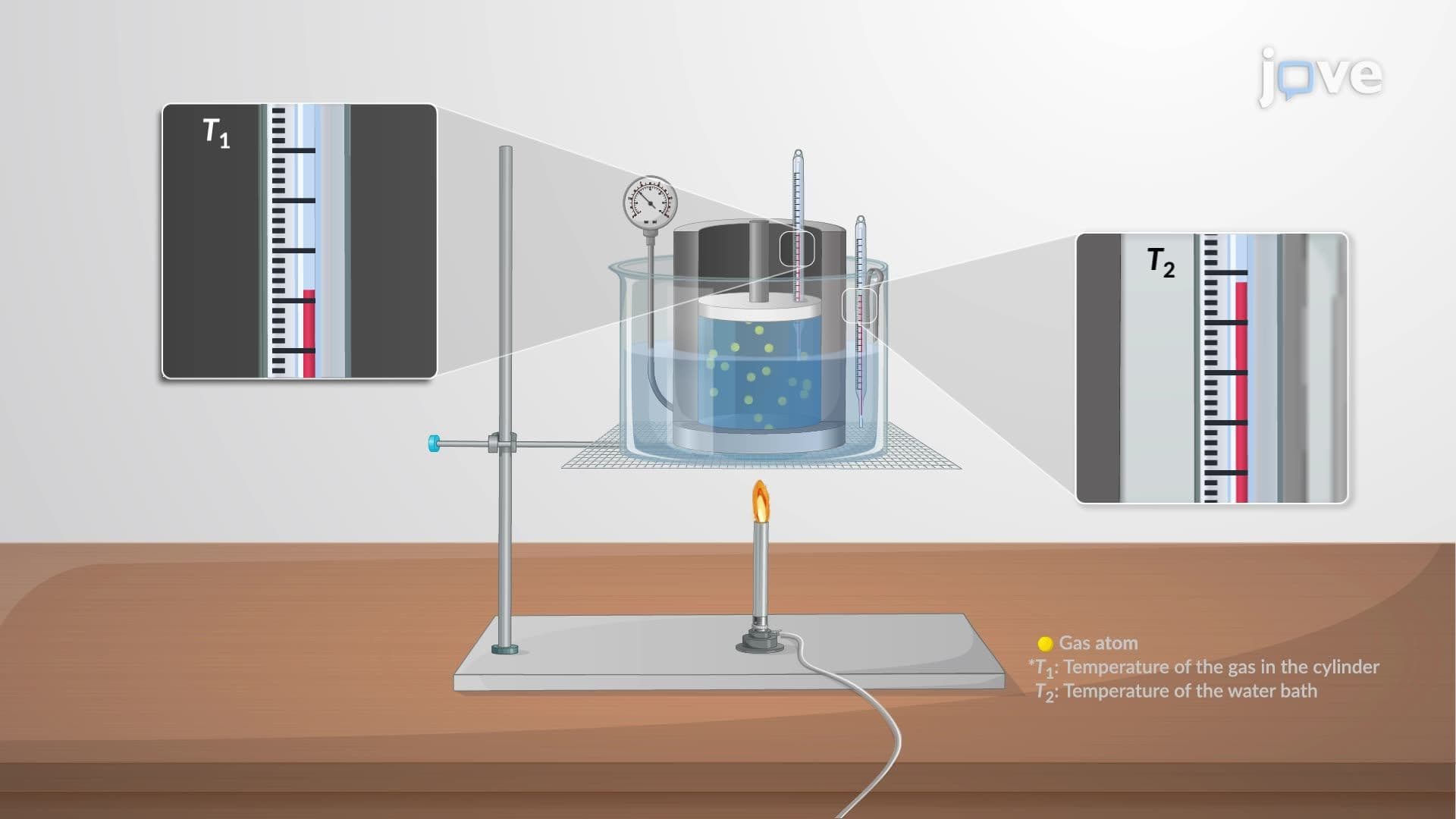

The First Law of Thermodynamics, a cornerstone of conservation of energy, states that energy can neither be created nor destroyed, only transformed. This micro-course, supported by JoVE Coach, covers internal energy, enthalpy, heat capacity, thermodynamic processes, and thermochemistry, connecting molecular-level behavior to real-world applications of the first law of thermodynamics in chemistry, engineering, and biological systems.
1. Classical Mechanics and the Work-Energy Theorem Before diving into thermodynamics, it helps to revisit classical mechanics. When a force acts on an object over a displacement, it performs work, mathematically the dot product of force and displacement vectors, measured in joules. Newton's second law, when integrated over a path, yields the work-energy theorem: net work equals the change in kinetic energy. In conservative systems, like a ball thrown upward, potential and kinetic energy constantly interchange, but their sum (mechanical energy) stays constant. These classical concepts of energy conservation directly underpin the First Law of Thermodynamics.
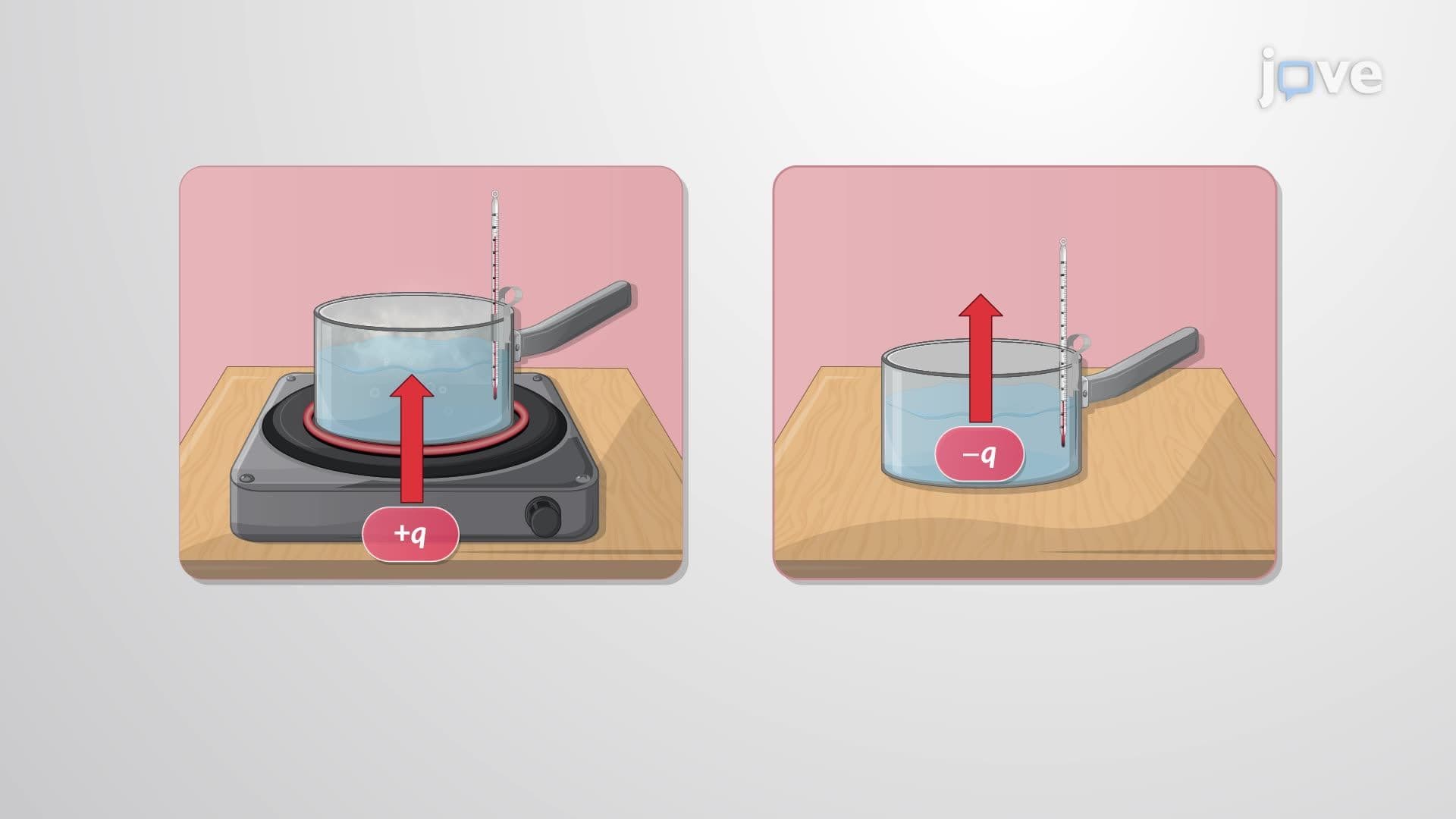
2. Work and Heat as Energy Transfer Mechanisms In thermodynamics, both work and heat are ways of transferring energy across a system's boundary. Work done by a gas occurs when a piston expands against external pressure; work is done *on* the gas during compression. Total work is calculated by integrating pressure over volume change. Heat is the transfer of thermal energy driven by a temperature difference, measured in joules or calories. The specific heat capacity (J/g·K) determines how much heat a substance needs per degree of temperature change. Critically, neither work nor heat is stored inside a system, they exist only as energy in transit.
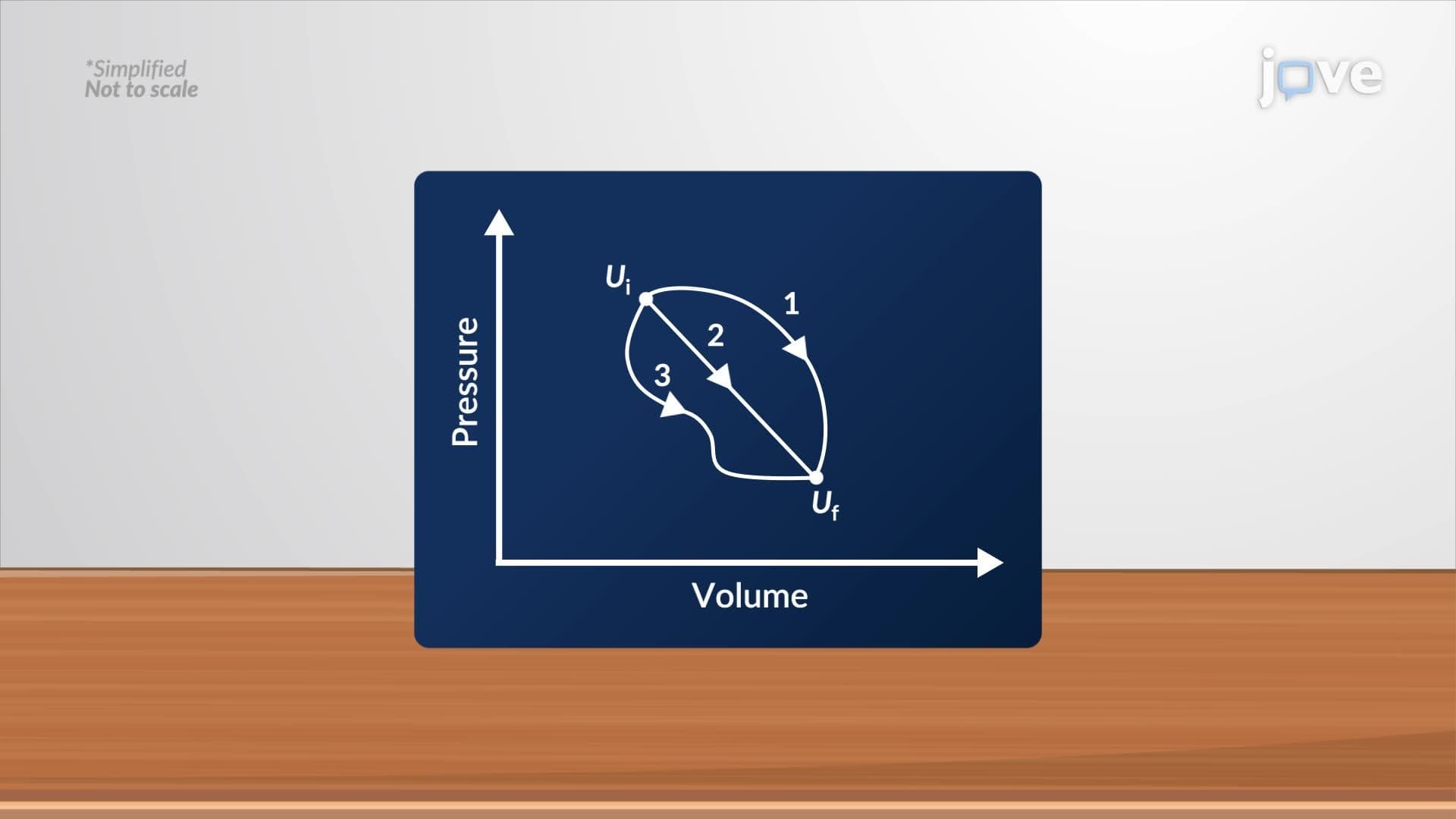
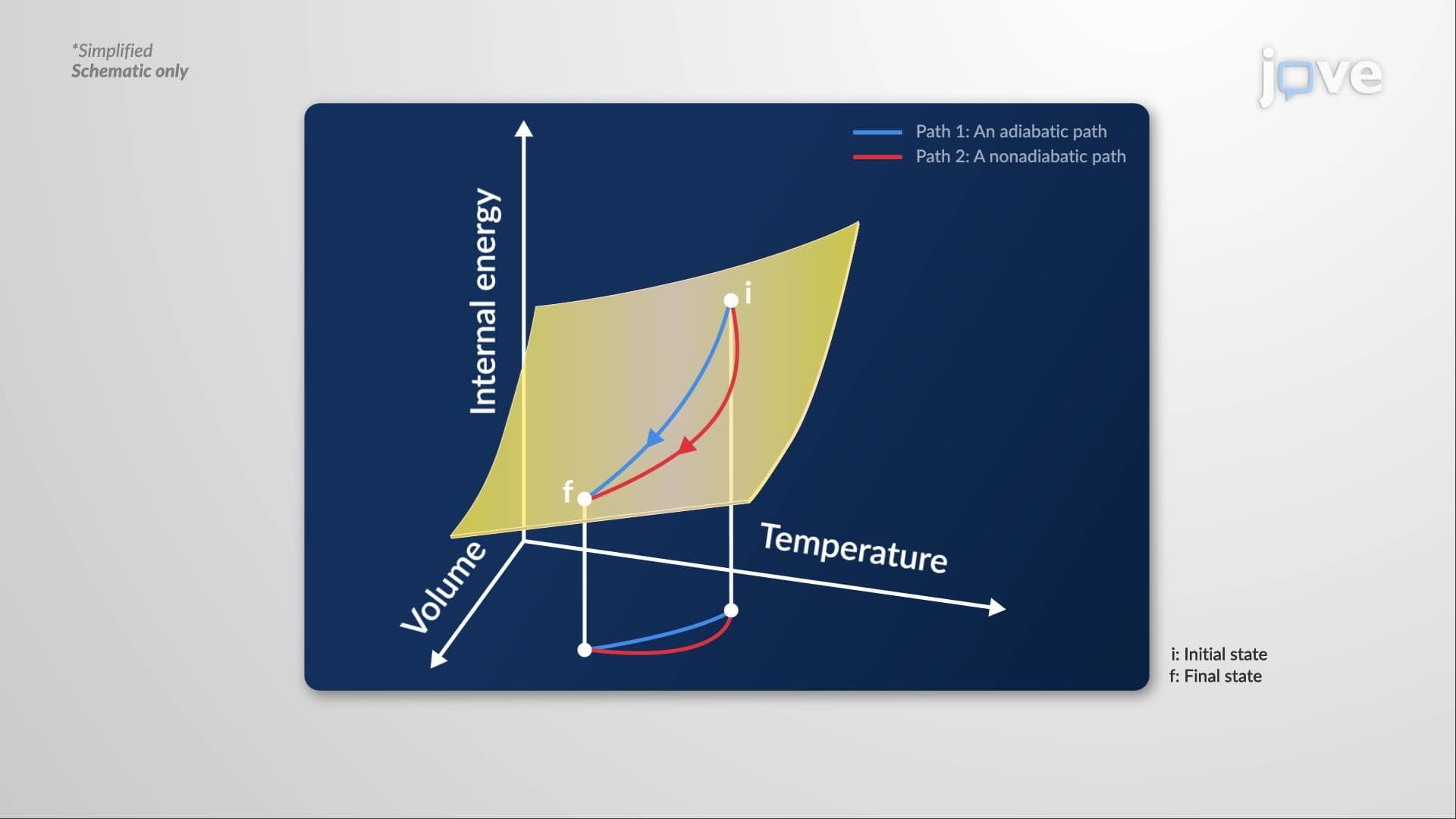
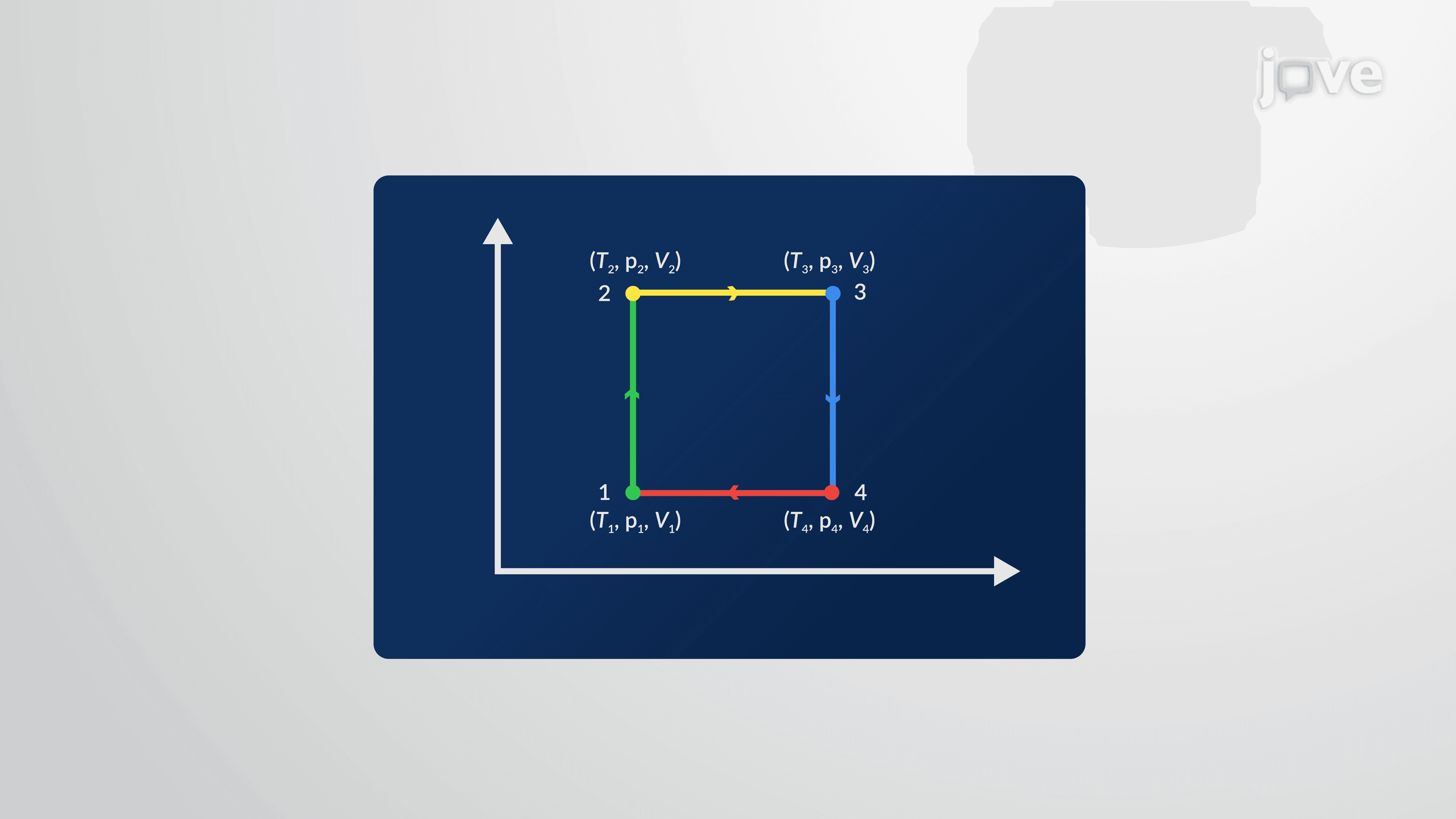
3. Internal Energy and the First Law of Thermodynamics Internal energy (U) is the total kinetic and potential energy of all particles within a system. The First Law of Thermodynamics states that the change in internal energy equals the heat added to the system minus the work done by the system (ΔU = q + w). Internal energy is a state function, its change depends only on initial and final states, not on the path taken. In cyclic processes, ΔU = 0 because the system returns to its original state. In adiabatic systems, where no heat flows, all energy changes come exclusively from work, making ΔU = w.
4. State Functions vs. Path Functions, Exact and Inexact Differentials One of the most conceptually important distinctions in thermodynamics is between state functions and path functions. State functions, like internal energy (U), enthalpy (H), temperature (T), and pressure (p), depend only on the current state of the system, not on how it got there. Path functions, work (w) and heat (q), depend entirely on the specific route taken between states. Mathematically, infinitesimal changes in state functions are expressed as exact differentials (e.g., dU), while those in path functions are inexact differentials (e.g., δw, δq). This distinction explains why ΔU is always the same for a given change, even when q and w individually vary between paths.
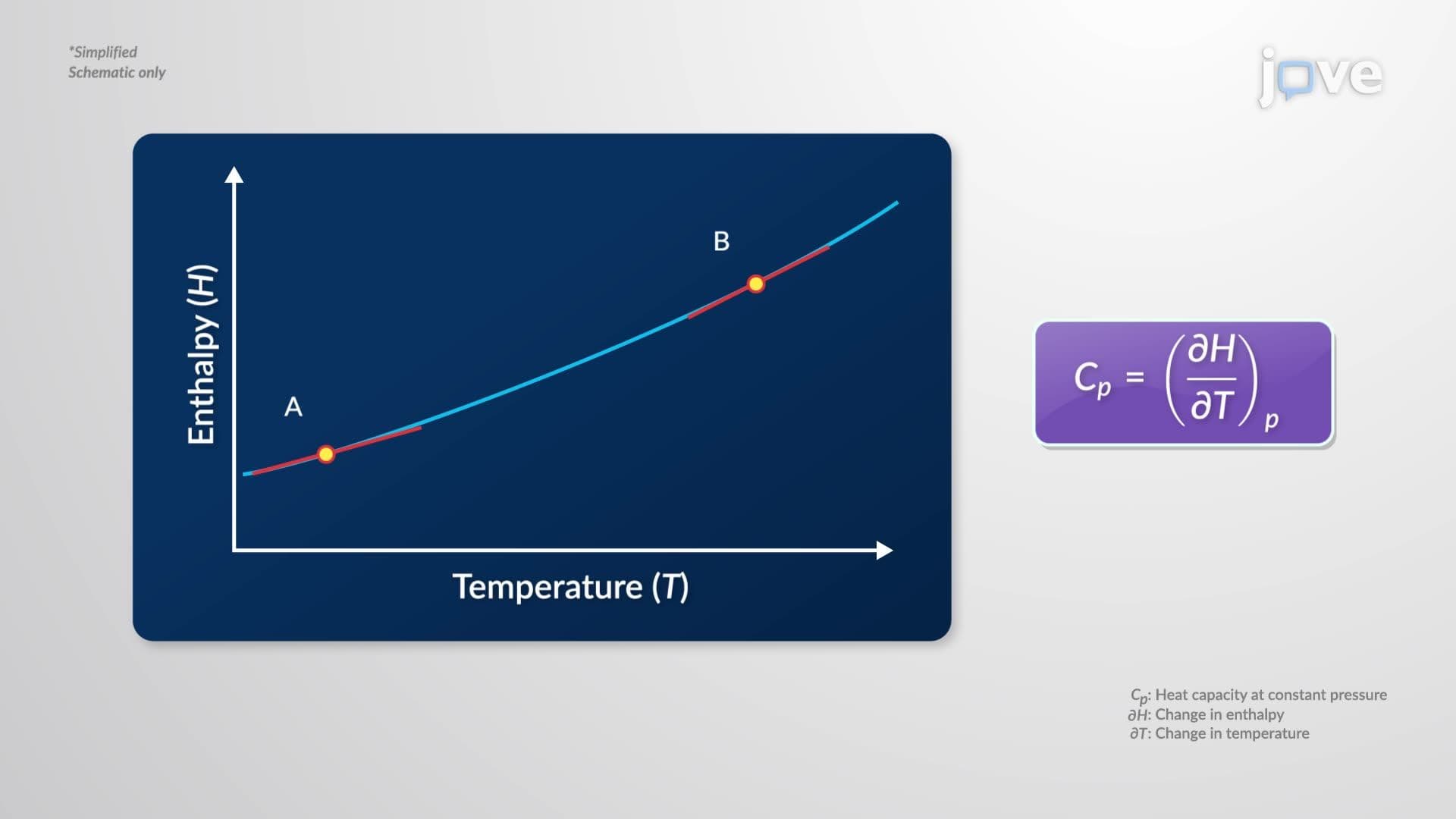
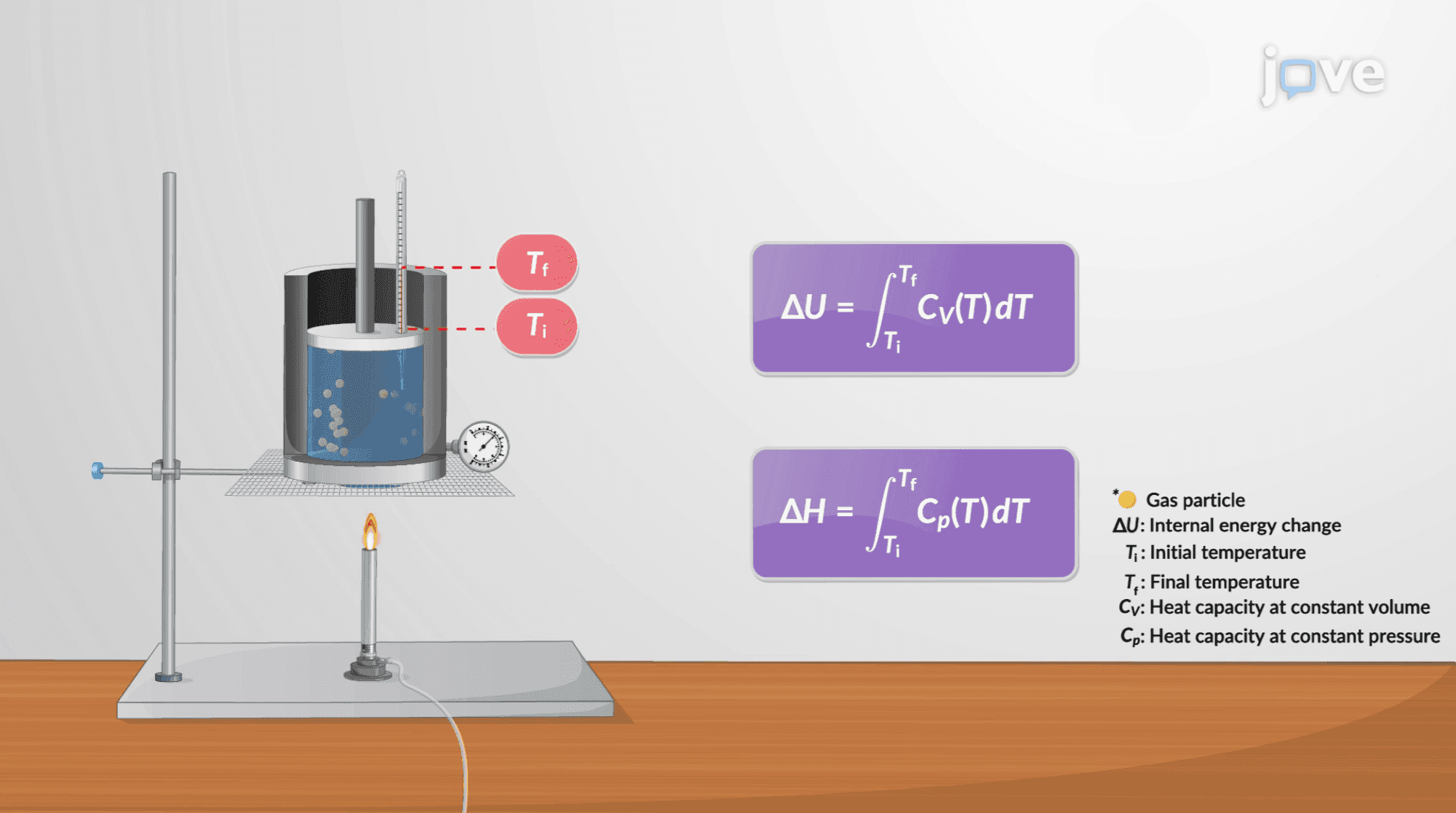
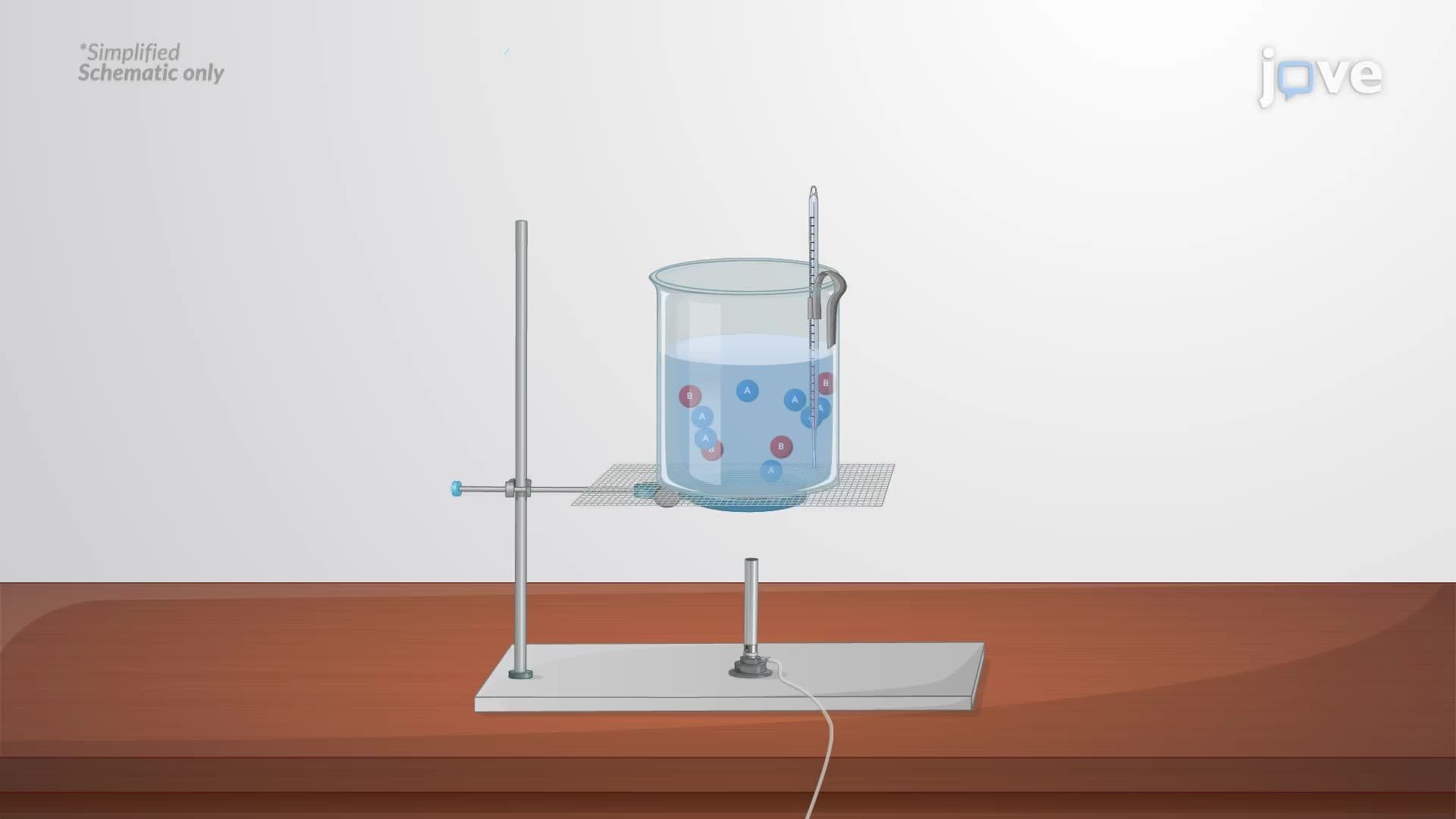
5. Enthalpy and Heat Capacity Enthalpy (H = U + pV) is a state function designed for constant-pressure conditions, which are typical in most laboratory and biological settings. Under constant pressure, the enthalpy change equals the heat exchanged (ΔH = q_p). This makes enthalpy especially useful in chemistry. The heat capacity at constant pressure (C_p) is the slope of enthalpy versus temperature; the heat capacity at constant volume (C_v) is the slope of internal energy versus temperature. For ideal gases, C_p and C_v are related by C_p − C_v = nR. These quantities are essential for calculating energy changes in both physical and chemical processes.
6. The Joule and Joule-Thomson Experiments The Joule experiment demonstrated that the internal energy of an ideal gas depends only on temperature, not on volume, a key insight into ideal gas behavior. The Joule-Thomson experiment extended this by forcing a real gas through a porous barrier from high to low pressure in an adiabatic setup, revealing the process to be isenthalpic (constant enthalpy). Whether a gas cools or warms during expansion is characterized by the Joule-Thomson coefficient (μ). For ideal gases, μ = 0, no temperature change occurs. For real gases, μ can be positive (cooling) or negative (heating), which has direct industrial applications, such as in the liquefaction of natural gas and refrigeration systems used across the US energy sector.
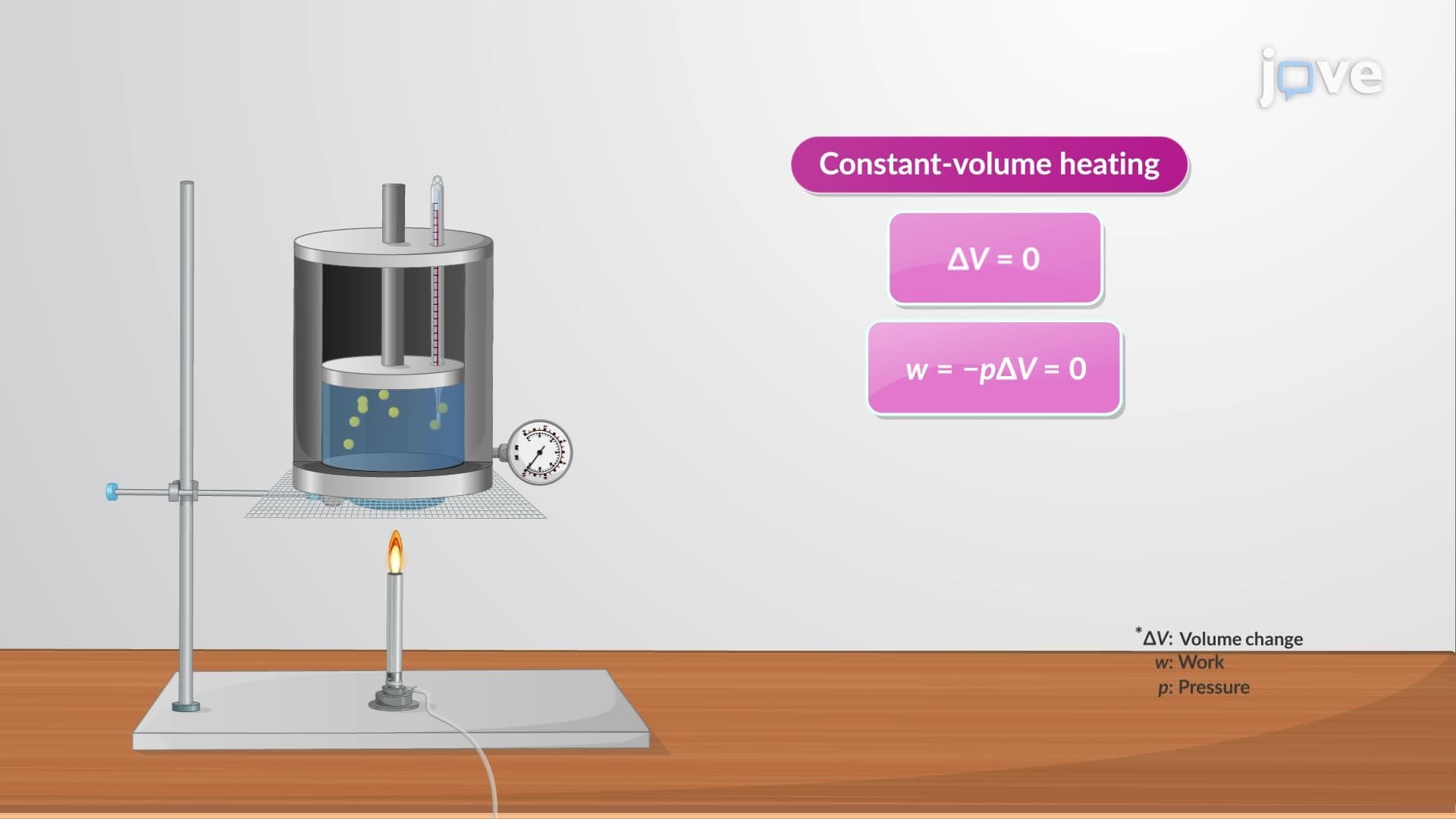
7. Thermodynamic Processes and First-Law Calculations Thermodynamic processes are categorized by what remains constant during the change: isothermal (constant temperature), adiabatic (no heat exchange, q = 0), isochoric (constant volume), and isobaric (constant pressure). For each process type, specific relationships simplify first-law calculations. In reversible isothermal expansion of an ideal gas, ΔU = 0 and q = −w. In an adiabatic process, ΔU = w. In an isobaric process, ΔH = q_p. In isochoric processes, no work is done, so ΔU = q_v. Mastering how to identify the process type and apply the correct formula is critical for success on the AP Chemistry exam and MCAT.
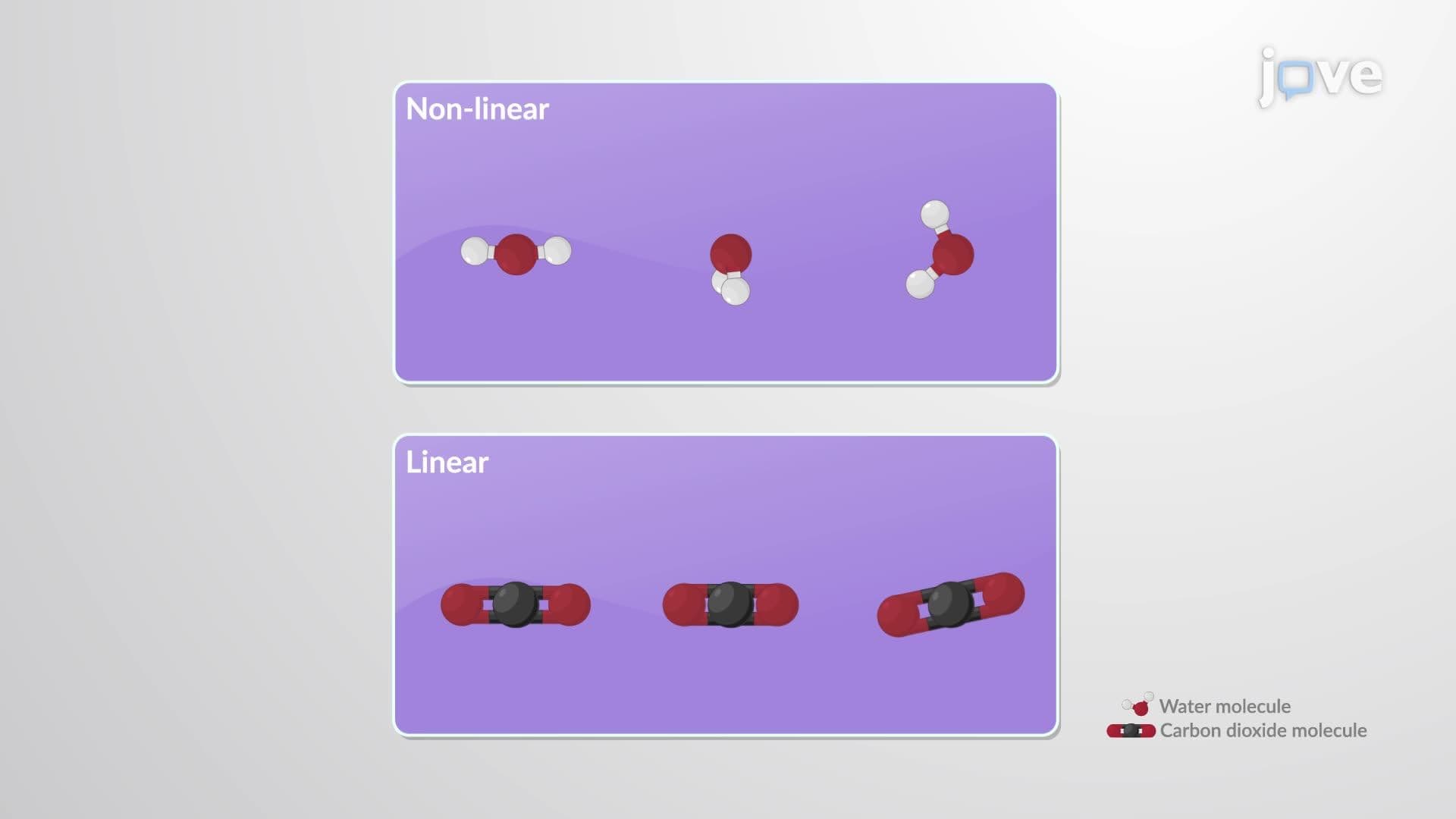
8. Molecular Nature of Internal Energy and the Equipartition Theorem Internal energy at the molecular level arises from translational, rotational, and vibrational motions of molecules. The equipartition theorem assigns ½kT of energy per degree of freedom per molecule (or ½RT per mole). Monatomic ideal gases (like helium or argon) have only three translational degrees of freedom, giving a molar internal energy of 3/2 RT. Diatomic and polyatomic molecules contribute additional rotational and vibrational modes. This molecular picture explains why different substances have different heat capacities, which is directly measurable and relevant to material science and atmospheric chemistry research conducted at US institutions.
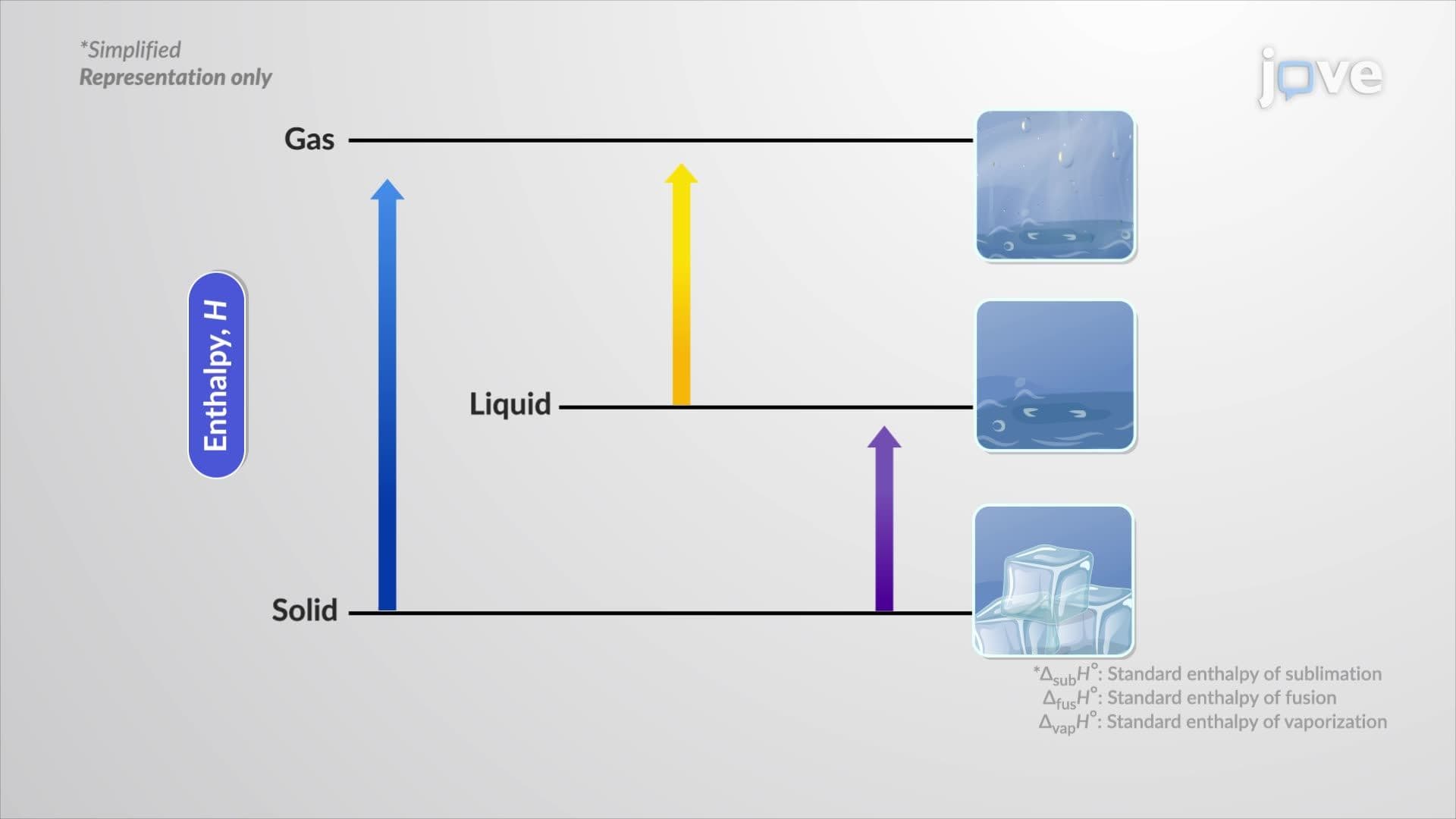
9. Enthalpies of Physical and Chemical Changes The standard enthalpy of a phase transition quantifies the heat required to convert a substance from one phase to another at constant pressure, for example, the enthalpy of vaporization of water (~44 kJ/mol at 25°C), which reflects the energy needed to break hydrogen bonds. Since enthalpy is a state function, the path doesn't matter: whether water vaporizes directly or melts first and then vaporizes, the total ΔH is the same. For chemical reactions, the standard enthalpy of reaction (ΔH°_rxn) is calculated using standard enthalpies of formation (ΔH°_f) of products minus reactants, weighted by stoichiometric coefficients. Hess's Law allows multi-step reaction enthalpies to be combined algebraically, a skill directly tested in AP Chemistry and on the MCAT.
10. Kirchhoff's Law, Reaction Enthalpy as a Function of Temperature Standard enthalpies of reaction are typically reported at 298 K, but real reactions often occur at different temperatures. Kirchhoff's Law states that the temperature dependence of reaction enthalpy is governed by the difference in heat capacities of products and reactants (ΔC_p). For small temperature ranges with approximately constant heat capacities, direct integration gives a simple linear correction. For larger ranges, empirical polynomial expressions for C_p as a function of temperature are substituted and integrated between the initial and final temperatures. This is essential in industrial chemical engineering, for example, in optimizing combustion processes in US power plants or designing high-temperature reactors.