Loading video…

 14 Concepts
 3.1K views

Video Summary: What are Thermodynamic Processes
Ever wonder why a car engine can do work without violating the laws of physics? Thermodynamic processes explain exactly how energy moves through systems under specific constraints. Understanding what are thermodynamic processes helps unlock core concepts in chemistry and physics, from NASA rocket design to everyday refrigerators. Watch the full video on JoVE Coach to master this concept with expert-led visuals and step-by-step explanations.
Thermodynamic processes describe how a system moves from one state to another, and the rules governing that journey depend entirely on what physical quantity is held constant. Whether you're studying AP Chemistry, taking a college-level physical chemistry course, or preparing for the MCAT, understanding these processes is non-negotiable. They form the backbone of how scientists and engineers analyze engines, biological systems, and chemical reactions.
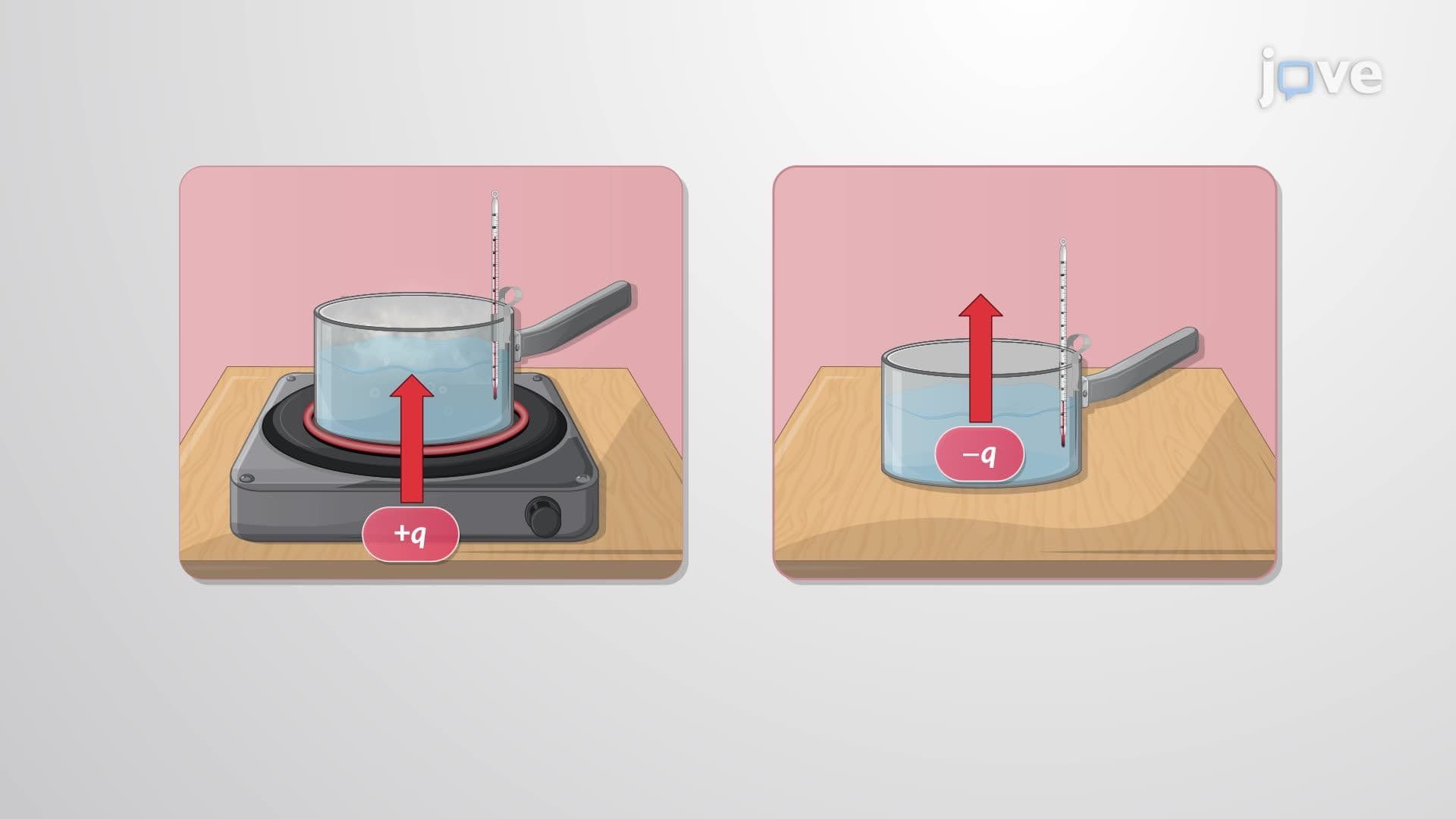
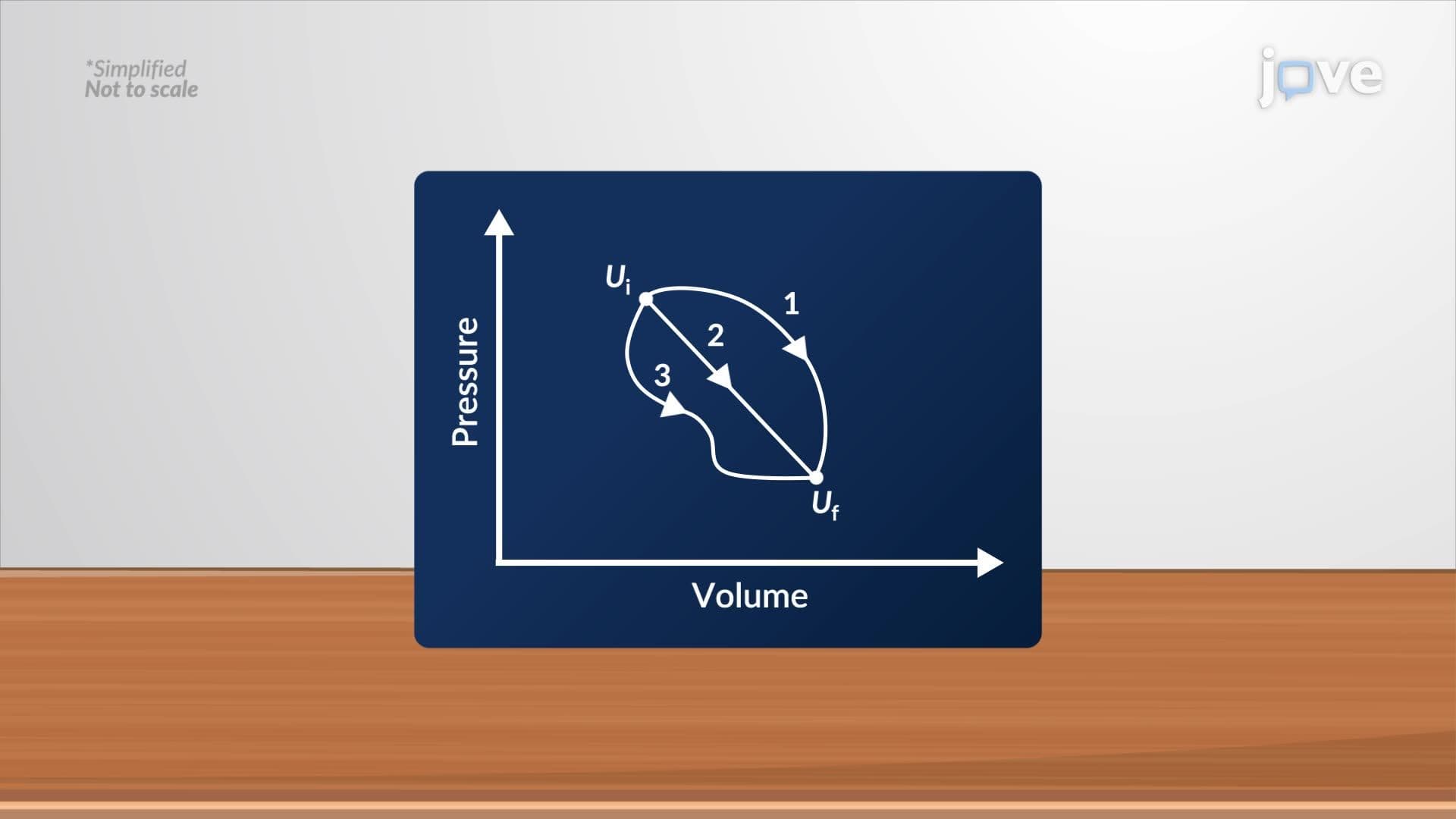
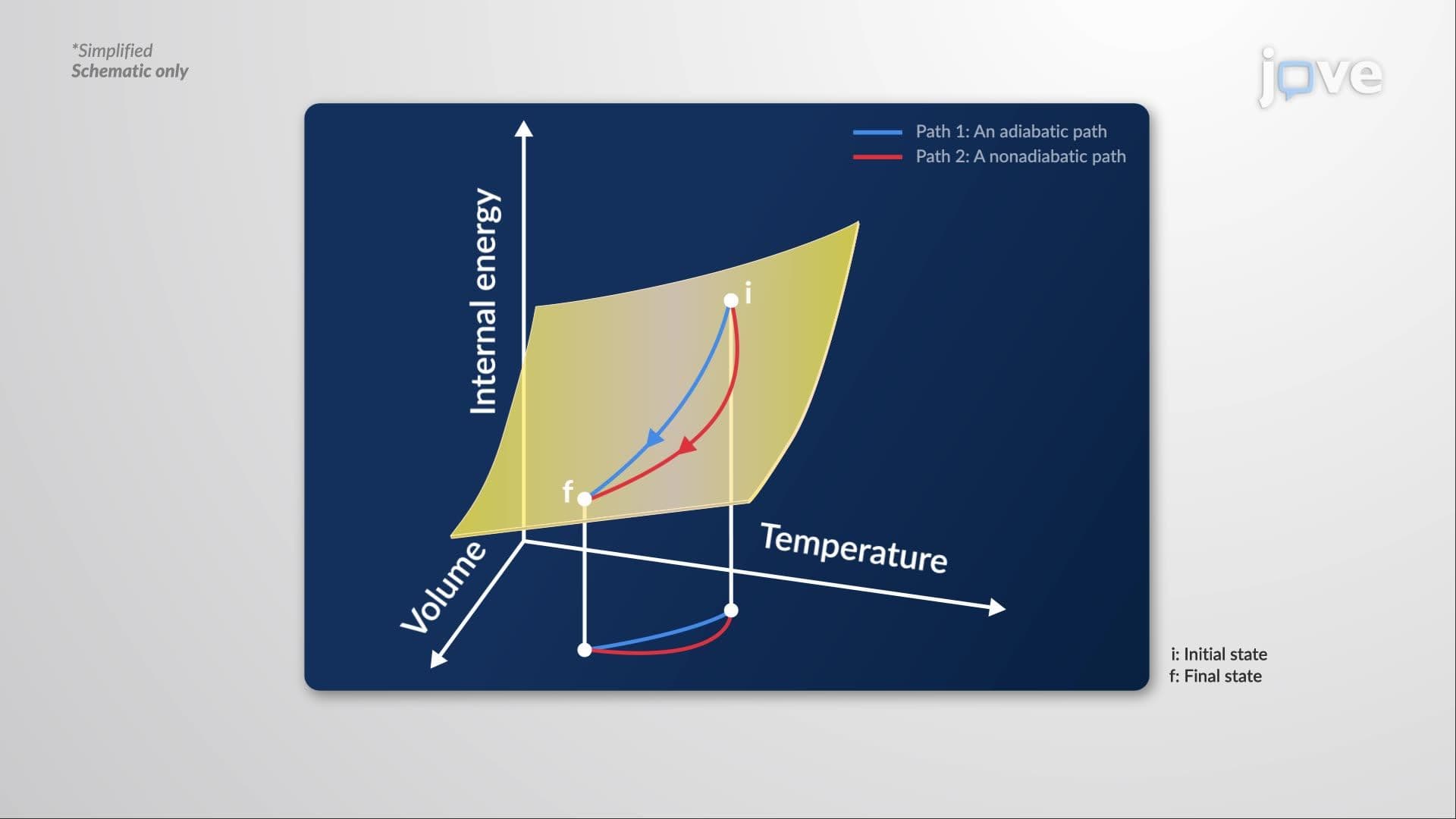
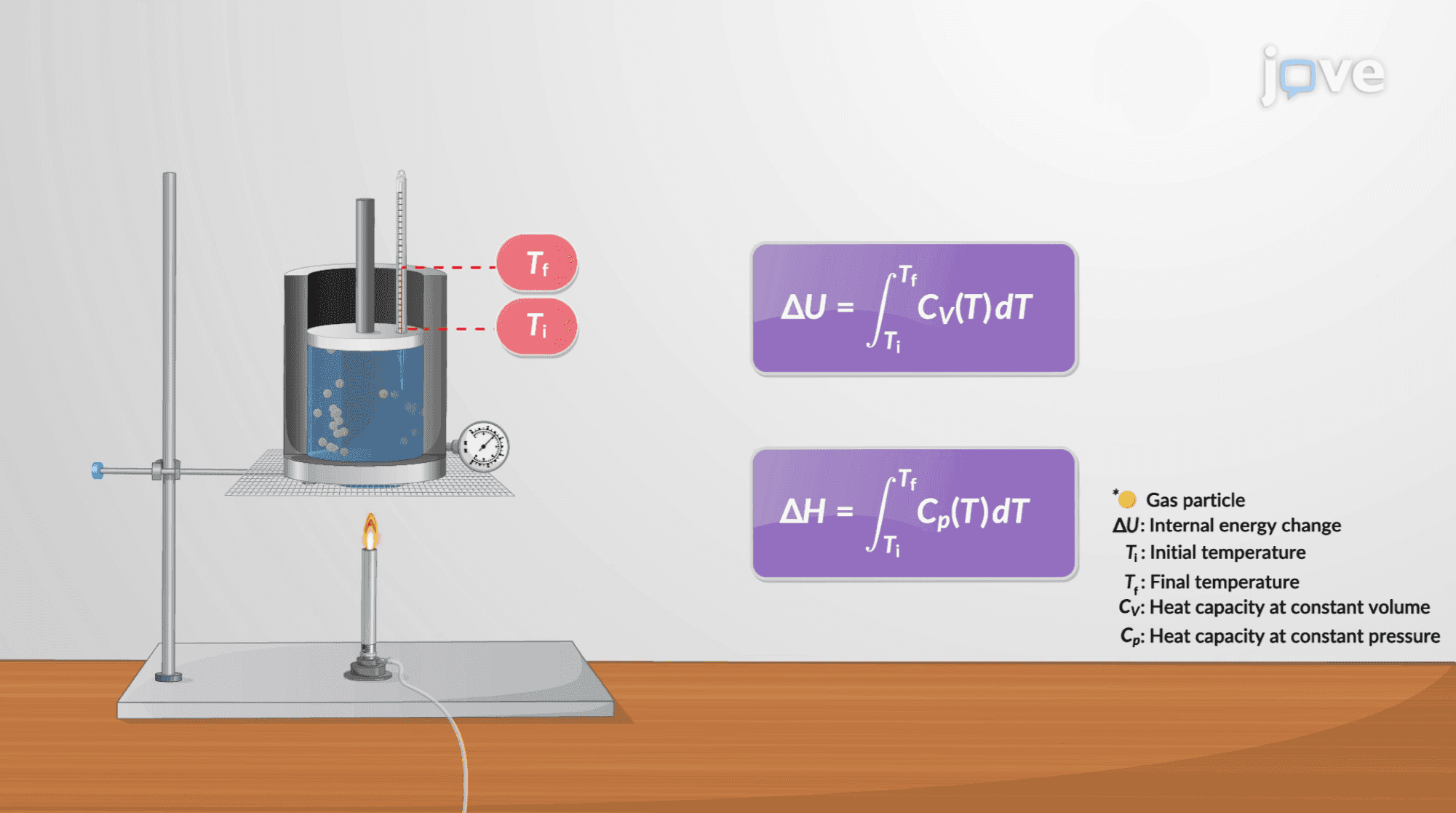
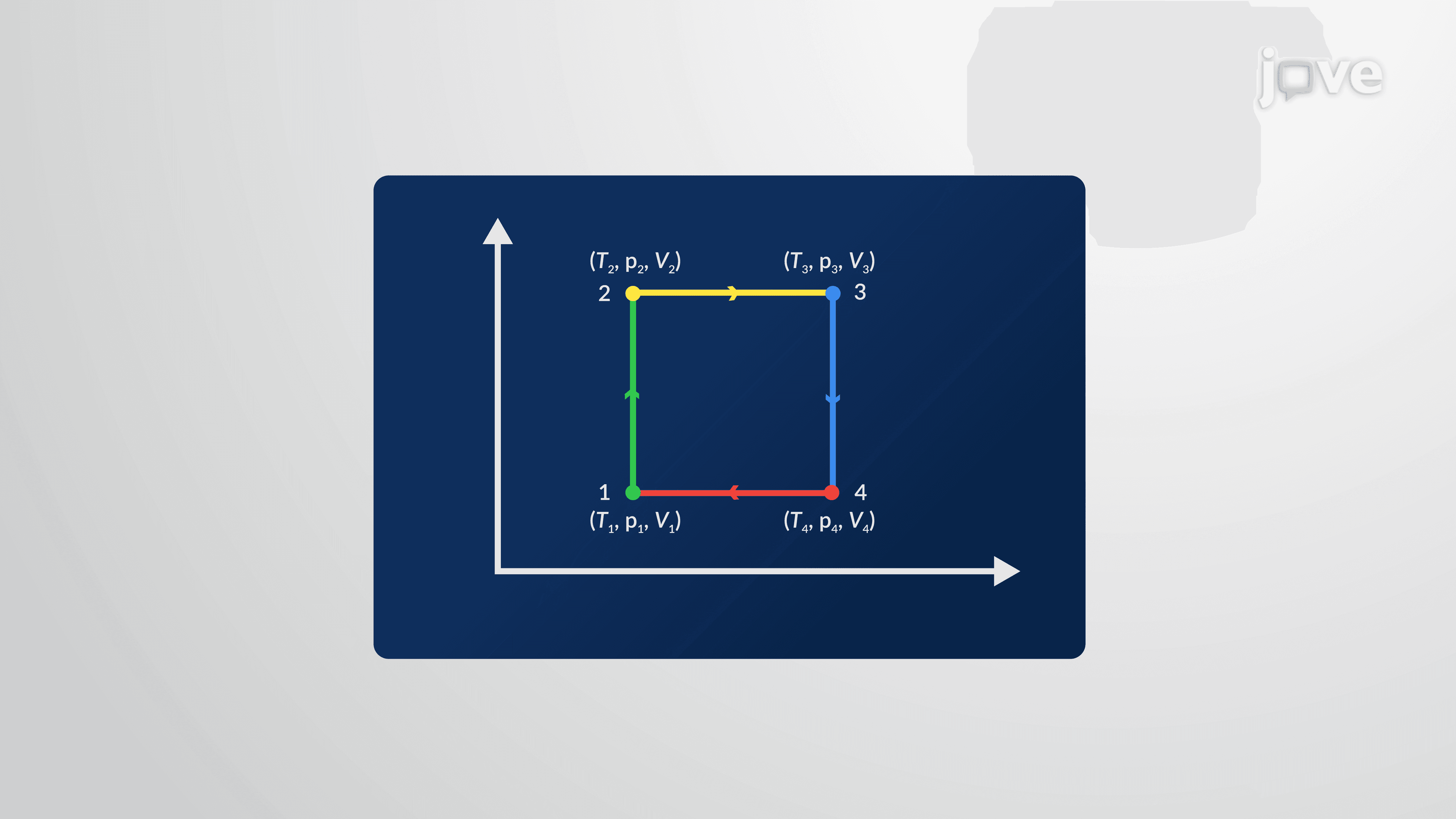
One of the most tested distinctions in thermodynamics is the difference between state functions and path functions. A state function depends only on the current condition of the system, temperature (T), pressure (P), volume (V), internal energy (U), and enthalpy (H) are all state functions. No matter what path a system takes, if it starts and ends at the same state, these values are identical. Path functions, like heat (q) and work (w), depend entirely on *how* the process unfolds. In a cyclic process, where the system returns to its starting point, all state functions reset to their original values, but the net heat and work exchanged over the cycle can still be nonzero. This distinction appears frequently on AP Physics and AP Chemistry exams, often as a multiple-choice question testing conceptual clarity.
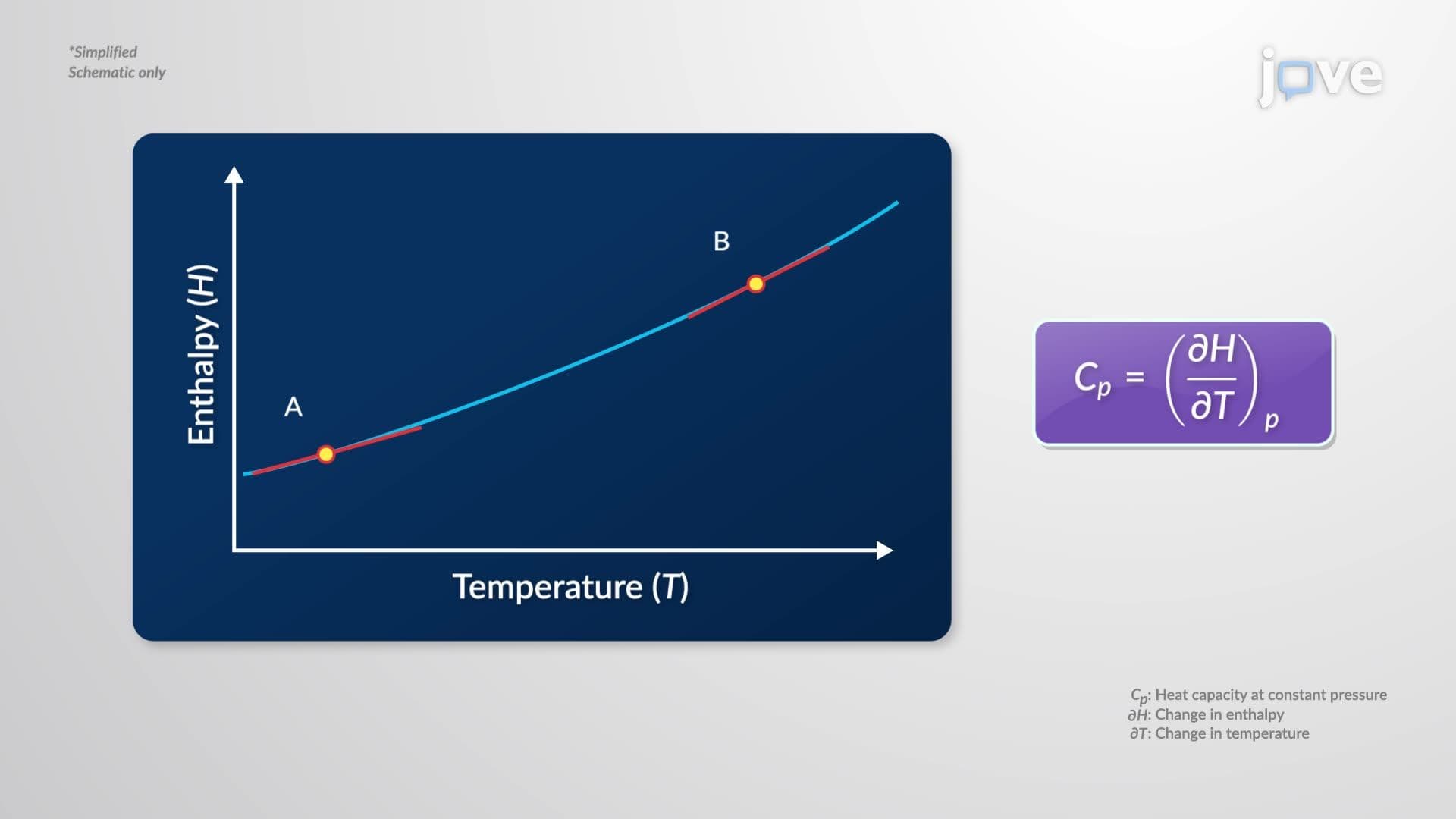
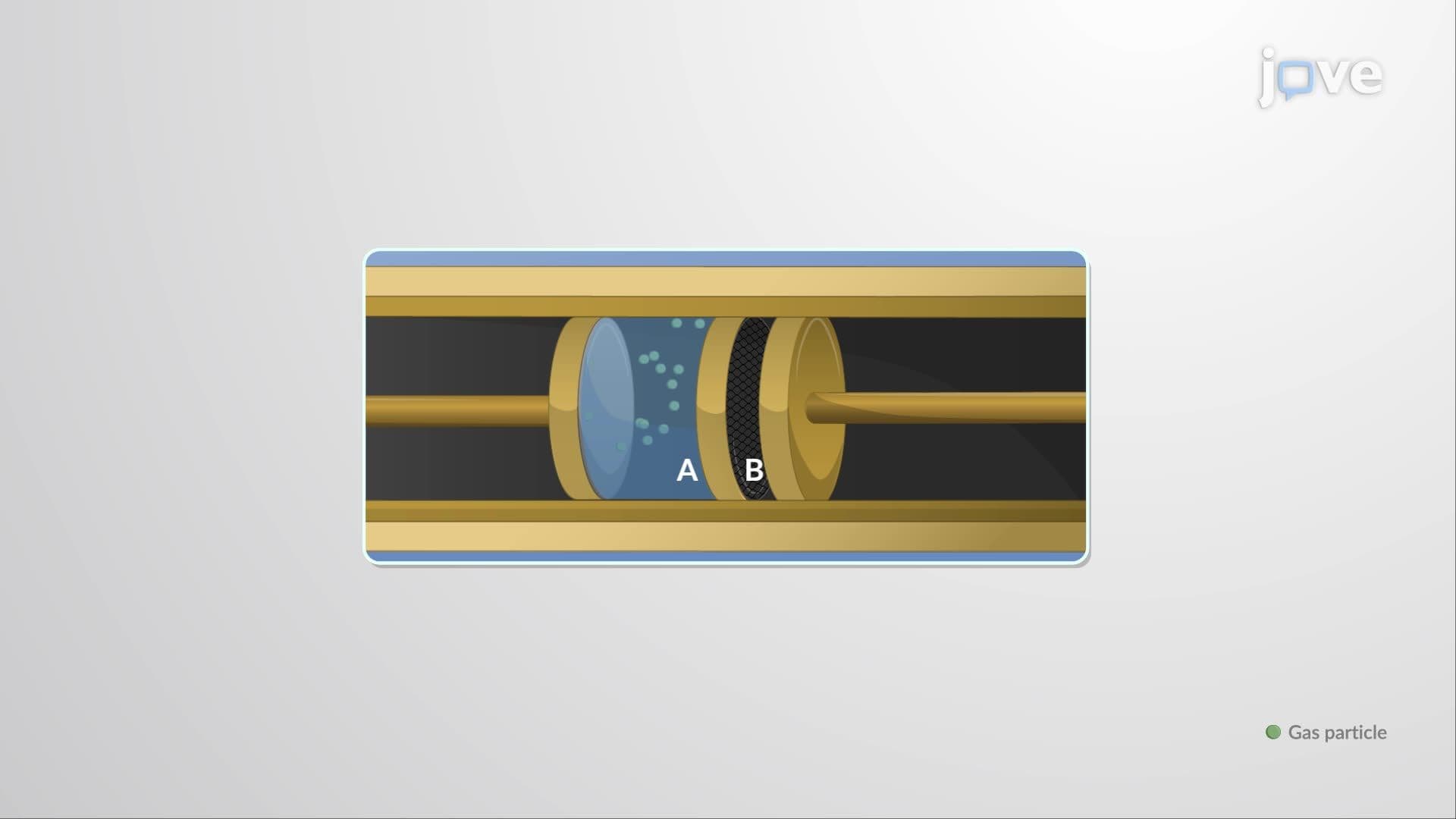
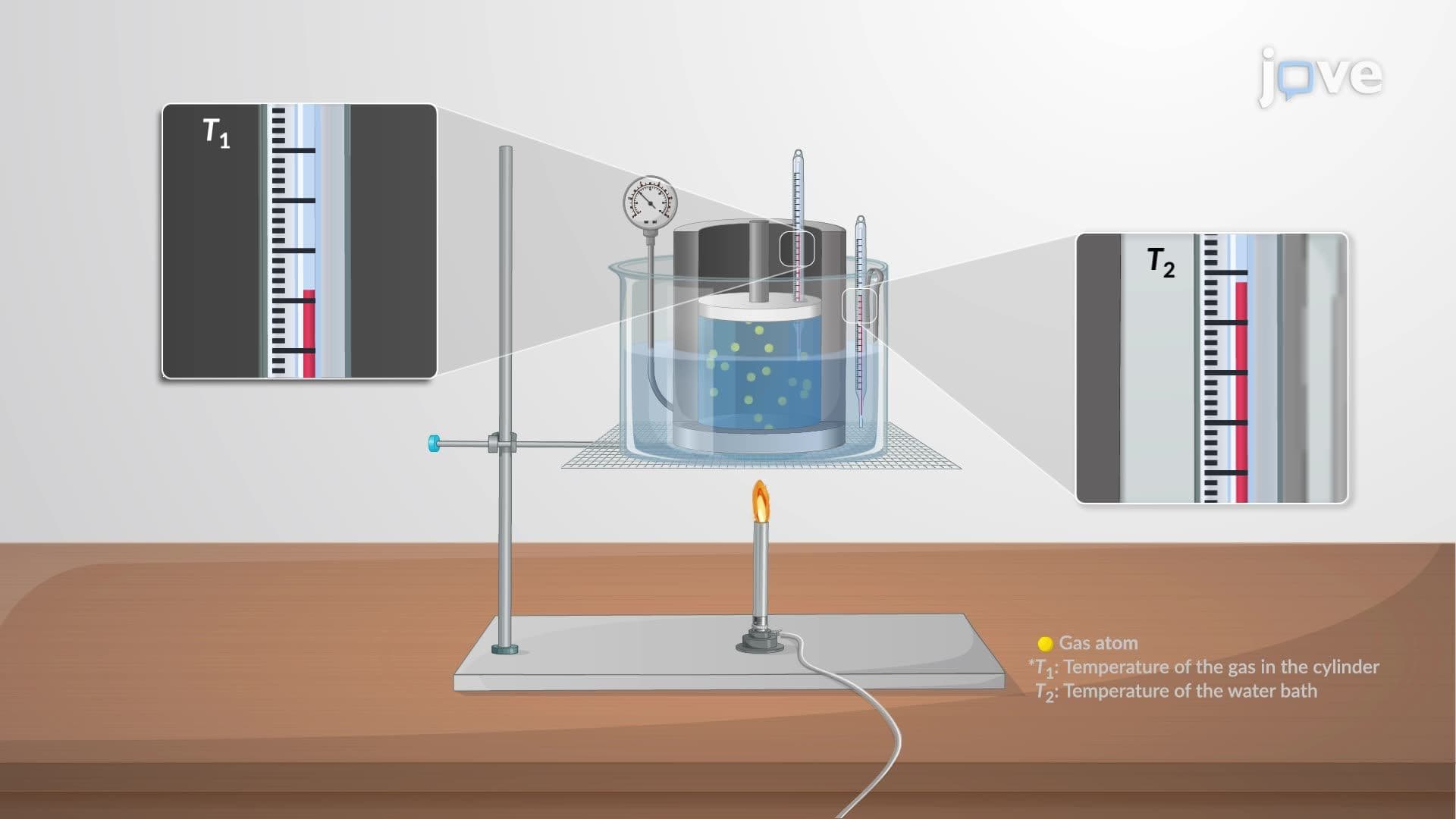
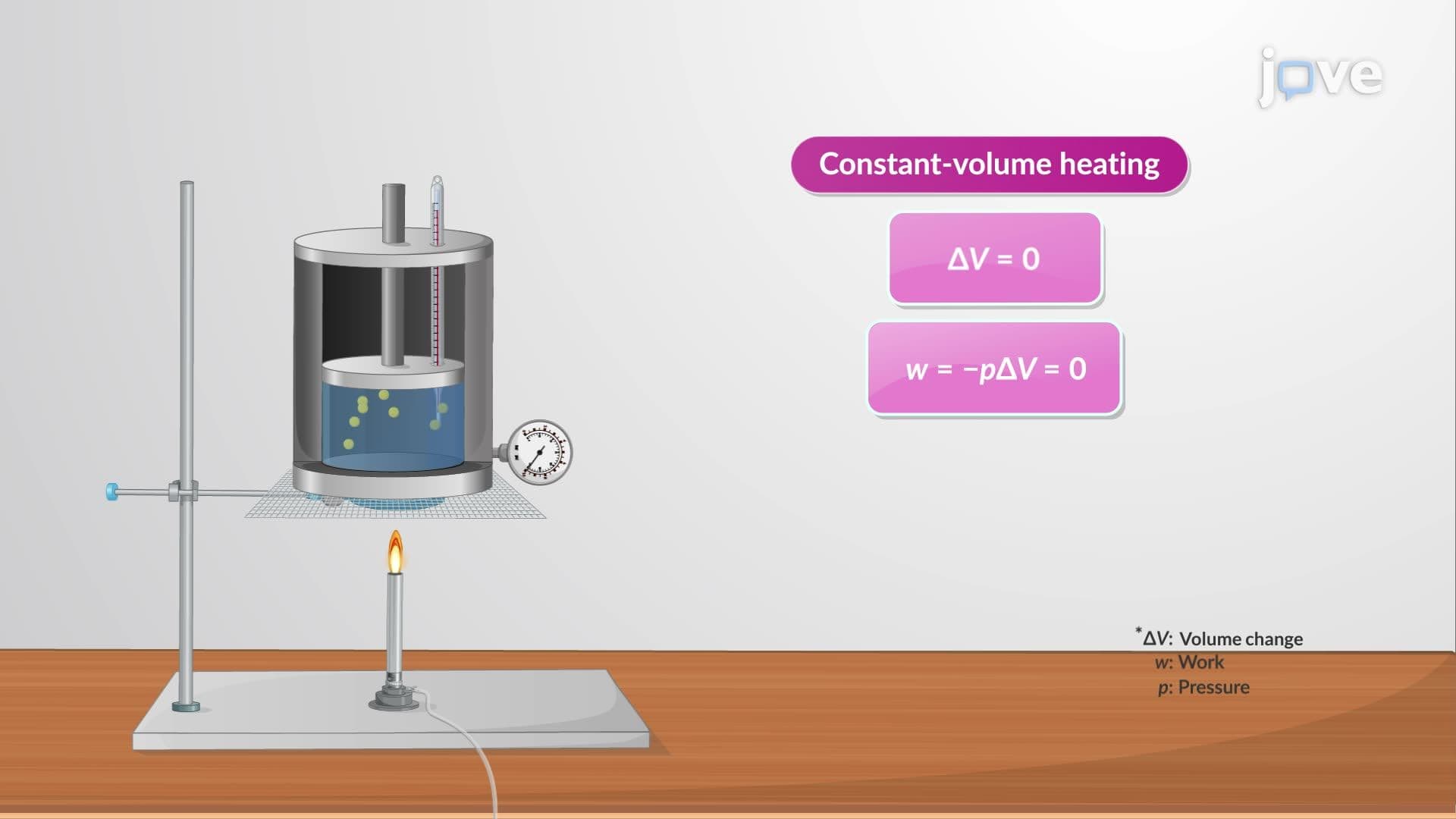
Each named process holds one variable fixed, which simplifies the math and reveals important physical insights:
A reversible process is a theoretical ideal in which the system remains infinitesimally close to equilibrium at every step. The work done in such a process is w(rev) = -p dV, representing the maximum work extractable from the system. When reversible heat (dq(rev)) is divided by the absolute temperature (T), it gives the change in entropy (dS): dS = dq(rev) / T. Entropy is a state function and a central concept in the second law of thermodynamics, a topic that shows up in MCAT biochemistry sections and college physical chemistry midterms. Real processes are always irreversible to some degree, but the reversible model sets the benchmark for efficiency, making it essential for understanding heat engines and refrigeration cycles.
Related Micro-courses