Loading video…

 14 Concepts
 3.1K views

Video Summary: State Function Exact and Inexact Differentials Explained
Did you know that climbing a mountain burns the same number of calories regardless of which trail you take? This mirrors a foundational idea in chemistry: state function, exact and inexact differentials determine what depends on your path and what doesn't. In the US, concepts like internal energy and enthalpy are tested on AP Chemistry and college finals. Watch the full video on JoVE Coach to master this concept with expert-led visuals and step-by-step explanations.
One of the most important conceptual divides in thermodynamics separates quantities that depend on *how* a system got somewhere from those that depend only on *where* it is. Understanding state function, exact and inexact differentials is not just a theoretical exercise, it underpins nearly every calculation in thermochemistry, physical chemistry, and engineering thermodynamics.
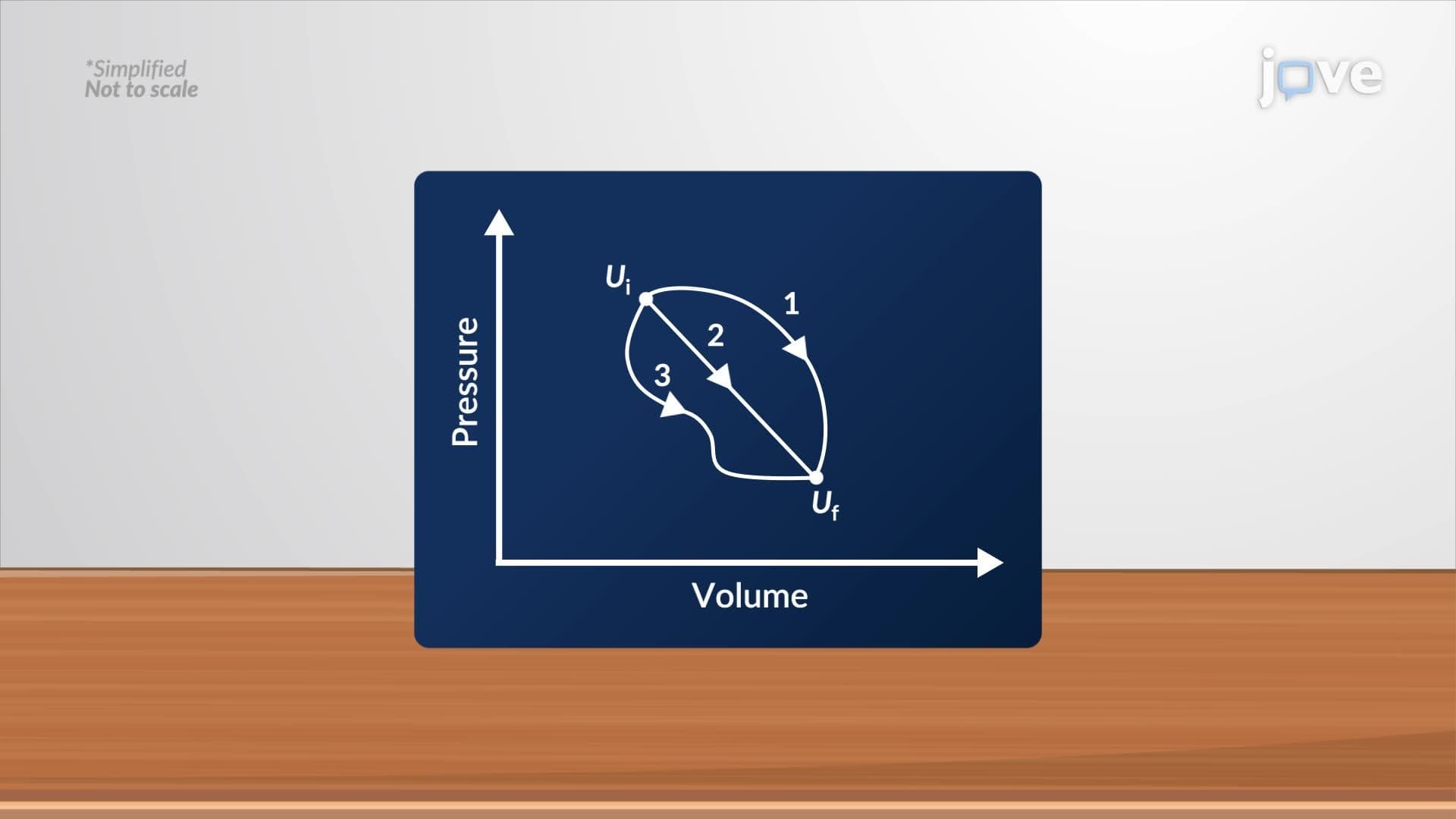
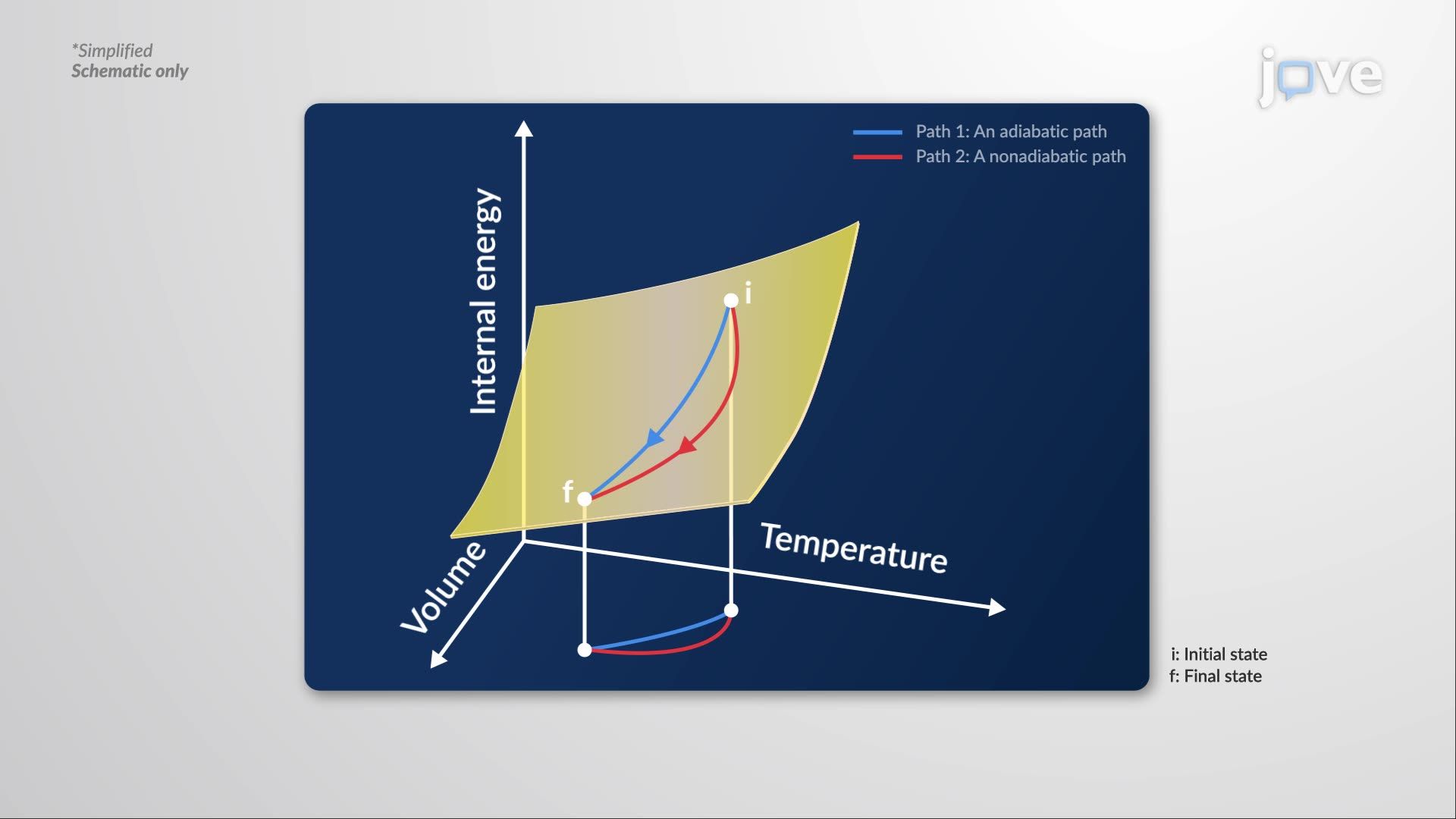
A state function is any thermodynamic property whose value depends solely on the current state of the system, not on the path taken to reach that state. Internal energy (U), enthalpy (H), temperature (T), pressure (P), and entropy (S) are all classic examples. Think of altitude: whether you hike the Appalachian Trail or take a cable car up a mountain in Colorado, your altitude at the summit is identical. That's exactly how internal energy behaves, the change in U between two states is always the same, regardless of the process.
This is why the first law of thermodynamics can be written as: delta-U = q + w. Even though q (heat) and w (work) vary with the path, their *sum*, the change in internal energy, does not.
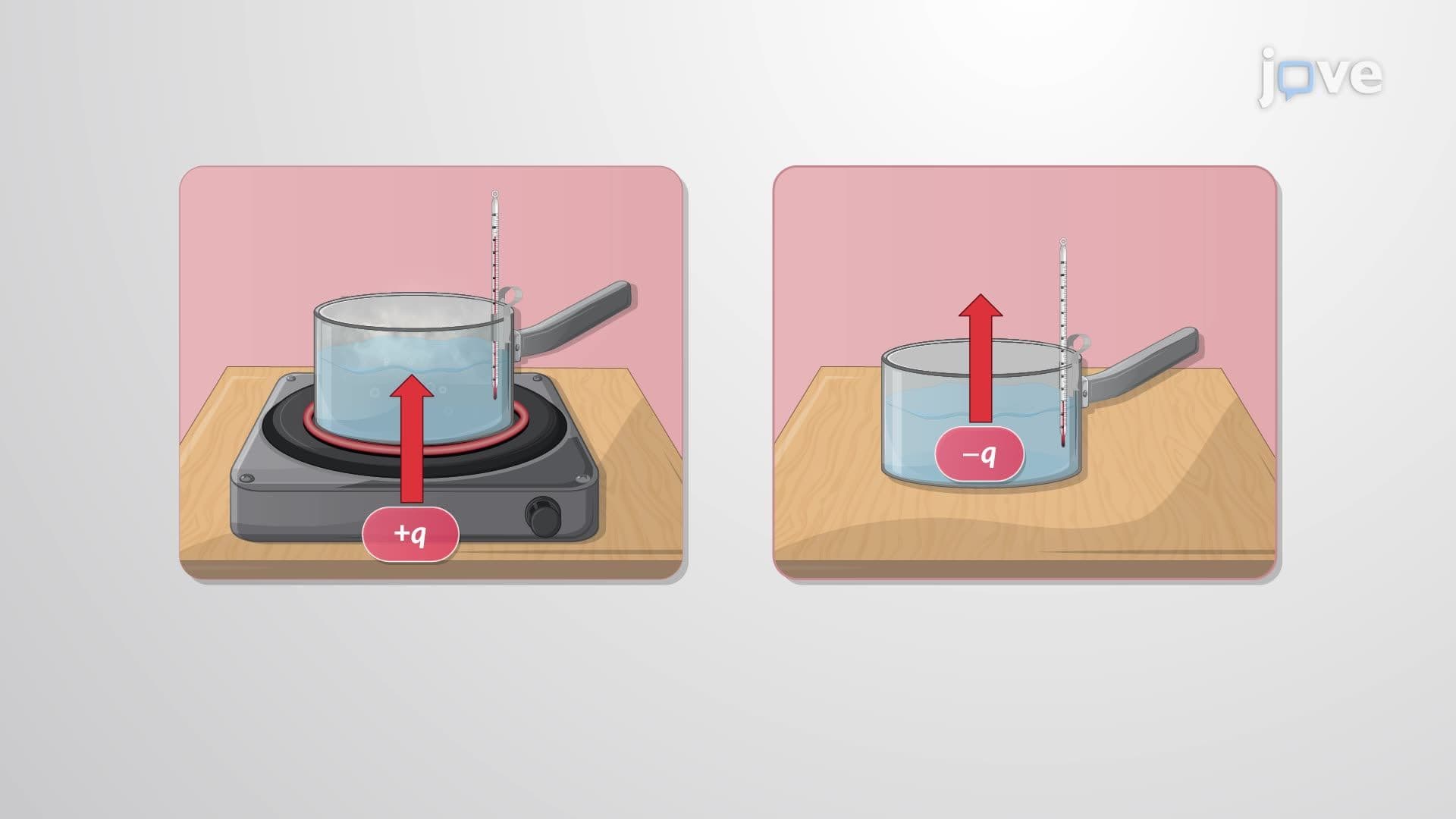
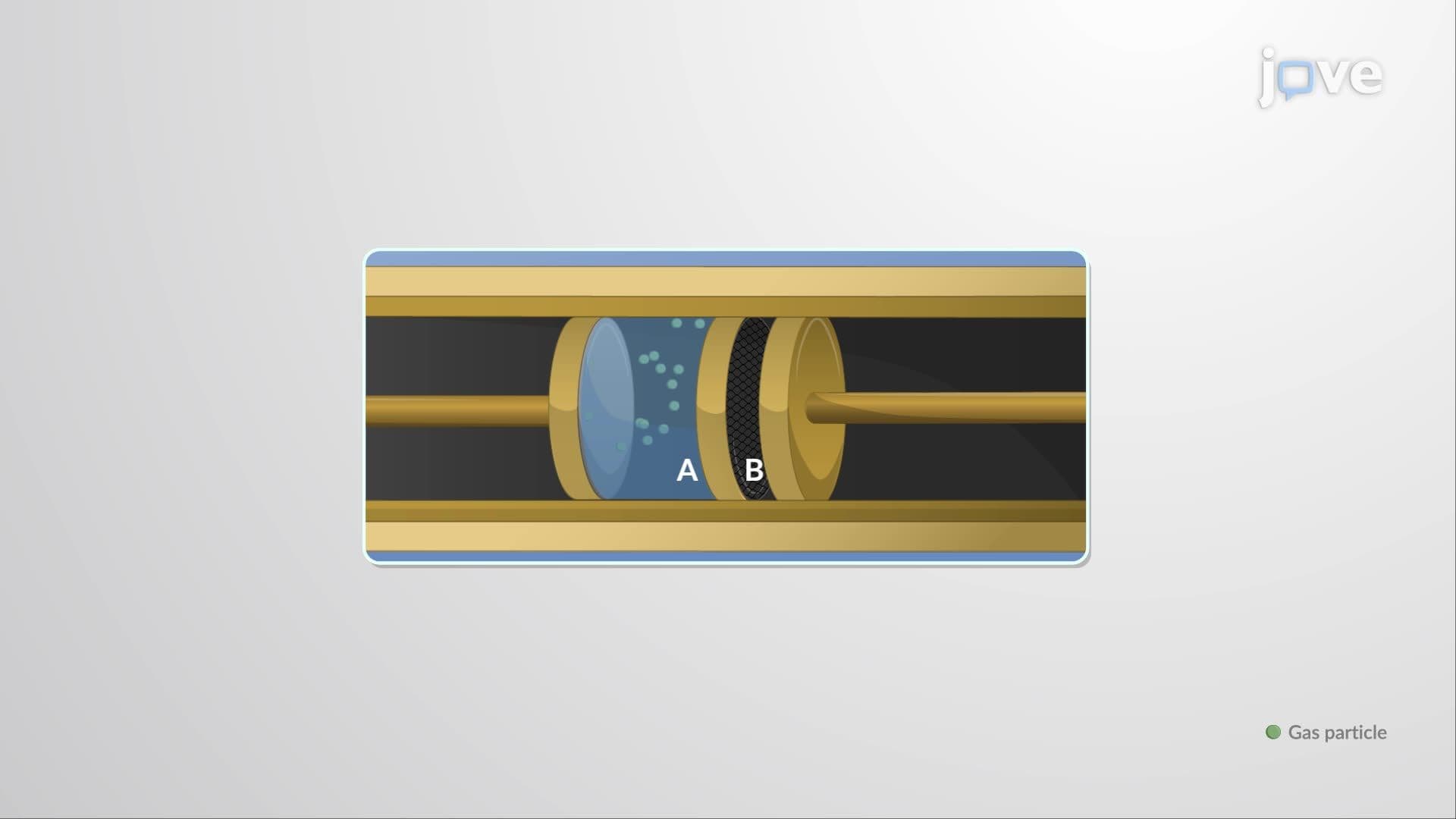
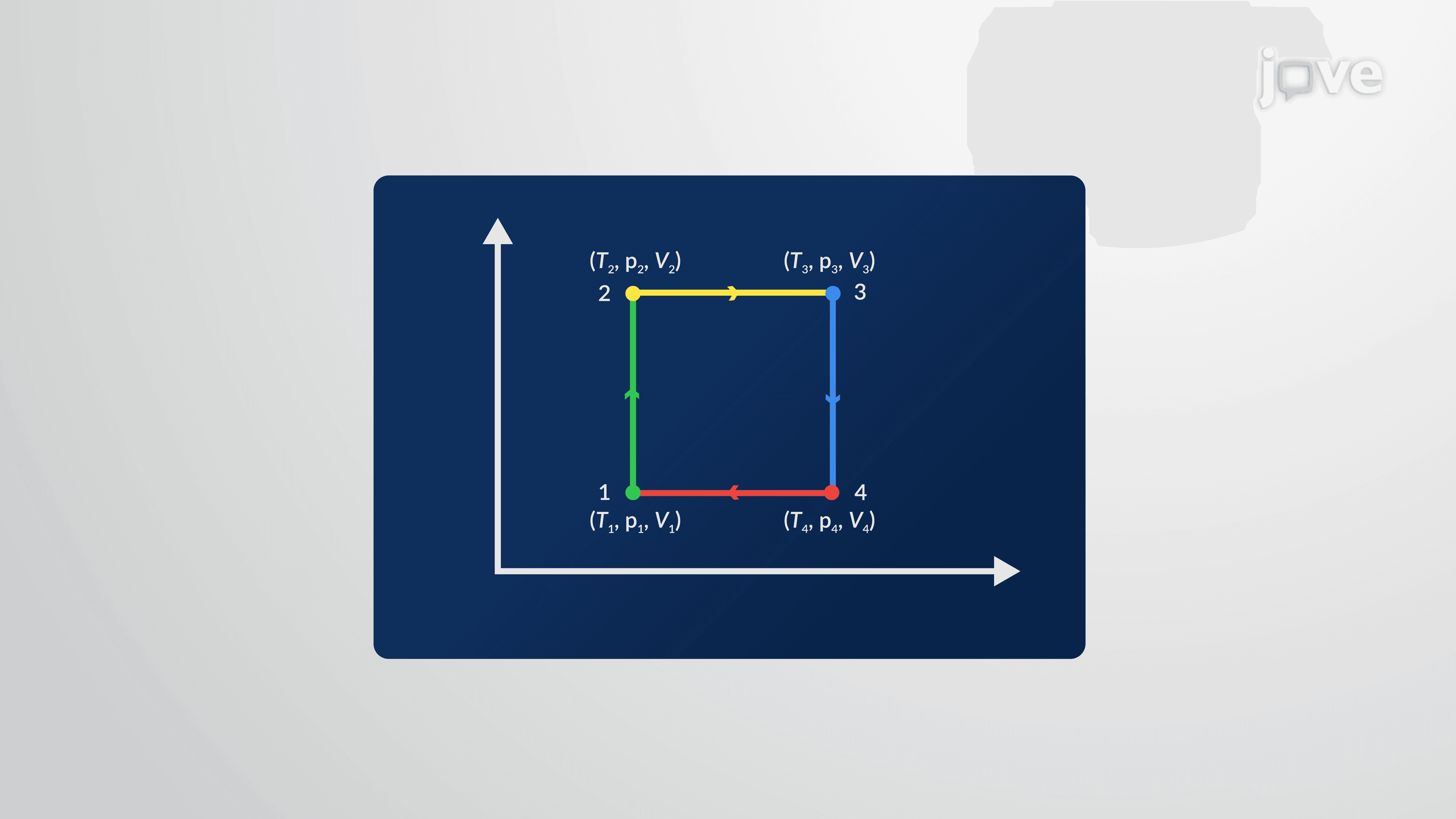
Unlike state functions, path functions depend entirely on the route the system takes between two states. Heat (q) and work (w) are the primary examples. Consider a gas expanding inside a piston, the same initial and final volumes can be reached through a slow, reversible isothermal process or a sudden adiabatic expansion. The internal energy change (delta-U) is the same in both cases, but the heat absorbed and work done differ dramatically between paths.
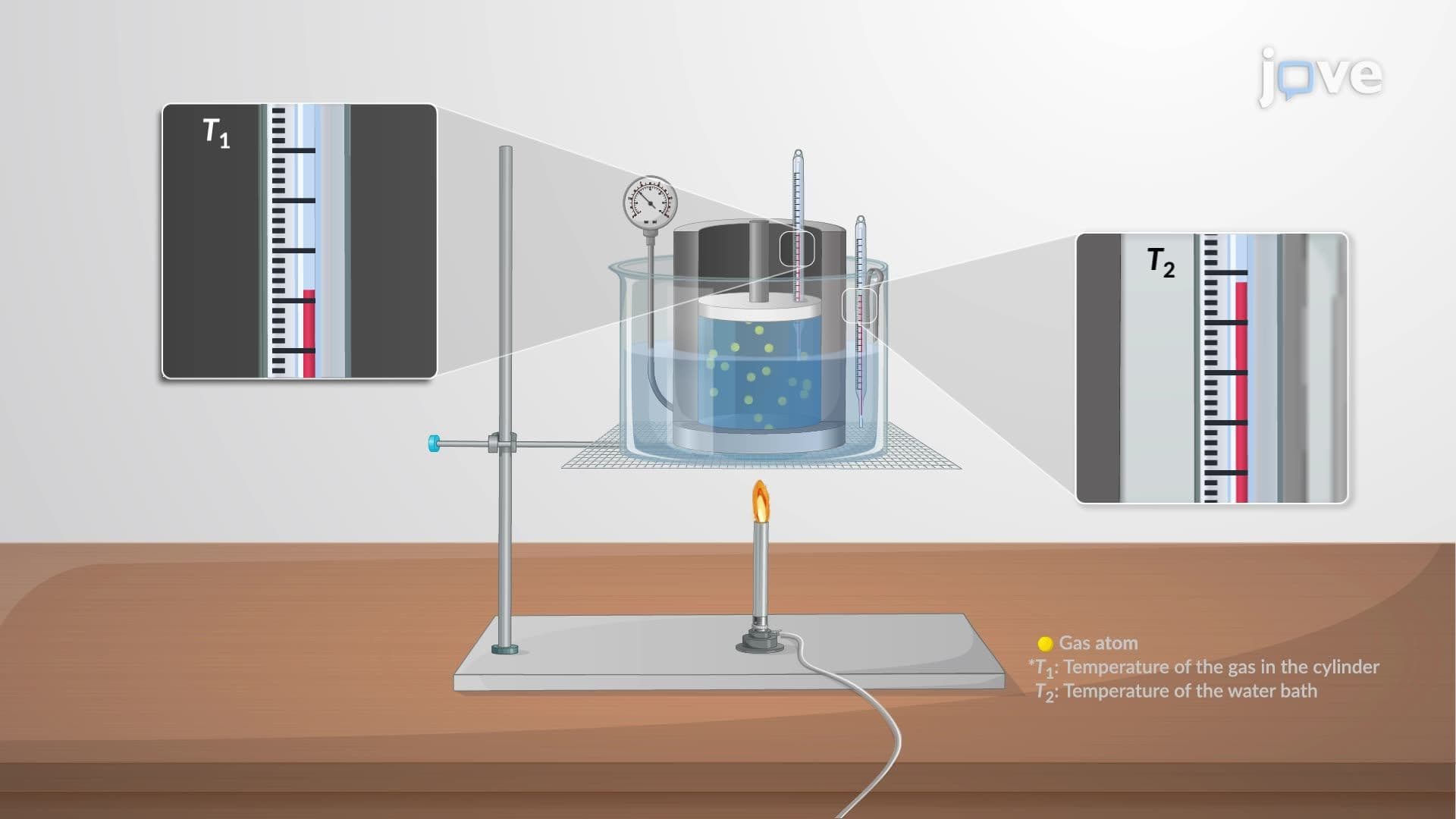
In the US, this distinction is heavily tested in AP Chemistry, college-level physical chemistry, and on the MCAT. Medical school applicants, for example, must understand why a bomb calorimeter (constant volume) measures heat differently from a coffee-cup calorimeter (constant pressure), directly because work done by a gas is path-dependent.
The mathematical formalism makes this distinction precise. An exact differential represents an infinitesimal change in a state function. For internal energy, this is written as dU. When you integrate dU between two states, you get delta-U, a definite, path-independent change.
An inexact differential, by contrast, represents an infinitesimal quantity of a path function. The symbols đq and đw (sometimes written with a crossed "d" or as lowercase delta) signal that integrating these gives the *total* heat or work exchanged along a specific path, not a change in some stored quantity. There is no such thing as "the heat content of a system" the way there is an internal energy of a system.
State functions use capital letters (U, H, S), while path functions use lowercase letters (q, w), a notation convention that helps chemists keep these ideas separate at a glance.
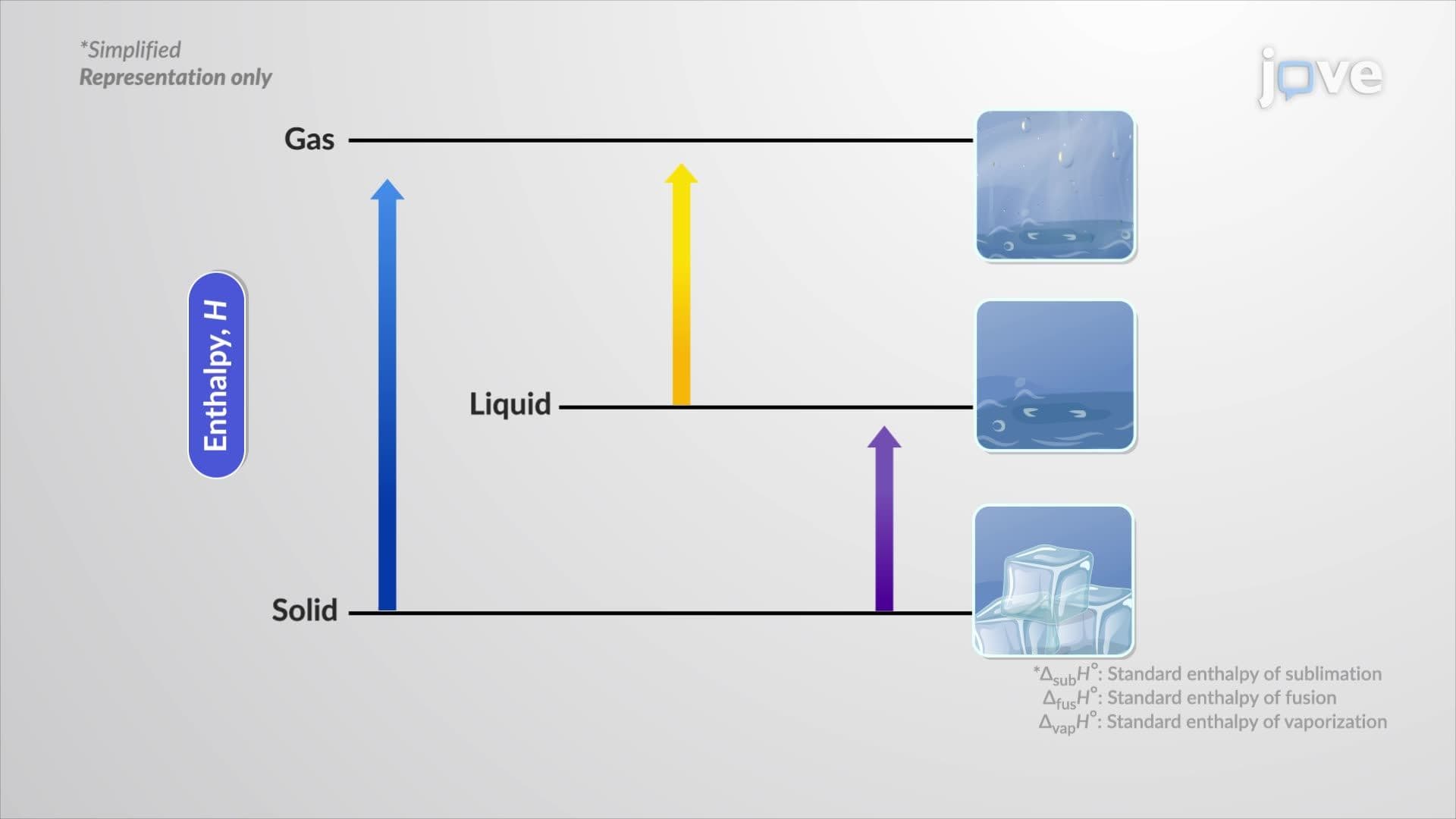
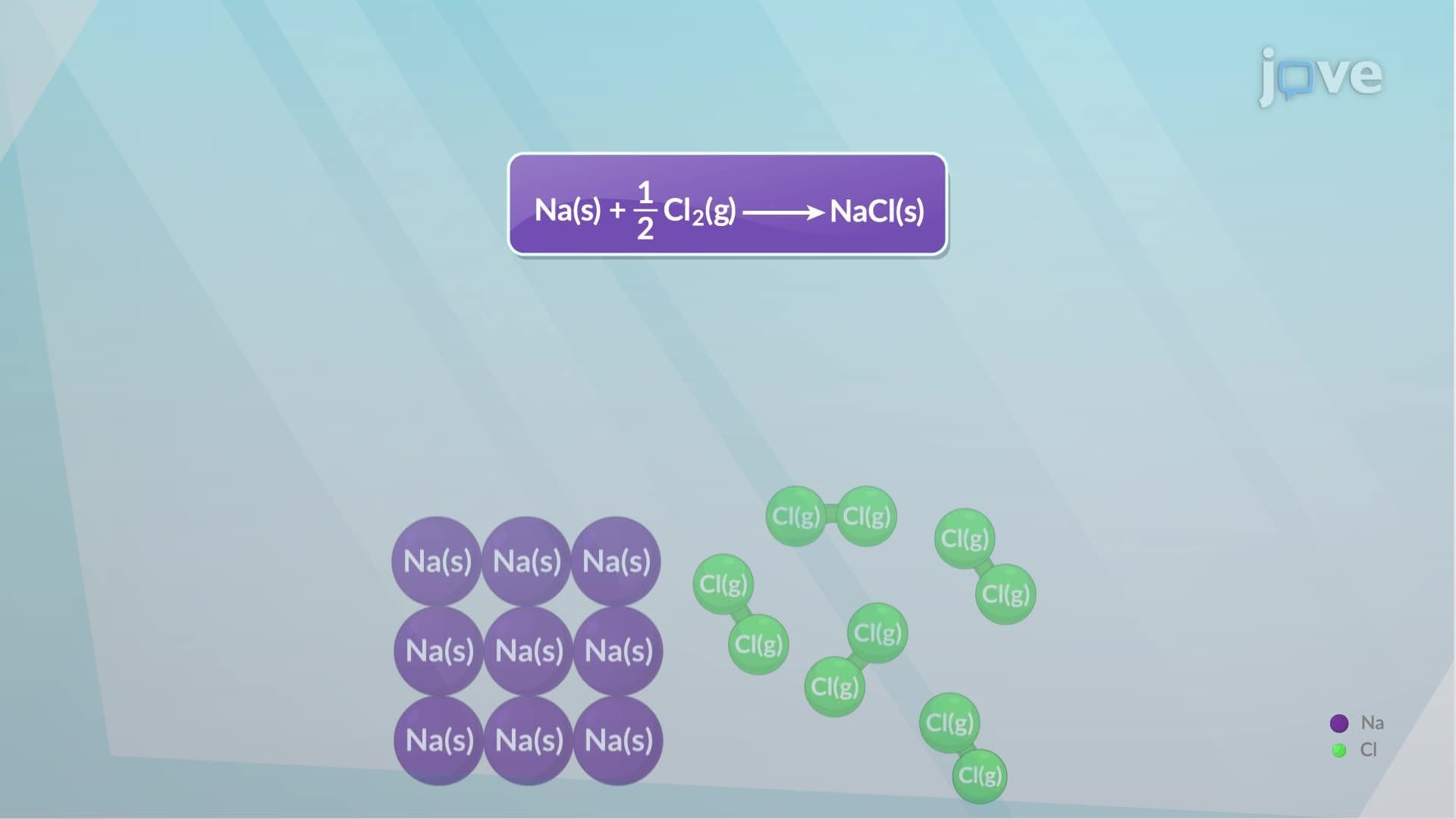
Hess's Law is one of the most powerful consequences of enthalpy being a state function. Because delta-H is path-independent, chemists at institutions like the National Institute of Standards and Technology (NIST) can tabulate standard enthalpies of formation and combine them to find the enthalpy change of reactions that are difficult or impossible to measure directly. This is essential in thermochemistry and routinely appears on AP Chemistry free-response questions and college midterms.
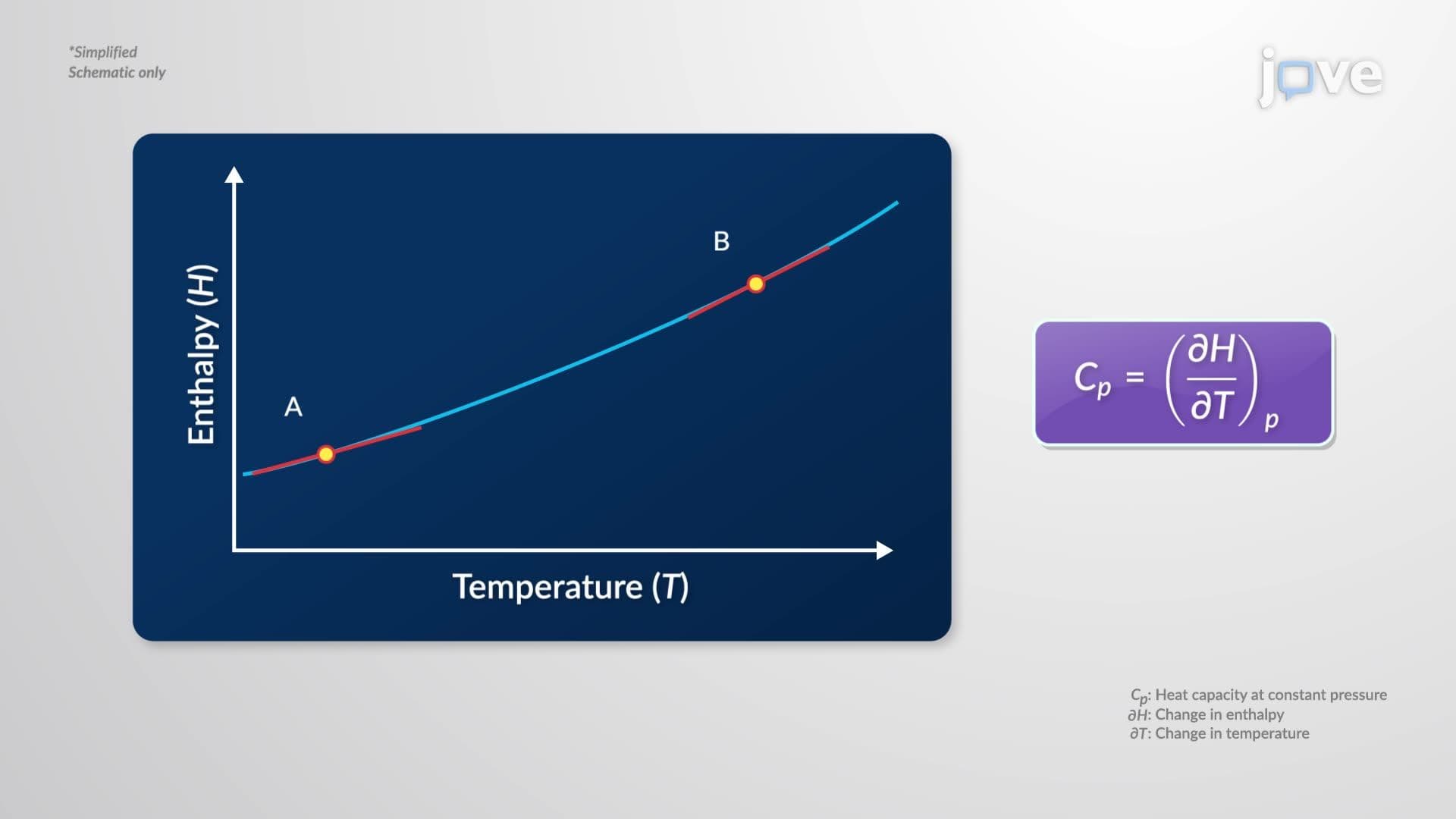
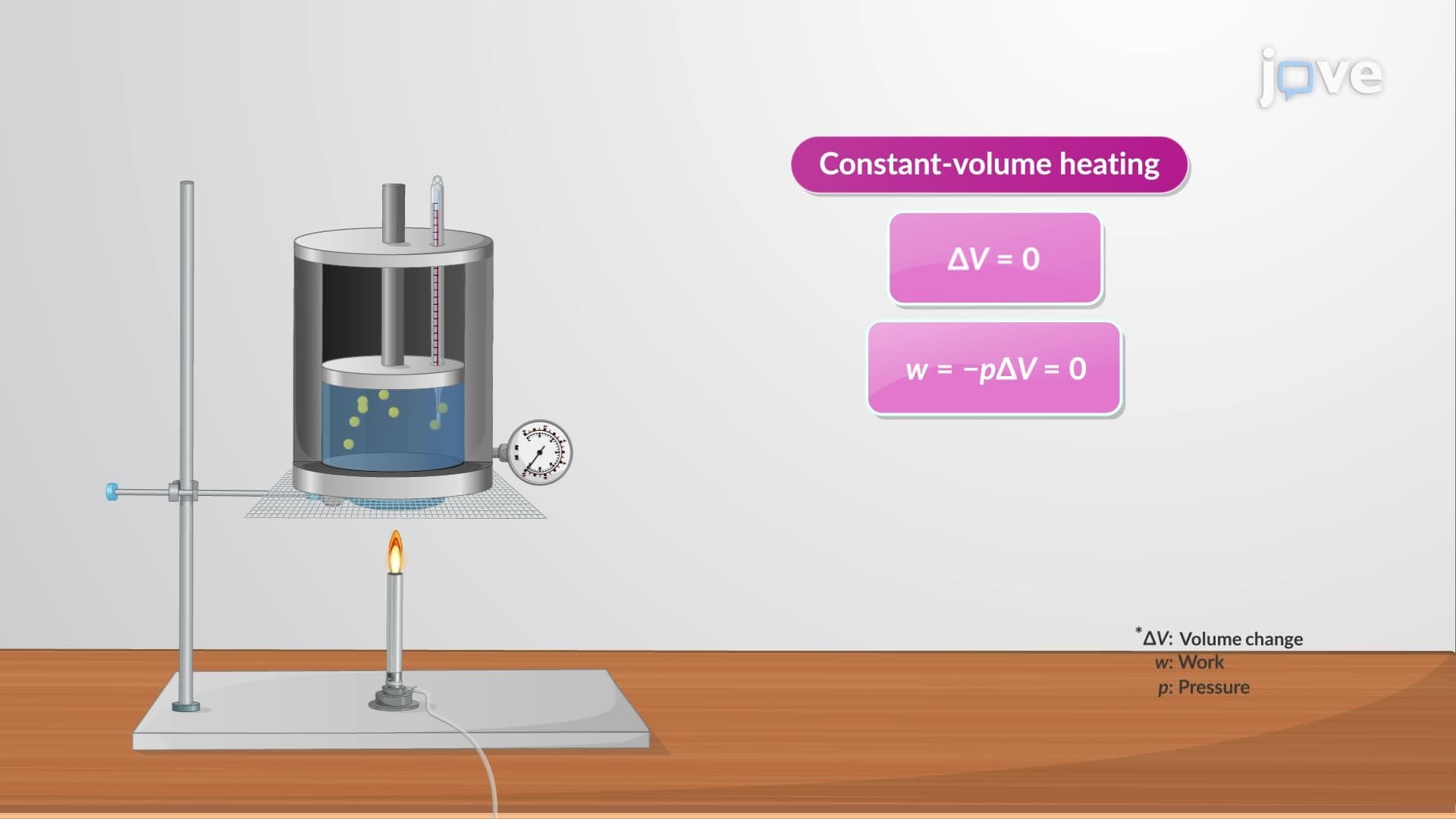
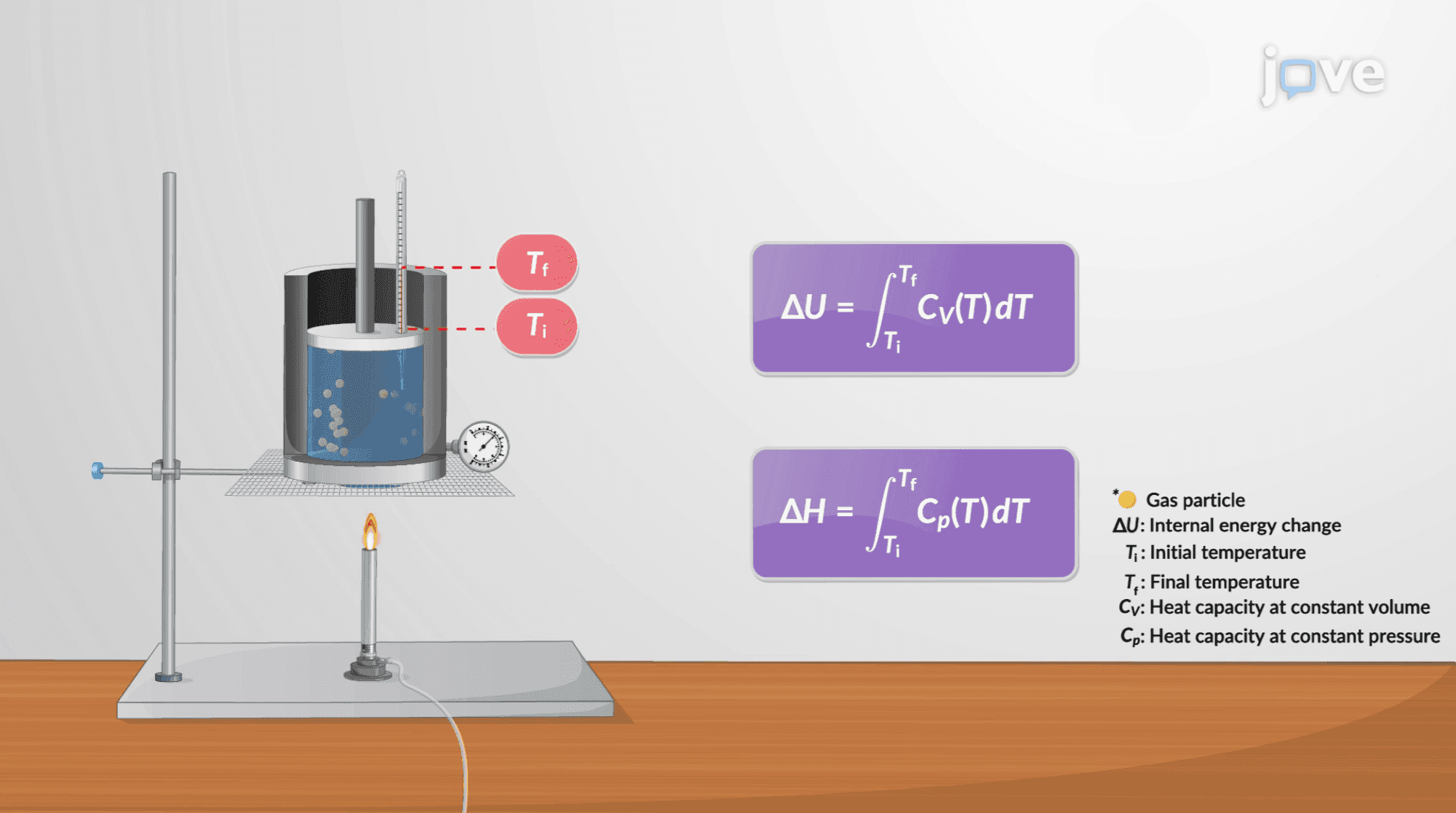
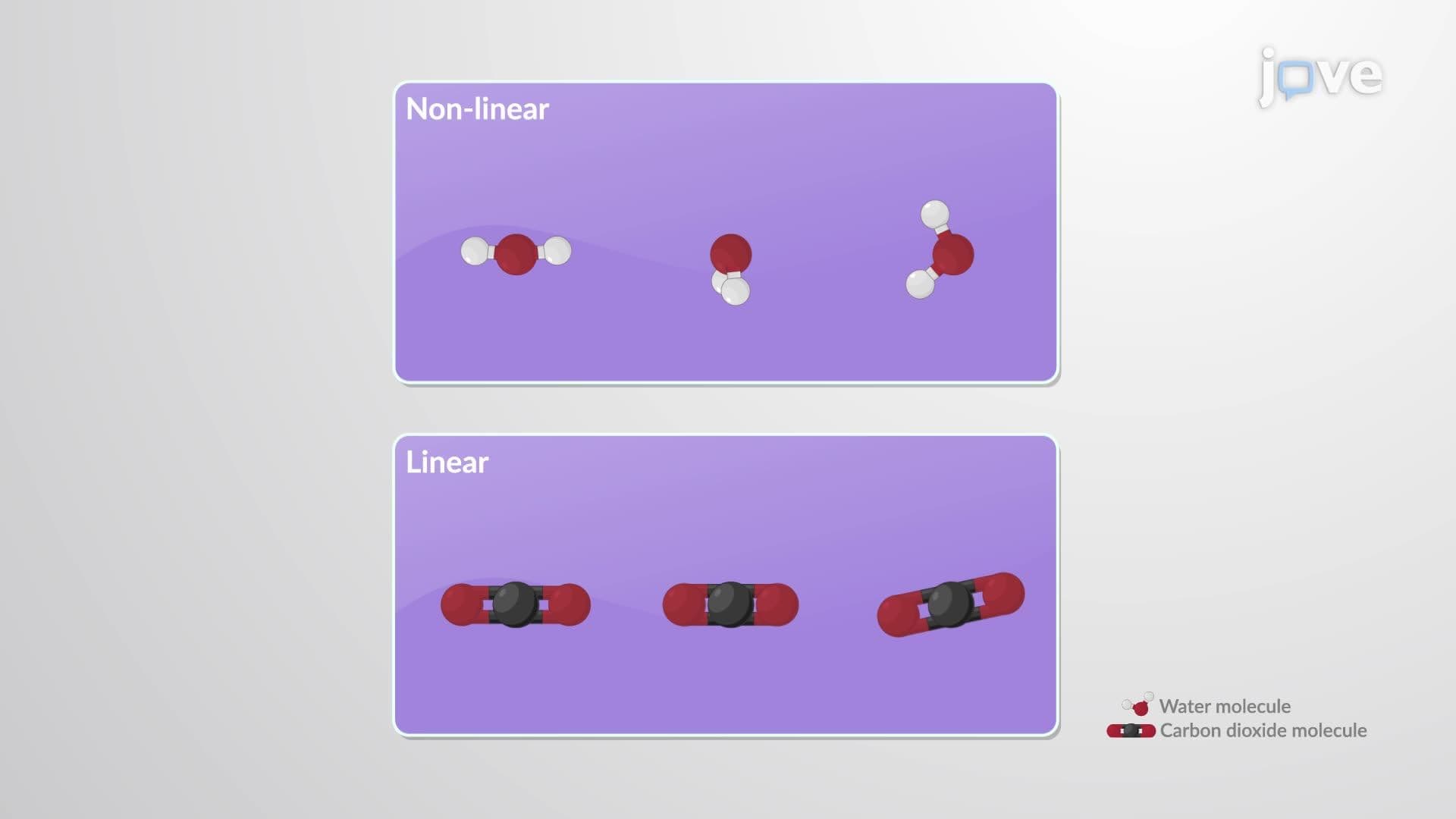
Heat capacity also connects directly to this framework. Constant-pressure heat capacity (Cp) and constant-volume heat capacity (Cv) differ precisely because work done by a gas varies depending on whether the system can expand. Mastering exact and inexact differentials gives students the conceptual foundation to understand *why* these two values are not equal, a question that appears on both the MCAT and upper-division physical chemistry exams.
Related Micro-courses