Loading video…

 6 Concepts
 1.1K views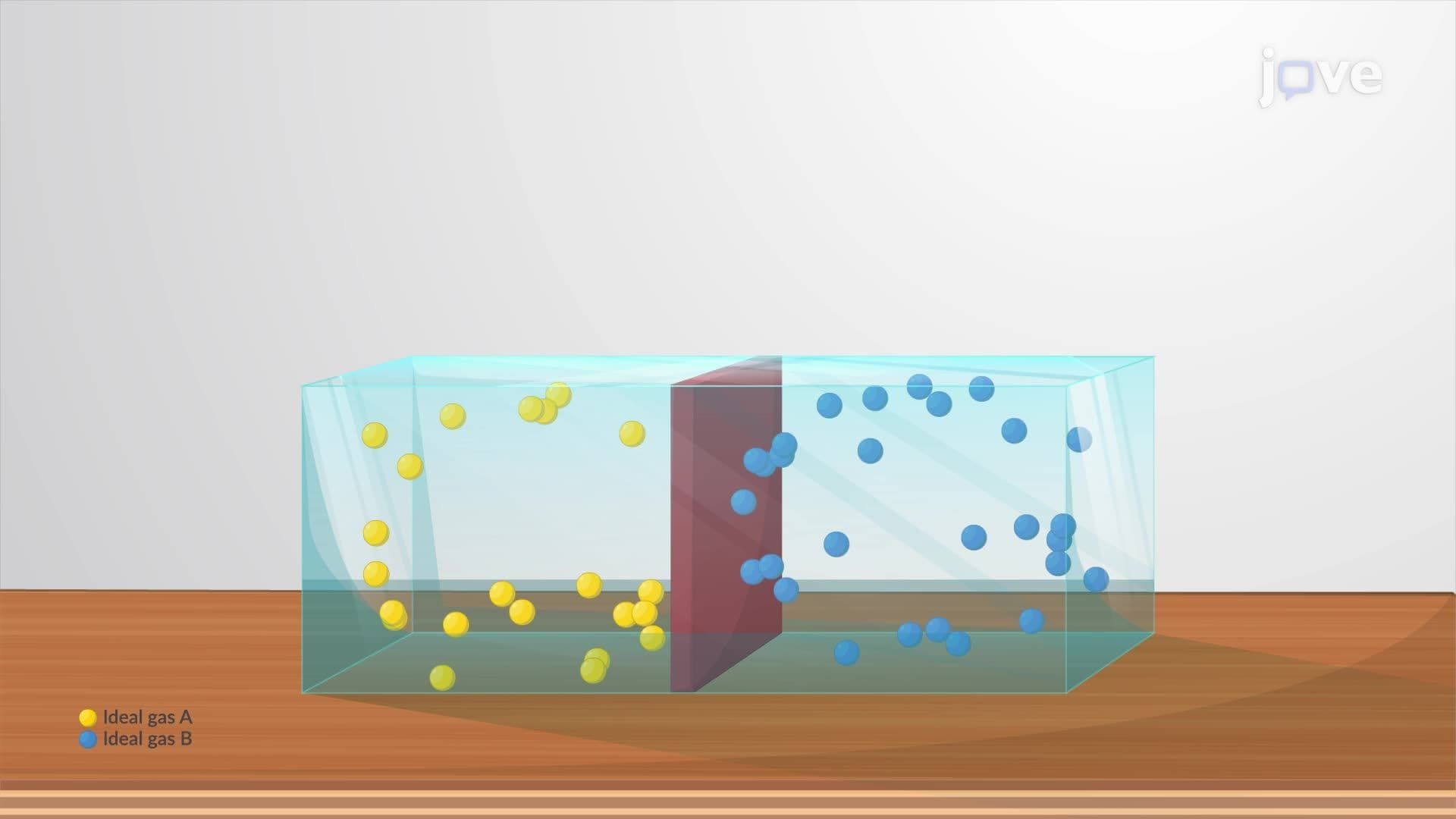

Video Summary: What Is the Thermodynamics of Mixing
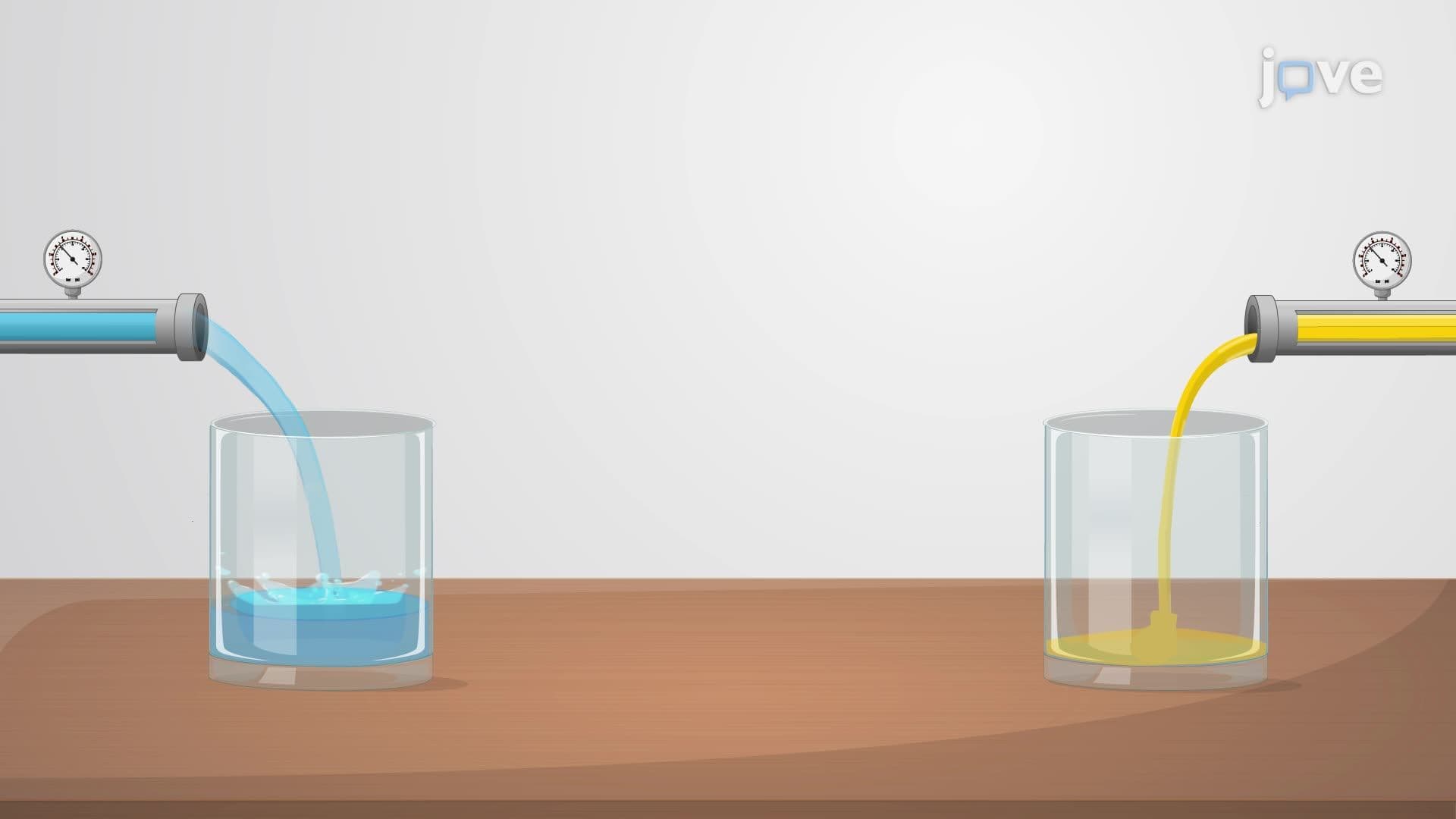
Why does a drop of food coloring instantly begin spreading through water, without any stirring? The thermodynamics of mixing explains exactly why spontaneous mixing happens at the molecular level. This concept governs everything from industrial gas separation in US chemical plants to how your lungs exchange oxygen and nitrogen. Watch the full video on JoVE Coach to master this concept with expert-led visuals and step-by-step explanations.
The thermodynamics of mixing describes the energy and entropy changes that occur when two or more substances combine. For ideal gases, and by extension, ideal solutions, these changes can be calculated precisely using Gibbs energy, entropy, and enthalpy. Understanding this framework is essential for AP Chemistry, college-level physical chemistry, and standardized exams like the MCAT, where solution behavior appears consistently.
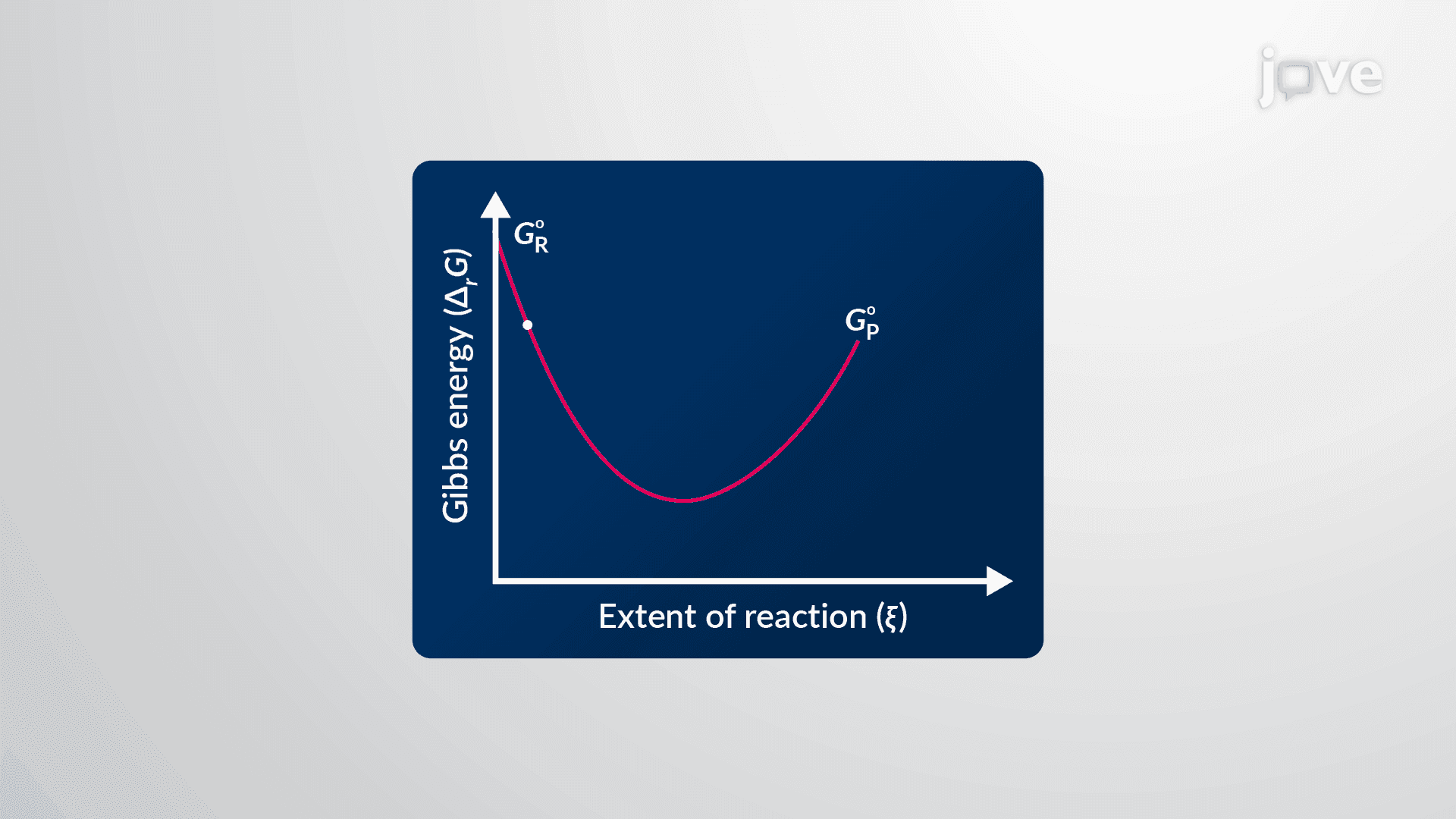
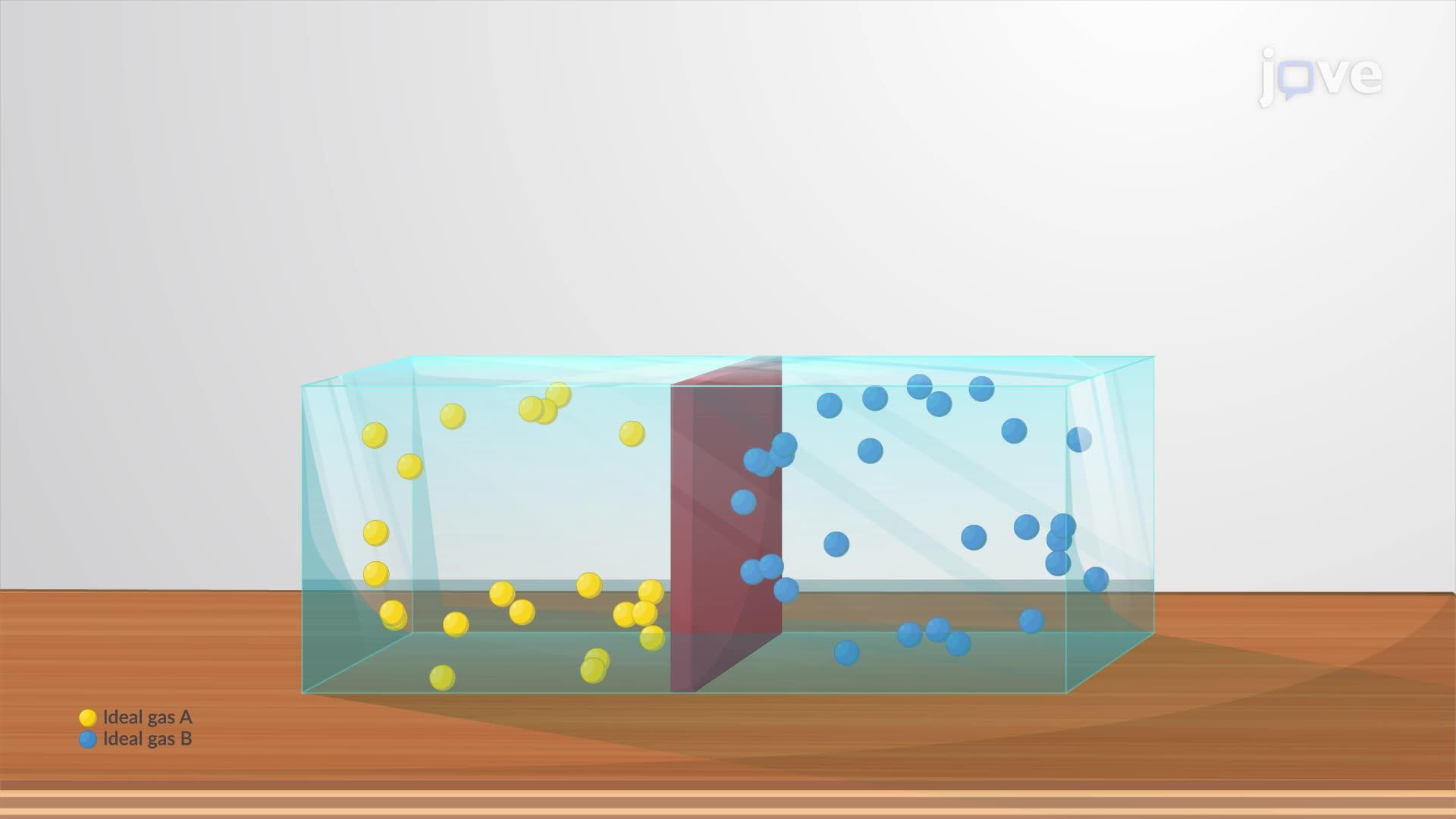
When two ideal gases at the same temperature and pressure are allowed to mix, the Gibbs energy of the final mixture (G_f) is lower than the sum of the initial Gibbs energies (G_i). The difference, called the Gibbs energy of mixing (ΔG_mix), is always negative for ideal gases. Because ΔG_mix < 0, mixing is thermodynamically spontaneous. This is expressed mathematically through chemical potentials and mole fractions: since mole fractions are always between 0 and 1, their natural logarithms are negative, which drives ΔG_mix below zero. AP Chemistry students encounter this reasoning when learning why dissolution and gas mixing occur without energy input.
Applying the thermodynamic relationship between Gibbs energy and entropy, specifically, that the partial derivative of G with respect to temperature at constant pressure equals the negative entropy, reveals that the entropy of mixing (ΔS_mix) is always positive. Greater disorder results when two gases intermingle, and nature favors that increased disorder. This is why a hospital oxygen-nitrogen gas mixture equilibrates instantly inside a sealed tank, no external work is required.
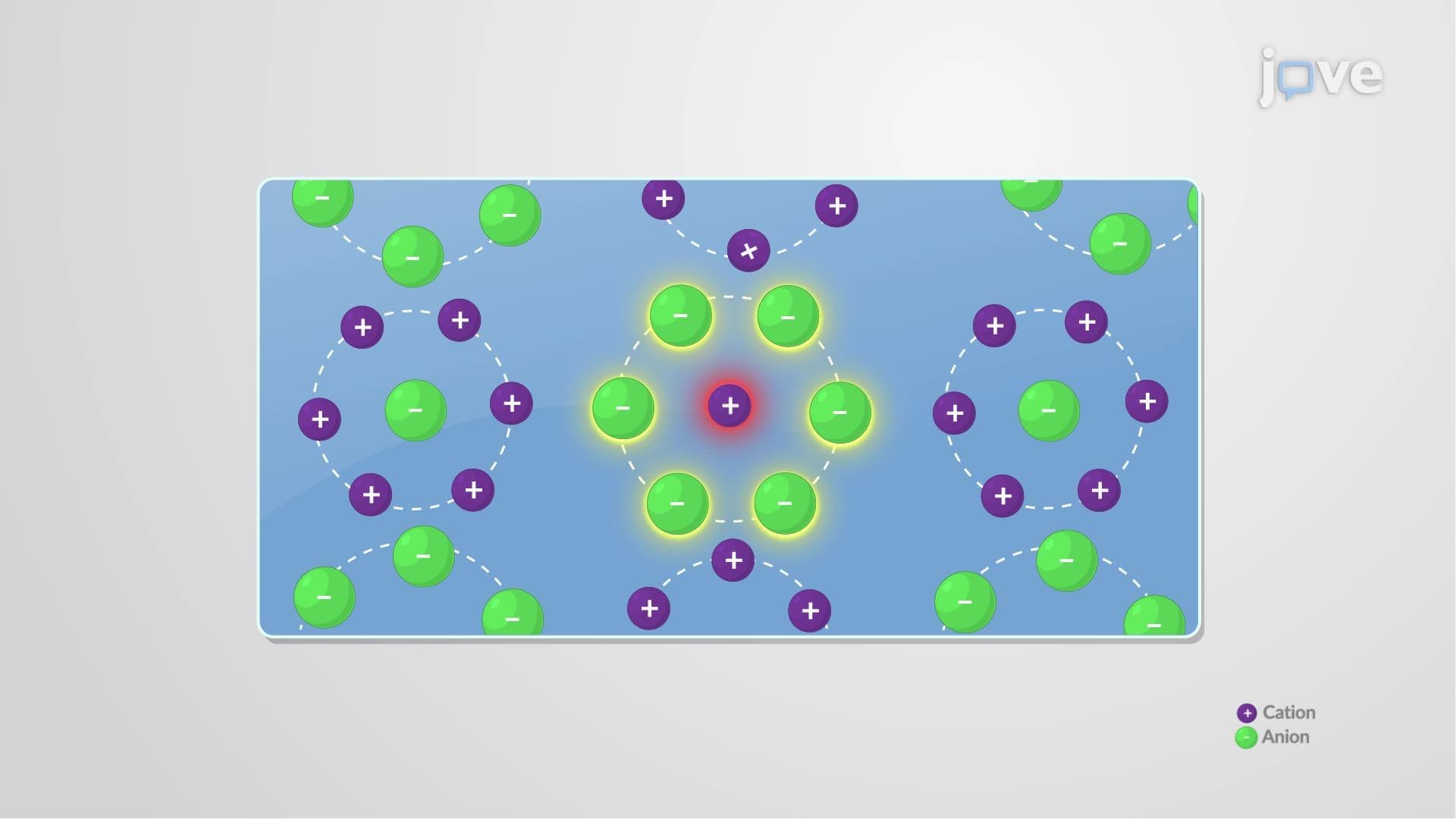
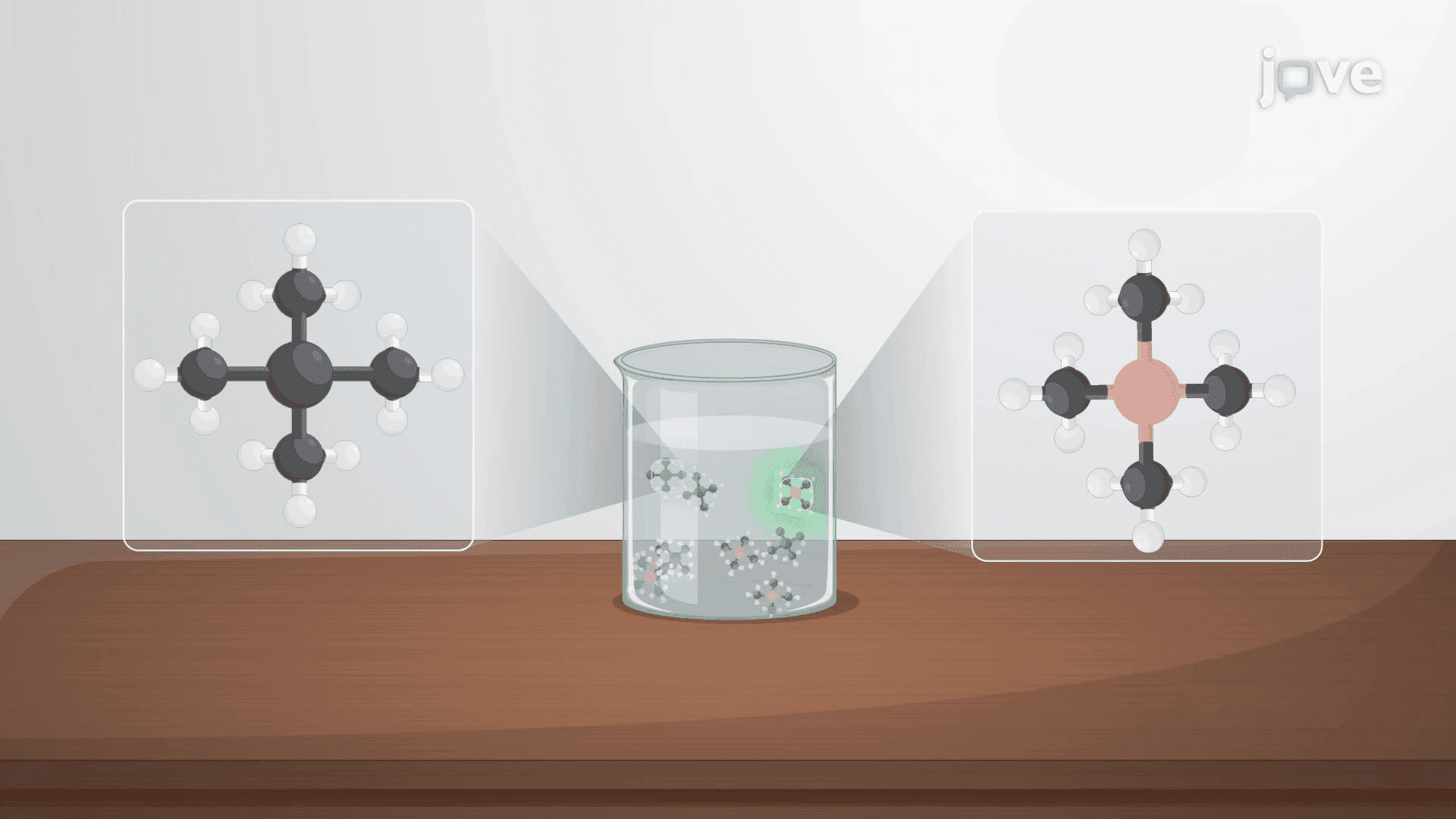
For ideal gases and ideal solutions, the enthalpy of mixing (ΔH_mix) equals zero. This occurs because the intermolecular forces between like molecules (A-A or B-B) and unlike molecules (A-B) are identical in strength. No energy is released or absorbed during mixing. This is a critical distinction: real solutions often show non-zero enthalpy of mixing, which is why dissolving concentrated sulfuric acid in water in a US laboratory setting releases significant heat, a dramatic departure from ideal behavior.
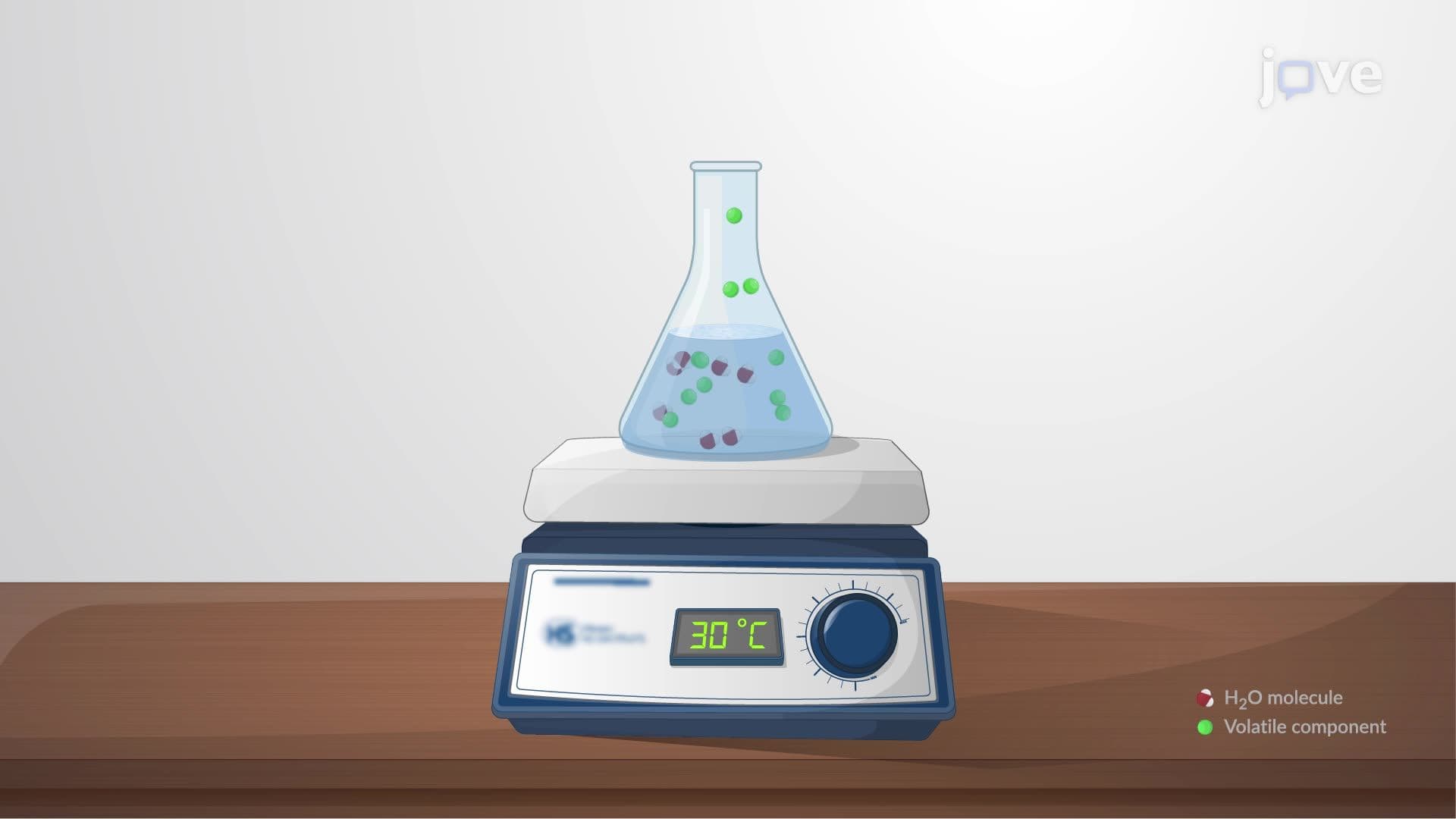
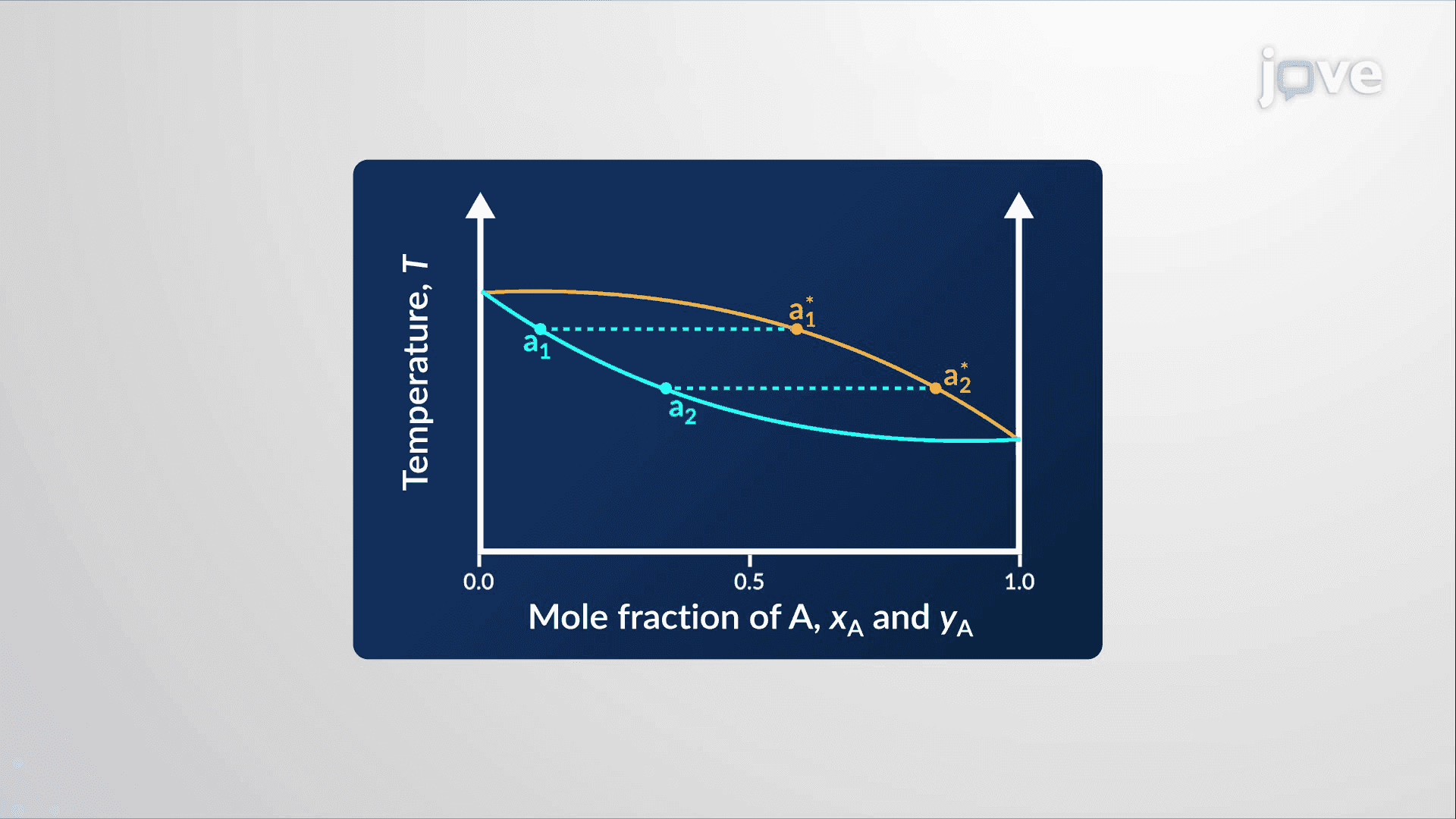
The thermodynamics of mixing directly underpins colligative properties, solution properties that depend on the number of dissolved particles, not their identity. These include:
For electrolytes, the van't Hoff factor (i) corrects these calculations by accounting for the number of ions produced per formula unit. Molar mass determination using colligative properties is also a classic exam technique tested in college general chemistry lab courses across the US.
Related Micro-courses