Loading video…

 6 Concepts
 1.1K views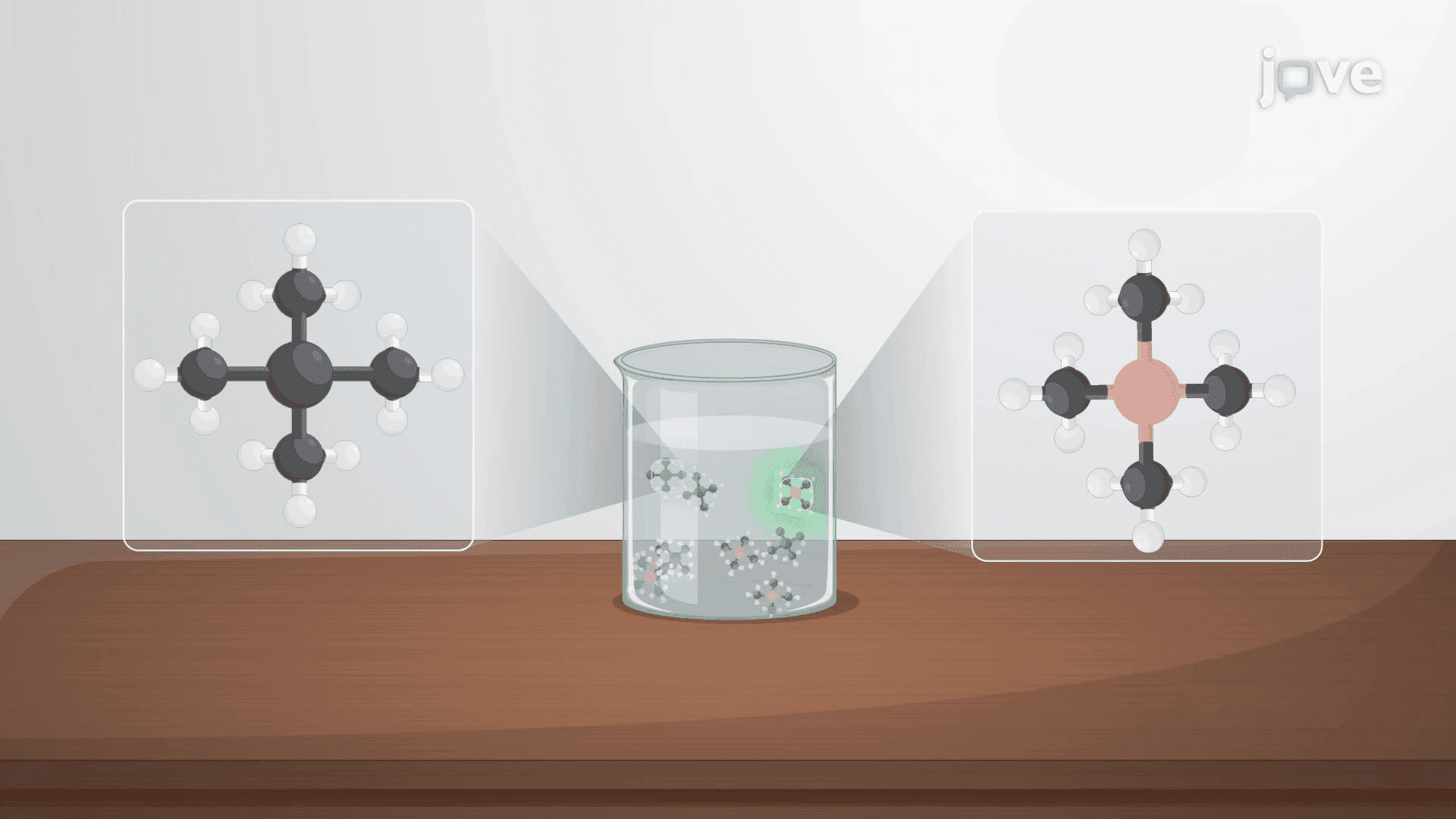

Video Summary: What are Ideal Solutions or Mixtures
Why do benzene and toluene mix so perfectly that chemists call them nearly "ideal"? Understanding ideal solutions or mixtures reveals why certain liquid pairs blend without releasing heat or changing volume. The ideal solutions or mixtures basics explain this behavior through Raoult's Law, a concept central to AP Chemistry and college-level thermodynamics across the US. Watch the full video on JoVE Coach to master this concept with expert-led visuals and step-by-step explanations.
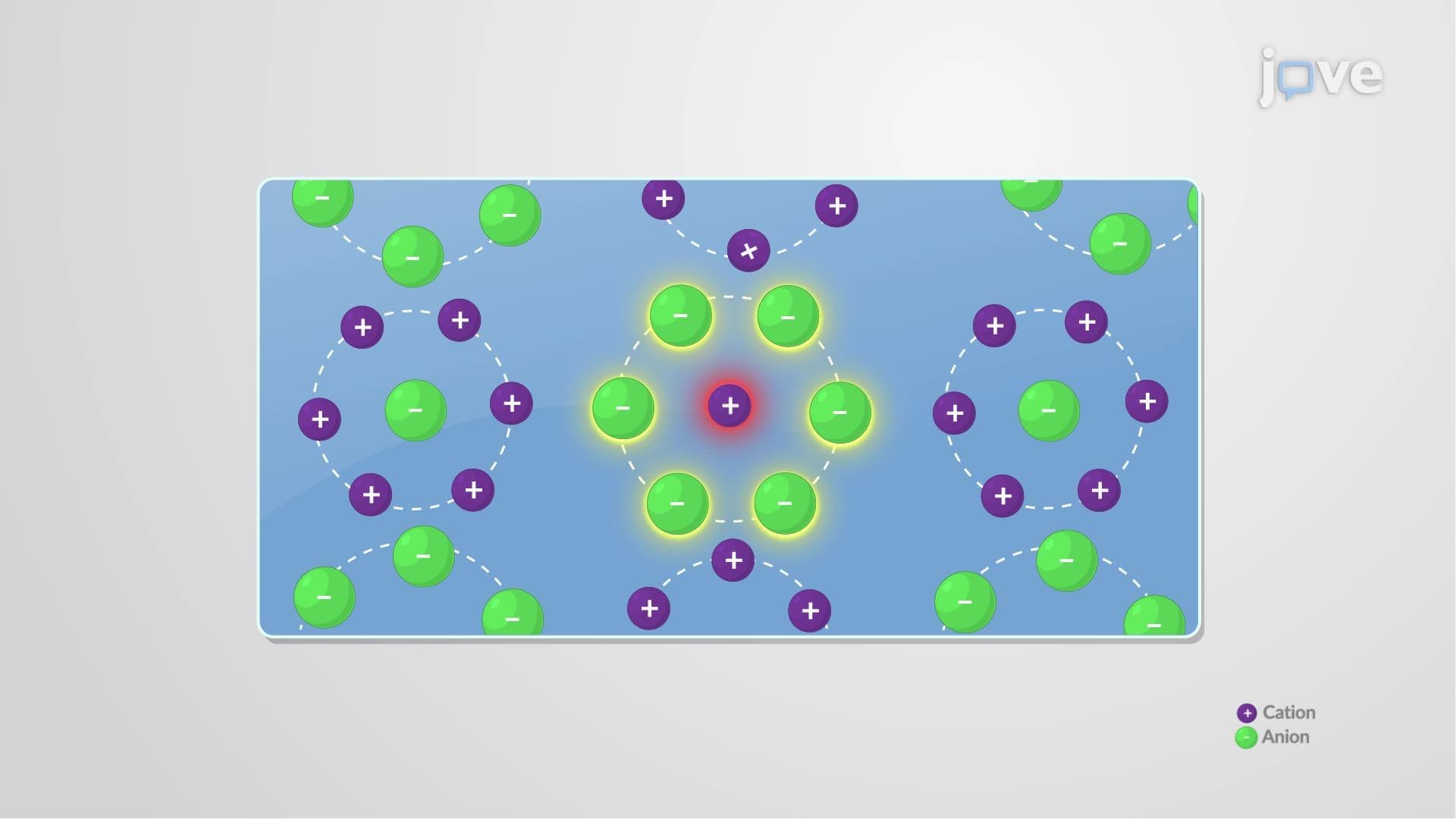
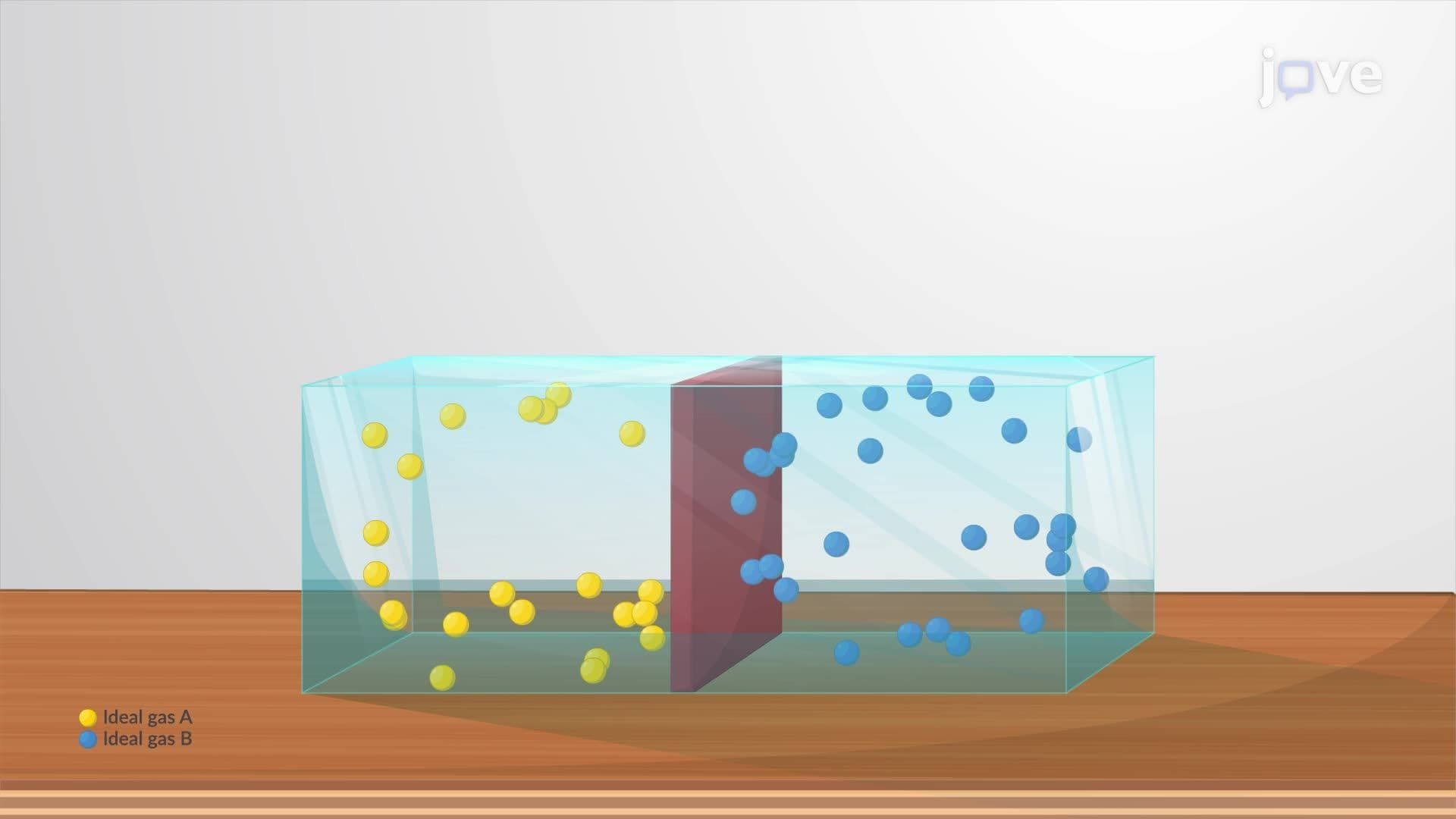
An ideal solution is a mixture in which the interactions between unlike molecules are essentially identical to the interactions between like molecules. Think of it this way: if molecule A and molecule B are so structurally similar that neither "notices" the other's presence, the mixture behaves ideally. This means no heat is released or absorbed during mixing (enthalpy of mixing = 0), and the total volume of the mixture equals the sum of the individual volumes (volume change = 0). The only thermodynamic driving force for mixing is entropy, the natural tendency of systems to move toward greater disorder.
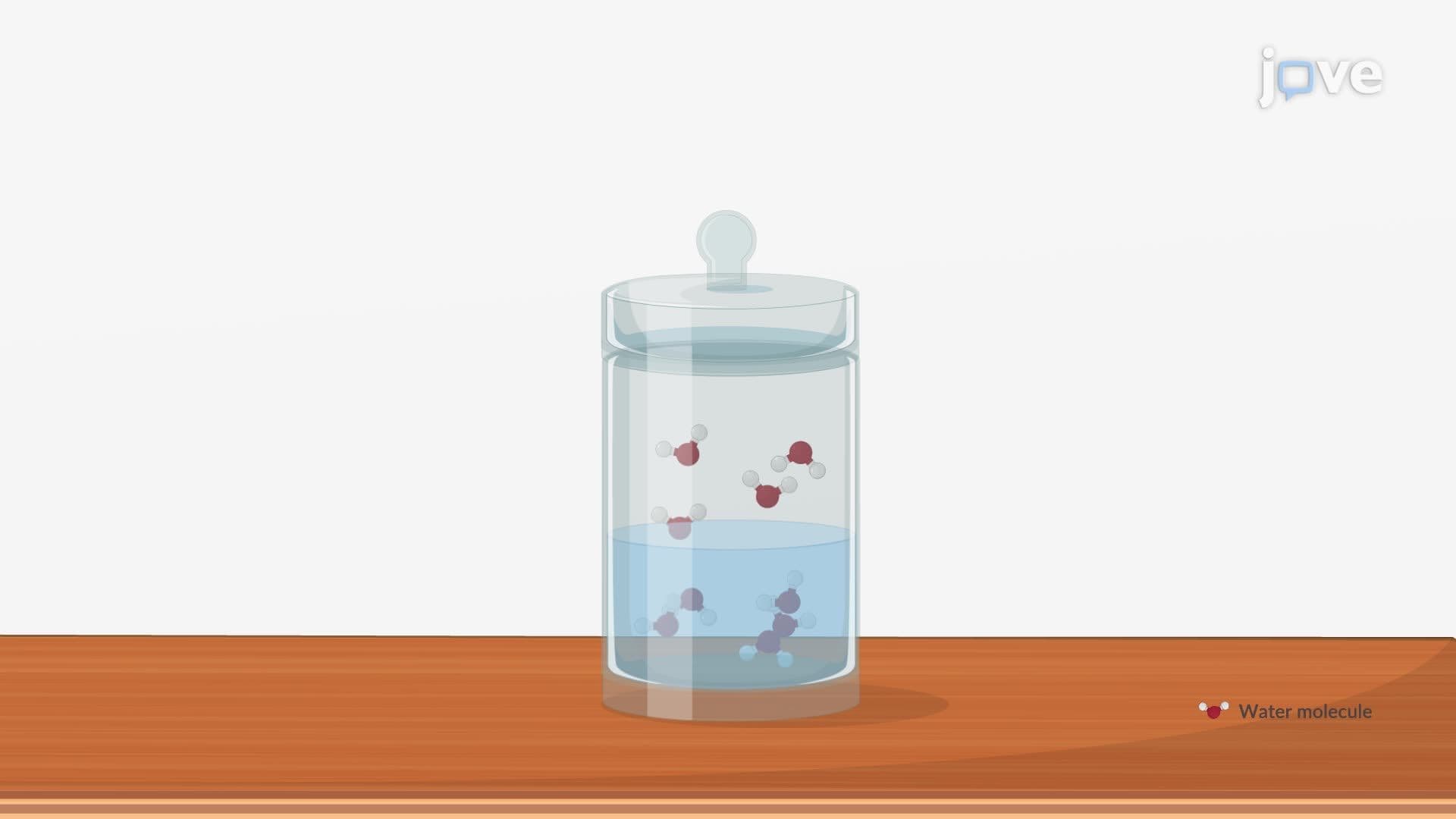
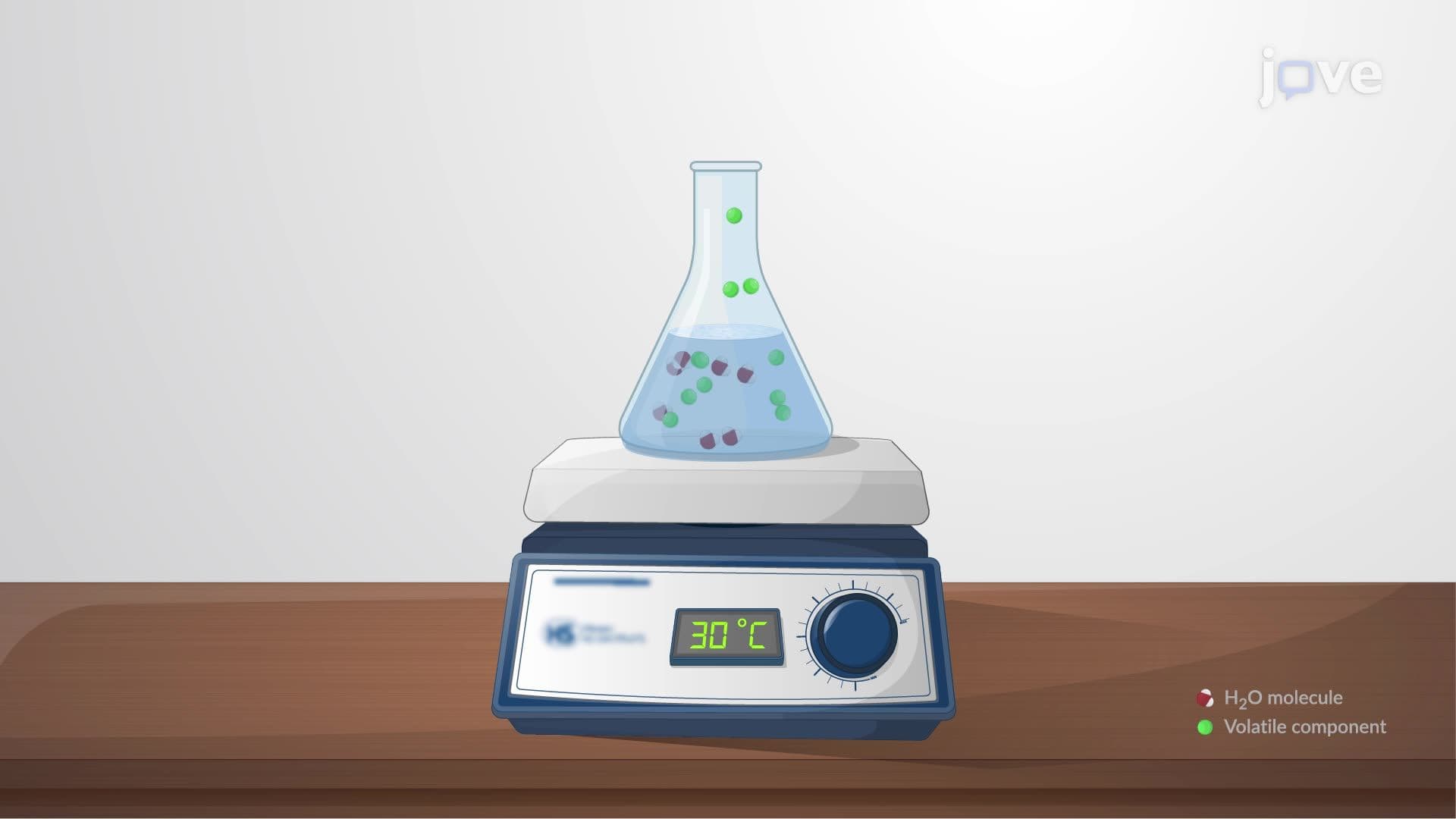
Ideal solutions obey Raoult's Law, which states that the partial vapor pressure of each component in a mixture equals the product of its mole fraction and its pure vapor pressure. In mathematical plain-text: P(component) = x(component) × P°(component). This relationship holds perfectly only when solute-solvent interactions are indistinguishable from pure-component interactions. On the AP Chemistry exam, students frequently use Raoult's Law to calculate vapor pressure lowering, one of the four key colligative properties. Understanding ideal solution behavior is therefore a direct gateway to mastering colligative properties as a whole.
The closest real-world approximations to ideal solutions involve structurally similar molecules. Isotopic mixtures, such as H₂O and D₂O (heavy water), come closest because the molecules differ only in nuclear mass, not electronic structure. Other strong examples include:
These pairs are routinely used as textbook examples in US college general chemistry courses, including those following the Zumdahl or Tro textbook series.
Understanding ideal solutions sets the stage for exploring non-ideal solutions and colligative properties, properties that depend on the number, not the identity, of solute particles. Key colligative properties include vapor pressure lowering, boiling point elevation, freezing point depression, and osmotic pressure. For non-electrolyte ideal solutions, these calculations are straightforward. However, when the solute is an electrolyte (like NaCl, which dissociates into two ions), the van't Hoff factor (i) must be applied to account for the increased number of dissolved particles.
On the MCAT, students are expected to understand how solute concentration affects these properties and how to determine molar mass experimentally using colligative property data, for example, measuring the freezing point depression of a solution to back-calculate the molar mass of an unknown solute. Ideal solution behavior is the baseline from which all such calculations begin, making it one of the most foundational concepts in solution chemistry.
Related Micro-courses