Loading video…

 6 Concepts
 1.1K views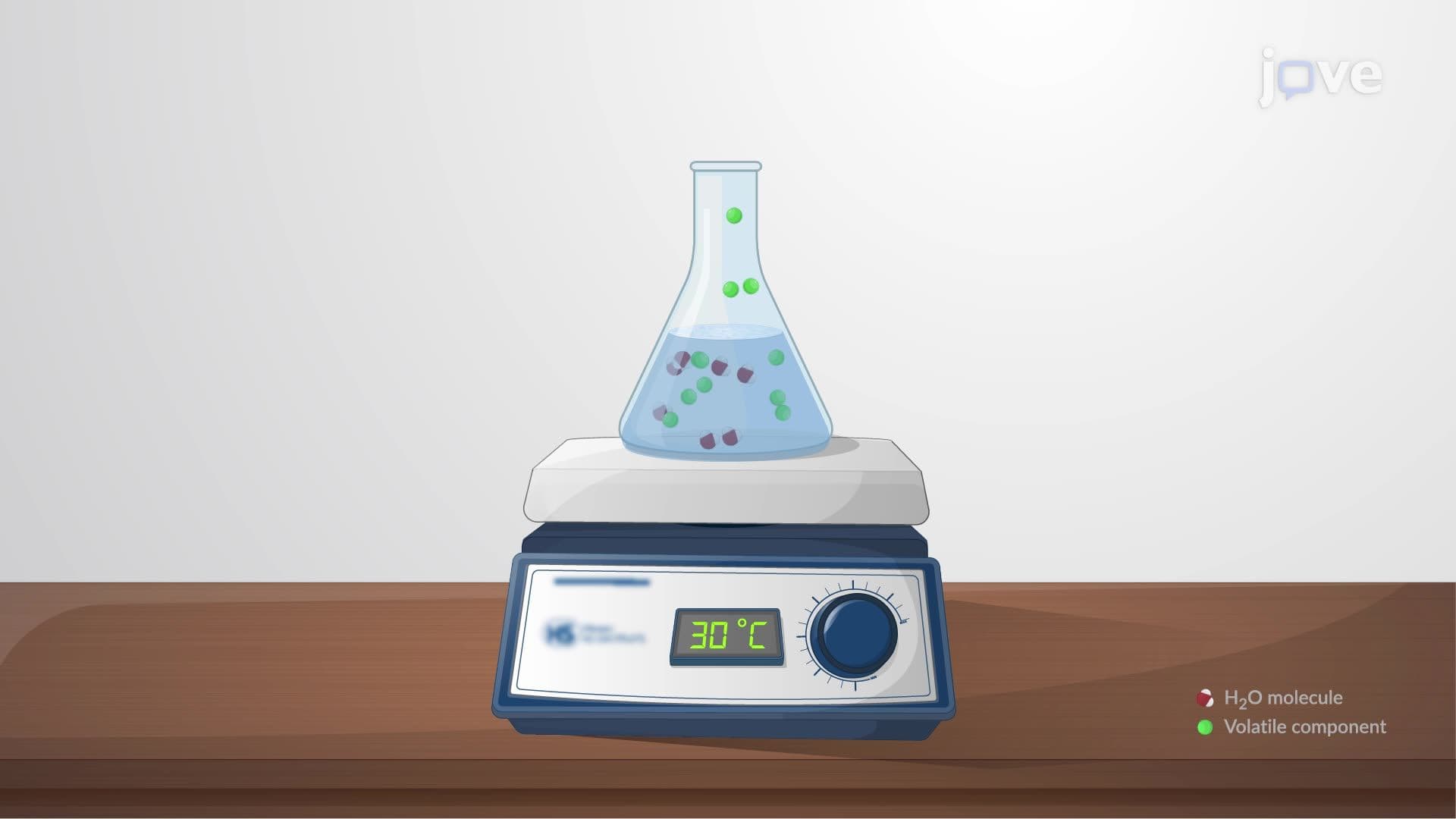

Video Summary: What Is Gas Solubility
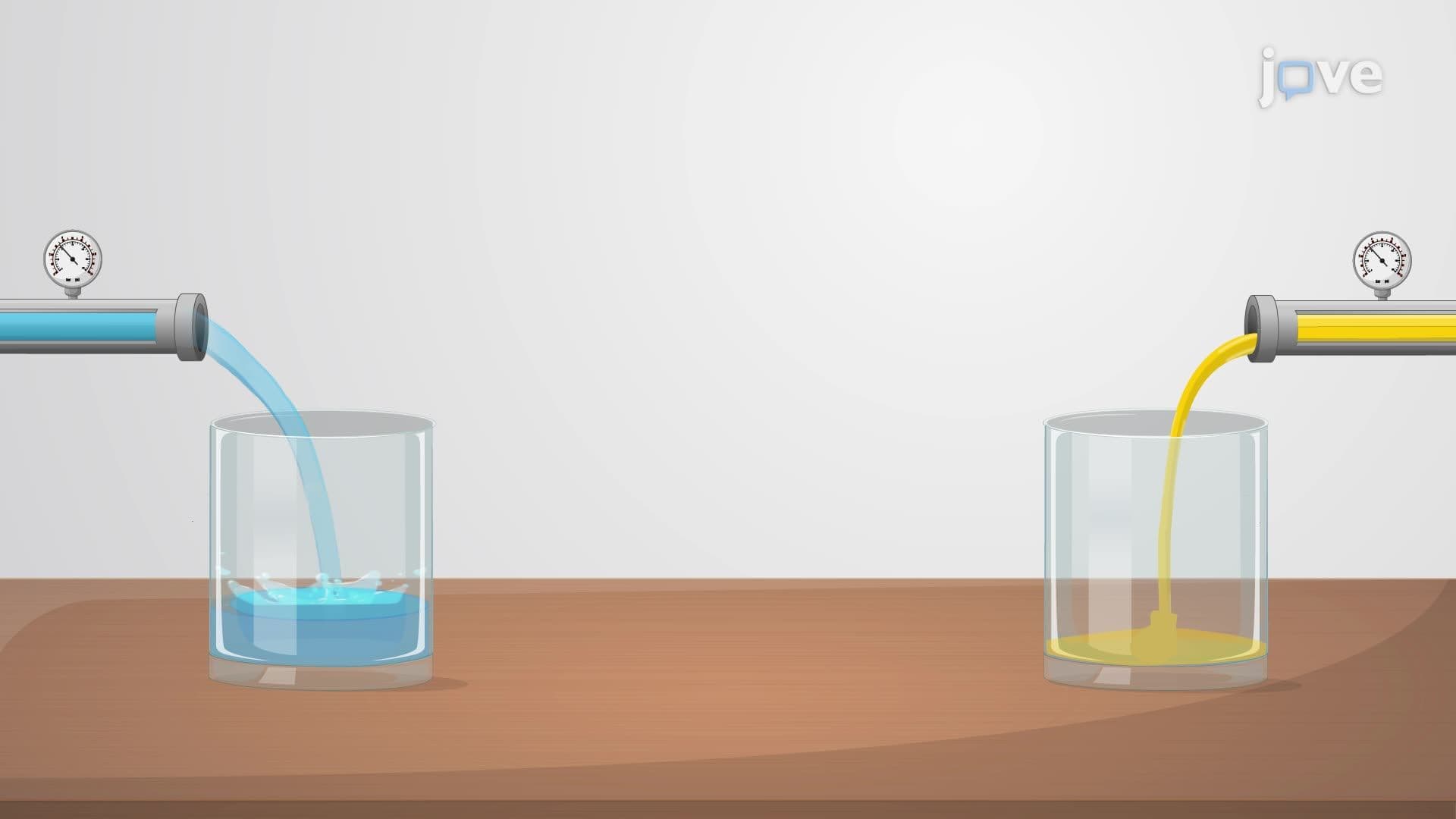
Why does a can of soda fizz when you open it? Gas solubility, the ability of gases to dissolve in liquids, explains this everyday phenomenon. Gas solubility basics also govern Henry's Law and Raoult's Law, two principles that predict how dissolved gas concentration responds to pressure and temperature. American soda manufacturers rely on these principles to carbonate beverages precisely. Watch the full video on JoVE Coach to master this concept with expert-led visuals and step-by-step explanations.
Gas solubility refers to the maximum amount of a gas that can dissolve in a liquid at a given temperature and pressure. Not all gases behave equally, HCl gas dissolves so aggressively in water that it forms hydrochloric acid, a strong acid used in industrial cleaning across the US. Oxygen, by contrast, dissolves sparingly, yet that small dissolved amount sustains aquatic life in every American lake and river. Understanding what controls gas solubility is essential for AP Chemistry, college general chemistry courses, and even the MCAT.
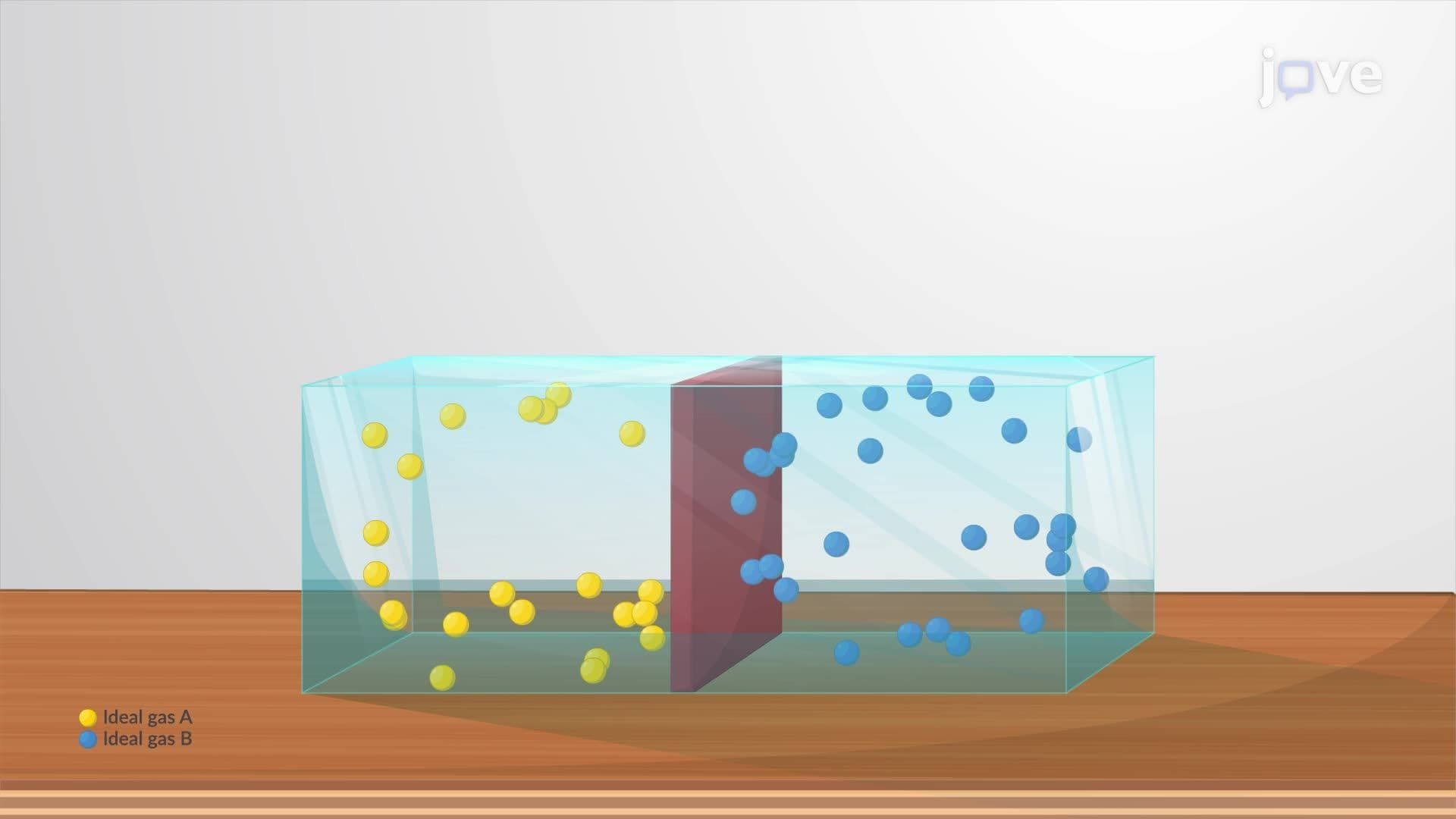
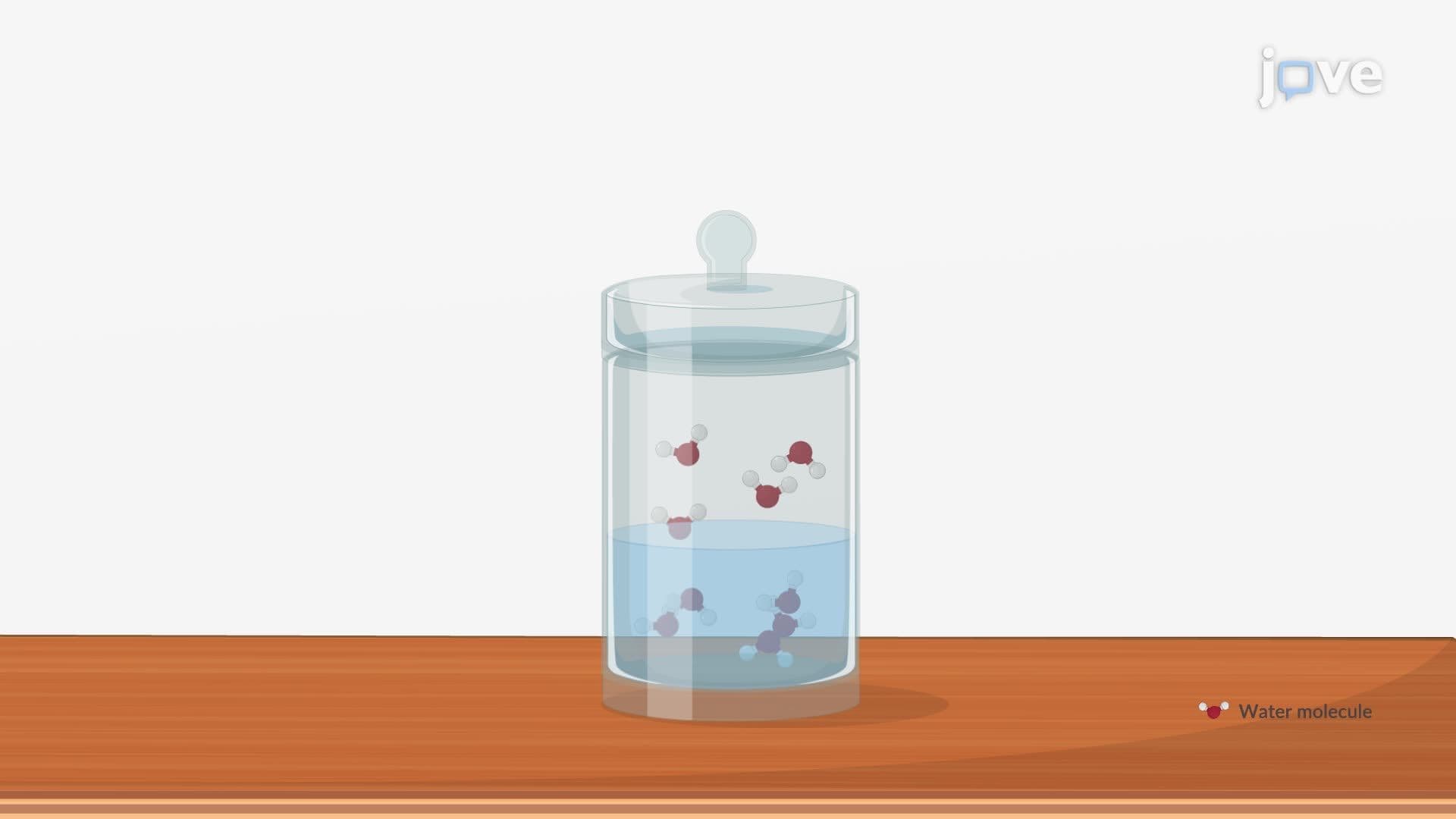
Both Henry's Law and Raoult's Law describe vapor pressure in solutions, but they apply under different conditions. Raoult's Law states that the partial vapor pressure of a component equals its mole fraction multiplied by the vapor pressure of the pure substance, it works best at high mole fractions, meaning when the component is abundant in solution. Henry's Law, on the other hand, uses an experimentally determined proportionality constant (called the Henry's Law constant, kH) instead of pure vapor pressure. It applies at low mole fractions, which is exactly the situation for sparingly soluble gases dissolved in water. On a vapor pressure vs. mole fraction graph, Raoult's Law traces the behavior near mole fraction = 1, while Henry's Law gives a straight-line approximation near mole fraction = 0.
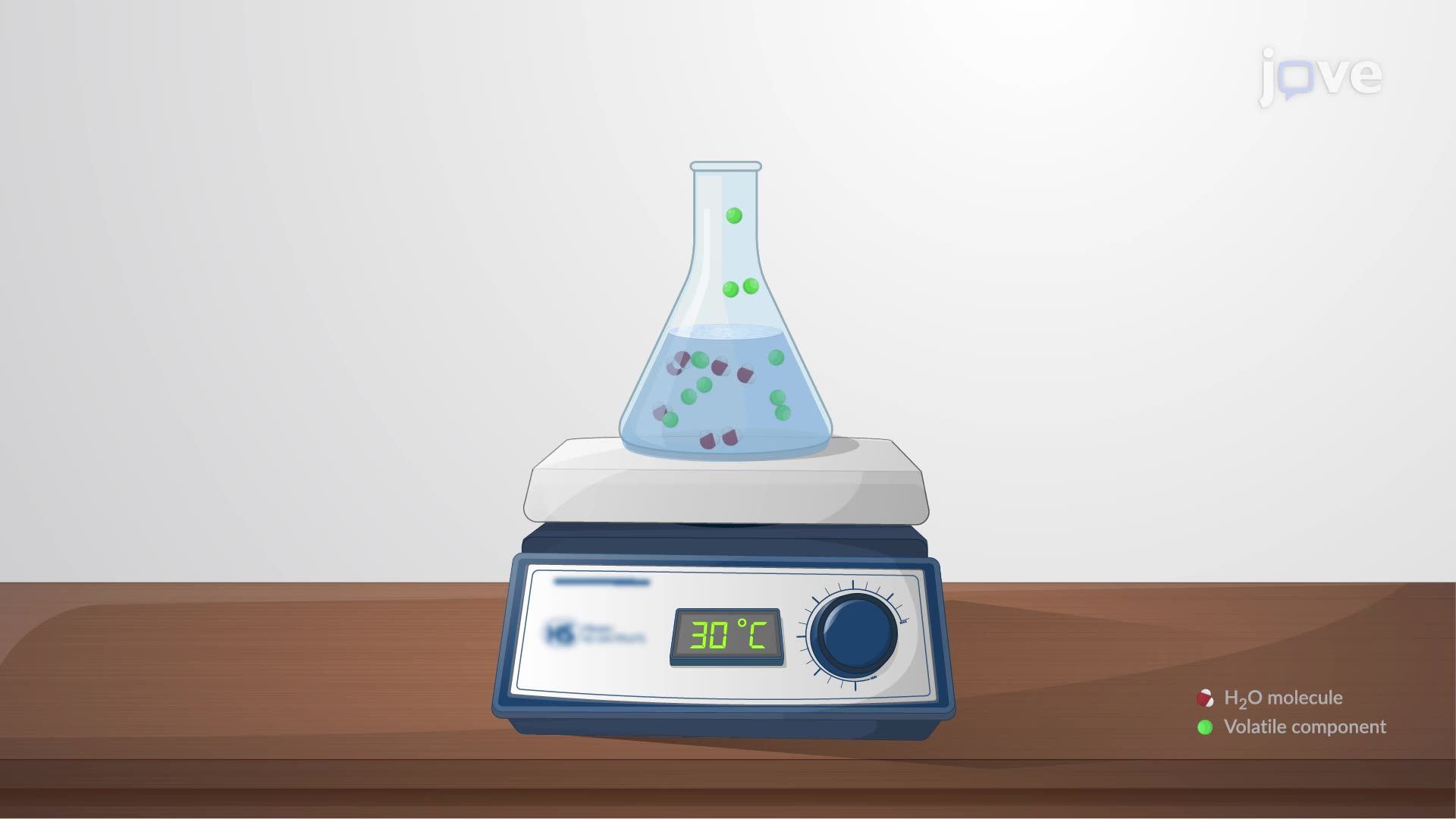
Temperature has a counterintuitive effect on gas solubility. For most nonpolar gases, like nitrogen or oxygen dissolved in water, solubility decreases as temperature rises. This is why a warm soda goes flat faster than a cold one. However, near water's critical temperature (approximately 374°C), gas solubility can increase sharply again due to extreme changes in water's physical properties. Pressure also matters significantly: increasing pressure forces more gas into solution, a relationship directly described by Henry's Law. This principle is applied in the US scuba diving industry, where divers must manage nitrogen solubility in blood carefully to avoid decompression sickness.
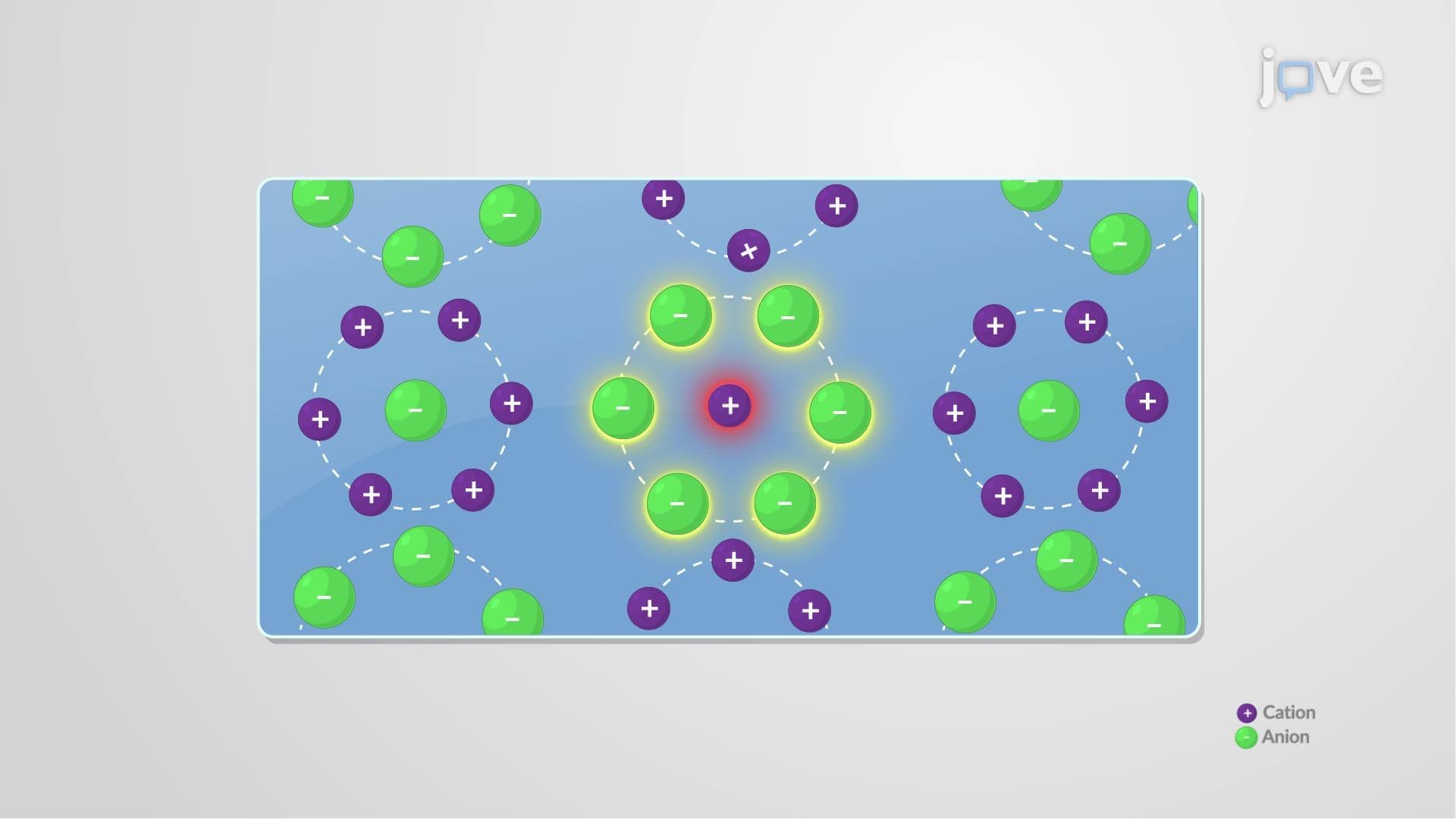
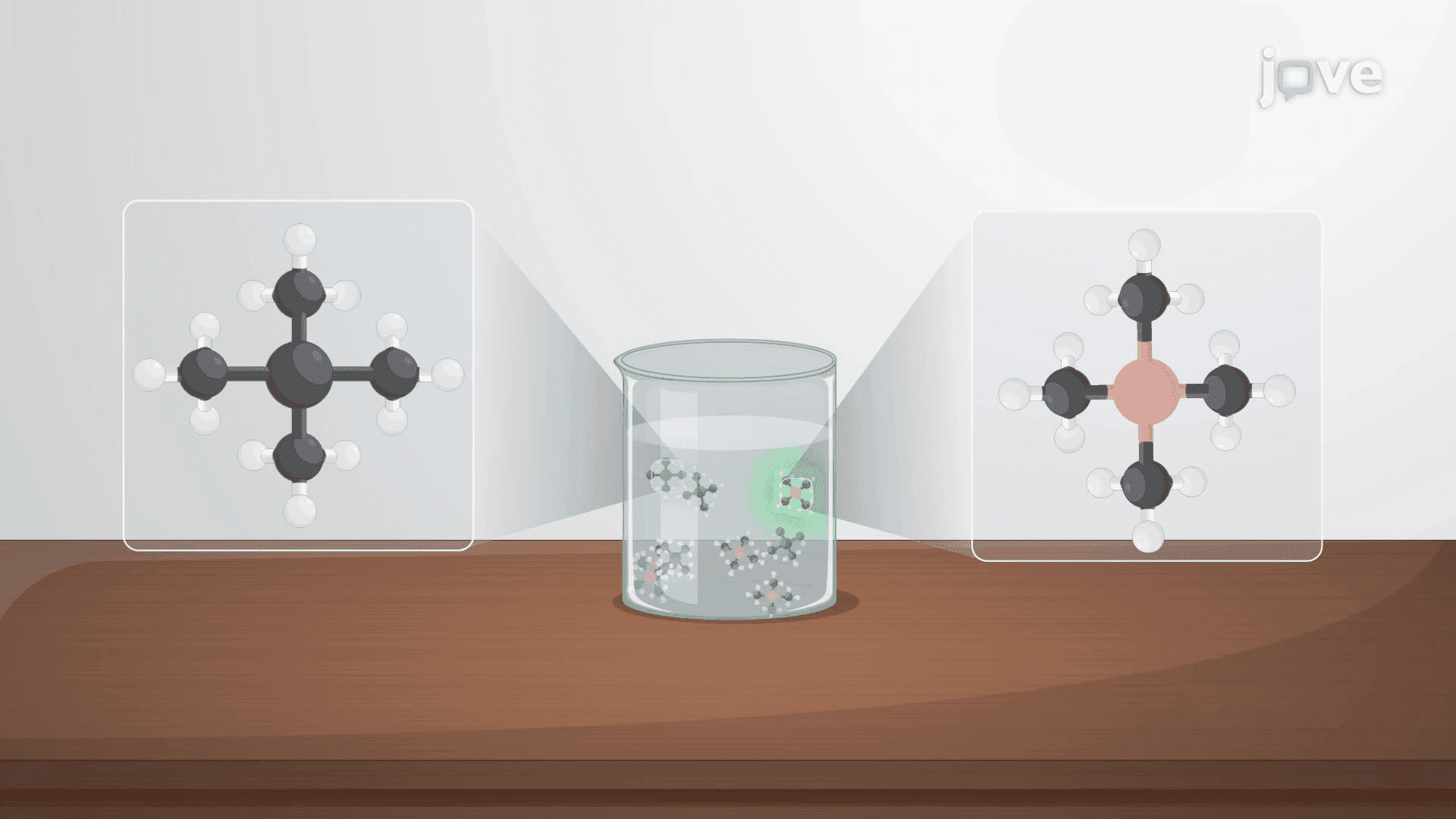
Gas solubility connects directly to colligative properties, solution properties that depend on the number of dissolved particles, not their identity. When a gas dissolves and increases solute concentration, it contributes to vapor pressure lowering, boiling point elevation, freezing point depression, and osmotic pressure. For electrolyte solutions, the van't Hoff factor (i) accounts for the fact that ionic compounds dissociate into multiple particles, amplifying these effects. In AP Chemistry and college midterms, students are frequently asked to use colligative property data to determine molar mass, a skill that requires a solid grasp of how solutes, including dissolved gases, behave in solution. Recognizing the difference between ideal and non-ideal solutions is equally important: ideal solutions follow Raoult's Law perfectly, while real solutions deviate based on intermolecular interactions.
Related Micro-courses